Photos from current listings. Actual item, color, and included accessories may vary.
Wireless Mic Buying Guide
A wireless mic system replaces the cable between microphone and recording device with a radio or digital link, and the core trade-off is analog UHF/VHF simplicity versus digital 2.4 GHz convenience. Analog systems demand frequency coordination and licensed spectrum awareness, while digital systems trade range and interference immunity for plug-and-play phone/laptop compatibility. The decision rule: buy a true UHF system with user-selectable frequencies for stage or multi-mic events, and buy a digital 2.4 GHz system only for solo creator recording where the receiver matches your device port.

At a glance
- Category
- Microphones & Accessories
- Data updated
- Nov 15, 2026
Current offers
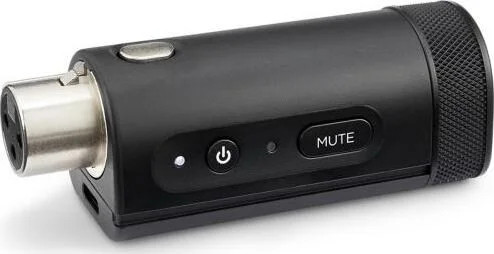 Bosen869721-0010S1 Pro+ Wireless Mic/Line Tran$166.99
 View on eBay
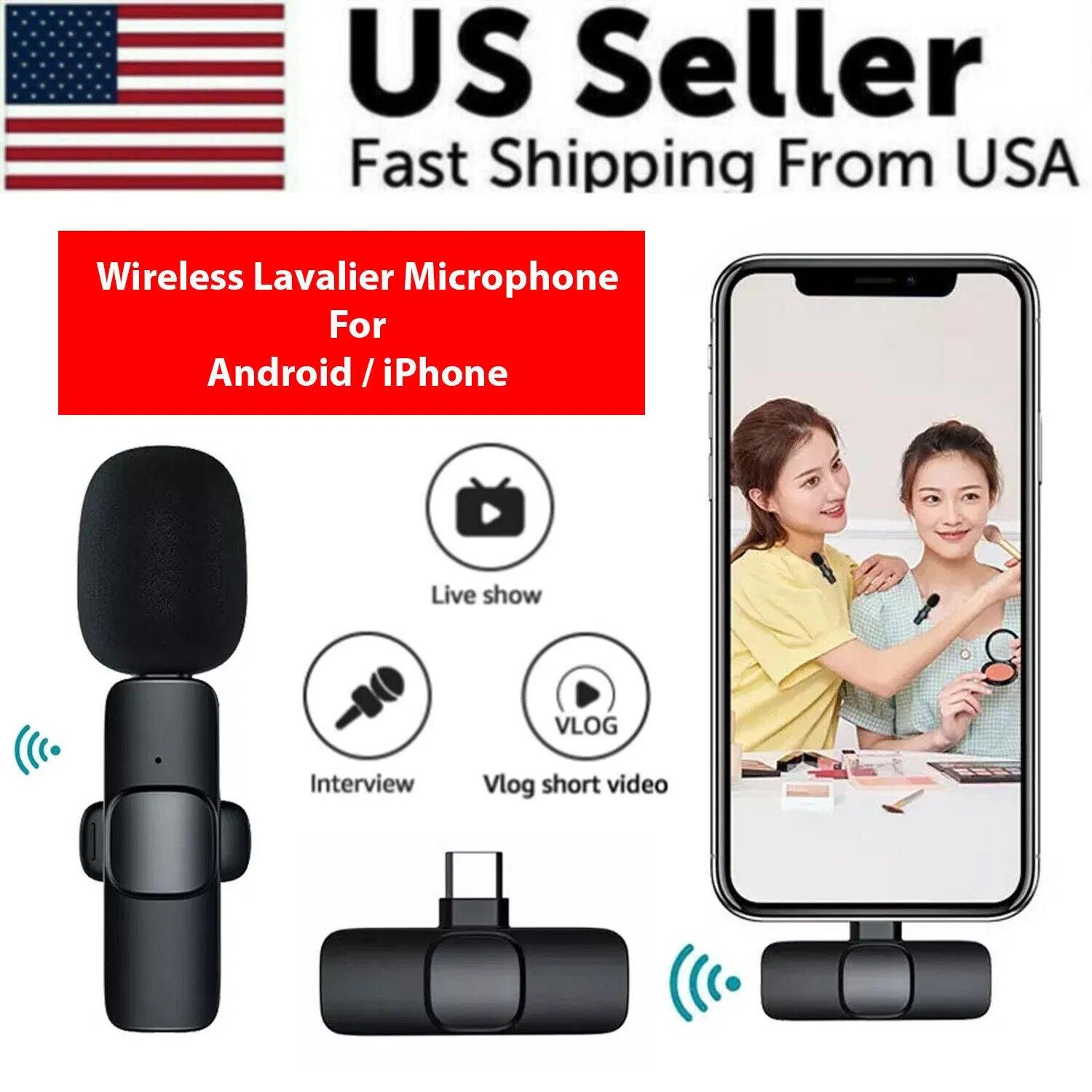 Lavalier Microphone Wireless Audio Video Recording Mini Mic For Android/iPhone$25.99
 View on Mallflare
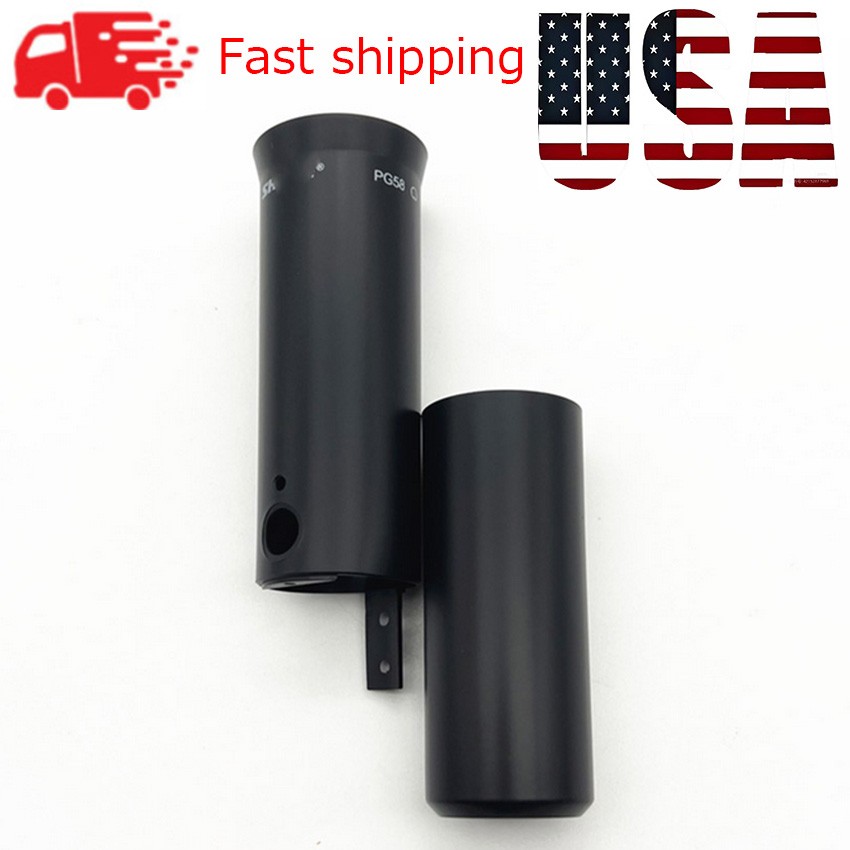 For Shure PG58 Wireless Microphone Shell Microphone Body Accessories (US Stock)$19.16View on eBay
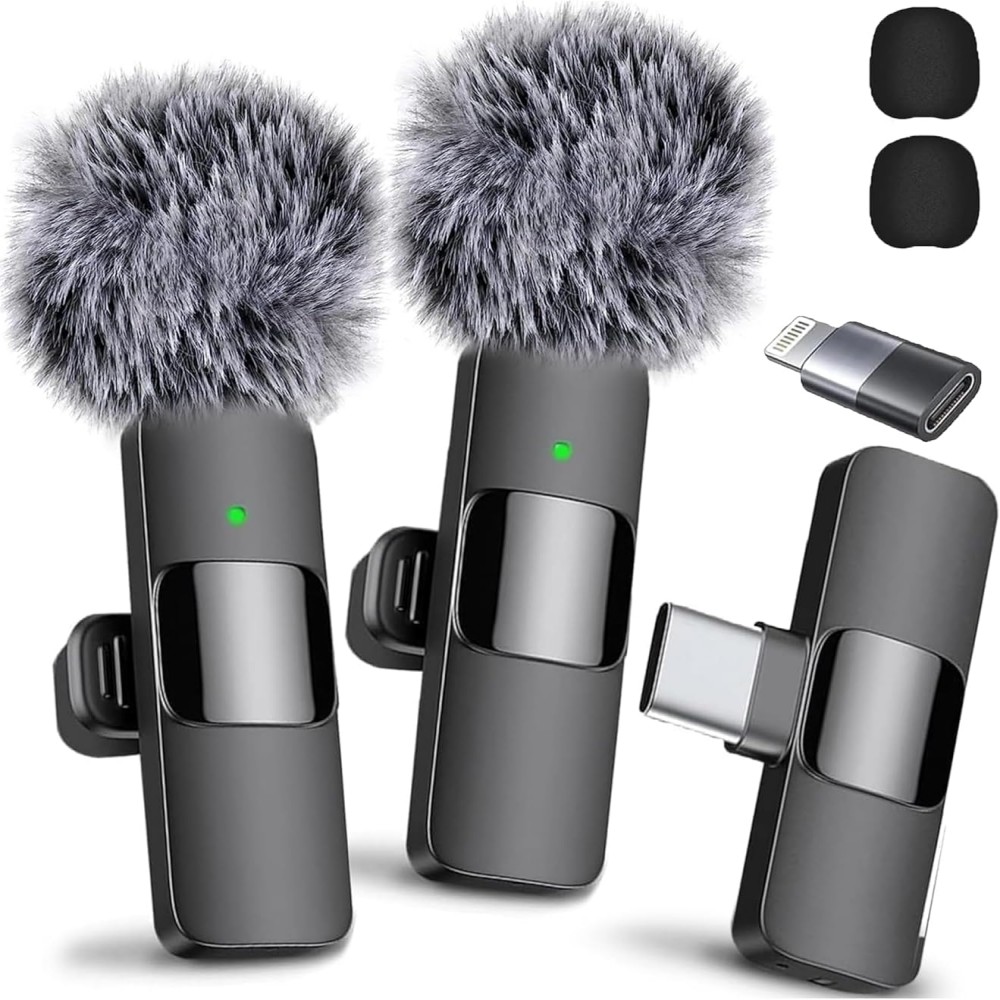 Wireless Microphone for iPhone, iPad, Android, Lavalier for Video Recording - 2 Pack Mic Crystal Clear with USB-C for Podcast ASMR$34.99View on Mallflare
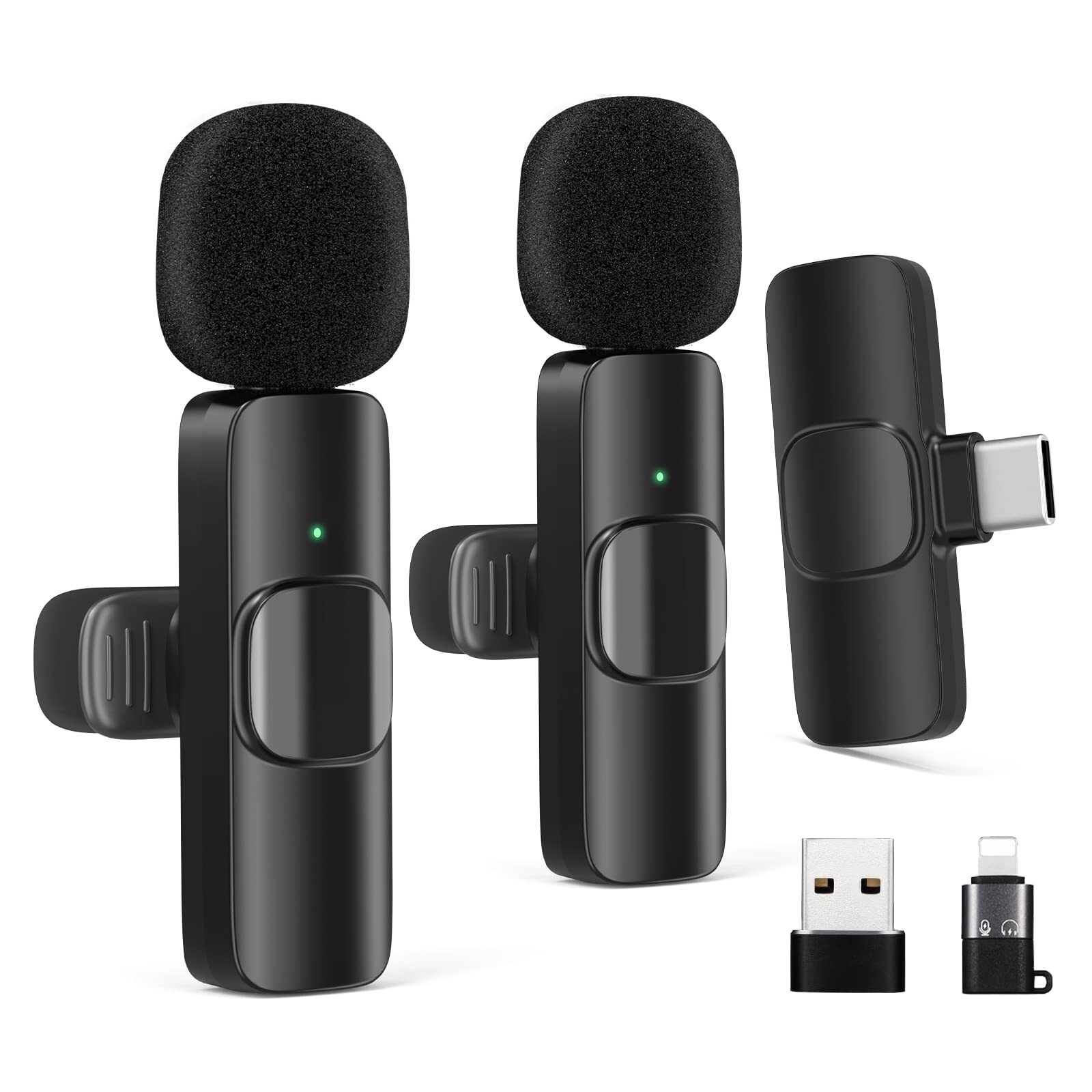 Wireless Microphones for Android Phone & Computer/Laptop, Mini Professional Wire$25.43View on eBay
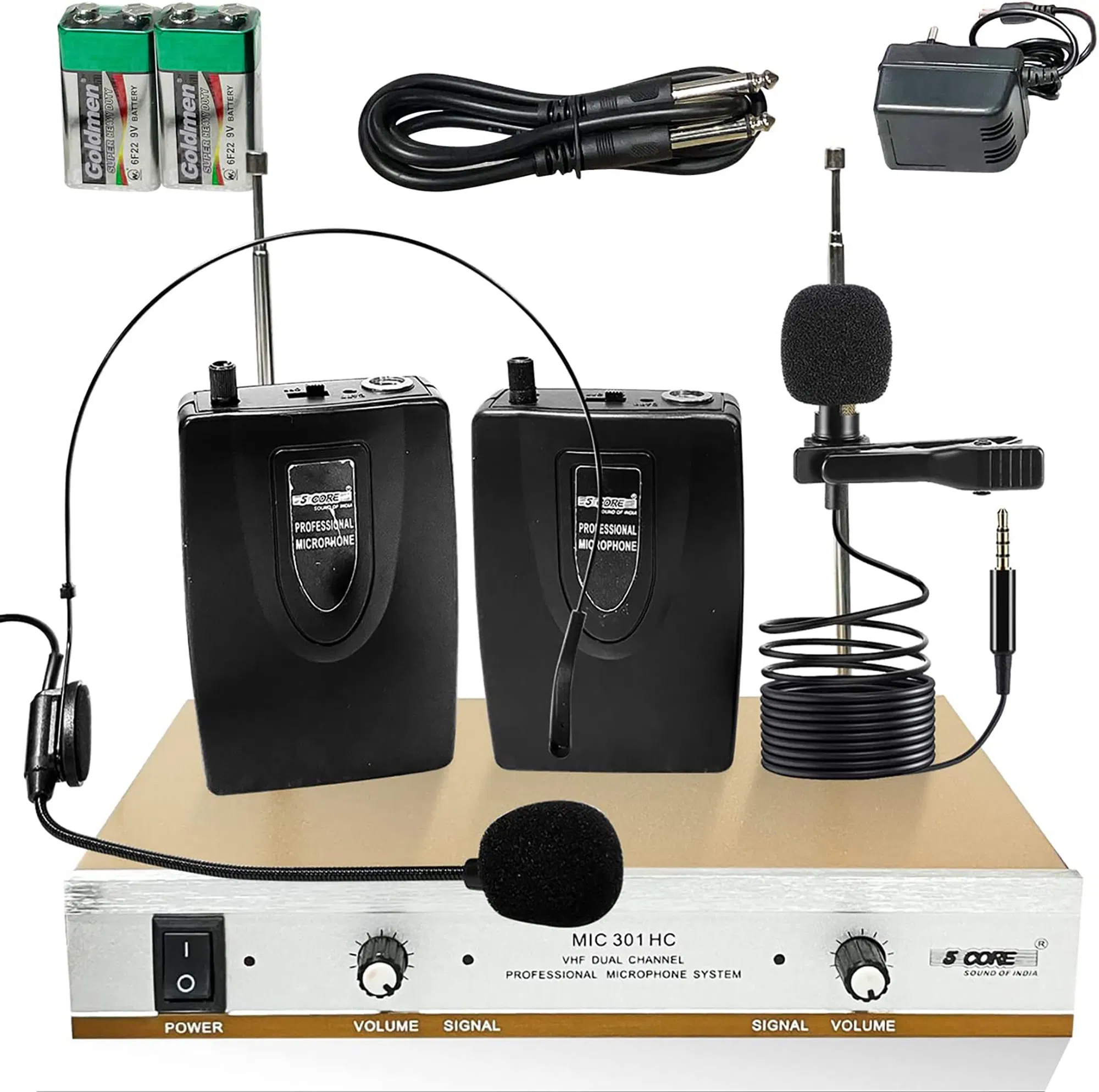 5 Core Wireless Microphone System Professional Mic for On Stage Studio$53.99View on Mallflare
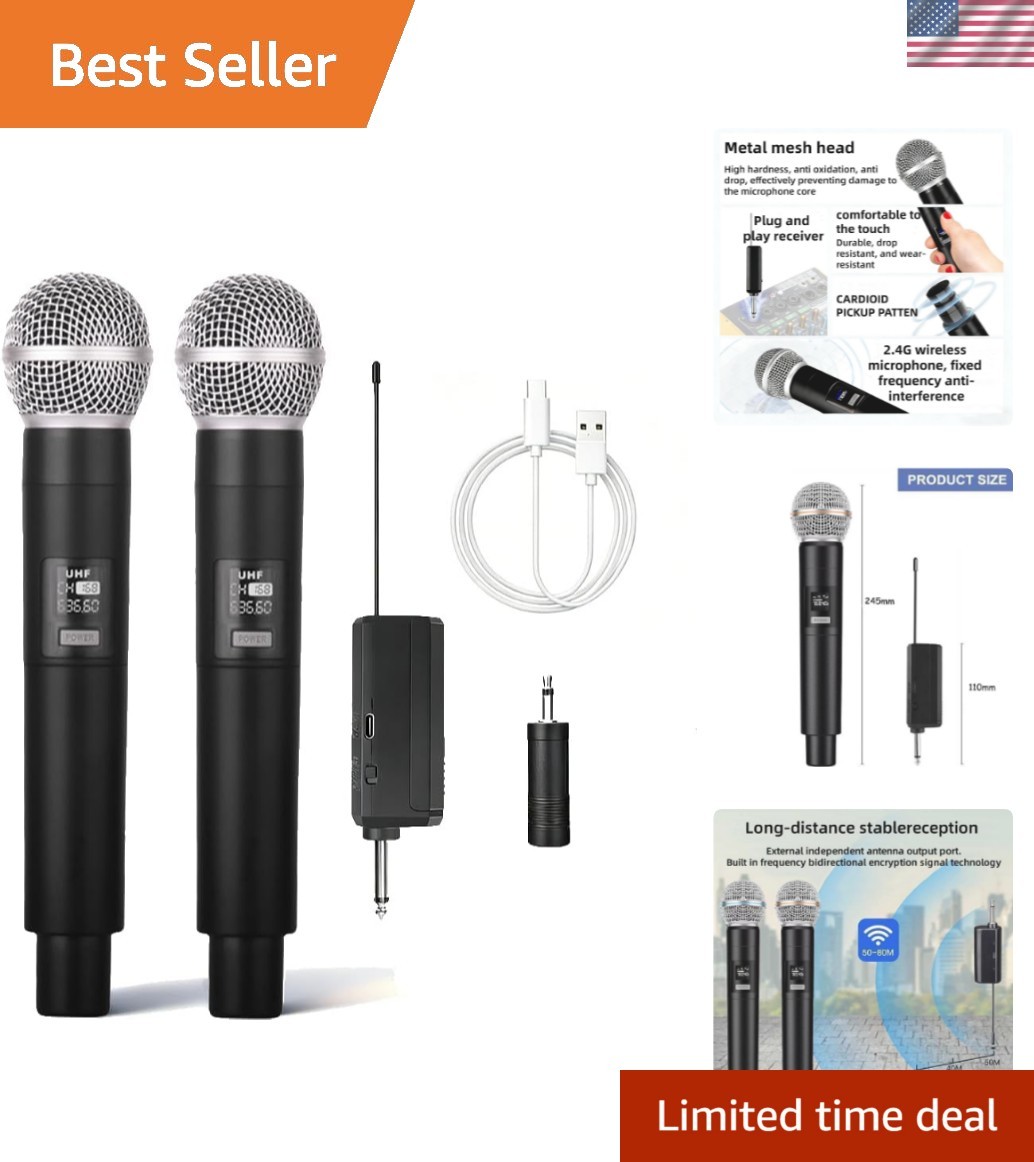 Studio Quality Wireless Karaoke Microphone Set with Durable Design & Accessories$29.99View on eBay
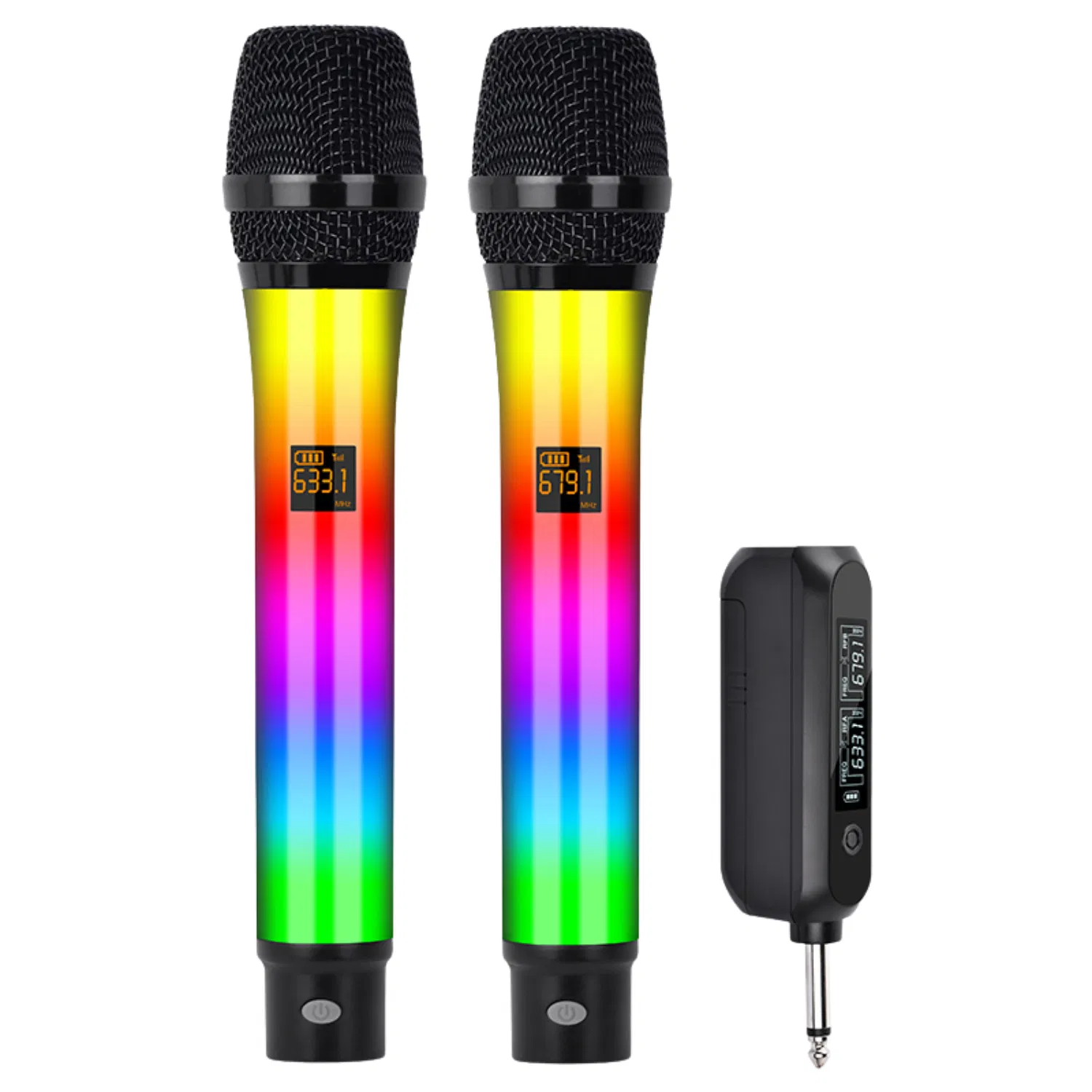 5 Core Wireless Microphone System Pair Professional Mic for Stage Studio$59.99View on Mallflare
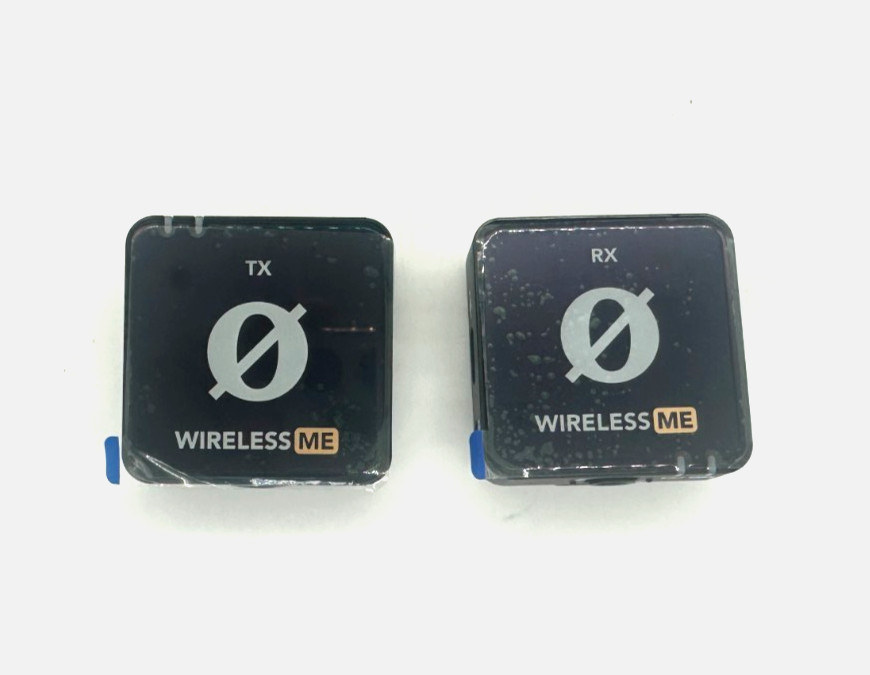 Rode Wireless ME Compact Wireless Microphone System Unit Only, No Accessories$43.98View on eBay
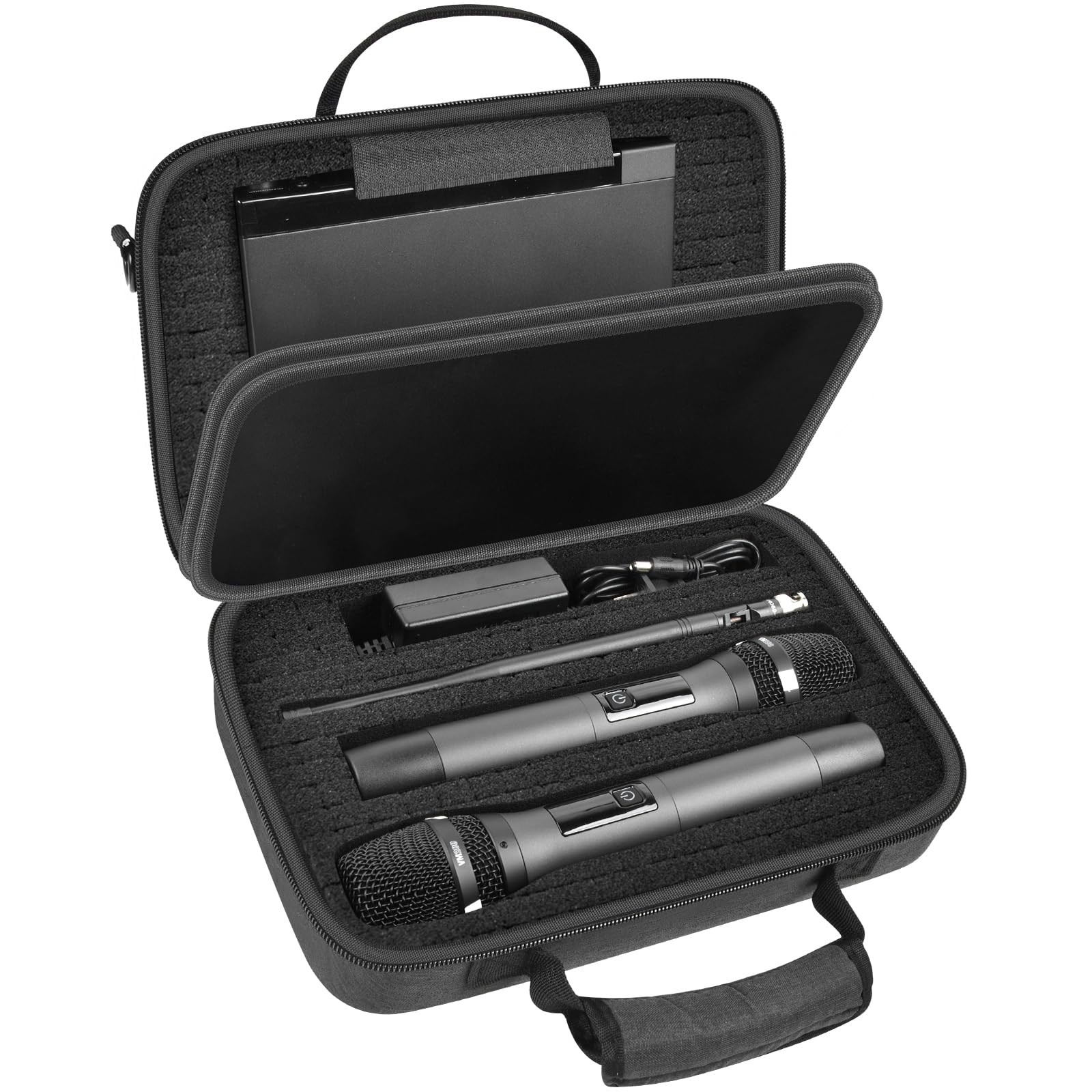 Wireless Microphone Case for JBL Bietrun Handheld Dual Mic DIY Foam Accessories$43.99View on eBay
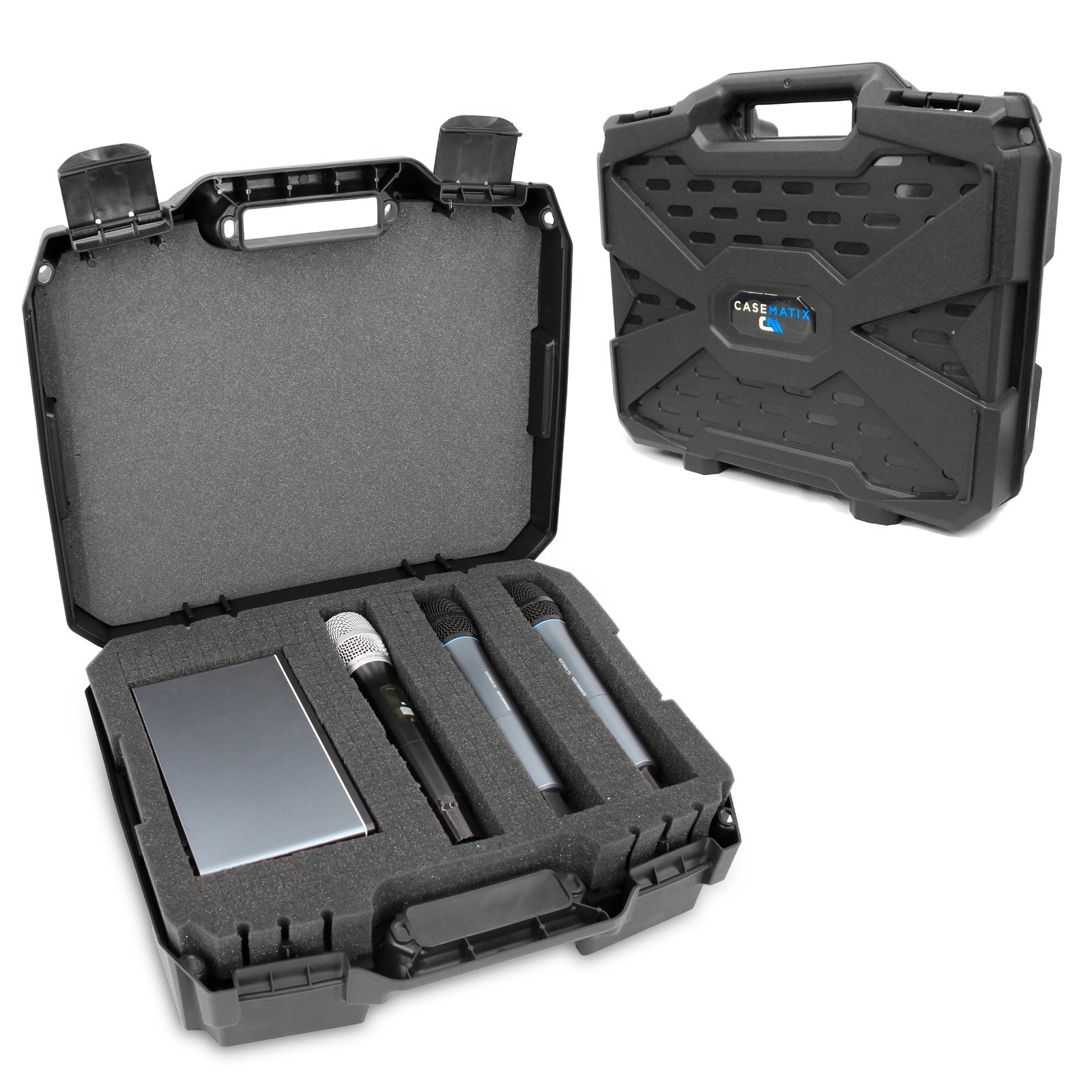 CASEMATIX Wireless Microphone Case – Holds 12 Mics, Transmitters & Accessories$44.99View on eBay
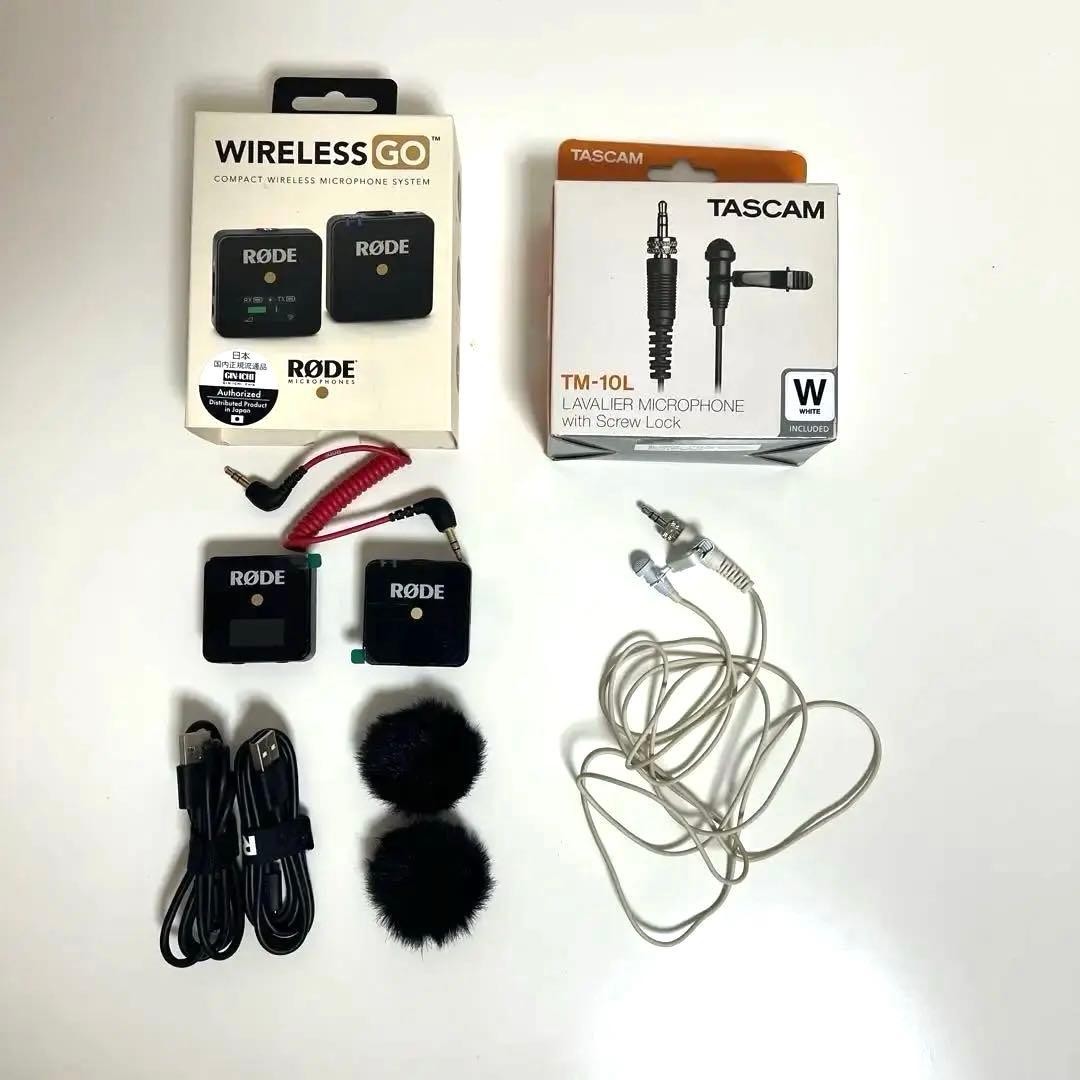 RODE Wireless GO Microphone Professional Used Audio Gear Home Studio Equipment$139.05View on eBay
Highlights
- UHF systems (470–698 MHz) with selectable frequencies and true diversity receivers resist interference and support 8+ simultaneous channels; fixed-frequency VHF systems cap out at 2–3 channels.
- 2.4 GHz digital systems carry 16-bit/48 kHz audio at roughly 30–50 ft line-of-sight; bodies and walls cut range sharply, and crowded Wi-Fi venues cause dropouts.
- Lavalier mics use electret condenser capsules with 3.5 mm TRS or TRRS plugs; TRRS is required for phone/tablet mic input, TRS for camera and mixer inputs.
- Receiver output must match the host: USB-C for modern Android/iPad/iPhone 15, Lightning for iPhone 14 and older, 3.5 mm TRS for cameras and mixers.
Best use cases
- Best fit: solo phone or laptop creator recording — pick a 2.4 GHz lavalier or clip-on system with the correct USB-C or Lightning receiver; skip UHF bodypacks that need a separate audio interface.
- Best fit: stage performance, karaoke, or worship with multiple handhelds — pick a UHF system with selectable frequencies and a diversity receiver; skip fixed-frequency VHF kits that collide when two or more are used.
- Best fit: on-camera interview or run-and-gun video — pick a system with a 3.5 mm TRS camera output and built-in recording backup; skip phone-only receivers with no camera output.
- Wrong fit: outdoor long-range events — 2.4 GHz and consumer UHF systems both fall short past 100 ft; skip them and rent a professional UHF system with remote antennas.
Buying tips
- Match the receiver plug to the host port: USB-C for iPhone 15/16, iPad, and modern Android; Lightning for iPhone 14 and earlier; 3.5 mm TRS for cameras and mixers.
- For multi-mic setups, buy UHF with at least 16 selectable frequencies per channel and a true-diversity receiver; fixed-channel systems cannot avoid co-channel interference.
- Check the transmitter power and battery: 10 mW is standard for consumer 2.4 GHz; 50 mW UHF bodypacks last longer per charge but require FCC Part 74 licensing for some uses.
- For lavalier clarity, choose an omnidirectional electret capsule with a foam windscreen; cardioid lavaliers feedback more easily on small stages.
Specs
| Transmission | UHF analog vs 2.4 GHz digital |
|---|---|
| Receiver Plug | USB-C / Lightning / 3.5 mm TRS |
| Mic Type | Handheld / Lavalier / Clip-on |
| Frequency Channels | Fixed vs 16+ selectable |
Related searches
What to check before buying
- Confirm your phone or camera input: Lightning, USB-C, or 3.5 mm TRS/TRRS — the receiver must match exactly or you need an adapter.
- Measure your maximum distance from transmitter to receiver; 2.4 GHz systems need line-of-sight within 30–50 ft, UHF within 100–300 ft.
- For stage use, count how many mics will run simultaneously and ensure the system offers that many selectable frequency channels.
- Check the transmitter battery type and runtime: AAA/AA lasts 6–10 hours, built-in lithium 4–8 hours; plan spare batteries or a USB-C charge cable.
FAQ
Data sources: eBay / Amazon listings and product attribute feeds Data updated Nov 15, 2026.
Some links on this page are affiliate links. If you buy after clicking one, we may earn a commission at no extra cost to you. This does not change which products appear here or their order. Affiliate disclosure.