Photos from current listings. Actual item, color, and included accessories may vary.
Akg Microphone Buying Guide
AKG microphones span three distinct architectures: large-diaphragm condensers (C414, P220), small-diaphragm condensers (P170, C451), and dynamic vocal/utility models (D5, P5). The core trade-off is capsule/transformer quality versus price tier, and the decisive rule is simple: buy the C414 XLS/XLII or a P-series condenser for studio-critical work, and choose AKG dynamics only when feedback rejection and ruggedness matter more than air and detail.


At a glance
- Category
- Microphones & Accessories
- Data updated
- Nov 15, 2026
Current offers
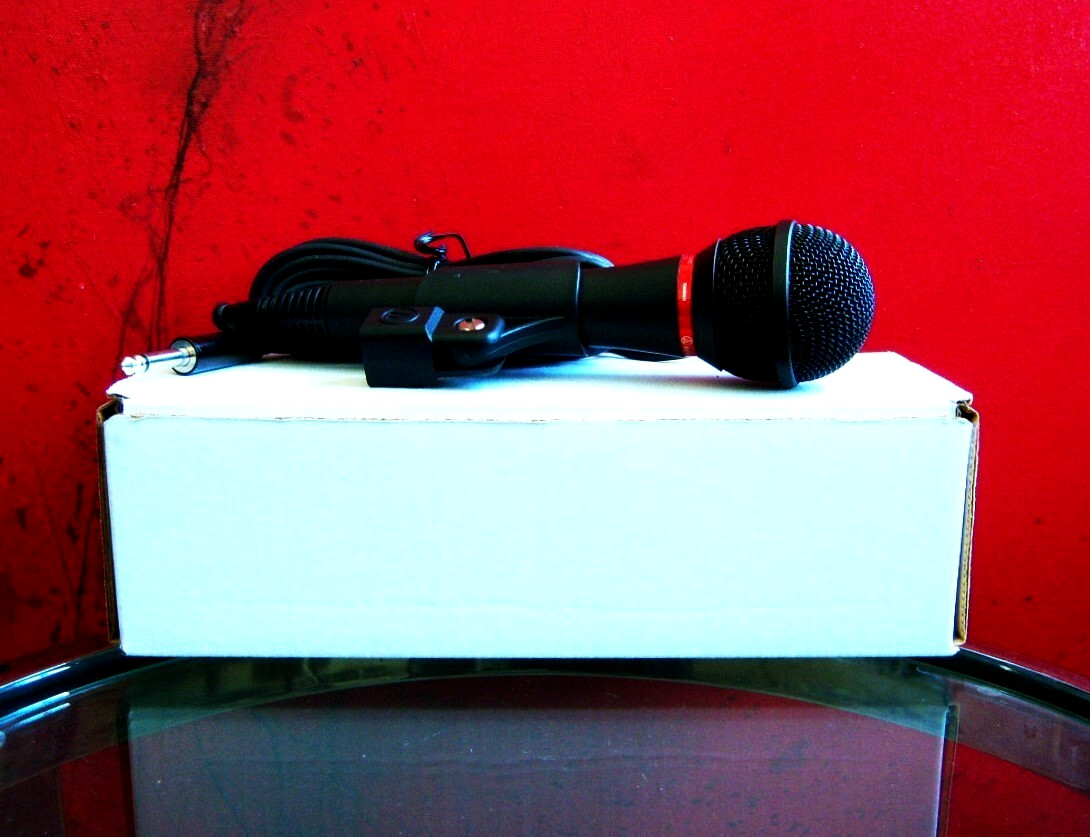 1990's Audio Technica Pro 1 dynamic cardioid microphone Lo Z w accessories AKG$47.30
 View on eBay
 AKG P120 Microphone Box Professional Used Audio Gear Home Studio Equipment$121.05View on eBay
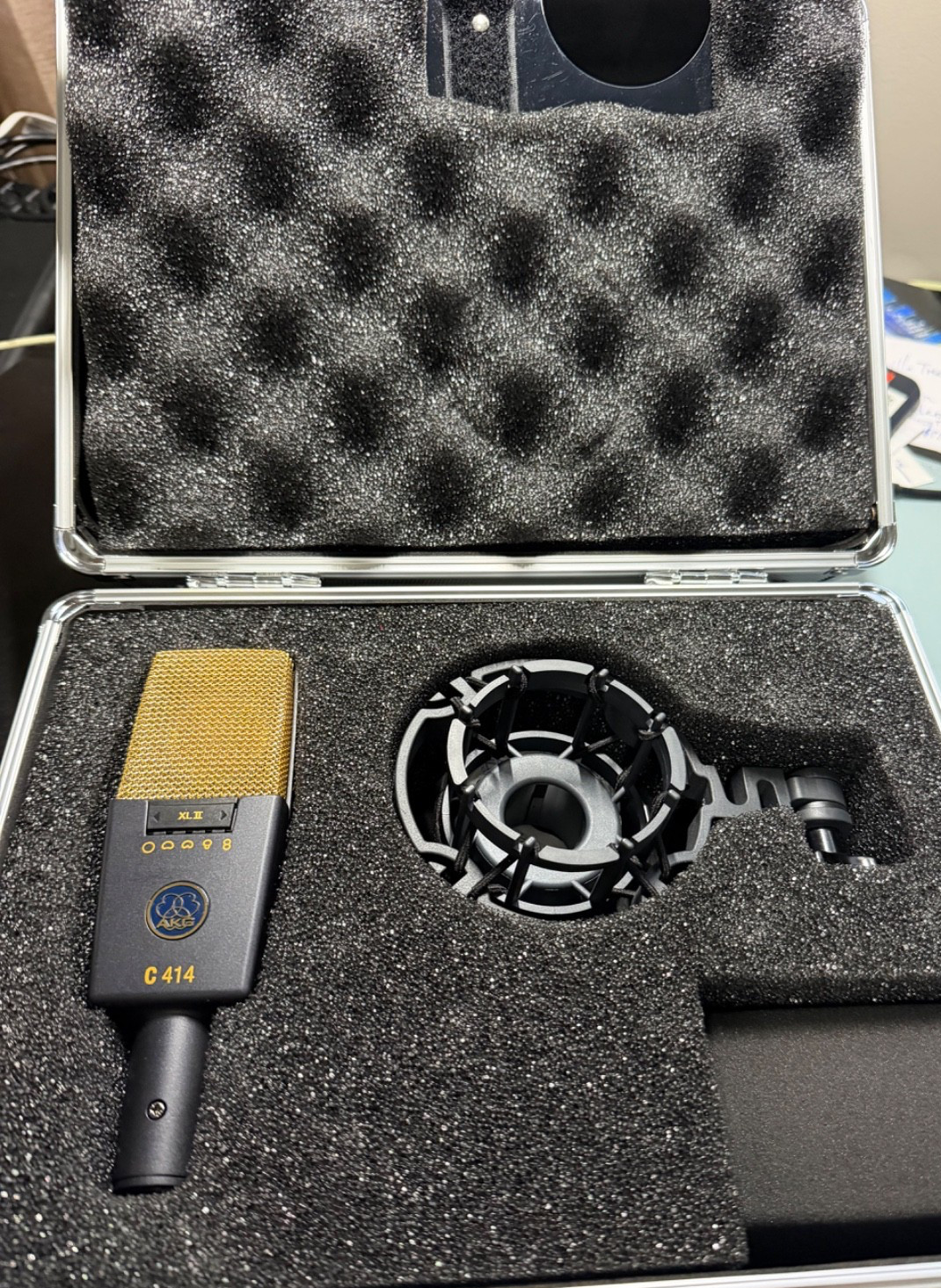 AKG C414 XLII Microphone with Accessories$600.00View on eBay
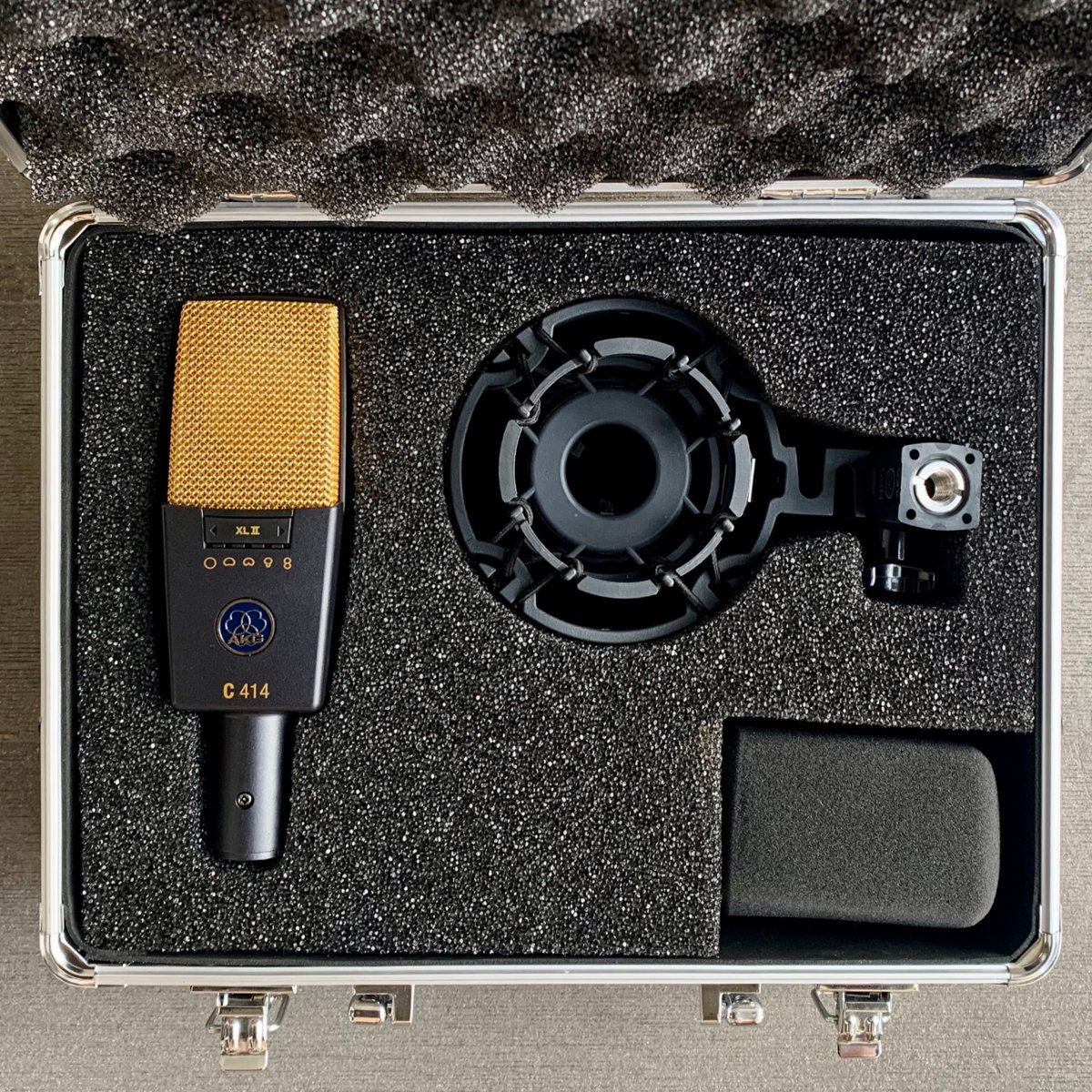 AKG C414 XLII Condenser Microphone & All Accessories – Excellent Condition$695.00View on eBay
Highlights
- C414 XLS uses a fixed cardioid-only capsule with 5 polar patterns selectable via two switches; XLII adds a 6 dB high-frequency lift and wider cardioid-only tuning for modern pop vocals.
- P-series condensers (P120, P220) are true large-diaphragm, externally biased designs with 20 dB pad and low-cut filter; P170 is a small-diaphragm model for acoustic instruments.
- AKG dynamic models (D5, P5) use moving-coil cardioid capsules with neodymium magnets; they need no phantom power and handle high SPL without a pad.
- C414 body is die-cast metal with a suspended capsule and gold-sputtered Mylar diaphragm; the included spider shock mount and metal case are standard, not optional add-ons.
Best use cases
- Recorded vocals and acoustic instruments in a treated room: pick the C414 XLII or P220 for detail and pattern control; skip USB mics if you already own an audio interface.
- Live stage vocals and loud amps: choose the D5 or P5 dynamic; skip large-diaphragm condensers because they pick up monitor bleed and need phantom power.
- Drum overheads or stereo room capture: use a matched pair of P170 or C414 in figure-8; skip single-cardioid-only budget condensers if you need stereo patterns.
- Podcast or voiceover in an untreated room: pick a dynamic D5 with a foam windscreen; skip the C414 because it exposes room reflections and HVAC noise.
Buying tips
- Match phantom power: all AKG condensers require 48 V; confirm your interface supplies it before buying a P120 or C414.
- Polar pattern math: cardioid-only models (P120, P170) reject rear sound; multi-pattern C414 XLS/XLII adds omni and figure-8 for room or stereo work.
- Pad and filter: choose a condenser with a -20 dB pad if you record drums or guitar cabs; the C414 and P220 include it, the P120 does not.
- Shock mount fit: C414 uses a proprietary spider mount; P-series uses a standard 5/8-inch thread, so budget for a compatible clip or shock mount.
Specs
| Capsule Type | Large-diaphragm condenser / dynamic |
|---|---|
| Polar Patterns | Cardioid only vs 5-pattern (C414) |
| Phantom Power | 48 V required (condensers) / none (dynamic) |
| Pad & Filter | -20 dB pad + low-cut on C414/P220 |
Related searches
What to check before buying
- Confirm your audio interface provides 48 V phantom power and enough gain for a condenser before choosing a P-series or C414.
- Measure your boom arm or stand thread: AKG condensers ship with a 5/8-inch adapter; verify your stand accepts it or add a thread adapter.
- Check room treatment: a large-diaphragm condenser needs absorptive treatment within 1 meter; otherwise choose a dynamic D5 or a tight cardioid pattern.
- Verify included accessories: C414 ships with a spider shock mount and metal case; P-series often ships with a simple clip, so add a shock mount separately.
FAQ
Data sources: eBay / Amazon listings and product attribute feeds Data updated Nov 15, 2026.
Some links on this page are affiliate links. If you buy after clicking one, we may earn a commission at no extra cost to you. This does not change which products appear here or their order. Affiliate disclosure.