Photos from current listings. Actual item, color, and included accessories may vary.
Microphone Buying Guide
A microphone is a transducer that converts acoustic energy into an electrical signal, and the core trade-off is capsule type and connectivity versus build and mounting quality. Condenser capsules deliver detail and sensitivity for studio/voice use; dynamic capsules resist feedback and handling noise for live and speech. Decide durable options by metal-bodied construction, standardized XLR or USB-C connectors, and included shock or pop control—not by bundled accessories alone.

At a glance
- Category
- Microphones & Accessories
- Data updated
- Nov 15, 2026
Current offers
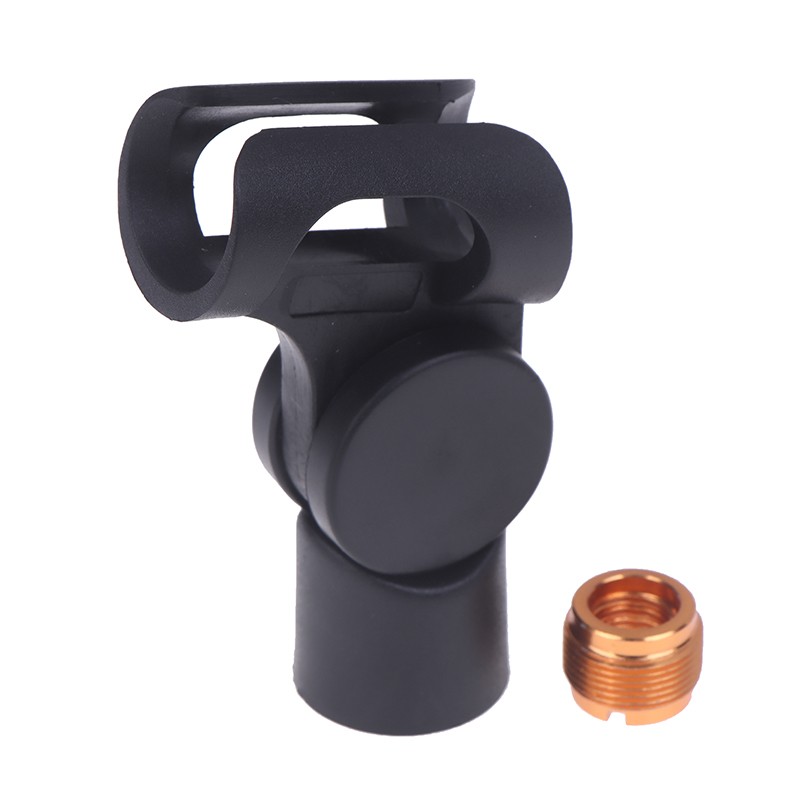 Microphone Clamp Accessories Holder For Microphone Stand With Plastic Adapter$4.03
 View on eBay
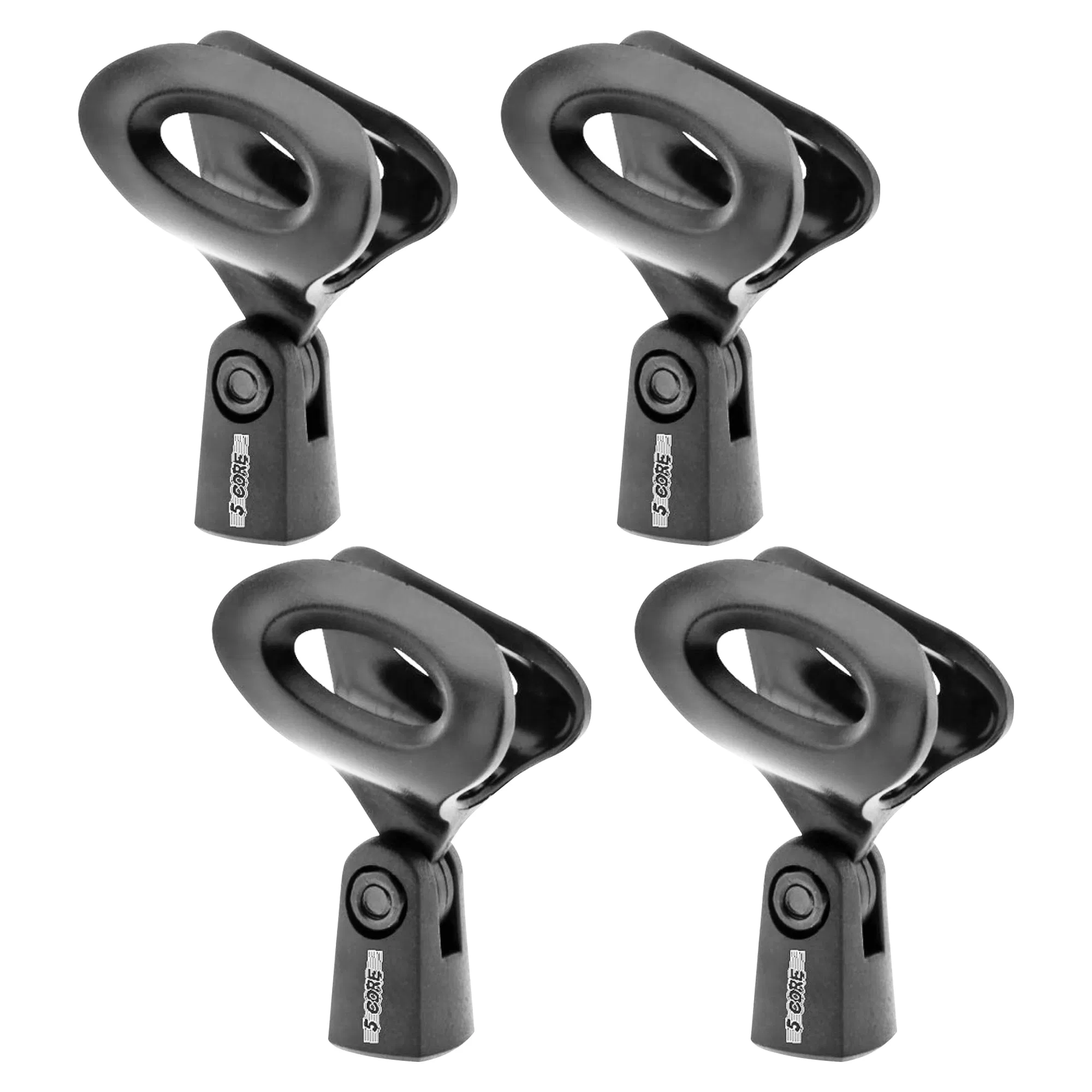 5 Core Mic Clips for Stands 4Pcs Microphone Clip Holder Universal Adjustable with 5/8" Male to 3/8" Female Screw Adapter Suitable for Handheld Microphones 4-Pack MC 03$10.99
 View on Mallflare
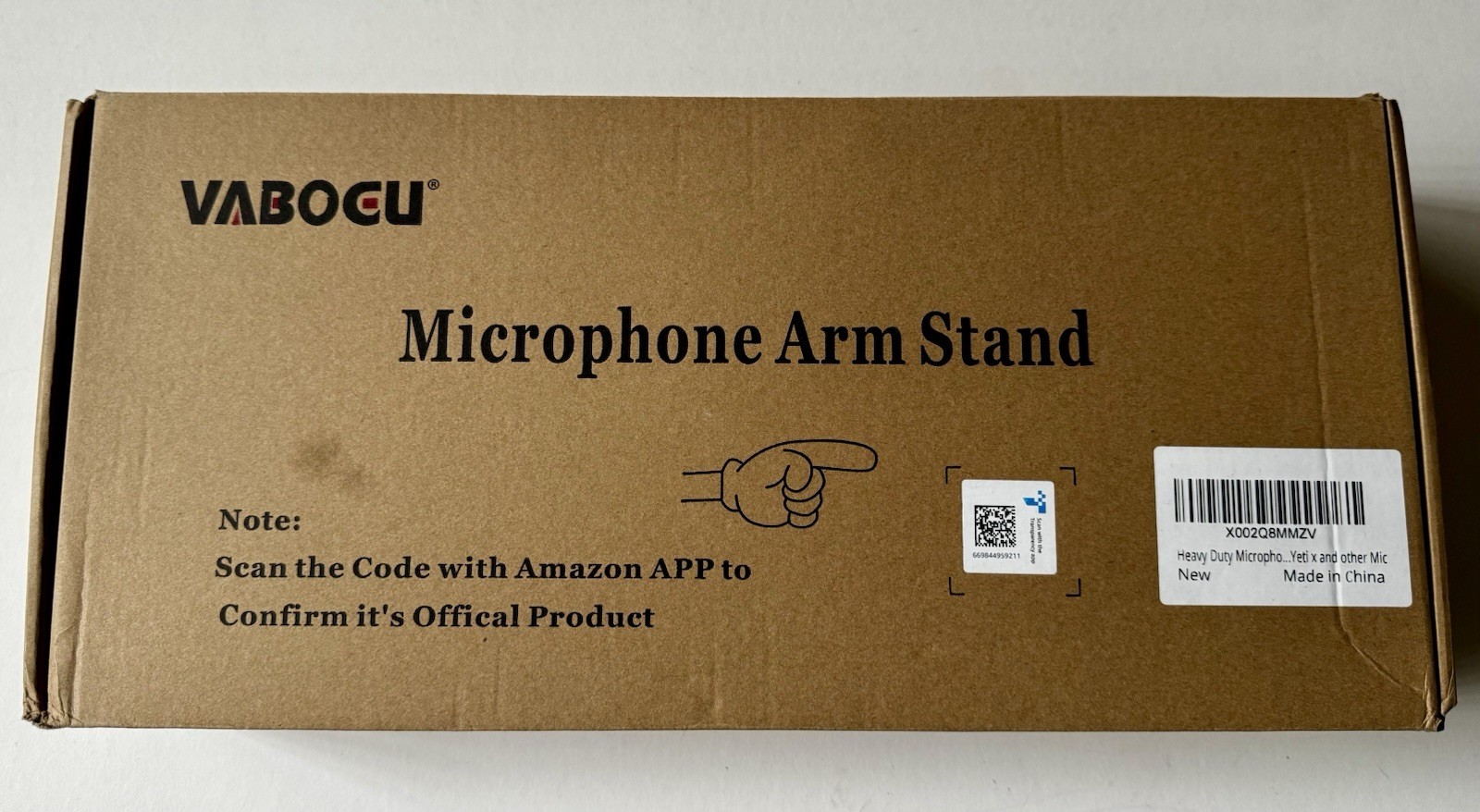 Microphone Boom Arm Stand + Accessories + FREE Pop Filter$6.99View on eBay
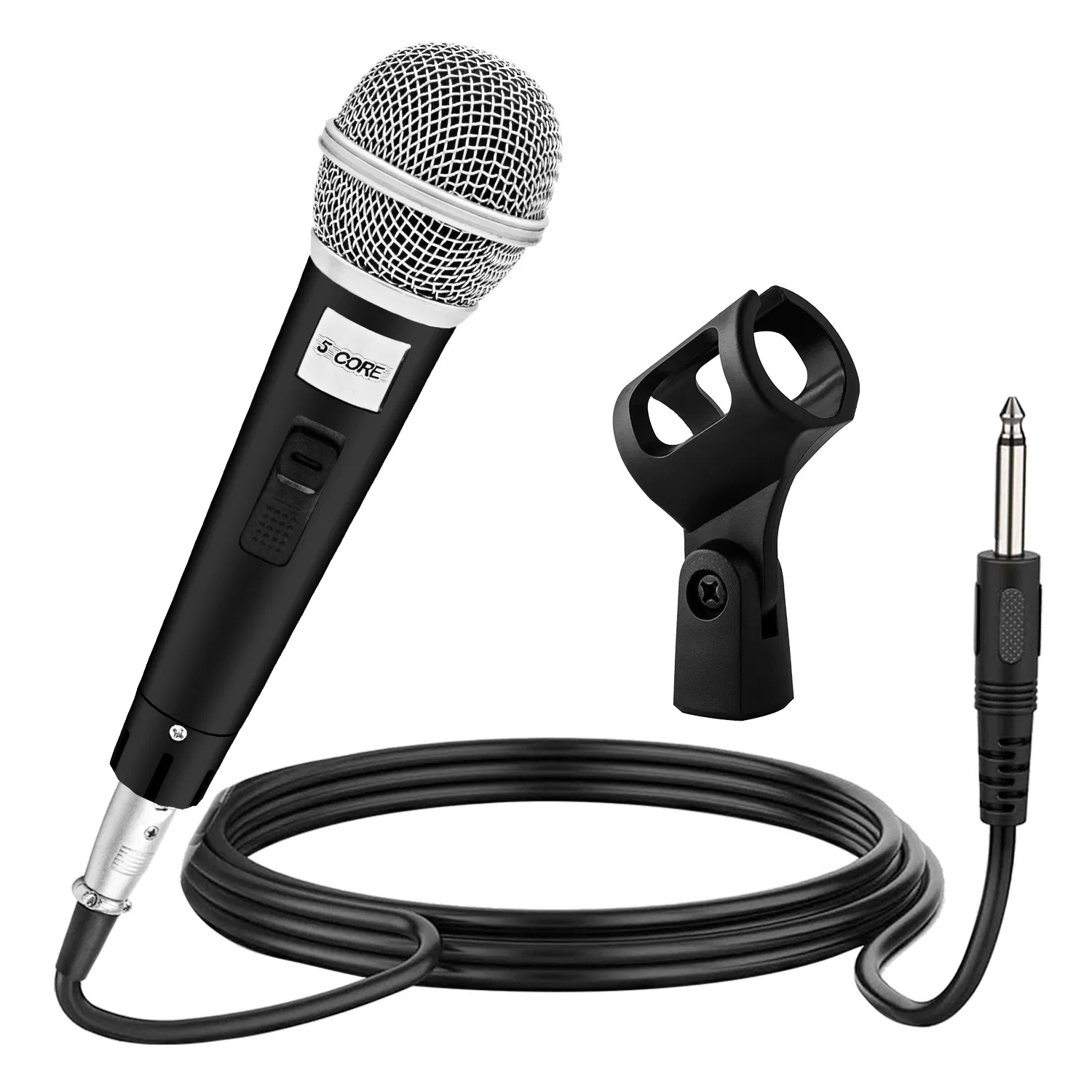 5 CORE Microphone Dynamic Vocal Handheld Mic Cardioid Unidirectional Microfono w On Off Switch + XLR Audio Cable for Singing Karaoke Public Speaking & Parties$17.99View on Mallflare
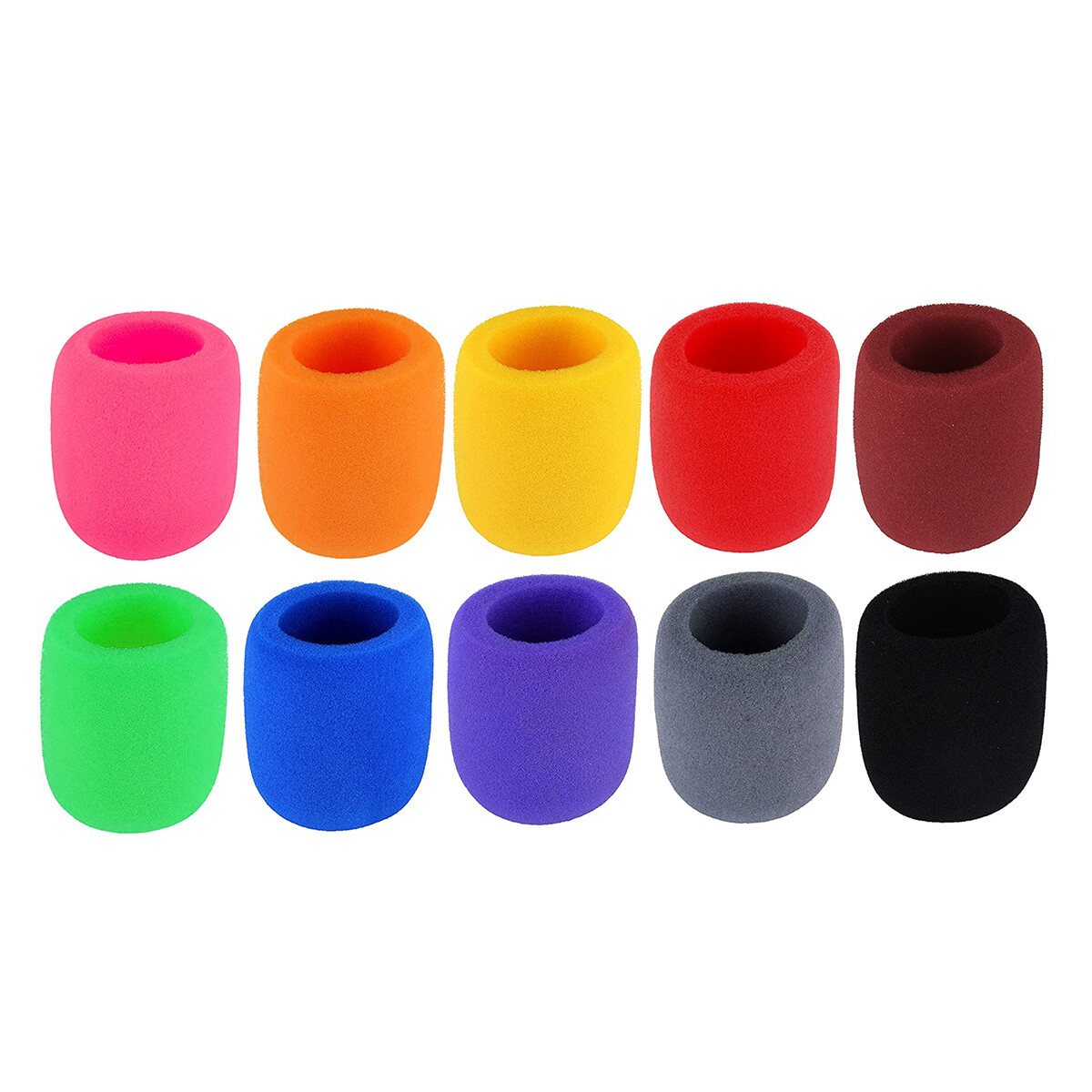 20PACK! Microphone Foam Mic Sponge Ball Shape Cover Windscreen Protective Shield$7.99View on eBay
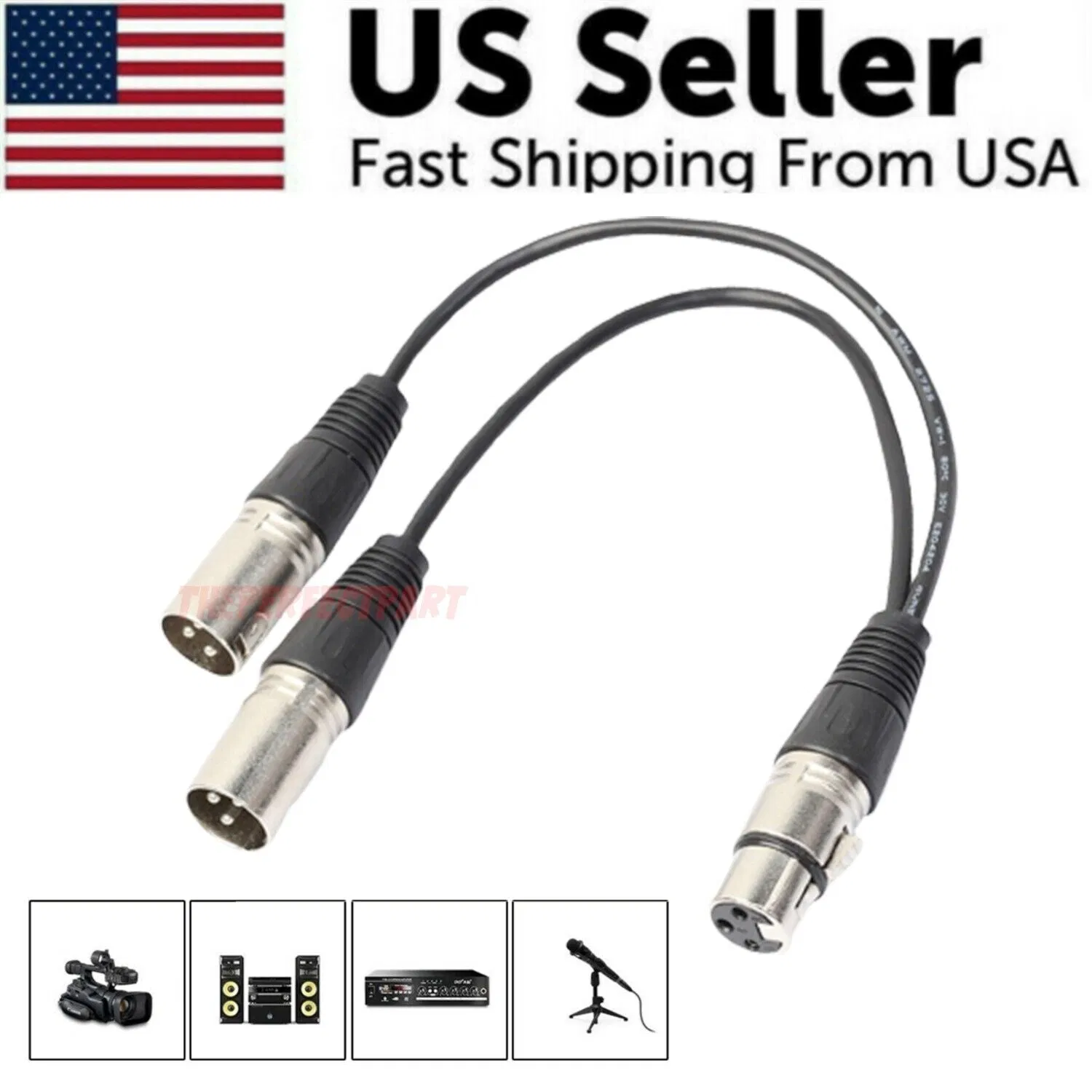 3Pin XLR Female Jack To Dual 2 Male Plug Y Splitter Cable Adapter Microphone USA$19.99View on Mallflare
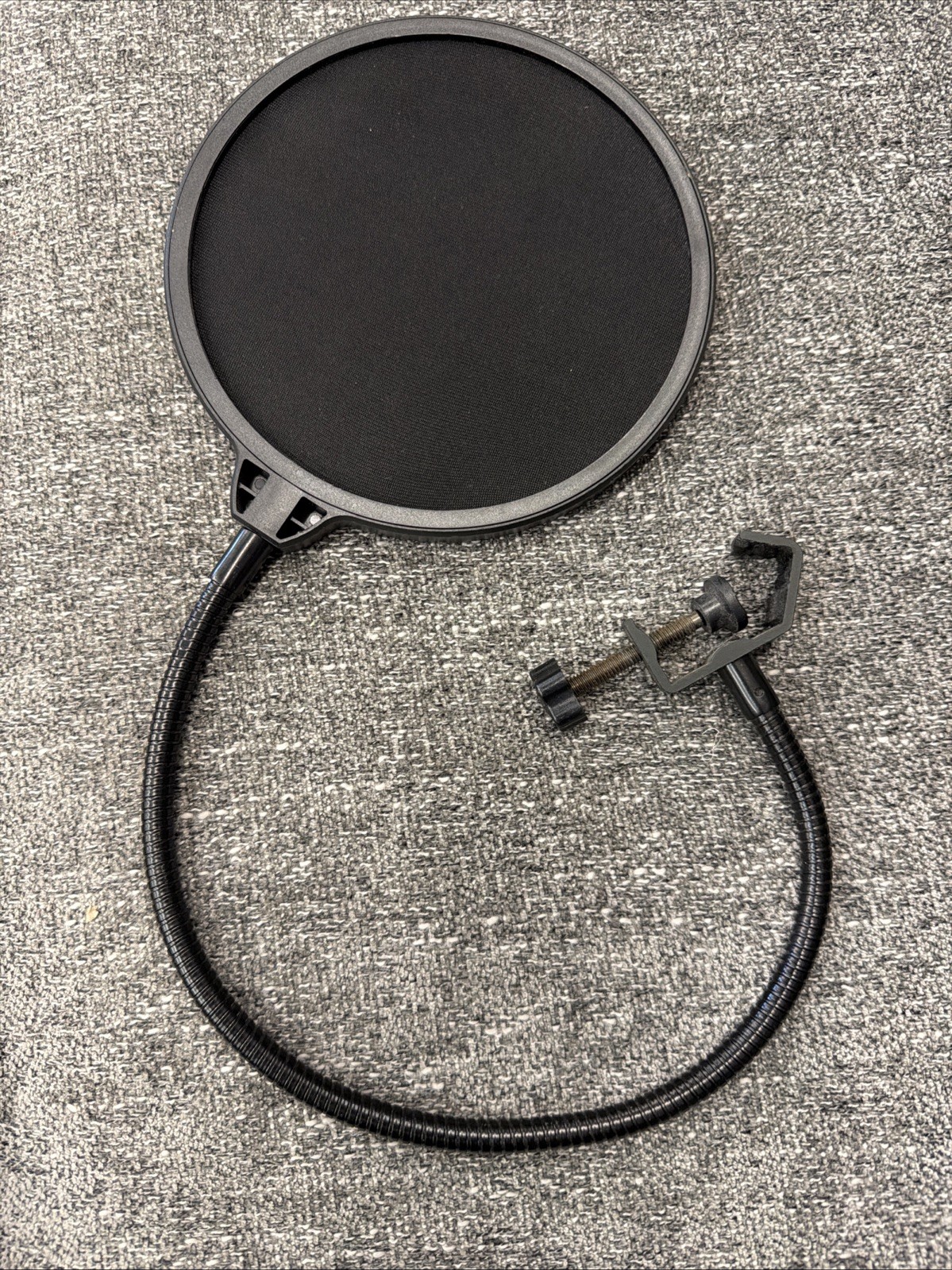 Professional Pop Shield Screen For Broadcasting Recording Microphones$8.67View on eBay
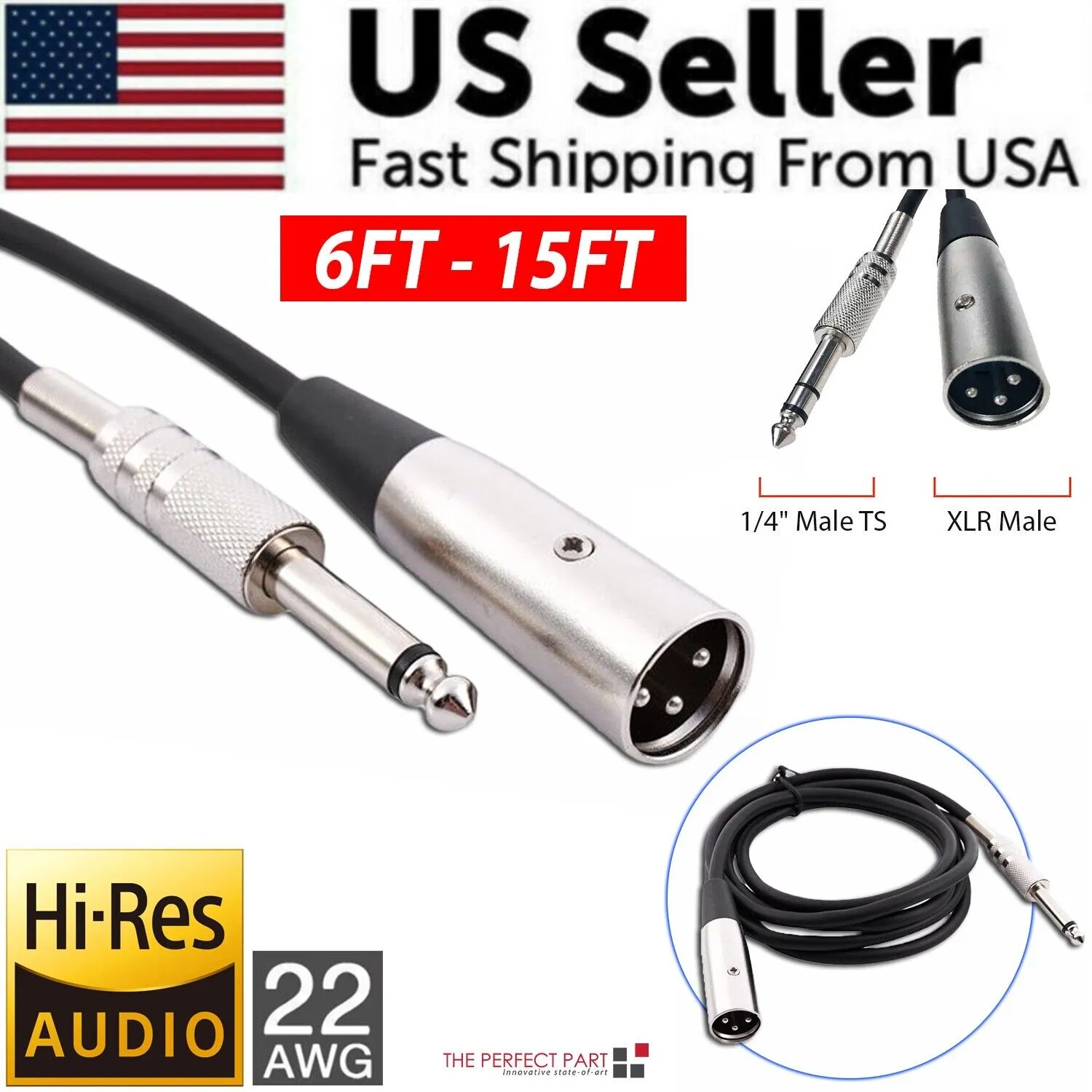 XLR 3-Pin Male To 1/4" Plug TS Microphone Mono Cable Unbalanced Shielded Audio$20.99View on Mallflare
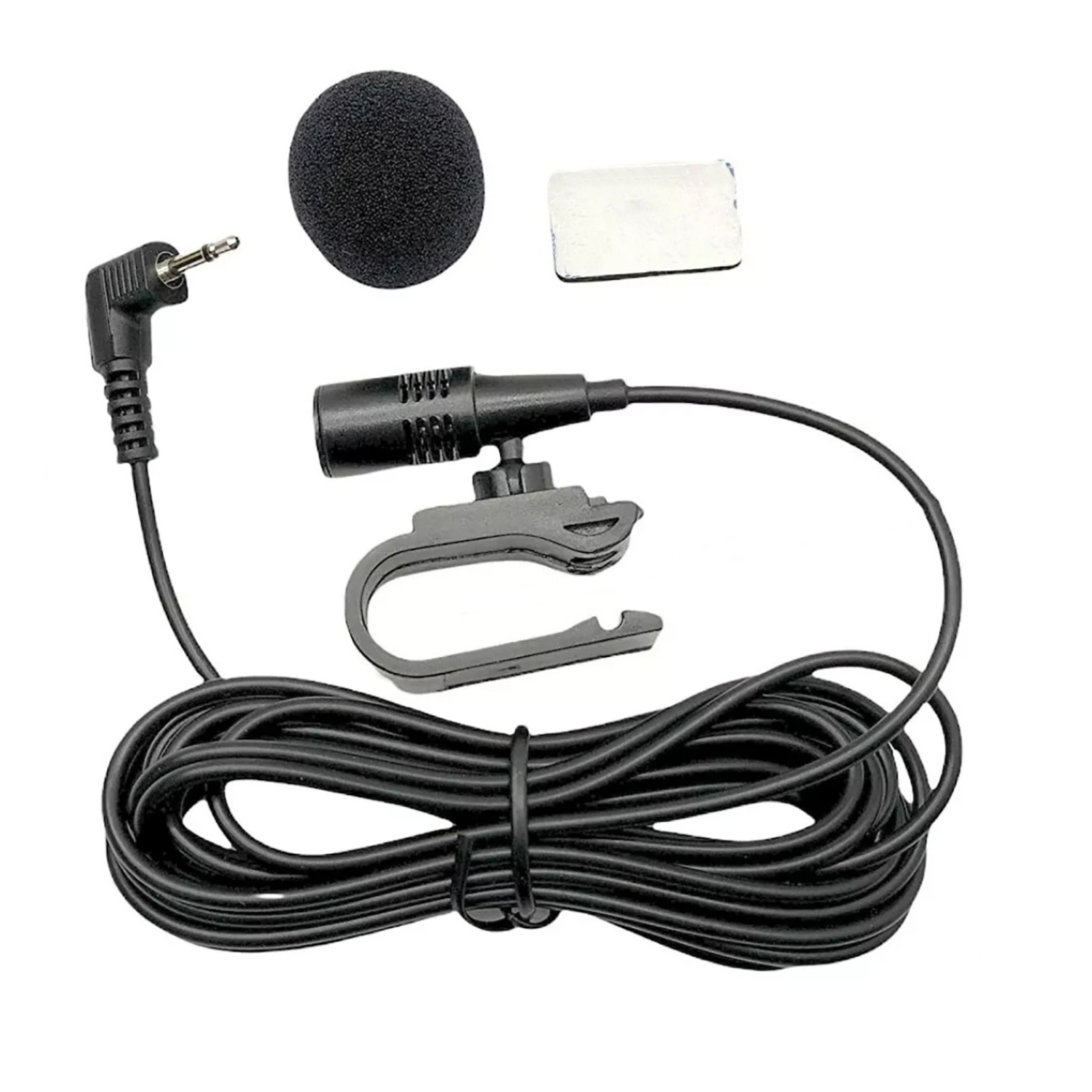 2.5mm Car Microphone for Pioneer Stereo Systems with 3M Cable and Accessories$9.43View on eBay
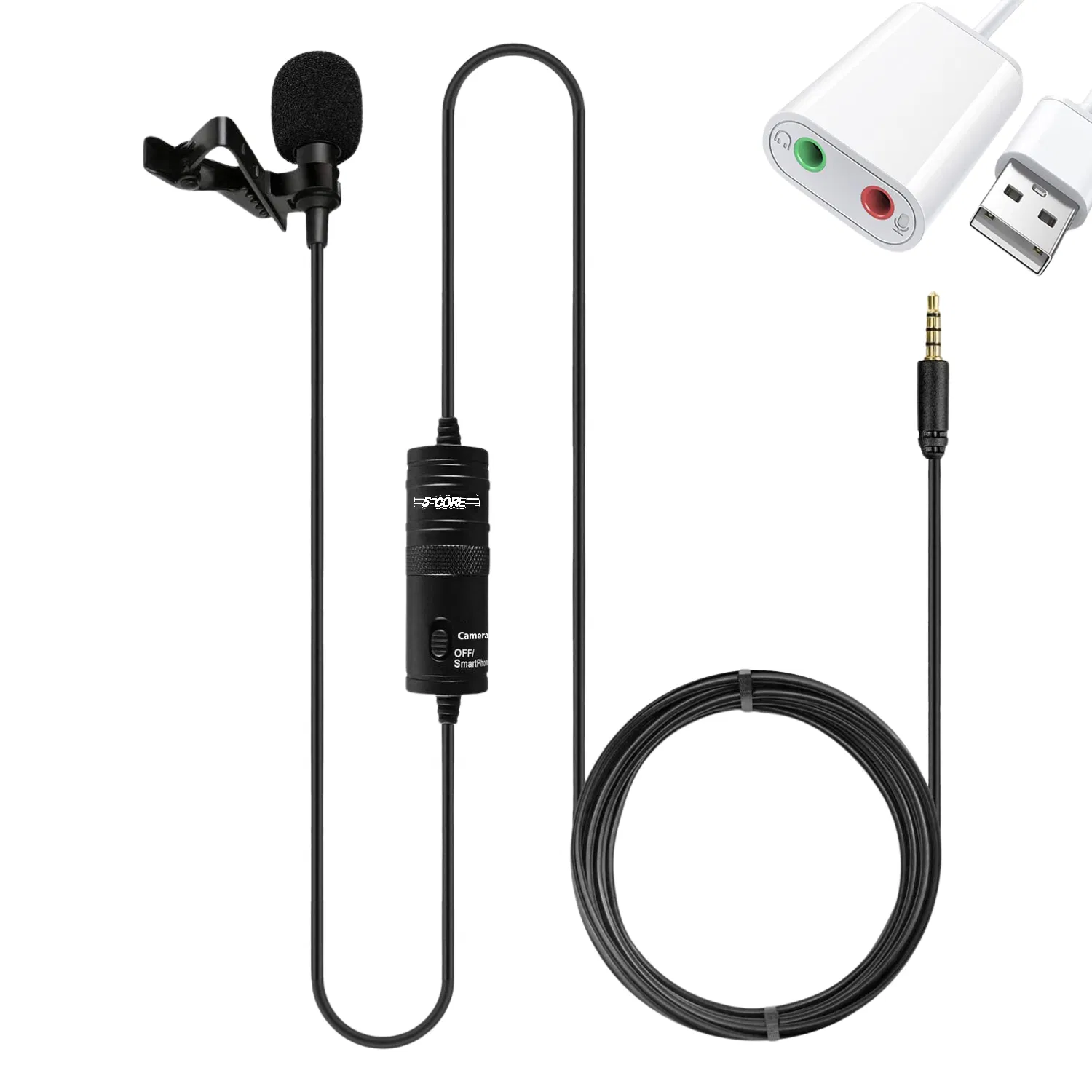 5 Core Microphone Wearable Omnidirectional Condenser Lavalier Body Mic$21.99View on Mallflare
- 2.5mm Car Microphone for Pioneer Stereo Systems with 3M Cable and Accessories$9.62View on eBay
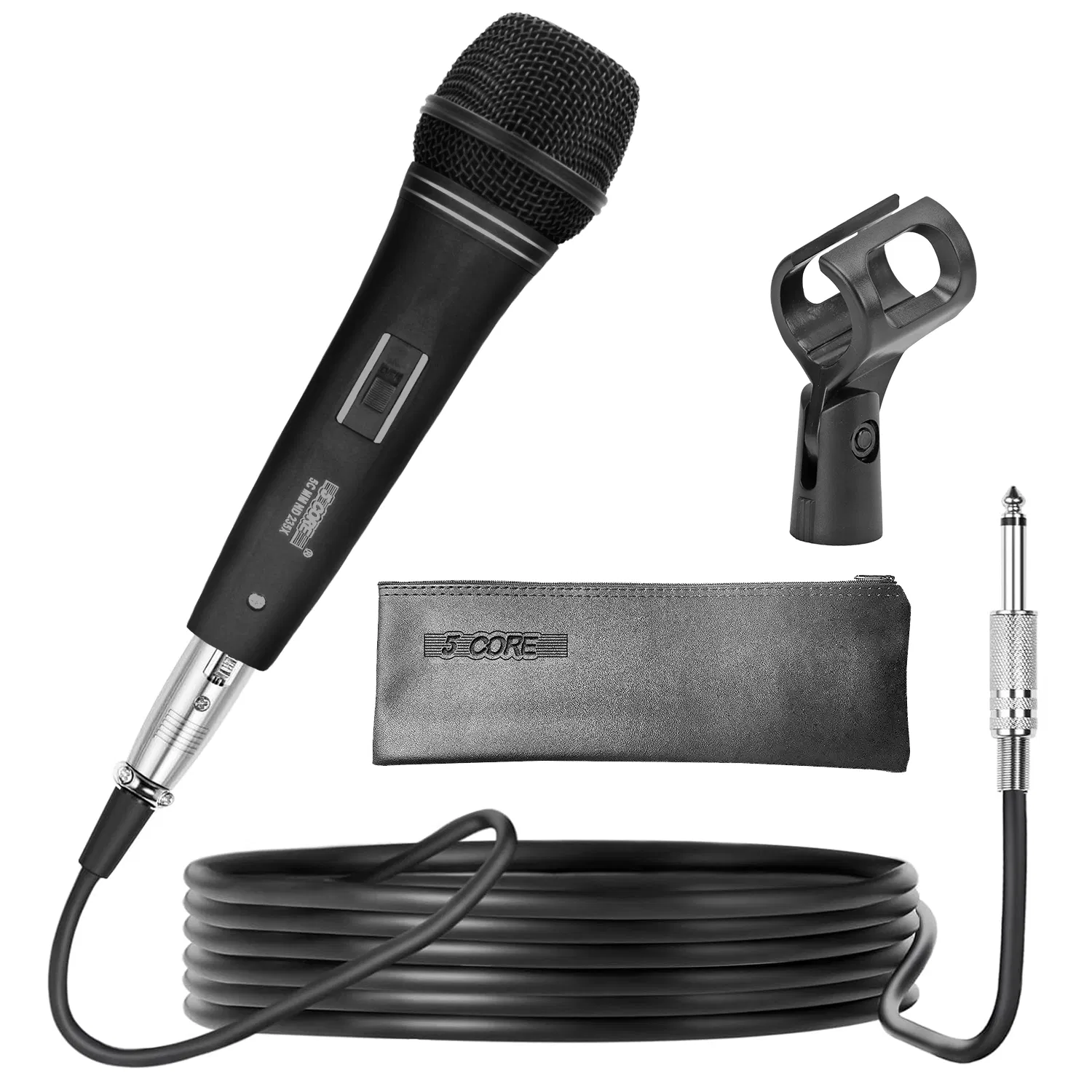 5 CORE Professional Dynamic Vocal Microphone Neodymium Cardioid Unidirectional Handheld Mic for Singing Karaoke Steel Mesh Grille Metal Body With ON Off Switch + 16ft Detachable Cable + Clip + Bag$23.99View on Mallflare
- 2.5mm Car Microphone for Pioneer Stereo Systems with 3M Cable and Accessories$9.66View on eBay
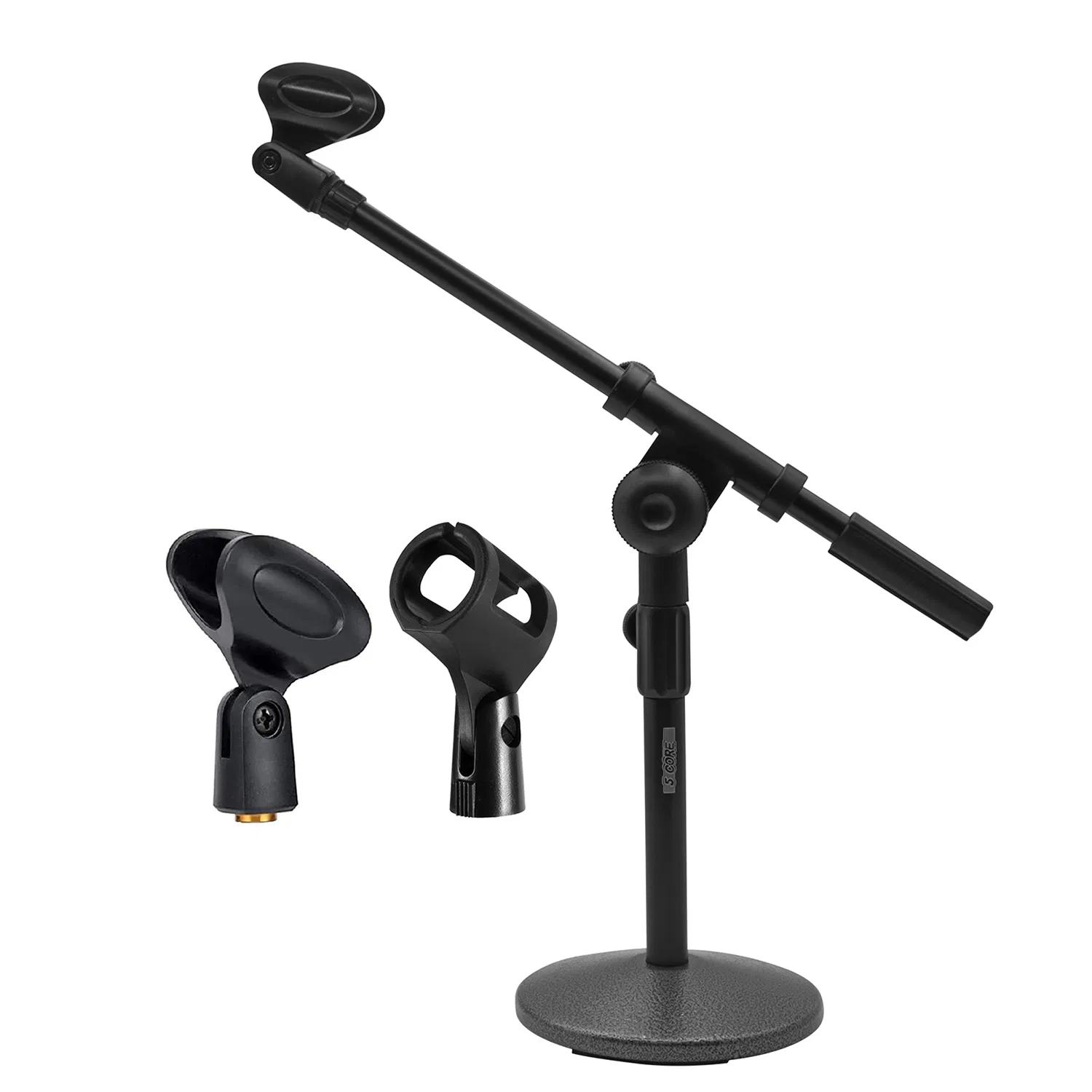 5Core Round Base Desktop Mic Stand Universal Desk Microphone Holder Table Top Stands$24.99View on Mallflare
- 2.5mm Car Microphone for Pioneer Stereo Systems with 3M Cable and Accessories$9.66View on eBay
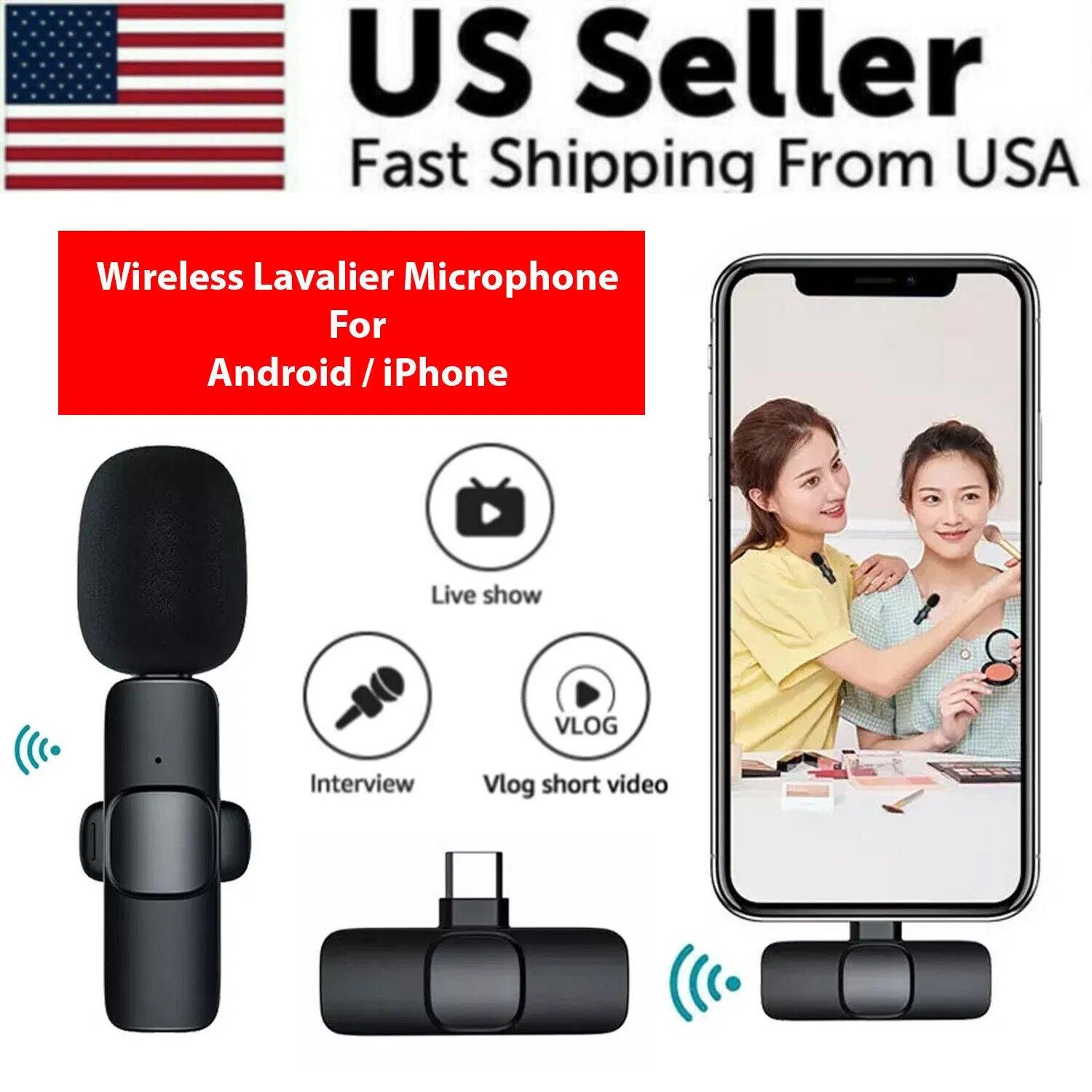 Lavalier Microphone Wireless Audio Video Recording Mini Mic For Android/iPhone$25.99View on Mallflare
- 2.5mm Car Microphone for Pioneer Stereo Systems with 3M Cable and Accessories$9.66View on eBay
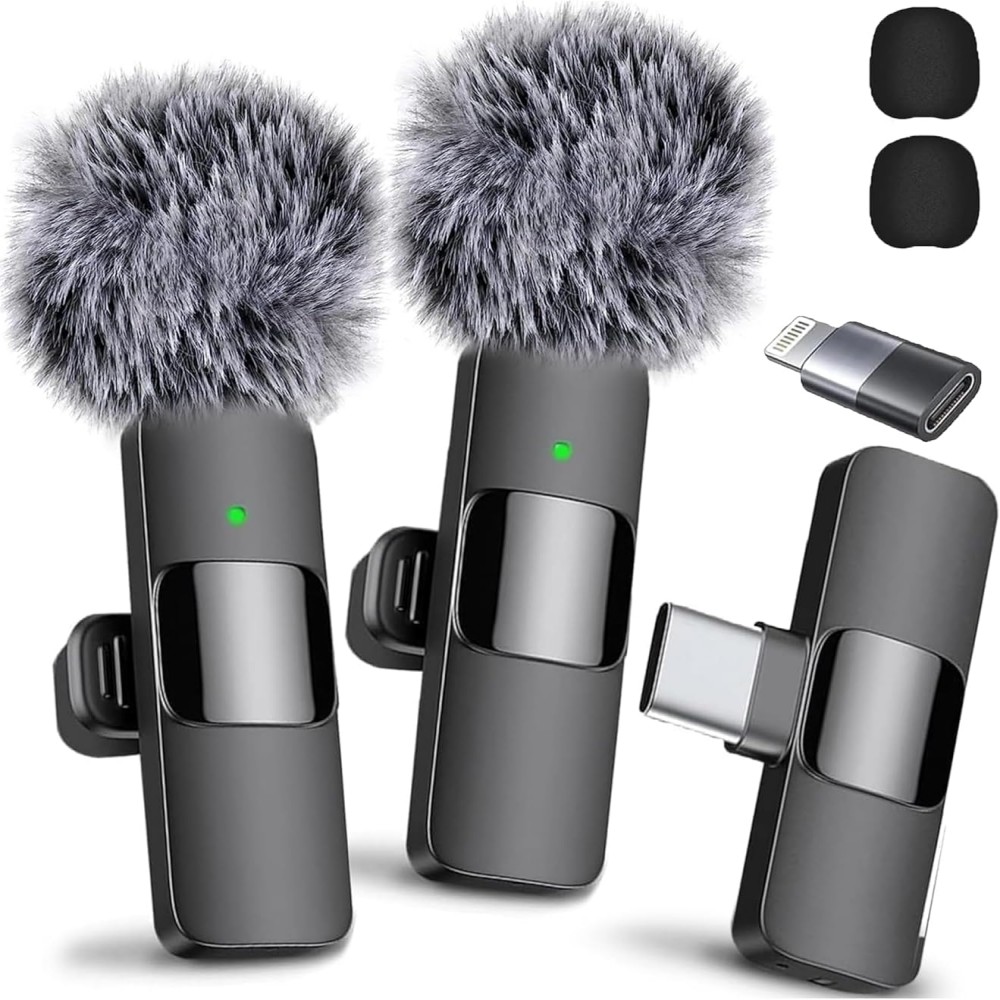 Wireless Microphone for iPhone, iPad, Android, Lavalier for Video Recording - 2 Pack Mic Crystal Clear with USB-C for Podcast ASMR$34.99View on Mallflare
- 2.5mm Car Microphone for Pioneer Stereo Systems with 3M Cable and Accessories$9.75View on eBay
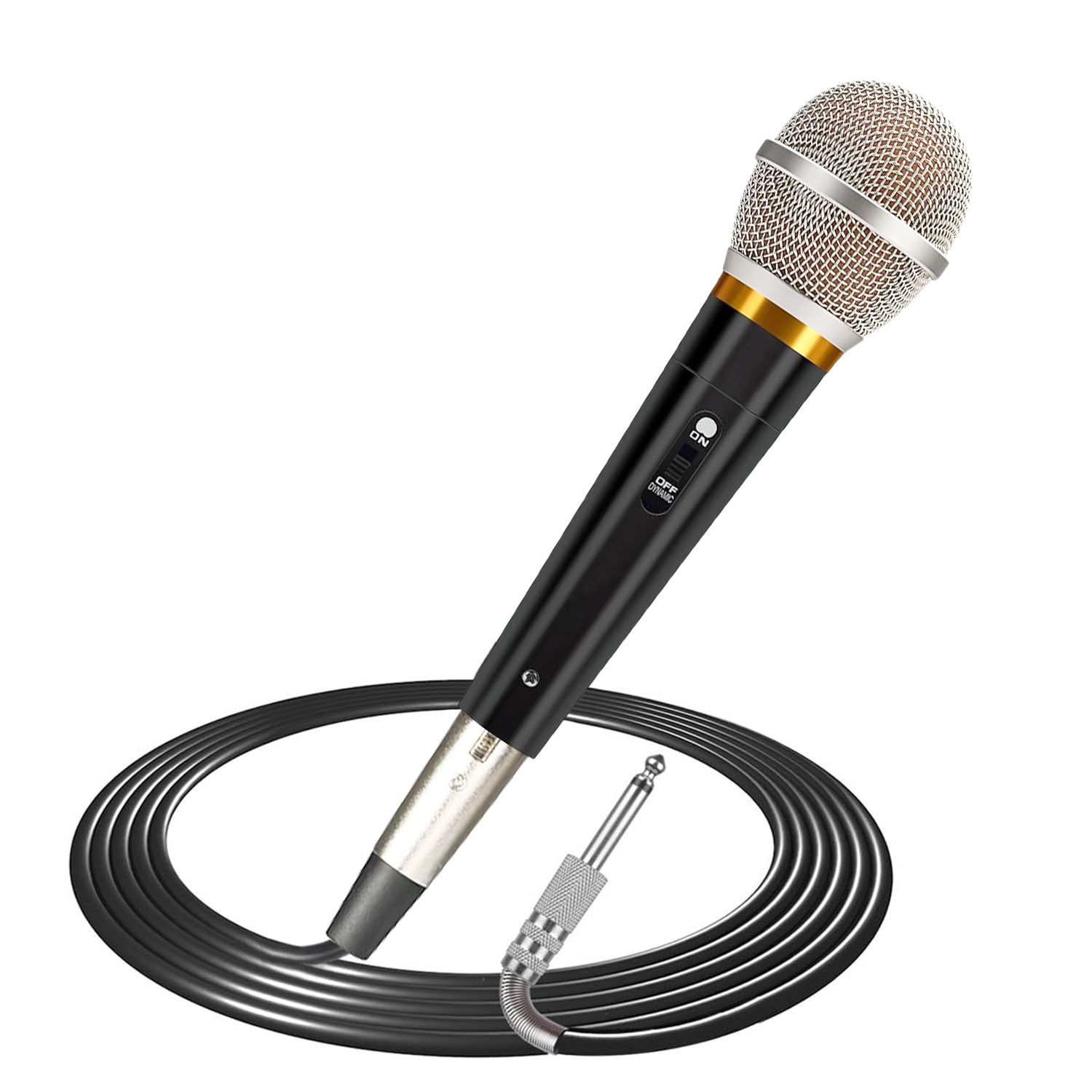 1Pc Handheld Dynamic Microphone Wired XLR With On Off Button 13ft Detachable XLR Cable Professional Studio Live Performance Cardioid Mic For For Karaoke Vocals Podcasting Recording$41.99View on Mallflare
Highlights
- Capsule type decides application: condenser for studio/voice detail (needs phantom or USB power), dynamic for live/stage rejection and durability.
- Connector standard governs compatibility: 3-pin XLR male output into an interface/preamp, USB-C for direct computer/phone use, 3.5mm TRS/TRRS for consumer and camera kits.
- Mounting hardware uses 5/8"-27 or 3/8"-16 threads; include a 5/8" male to 3/8" female adapter for boom arms and stands.
- Metal-bodied mics with metal mesh grilles survive drops and handling better than plastic-shell models with glued capsule mounts.
Best use cases
- Podcasting/streaming on a computer: pick a USB-C cardioid condenser with built-in headphone monitoring and a boom arm; skip phantom-powered XLR condensers unless you own an interface.
- Live vocals or public speaking: pick a dynamic cardioid handheld with an on/off switch and XLR cable; skip large-diaphragm condensers that pick up stage wash and feedback.
- iPhone/Android video and mobile content: pick a mini condenser with USB-C or Lightning digital output and TRRS compatibility; skip analog 3.5mm mics without a TRRS adapter.
- Studio vocal recording: pick an XLR large-diaphragm condenser with shock mount and pop filter; skip USB-only mics if you need multi-mic interface routing.
Buying tips
- Match connector to your chain before capsule: XLR requires an audio interface or mixer with 48V phantom for condensers; USB-C plugs directly into computers and recent phones.
- For phone use, confirm the mic terminates in USB-C, Lightning, or 3.5mm TRRS—standard 3.5mm TRS plugs will not carry mic signal into a phone's headset jack.
- Choose dynamic mics for untreated rooms and close-miked speech; choose condensers only when you can control reflections and background noise.
- Budget for a boom arm, shock mount, and pop filter: 5/8"-27 threading is the common standard, and a 3/8" adapter covers European stands.
Specs
| Capsule Type | Dynamic vs Condenser vs Electret |
|---|---|
| Connectivity | XLR / USB-C / Lightning / 3.5mm TRRS |
| Polar Pattern | Cardioid / Omni / Multi-pattern |
| Mount Thread | 5/8"-27 or 3/8"-16 |
Related searches
What to check before buying
- Measure your desk or stand space and confirm the boom arm's clamp fits surfaces up to its jaw capacity; check 5/8"-27 or 3/8"-16 threading.
- Verify your recording device's input: XLR interface with 48V, USB-C port, Lightning port, or 3.5mm TRRS jack—buy the matching cable or adapter.
- For treated vs untreated rooms, plan acoustic placement: dynamic mics at 2–6 inches reduce room sound; condensers need absorptive treatment behind the singer.
- Confirm the mic includes or fits a shock mount and pop filter; aftermarket mounts must match the mic body diameter and thread standard.
FAQ
Data sources: eBay / Amazon listings and product attribute feeds Data updated Nov 15, 2026.
Some links on this page are affiliate links. If you buy after clicking one, we may earn a commission at no extra cost to you. This does not change which products appear here or their order. Affiliate disclosure.