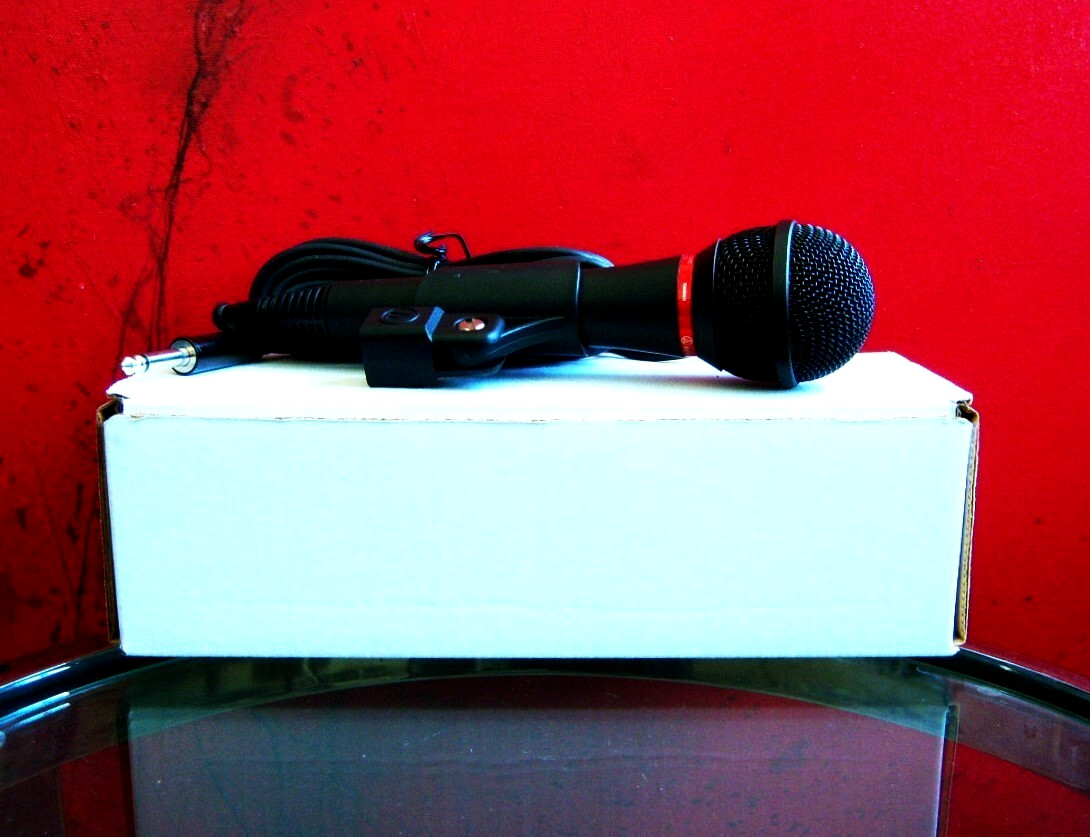

Photos from current listings. Actual item, color, and included accessories may vary.
Audio Technica Microphone Buying Guide
Audio-Technica microphones span three core architectures—moving-coil dynamic, externally biased condenser, and permanently polarized electret—each with distinct output, power, and durability rules. The primary trade-off is sensitivity versus ruggedness: condensers deliver detail but demand phantom power and careful handling, while dynamics survive abusive stages without external power. The decision rule: choose a dynamic for loud, untamed sources and live abuse; choose a true condenser for controlled rooms and critical detail—and never expect a battery-powered electret to match a phantom-powered condenser's headroom.


At a glance
- Category
- Microphones & Accessories
- Data updated
- Nov 15, 2026
Current offers
Highlights
- Output architecture is the first fork: Lo-Z balanced XLR dynamics (PRO 1 class) need no phantom power and reject cable noise; condenser models (PRO 24-CM, AT2020 class) require 9–52 V phantom power and deliver far higher sensitivity.
- Diaphragm size and bias type dictate detail and noise: large-diaphragm externally biased condensers (AT2035/AT4040 class) resolve low-level transients; small-diaphragm or electret condensers accept higher SPL with slightly more self-noise.
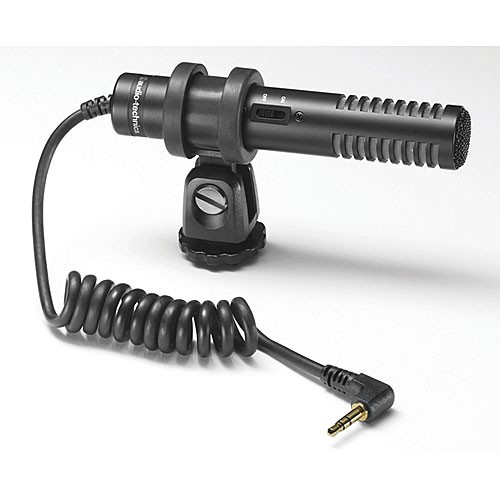
- Polar pattern is fixed per model family: cardioid rejects rear stage wash for vocals and snare; stereo condensers like the PRO 24-CM use a fixed X/Y or mid-side array for one-pass room and instrument capture.
- Build tier tracks the series: PRO series uses ABS bodies and stamped grilles for budget durability; AT20/AT40 series adds all-metal bodies, tighter tolerance capsules, and included shock mounts.
Best use cases
- Live vocal or loud guitar cab on a small stage: pick a Lo-Z dynamic cardioid (PRO 1 lineage)—skip any condenser that needs phantom power and risks feedback and overload.
- Podcast or home vocal booth in a treated room: pick a large-diaphragm cardioid condenser (AT2020/AT2035 class) with an XLR interface supplying 48 V phantom power—skip USB-only or battery electret models for critical tracking.
- Acoustic ensemble or drum overheads captured in one pass: pick a stereo condenser such as the PRO 24-CM with a fixed X/Y array—skip a single mono mic if you need phase-coherent stereo without a second stand.
- High-SPL percussion or brass close-miking: pick a dynamic or small-diaphragm condenser rated above 140 dB SPL—skip large-diaphragm studio condensers that pad-down and lose tone at close range.
Buying tips
- Match impedance and level: Lo-Z balanced outputs (typically 150–600 Ω) feed mixer and interface preamps cleanly; avoid Hi-Z 1/4-inch runs beyond a few meters because cable capacitance rolls off highs.
- Confirm phantom power before buying any condenser: 48 V is the studio standard, but some portable recorders supply only 24 V or plugin power—check the interface spec, not the mic box.
- Choose capsule size by source distance: large-diaphragm (approx. 1-inch) condensers for close vocals and low-level detail; small-diaphragm for accurate transient capture on acoustic guitar and cymbals.
- For stereo models, verify the array type: fixed X/Y is phase-safe and mono-compatible; mid-side arrays need matrix decoding and offer adjustable stereo width in post.
Specs
| Transducer Type | Dynamic / Condenser / Electret |
|---|---|
| Polar Pattern | Cardioid / Omni / Stereo X-Y |
| Power Requirement | Passive vs 48V Phantom |
| Output Connection | Balanced XLR (Lo-Z) |
Related searches
What to check before buying
- Confirm your interface or mixer provides 48 V phantom power with enough current for the condenser you select, and that you have a balanced XLR cable run under roughly 10 m.
- Measure your stand and shock-mount thread: most Audio-Technica mics use 5/8-inch-27 or include a 3/8-inch adapter—verify the mount thread matches your boom arm before purchase.
- Check room noise floor and treatment: condensers resolve HVAC and computer fan noise that dynamics mask—treat or isolate the mic before stepping up to a condenser.
- Verify the polar pattern against your stage layout: cardioid requires rear rejection placement; omni or figure-8 models pick up monitors and room reflections you may not want.
FAQ
Data sources: eBay / Amazon listings and product attribute feeds Data updated Nov 15, 2026.
Some links on this page are affiliate links. If you buy after clicking one, we may earn a commission at no extra cost to you. This does not change which products appear here or their order. Affiliate disclosure.