Photos from current listings. Actual item, color, and included accessories may vary.
Professional Wireless Microphone Buying Guide
Professional wireless microphone systems split into two architectures: UHF analog systems with dedicated bodypack/handheld transmitters and a base receiver, and compact digital 2.4 GHz clip-on systems with built-in mics and USB-C/TRS outputs. The core trade-off is RF band and receiver quality versus portability: UHF systems offer longer range and multi-channel coordination but require frequency management, while 2.4 GHz digital systems deliver clean plug-and-play audio but share crowded spectrum. Choose UHF for stage, multi-mic events, and long throw; choose 2.4 GHz digital for single-presenter mobile, phone, and laptop capture.

At a glance
- Category
- Microphones & Accessories
- Data updated
- Nov 15, 2026
Current offers
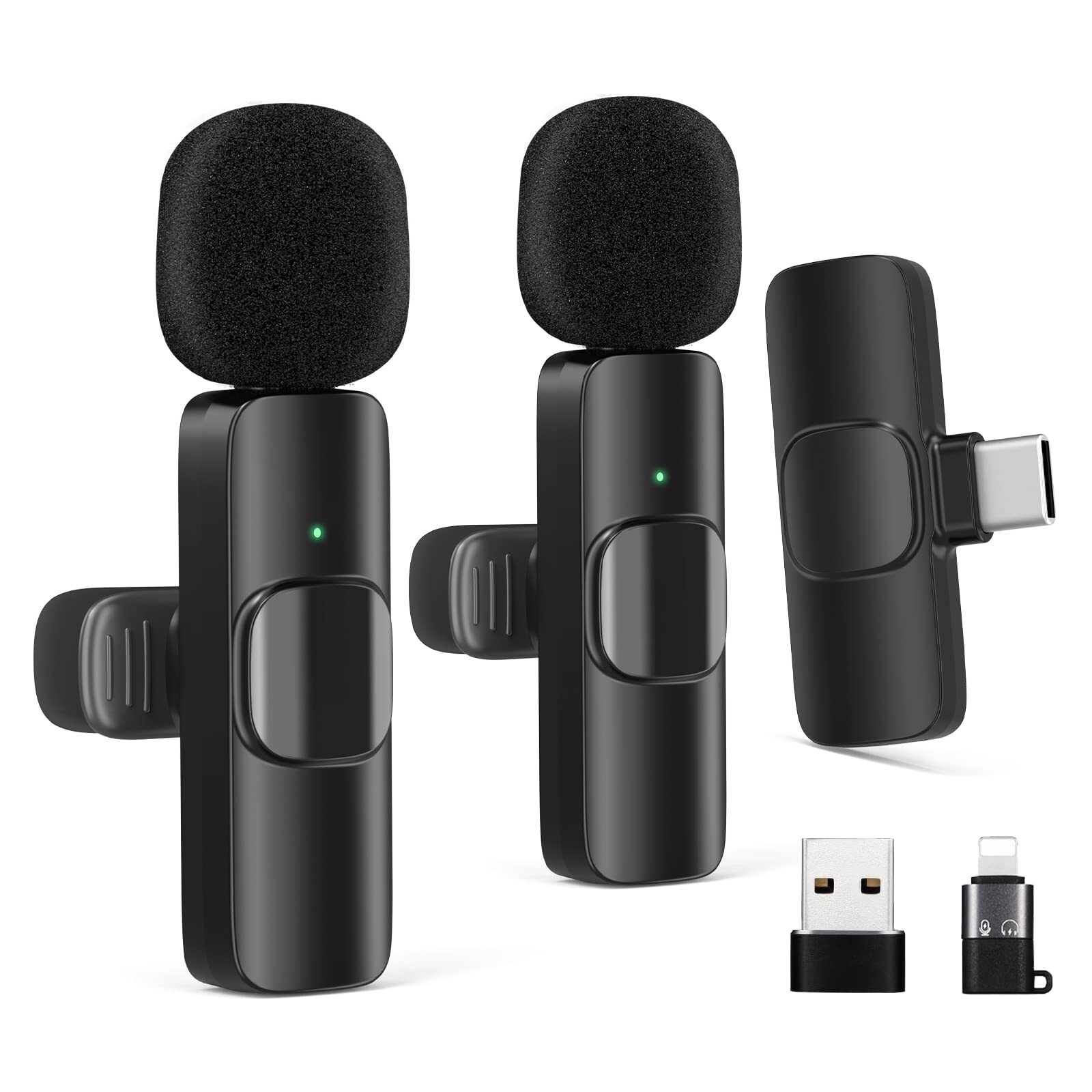 Wireless Microphones for Android Phone & Computer/Laptop, Mini Professional Wire$25.43
 View on eBay
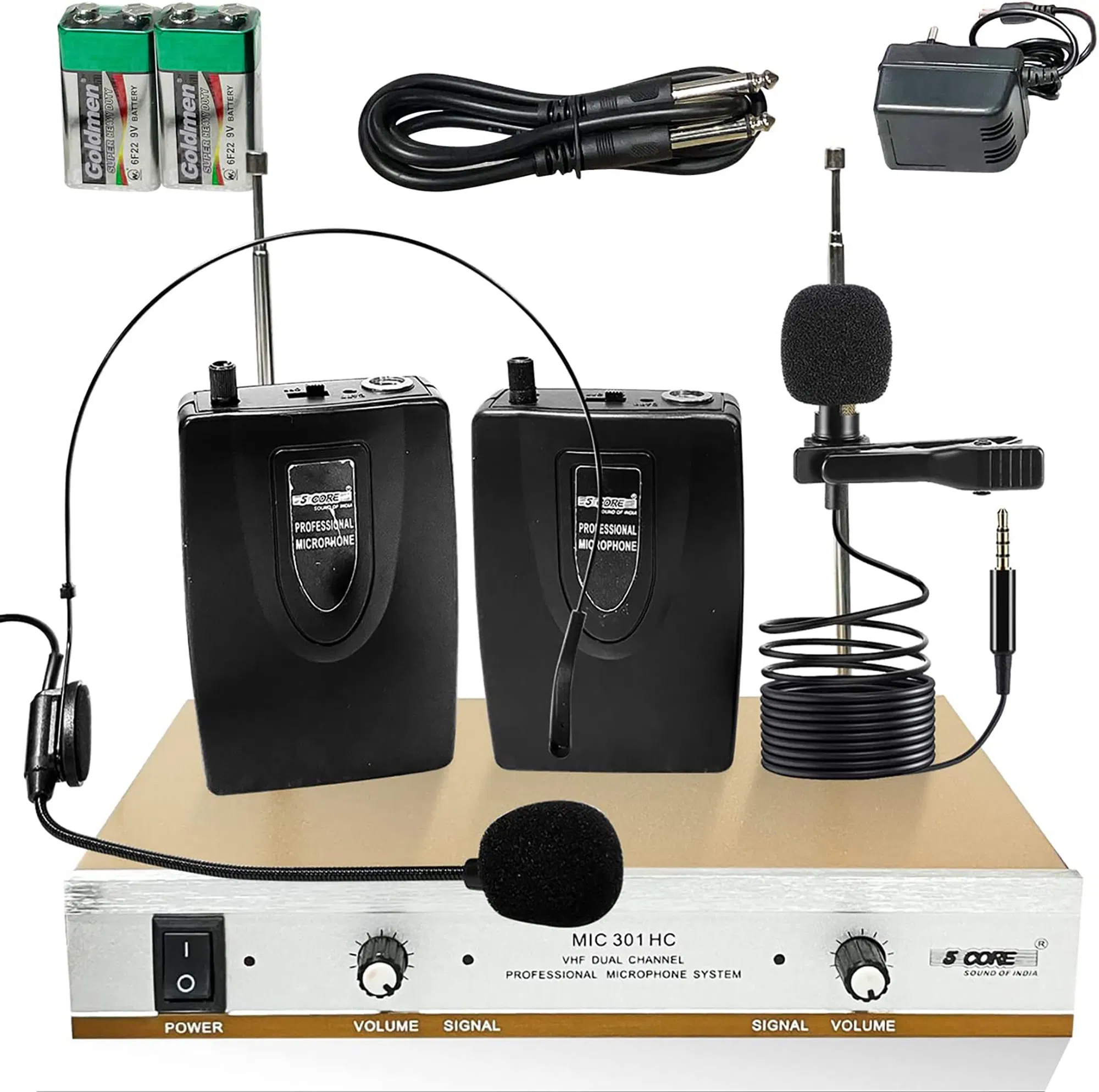 5 Core Wireless Microphone System Professional Mic for On Stage Studio$53.99
 View on Mallflare
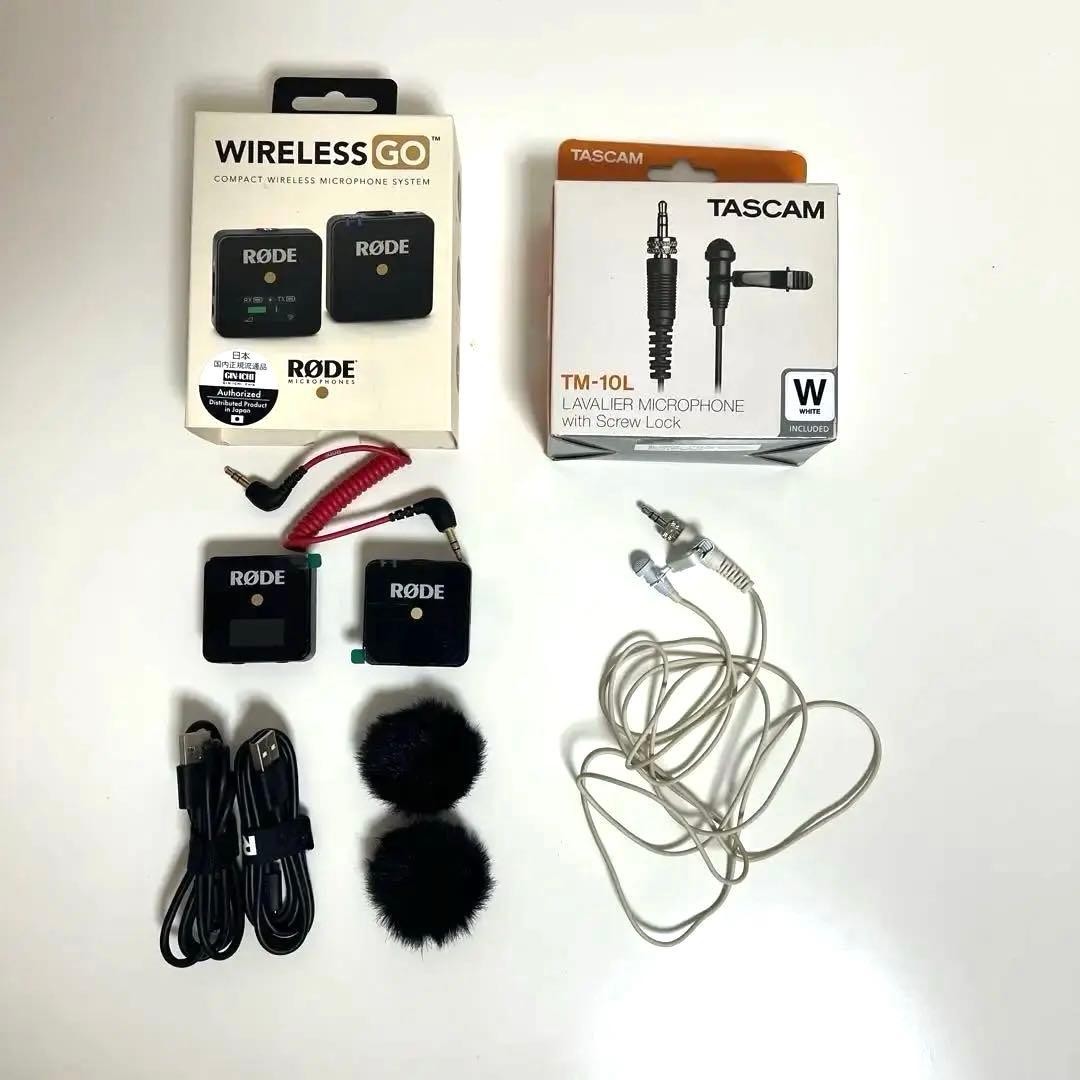 RODE Wireless GO Microphone Professional Used Audio Gear Home Studio Equipment$139.05View on eBay
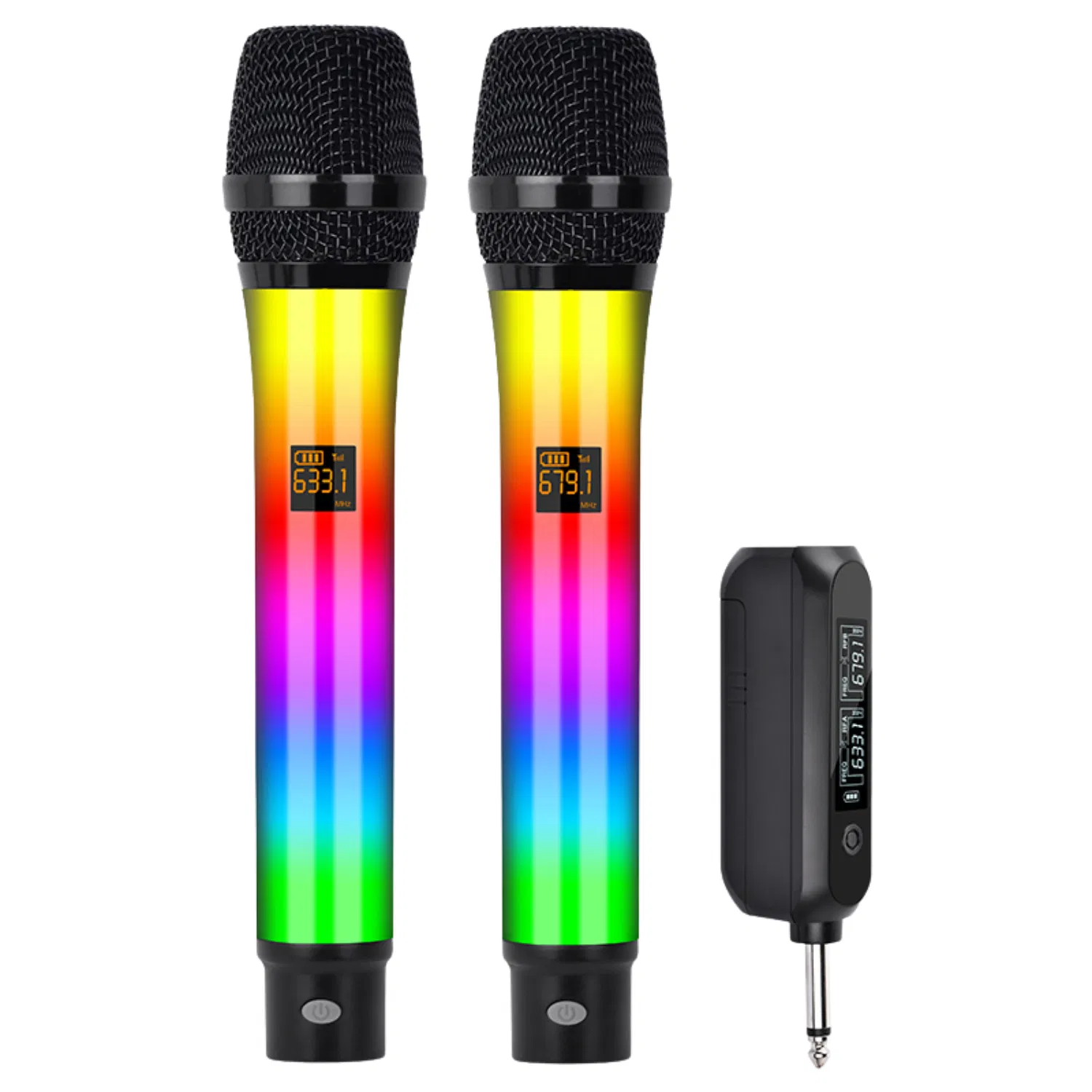 5 Core Wireless Microphone System Pair Professional Mic for Stage Studio$59.99View on Mallflare
Highlights
- UHF systems operate 470-698 MHz with selectable frequencies; true diversity receivers with two antennas prevent dropouts better than single-antenna designs.
- 2.4 GHz digital clip-on systems (e.g., RODE Wireless GO class) use proprietary codecs with onboard recording and USB-C/3.5mm TRS output for phone, camera, or computer.
- Handheld transmitters use dynamic or condenser capsules; dynamic capsules resist feedback and handling noise, while condenser capsules deliver studio-grade detail for stage vocals.
- Analog UHF systems output balanced XLR and unbalanced 1/4-inch; digital 2.4 GHz systems output 3.5mm TRS or USB-C, requiring the correct adapter cable for each device.
Best use cases
- Live stage and multi-presenter events: pick a UHF system with true diversity receiver and at least 16 selectable channels; skip 2.4 GHz clip-ons that cannot coordinate multiple simultaneous transmitters.
- Mobile journalism and phone/laptop recording: pick a 2.4 GHz digital clip-on with USB-C output and onboard recording; skip bulky UHF rack receivers that need AC power and XLR interfaces.
- Studio and home recording: pick a digital 2.4 GHz system with 3.5mm TRS output and low-latency mode; skip analog UHF units with compander noise unless you need long-range stage coverage.
- On-location interviews with camera: pick a UHF bodypack system with balanced XLR output to camera; skip phone-only clip-ons that lack camera-mount receiver and XLR output.
Buying tips
- Check RF band legality: UHF systems must operate within your country's licensed or license-free spectrum (e.g., 470-608 MHz in the US); avoid 600 MHz band units after the 2017 FCC repack.
- Match transmitter count to receiver channels: a single-receiver system handles one transmitter; for two presenters buy a dual-channel receiver or two separate systems with coordinated frequencies.
- For 2.4 GHz digital systems, confirm output connector matches your device: USB-C for Android/modern laptops, Lightning for older iPhones, 3.5mm TRS for cameras and mixers.
- Battery type determines run time and cost: AA alkaline gives 8-12 hours in UHF bodypacks, while built-in lithium in clip-ons gives 5-7 hours and requires USB-C charging between sessions.
Specs
| RF Band | UHF 470-698 MHz vs 2.4 GHz digital |
|---|---|
| Receiver Type | True diversity vs single antenna |
| Transmitter Form | Handheld / bodypack / clip-on |
| Output Connector | XLR / 1/4-inch / 3.5mm TRS / USB-C |
Related searches
What to check before buying
- Measure your venue or shooting distance: UHF systems typically reach 100-300 feet line-of-sight; 2.4 GHz digital systems reach 100-200 feet with clear line-of-sight to receiver.
- Confirm your recording device input: phone/laptop needs USB-C or TRS adapter; camera needs 3.5mm TRS or XLR; mixer needs XLR.
- Check available AC outlets or USB power banks for receiver; UHF receivers use AC adapters, while 2.4 GHz receivers charge via USB-C.
- Verify local RF regulations for UHF frequency bands before buying; unlicensed operation outside permitted bands is illegal and subject to interference.
FAQ
Data sources: eBay / Amazon listings and product attribute feeds Data updated Nov 15, 2026.
Some links on this page are affiliate links. If you buy after clicking one, we may earn a commission at no extra cost to you. This does not change which products appear here or their order. Affiliate disclosure.