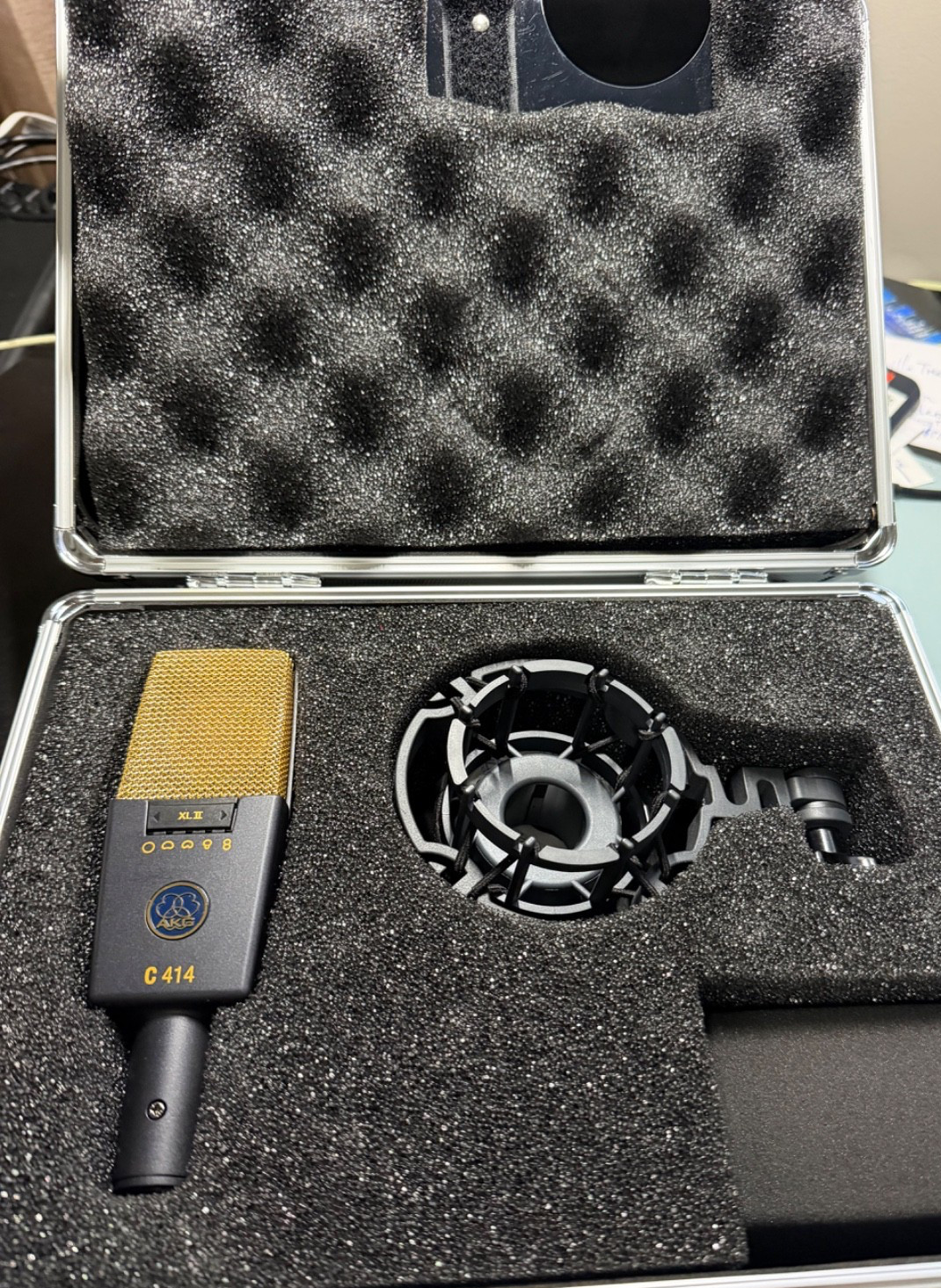

Photos from current listings. Actual item, color, and included accessories may vary.
Akg C414 Xlii Buying Guide
The AKG C414 XLII is a large-diaphragm multi-pattern condenser microphone, the modern successor to the C414 B-ULS, distinguished by its edge-terminated dual-capsule design and 9 polar patterns. The core buying decision is between the XLII (bright, modern, presence-lifted) and the XLS (flat, classic) voicing—plus verifying you get the correct shock mount and case, since accessories drive real-world durability. Buy the XLII only if you want a versatile studio workhorse for vocals and acoustic sources; skip it if you need a purely neutral reference mic or a rugged handheld.


At a glance
- Category
- Microphones & Accessories
- Data updated
- Nov 15, 2026
Current offers
Highlights
- Dual-diaphragm, edge-terminated capsule with 9 polar patterns: cardioid, wide cardioid, hypercardioid, figure-8, and omni variants—more pattern flexibility than fixed single-pattern condensers.
- XLII vs XLS are the same body with different capsule voicing: XLII boosts upper-mid presence for modern vocals; XLS is flatter for orchestral and classical reference work.
- Requires +48V phantom power; output is XLR balanced at low impedance, so any standard interface preamp with phantom power drives it without an external supply.
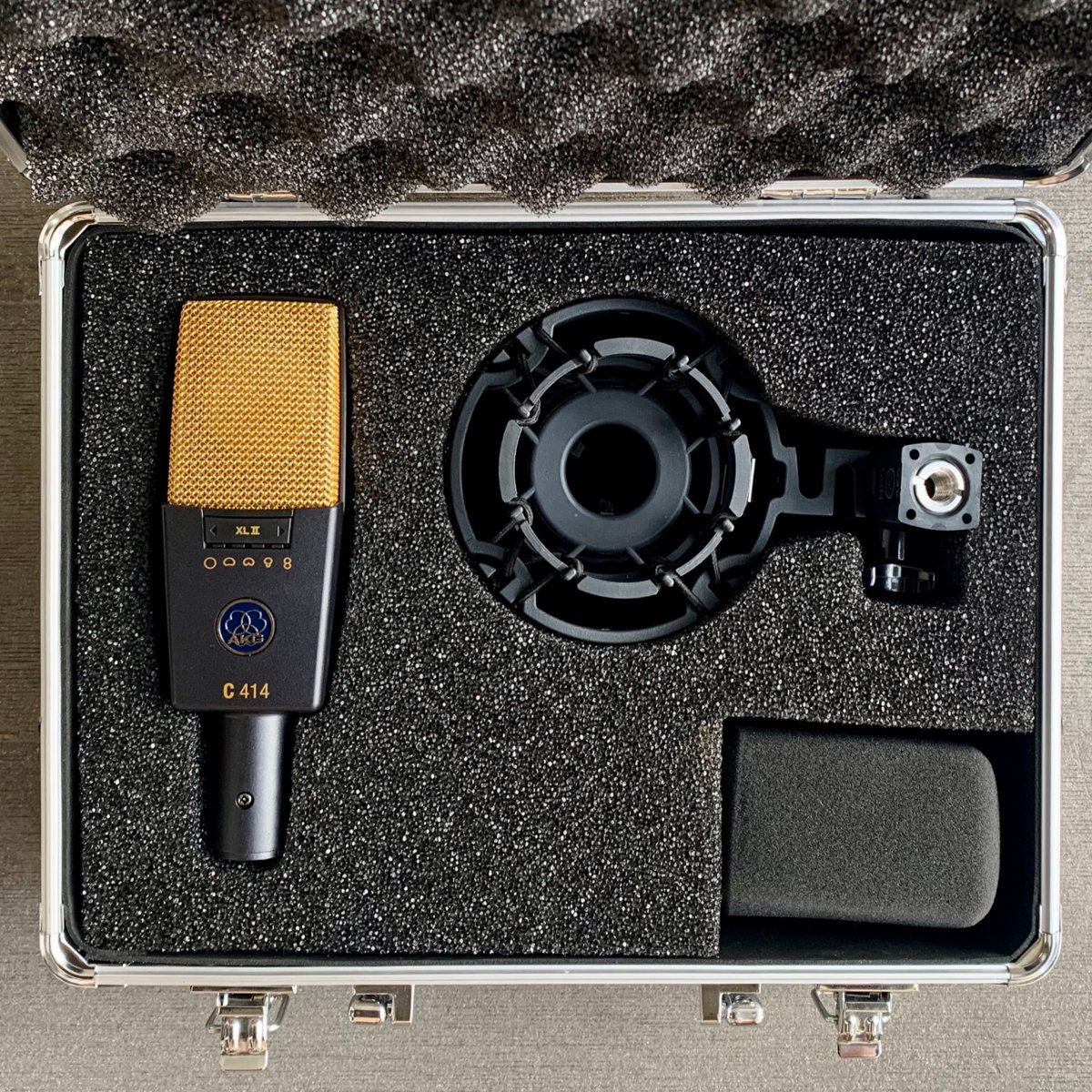
- Includes a spider-type elastic shock mount and metal carry case in standard kits—these accessories are essential, not optional, for isolating stand-borne rumble and protecting the capsule.
Best use cases
- Best fit: lead and backing vocals in a treated room—choose the XLII for its presence lift; choose the XLS instead if you want a neutral, unhyped vocal capture.
- Best fit: acoustic guitar, drum overheads, and piano where switchable omni and figure-8 let you control room pickup; skip fixed cardioid mics if you need pattern flexibility.
- Wrong fit: untreated, noisy rooms and live handheld use—a large-diaphragm condenser picks up room reflections and handling noise; use a dynamic mic or a treated space instead.
Buying tips
- Confirm the kit includes the spider shock mount and metal case; a bare mic without the elastic mount transmits stand rumble and is a false economy.
- Pick XLII for bright, modern pop/R&B vocals; pick the XLS version if your chain is already bright or you record classical/acoustic reference sources.
- Budget for a phantom-power interface preamp and a solid boom stand—the mic is only as good as the isolation and power source feeding it.
- Check the pattern switch and pad/roll-off controls function smoothly on used units; sticky switches and capsule contamination are the main wear points.
Specs
| Capsule Type | Large-diaphragm dual condenser |
|---|---|
| Polar Patterns | 9 (cardioid to omni/figure-8) |
| Power Requirement | +48V phantom, XLR output |
| Voicing Tier | XLII bright vs XLS flat |
Related searches
What to check before buying
- Verify your audio interface or preamp supplies +48V phantom power and has a balanced XLR input—USB-only mics cannot host it.
- Measure your boom stand and shock mount clearance: the mic body plus spider mount needs a stable stand rated for a large-diaphragm condenser.
- Assess room treatment and noise floor first—reflective, untreated rooms make a multi-pattern condenser pick up undesirable room sound.
- Confirm voltage/plug standards for any included power or accessory items and that the XLR cable reaches your interface without strain.
FAQ
Data sources: eBay / Amazon listings and product attribute feeds Data updated Nov 15, 2026.
Some links on this page are affiliate links. If you buy after clicking one, we may earn a commission at no extra cost to you. This does not change which products appear here or their order. Affiliate disclosure.