Photos from current listings. Actual item, color, and included accessories may vary.
Digital Piano With Weighted Key Buying Guide
A digital piano with weighted keys is a keyboard designed to replicate the touch and response of an acoustic piano through graduated hammer-action or weighted mechanisms, rather than the spring-loaded feel of a synth-action keyboard. The core trade-off is between authentic acoustic-piano feel and portability: fully weighted hammer-action models (88-key, furniture-style) deliver realistic touch and pedaling but are heavy and stationary, while semi-weighted or folding models prioritize portability at the cost of true piano resistance. The decision rule is simple: if you are learning piano technique or preparing for acoustic performance, choose a full 88-key fully weighted hammer-action console; if you need portability or a secondary practice instrument, a semi-weighted or folding 88-key model is the acceptable compromise, and 61-key semi-weighted boards are strictly for casual play, not piano study.

At a glance
- Category
- Keyboards & Pianos
- Data updated
- Nov 16, 2026
Current offers
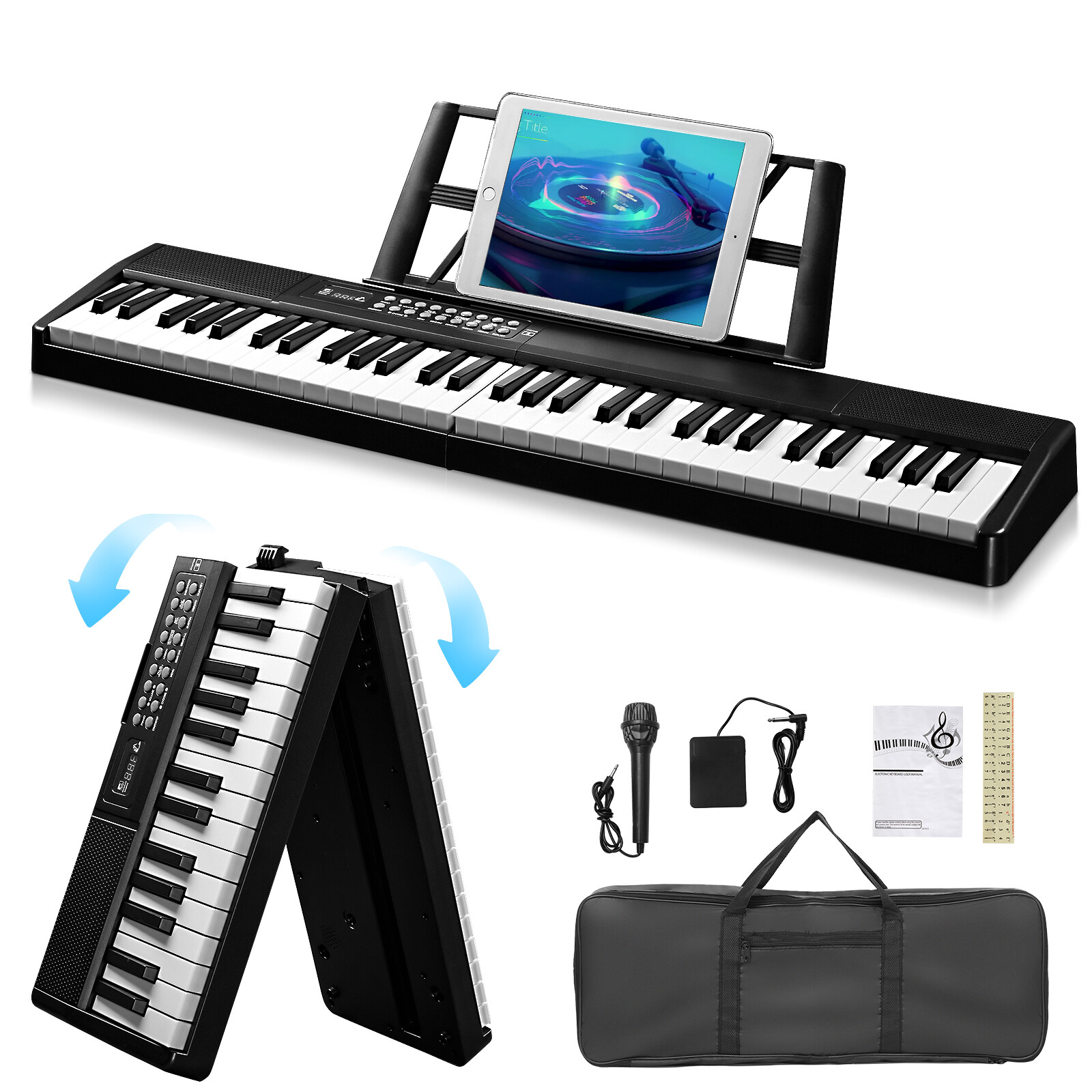 Top GEP-204 61 Key Folding Piano Semi Weighted Keyboard Bluetooth Digital Piano$43.00
 View on eBay
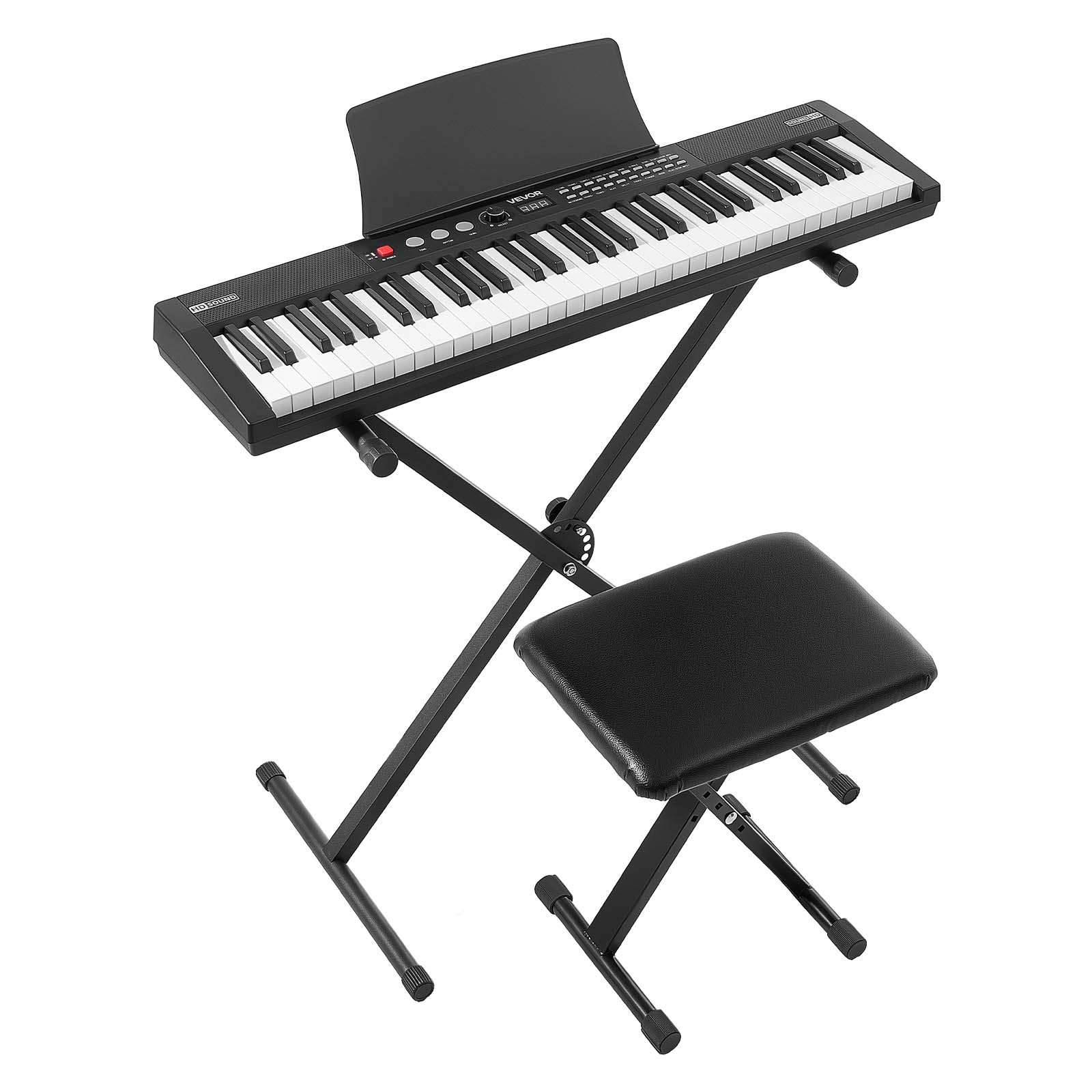 Digital Piano 61 Keys Semi Weighted Keyboard Portable Stand Bench, for Beginners, 128 Tones, 128 Rhythms, Dual Power Supply Electronic with Pedal, Headphone Jack, USB/MIDI, Music$140.99
 View on Mallflare
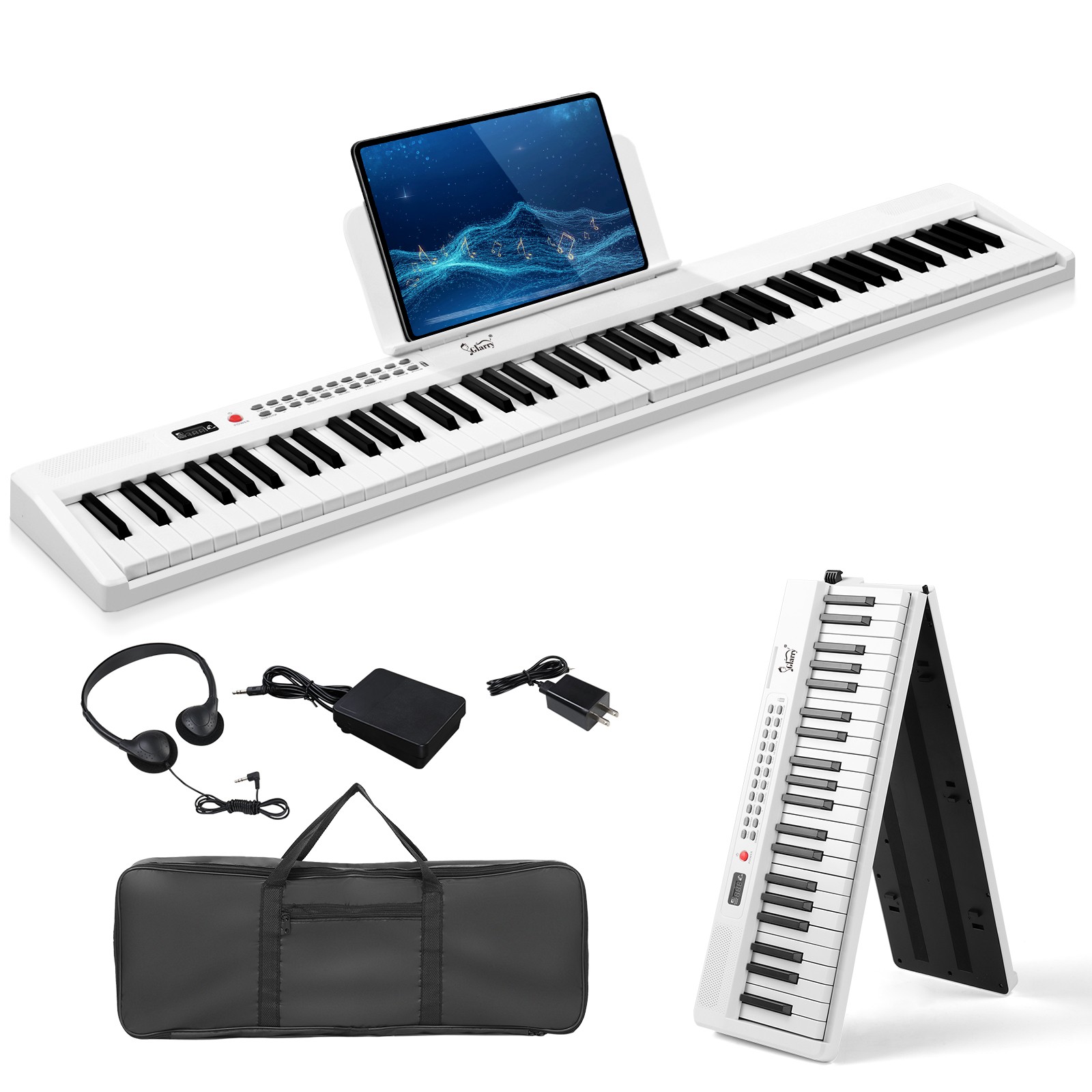 Glarry Foldable 88 Key Full Size Semi-Weighted Keyboards Digital Home Piano$49.99View on eBay
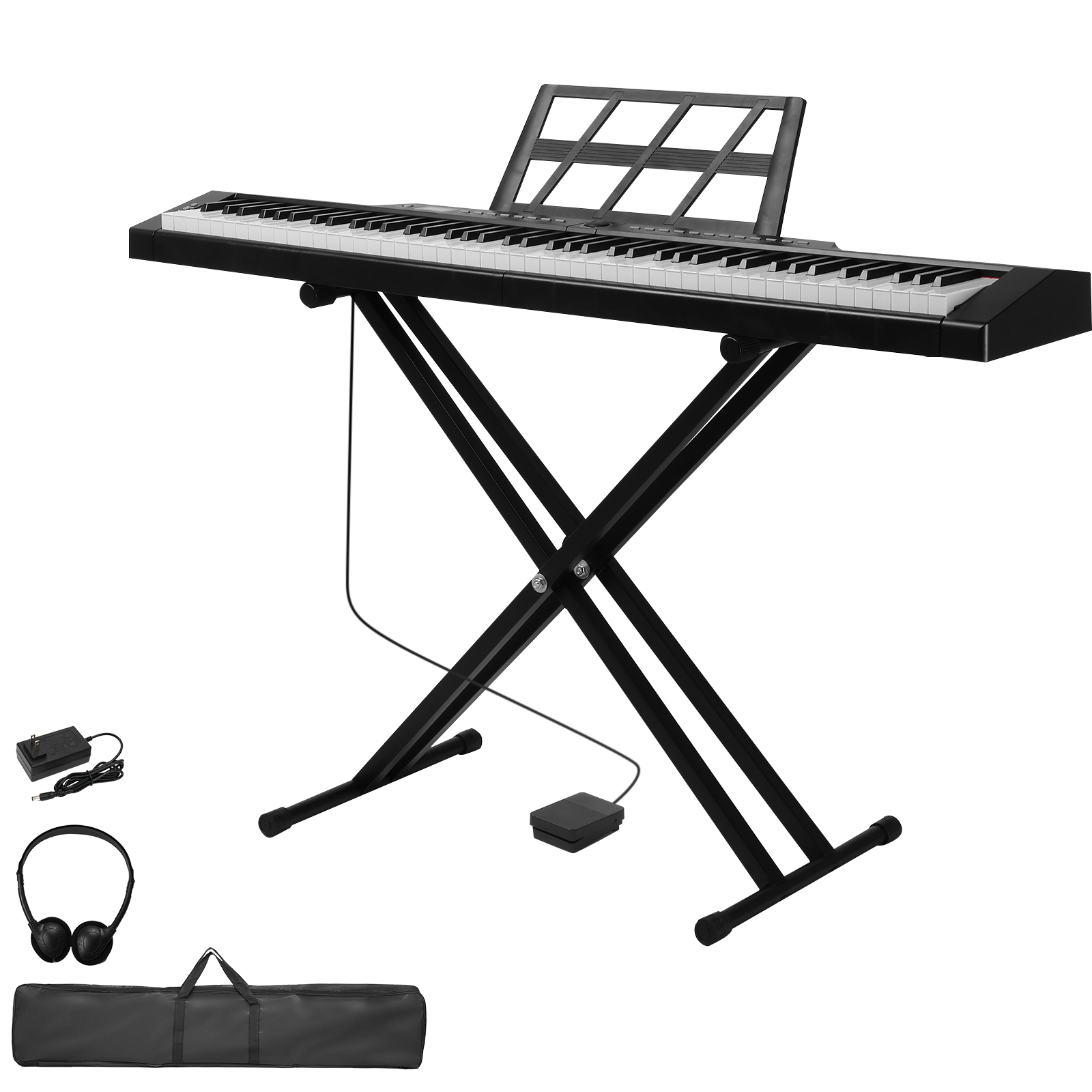 【AM not for sale 】 GPP-105 88 Key Full Size Semi-Weighted Standard Keyboards Digital Piano with Dual-tube X-Shape Stand, MIDI Bluetooth, Headphone,for Lover Black color$182.99View on Mallflare
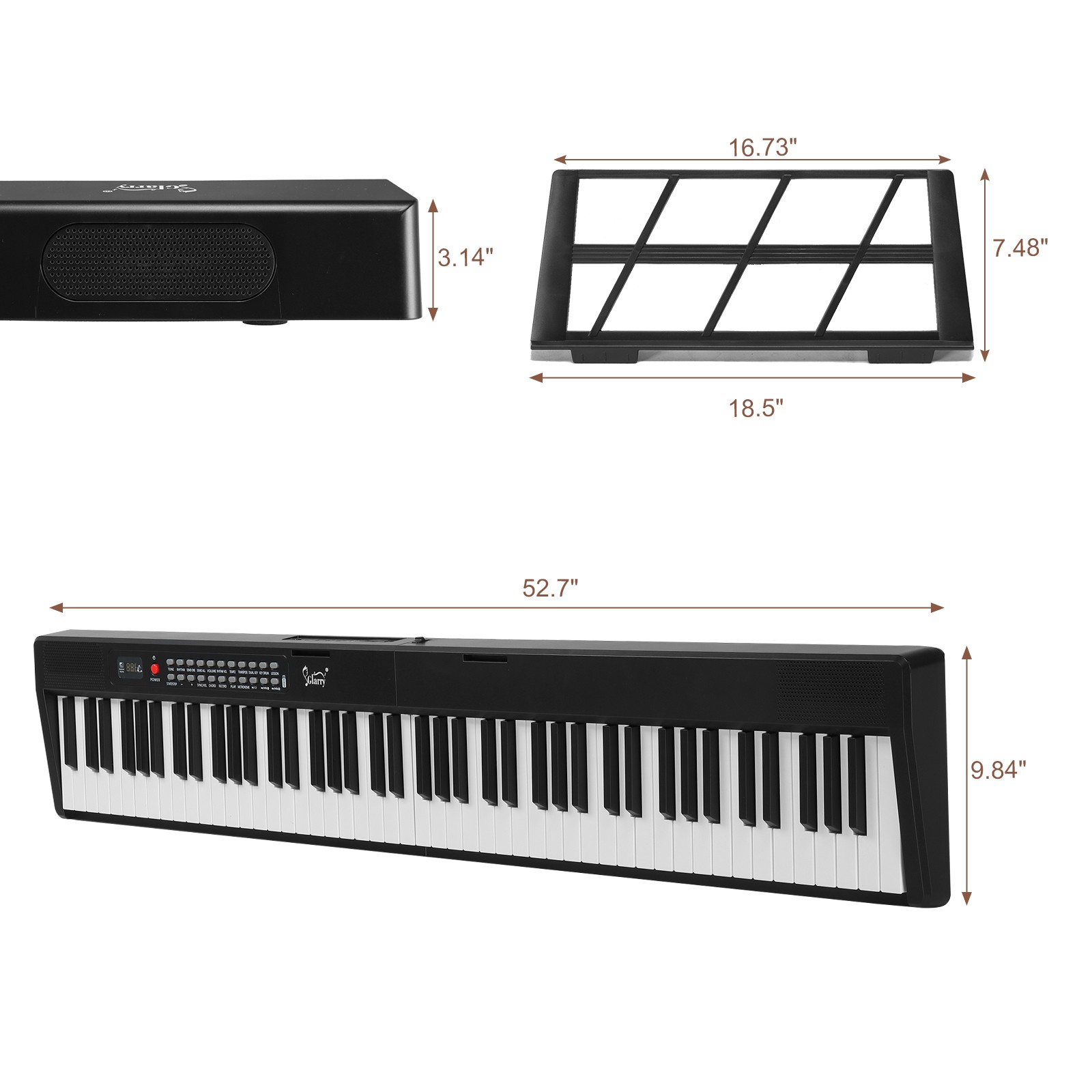 Glarry Folding 88-Key Semi-Weighted Digital Piano Electronic Keyboard+Bag$63.69View on eBay
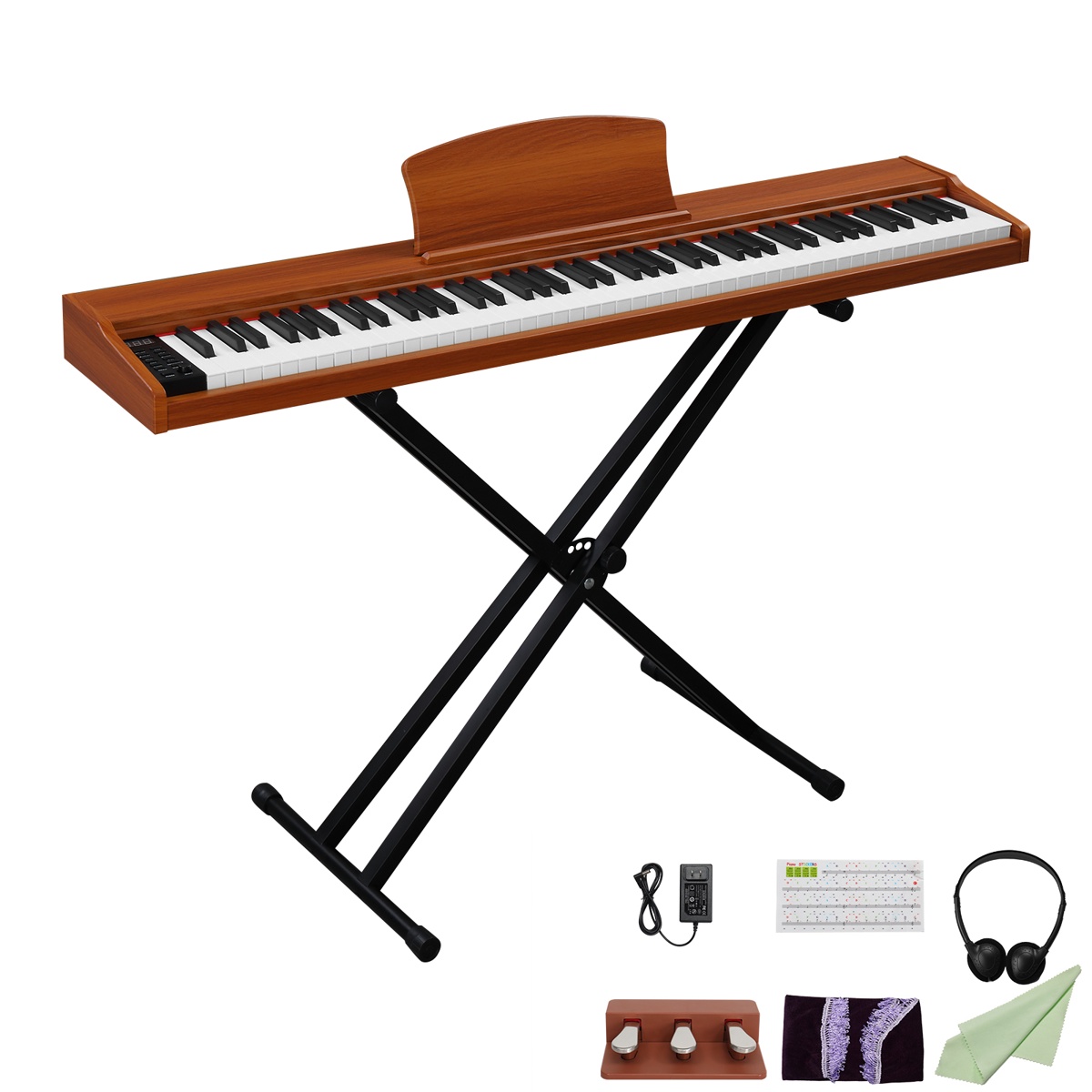 GPP-107 88 Key Full Size Semi-Weighted Standard Keyboards Wooden Digital Piano with Stand,MIDI Bluetooth,Triple Pedals,Headphone and other accessories, Walnut color$189.99View on Mallflare
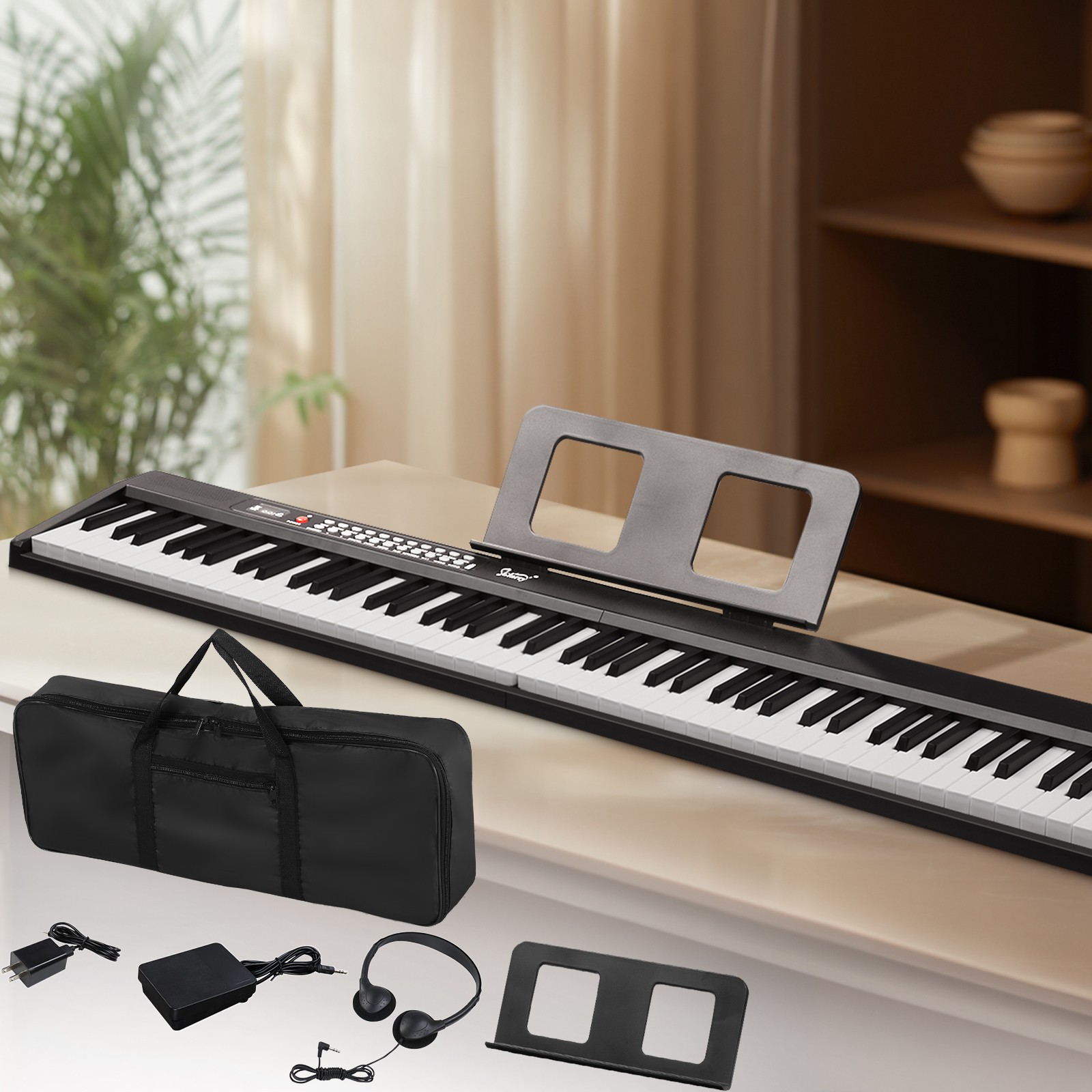 Glarry 88-Key Full Size Semi-Weighted Digital Piano Foldable Keyboard + Bag$63.99View on eBay
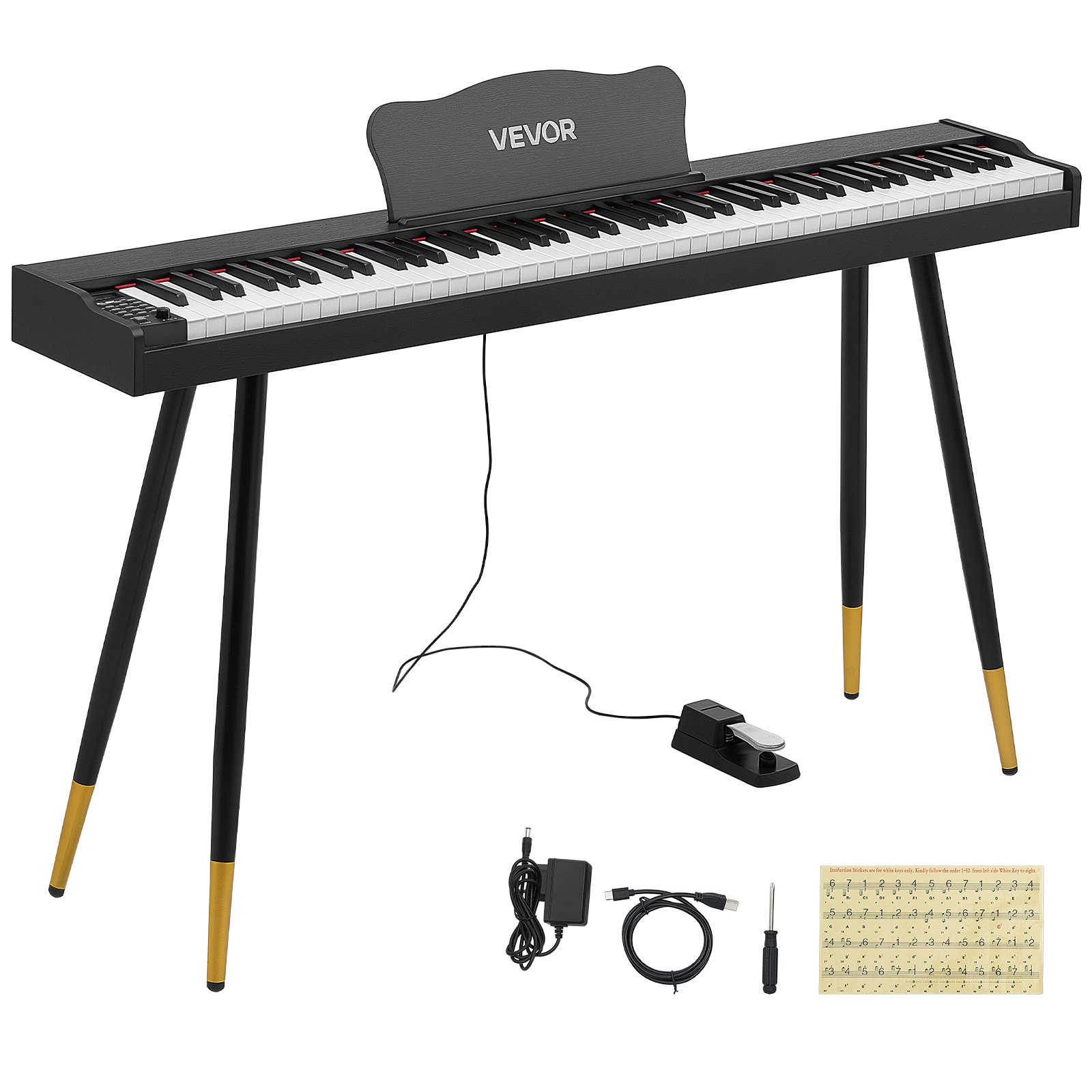 Digital Piano 88 Keys Semi Weighted Full Size Keyboard Stand Black, for Beginners, 600 Tones, 600 Rhythms, Electric with Sustain Pedal, Speaker, Headphone Jack, USB/MIDI, Power Adapter$190.99View on Mallflare
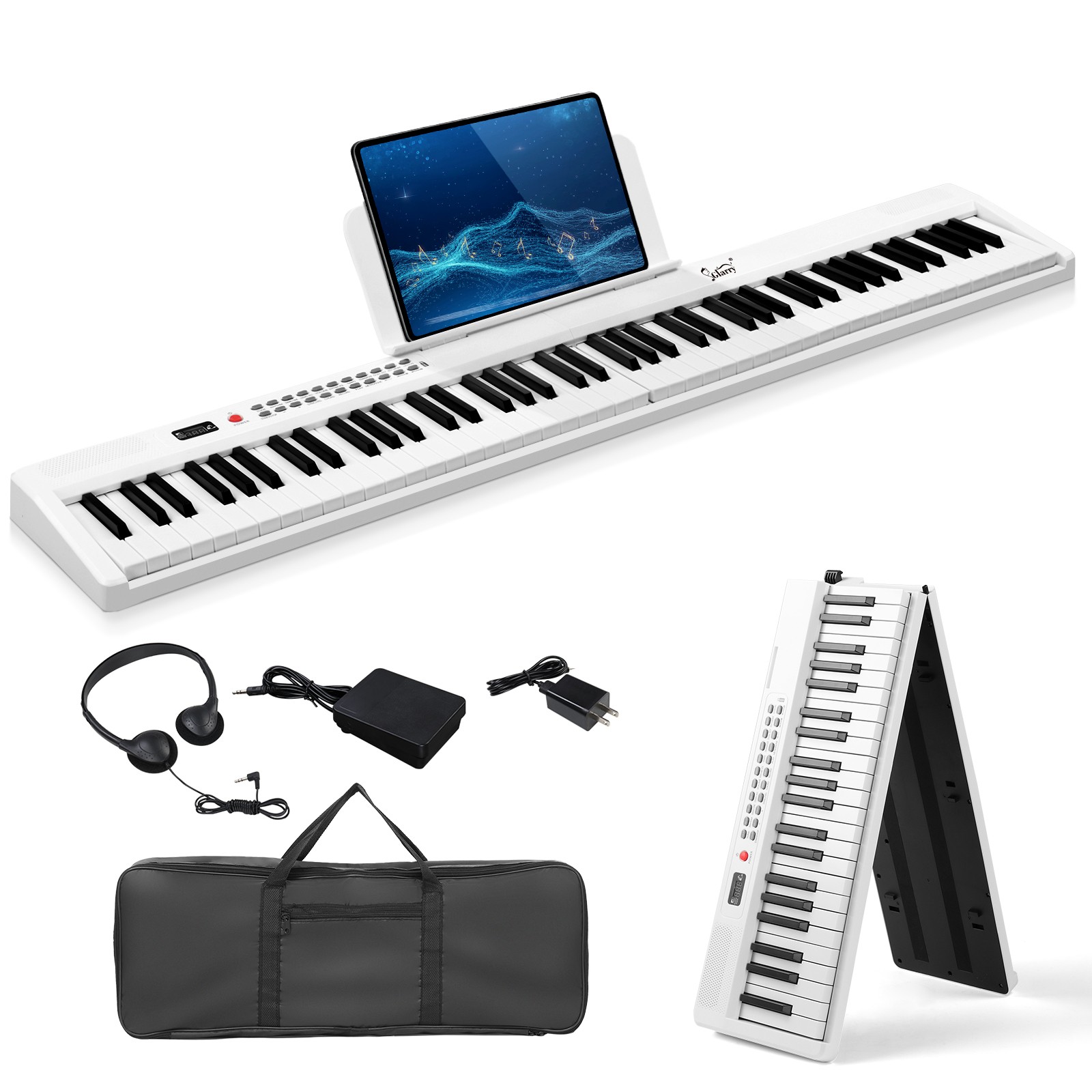 Glarry GPP-107 88 Key Full Size Semi-Weighted Standard Keyboards Digital Piano$67.79View on eBay
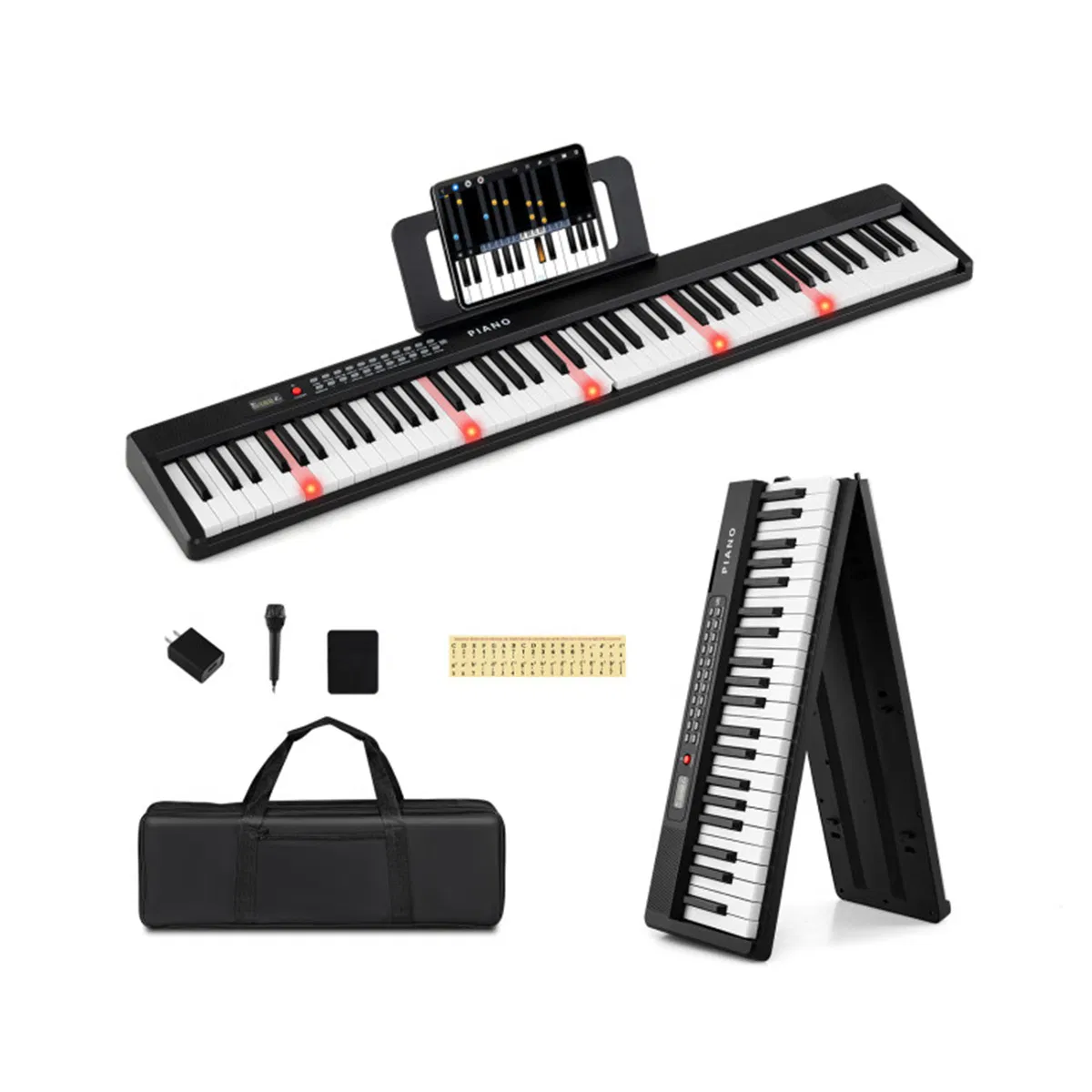 88-Key Semi-Weighted Foldable Digital Piano, 128.27×22.86×5.08 cm Light-Up Keys Keyboard with 3 Teaching Modes for Beginners, Black & White$216.99View on Mallflare
 Glarry Digital Piano 88 Key Full Size Semi-Weighted Keyboards,Music Stand,Bag$67.89View on eBay
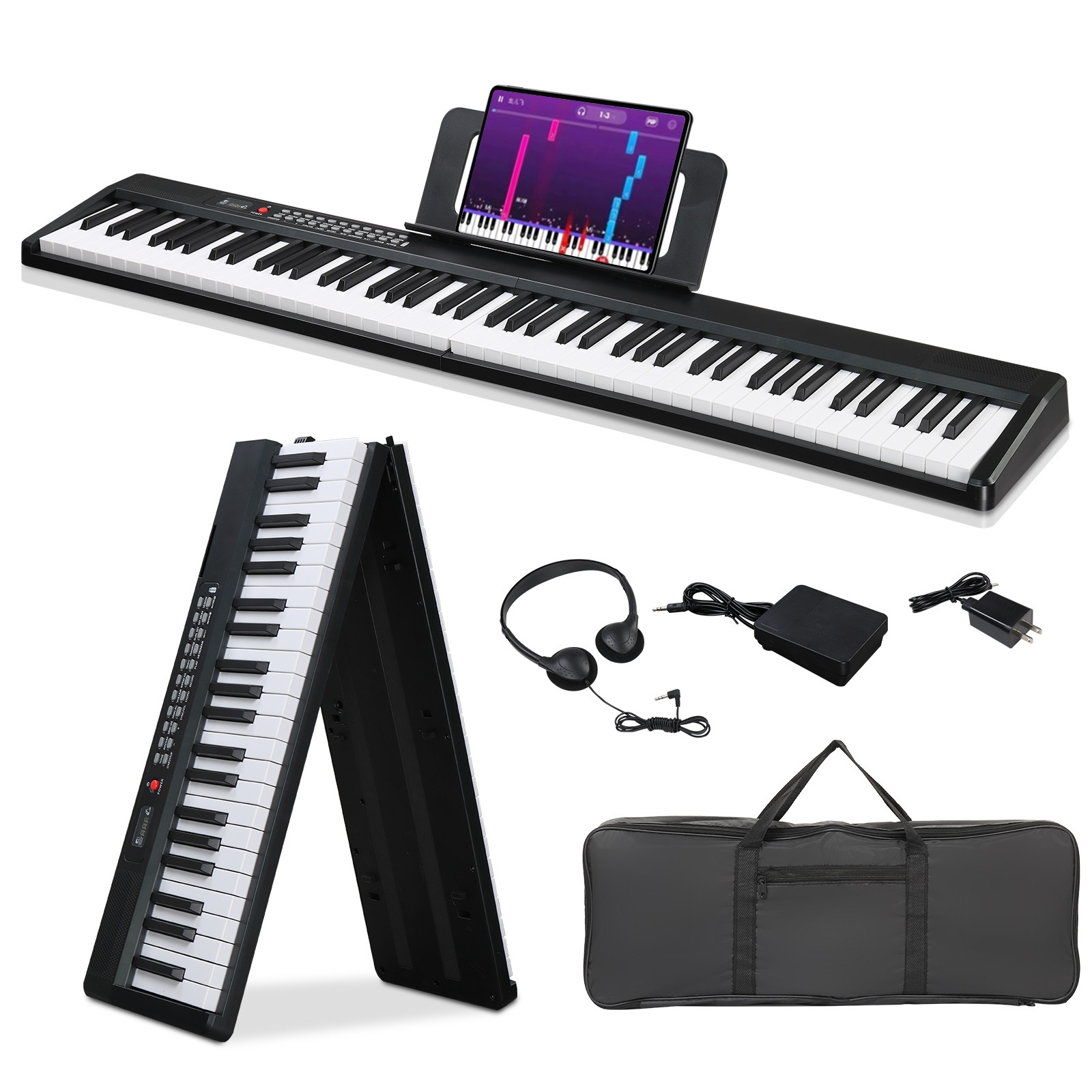 Glarry GPP-106 88 Key Full Size Semi-Weighted Standard Keyboards Digital Piano$72.59View on eBay
- Glarry Folding 88-Key Semi-Weighted Digital Piano Organs Electronic Keyboard Bag$75.89View on eBay
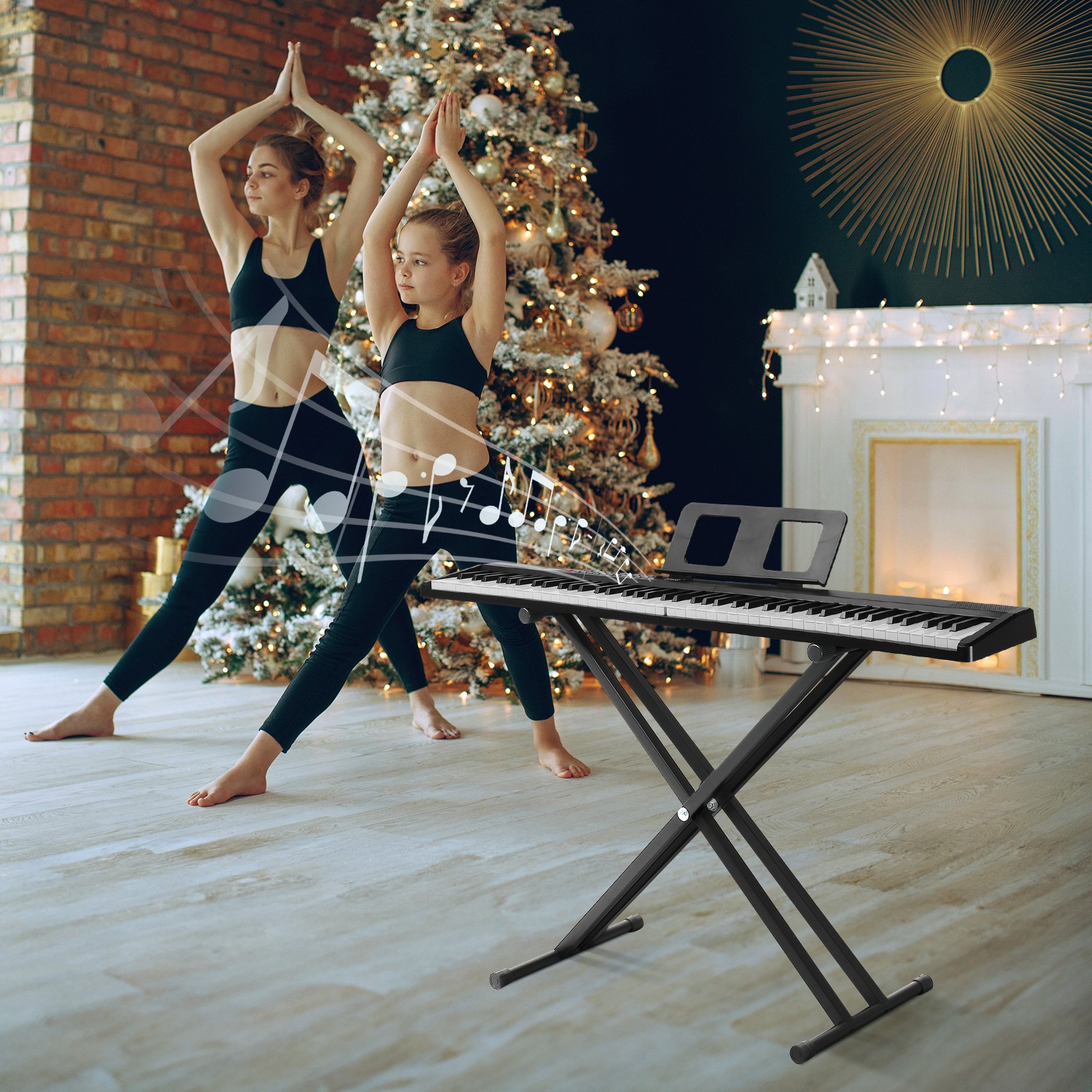 Glarry Folding 88-Key Semi-Weighted Digital Piano Electronic Keyboard + X Stand$83.02View on eBay
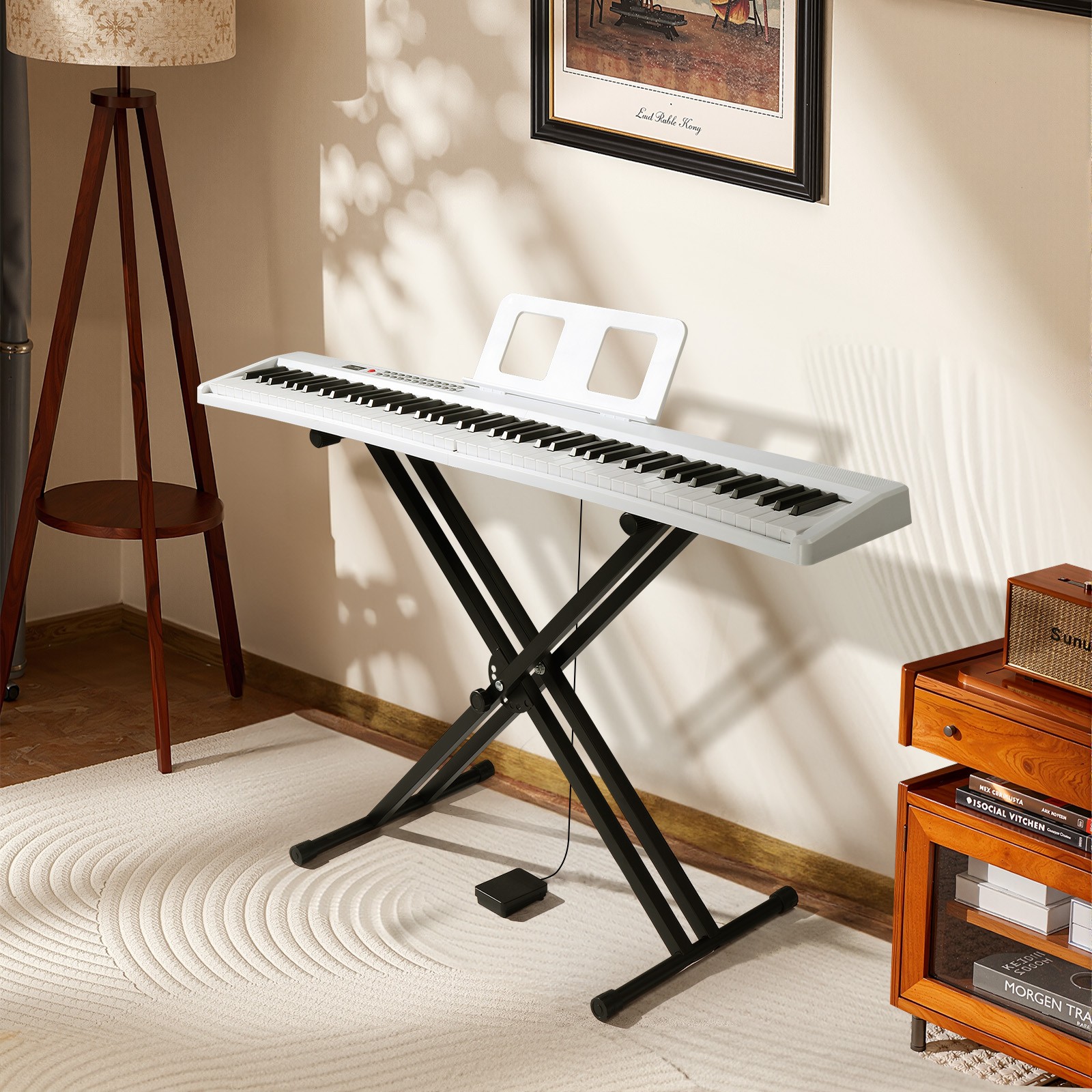 Glarry Foldable 88-Key Full Size Semi-Weighted Digital Piano With X Stand White$84.58View on eBay
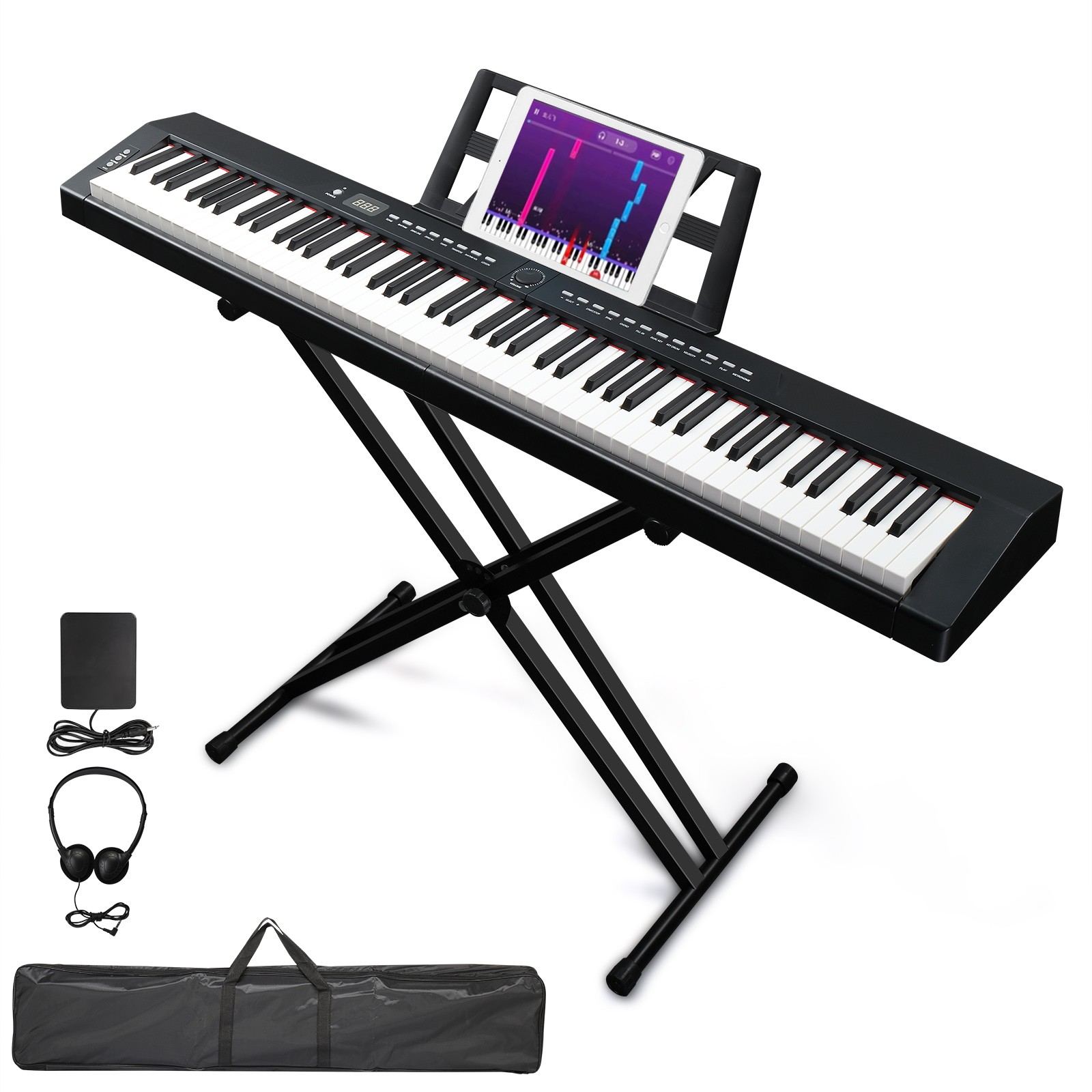 Ktaxon 88-Key Full Size Semi-Weighted Digital Piano Electronic Keyboard,Bag$115.99View on eBay
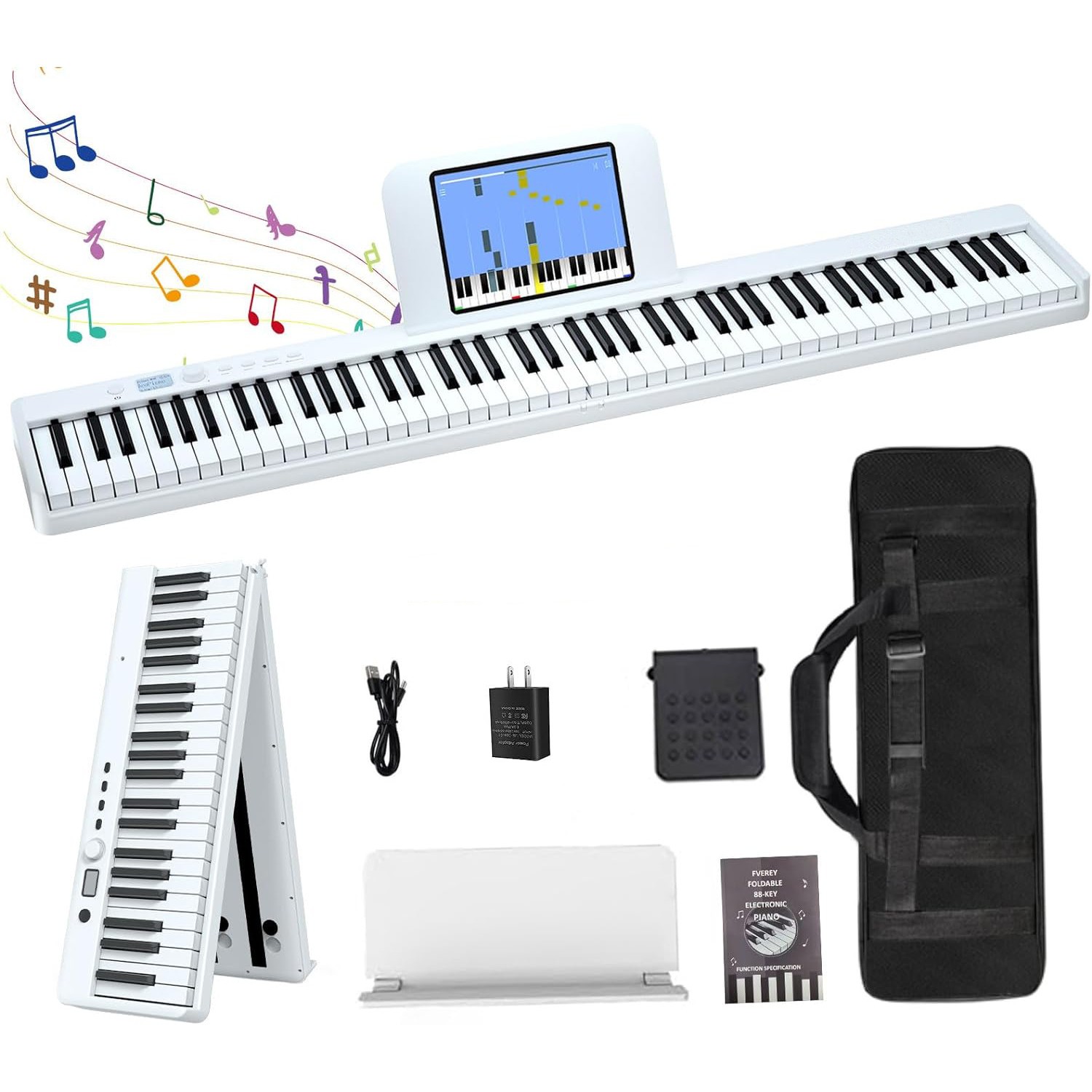 Fold 88 Key Electric Digital Piano Keyboard Weighted Key w/Pedal,Power Supply$117.60View on eBay
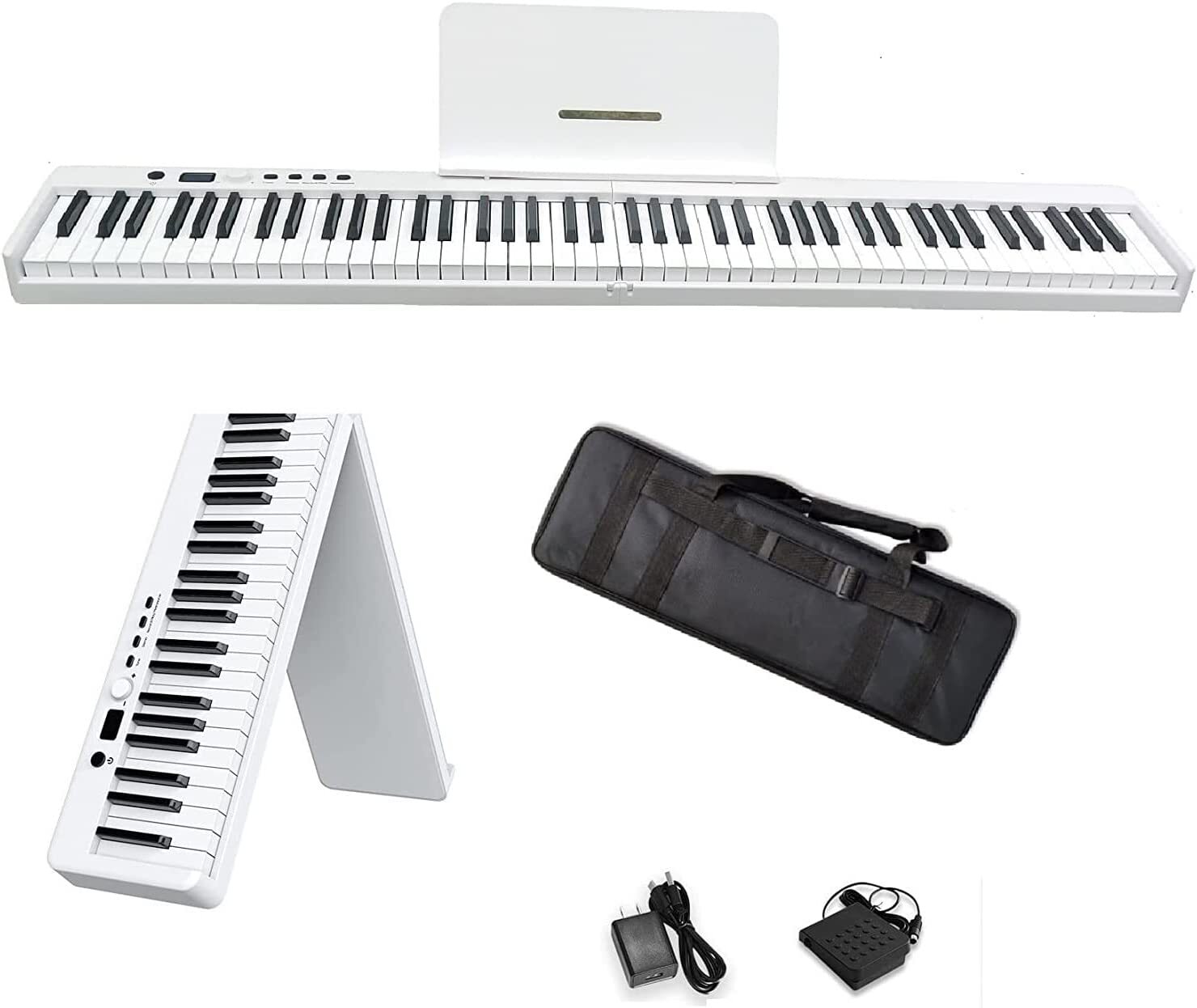 88/61 Key Electric Digital Piano Keyboard Weighted Key w/Pedal,Power Supply,Bag$118.30View on eBay
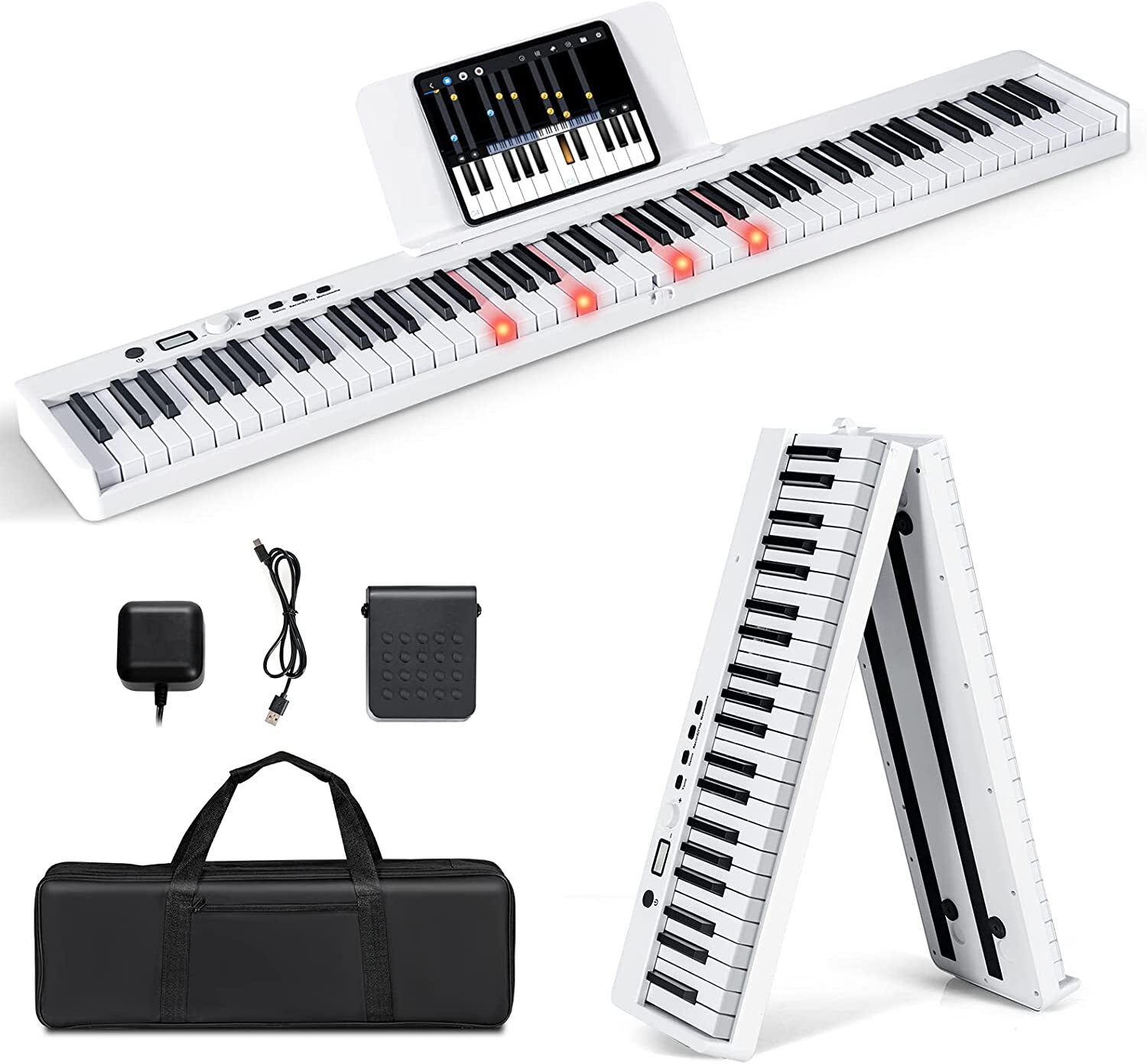 88 Key Electric Digital Piano Keyboard Weighted Key w/Pedal,Power Supply and Bag$119.70View on eBay
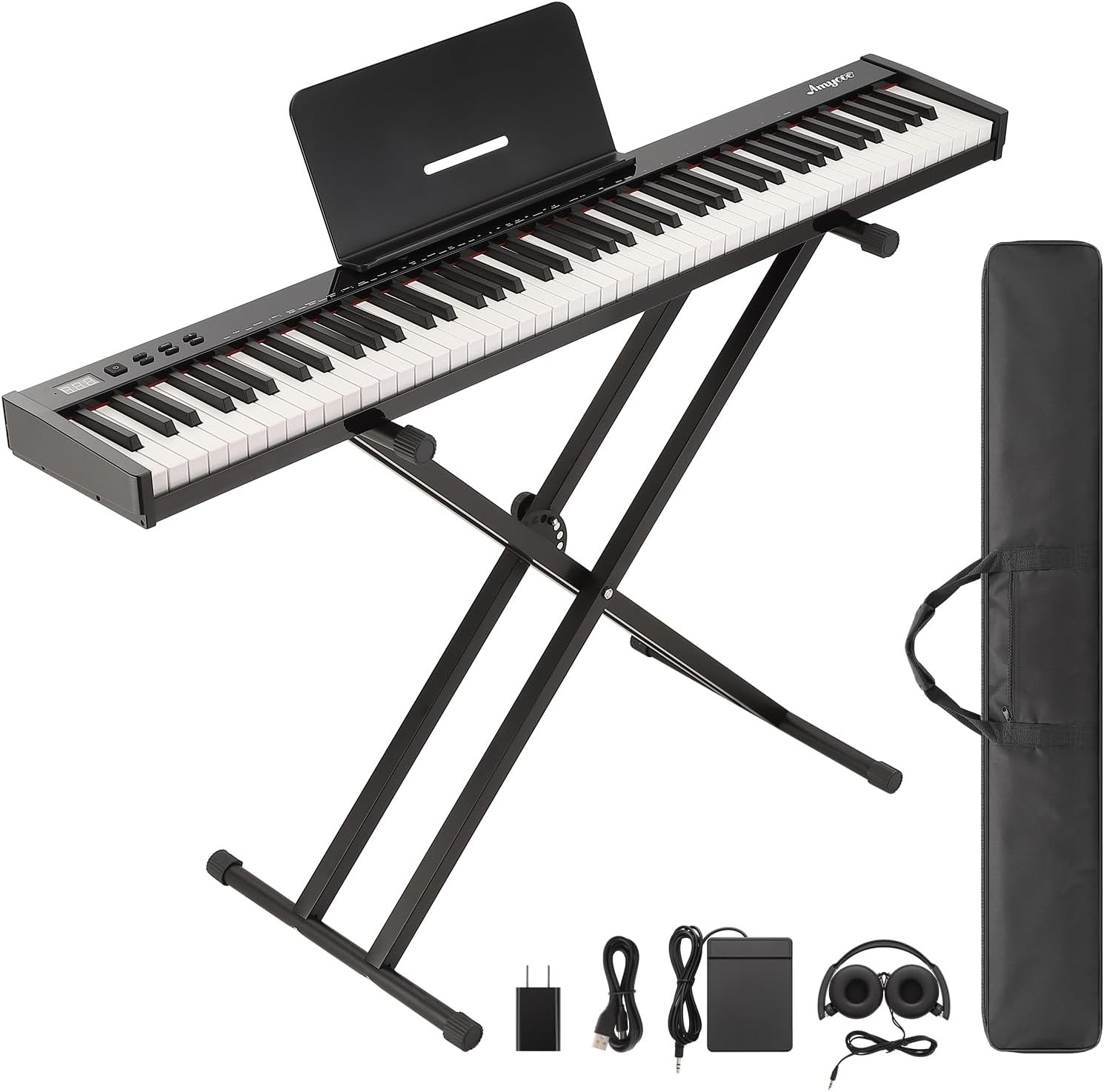 88 Key Portable Digital Piano W/ Weighted Keys, Full Size Portable Keyboard &Bag$143.99View on eBay
Highlights
- Key action tiers: fully weighted hammer-action (graded, acoustic-like) vs semi-weighted (spring + added mass) vs synth-action (unweighted); only fully weighted reproduces true piano dynamics and finger strength development.
- 88 keys is the acoustic-piano standard (A0–C8); 61-key models omit the lowest and highest octaves, limiting classical repertoire and bass-hand practice.
- Folding pianos use semi-weighted or unweighted keys with a hinge mechanism—convenient for transport but inherently compromised on touch consistency and durability at the fold joint.
- Pedal support matters: triple-pedal units (soft, sostenuto, sustain) or at minimum a sustain pedal jack enable proper piano technique; many budget models include only a single switch-style sustain pedal.
Best use cases
- Best fit: a beginner or returning player serious about piano technique → choose an 88-key fully weighted hammer-action console with a built-in stand and triple pedal or sustain-pedal jack; skip 61-key and semi-weighted models.
- Best fit: an apartment dweller or touring musician needing portability → choose an 88-key semi-weighted folding model with a carry bag, accepting lighter touch resistance; skip heavy furniture consoles if you move frequently.
- Best fit: a parent buying for a young child's first exposure → a 61-key semi-weighted keyboard with teaching modes and light-up keys is acceptable for exploration; skip it if formal piano lessons are planned.
- Wrong fit: buying a 61-key semi-weighted board for classical piano study or ABRSM/RCM exam preparation—key range and action will not build correct technique or cover the repertoire.
Buying tips
- Insist on 88 keys (A0–C8) for any serious piano use; 61-key boards cover only C2–C7 and cut off the bass register essential to piano literature.
- Verify key action type explicitly: 'fully weighted hammer-action' or 'graded hammer' means acoustic-style; 'semi-weighted' means spring keys with added mass—not suitable for technique building.
- Check pedal connectivity: a sustain-pedal jack or included triple-pedal unit is mandatory for piano study; a single on/off sustain switch is the minimum, and continuous (half-pedal) support is better.
- Confirm the stand and furniture format: console models with wooden stands and built-in pedals are stable but stationary; X-stand or folding models suit renters and mobile players—match to your room and transport needs.
Specs
| Key Action | Fully weighted hammer vs semi-weighted |
|---|---|
| Key Count | 88 full-size (A0–C8) vs 61 compact |
| Pedal Support | Triple pedal / sustain jack vs none |
| Form Factor | Console furniture vs folding portable |
Related searches
What to check before buying
- Measure your floor space and doorways: 88-key consoles typically run 49–54 inches wide and weigh 30–60+ lbs—confirm the room and path can accommodate a furniture-style piano.
- Check your home's floor type and climate: weighted hammer-action mechanisms are sensitive to humidity and temperature swings; stable indoor climate and a level floor preserve action regulation.
- Confirm power and connectivity: most digital pianos use a bundled AC adapter (100–240V) and offer USB/MIDI and headphone jacks—verify the plug standard and that a headphone jack exists for silent practice.
- Plan companion parts: a bench at correct height, a sustain pedal (if not included), and headphones are needed from day one; confirm the model includes or supports these before choosing a tier.
FAQ
Data sources: eBay / Amazon listings and product attribute feeds Data updated Nov 16, 2026.
Some links on this page are affiliate links. If you buy after clicking one, we may earn a commission at no extra cost to you. This does not change which products appear here or their order. Affiliate disclosure.