Photos from current listings. Actual item, color, and included accessories may vary.
Keyboard Buying Guide
Keyboard pianos span a wide range from plastic 61-key learning boards to weighted 88-key instruments, with the core trade-off being key action realism versus portability and cost. The decisive rule: if you need dynamic expression and technique development, choose hammer-action or graded weighted keys with at least 64-note polyphony; if you need portability, built-in speakers, and beginner guidance, a synth-action 61-key board with lesson modes is the right tier.

At a glance
- Category
- Keyboards & Pianos
- Data updated
- Nov 16, 2026
Current offers
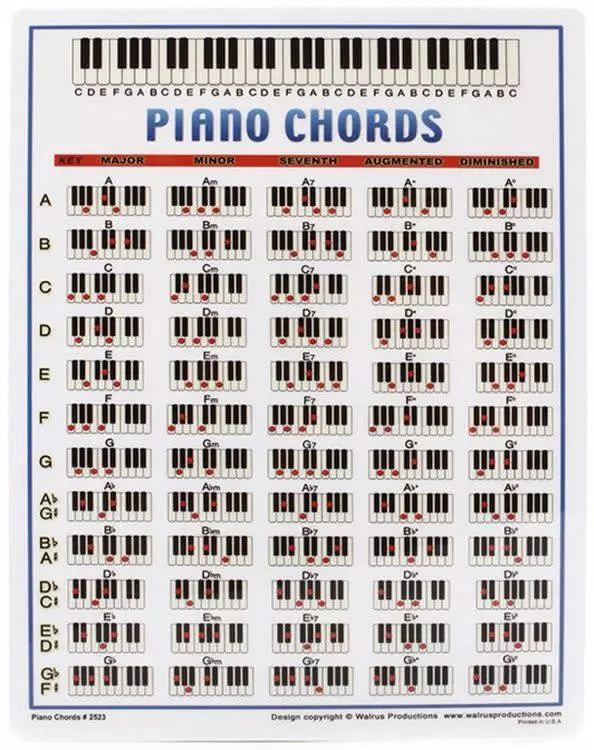 Best Laminated Beginner Piano Chord Chart Keyboard Notes 8.5 x 11 2523$6.99
 View on eBay
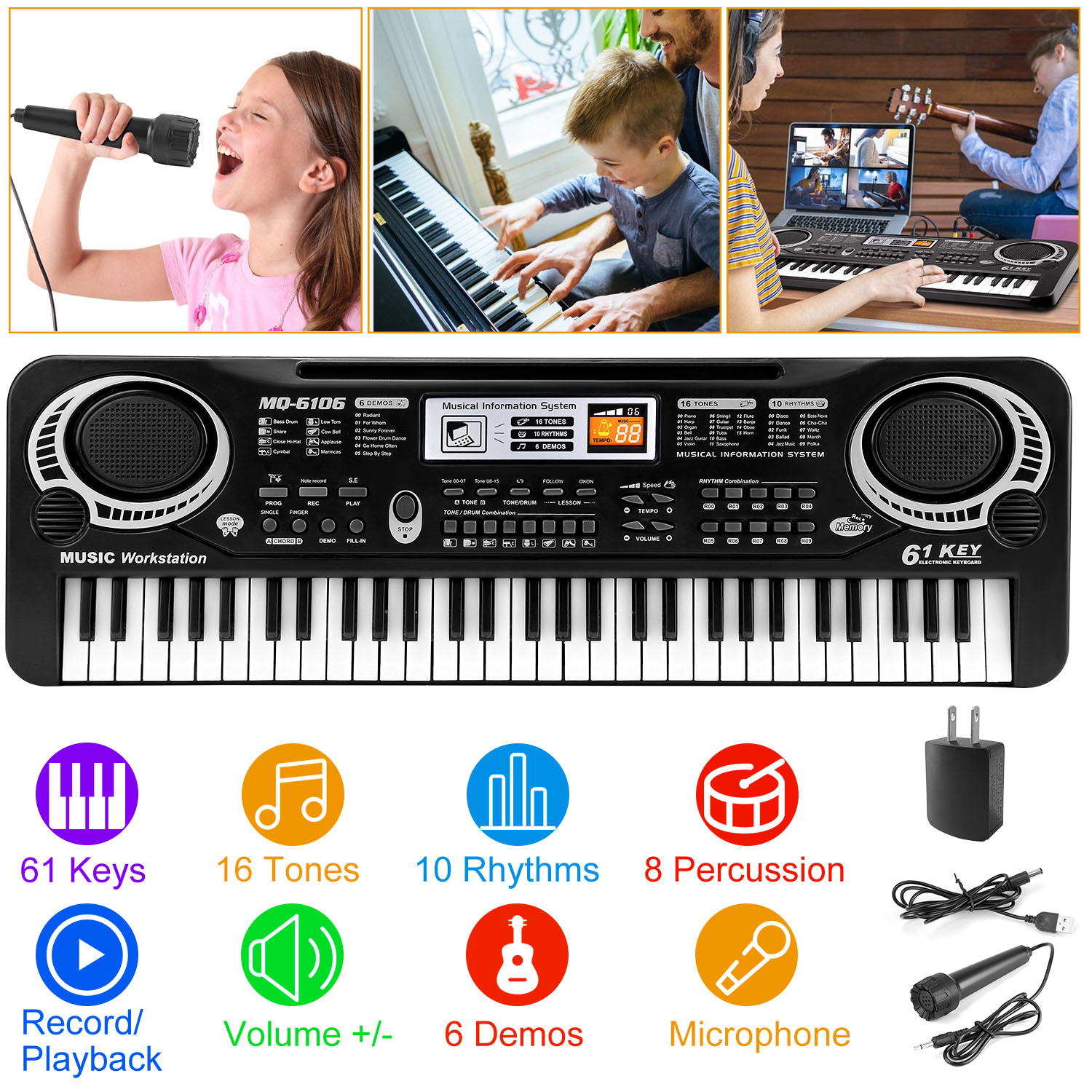 61 Keys Digital Music Electronic Keyboard Electric Piano Musical Instrument Kids Learning With Microphone For Beginners Girls Boys Adults$45.99
 View on Mallflare
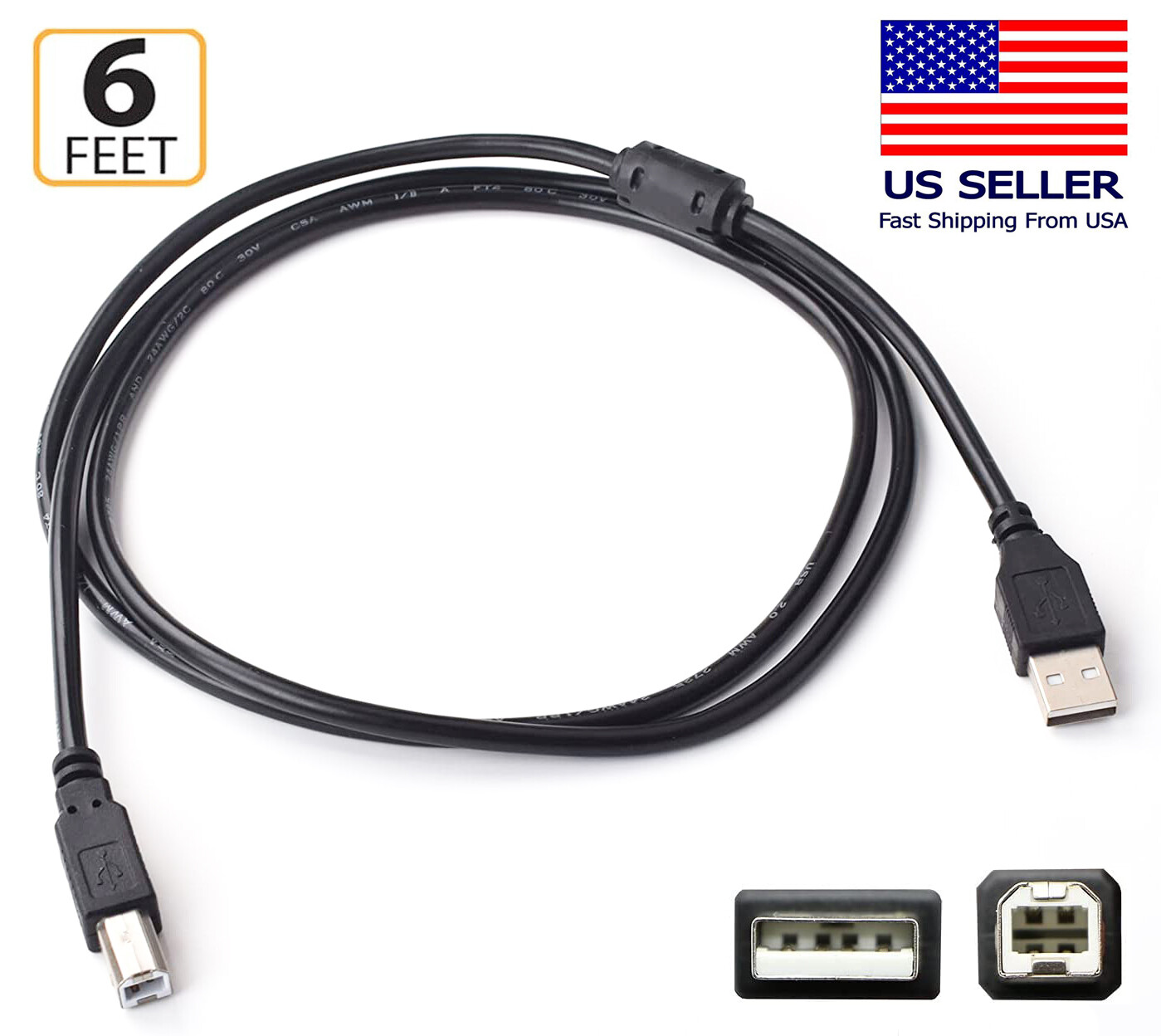 6FT USB 2.0 Cable for Casio Privia Piano / Keyboards: PX-5S, PX-360M, PX-560M$8.45View on eBay
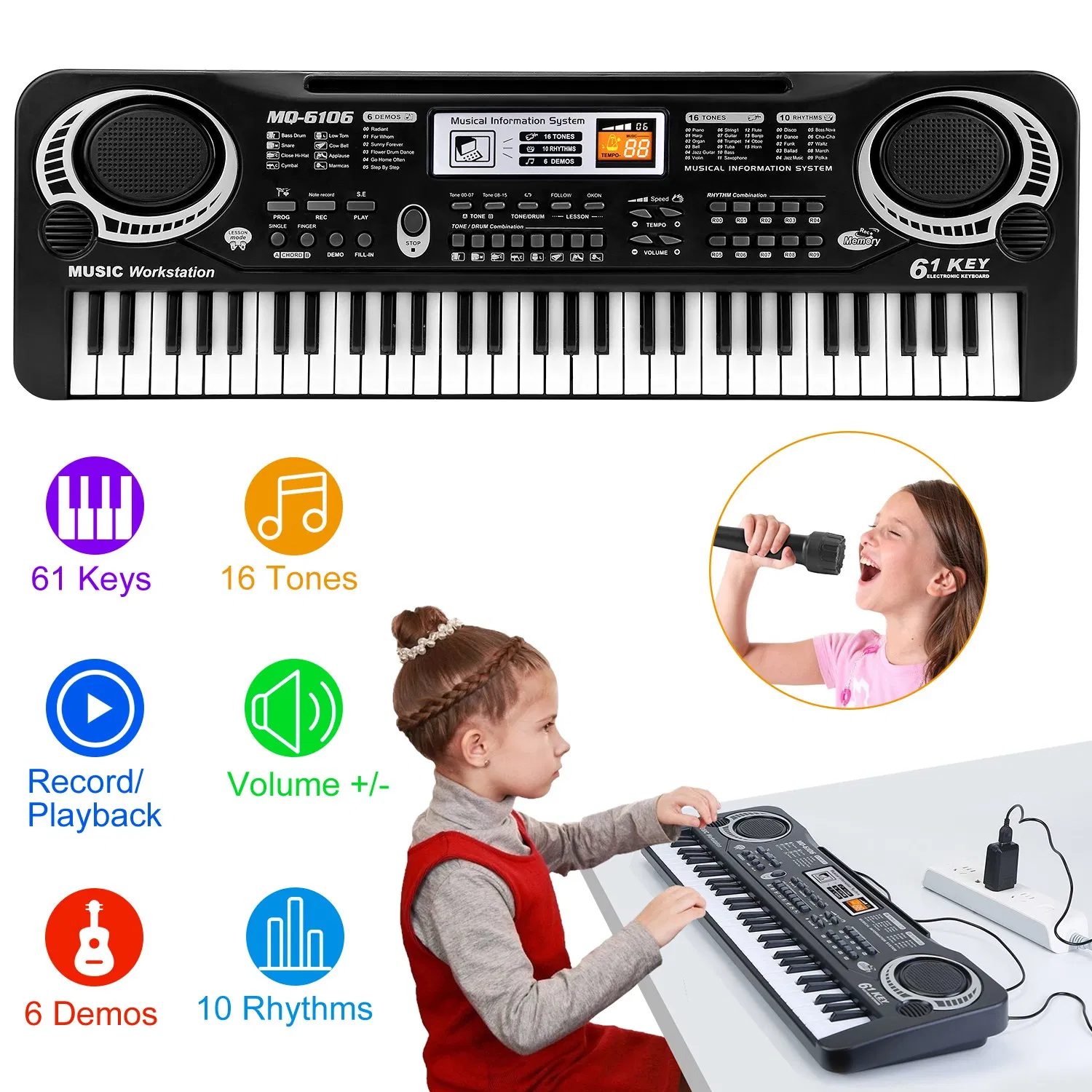 61 Keys Digital Music Electronic Keyboard Electric Piano Musical Instrument Kids Learning w/ Microphone For Beginners Girls Boys Adults$54.99View on Mallflare
- 6FT USB 2.0 Cable for Alesis Recital/Recital Pro 88-Key Digital Piano Keyboard$8.48View on eBay
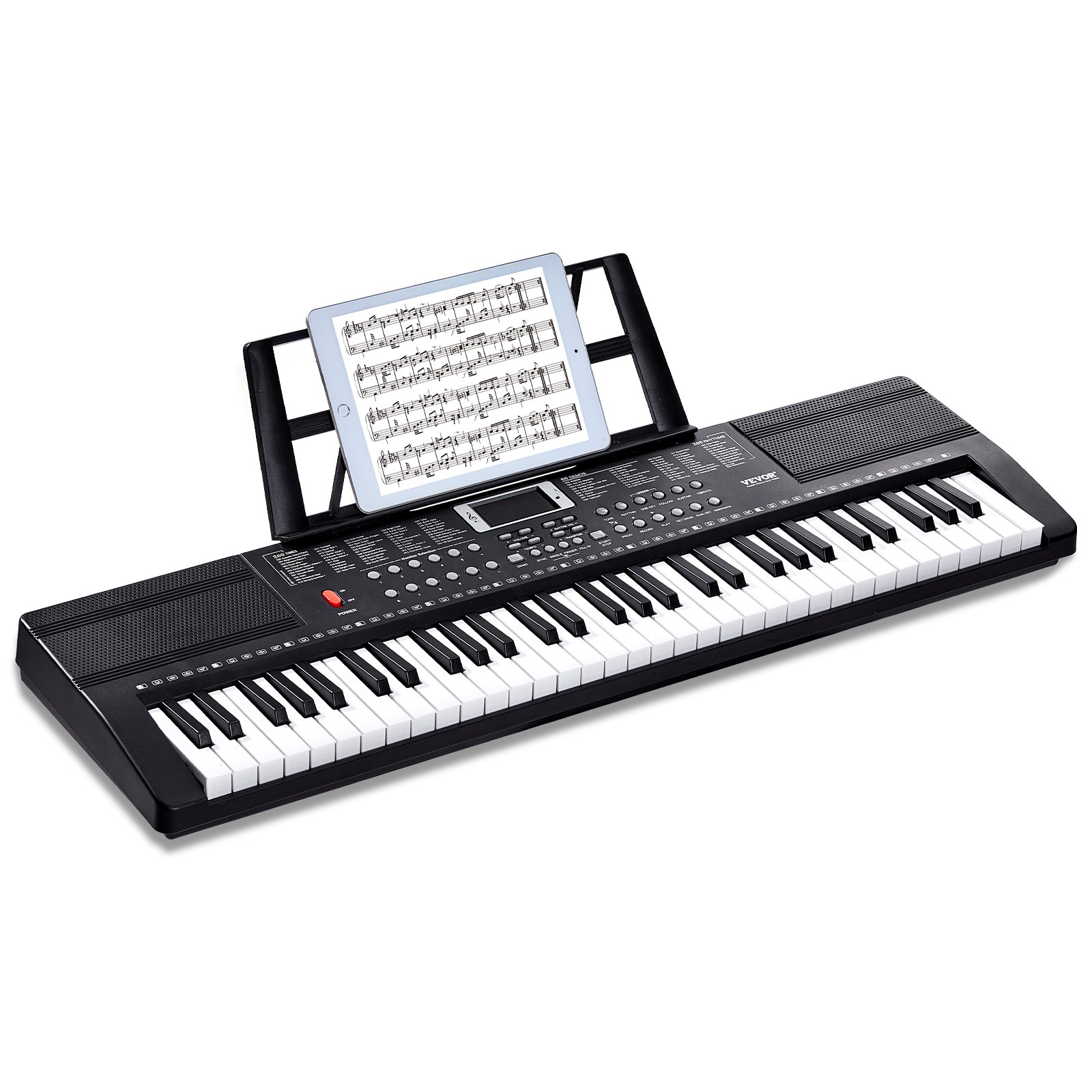 61 Key Digital Keyboard Piano, 200 Tones 200 Rhythms, Electric Portable Kit With 60 Demo Songs Built-In Dual Speakers Headphones, Stickers For Beginners Learning$56.99View on Mallflare
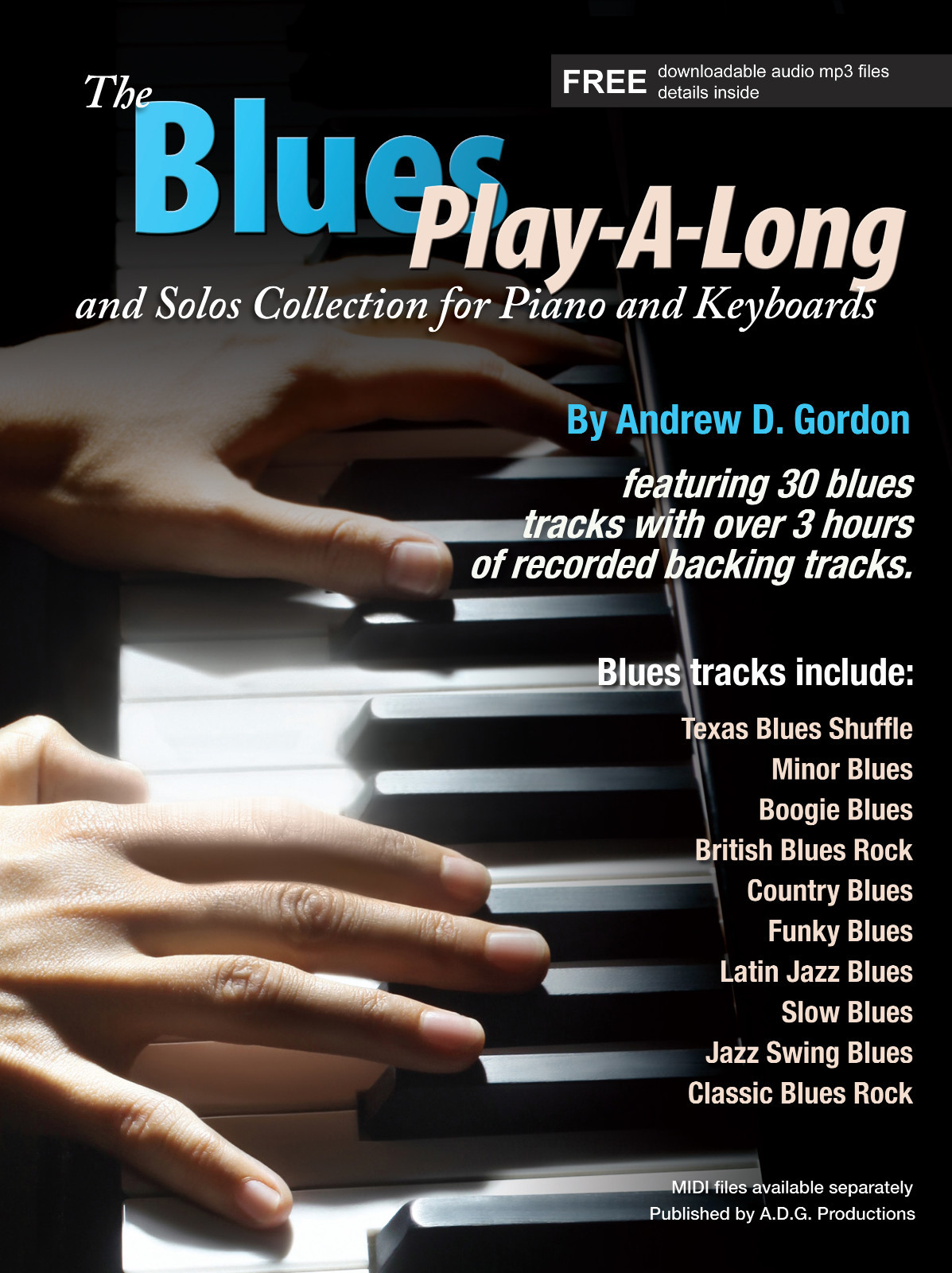 The Blues Play-A-Long and Solos Collection for Piano/Keyboards$9.95View on eBay
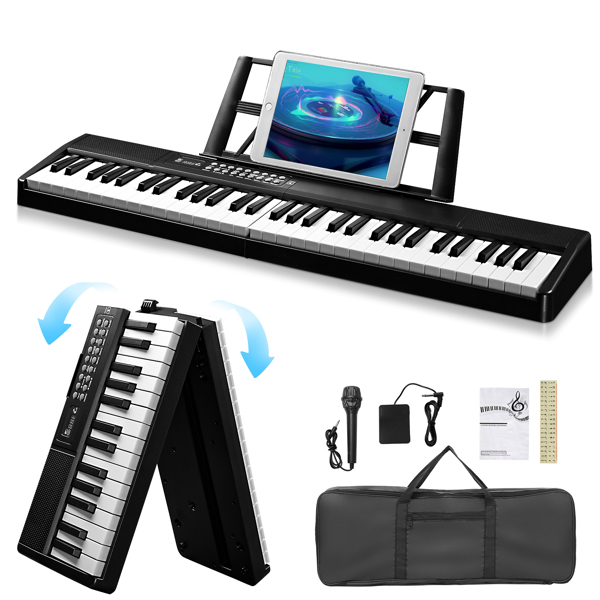 61 Key Half Hammer Keyboard, Portable And Foldable, Black Electronic$74.99View on Mallflare
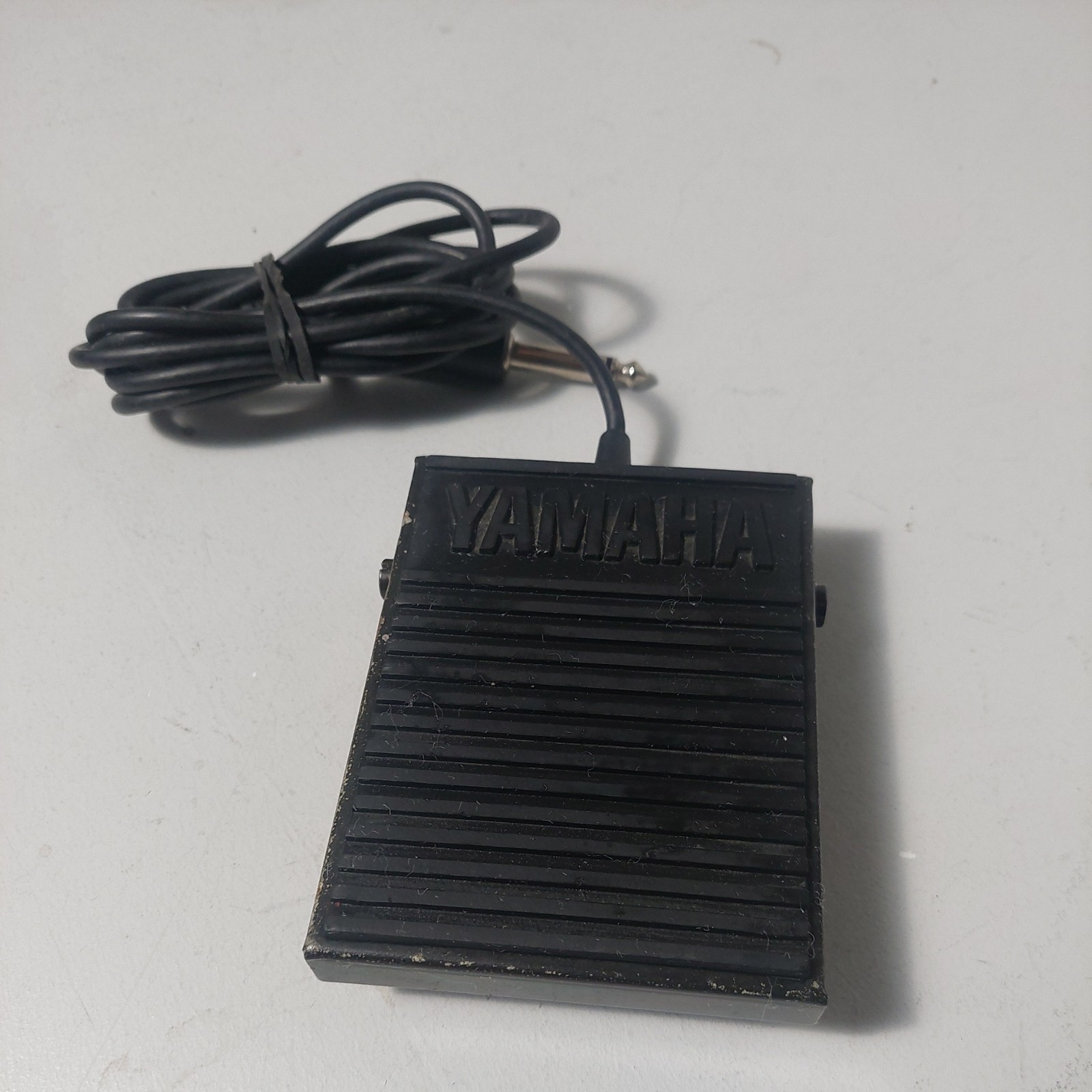 Vintage Yamaha FC5 Electronic Keyboard Compact Foot Switch Style Sustain Pedal$9.97View on eBay
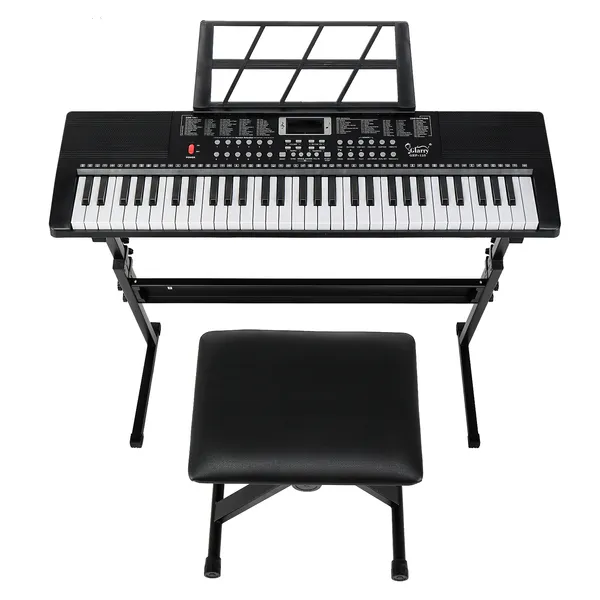 GEP-110 61 Key Keyboard With Piano Stand, Bench, Built In Speakers, Headphone, Microphone, Music Rest, LED Screen, 3 Teaching Modes For Beginners$88.99View on Mallflare
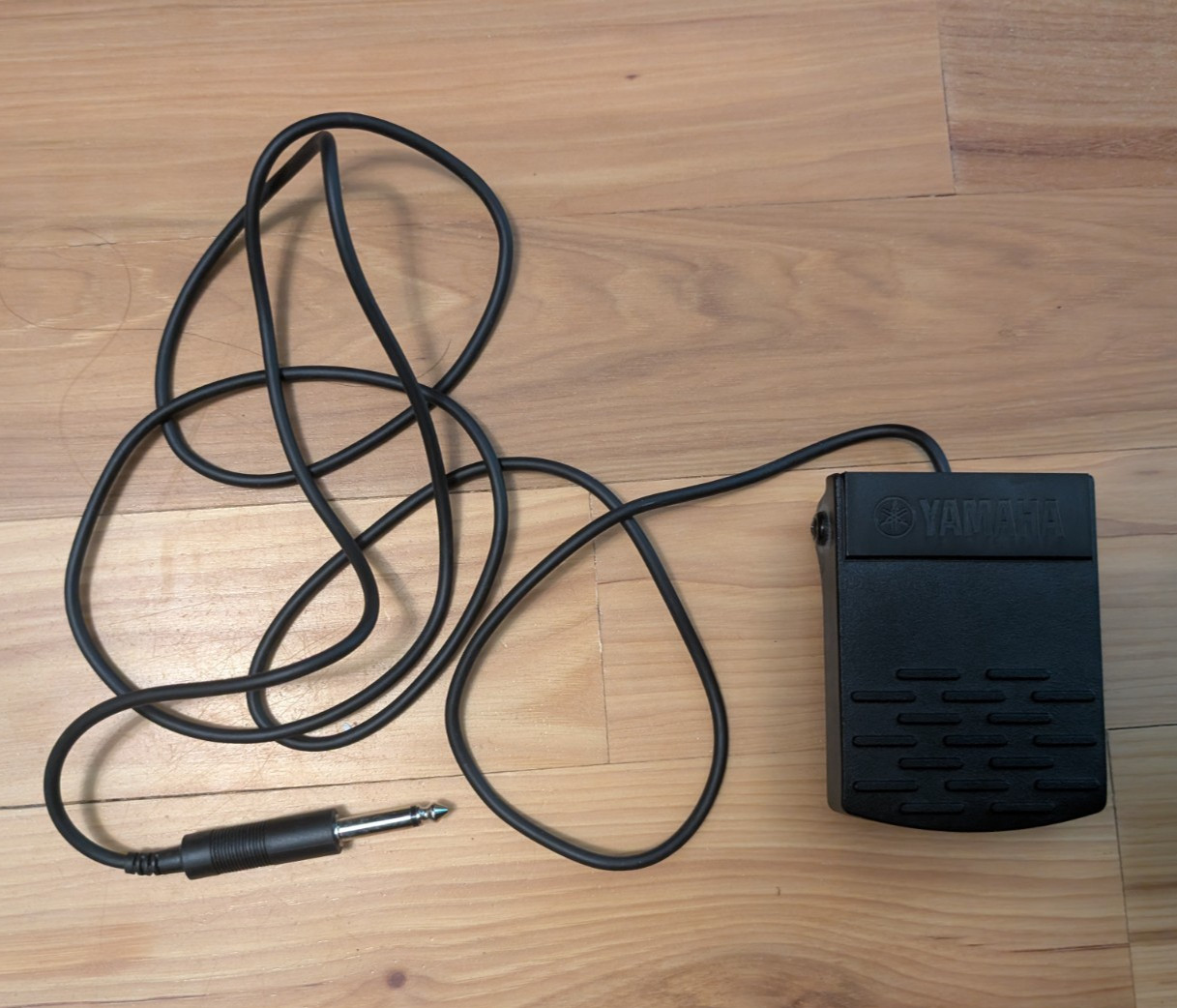 Yamaha FC5 Electronic Keyboard Compact Foot Switch Style Sustain Pedal$9.99View on eBay
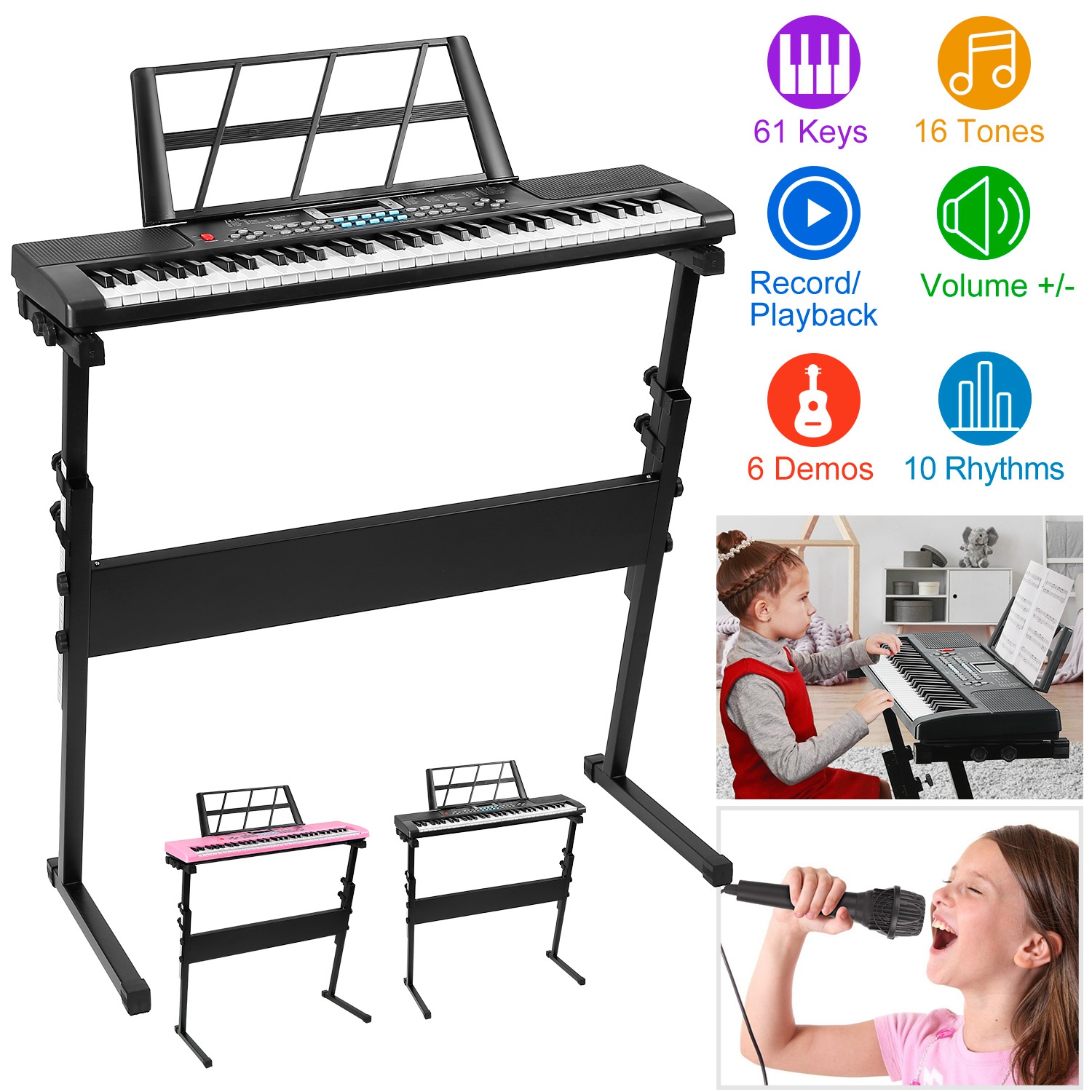 1P 61 Keys Digital Music Electronic Keyboard Electric Musical Piano Instrument Kids Learning With Stand Microphone For Beginners$91.99View on Mallflare
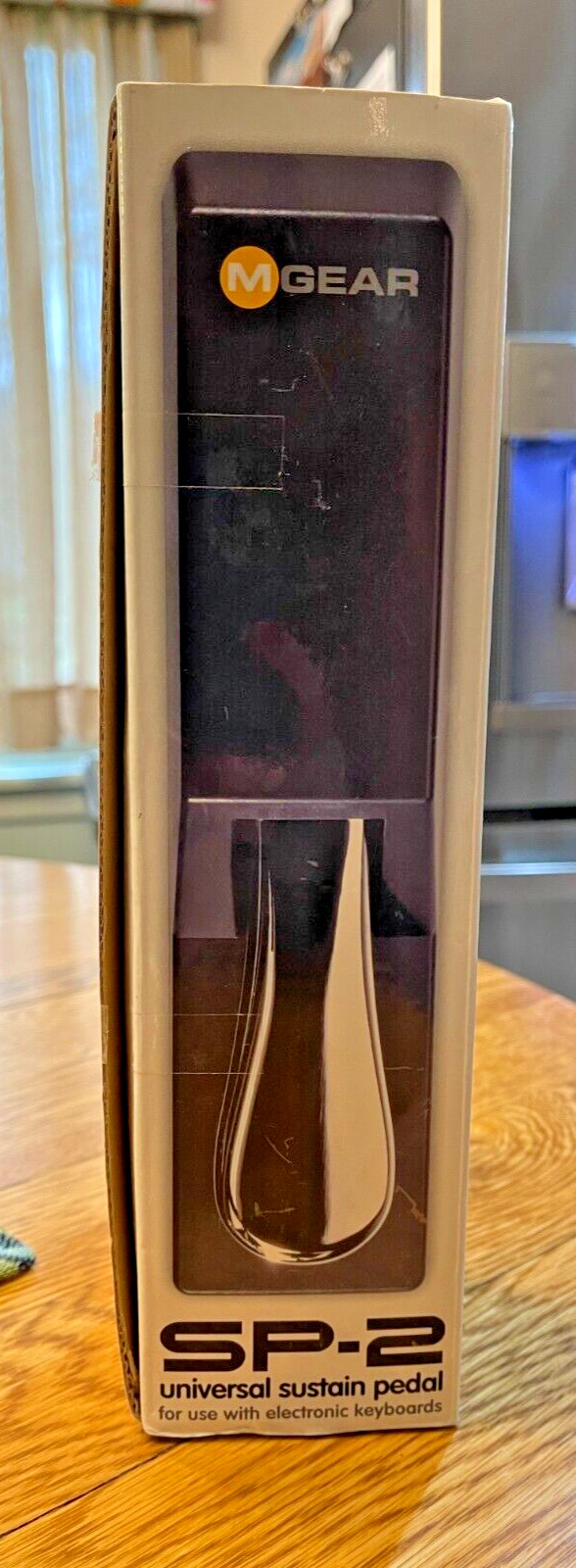 MGEAR M-Audio SP-2 Professional UNIVERSAL Piano Style Sustain Pedal[-KEYBOARD$10.00View on eBay
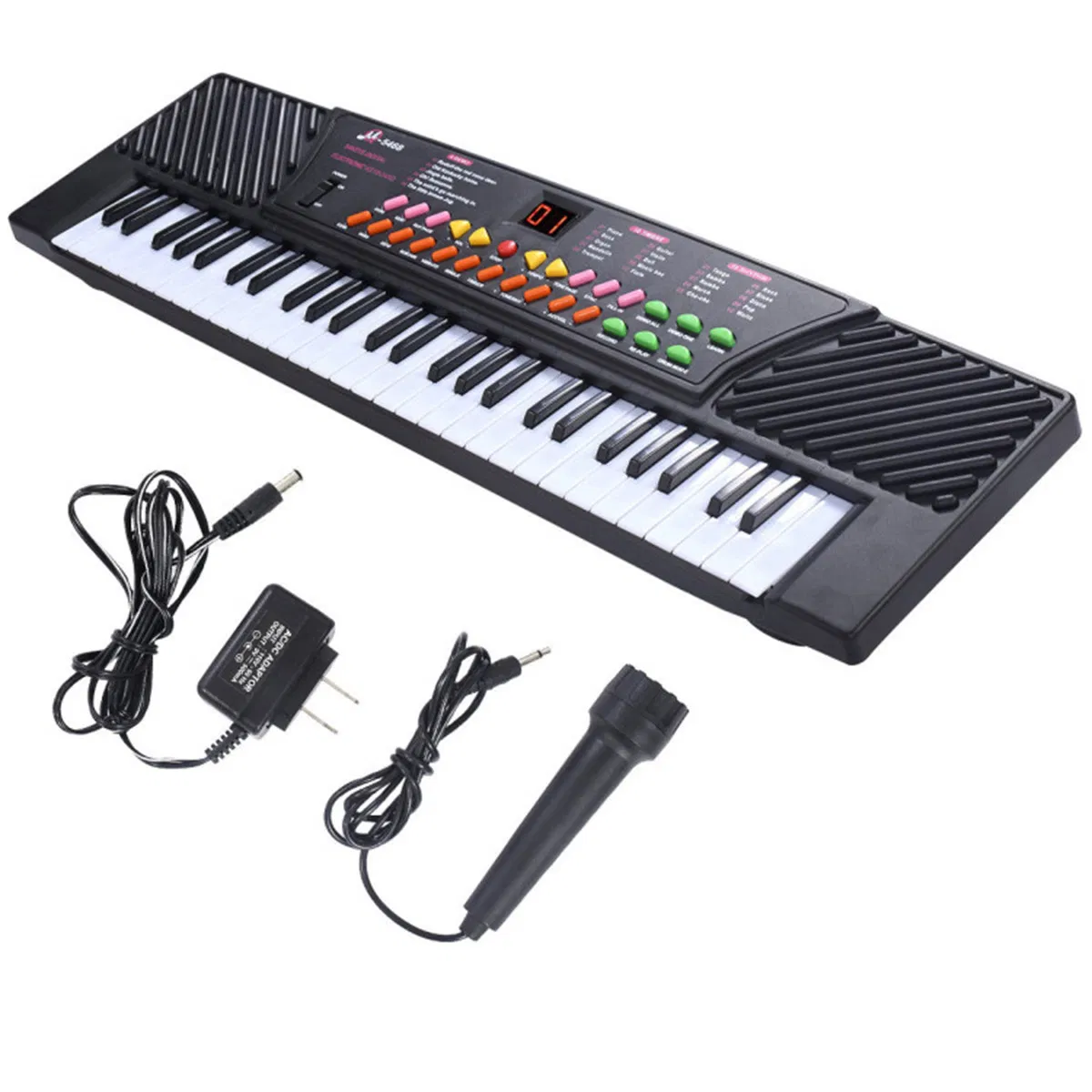 54-Key Electronic Keyboard for Kids - 10 Timbres/10 Tempos, Record/Playback + Microphone/Headphone Jack (Black)$91.99View on Mallflare
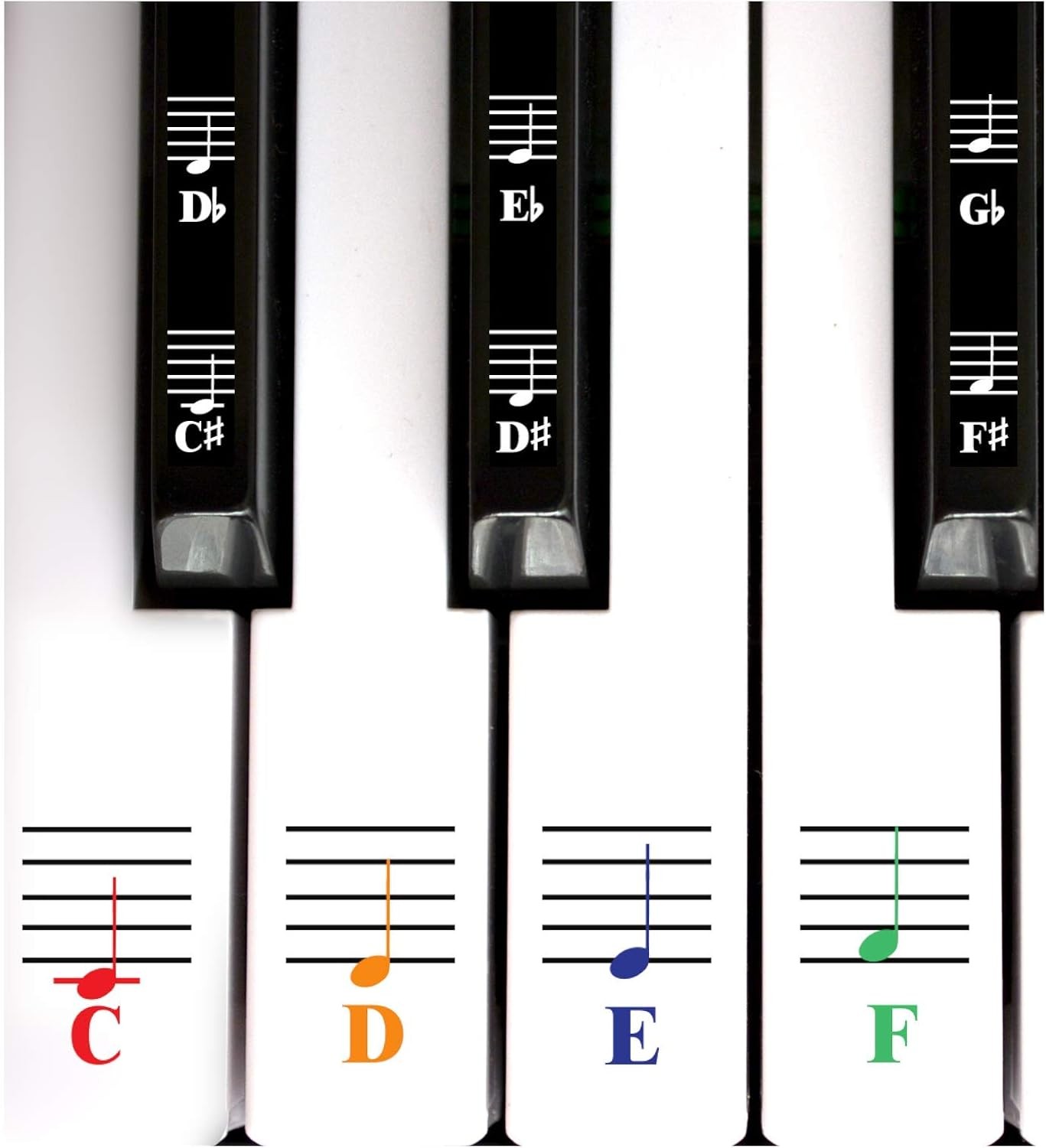 QMG Color Piano and Keyboard Music Note Full Set Stickers for White, Black$10.30View on eBay
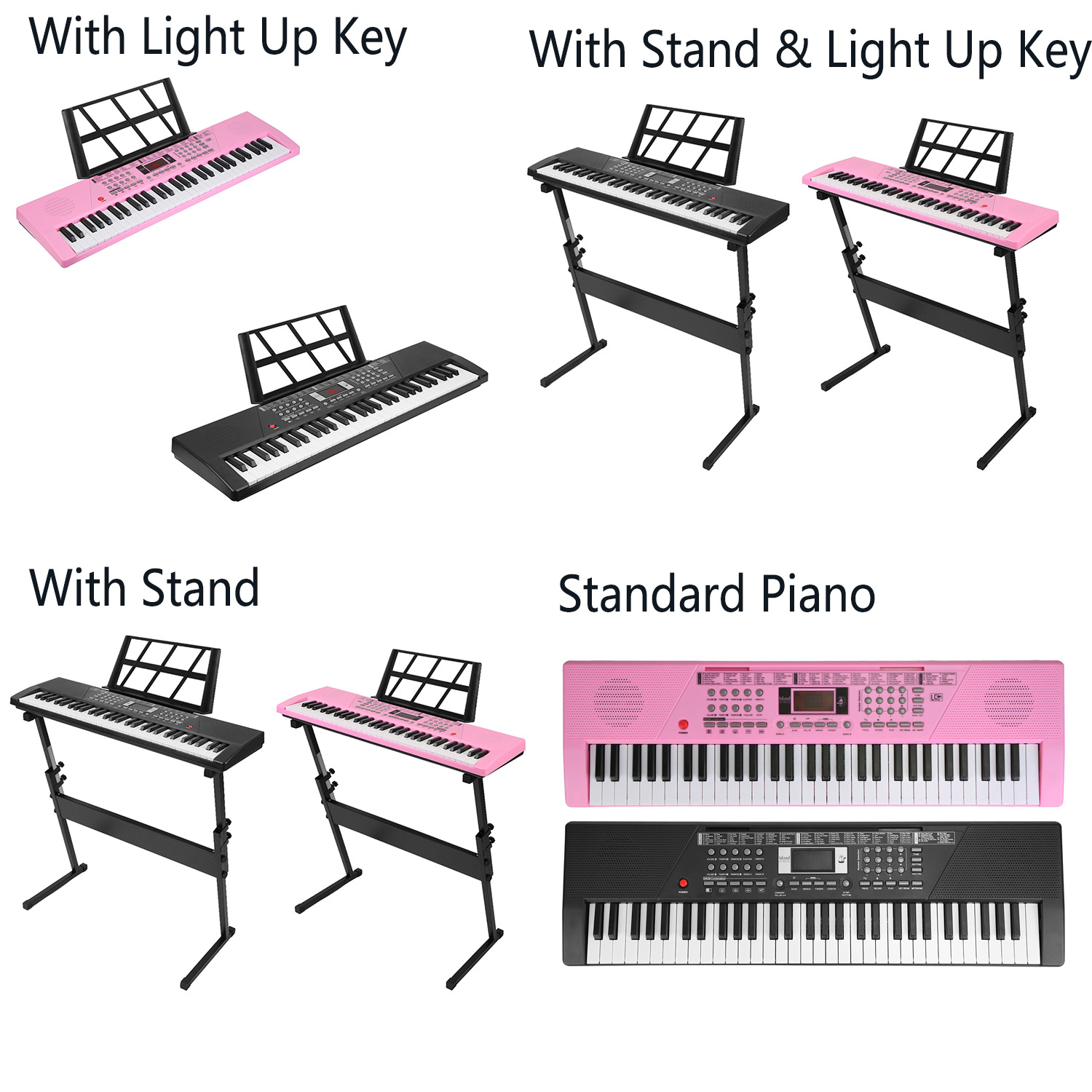 3 Types Options -- 1Pc 61 Keys Digital Music Keyboard Electric Piano Electronic Musical Instrument Kids Learning With Microphone Stand For 3-12 Year Old Girls Boys$102.99View on Mallflare
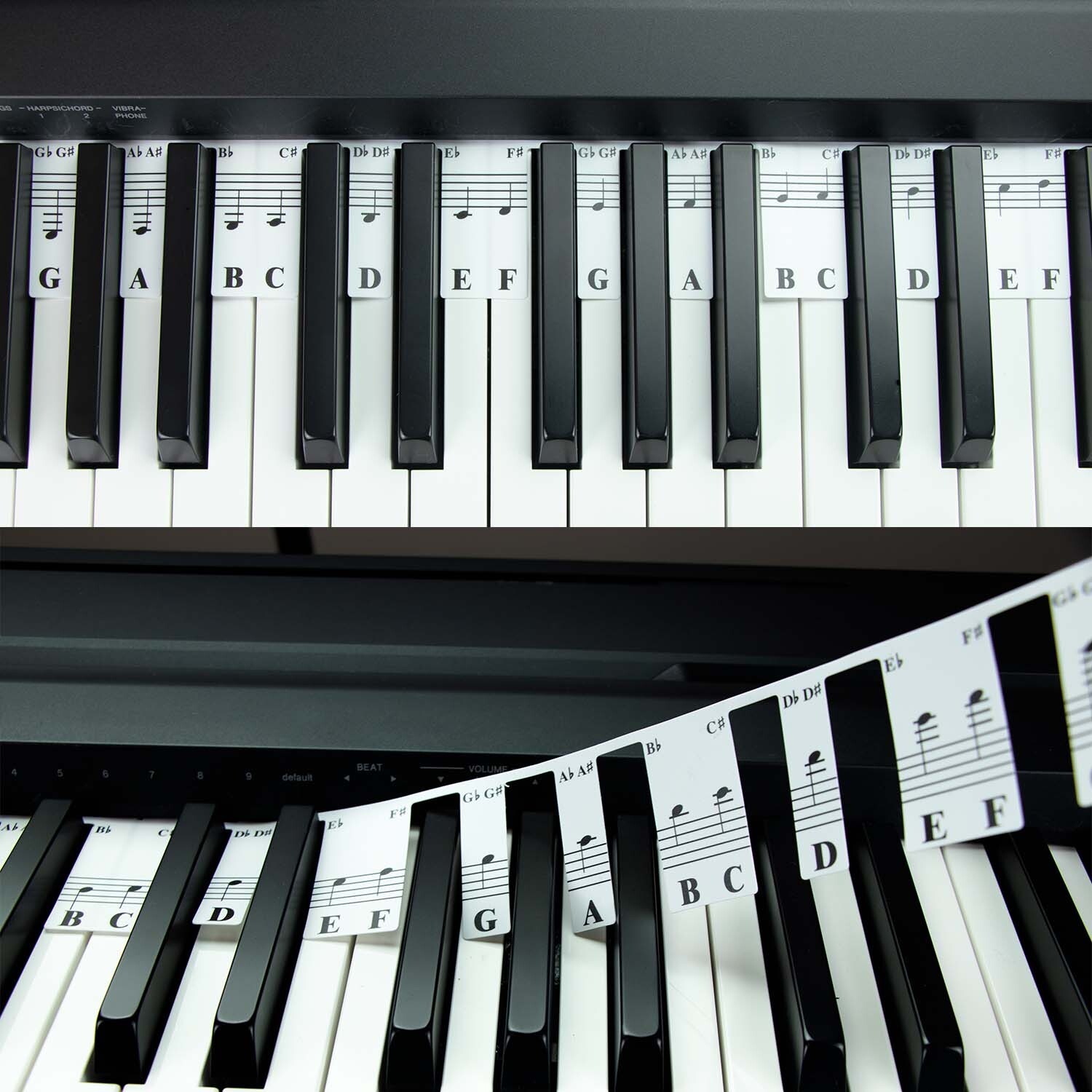 88 Key Full Size Piano Rake Key, Piano Keyboard Notes for Beginner$10.95View on eBay
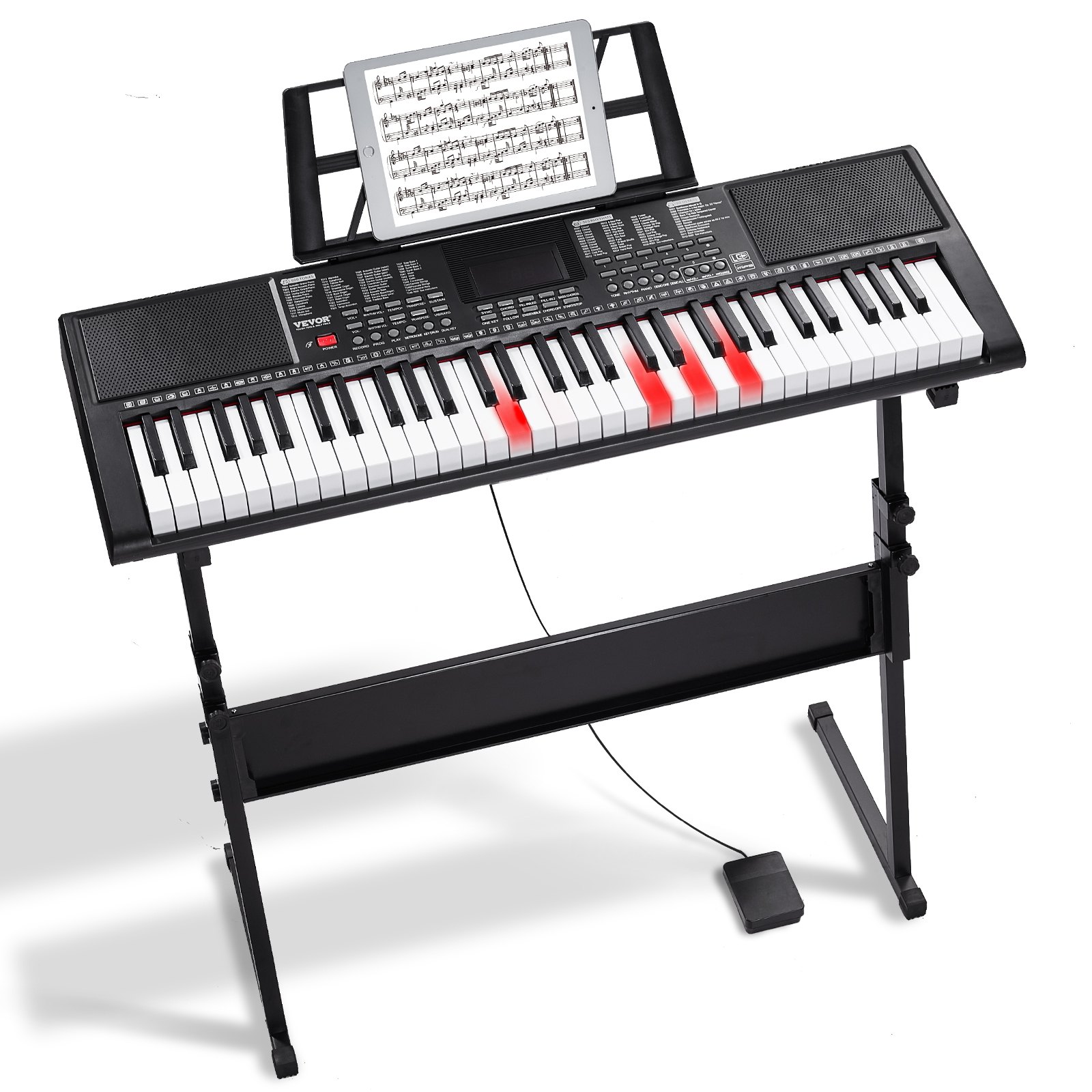 61 Key Digital Keyboard Piano, Lighted Keys, Electric Portable With Adjustable Stand 600 Tones 500 Rhythms Built-In Speakers Sustain Pedal Headphones, USB MIDI For Beginners$106.99View on Mallflare
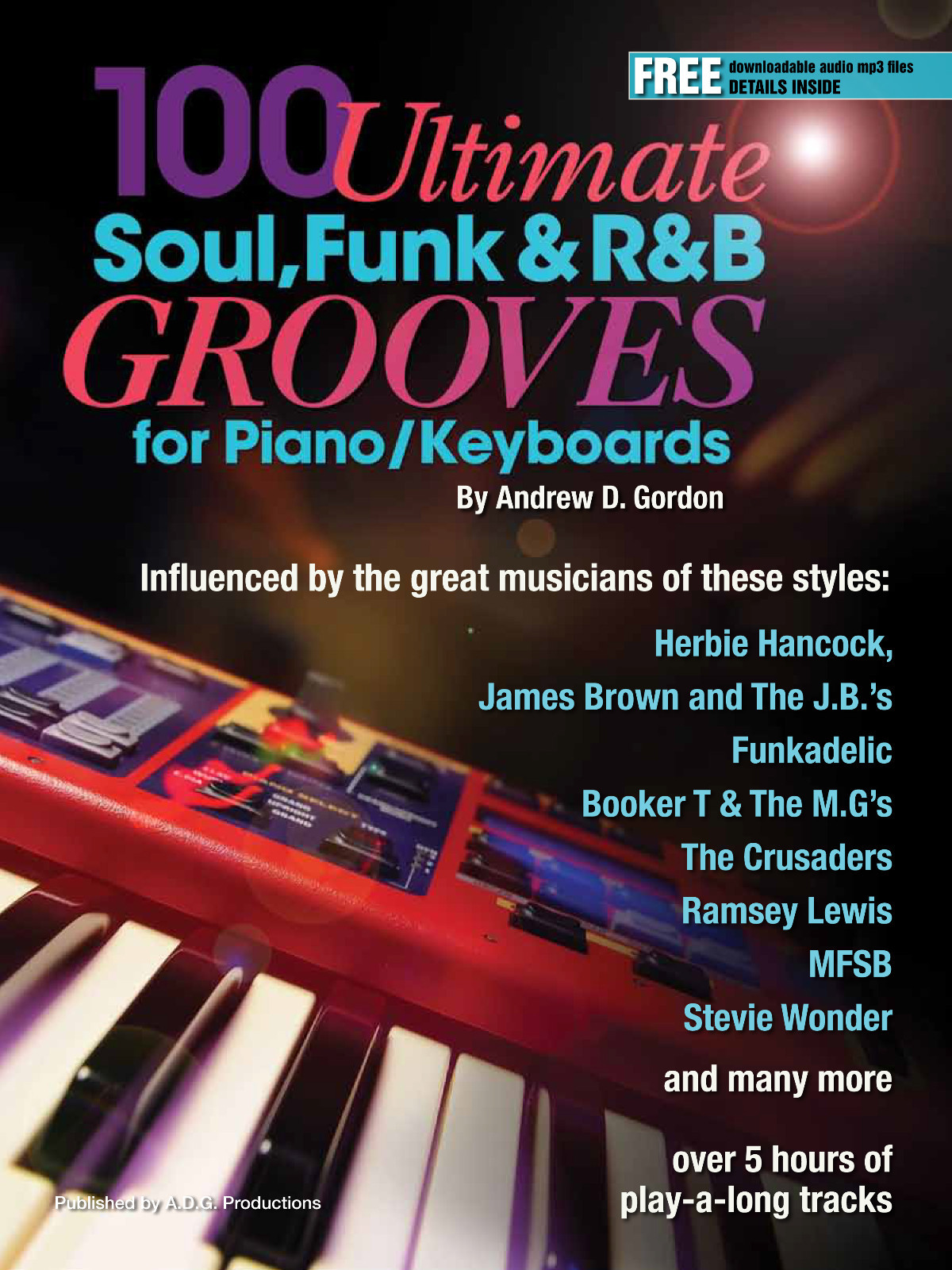 100 Ultimate Soul, Funk and R&B Grooves for Piano/Keyboards Book/mp3 files$10.95View on eBay
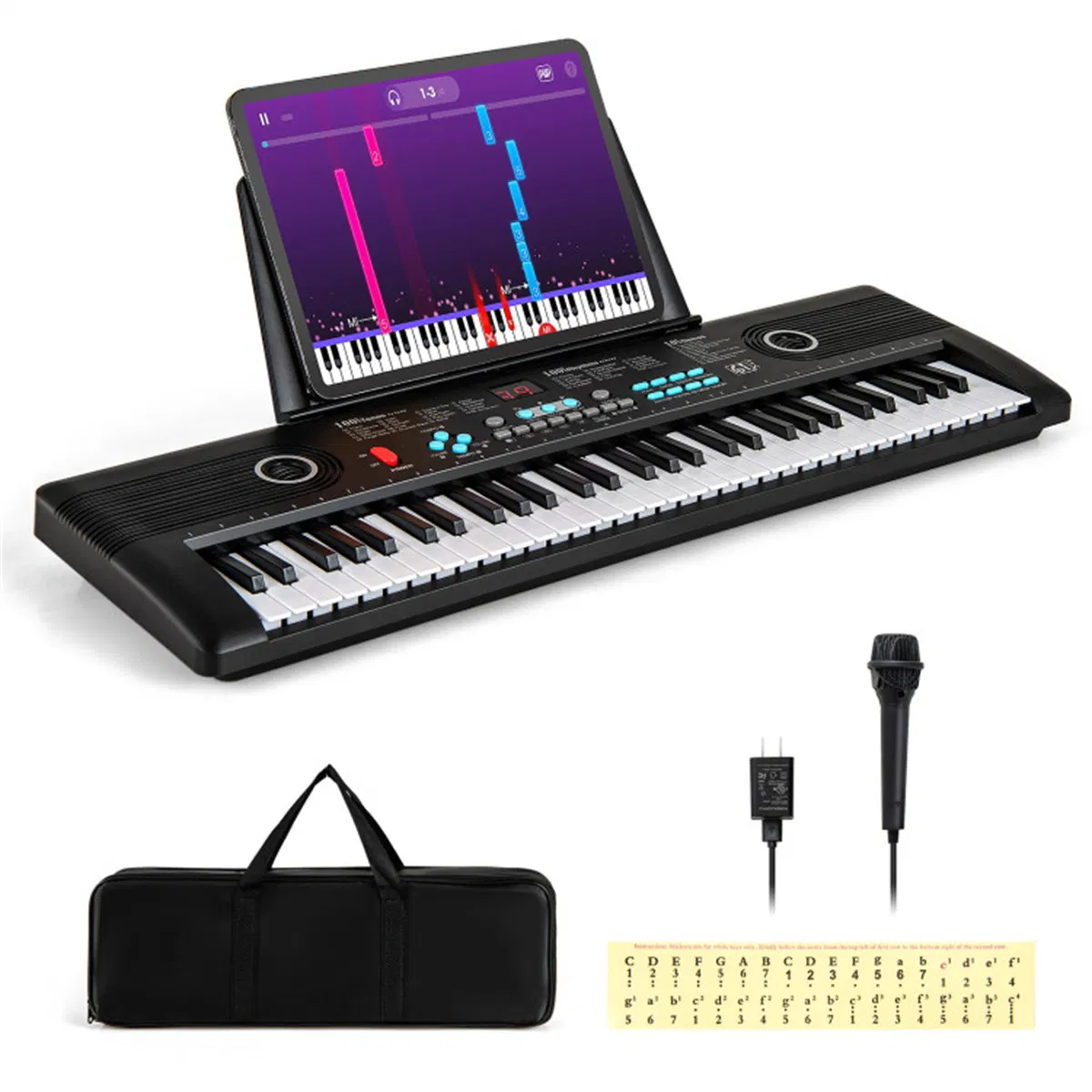 61-Key Portable Electric Keyboard for Beginners, 58.42×17.78×5.08 cm Digital Piano with 100 Rhythms/Timbres & Full Accessory Kit, Black$107.99View on Mallflare
Highlights
- Key action is the primary performance differentiator: synth-action spring keys suit beginners and portability, semi-weighted keys offer a middle ground, and fully weighted hammer-action keys replicate acoustic piano feel for serious practice.
- Polyphony determines note dropout: 32-note polyphony cuts off sustained chords and pedal passages, 64 notes is the practical minimum for classical piano, and 128+ notes handles complex layered performances without stealing voices.
- 61 keys covers most pop, rock, and beginner classical repertoire; 76 keys adds the low register for advanced pieces, and 88 keys provides the full acoustic piano range for serious study.
- Build materials separate durability tiers: ABS plastic bodies suit light home use, while metal chassis and wooden cabinet construction resist flex and vibration for stage and studio environments.
Best use cases
- Best fit for a child or absolute beginner: 61-key synth-action board with built-in lesson modes, sticker guides, and a music rest — skip weighted 88-key models that are heavy and discouraging for small hands.
- Best fit for a serious piano student or adult returning to classical repertoire: 88-key fully weighted hammer-action digital piano with 128-note polyphony and a sustain pedal — skip 61-key unweighted boards that build poor finger technique.
- Best fit for a gigging or apartment-bound player: 61- or 76-key semi-weighted board with headphone output and USB-MIDI — skip console-style wooden cabinets that are difficult to move and too loud for shared walls.
- Wrong fit for stage performance: a plastic 61-key learning keyboard with built-in speakers and no line outputs — choose a stage piano with balanced outputs and metal chassis instead.
Buying tips
- Match key count to repertoire: 61 keys for pop and beginner methods, 76 keys for jazz and advanced pop, and 88 keys for classical and full-range piano study.
- Check polyphony before buying: 32-note boards are toy-grade for sustained playing; 64 notes is the minimum for pedal-heavy classical, and 128 notes prevents voice-stealing in layered patches.
- Verify key action type: fully weighted hammer-action for piano technique, semi-weighted for organ and synth work, and synth-action spring keys for portability and cost savings.
- Confirm connectivity needs: USB-MIDI or USB-B for computer recording, 1/4-inch sustain pedal jack for proper pedal response, and 1/4-inch line outputs for stage or studio use.
Specs
| Key Action | Synth / Semi-weighted / Hammer |
|---|---|
| Key Count | 61 / 76 / 88 keys |
| Polyphony | 32 / 64 / 128 notes |
| Build Material | ABS plastic / metal / wood |
Related searches
What to check before buying
- Measure your room and stand width: a 61-key board is roughly 36-40 inches wide, 76-key about 46 inches, and 88-key about 52-54 inches — confirm the stand or desk fits before buying.
- Check voltage and plug standard for your region: most digital keyboards ship with external 12V DC adapters; confirm the included adapter matches your country's 100-240V and plug type.
- Verify sustain pedal compatibility: a 1/4-inch TS jack supports standard foot switches, but half-damping and continuous sustain require a pedal with a TRS or proprietary connector matching the keyboard.
- Plan for companion parts: a sturdy X-stand or furniture stand rated for the keyboard's weight, a bench at proper playing height (around 20-24 inches seat height), and headphones with a 1/4-inch adapter for silent practice.
FAQ
Data sources: eBay / Amazon listings and product attribute feeds Data updated Nov 16, 2026.
Some links on this page are affiliate links. If you buy after clicking one, we may earn a commission at no extra cost to you. This does not change which products appear here or their order. Affiliate disclosure.