Photos from current listings. Actual item, color, and included accessories may vary.
Roland Keyboard Buying Guide
Roland keyboards span budget arranger-style GO:KEYS to pro stage instruments like the V-Stage and V-Combo. The core trade-off is key action: synth-action units are portable and budget-friendly, while weighted/hammer-action boards cost more and are far heavier, but are essential for piano technique. Buy the action that matches your playing goal and required polyphony; skip models with skinny keybeds if you need real piano feel or organ drawbars.


At a glance
- Category
- Keyboards & Pianos
- Data updated
- Nov 16, 2026
Current offers
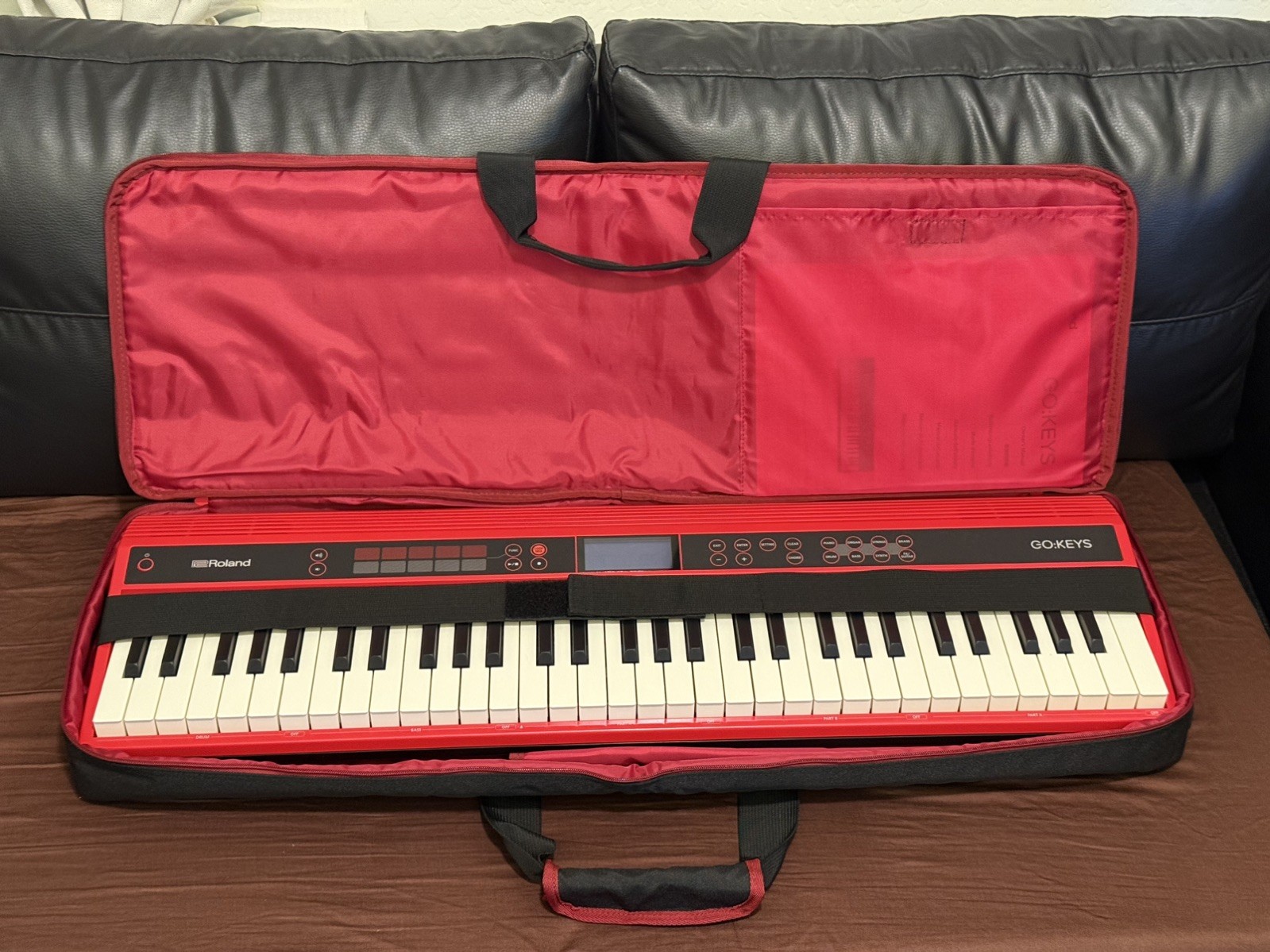 Roland GO:KEYS 61-Key Keyboard - Red/Black with Roland Soft Case + Accessories$247.00
 View on eBay
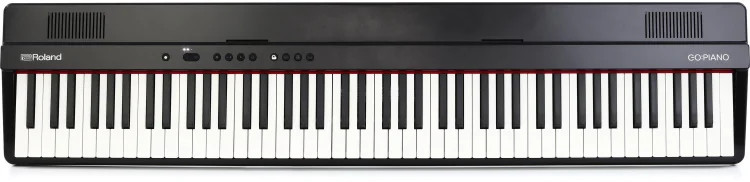 Roland GO:PIANO88 PX 88-key Music Creation Keyboard$417.99Last checked Nov 14, 2026View on eBay
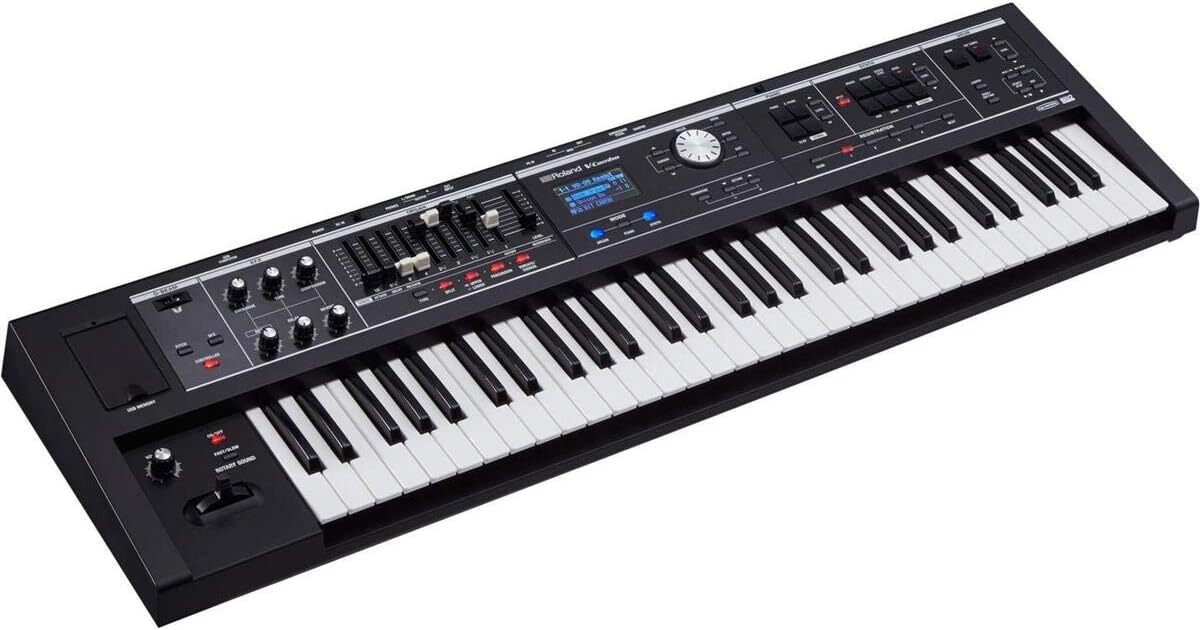 Roland V-Combo VR-09B Performance Keyboard Synth Organ - VR09B Japan Import$1,389.56Last checked Nov 14, 2026View on eBay
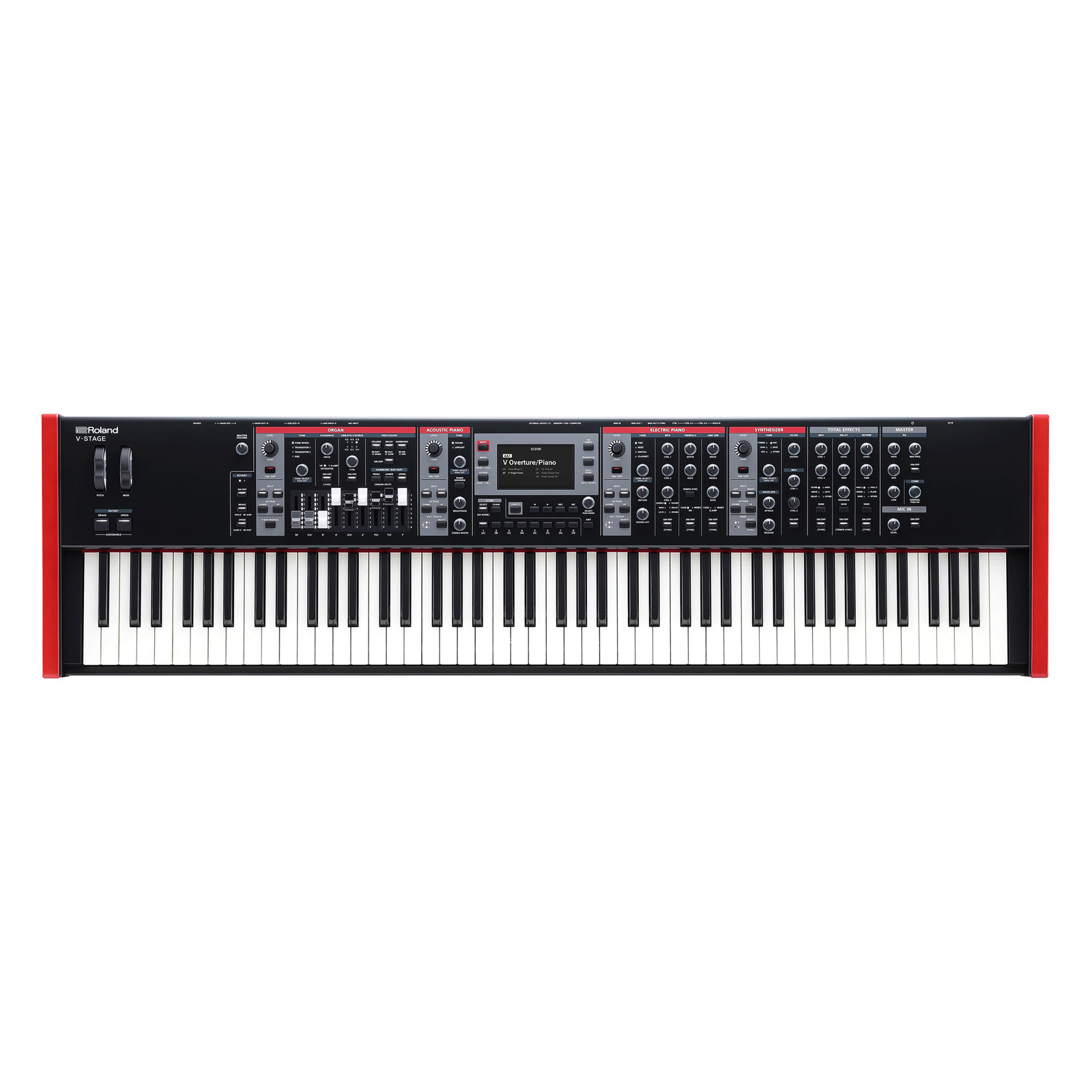 Roland V-Stage88 88-Key Weighted Action Stage Keyboard$3,899.99Last checked Nov 14, 2026View on eBay
Highlights
- GO:KEYS (61 keys, synth action, Bluetooth) is a budget creative keyboard; GO:PIANO88 offers 88 full-size keys with piano-focused sounds and Bluetooth/MIDI.
- V-Combo VR-09B is organ/synth-focused: 61 keys, drawbar control, and modeled organ engines—ideal for cover bands; no weighted action.
- V-Stage88 is an 88-key weighted stage piano with premium key action and pro connectivity for live use; expect significant weight and cost versus GO series.
- Key action classes: synth-action (light, fast, cheap), semi-weighted (compromise), hammer-action/weighted (piano-realistic, heavy). Polyphony and onboard tone engines scale with tier.
Best use cases
- Pick GO:KEYS or GO:PIANO88 for home practice, learning, and casual songwriting where portability and Bluetooth beat pro feel.
- Choose V-Combo VR-09B if you play organ/synth parts in a band and need drawbars and fast synth action in a gigging 61-key board.
- Buy V-Stage88 only if you need authentic piano touch and pro stage routing; skip it for tight spaces or frequent carry-on travel.
- Avoid weighted 88s for backpack/busking setups and avoid 61-key synth actions for serious classical piano study.
Buying tips
- Match key count to repertoire: 61 keys for synth/organ and pop; 88 keys for classical and full-range piano pieces.
- Action vs weight: hammer-action boards are typically 2-3x heavier than 61-key synth models—measure your carry route and stand capacity first.
- For organ work, confirm drawbar/sliders and modeled rotary; for piano work, prioritize polyphony (128+ voices) and graded hammer feel.
- Check connectivity: 5-pin MIDI vs USB-MIDI, Bluetooth audio/MIDI, and 1/4-inch line outs. Japan-import units may need voltage/plug adapters.
Specs
| Key Action | Synth / Semi-weighted / Hammer |
|---|---|
| Key Count | 61 / 76 / 88 keys |
| Sound Engine | PCM / Modeled organ / Hybrid |
| Connectivity | Bluetooth, USB-MIDI, 5-pin MIDI, 1/4" outs |
Related searches
What to check before buying
- Measure your stand/keyboard space: 61-key boards run roughly 39-41 in wide; 88-key boards roughly 50-55 in wide.
- Confirm power: include a compatible PSU; Japan-import models may be 100V—use a step-down or verify 100-240V compatibility.
- For weighted 88s, verify stand and bench height plus room for pedals (sustain and optional triple-pedal unit).
- Check what's in the box: soft case, sustain pedal, music rest, and PSU are often separate—budget for companion parts.
FAQ
Data sources: eBay / Amazon listings and product attribute feeds Data updated Nov 16, 2026.
Some links on this page are affiliate links. If you buy after clicking one, we may earn a commission at no extra cost to you. This does not change which products appear here or their order. Affiliate disclosure.