Photos from current listings. Actual item, color, and included accessories may vary.
Mini Keyboard Piano Buying Guide
A mini keyboard piano is a compact electronic keyboard with 25-49 keys, splitting into two architectures: standalone sound-generating keyboards (built-in speakers, preset tones) and USB MIDI controllers (no onboard sound, drive software instruments). The core trade-off is key feel and polyphony versus size and portability—mini keys save space but punish proper piano technique, while full-size keys demand more desk depth. The decision rule: buy a standalone mini keyboard for practice and play anywhere without a computer; buy a MIDI controller only if you already have a DAW and VST instruments.


At a glance
- Category
- Keyboards & Pianos
- Data updated
- Nov 16, 2026
Current offers
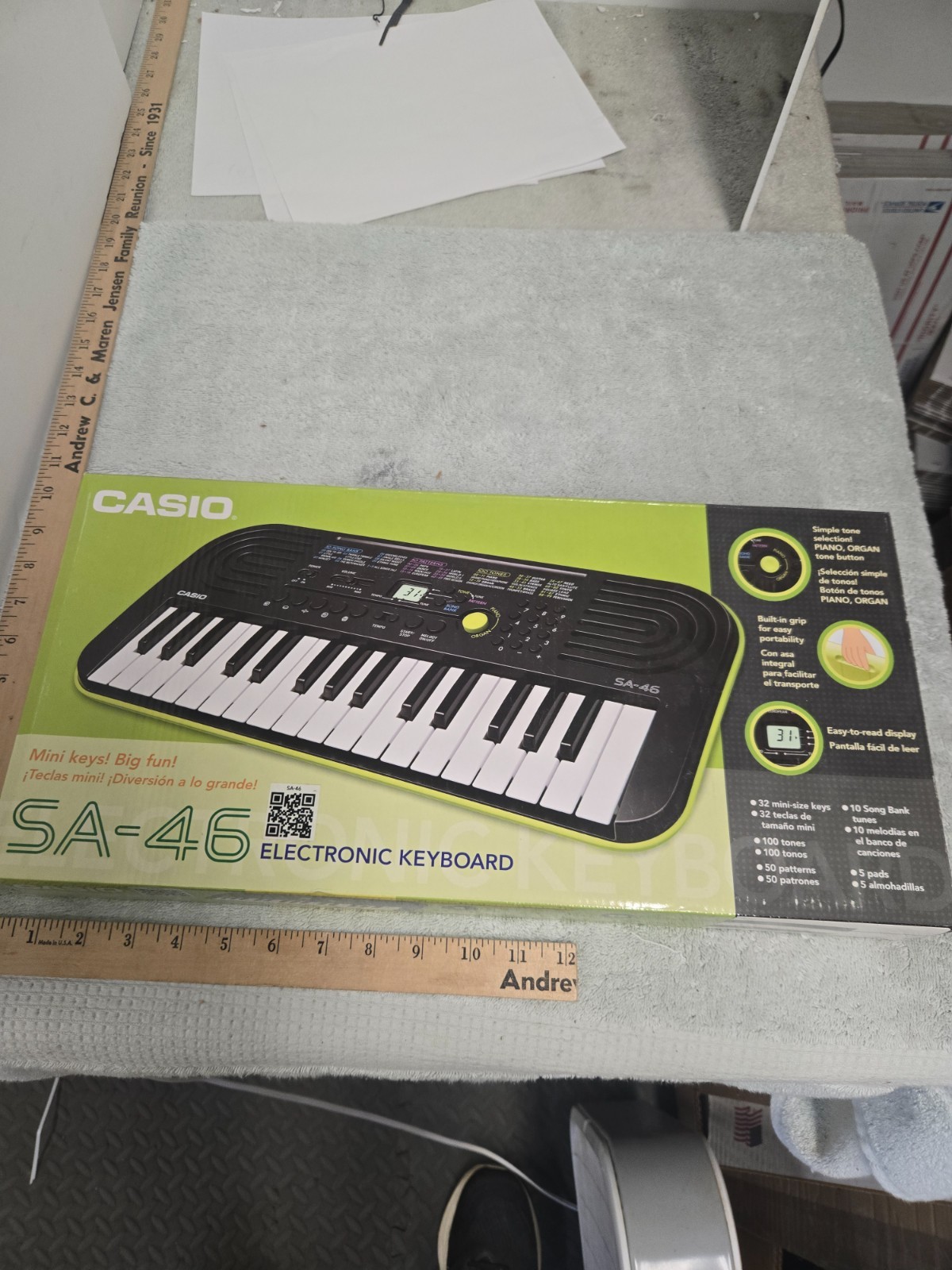 casio mini keys SA-46 electronic keyboard, battery operated$35.00
 View on eBay
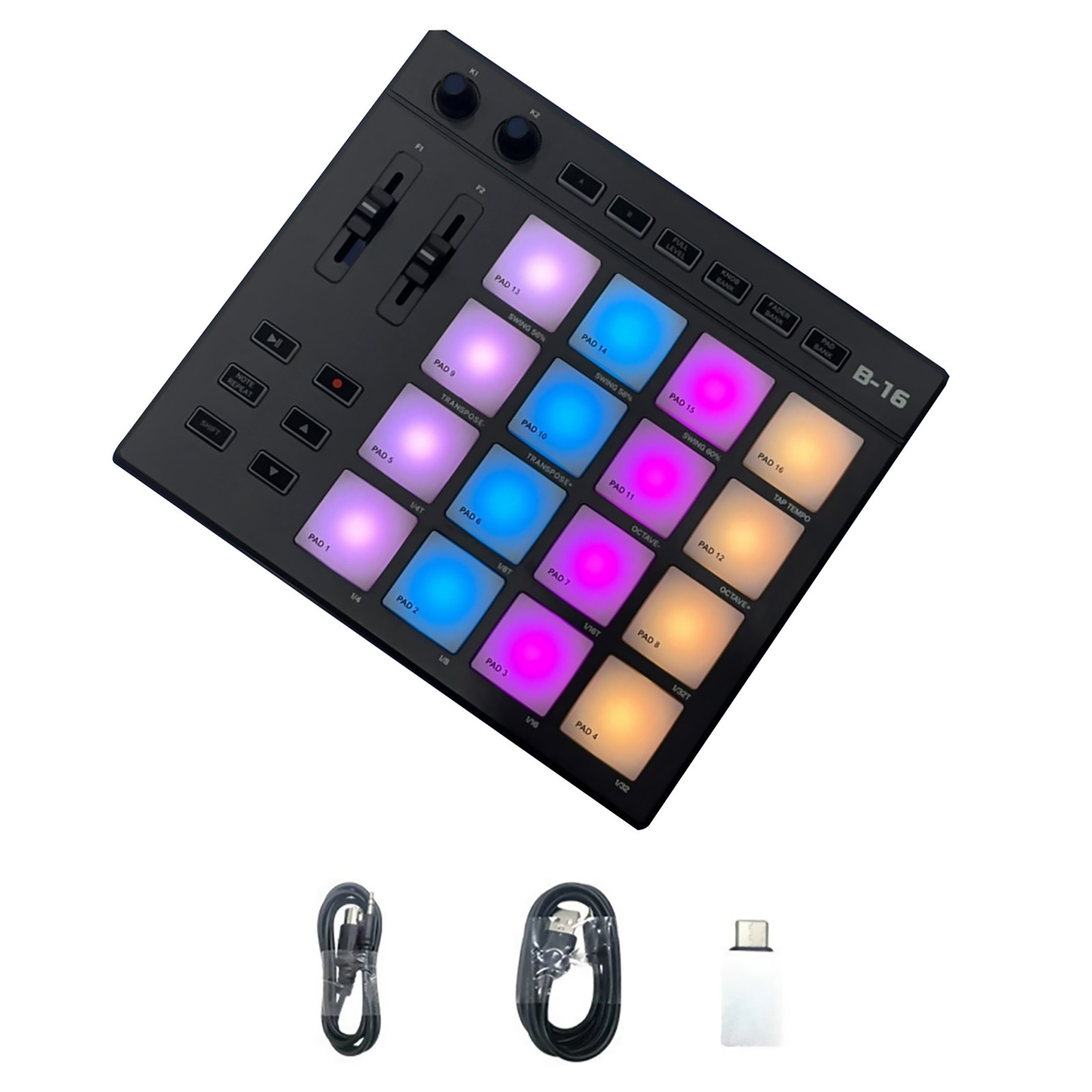 MIDI Keyboard Mini Pad Controller USB MIDI Controller for Music Production NEW$89.99View on eBay
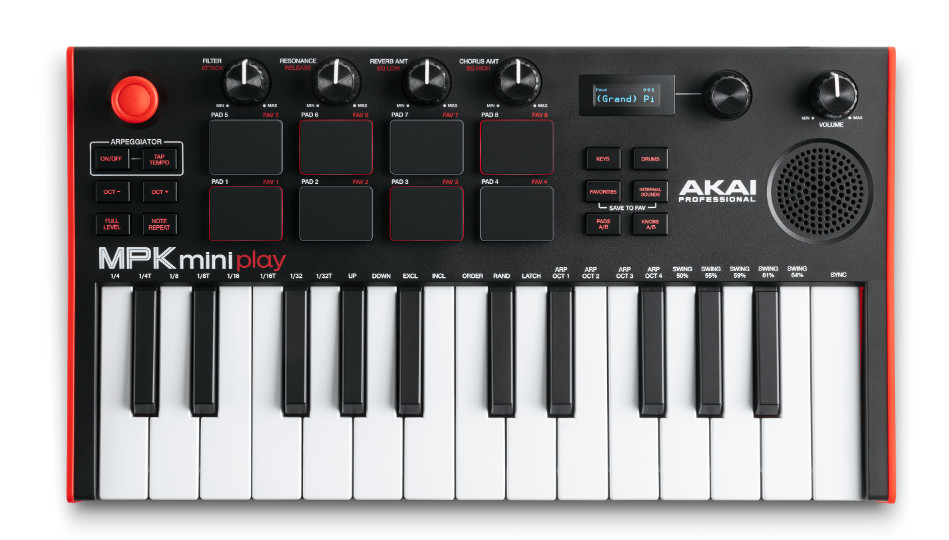 OPEN BOX! Akai Pro MPK MINI Play MK3 Controller Keyboard With Speakers$119.00View on eBay
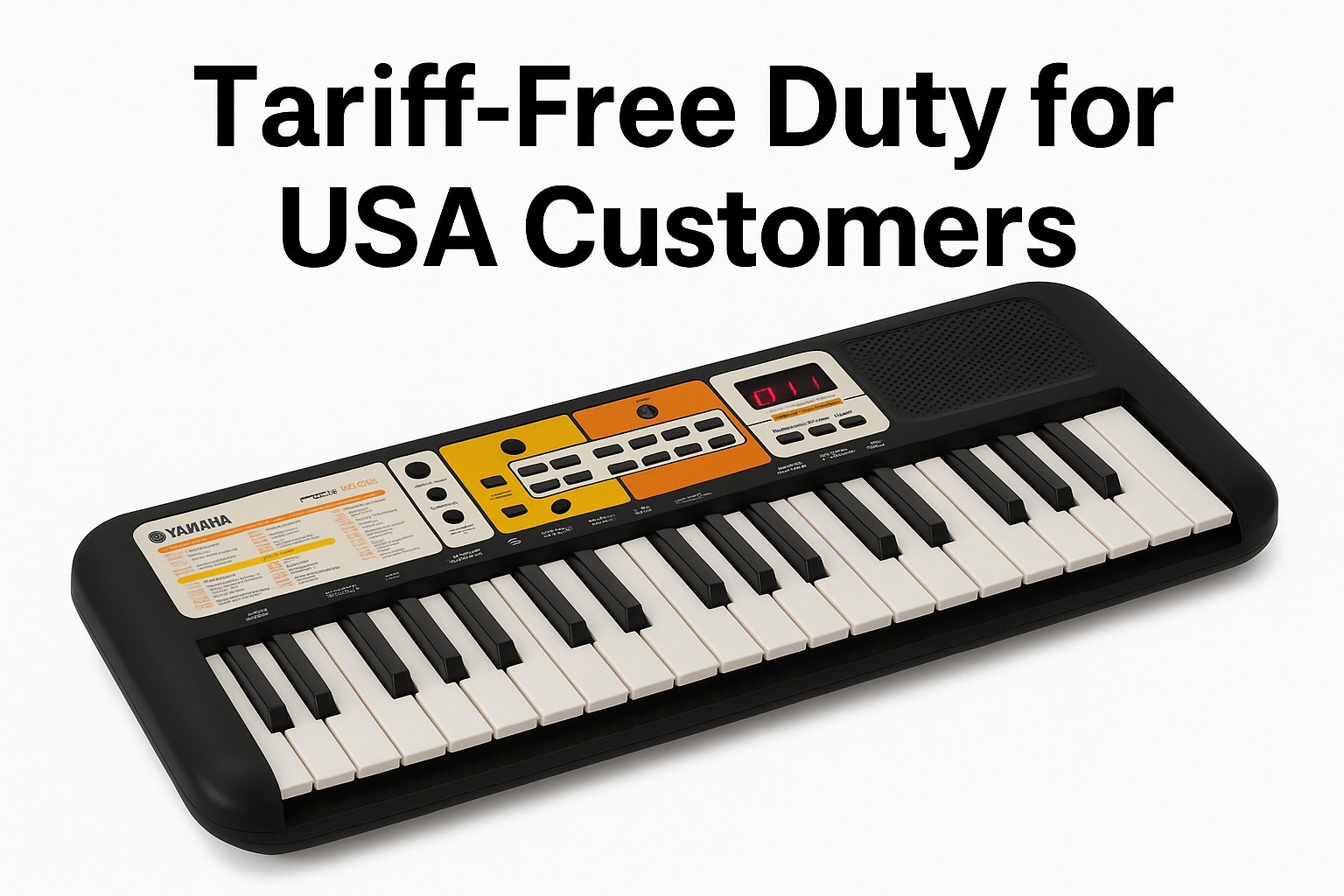 Yamaha PSS-F30 37 Key Portable Mini Keyboard - Black$149.00View on eBay
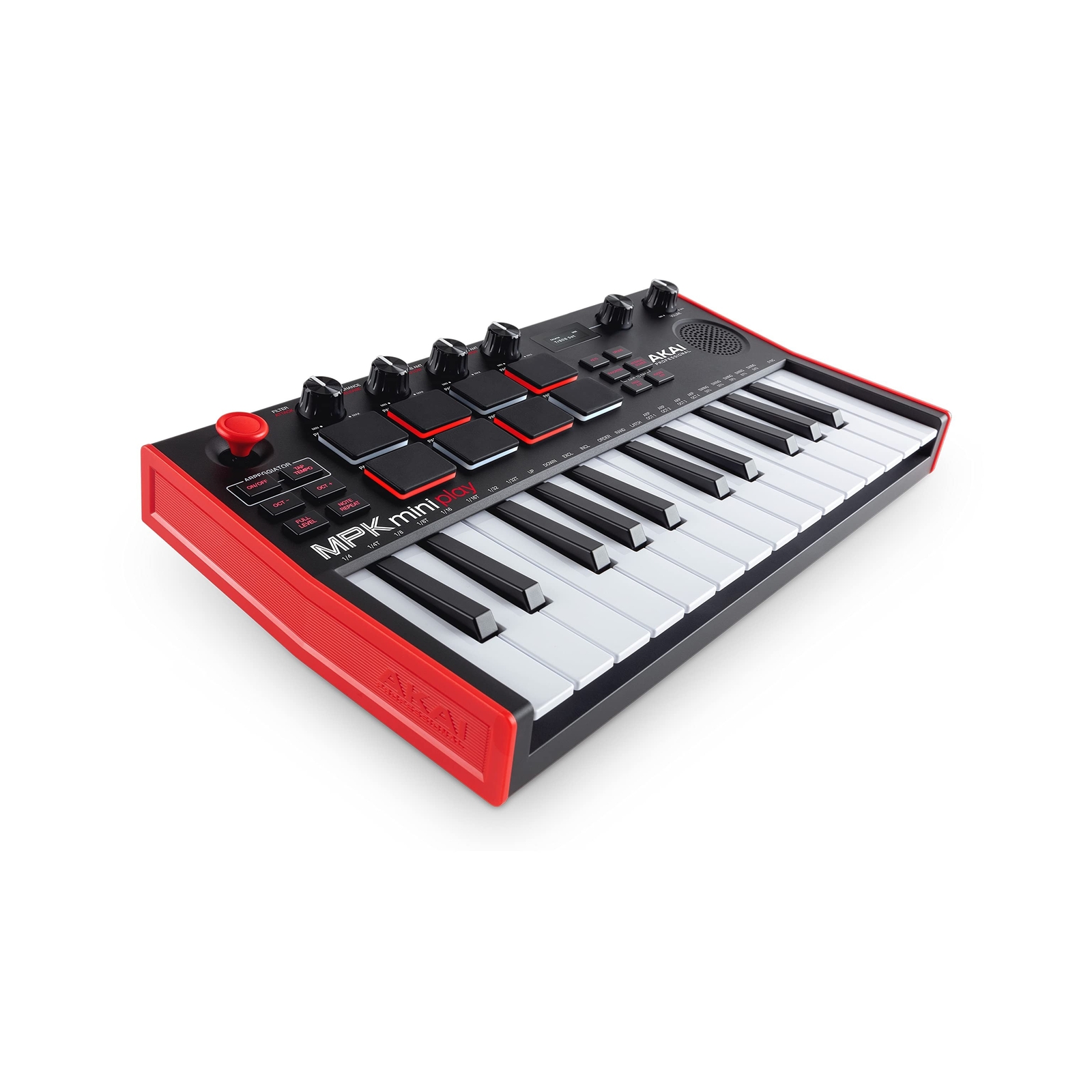 AKAI Professional MPK Mini Play MK3 MIDI Keyboard Controller with Built in Sp...$167.23View on eBay
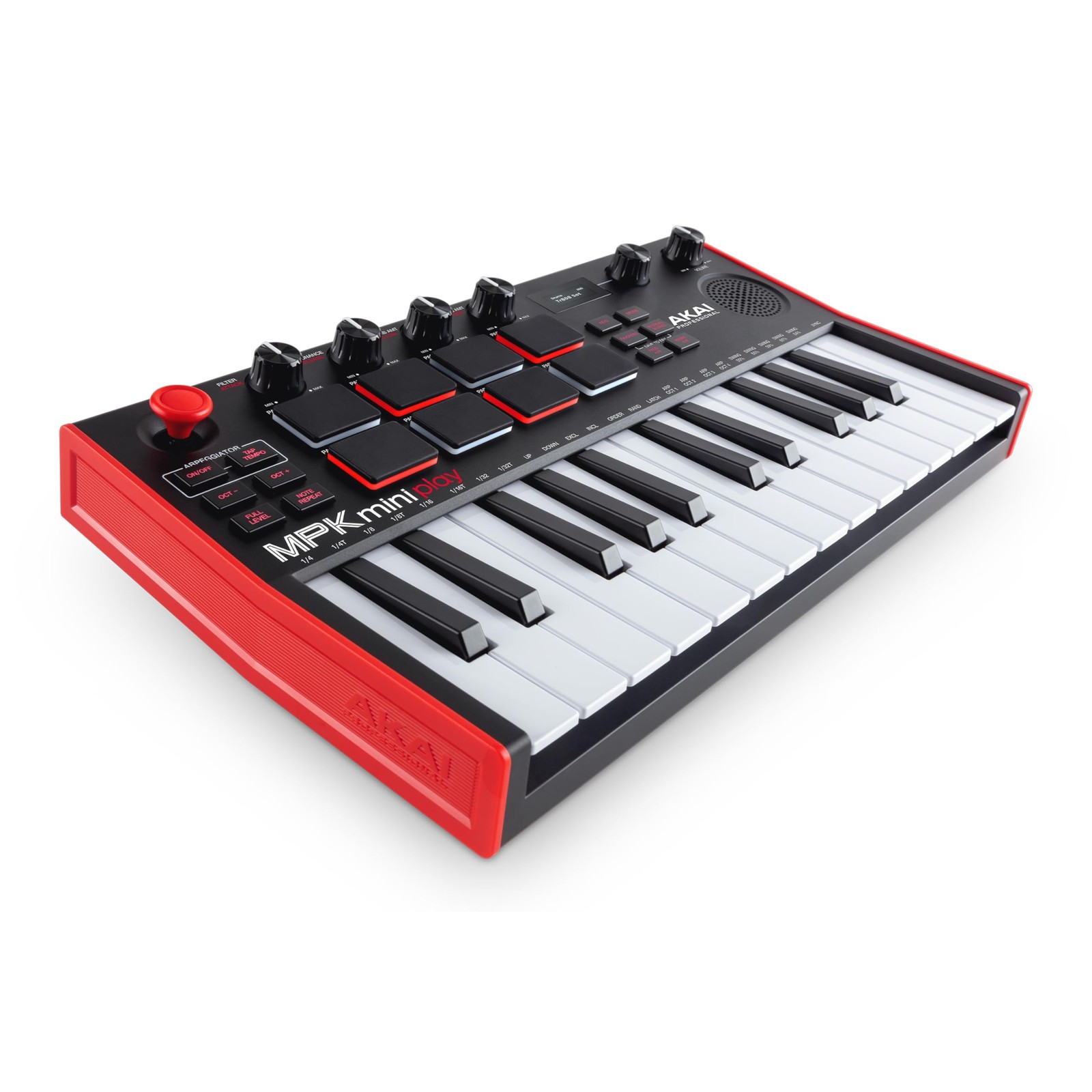 Akai Professional MPK Mini Play MK3 - MIDI Keyboard Controller with Built-in ...$190.51View on eBay
Highlights
- Standalone mini keyboards like the Yamaha PSS-F30 (37 mini keys) and Casio SA-46 (32 mini keys) generate sound internally, run on AA batteries, and include built-in speakers—no computer needed.
- MIDI controllers like the Akai MPK Mini Play MK3 have 25 velocity-sensitive mini keys and USB-MIDI output but rely on a host device for sound, except models with built-in speakers and preset tones.
- Key size is the prime ergonomic divider: mini keys measure roughly 13-14 mm versus 22 mm full-size, which affects chord shapes and hand span for players with larger hands.
- Polyphony and key action separate tiers: budget standalone keyboards often cap at 8-12 note polyphony with spring-action keys, while controller-grade mini keys use synth-action with velocity sensing for expressive software play.
Best use cases
- Best fit: a parent buying a first instrument for a child—choose a 32-37 key standalone with built-in speakers and battery power (Casio SA-46, Yamaha PSS-F30); skip MIDI controllers, which require a computer and software to make sound.
- Best fit: a producer sketching melodies on a laptop—choose a 25-key USB MIDI controller with velocity-sensitive pads (Akai MPK Mini Play MK3); skip standalone toy keyboards, which lack MIDI out and DAW integration.
- Best fit: a traveler or dorm resident with limited desk space—choose a 25-37 key battery-powered model under 3 lbs; skip 49-key and larger boards, which need a stand and dedicated space.
- Wrong fit: a student preparing for piano exams—mini keys build incorrect muscle memory for octave spans; choose a full-size 61-88 key weighted or semi-weighted keyboard instead.
Buying tips
- Match key count to repertoire: 25 keys covers two octaves for melody sketching; 32-37 keys gives three octaves for chords and bass; 49+ keys is needed for two-handed classical pieces.
- For standalone play, confirm the model has built-in speakers and battery operation (AA or AAA) rather than USB power only—USB-only bus power tethers you to a laptop.
- For controller use, verify class-compliant USB-MIDI (no driver needed) and that the controller sends velocity; check for a sustain pedal jack if you plan piano-style playing.
- Check key action type: spring-action keys are fine for casual play but lack dynamic range; velocity-sensitive synth-action mini keys are required for expressive MIDI recording.
Specs
| Key Count | 25 / 32 / 37 / 44 / 49 keys |
|---|---|
| Key Size | Mini (~13-14 mm) vs Full-size (22 mm) |
| Sound Source | Built-in tones vs USB-MIDI controller |
| Power | AA battery / DC adapter / USB bus |
Related searches
What to check before buying
- Measure your desk or playing surface: a 37-key mini keyboard is roughly 20-24 inches wide, while a 25-key controller is about 12-14 inches—confirm depth for laptop plus controller.
- Confirm power: standalone keyboards need AA batteries or a DC adapter (check voltage and polarity); controllers draw power over USB from the host device.
- For controller setups, verify your computer or tablet has a free USB-A or USB-C port and that your DAW supports MIDI input—no MIDI DIN adapter needed for class-compliant USB.
- Check whether a sustain pedal is included or sold separately; most mini keyboards omit it, and a 1/4-inch or 3.5 mm sustain jack is required for pedal use.
FAQ
Data sources: eBay / Amazon listings and product attribute feeds Data updated Nov 16, 2026.
Some links on this page are affiliate links. If you buy after clicking one, we may earn a commission at no extra cost to you. This does not change which products appear here or their order. Affiliate disclosure.