Photos from current listings. Actual item, color, and included accessories may vary.
Korg Keyboard Buying Guide
Korg keyboards span four distinct architectures—arranger workstations, digital stage pianos, synthesizer workstations, and home/felt pianos—so the primary trade-off is between built-in auto-accompaniment/arranger engines versus pure piano-action realism. The clear decision rule: buy by the action-and-engine tier that matches your performance workflow, not by key count alone.


At a glance
- Category
- Keyboards & Pianos
- Data updated
- Nov 16, 2026
Current offers
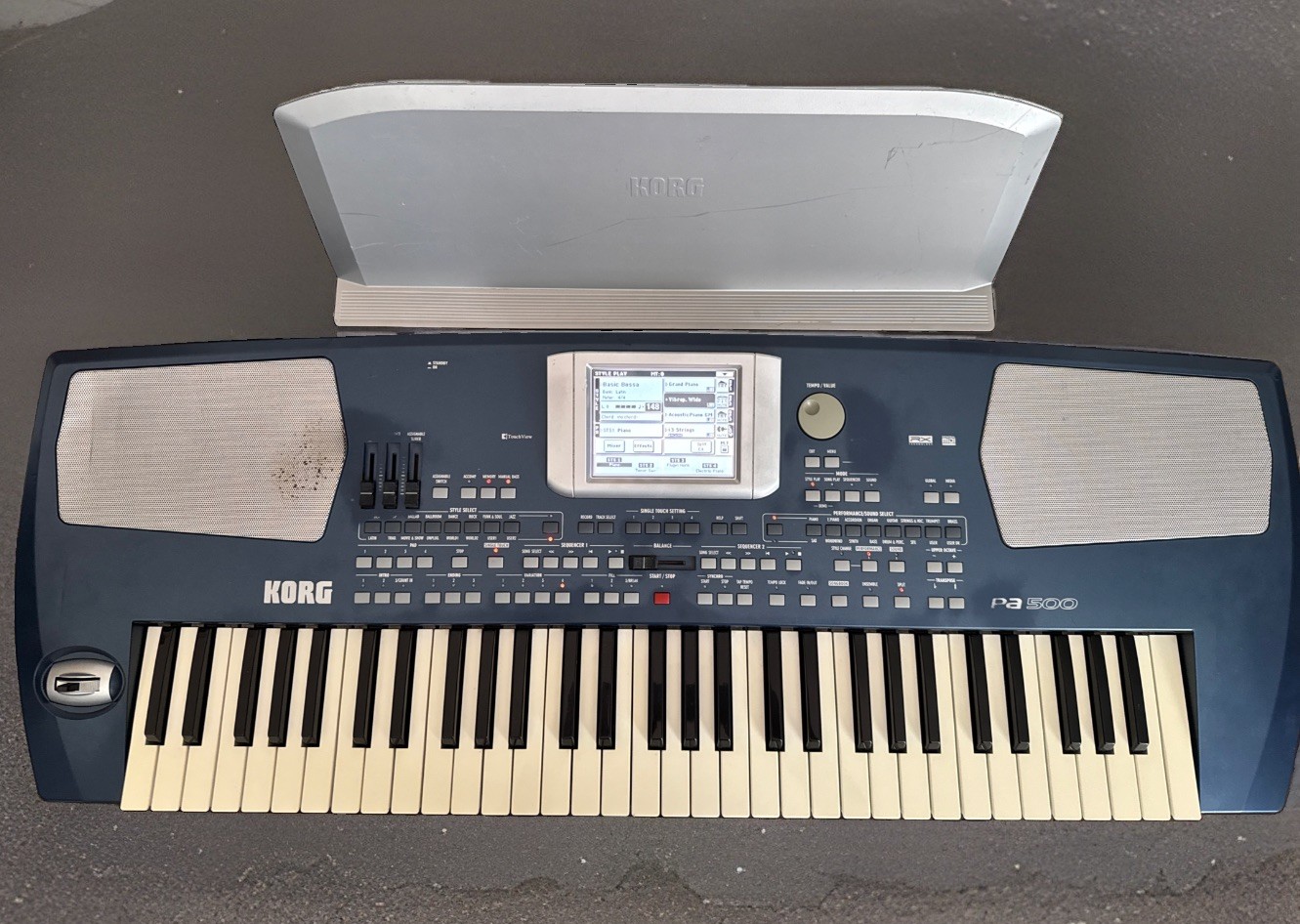 Korg PA500 61-Key Arranger Electronic Keyboard w/ Built-In Speakers$593.40
 View on eBay
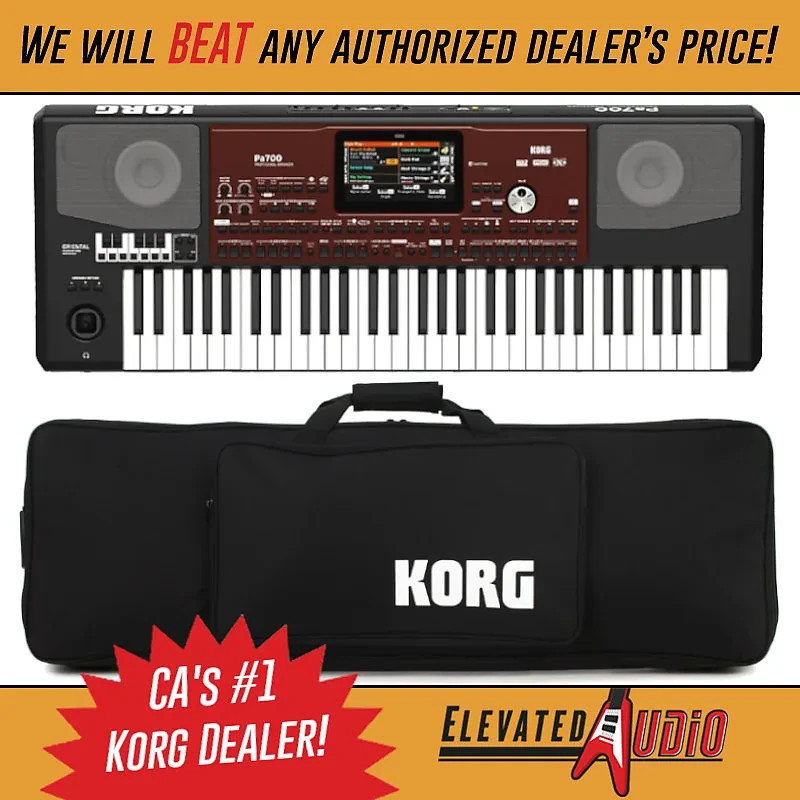 Korg PA700 OR Oriental 61-Key Pro Arranger Keyboard, w/ Korg Carry Bag, Buy It!$2,599.00Last checked Nov 14, 2026View on eBay
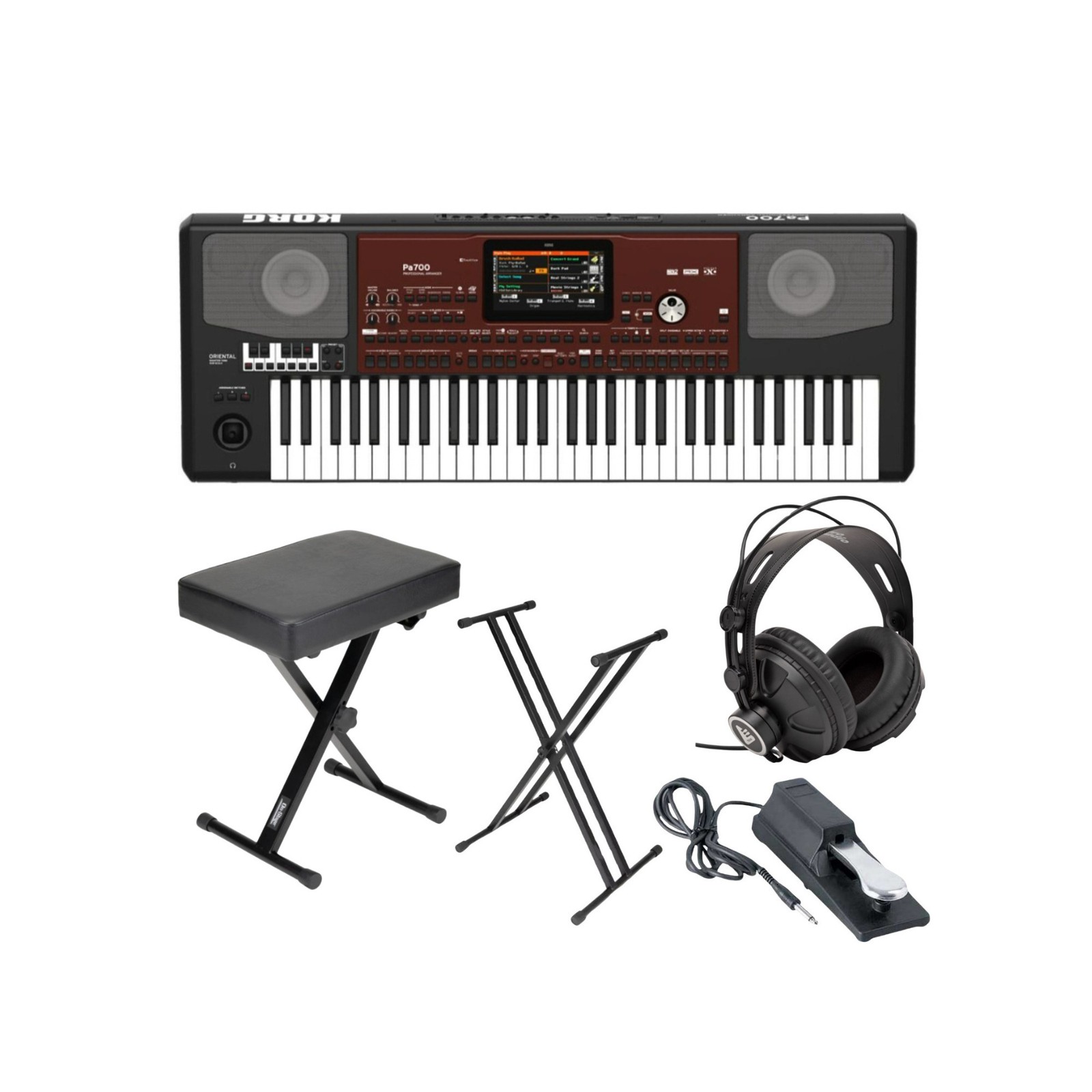 Korg PA700OR 61-Key Professional Arranger Keyboard Bench and Accessory Bundle$2,699.99Last checked Nov 14, 2026View on eBay
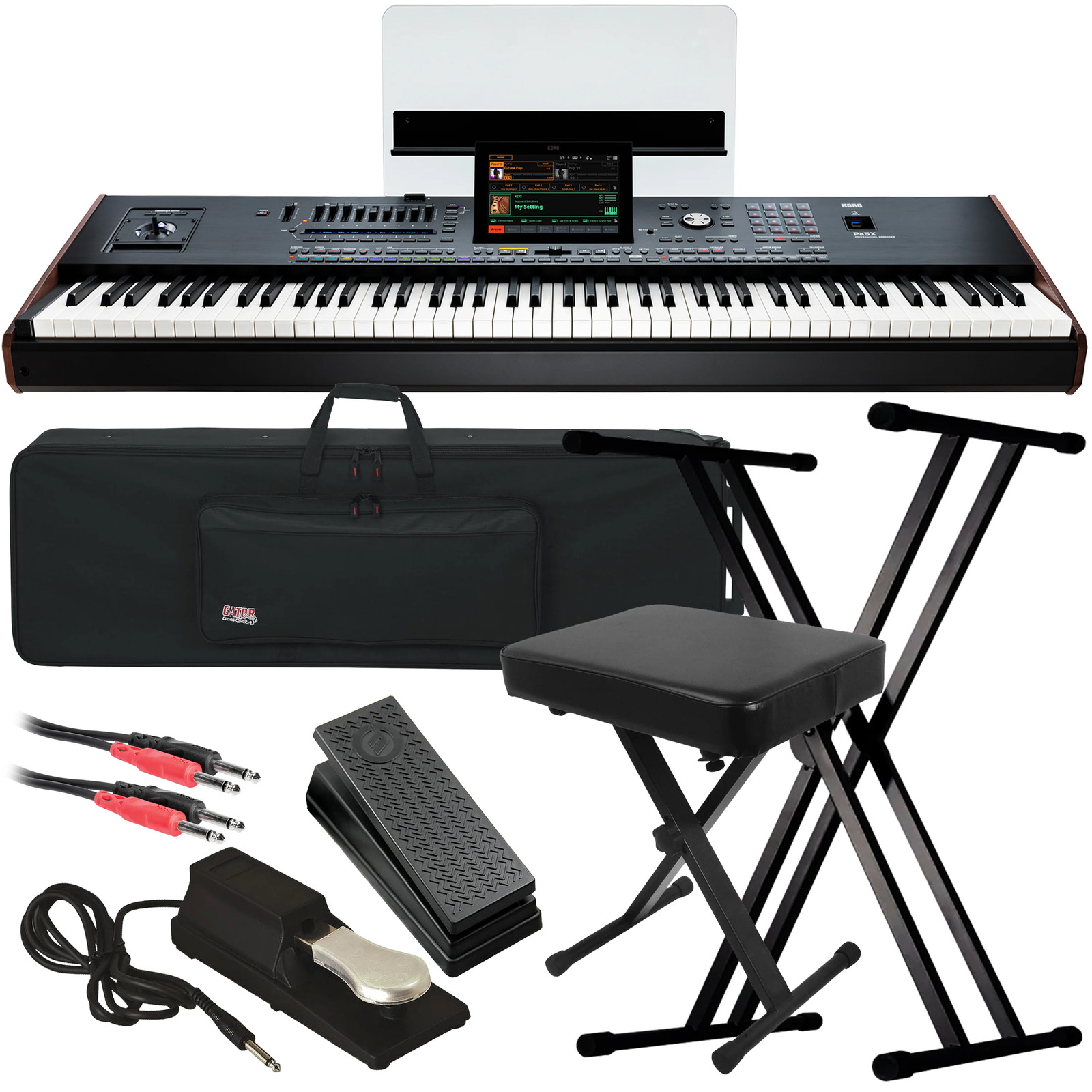 Korg PA5X 88-key Professional Arranger Workstation Keyboard STAGE KIT$5,964.99Last checked Nov 14, 2026View on eBay
Highlights
- Arranger models (PA300/PA700/PA5X) include auto-accompaniment, onboard speakers, and mic input; PA5X moves to a dual-engine EDS-XP plus real-time sampling architecture.
- Stage and home pianos (Korg B2, LP-380U, C1 Air) use graded hammer actions with 88 keys and rely on preset piano engines—no arranger styles or pattern sequencers.
- Synth workstations (Krome EX, Kross 2, kingKORG) trade arranger backing for deep sound design, vocoders, and step sequencers at 61/73/88-key sizes.
- Keybed quality scales by tier: unweighted synth-action in budget arranger and synth models, graded weighted hammer action in LP-380U, C1 Air, and PA5X 88.
Best use cases
- Solo/duo live entertainers needing instant backing styles, mic input, and onboard speakers: choose a PA-series arranger (PA700 or PA5X); skip pure stage pianos.
- Piano-focused players and worship/classical use: pick a graded-hammer 88-key model like LP-380U or C1 Air; skip 61-key synth-action arrangers.
- Producers and sound designers needing splits, vocoder, and sequencing: choose Kross 2 or Krome EX; skip arranger models with fixed style engines.
- Home players wanting compact footprint and built-in speakers for practice: choose B2 or C1 Air; skip 88-key stage pianos that require external amplification.
Buying tips
- Match key count to repertoire: 61 keys for synth/arranger leads and splits, 73 for stage coverage with portability, 88 for full-range piano literature and graded action.
- Confirm the action type before buying: 'NH' (natural weighted hammer) and 'RH3' are graded weighted; 'semi-weighted' and 'synth-action' are spring-loaded and lighter for organ/synth parts.
- For arrangers, verify style/voice expansion and sampling support: PA700 and PA5X accept user styles and samples; entry PA300 does not offer the same depth.
- Check connectivity tier: balanced XLR outs and MIDI DIN appear on PA5X and higher stage pianos; budget models often limit to 1/4-inch outs and USB-MIDI only.
Specs
| Action Type | Graded hammer vs synth/semi-weighted |
|---|---|
| Key Count | 61 / 73 / 88 keys |
| Engine Tier | Arranger styles vs piano vs synth |
| Onboard Speakers | Included (arranger/home) vs none (stage) |
Related searches
What to check before buying
- Verify voltage and plug standard for your region (100-240V switching adapters are common, but plug type and included PSU vary by market).
- Confirm whether onboard speakers and a sustain pedal are included; many stage pianos ship without a pedal or stand.
- Check floor/room climate: weighted hammer actions are sensitive to extreme humidity and temperature swings; keep away from direct heat and damp basements.
FAQ
Data sources: eBay / Amazon listings and product attribute feeds Data updated Nov 16, 2026.
Some links on this page are affiliate links. If you buy after clicking one, we may earn a commission at no extra cost to you. This does not change which products appear here or their order. Affiliate disclosure.