Photos from current listings. Actual item, color, and included accessories may vary.
Recording Studio Equipment Buying Guide
Recording studio equipment spans a modular signal chain—microphones, interfaces, preamps, monitors, and acoustic treatment—where the primary trade-off is converter quality and I/O flexibility versus per-channel cost. Durable gear follows published audio standards (USB class compliance, balanced TRS/XLR, 48V phantom) and metal chassis construction; compromises use unbalanced consumer wiring, plastic housings, and single fixed-gain preamps. The decision rule: buy an interface with clean preamps and enough I/O first, then add mics and monitors that match your room and connector standard.


At a glance
- Category
- Recording & Studio Gear
- Data updated
- Nov 15, 2026
Current offers
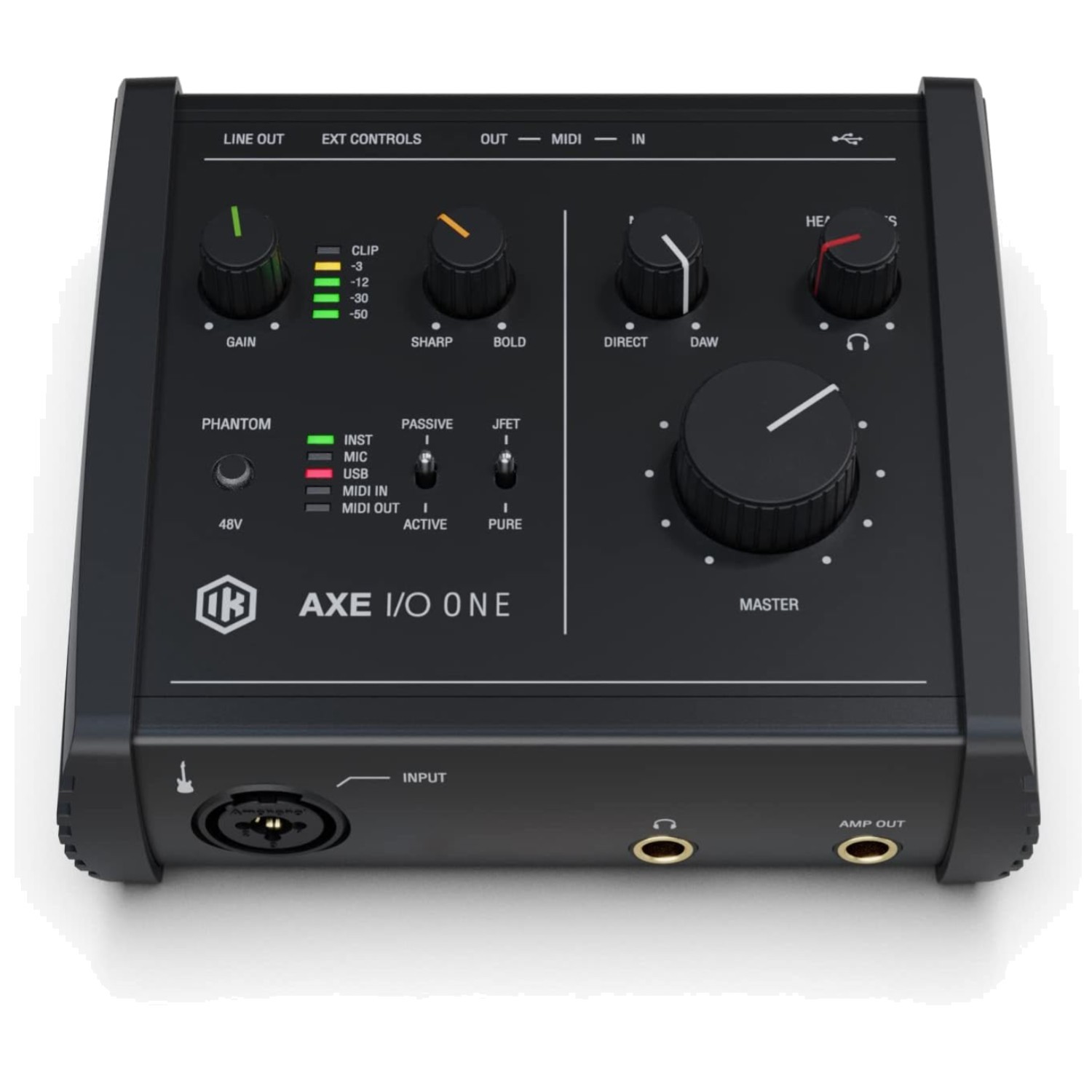 Professional Guitar Recording Studio Equipment$214.49
 View on eBay
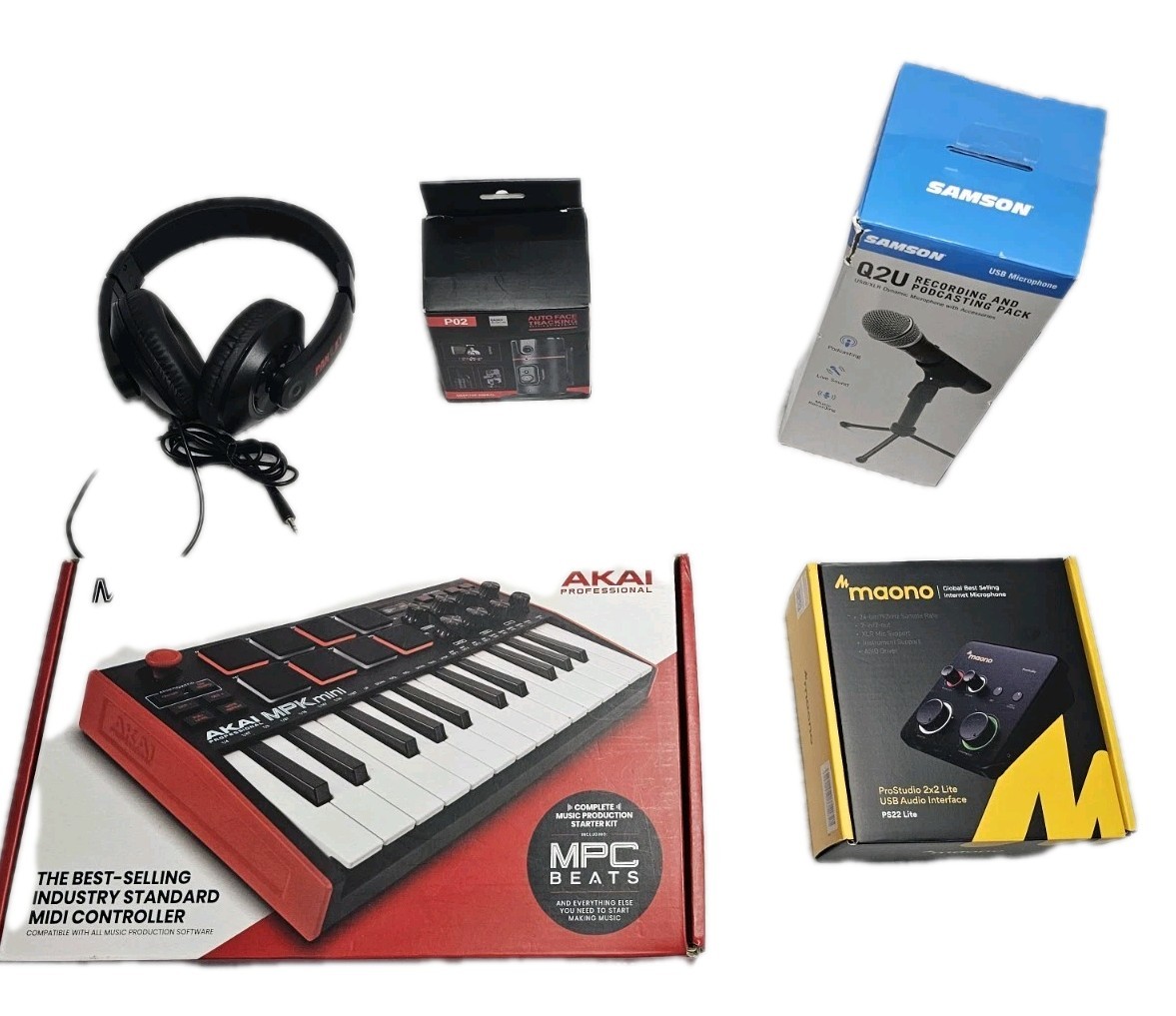 Music Recording Studio Equipment Bundle$249.99View on eBay
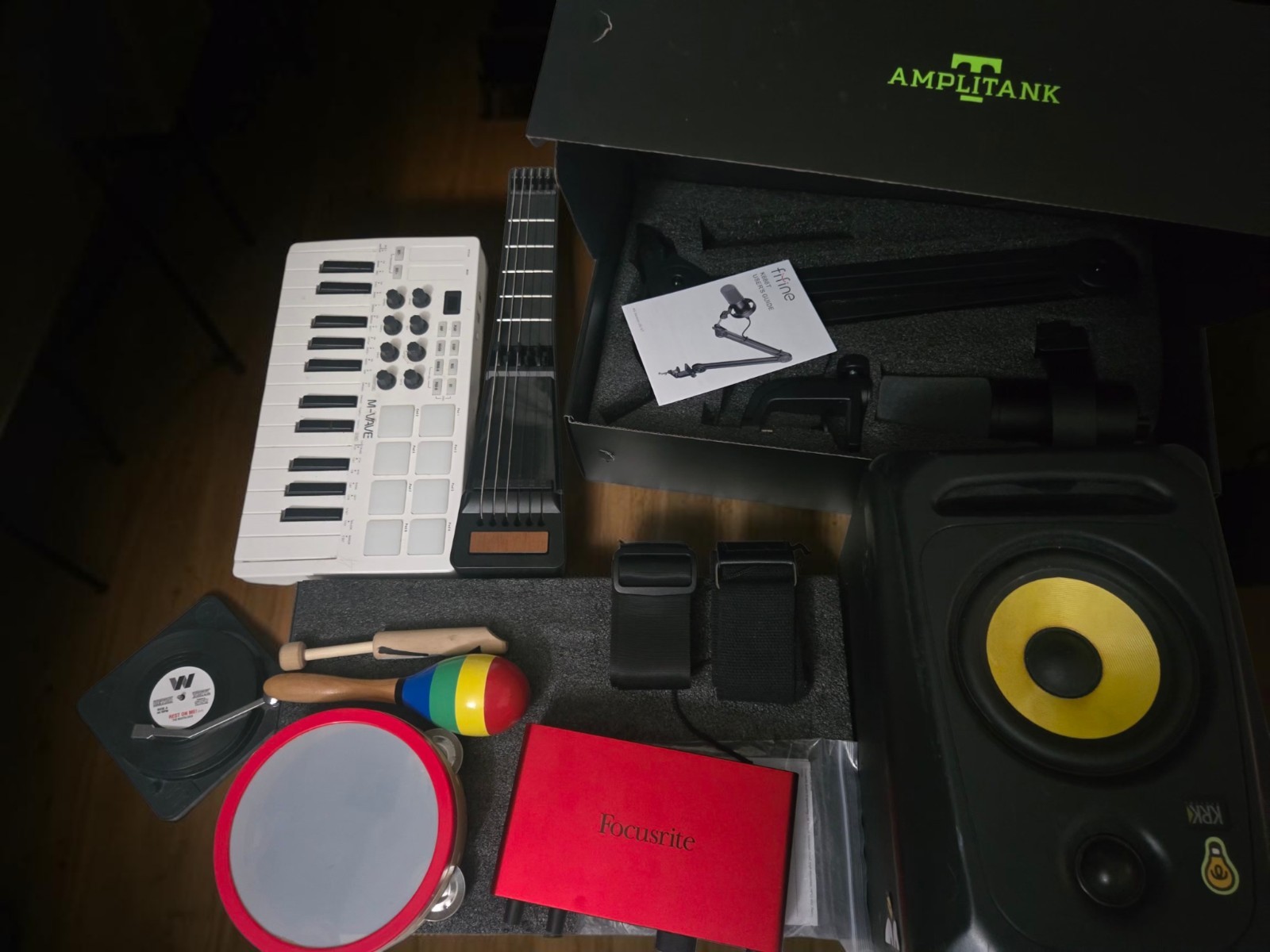 Music Recording Studio Equipment Bundle - PLEASE READ$399.99View on eBay
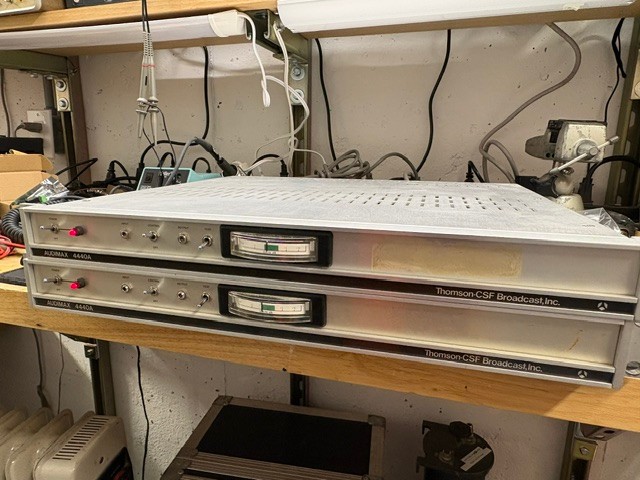 used recording studio equipment preowned$1,000.00View on eBay
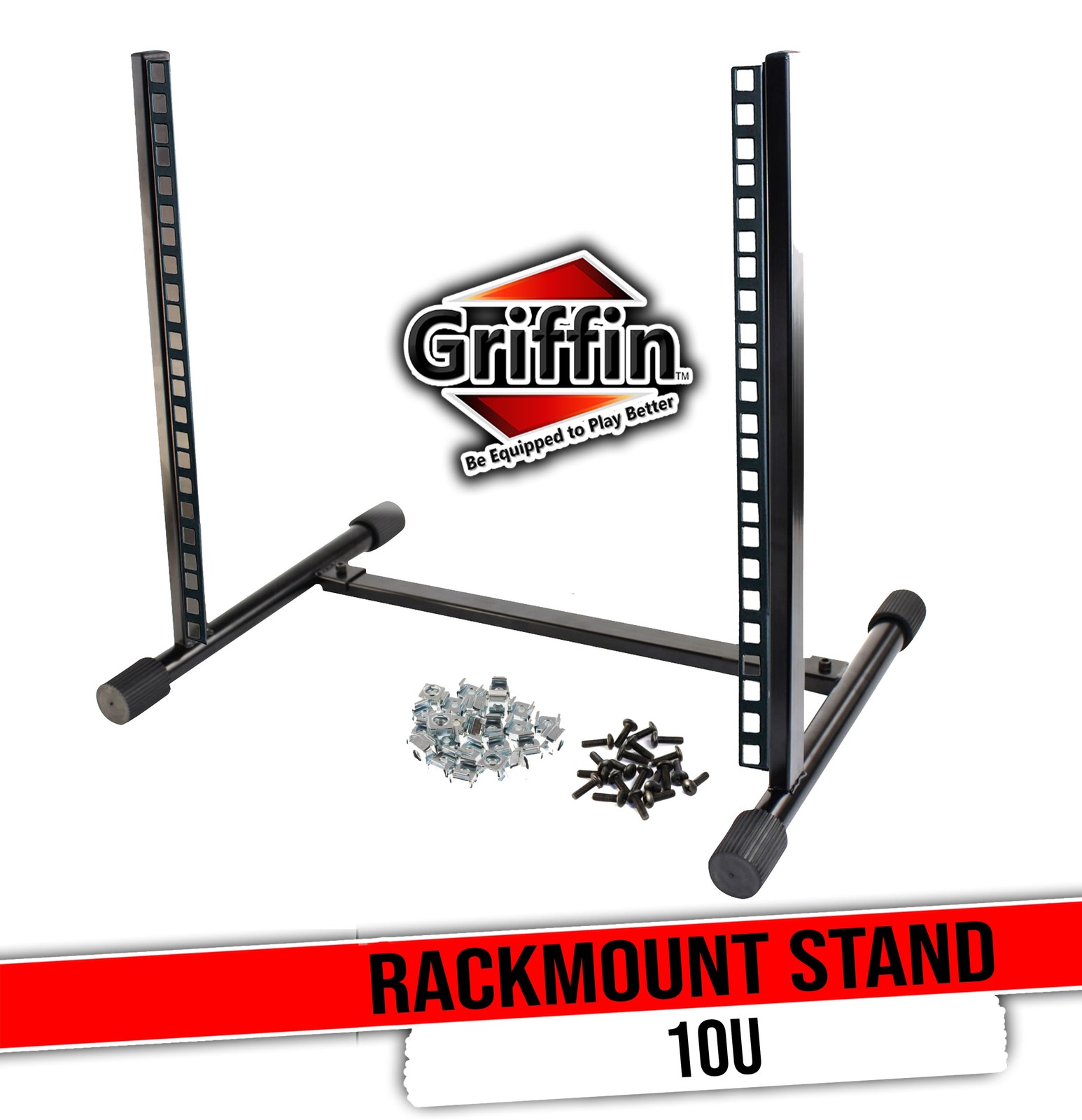 Rack Mount Stand with 10 Spaces by GRIFFIN | Music Studio Recording Equipment$21.68View on eBay
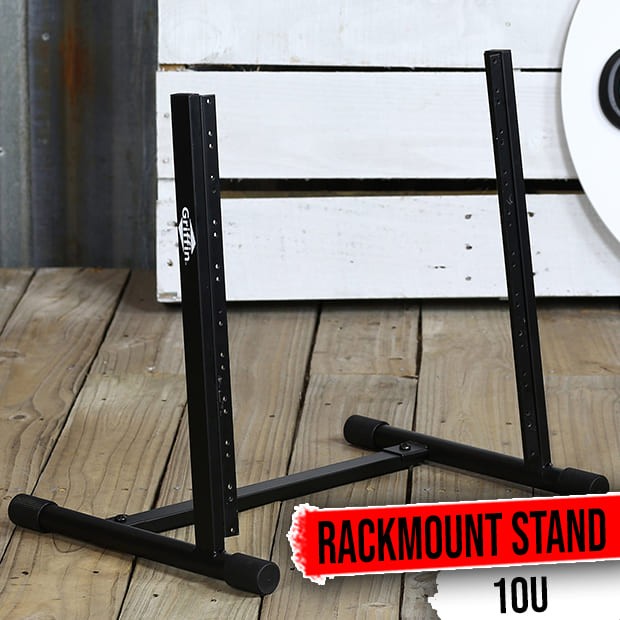 Studio Rack Mount Stand - GRIFFIN Recording Mixer Equipment Gear Case Network DJ$32.00View on eBay
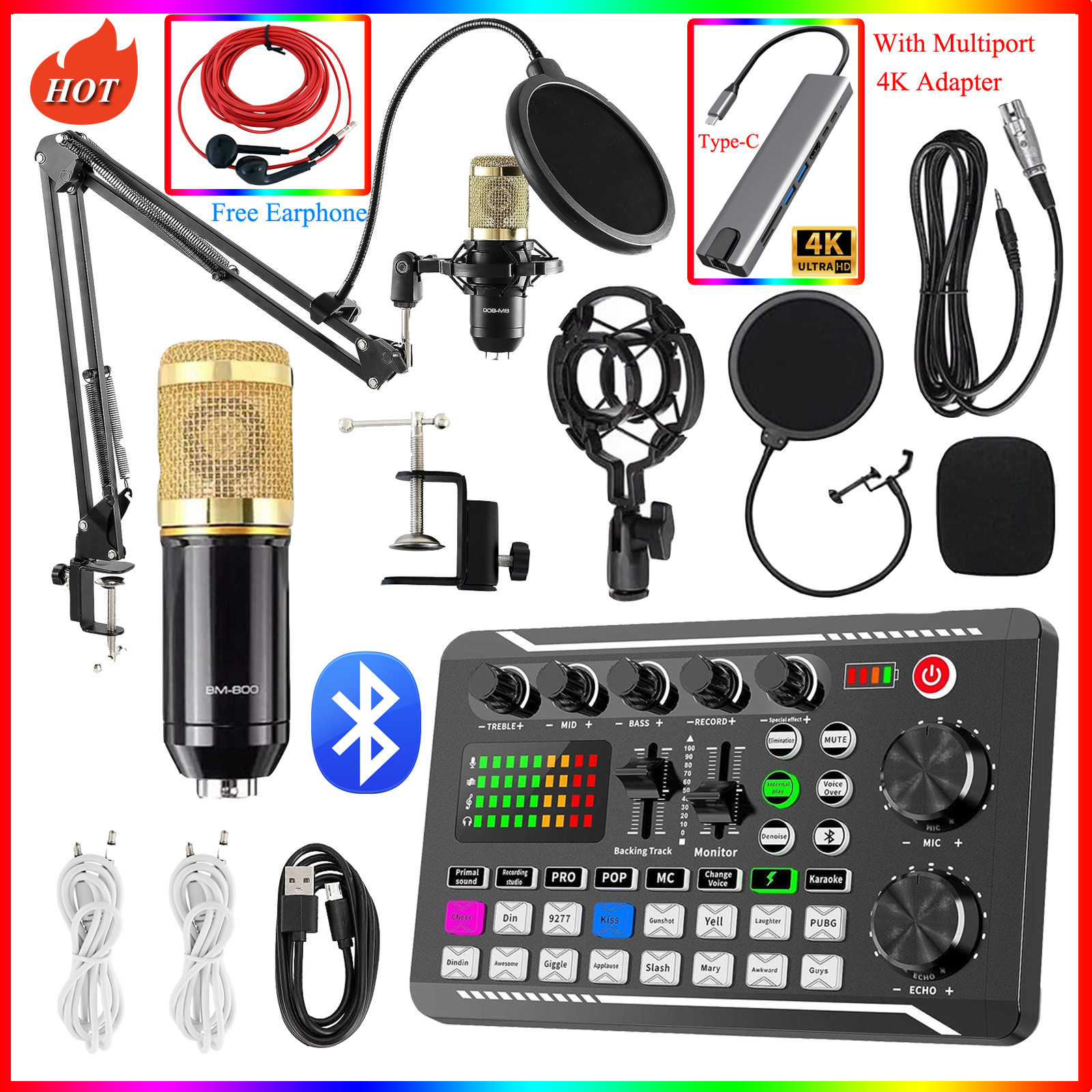 Podcast Equipment Bundle Condenser Microphone Audio Mixer Studio Recording Kit$42.35View on eBay
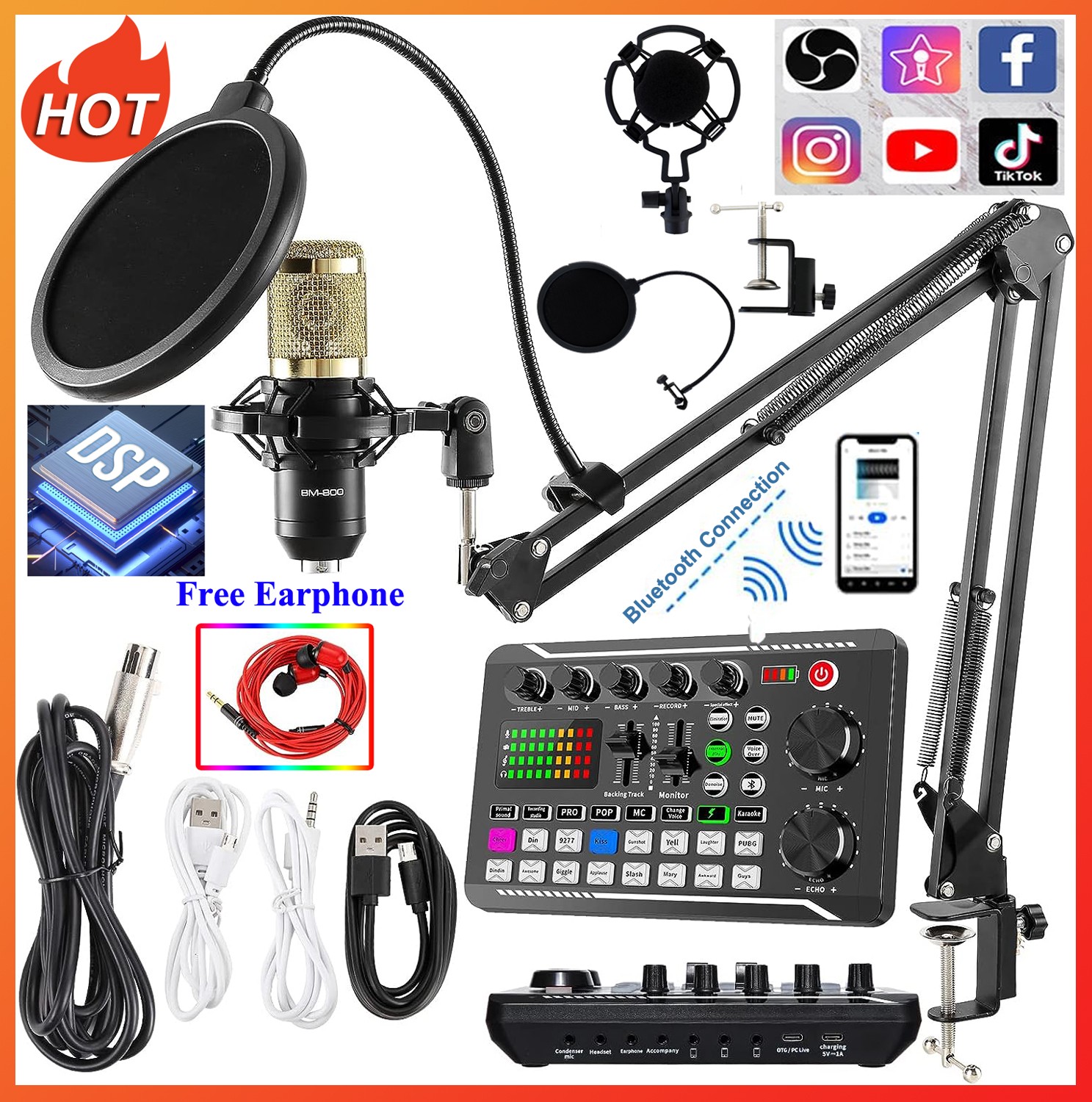 Podcast Equipment Bundle Home Studio Recording Kit Music Mixer Microphone BM-800$42.55View on eBay
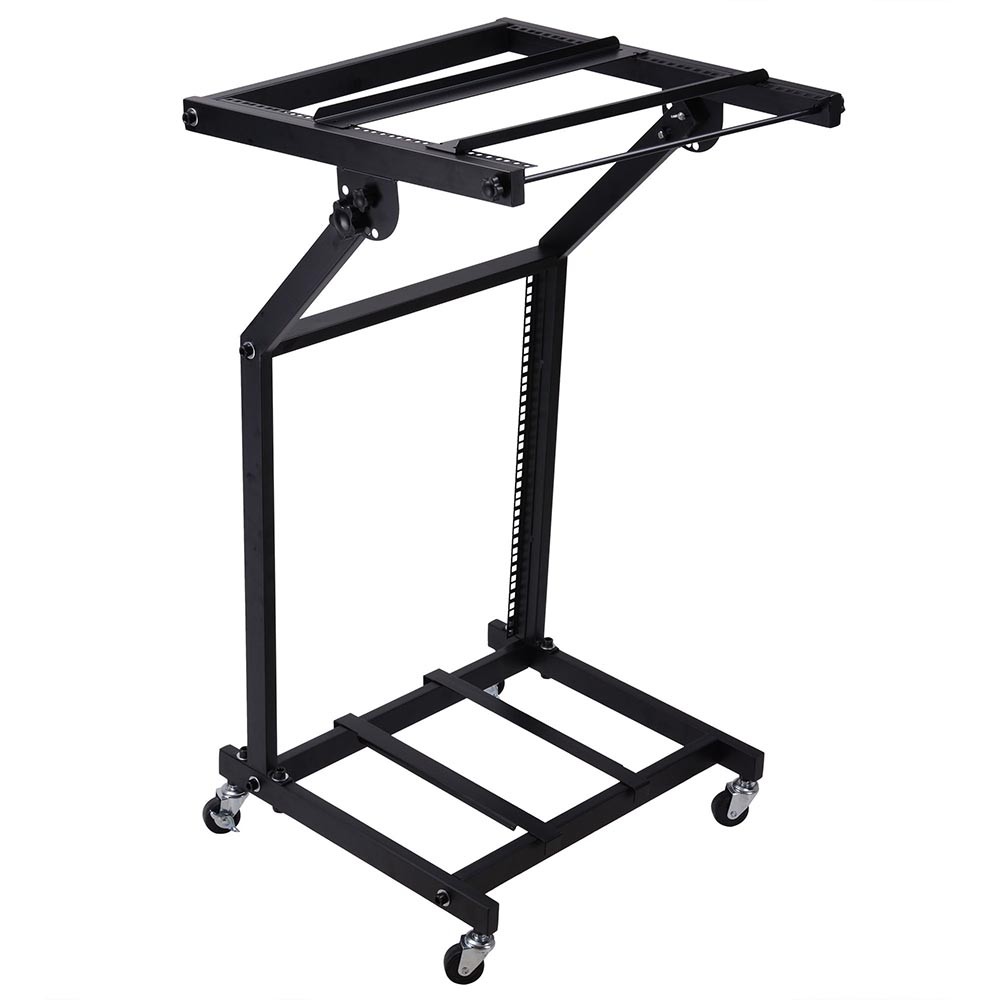 Studio Rack Mount Stand Recording Mixer Equipment Party Show Gear Case Network$99.90View on eBay
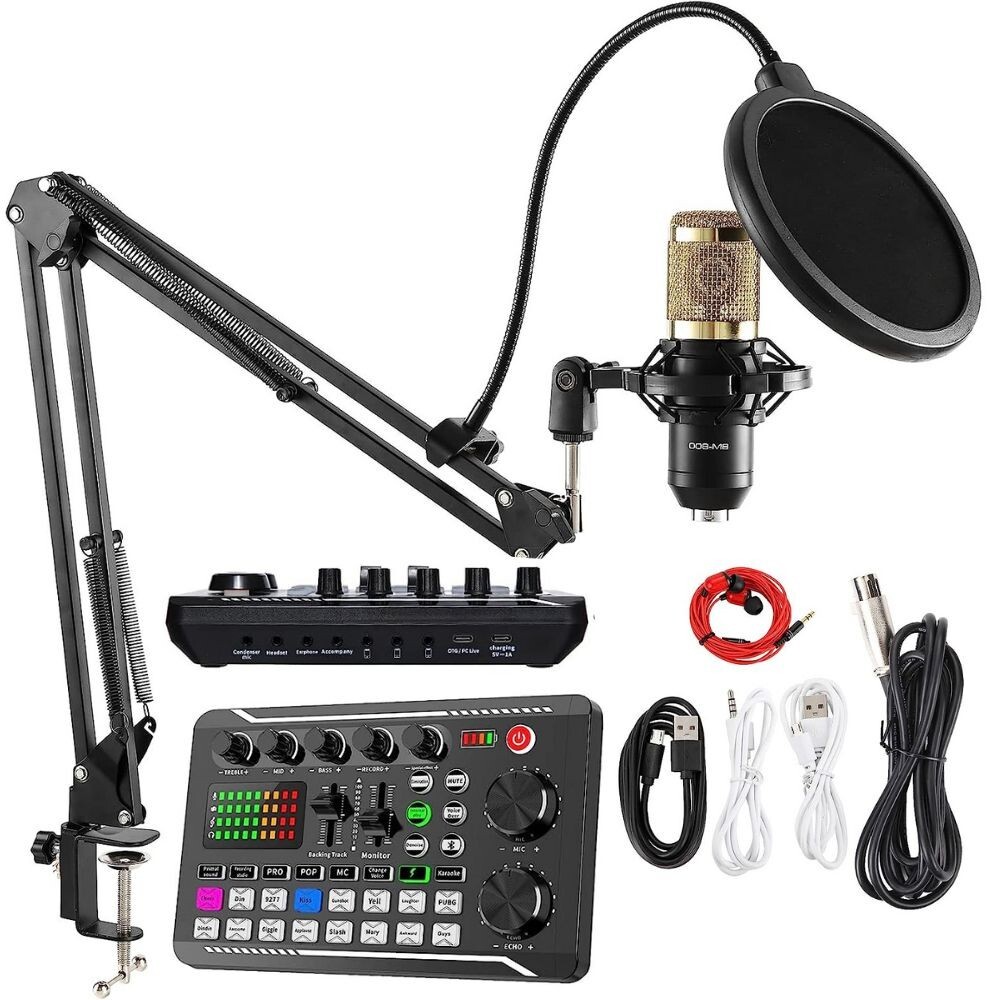 Home Studio Recording Kit Music Package Bundle Mixer Condenser Equipment Podcast$104.90View on eBay
Highlights
- Audio interfaces split into bus-powered USB-C class-compliant models (driverless, 2-4 inputs) and mains-powered units with dedicated ASIO drivers and 8+ preamps for multi-track tracking.
- Mic preamp quality is set by gain range and noise floor: entry preamps deliver ~55-60 dB gain with higher self-noise; studio preamps push 70+ dB with EIN below -128 dBu.
- Studio monitors require balanced TRS or XLR inputs and rear-port placement; front-ported or sealed designs suit small untreated rooms better than rear-ported bass-reflex cabinets.
- Rack gear follows the 19-inch EIA standard with 1U = 1.75 in height; 10-space racks are the common home-studio anchor for interfaces, preamps, and patchbays.
Best use cases
- Solo vocalist or podcaster: pick a 2-in/2-out USB-C interface with 48V phantom, one large-diaphragm condenser, and closed-back headphones—skip multi-preamp rack gear until you track drums or bands.
- Multi-instrumentalist tracking live drums: choose an 8-preamp interface or ADAT-expandable unit plus a 10-space rack; skip bus-powered 2-input interfaces that cap simultaneous channels.
- Small untreated bedroom studio: select front-ported or sealed 5-inch monitors and bass traps; skip rear-ported 8-inch monitors that excite room modes below 100 Hz.
Buying tips
- Match interface I/O to simultaneous sources: one mic = 1 preamp; full drum kit = 8 preamps or 8-channel ADAT expansion; leave one spare input for DI or talkback.
- Confirm connector standards: USB-C class-compliant interfaces work driverless on modern OS; older USB-B units may need vendor ASIO drivers on Windows.
- Size monitors to room volume: 5-inch woofers suit rooms under 150 sq ft; 8-inch woofers need 200+ sq ft and bass trapping to avoid low-end buildup.
- For racks, count units in RU: a 10-space rack fits a 2U interface, 1U preamp, 1U patchbay, and leaves 6U for expansion or power conditioners.
Specs
| Interface I/O | 2-in/2-out to 8-in/8-out + ADAT |
|---|---|
| Preamp Gain | 55-60 dB entry / 70+ dB studio |
| Monitor Input | Balanced TRS or XLR |
| Rack Standard | 19-inch EIA / 1U = 1.75 in |
Related searches
What to check before buying
- Measure desk or rack space: 19-inch rack width plus clearance for rear XLR/TRS cables; confirm monitor stands place tweeters at ear height.
- Check electrical: one dedicated 15A circuit for computer, interface, and monitors; avoid sharing with appliances that inject hum.
- Verify plug standard: USB-C or USB-B on interface; IEC power cables for monitors and rack gear; 48V phantom required for condenser mics.
- Confirm companion parts: XLR cables, TRS balanced cables for monitors, mic stand, pop filter, and headphones—budget these before upgrading converters.
FAQ
Data sources: eBay / Amazon listings and product attribute feeds Data updated Nov 15, 2026.
Some links on this page are affiliate links. If you buy after clicking one, we may earn a commission at no extra cost to you. This does not change which products appear here or their order. Affiliate disclosure.