Photos from current listings. Actual item, color, and included accessories may vary.
Digital Recorder Buying Guide
A digital recorder captures audio or MIDI directly to internal flash, hard drive, or SD card, replacing tape and analog workflows. The core trade-off is channel count and format versus portability and connectivity: multitrack studio units prioritize mic preamps and track count, while handheld field recorders prioritize battery life and mic quality. Choose a multitrack recorder if you need isolated tracks for mixing; choose a stereo handheld if you need clean reference captures or field audio; skip anything with proprietary media or dead firmware support.


At a glance
- Category
- Recording & Studio Gear
- Data updated
- Nov 15, 2026
Current offers
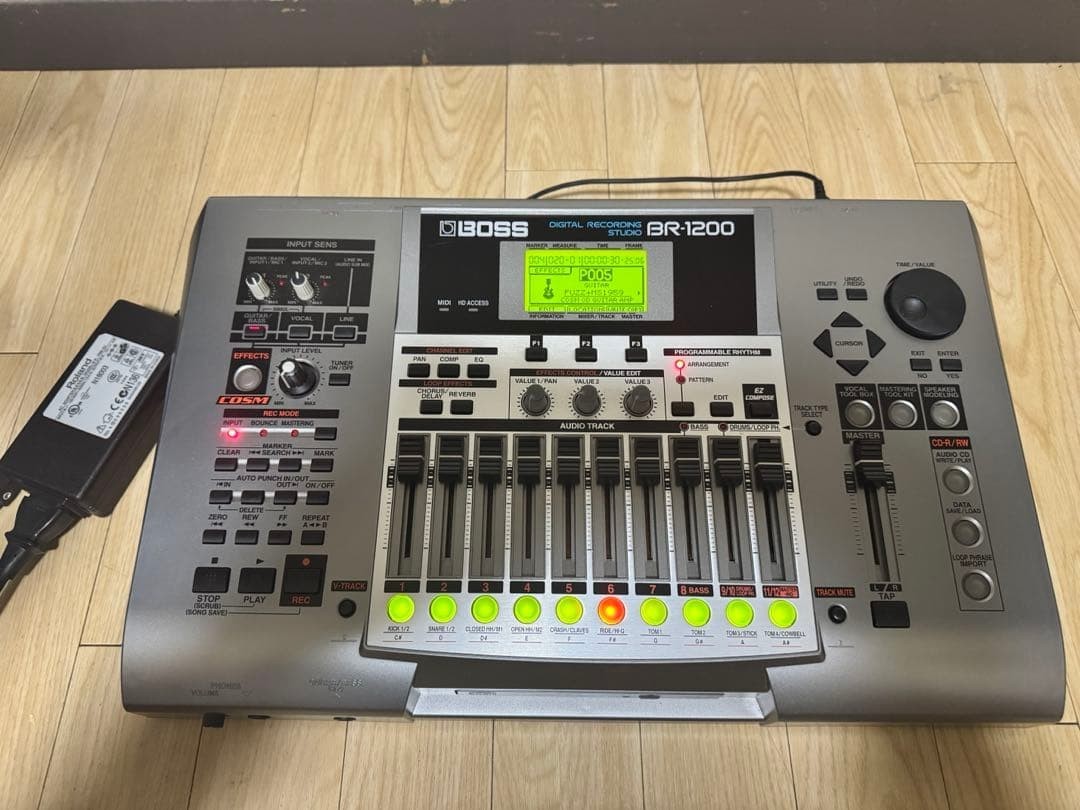 BOSS BR-1200CD Digital Recorder 80GB HDD Audio Production Tool Sound Gear Parts$370.50Last checked Nov 14, 2026
 View on eBay
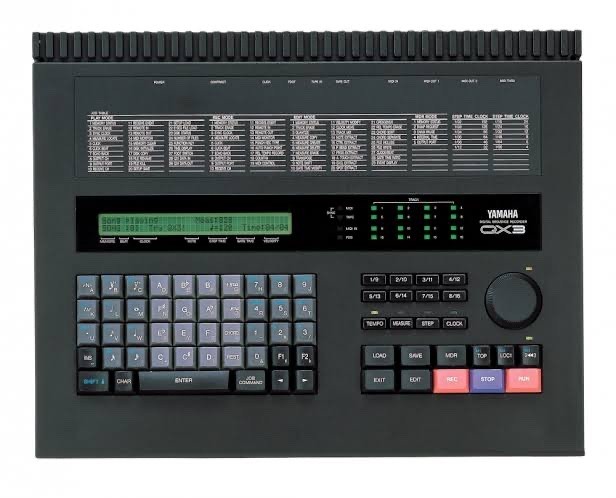 Yamaha QX3 Digital Sequence Recorder MIDI Sequencer Vintage Pro Studio Gear$199.99View on eBay
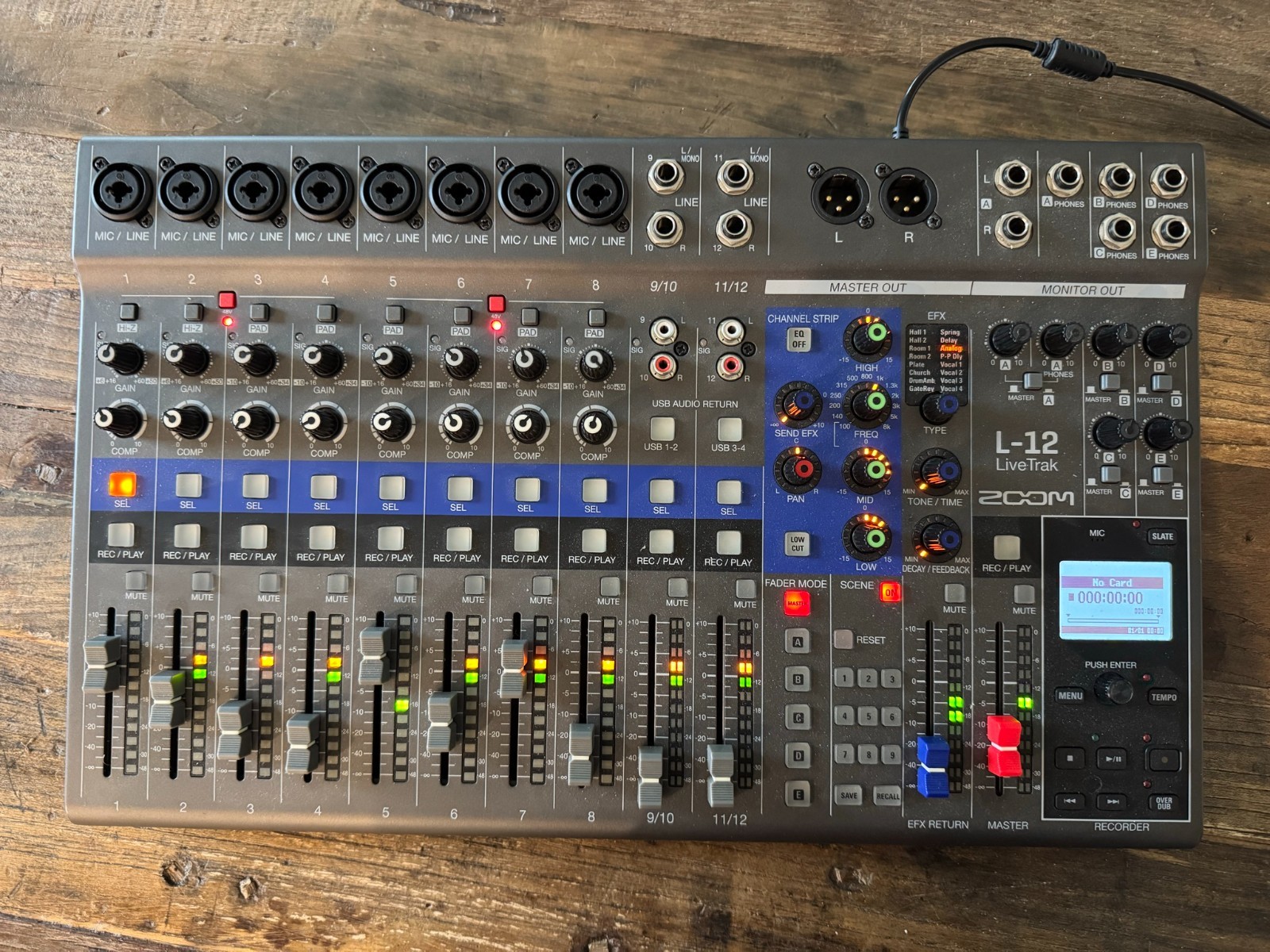 Zoom LiveTrak L-12 12-Channel Digital Mixer Multitrack Recorder Tested Works$250.00View on eBay
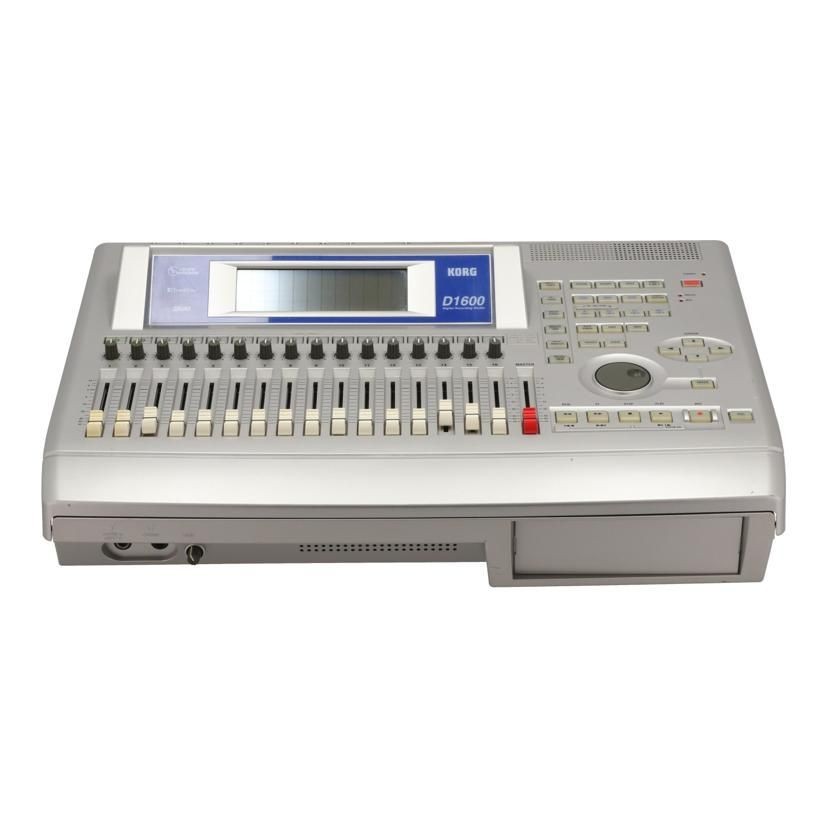 Korg D1600 Digital Recording Studio 16 Track Multi-Track Recorder Musical Gear$351.50Last checked Nov 14, 2026View on eBay
Highlights
- Track architecture separates tiers: 2-track stereo handhelds vs 8-16 track multitrack recorders with per-channel XLR/TRS inputs and separate headphone/monitor mixes.
- Media and storage decide longevity: SD/SDHC flash is reliable and replaceable, internal HDD units add moving parts, and SmartMedia or proprietary cards are EOL and unsupported.
- Mic preamp quality drives usable headroom: combo XLR/TRS jacks with switchable phantom power (+48V) and gain trims are mandatory for condenser mics; budget units often omit phantom power.
- Connectivity tiers: USB audio interface mode (class-compliant), MIDI I/O, and line outs determine whether the unit doubles as a studio interface or is a standalone capture device only.
Best use cases
- Best fit: solo singer-songwriter or band demos — pick an 8-16 track multitrack recorder with at least 4 combo XLR inputs and phantom power so drums and vocals can be tracked separately.
- Best fit: field recording, interviews, and rehearsals — choose a compact 2-track handheld with built-in stereo mics, 24-bit/96kHz WAV capture, and SD storage; skip multitrack units for portability.
- Wrong fit: buying a vintage MIDI sequencer (e.g., Yamaha QX3) expecting audio recording — those units store note data only and cannot capture vocals or instruments as audio.
- Wrong fit: buying a parts-only or untested HDD unit (e.g., BOSS BR-1200CD) as a primary recorder — moving-part drives fail and replacement media is scarce; pick flash-based units for reliability.
Buying tips
- Match input count to your ensemble: plan 1 input per vocal/instrument plus 2 for overheads; a 12-channel mixer-recorder (e.g., Zoom LiveTrak L-12) covers full bands with per-channel monitoring.
- Confirm 24-bit depth and at least 44.1/48kHz sample rate; 96kHz is useful for detailed acoustic capture but doubles file size and is unnecessary for loud rock or podcast work.
- Prefer SD/SDHC media over internal hard drives or SmartMedia — cards are cheap, replaceable, and immune to the mechanical failure that kills HDD recorders.
- Check whether USB mode provides multichannel audio interface streaming; class-compliant USB lets the recorder act as your computer's interface without proprietary drivers.
Specs
| Track Count | 2-track stereo to 16-track multitrack |
|---|---|
| Recording Media | SD/SDHC flash vs internal HDD |
| Inputs | Combo XLR/TRS with +48V phantom |
| Resolution | 24-bit / 44.1-96kHz WAV |
Related searches
What to check before buying
- Count simultaneous inputs needed: number of mics/instruments you must record at once, plus phantom power requirement for each condenser mic.
- Verify media compatibility: SD/SDHC slot and maximum tested card capacity; avoid units requiring SmartMedia, MiniDisc, or internal HDD replacement.
- Confirm output and monitoring: dedicated headphone outs with independent level control, plus line outs or USB streaming for mixing.
- Check power: battery operation for field use versus included DC adapter; confirm voltage and plug type match your region before importing.
FAQ
Data sources: eBay / Amazon listings and product attribute feeds Data updated Nov 15, 2026.
Some links on this page are affiliate links. If you buy after clicking one, we may earn a commission at no extra cost to you. This does not change which products appear here or their order. Affiliate disclosure.