Photos from current listings. Actual item, color, and included accessories may vary.
USB Audio Interface Buying Guide
A USB audio interface converts analog mic/instrument signals to digital audio over USB, and its value hinges on preamp quality, conversion fidelity, and driver stability. The core trade-off is channel count and I/O flexibility versus preamp transparency and low-latency performance. Buy a bus-powered class-compliant interface for solo tracking, or a mains-powered multi-channel unit with dedicated drivers for full-band recording—skip anything without explicit sample-rate and preamp-gain specs.


At a glance
- Category
- Recording & Studio Gear
- Data updated
- Nov 15, 2026
Current offers
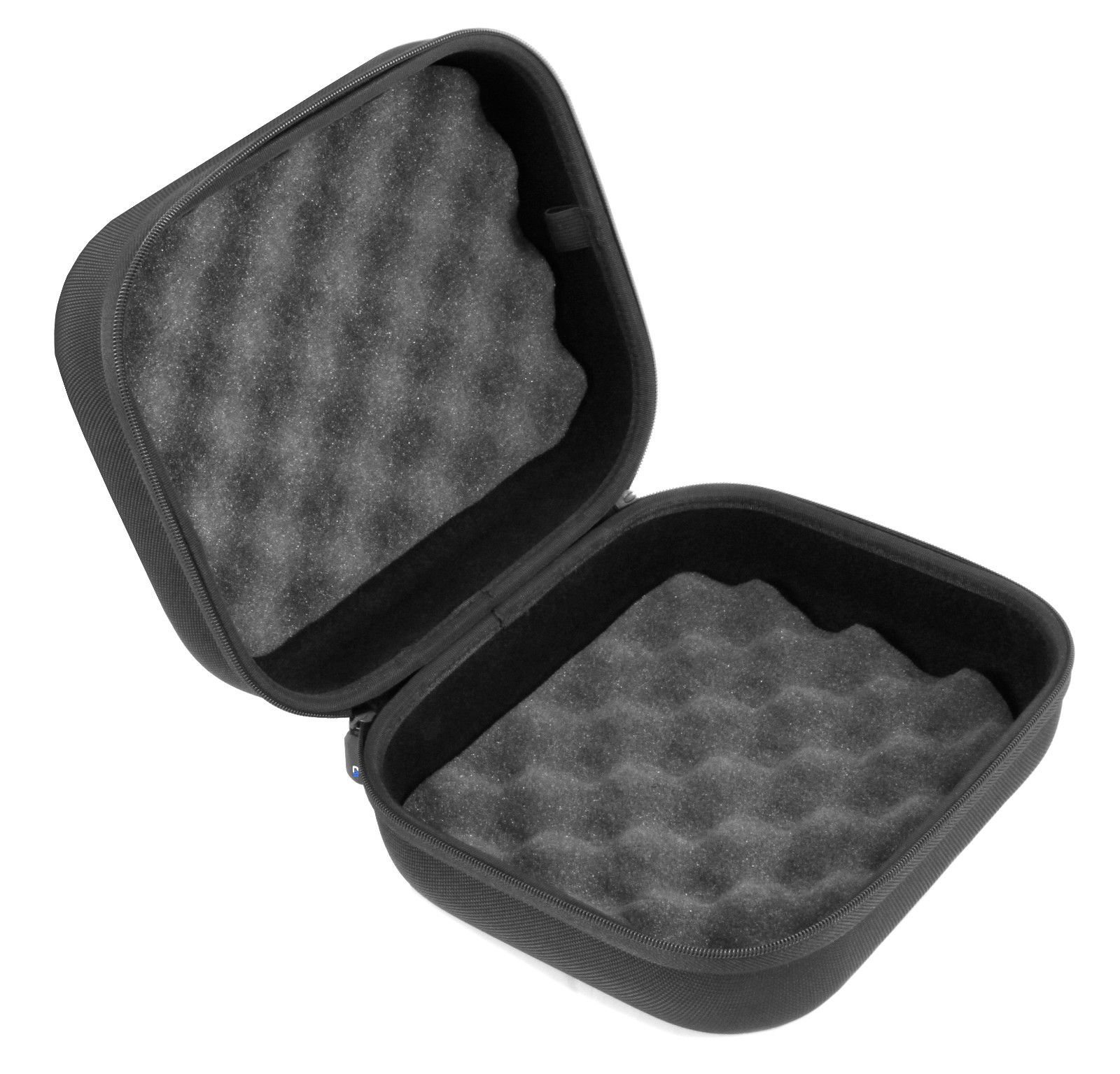 CASEMATIX Case for MAONO P2 Hybrid USB Audio Interface - Podcast Recording Case$24.99
 View on eBay
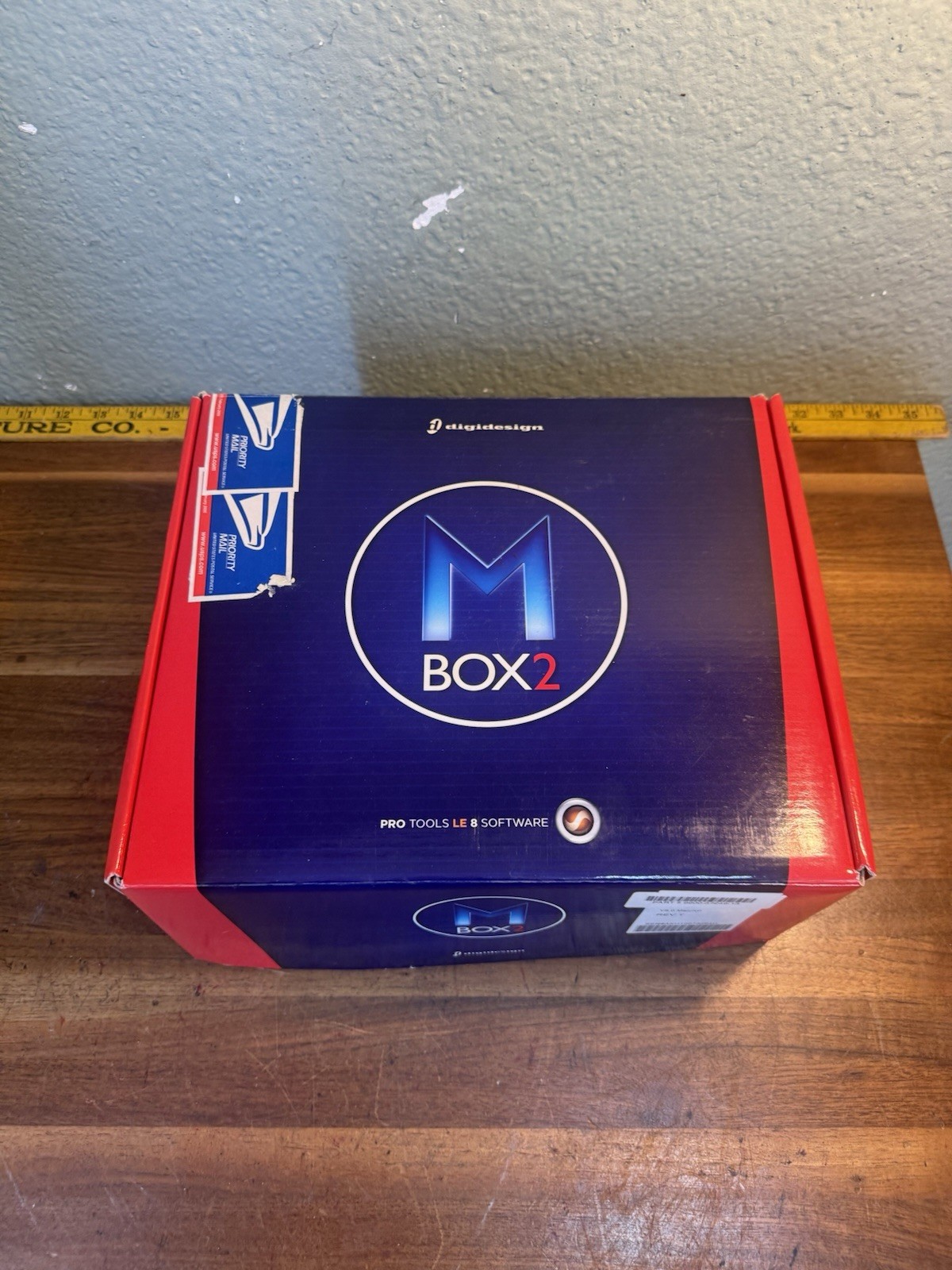 Digidesign Mbox 2 USB Audio Interface w/ Original Box & Accessories Untested$74.99View on eBay
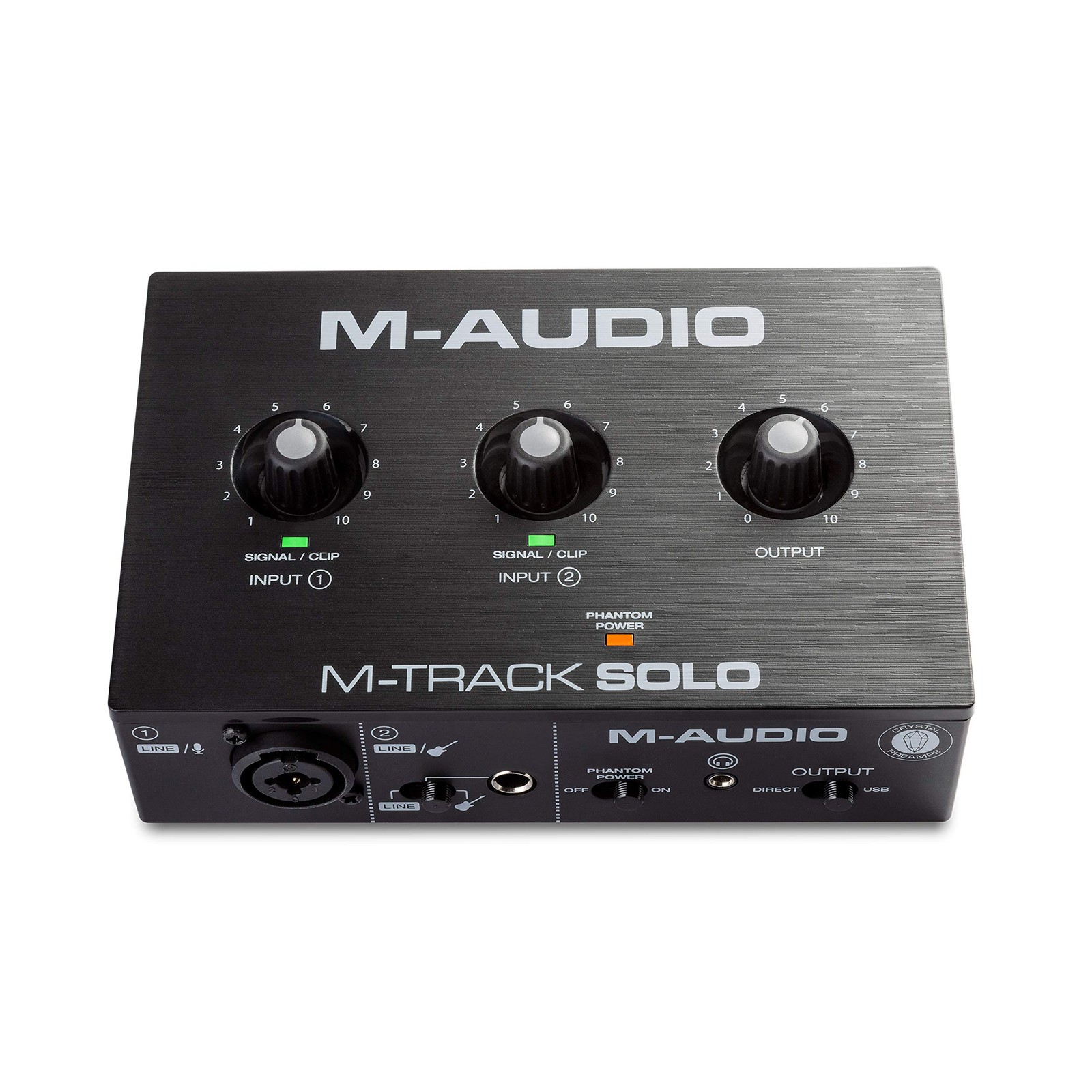 M-Audio USB audio interface with music production software M-Track Solo$133.71View on eBay
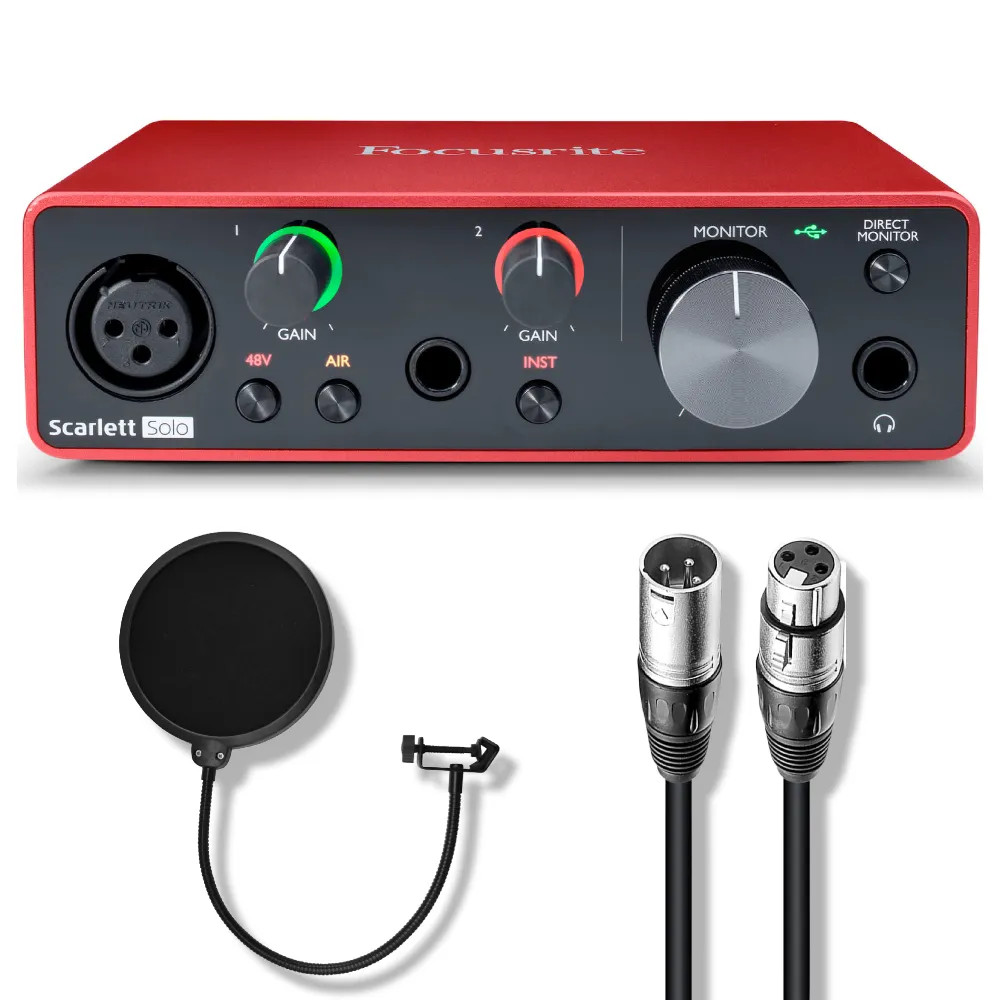 Focusrite Scarlett Solo 4th Gen USB Audio Interface Bundle with Accessories$184.99View on eBay
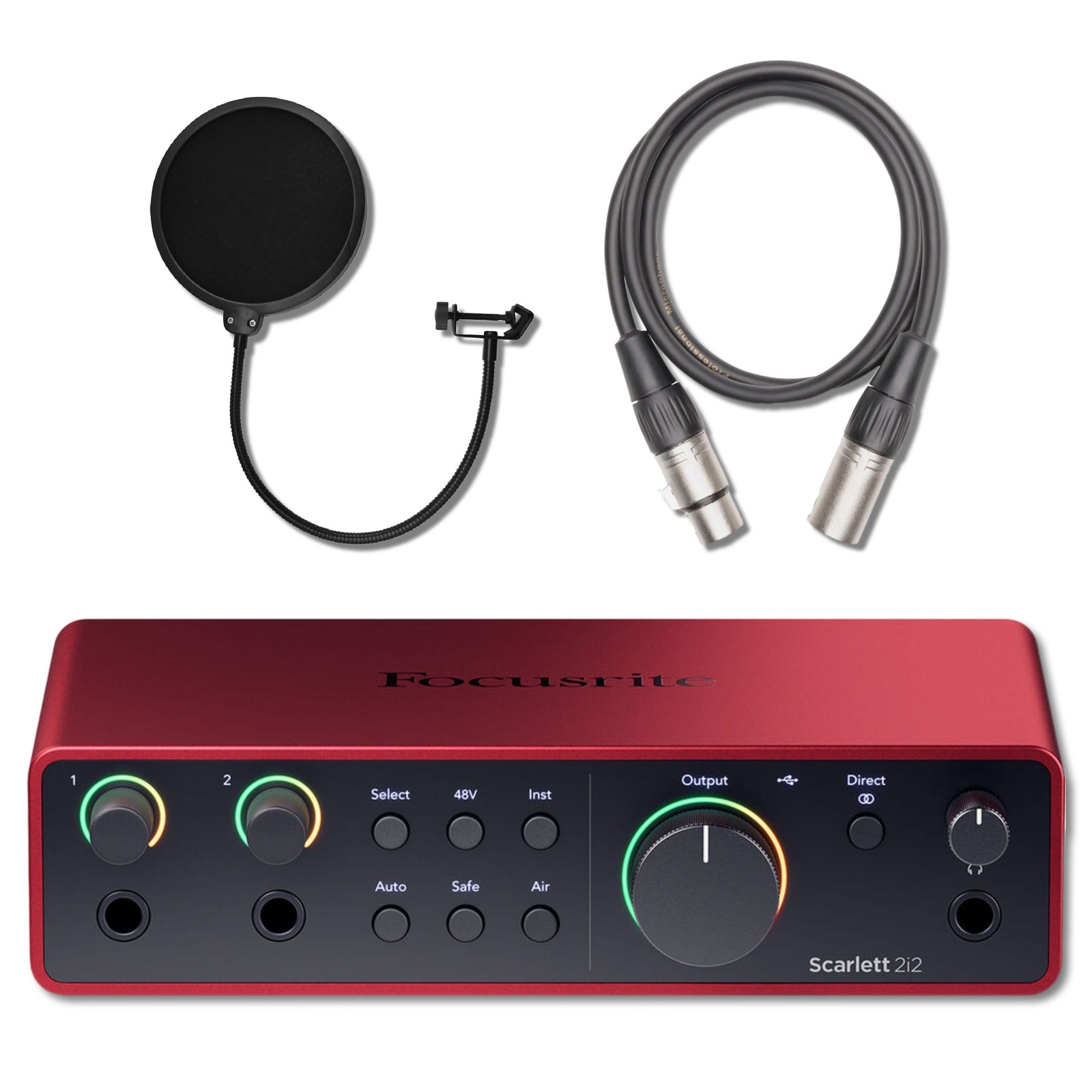 Focusrite Scarlett 2i2 4th Gen USB Audio Interface with Pop Filter and 3' XLR$239.99Last checked Nov 14, 2026View on eBay
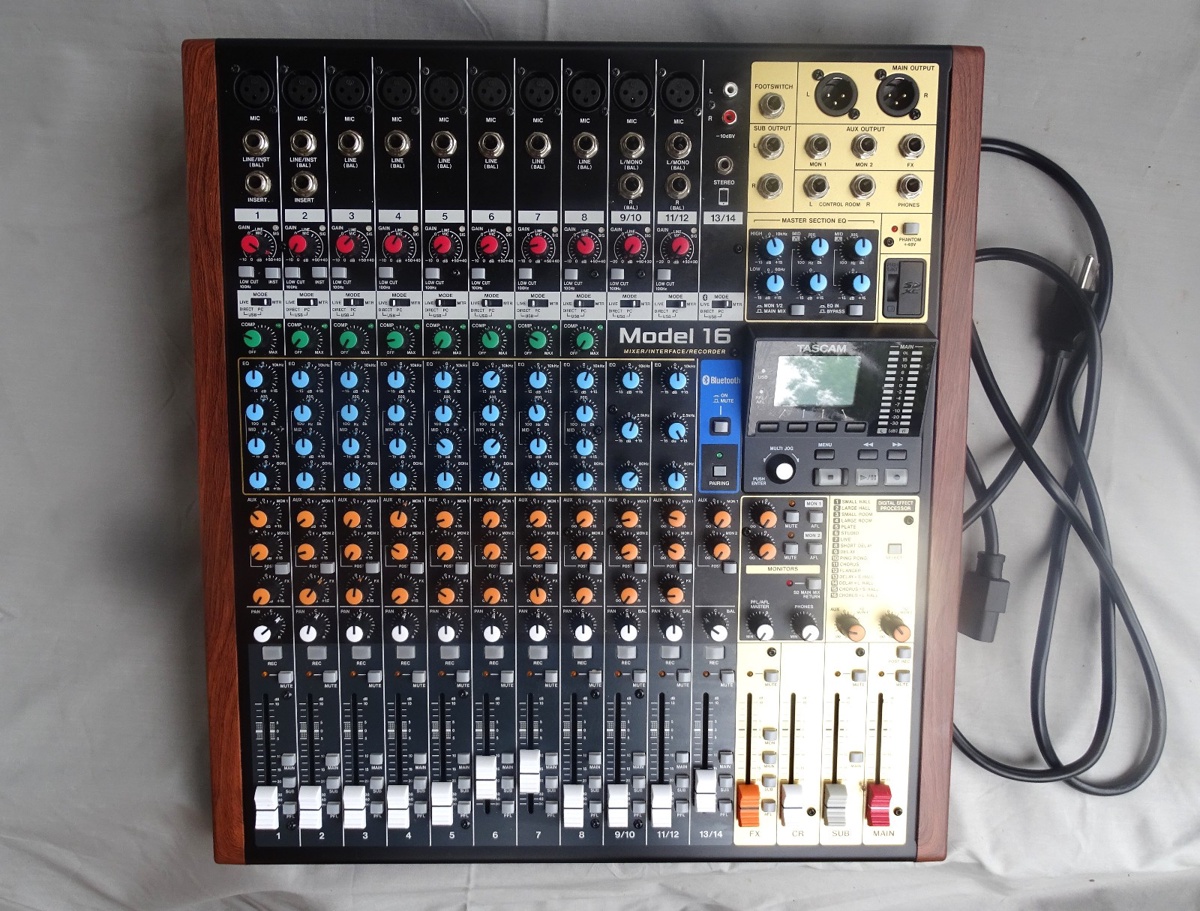 TASCAM Model 16 Multitrack Mixing Recorder USB Audio Interface$700.00View on eBay
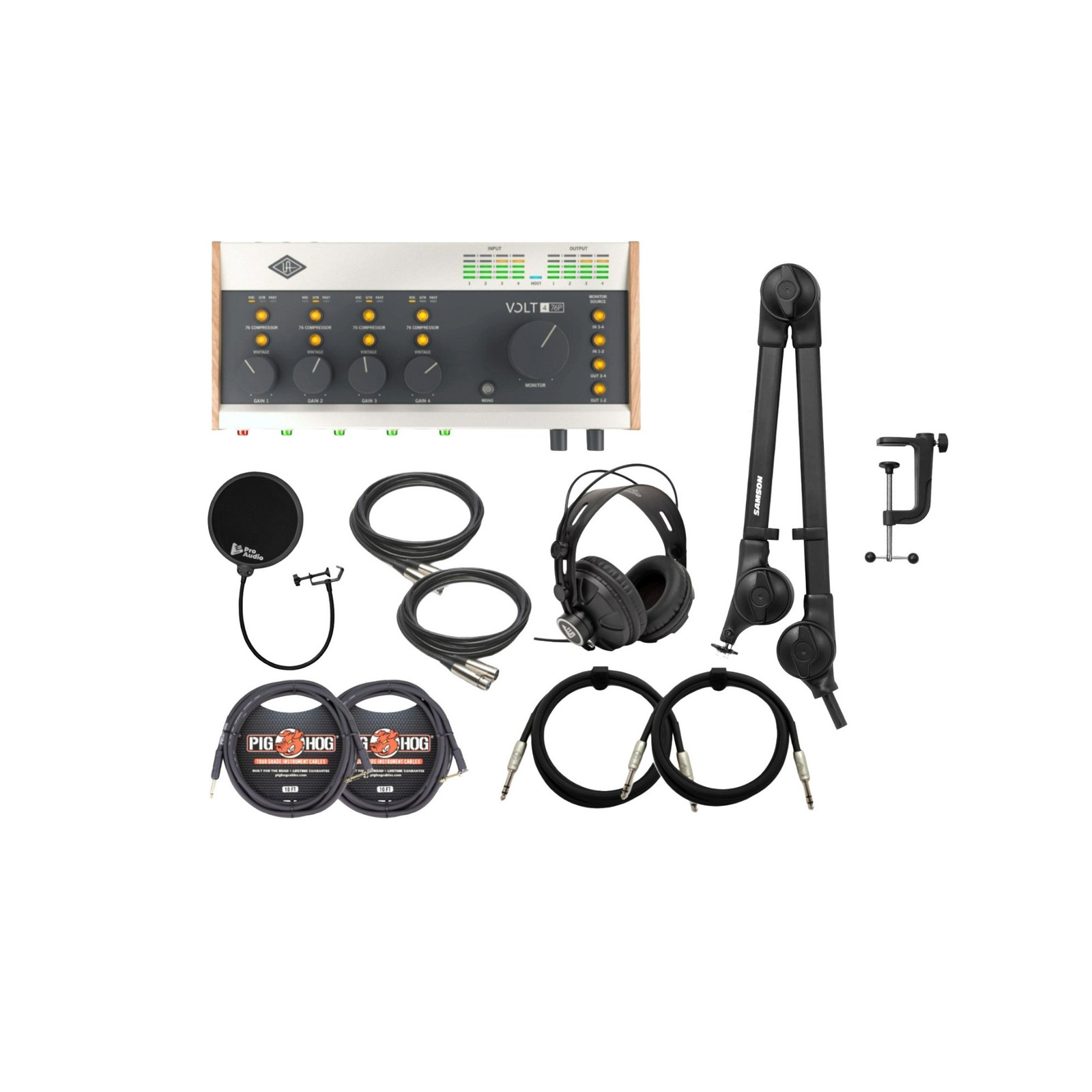 Universal Audio VOLT-476P USB Audio Interface with Headphones, and Accessories$709.99View on eBay
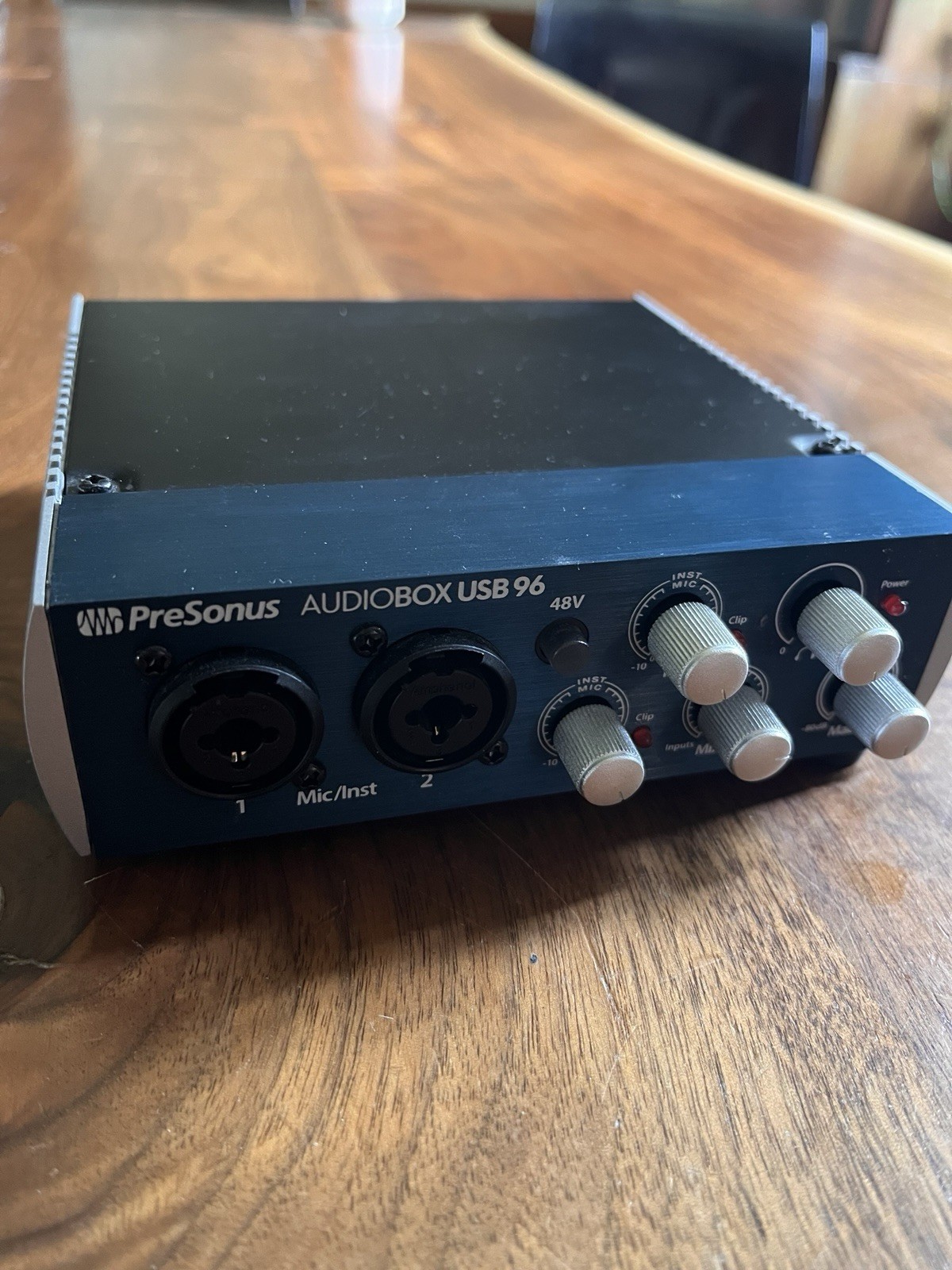 PreSonus AUDIOBOX USB 96 2 Channel Audio Interface Tested Working Studio Gear$34.99View on eBay
 Arturia MiniFuse 2 USB-C Audio Interface - Champagne$199.00View on eBay
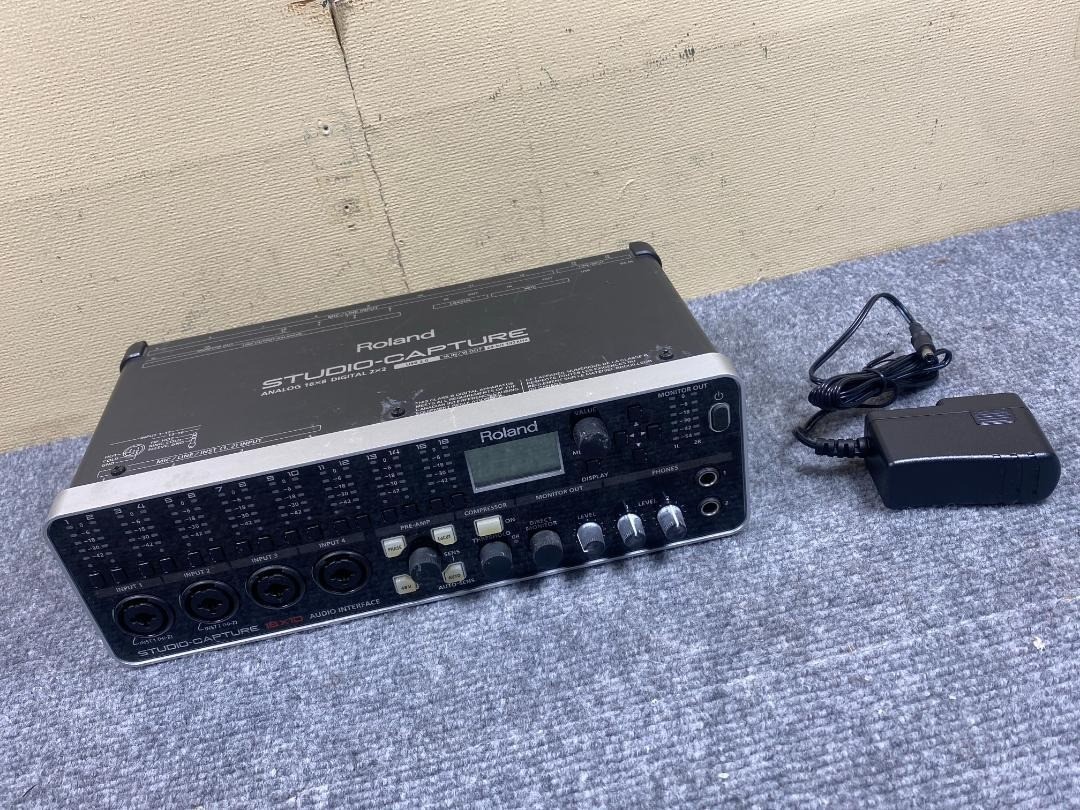 Roland UA-1610 Studio Capture USB 2.0 Audio Interface Black Sound Music Gear Pro$1,092.50Last checked Nov 14, 2026View on eBay
Highlights
- Preamps: discrete Class-A or combo XLR/TRS with 48V phantom; gain range above 55 dB cleanly handles dynamic mics like the SM7B without an inline booster.
- Conversion: 24-bit/96 kHz minimum on USB bus power; 24-bit/192 kHz on mains-powered units. Lower noise floor (under -100 dBu) matters more than higher sample rates.
- Connectivity: USB-C replaces USB-B/mini-USB; bus-powered units draw under 500 mA, while multi-channel units need a 12V DC or USB-C PD supply for stable phantom power.
- Driver architecture: class-compliant (no install) for macOS/iOS, but Windows ASIO drivers from Focusrite, PreSonus, Universal Audio, and Arturia deliver sub-10 ms round-trip latency.
Best use cases
- Solo vocalist or podcaster: pick a 1-in/2-out interface (Scarlett Solo, M-Track Solo) with one XLR combo jack and direct monitoring—skip multi-channel units that add unused inputs.
- Singer-songwriter tracking guitar and vocals simultaneously: choose a 2-in/2-out unit (Scarlett 2i2, AudioBox USB 96, MiniFuse 2) with two combo jacks and independent gain knobs.
- Full band or multi-mic drums: use a mains-powered 8-in interface (Quantum HD 8, Model 16) with ADAT expansion; avoid bus-powered 2-channel units that cannot sum eight mics.
- Mobile/tablet recording: select a USB-C class-compliant unit under 500 mA draw (MiniFuse 2, VOLT 476P) that runs from an iPad without a powered hub.
Buying tips
- Count inputs by simultaneous sources: one XLR combo per mic plus one Hi-Z instrument input per DI. Two people tracking live requires at least 2 combo jacks, not 1 XLR + 1 TRS.
- Check preamp gain: dynamic mics need 55-60 dB; condenser mics need 40-50 dB with 48V phantom. Under 50 dB gain forces a cloudlifter or inline preamp.
- Match USB generation to your host: USB-C ports are standard on 4th-gen Scarlett, MiniFuse, and VOLT; older USB-B units (AudioBox USB 96, Mbox 2) need a USB-A port or hub.
- Verify driver support for your OS: Windows requires vendor ASIO drivers for low latency; macOS and iOS work class-compliant with Core Audio, but multi-channel units still need vendor drivers.
Specs
| Input Channels | 1, 2, 4, 8, or 16 combo XLR/TRS |
|---|---|
| Max Resolution | 24-bit/96 kHz bus-powered; 192 kHz mains |
| Connection | USB-C (current) vs USB-B (legacy) |
| Preamp Gain | 40-60 dB; 48V phantom switchable |
Related searches
What to check before buying
- Measure desk or rack space: 2-channel units fit under a laptop stand (~6-8 in wide); 8-channel rack units need 1U (19 in) or desktop depth over 10 in.
- Confirm host port type and power: USB-C versus USB-A, and whether the interface is bus-powered or needs a 12V DC adapter included in the box.
- Check microphone and cable standards: XLR combo jacks accept both XLR and 1/4 in TRS; verify phantom power (+48V) is switchable per channel for condenser mics.
- Plan monitoring: interfaces with direct monitoring need headphones (1/4 in) or powered monitors on balanced TRS outputs; budget for a pair of studio headphones or monitors.
FAQ
Data sources: eBay / Amazon listings and product attribute feeds Data updated Nov 15, 2026.
Some links on this page are affiliate links. If you buy after clicking one, we may earn a commission at no extra cost to you. This does not change which products appear here or their order. Affiliate disclosure.