Photos from current listings. Actual item, color, and included accessories may vary.
Portable Recorder Buying Guide
Portable recorders are compact, battery-or-bus-powered devices that capture audio to SD cards or internal memory, bridging the gap between phone voice memos and full studio interfaces. The core trade-off is between input flexibility (XLR/TRS combo jacks, phantom power, multi-track) and pocketability (built-in mics, fixed inputs, single-knob operation). Buy a multi-track recorder with combo jacks if you need to mic instruments or capture multiple sources; choose a handheld with fixed built-in mics only for quick stereo ambience or reference capture.


At a glance
- Category
- Recording & Studio Gear
- Data updated
- Nov 15, 2026
Current offers
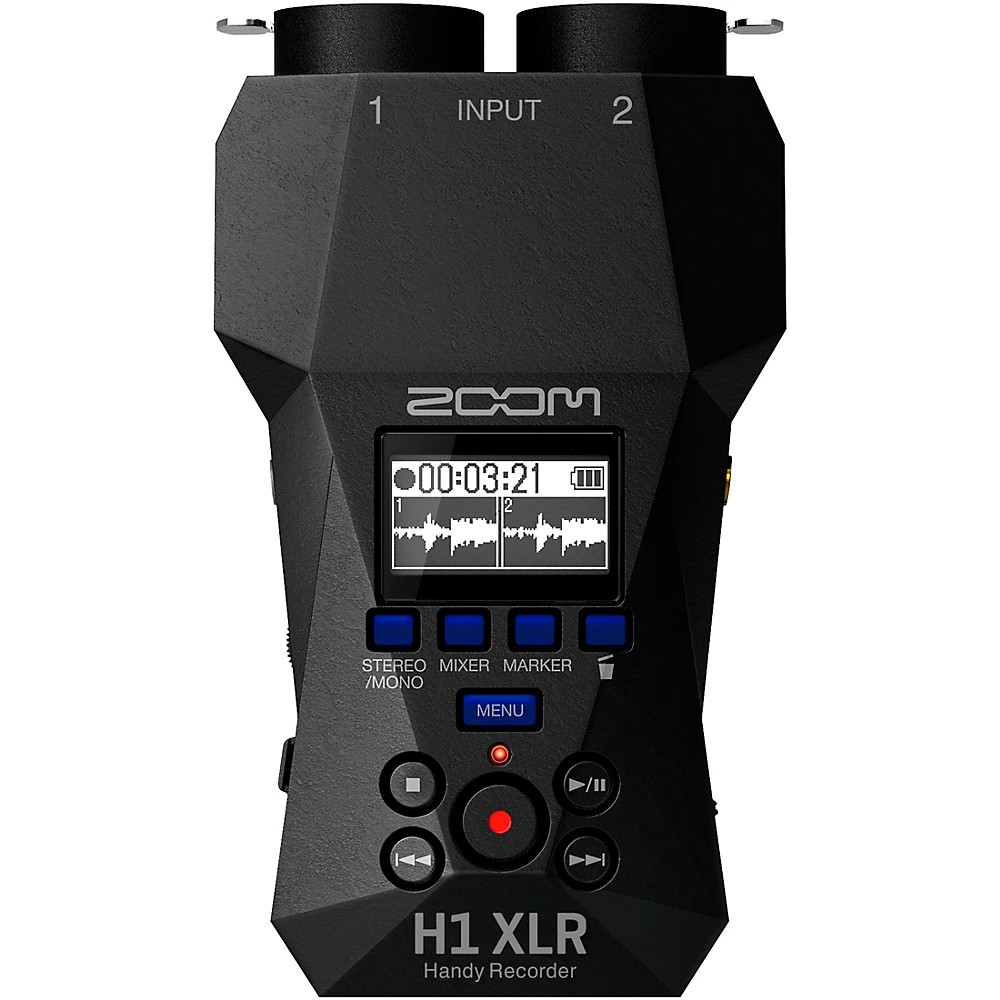 Zoom H1 XLR 2Channel 32Bit Portable Recorder$149.99
 View on eBay
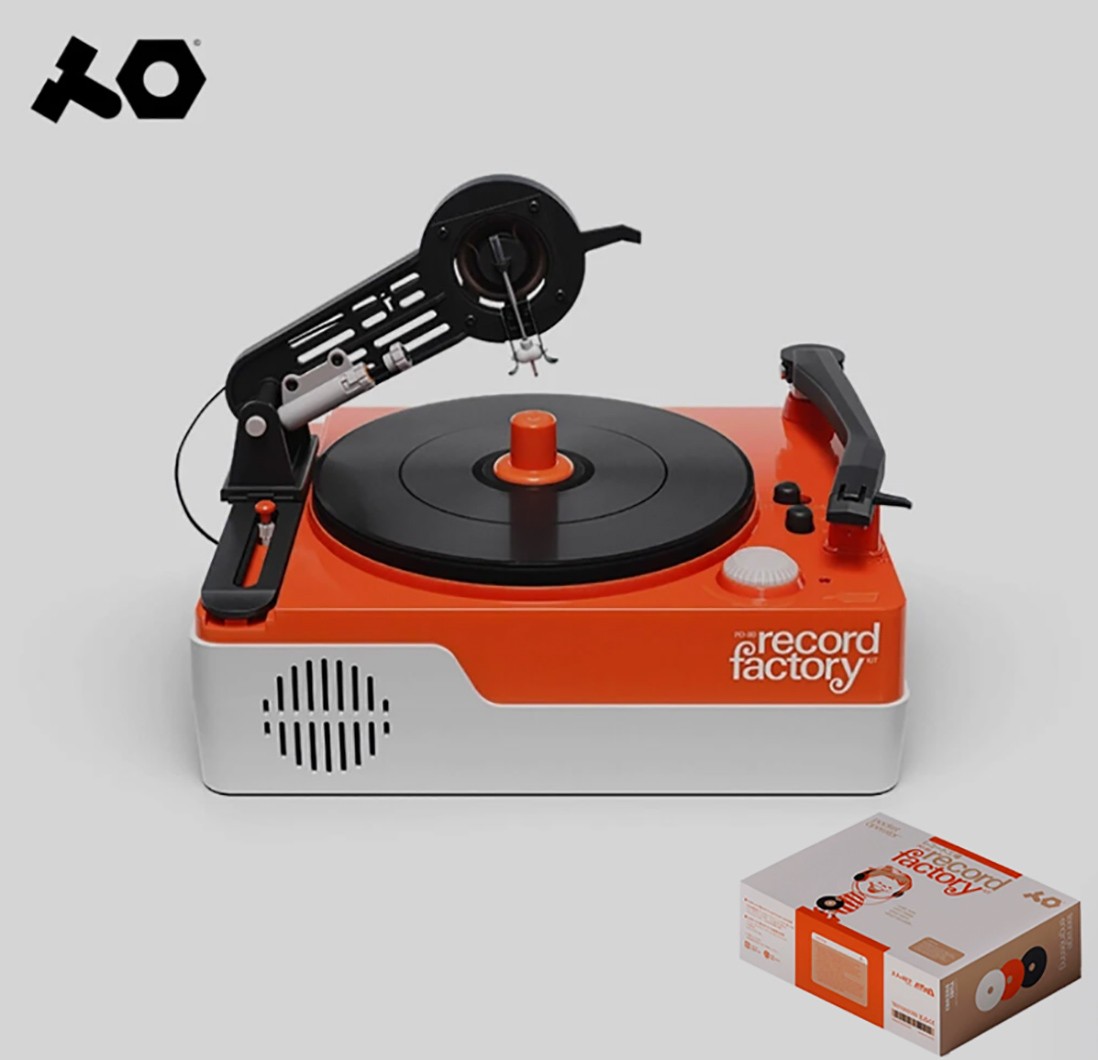 Teenage Engineering PO-80 DIY Vinyl Recorder Portable Music Synth Studio Gear$222.22Last checked Nov 14, 2026View on eBay
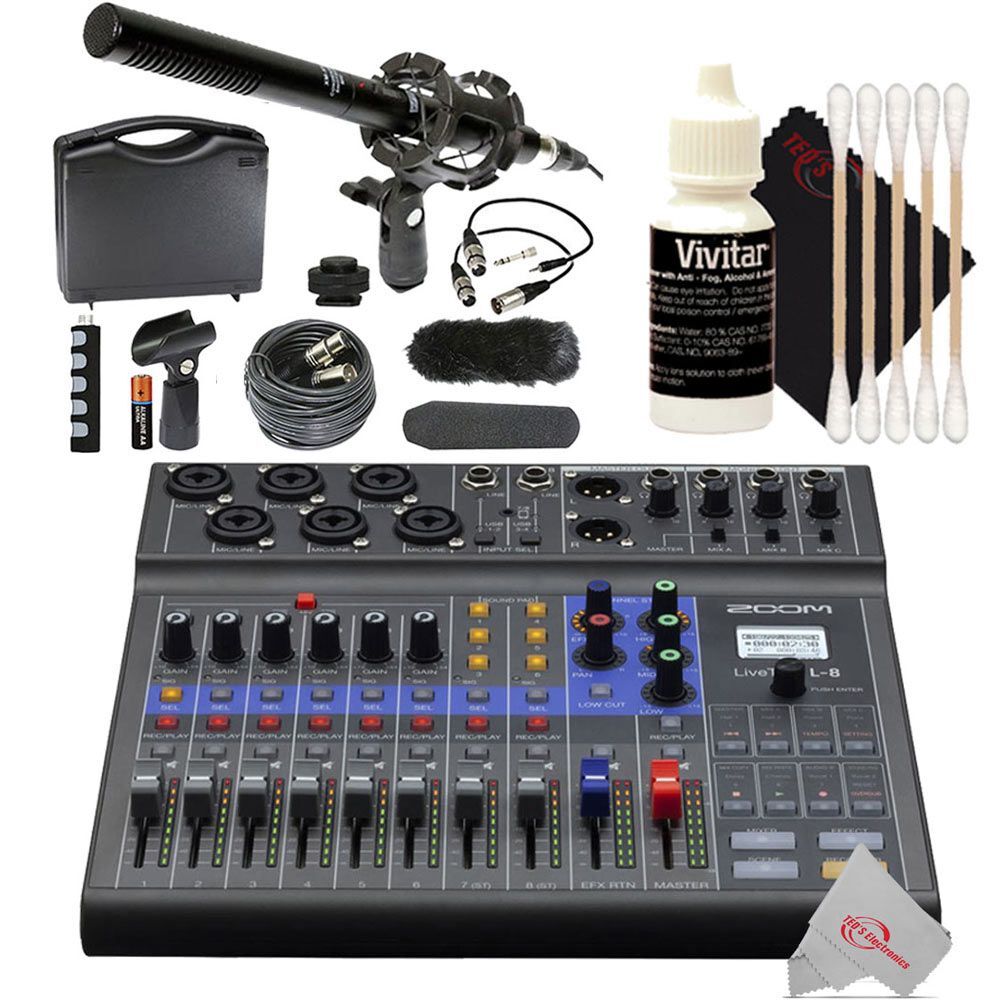 Zoom LiveTrak L-8 Portable Podcast Recorder + VidPro 1" Pro Microphone Kit$494.99Last checked Nov 14, 2026View on eBay
Highlights
- 32-bit float recording eliminates clipping and allows normalization in post, but only on models like Zoom H1 XLR; 24-bit fixed-point still requires careful gain staging.
- XLR/TRS combo inputs with 48V phantom power are mandatory for condenser microphones; 3.5mm TRS inputs only accept lavaliers or line-level sources.
- Multi-track recorders (4+ tracks) like the Zoom LiveTrak L-8 support simultaneous recording and USB audio interface mode; stereo handhelds record 2 tracks max.
- Battery life ranges from 10–20 hours on AA cells for handhelds to 4–6 hours on internal Li-ion for multi-track units; USB bus power is common but not universal.
Best use cases
- Musicians recording rehearsals or songwriting demos: pick a stereo handheld with built-in XY mics and a 3.5mm input (e.g., Zoom H1 XLR class) — skip multi-track units unless you need isolated tracks.
- Podcasters or interviewers capturing 2–4 mics: choose a multi-track recorder with XLR combo jacks and phantom power (e.g., Zoom LiveTrak L-8 class); skip pocket handhelds with fixed 3.5mm inputs.
- Field ambience or foley capture: a compact 32-bit float handheld with built-in mics is ideal; skip vinyl-cutters or synth-recorders like the PO-80, which are novelty music-making devices, not field recorders.
Buying tips
- Match input count to sources: 2 XLR combo jacks cover a mic + instrument; 4+ jacks are needed for a full band or panel podcast.
- Confirm phantom power voltage: 48V is standard for condenser mics; some compact recorders supply only 24V or plug-in power, which limits mic choice.
- Check recording resolution: 32-bit float prevents clipping without limiters; 24-bit/96kHz is the baseline for music; 16-bit/44.1kHz is voice-memo quality.
- Verify media and power: SDHC/SDXC card support (up to 32GB/128GB) and AA battery life matter for field use; internal Li-ion units need USB charging.
Specs
| Inputs | Built-in mic / 3.5mm / XLR combo |
|---|---|
| Phantom Power | 48V / 24V / plug-in power / none |
| Recording Resolution | 16-bit / 24-bit / 32-bit float |
| Tracks | 2-track stereo / 4+ multi-track |
Related searches
What to check before buying
- Count your simultaneous sources (mics + instruments) and buy a recorder with at least that many XLR/TRS combo jacks.
- Confirm your microphones require 48V phantom power and that the recorder provides it on every XLR input.
- Check the recorder's physical footprint and weight against your bag or pocket; handhelds are under 200g, multi-track units are 500g+.
- Verify power: AA battery compatibility for field swaps, or USB-C bus power if you record at a desk; note that phantom power drains batteries faster.
FAQ
Data sources: eBay / Amazon listings and product attribute feeds Data updated Nov 15, 2026.
Some links on this page are affiliate links. If you buy after clicking one, we may earn a commission at no extra cost to you. This does not change which products appear here or their order. Affiliate disclosure.