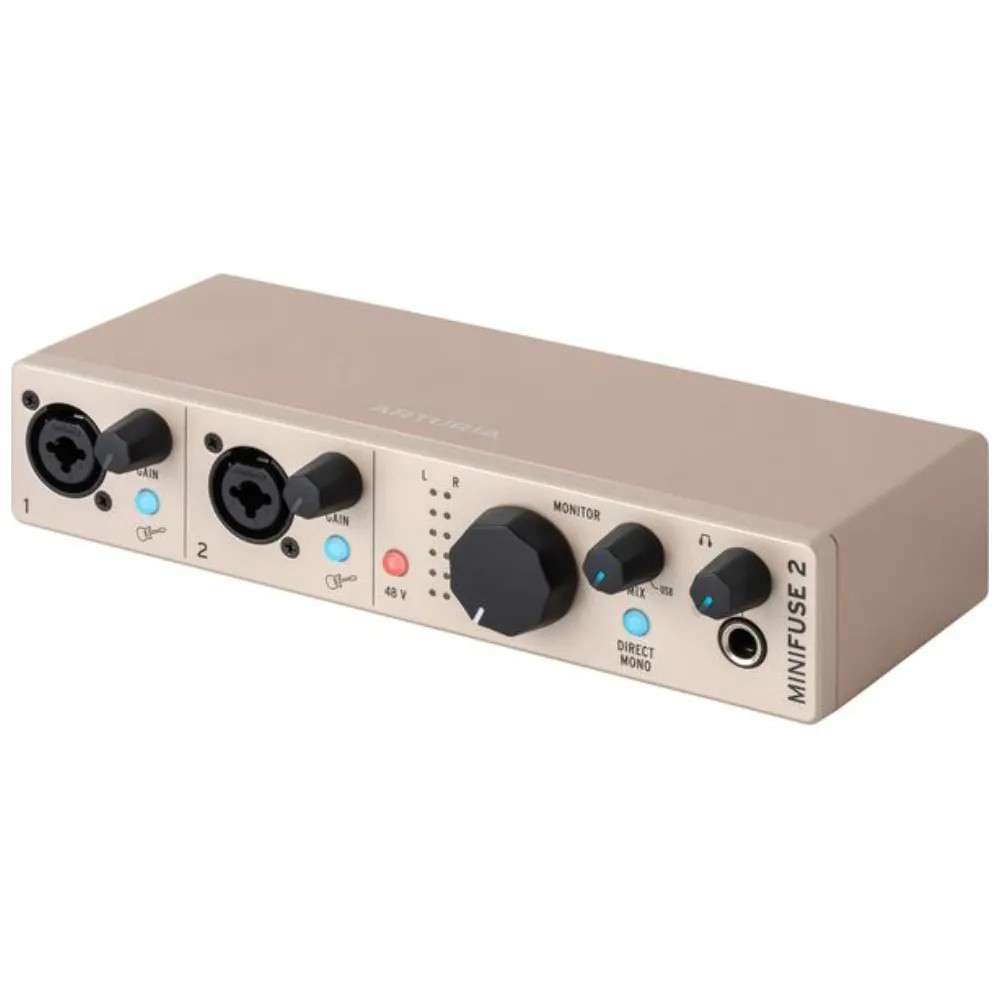

Photos from current listings. Actual item, color, and included accessories may vary.
Arturia MiniFuse 2 Champagne Buying Guide
The Arturia MiniFuse 2 Champagne is a 2-in/2-out USB-C audio interface with a distinctive metallic finish, part of Arturia's entry-level MiniFuse line. The core trade-off at this tier is bus-powered simplicity versus expandability: the MiniFuse 2 offers clean 24-bit/192kHz conversion and combo inputs, but lacks the MIDI I/O and ADAT expansion of its larger MiniFuse 4 sibling. Buy it if you need a compact, low-latency interface for a solo vocal/instrument setup; skip it if you require multi-source recording or hardware MIDI integration without a separate hub.


At a glance
- Brand
- Not synced yet
- Model
- Not synced yet
- MPN
- Not synced yet
- Category
- Recording & Studio Gear
- Status
- Offers available
- Data updated
- Nov 15, 2026
Current offers
Highlights
- 2 combo XLR/TRS inputs with 48V phantom power, max 60dB gain, and direct monitoring via front-panel mix knob
- USB-C bus-powered (no external PSU), 2x2 I/O with 24-bit/192kHz conversion and <2ms round-trip latency at 96kHz
- Champagne finish is a cosmetic variant of the standard MiniFuse 2; internal specs, drivers, and I/O are identical to the black model
- Includes Arturia software bundle (Analog Lab Intro, Ableton Live Lite, FX plugins) tied to the hardware serial
Best use cases
- Best fit: solo singer-songwriter recording one mic and one instrument simultaneously via the two combo inputs.
- Best fit: podcasting or streaming with two mics, using the loopback feature for system audio routing.
- Wrong fit: recording a full drum kit or multi-mic ensemble—step up to the MiniFuse 4 or an 8-channel interface.
- Skip if you need 5-pin MIDI I/O for hardware synths; the MiniFuse 2 omits MIDI ports entirely.
Buying tips
- Confirm your computer has a free USB-C port (or use a USB-A to USB-C cable) and that your OS meets the driver requirements: Windows 10/11 or macOS 10.13+.
- For condenser microphones, engage 48V phantom power; the preamps provide up to 60dB gain, sufficient for most dynamic and condenser mics without an inline booster.
- The Champagne color is purely cosmetic—if you find the black version at a lower price, buy it; the hardware and bundled software are identical.
- Budget for a pair of TRS cables and an XLR cable; the interface does not include cables, and balanced connections reduce noise on longer runs.
Specs
| I/O Channels | 2 in / 2 out (2 combo XLR/TRS) |
|---|---|
| Max Resolution | 24-bit / 192kHz |
| Power | USB-C bus-powered |
| MIDI I/O | None (MiniFuse 4 adds MIDI) |
Alternatives to compare

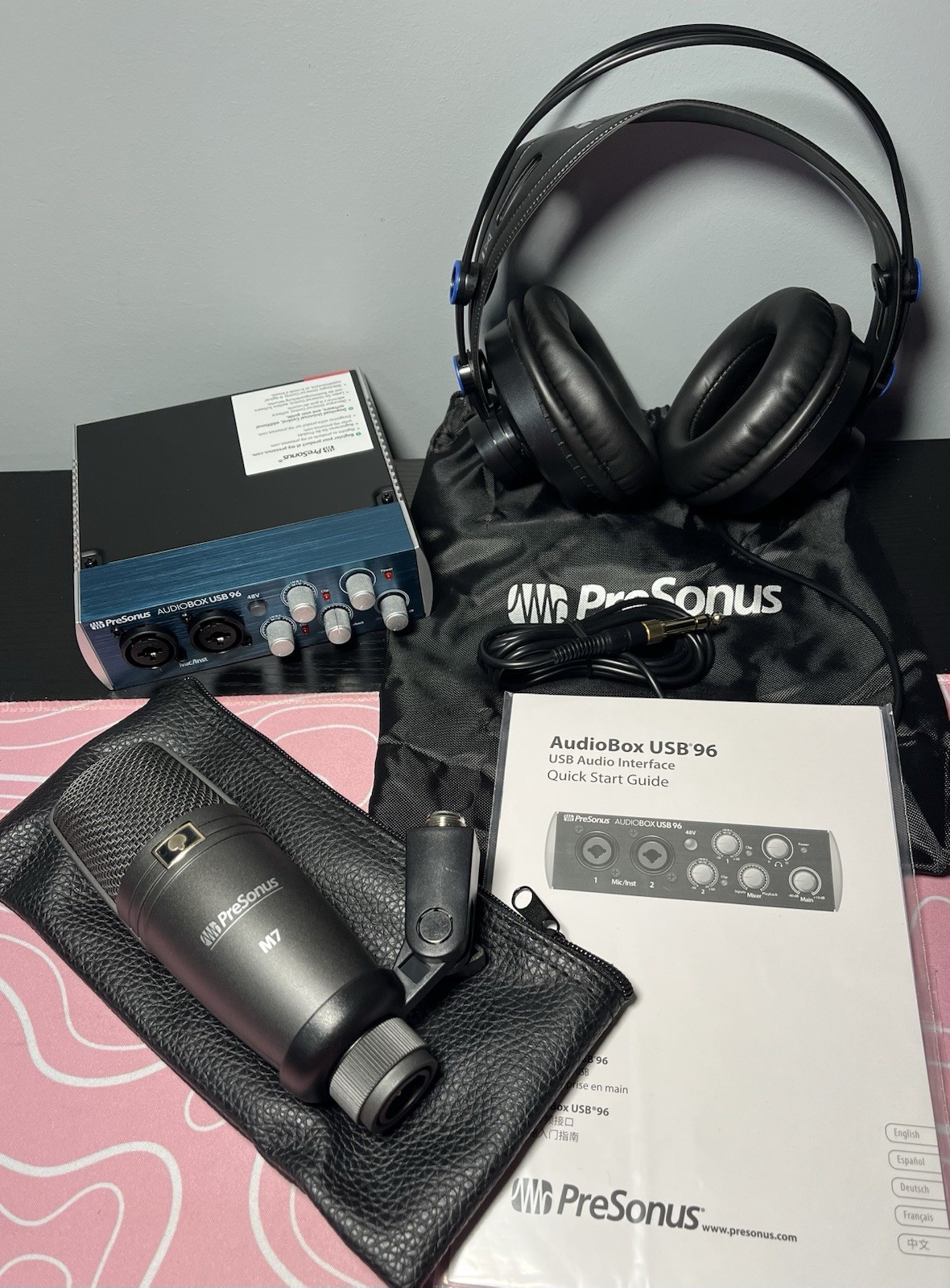
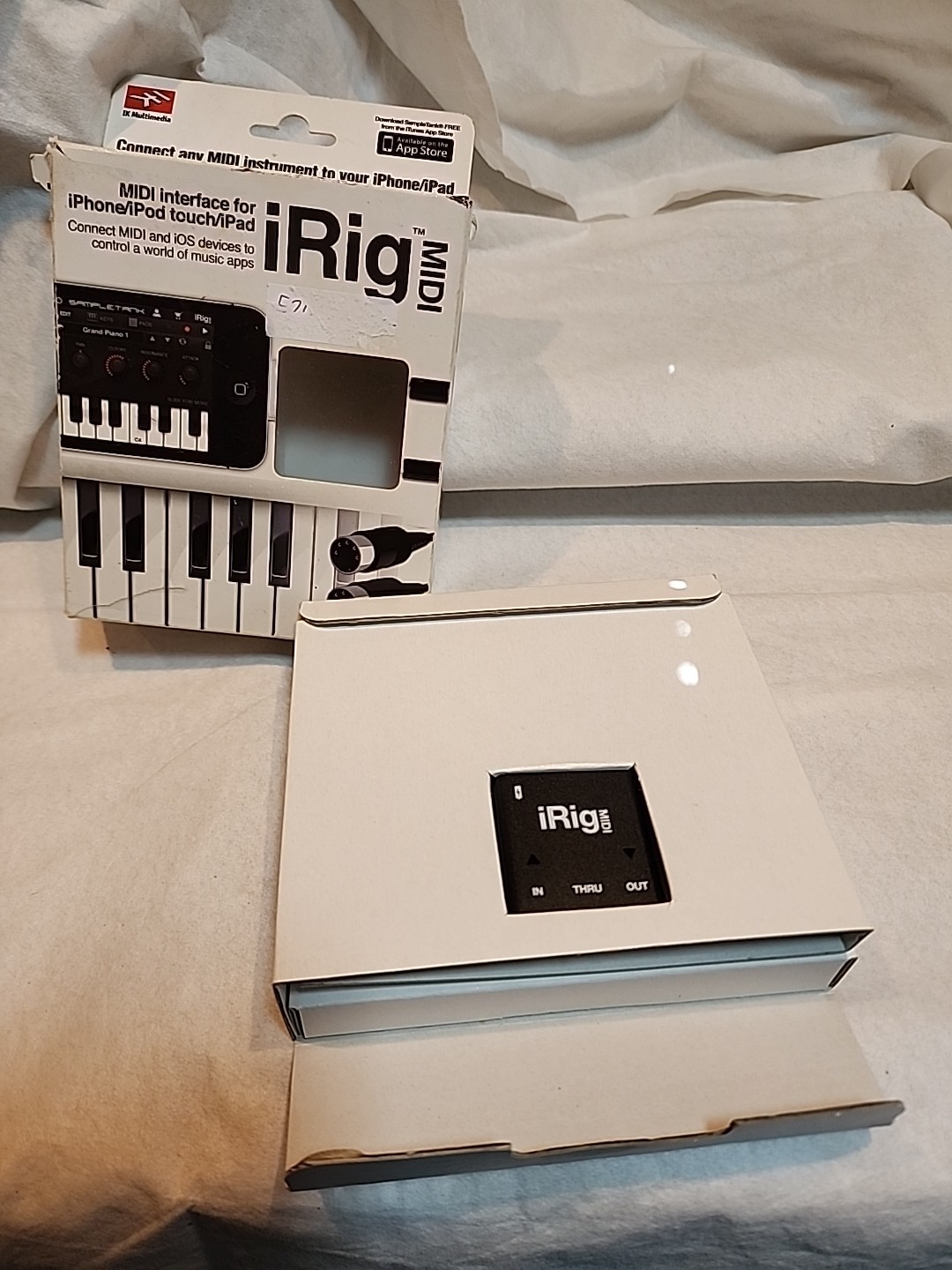
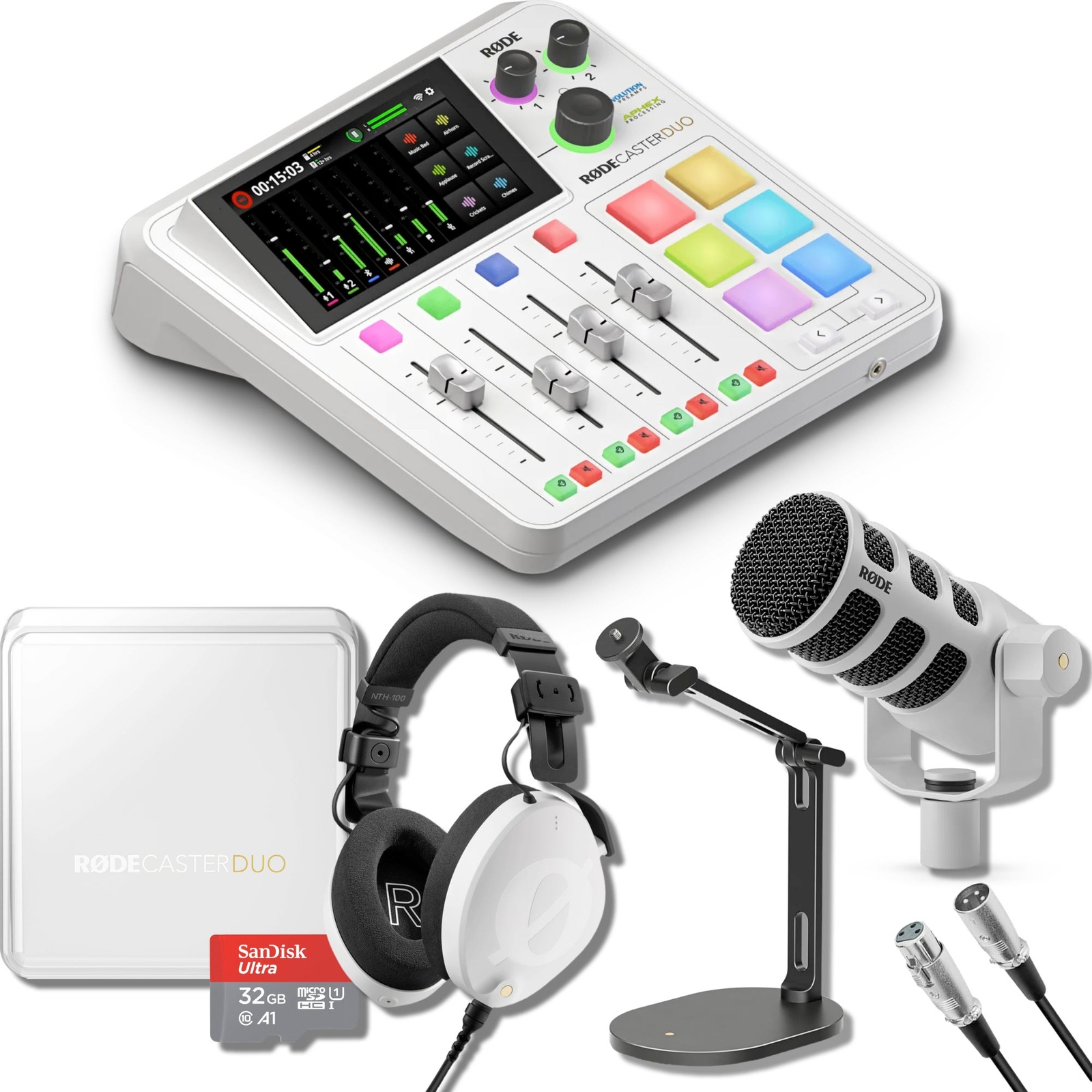

Related searches
What to check before buying
- Measure your desk space: the MiniFuse 2 occupies roughly 7.5 x 4.5 inches (19 x 11.5 cm) and needs clearance for rear-panel USB-C and output jacks.
- Verify your microphone impedance: the combo inputs accept XLR and 1/4-inch TRS; high-impedance instruments (guitar/bass) should use the Hi-Z switch on input 1.
- Check your computer's USB power delivery: the interface is bus-powered, so avoid unpowered hubs; connect directly or use a powered hub.
- Confirm you have headphones with a 1/4-inch adapter or native 1/4-inch plug; the headphone output is 1/4-inch only.
FAQ
Data sources: eBay / Amazon listings and product attribute feeds Data updated Nov 15, 2026.
Some links on this page are affiliate links. If you buy after clicking one, we may earn a commission at no extra cost to you. This does not change which products appear here or their order. Affiliate disclosure.