Photos from current listings. Actual item, color, and included accessories may vary.
Woofer Buying Guide
A woofer is the low-frequency driver that determines bass output, power handling, and reliability in PA, DJ, and instrument cabinets. The core trade-off is between high sensitivity for loud efficiency and long-throw excursion for deeper bass, with build quality (voice coil size, magnet grade, cone material) separating durable drivers from short-lived replacements. Choose by matching the driver's Thiele-Small parameters and power rating to your cabinet volume and amplifier, not by peak wattage alone.

At a glance
- Category
- Live Sound & Stage Lighting
- Data updated
- Nov 15, 2026
Current offers
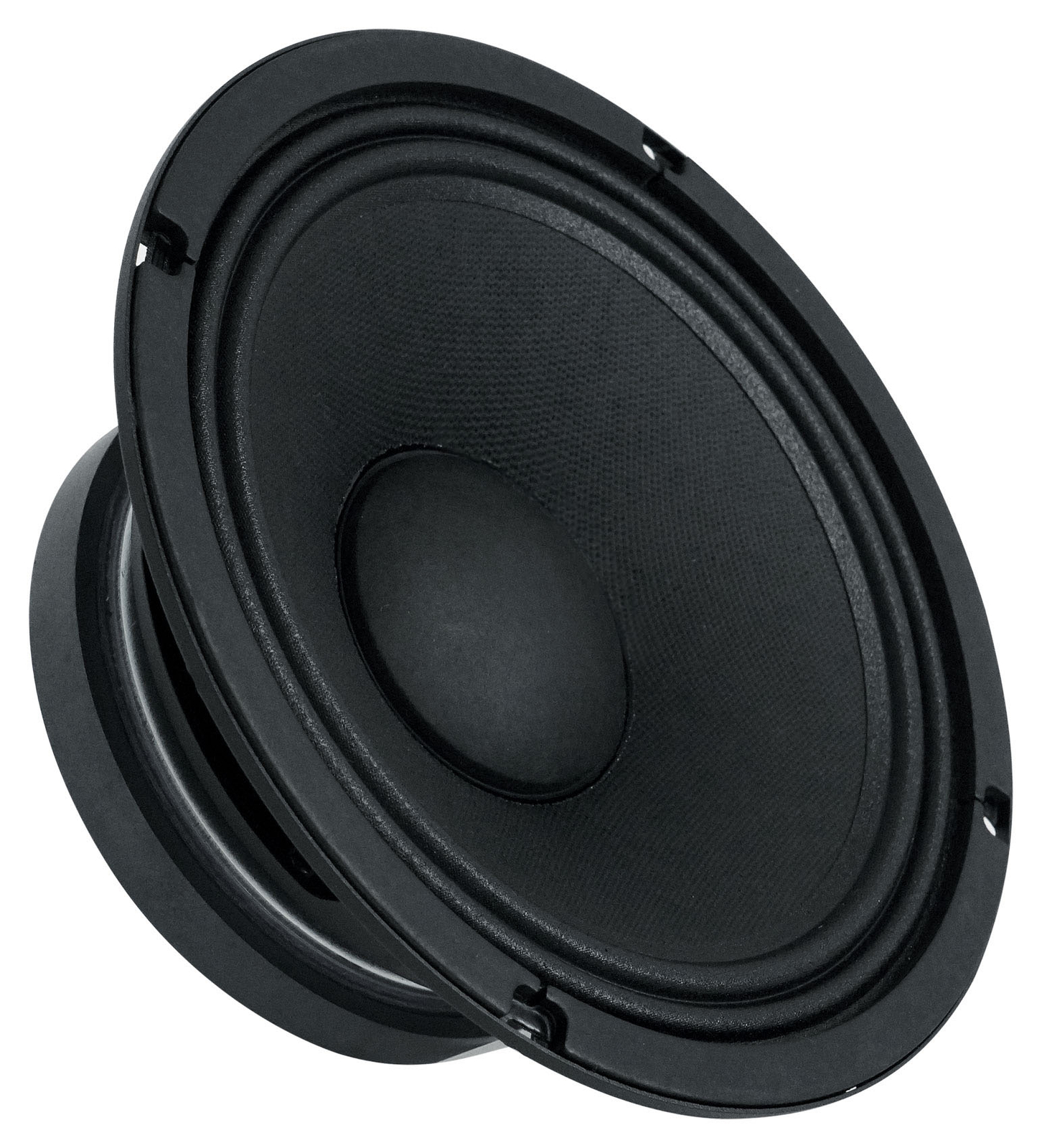 Celestion TF0818 200W 8" Pro Audio PA Woofer 8 Ohm Mid/Bass Driver$65.60
 View on eBay
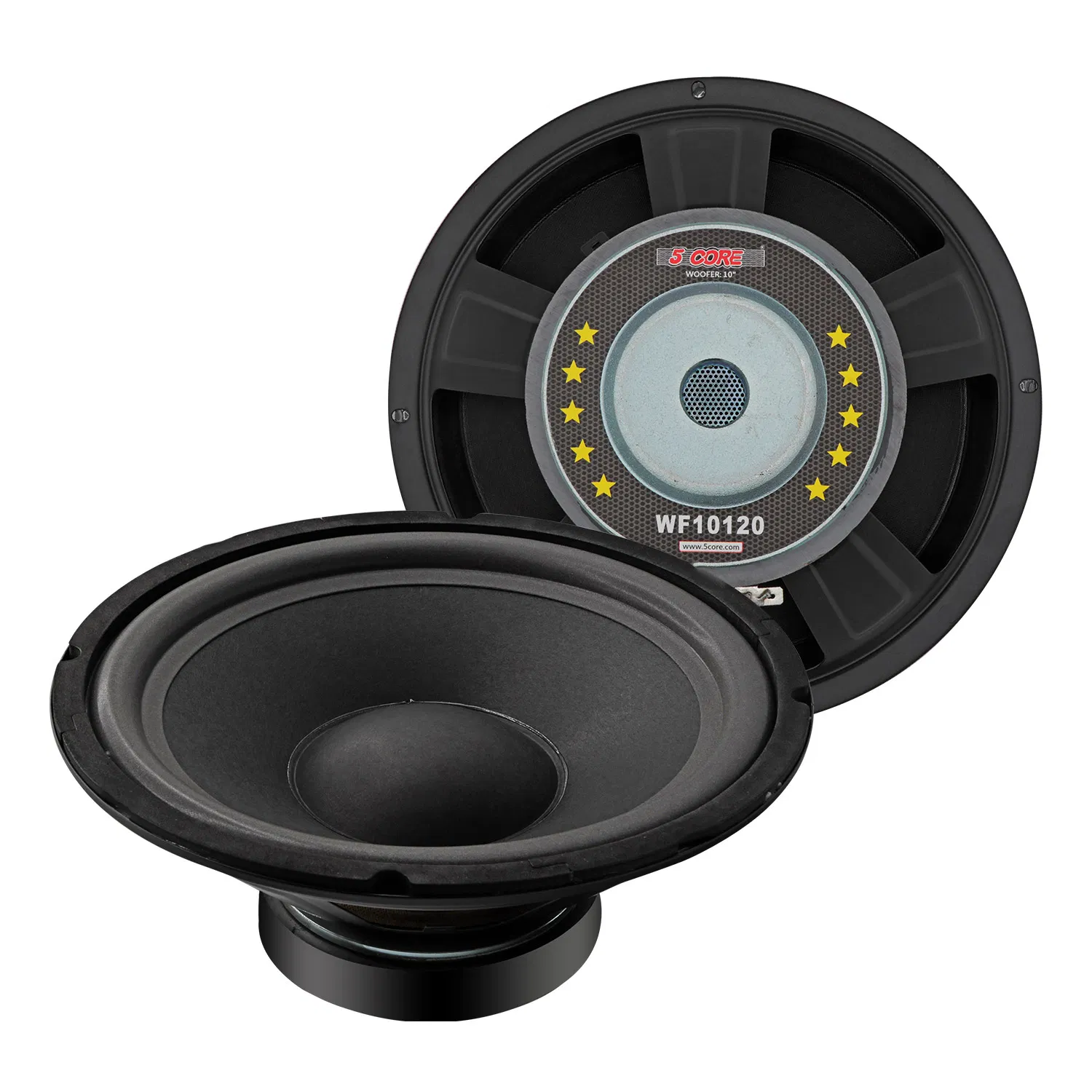 5Core 10 inch Subwoofer Speaker 600W Peak 8Ohm PA DJ Replacement Sub Woofers$52.99
 View on Mallflare
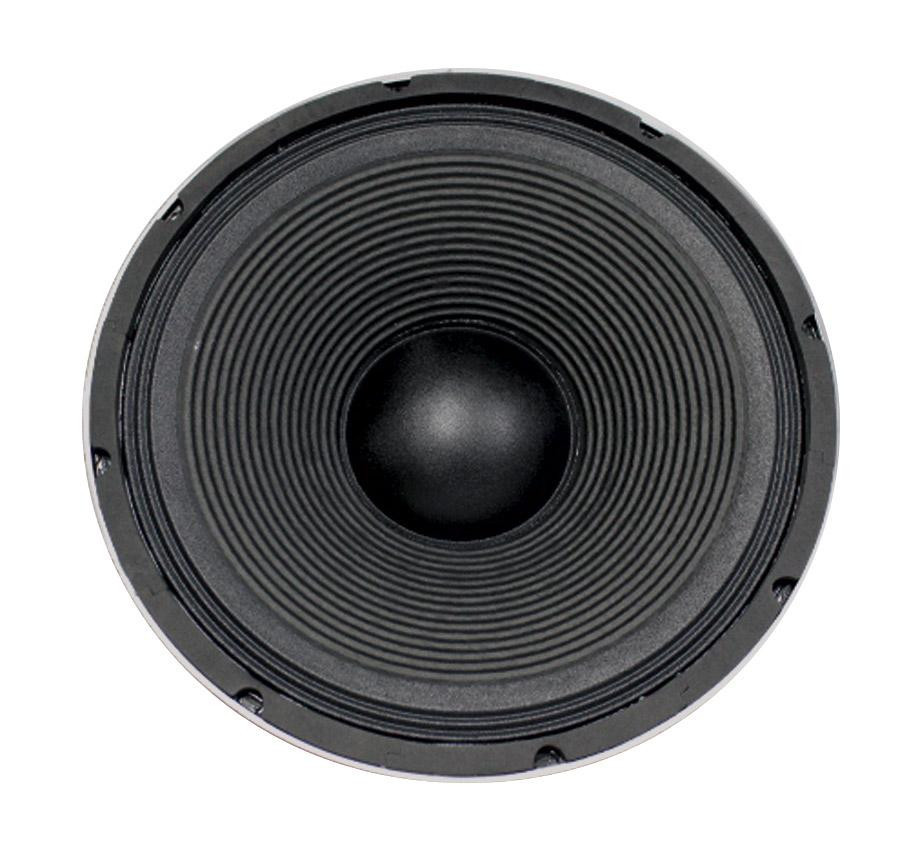 NEW 15" Woofer Speaker Guitar Pro Audio 8ohm DJ Driver fifteen inch Subwoofer$79.00View on eBay
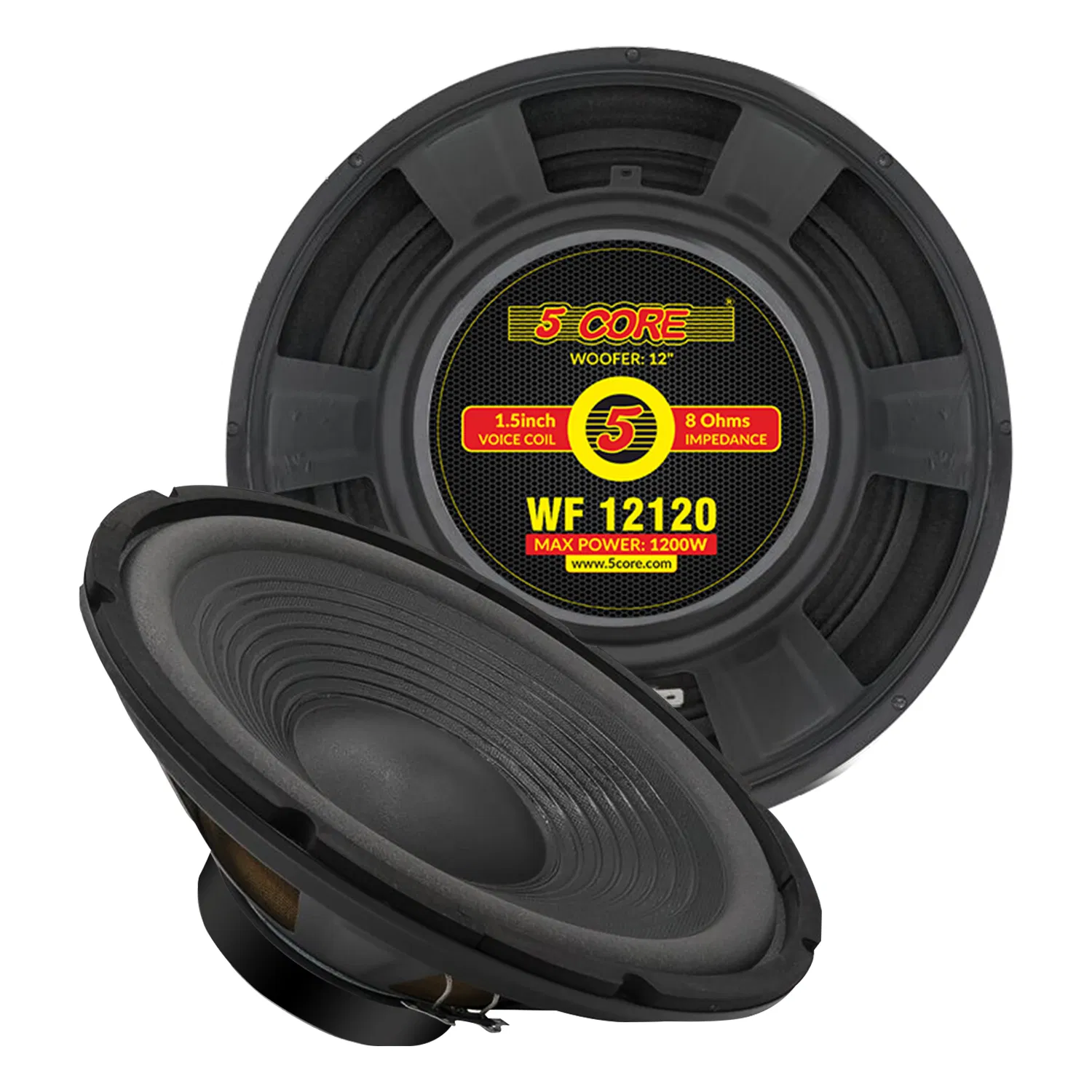 5Core 12 Inch DJ Subwoofer Speaker 1200W Peak 8Ohm Audio Replacement Sub woofer$77.99View on Mallflare
 Eminence DELTA 12LFA 12" 8ohm Pro Audio Subwoofer Woofer Speaker 1000W 2.5 in VC$139.99View on eBay
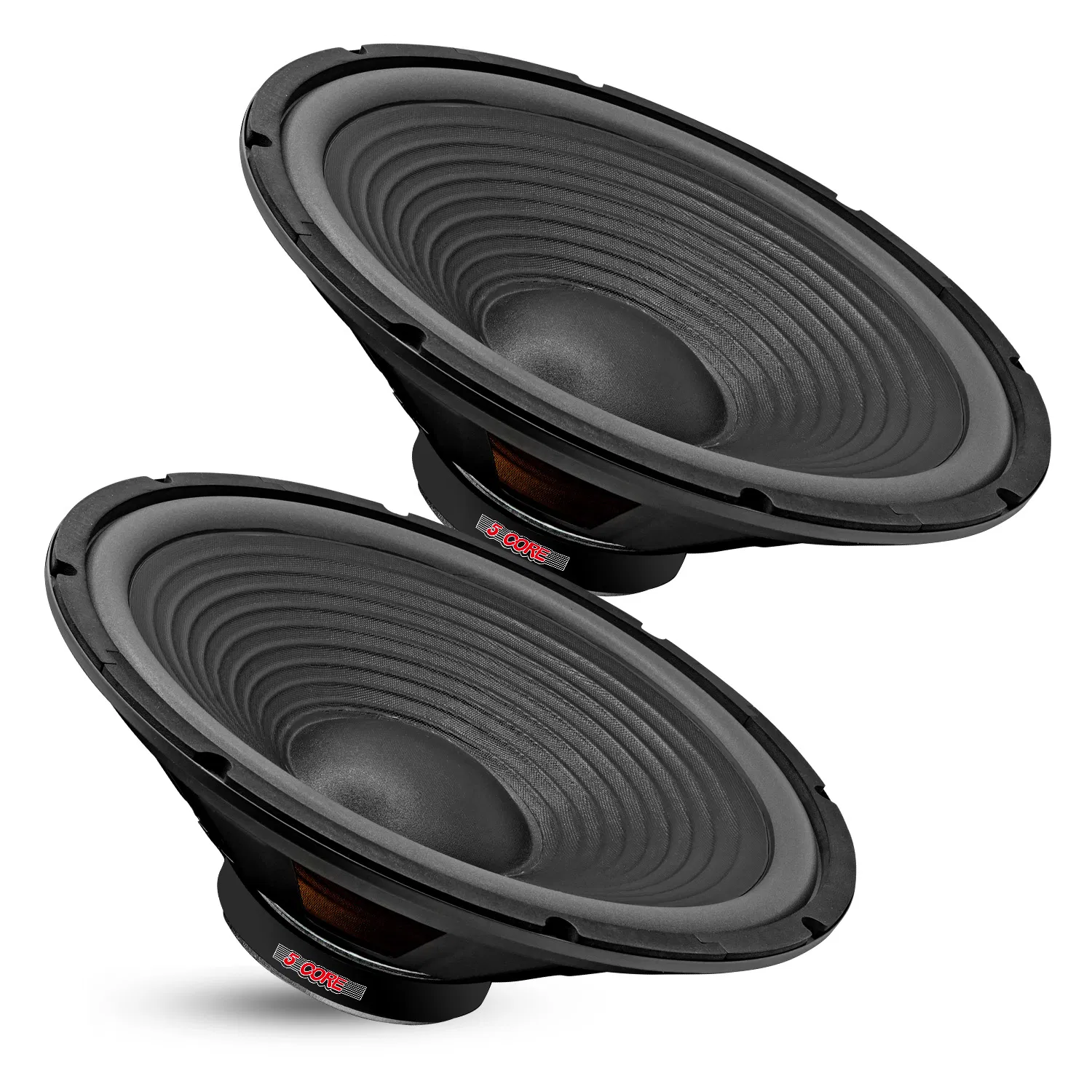 5 Core 15" Subwoofer Speaker Pair 450W MAX PA DJ Replacement Audio Sub Woofer 8Ohm Bass Driver$92.99View on Mallflare
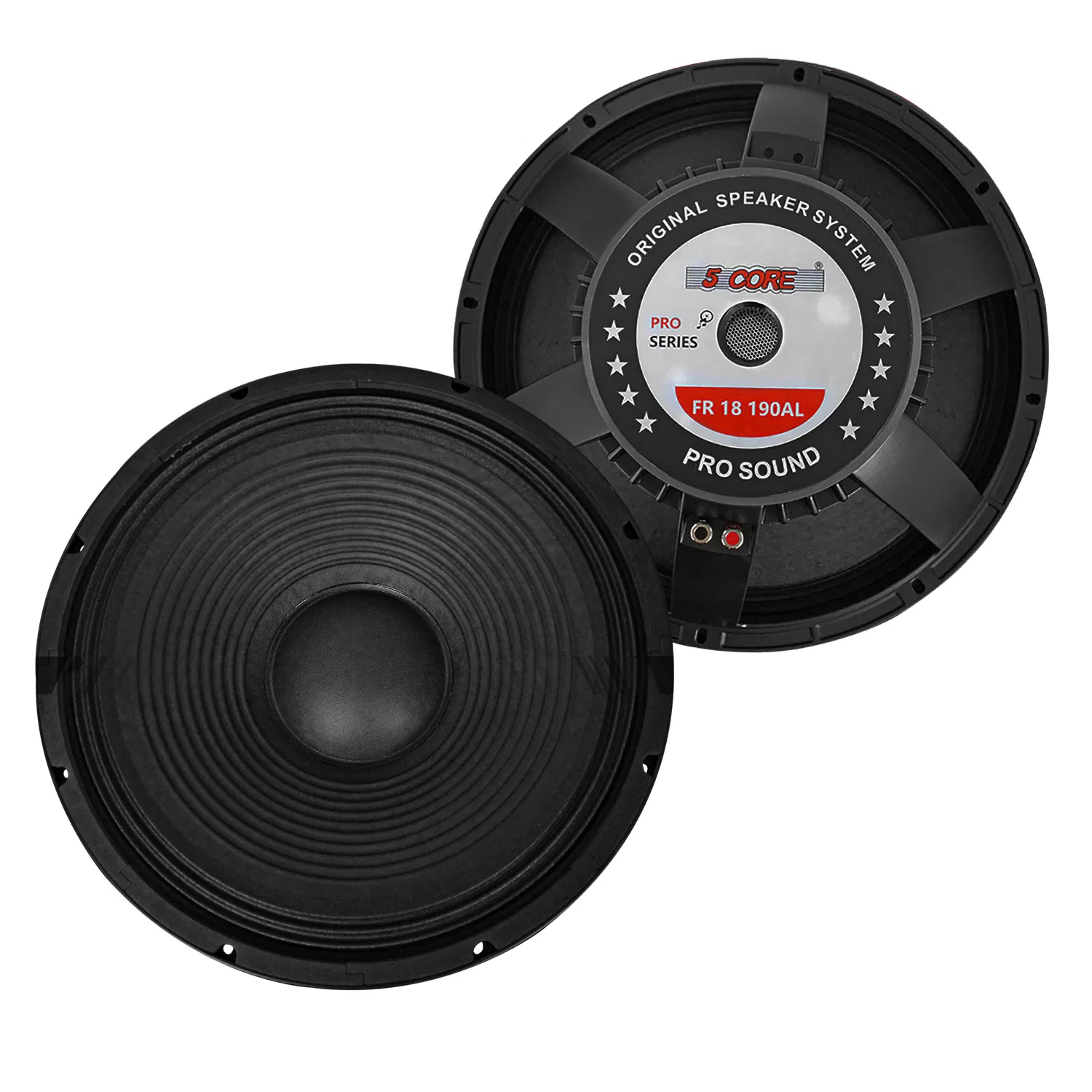 5Core 18 Inch Subwoofer Speaker 1200W Max 8Ohm Full Range Replacement DJ Sub Woofer$152.99View on Mallflare
Highlights
- Voice coil diameter is the primary durability metric: 1.5–2 in coils suit low-power monitors, 2.5–3 in coils handle sustained PA use, and 4 in coils are required for high-excursion subwoofer duty.
- Sensitivity (dB 1W/1m) determines output per watt: 95–100 dB drivers are efficient for PA mids, while 88–92 dB long-throw subwoofers trade efficiency for deeper bass extension.
- Magnet grade and weight (ferrite vs neodymium) affect thermal power handling and cabinet weight; neodymium saves 30–50% weight but costs more and requires careful thermal design.
- Peak vs RMS power ratings differ by roughly 2:1; a 600W peak driver is typically a 300W RMS driver, and continuous power handling should be matched to amplifier RMS output.
Best use cases
- Best fit: 12–15 in, 2.5–3 in voice coil drivers with 8-ohm impedance for DJ and live PA subwoofers where high SPL and reliability matter; skip 1.5 in coil budget drivers for sustained high-volume use.
- Best fit: 8–10 in mid/bass drivers with 90–95 dB sensitivity for compact PA tops and monitors; skip long-throw subwoofer drivers for midrange applications because their low sensitivity wastes amplifier power.
- Best fit: 4-ohm or dual-voice-coil drivers only when your amplifier is rated for 4-ohm loads; skip them on 8-ohm-only amps to avoid overheating and shutdown.
- Best fit: instrument-specific woofers (guitar/bass) with controlled cone breakup for musical midrange; skip PA subwoofers for guitar cabinets because their voicing and efficiency are mismatched.
Buying tips
- Match driver size to cabinet cutout and mounting depth: 15 in drivers typically need 14.1–14.3 in cutout and 6–8 in depth; measure before ordering a replacement.
- Use the cabinet's internal volume and tuning frequency to select drivers with compatible EBP (efficiency bandwidth product): EBP >100 favors ported boxes, EBP <50 favors sealed boxes.
- Power-match amplifier RMS output to driver RMS rating within ±20%; underpowering causes clipping damage, while overpowering risks thermal failure without a limiter.
- Prefer 8-ohm drivers for single-driver cabinets and parallel pairs for 4-ohm loads; confirm amplifier minimum impedance before wiring dual subwoofers.
Specs
| Driver Size | 8 / 10 / 12 / 15 in |
|---|---|
| Voice Coil | 1.5–4 in diameter |
| Impedance | 4 / 8 ohm (DVC options) |
| Power Rating | RMS 200–1000W (peak 2x) |
Related searches
What to check before buying
- Measure cabinet cutout diameter, bolt circle, and internal depth; verify the replacement driver's frame and magnet clearance fit without contacting the back panel.
- Confirm amplifier minimum impedance and RMS power per channel; ensure the driver's impedance and RMS rating align with the amp's continuous output.
- Check cabinet tuning and volume against the driver's Thiele-Small parameters (Vas, Qts, Fs) to avoid boomy or weak bass response.
- Verify mounting hardware and gasket sealing; a leaky baffle gasket reduces bass output and can cause driver damage from over-excursion.
FAQ
Data sources: eBay / Amazon listings and product attribute feeds Data updated Nov 15, 2026.
Some links on this page are affiliate links. If you buy after clicking one, we may earn a commission at no extra cost to you. This does not change which products appear here or their order. Affiliate disclosure.