Photos from current listings. Actual item, color, and included accessories may vary.
Live Sound Buying Guide
Live sound covers the signal chain and structural support that turn a performance into a room-filling event: mixers and interfaces, PA speakers, stage lighting, and truss. The core trade-off is channel count and DSP flexibility versus build grade and rigging safety. Buy the console for your input count and the truss for its certified load rating; anything else is a compromise.

At a glance
- Category
- Live Sound & Stage Lighting
- Data updated
- Nov 15, 2026
Current offers
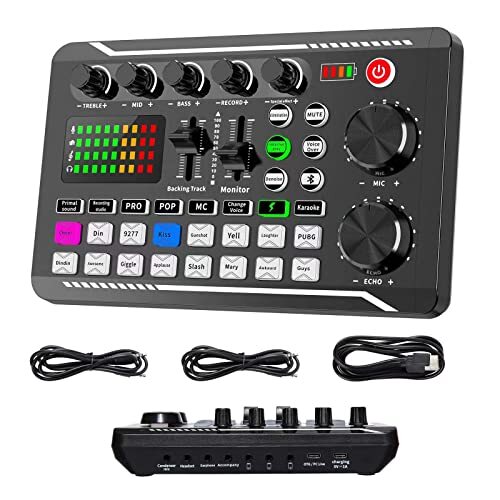 Professional Audio Mixer Live Sound Card and Audio Interface with DJ Mixer Ef...$35.99
 View on eBay
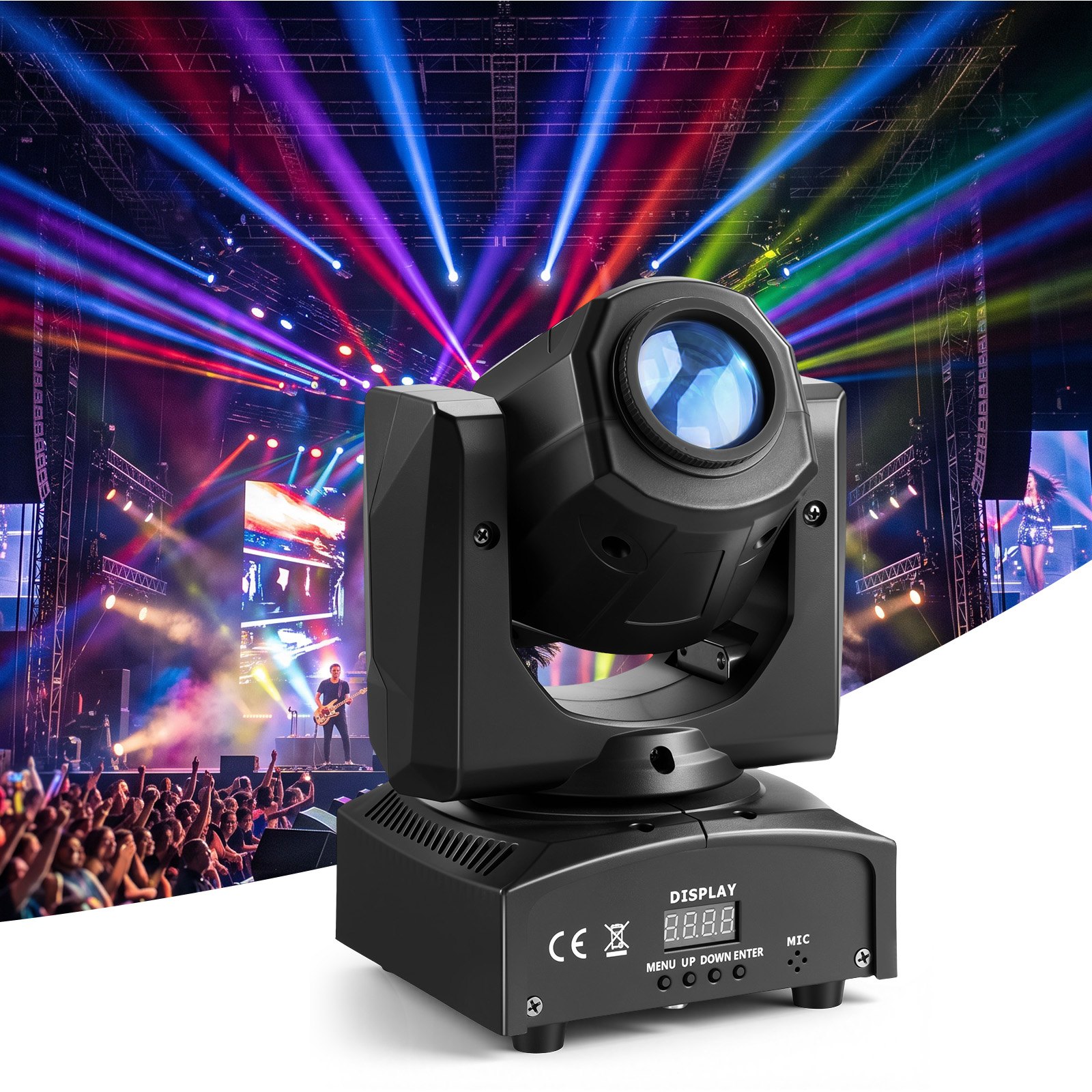 LED Moving Head Light, 30W RGB Stage DJ Lighting Black 1 Pack, Spotlight for Weddings, Parties, Events, Live Show, 8 Gobos & 8 Color, 540° Pan & 270° Tilt, DMX Control, Sound Activated$100.99
 View on Mallflare
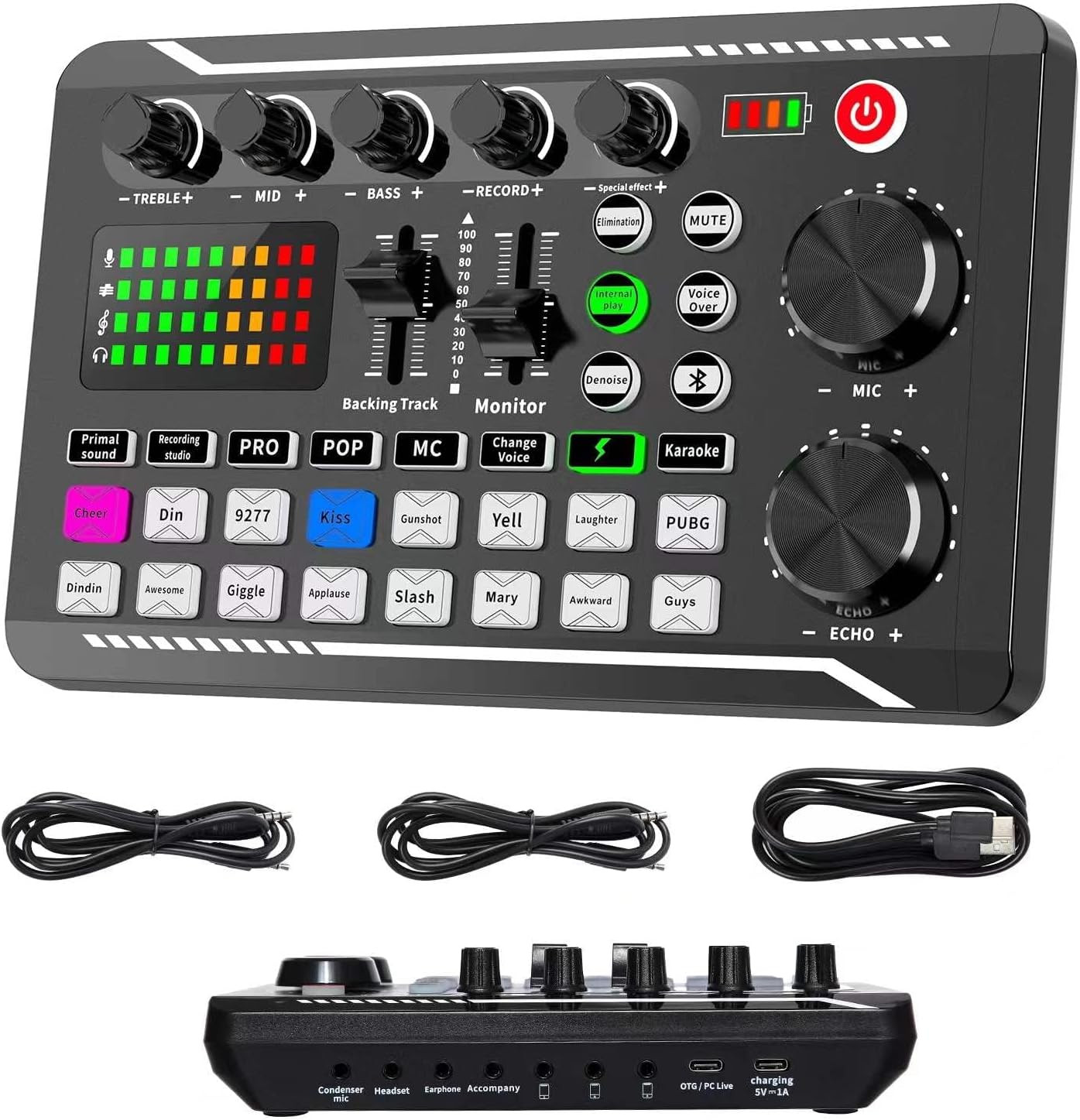 Professional Audio Mixer, Live Sound Card and Audio Interface with DJ Mixer Eff$40.56View on eBay
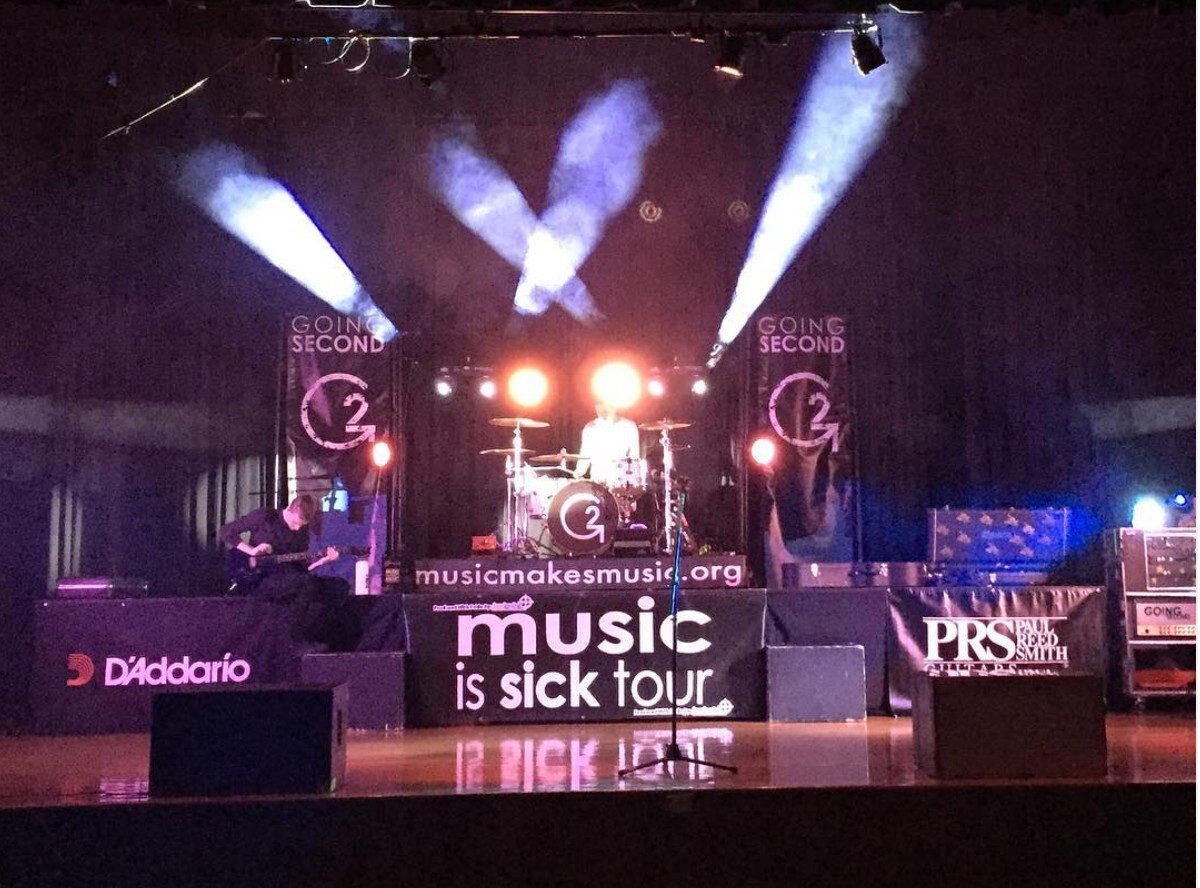 Complete live sound and stage production setup$16,000.00View on eBay
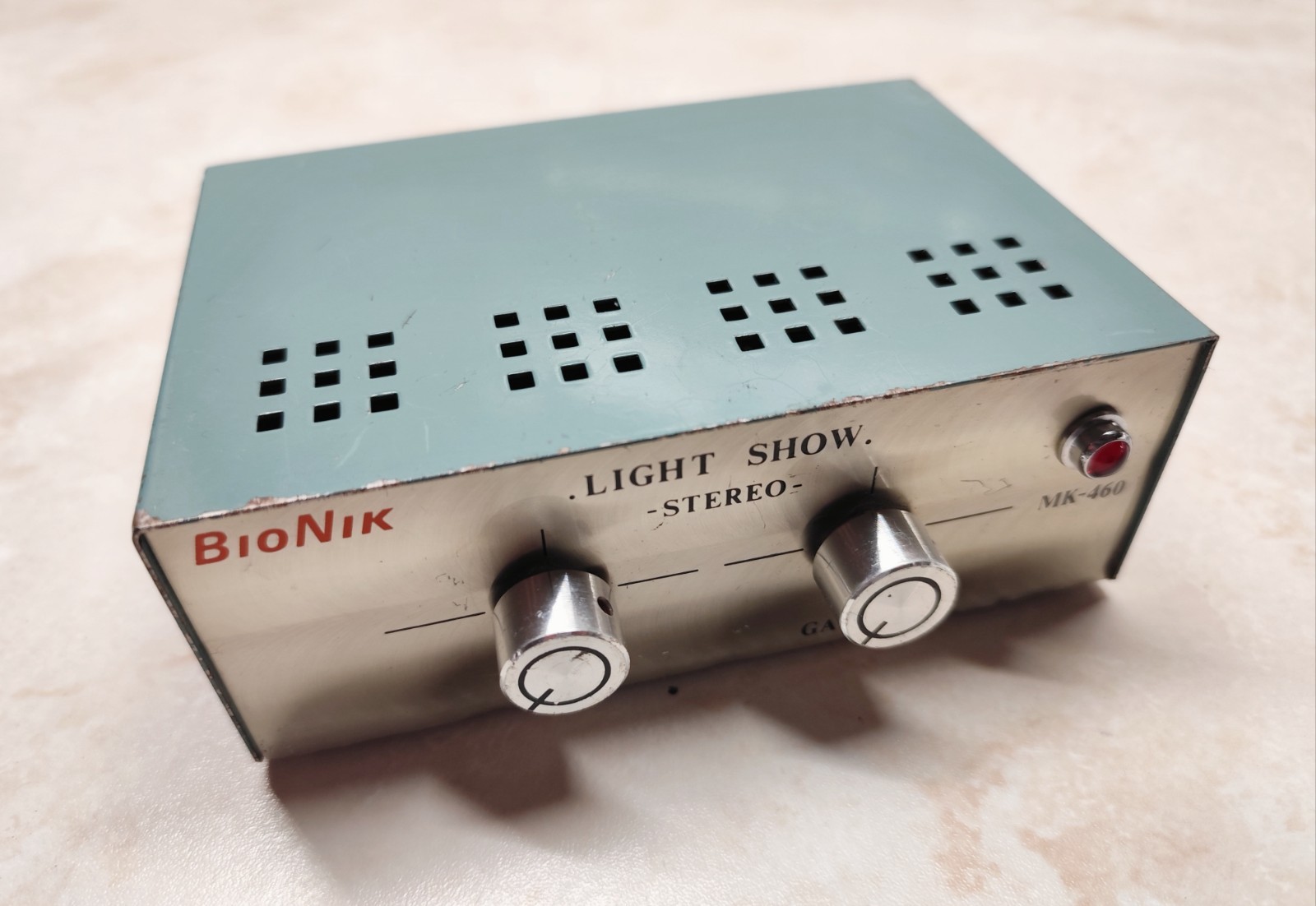 Vintage BioNik Sound Light Controller Stereo Disco Retro DJ Live Stage Effect$52.00View on eBay
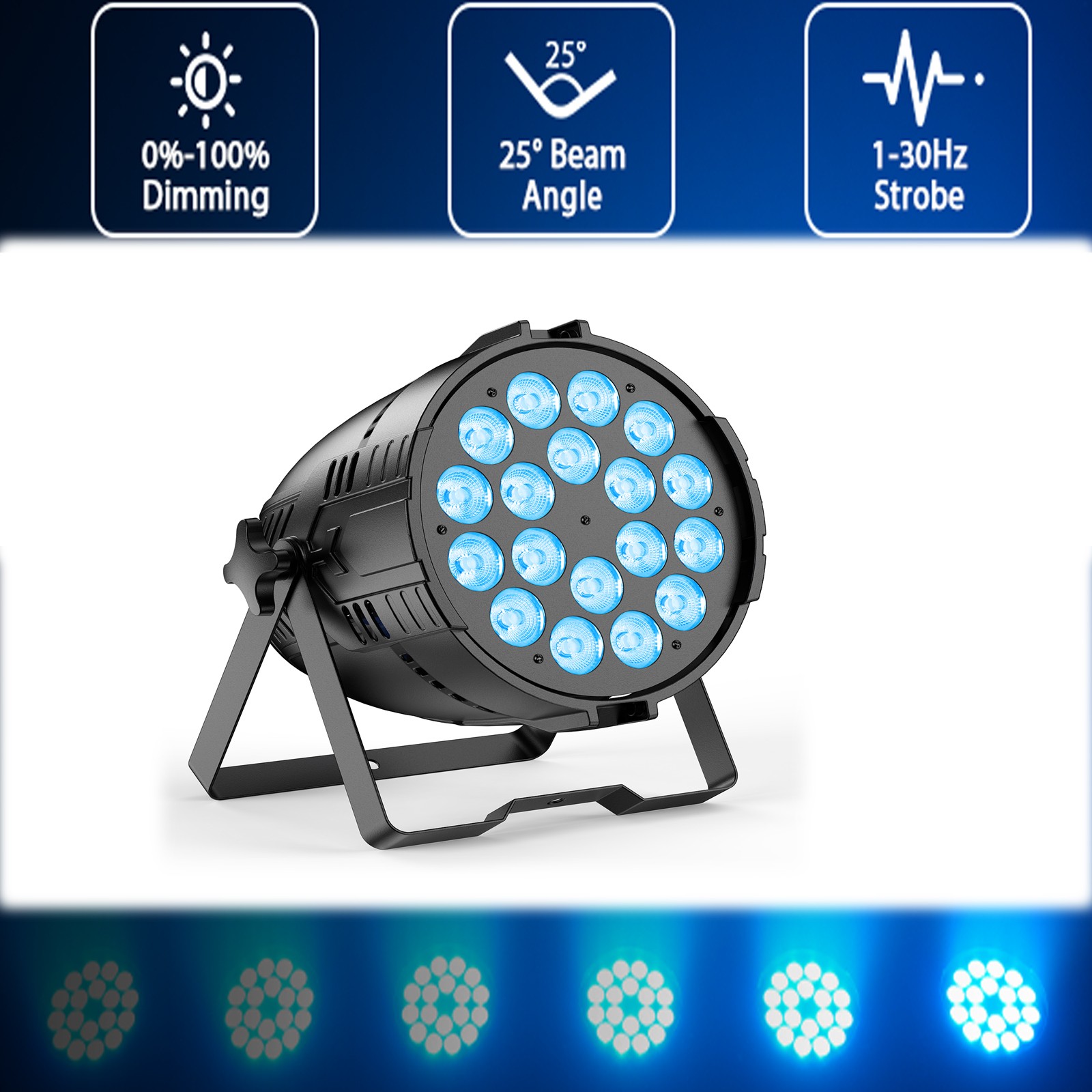 18 LED Par Can Lemon Green & RGB Mixing, Sound & DMX Control Live Bar Events$75.89View on eBay
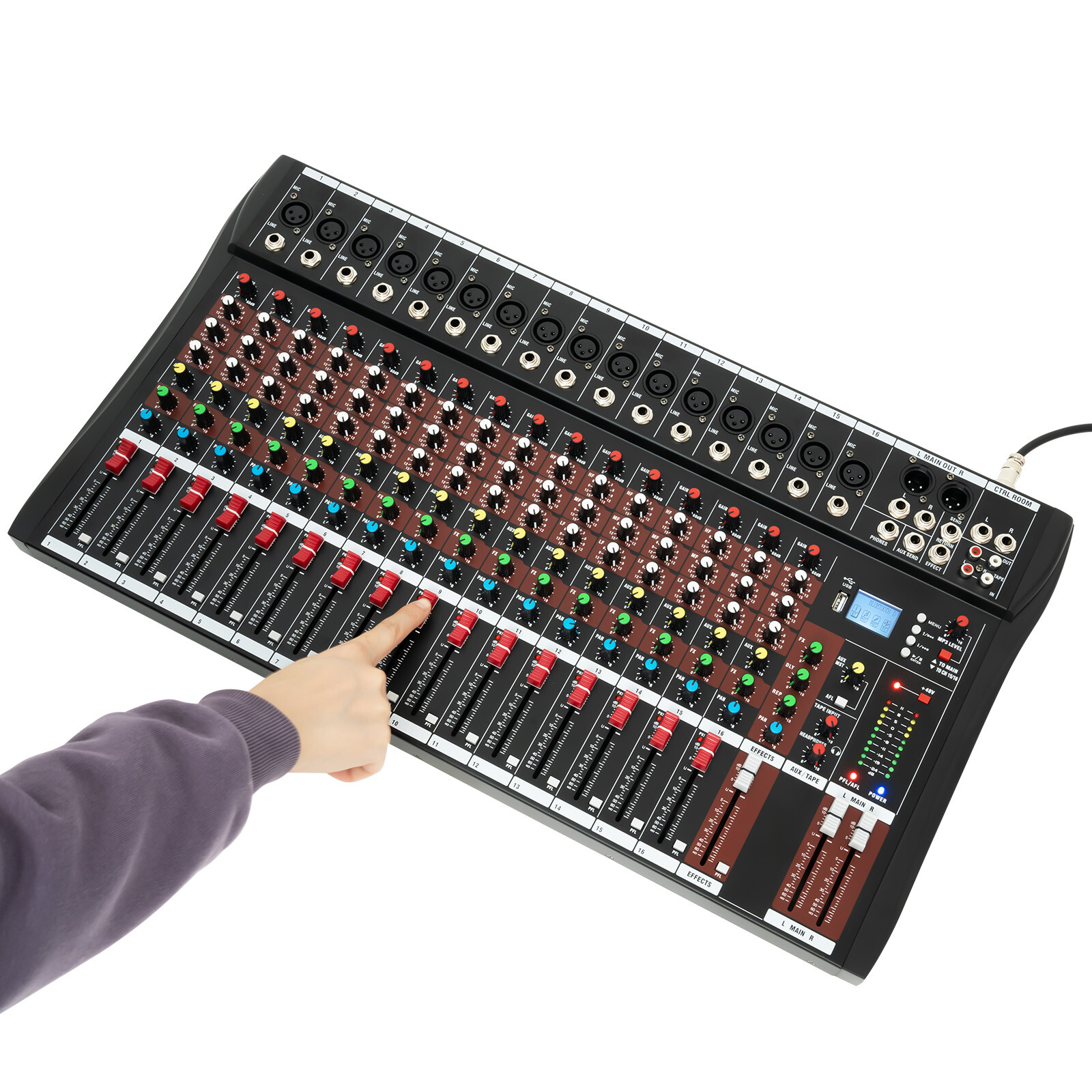 Professional 16 Channels Bluetooth Line Live Mixing Studio Audio Sound Mixer USB$120.85View on eBay
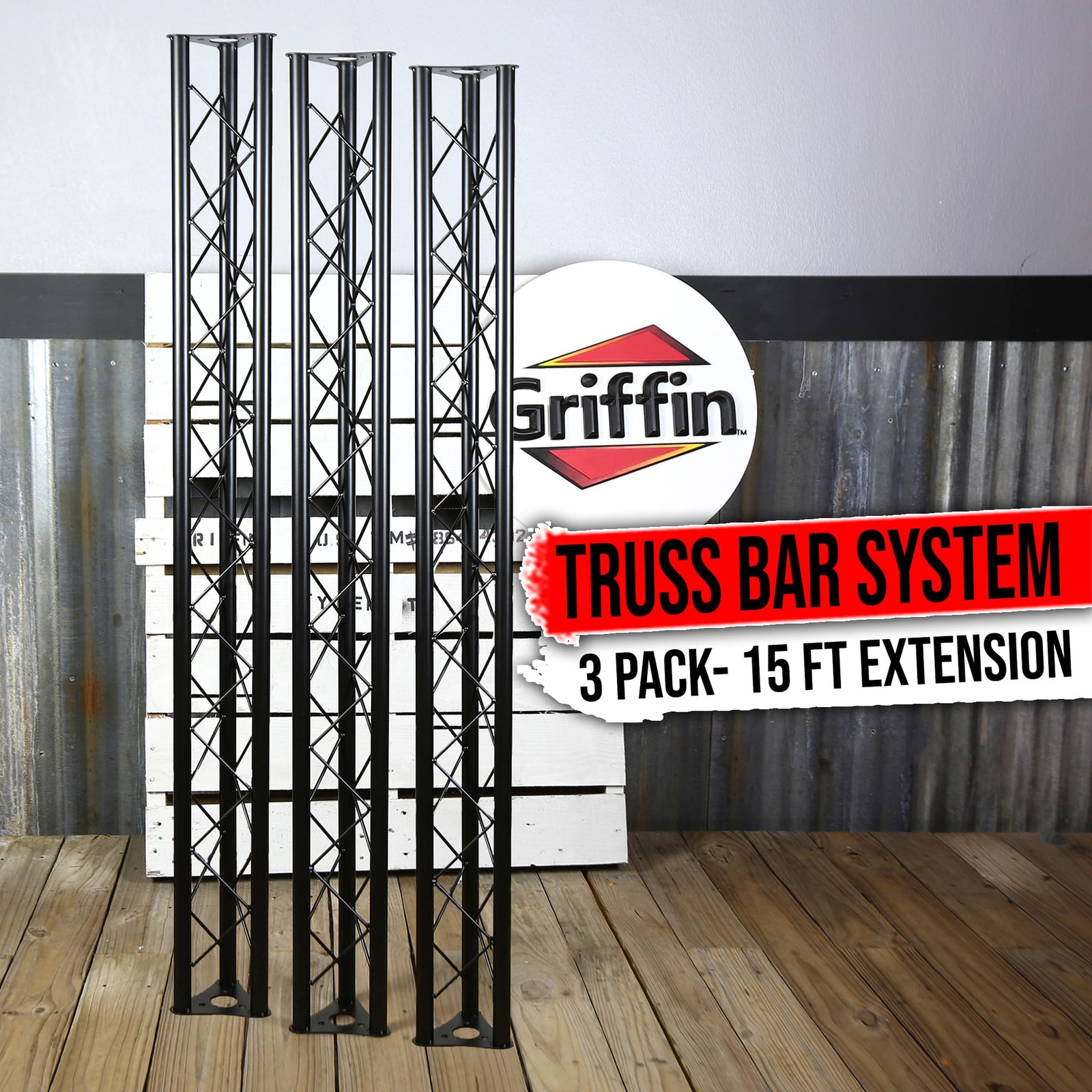 GRIFFIN Triangle Truss Segment 3-PACK | Live Stage Gigs Sound Effects Gear Cans$244.32View on eBay
Highlights
- Analog mixers offer immediate hands-on control and zero latency; digital consoles add per-channel DSP, scene recall, and multi-track USB recording.
- Class D amplification delivers high output at low weight, while Class AB remains common in budget combos with heavier transformers and lower efficiency.
- Truss load rating is governed by tube wall thickness, alloy grade (6061-T6 vs generic aluminum), and span; a 15 ft triangle segment needs engineered center support or reduced load.
- LED fixtures are rated by lumen output, beam angle, and DMX channel count; 30W RGB moving heads suit small stages while larger venues need 100W+ fixtures.
Best use cases
- Solo acoustic or duo gig: choose a compact analog mixer with 4-8 mic preamps and a pair of 10-12 inch powered speakers; skip 16-channel digital consoles and full truss systems.
- Small club band with backing tracks: pick a 12-16 channel digital mixer with USB multi-track recording and 2-4 LED par cans on a single T-bar; skip entry analog mixers with no scene memory.
- Corporate event or wedding: select a 16-channel console with Bluetooth playback, four 30W moving heads, and a ground-supported 15 ft triangle truss; skip bulky fixed-install truss that cannot be reconfigured.
- Festival or multi-act stage: use 24+ channel digital consoles with stage boxes, 100W+ moving heads, and certified box truss with engineered load calculations; skip consumer-grade aluminum segments for overhead loads.
Buying tips
- Match mixer channel count to your input list plus 25% headroom; a five-piece band with drums typically needs 16 channels.
- Choose powered speakers over passive unless you already own amplifiers; Class D powered tops deliver consistent power matching and lighter transport.
- For truss, demand alloy and wall-thickness specs; 2-inch tubing with 0.08-inch wall in 6061-T6 aluminum handles light duty, thinner walls demand shorter spans.
- Verify DMX compatibility: fixtures and controllers must share 3-pin or 5-pin XLR; 5-pin is the professional standard for long runs.
Specs
| Mixer Channels | 4-8 / 12-16 / 24-32 |
|---|---|
| Speaker Power | Class D powered: 500-2000W |
| Truss Alloy | 6061-T6 aluminum / steel |
| DMX Standard | 3-pin or 5-pin XLR |
Related searches
What to check before buying
- Measure your stage or venue footprint and ceiling height; a 15 ft triangle truss needs at least 16 ft of clear width and 10 ft overhead clearance.
- Confirm floor load capacity for ground-supported truss and speaker stacks; suspended truss requires certified rigging points.
- Check venue power: 20A circuits support small PA and LED rigs, while amplifier racks and large lighting need 30A+ or multiple dedicated circuits.
- Verify plug standards and voltage for your region; North American gear uses 120V NEMA 5-15, European venues use 230V Schuko.
FAQ
Data sources: eBay / Amazon listings and product attribute feeds Data updated Nov 15, 2026.
Some links on this page are affiliate links. If you buy after clicking one, we may earn a commission at no extra cost to you. This does not change which products appear here or their order. Affiliate disclosure.