Photos from current listings. Actual item, color, and included accessories may vary.
Mixer With Bluetooth Buying Guide
A mixer with Bluetooth combines a conventional analog or digital mixing console with a wireless audio input, letting phones, tablets, or laptops stream backing tracks, karaoke audio, or break music without cabling. The core trade-off is channel count and channel-strip quality versus the version and range of the Bluetooth module—older SBC-only receivers add latency and compress dynamics, while aptX Low Latency modules keep video-sync tight. The decision rule: choose a console with at least 8 full channel strips, a Bluetooth 5.x receiver, and per-channel EQ/aux sends if you need dependable live use; skip bare 4-channel mini mixers with fixed EQ for anything beyond a solo podcast.

At a glance
- Category
- Live Sound & Stage Lighting
- Data updated
- Nov 15, 2026
Current offers
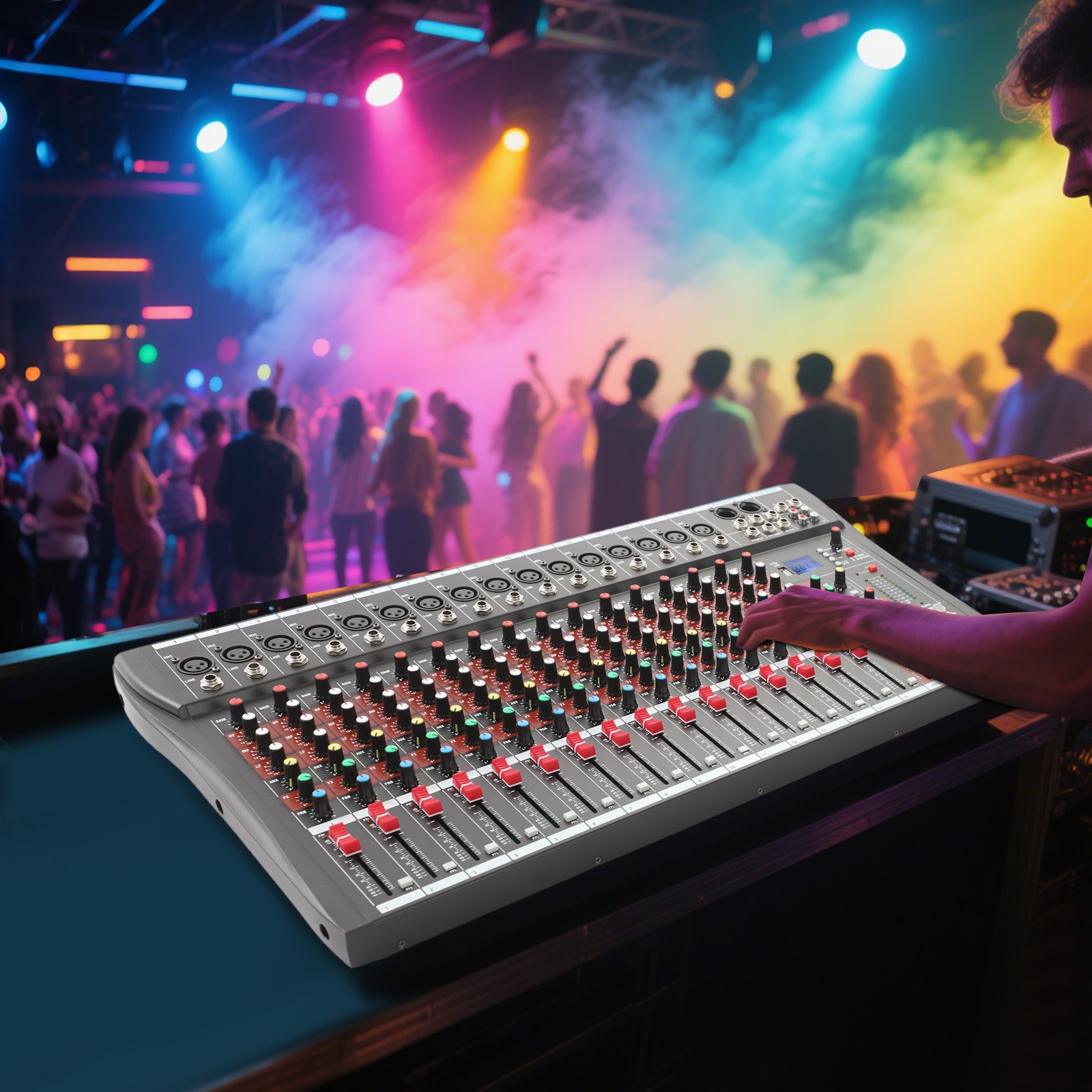 16 Channel Studio Audio Mixer Bluetooth USB Digital Sound Mixing Console Board$104.07
 View on eBay
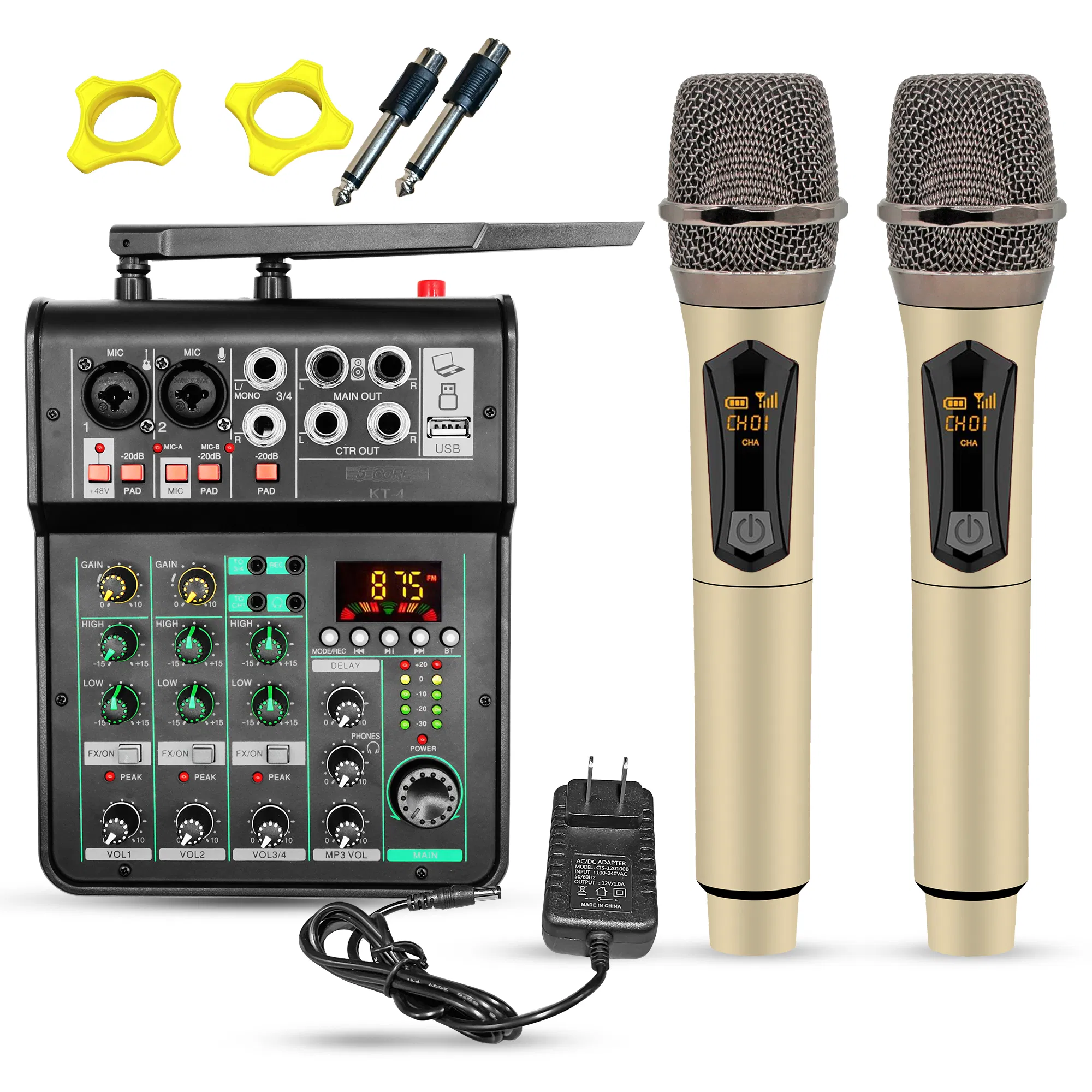 5 Core Audio Mixer Sound Board 4 Channel XLR Stereo Receiver w Bluetooth USB Microphone PA Karaoke Music Podcast Mixing Soundboard Mini Mezcladora Para DJ - MX 4CH 2MIC GLD$93.99
 View on Mallflare
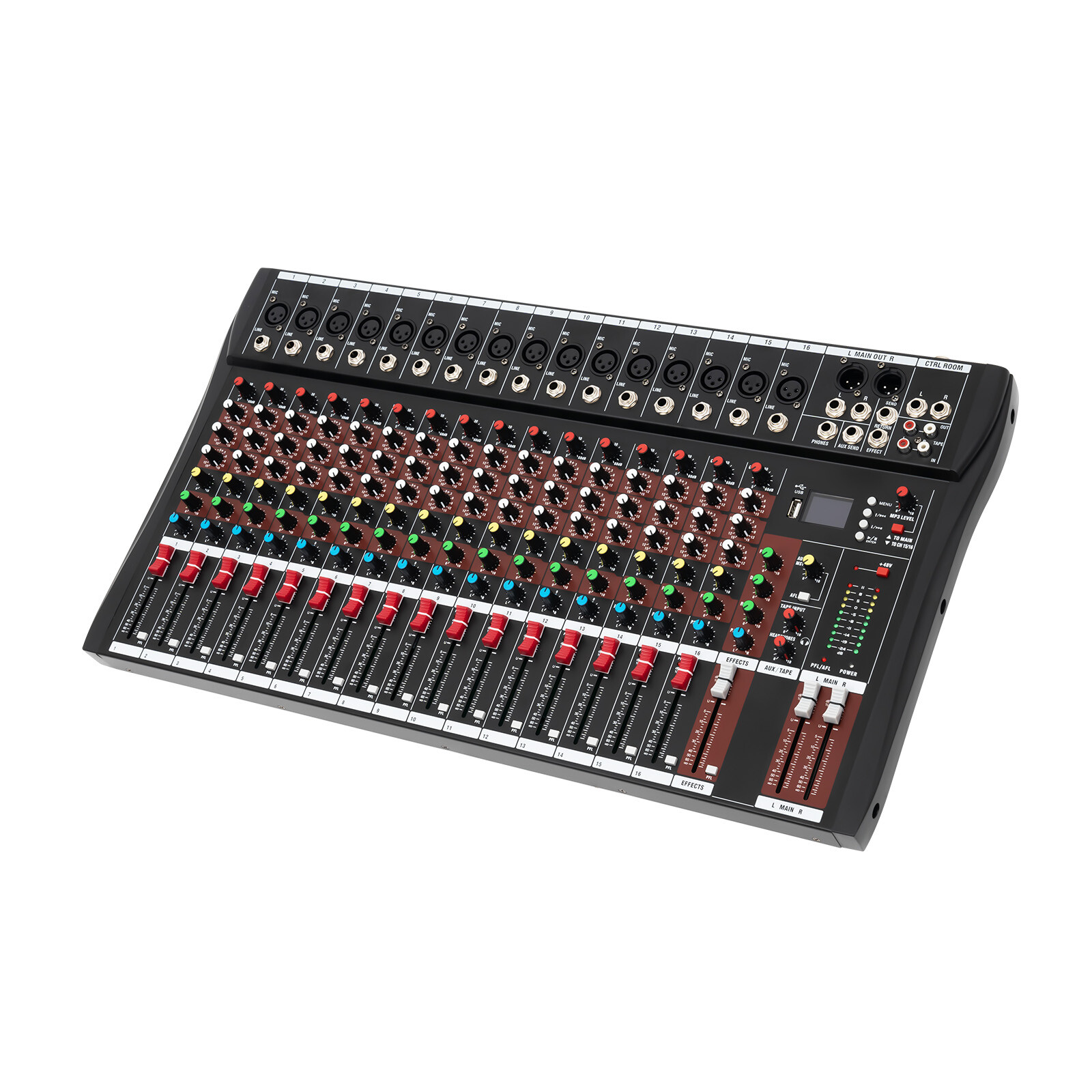 16 Channel Studio Audio Mixer Bluetooth USB Digital Sound Mixing Console Board$120.85View on eBay
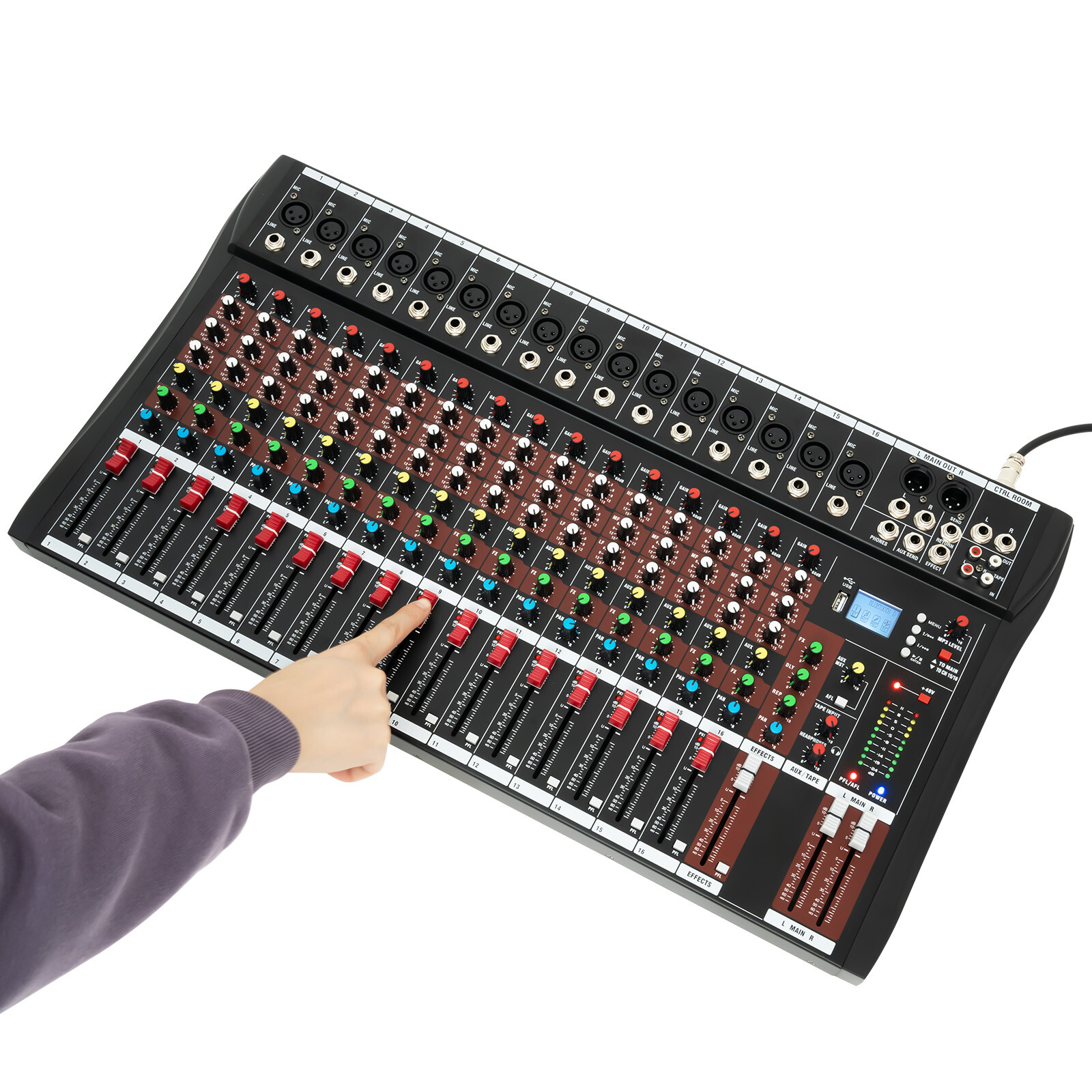 16 Channel Studio Audio Mixer Bluetooth USB Digital Sound Mixing Console Board$120.85View on eBay
- 16 Channel Studio Audio Mixer Bluetooth USB Digital Sound Mixing Console Board$120.85View on eBay
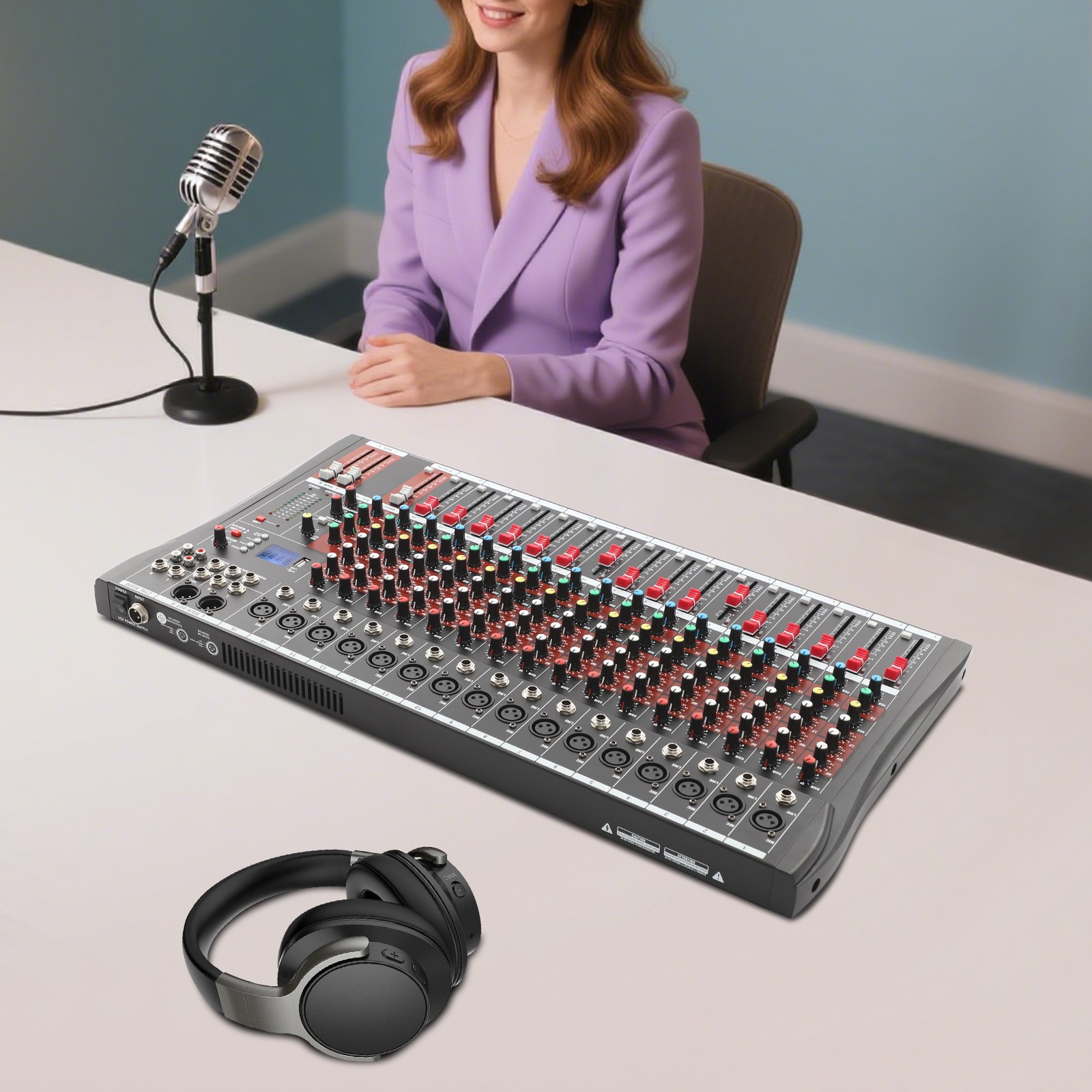 16 Channel Studio Audio Mixer Bluetooth USB Digital Sound Mixing Console Board$120.85View on eBay
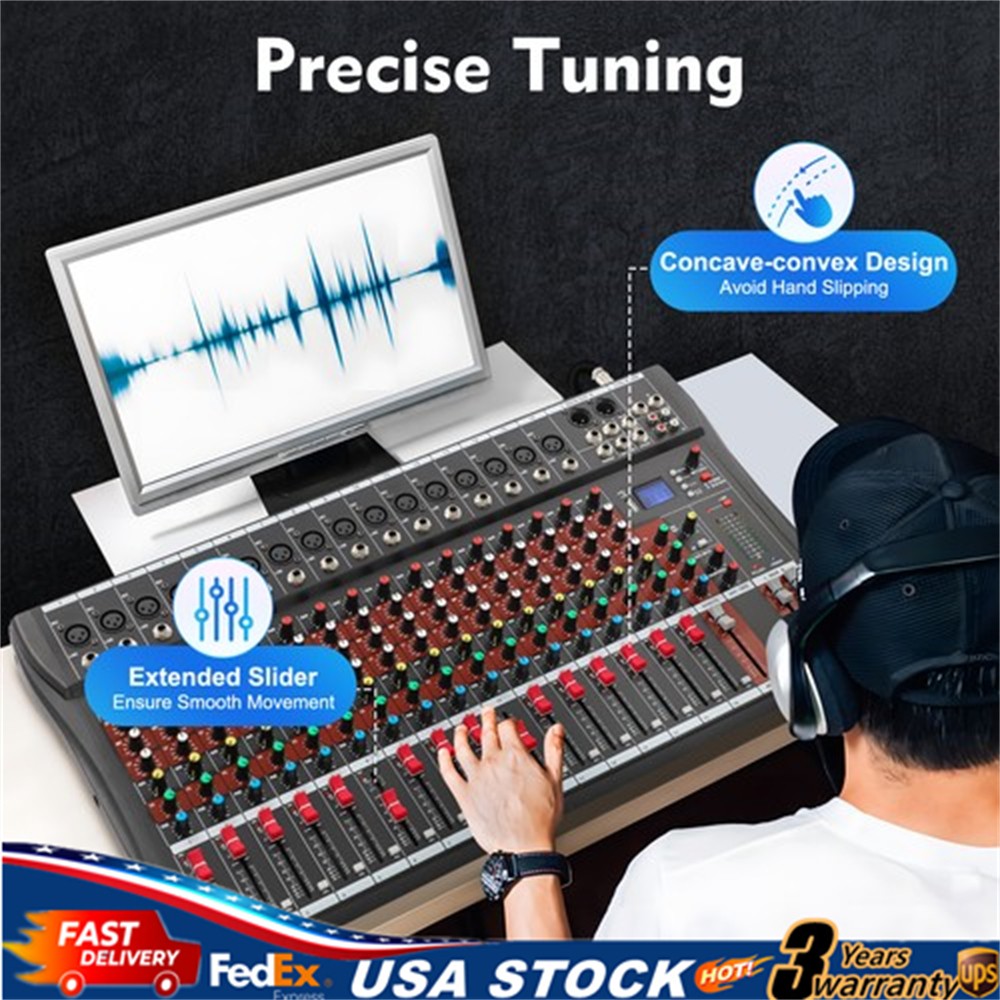 16 Channel Studio Audio Mixer Bluetooth USB Digital Sound Mixing Console Board$164.09View on eBay
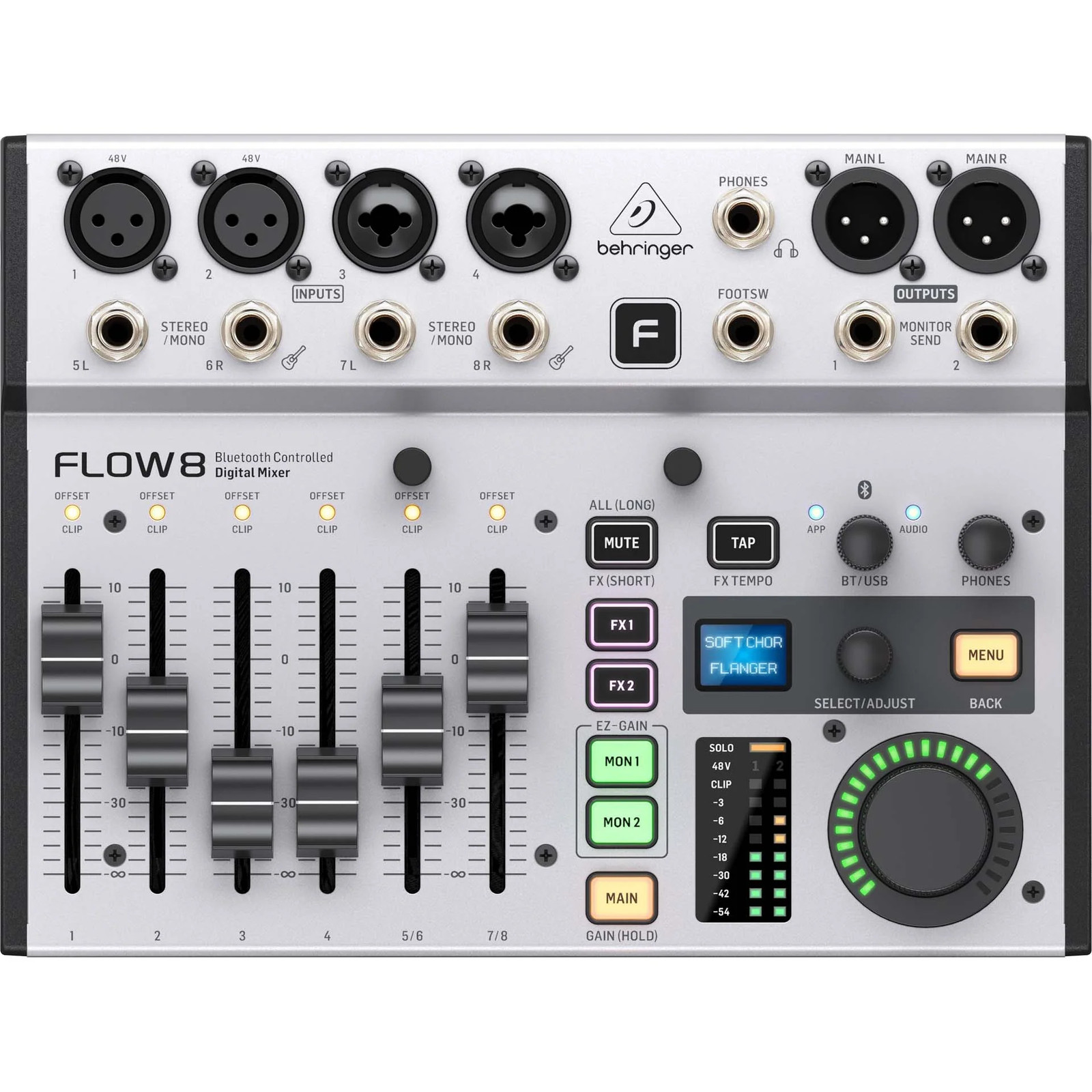 Behringer Flow 8 8-Input Digital Mixer with Bluetooth$168.00View on eBay
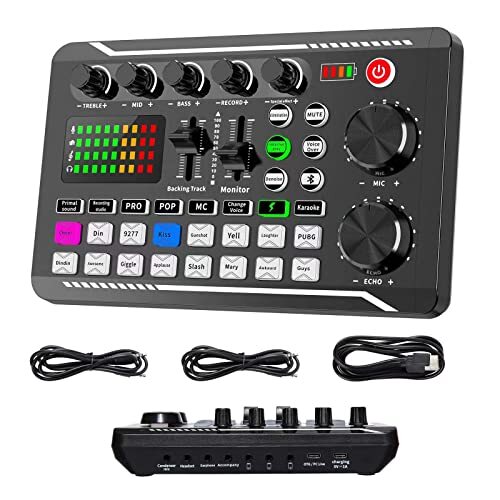 Professional Audio Mixer Live Sound Card and Audio Interface with DJ Mixer Ef...$35.99View on eBay
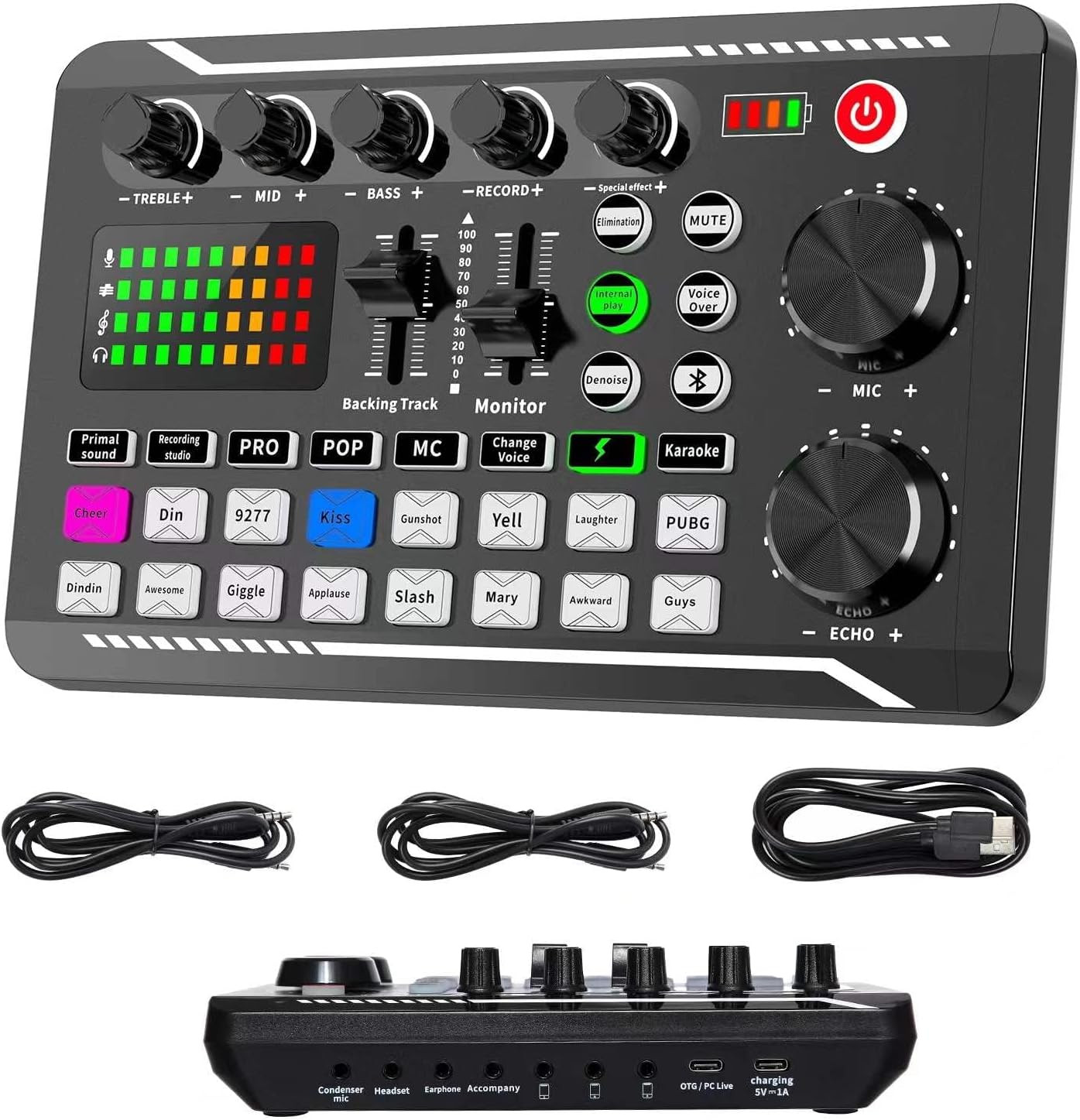 Professional Audio Mixer, Live Sound Card and Audio Interface with DJ Mixer Eff$40.56View on eBay
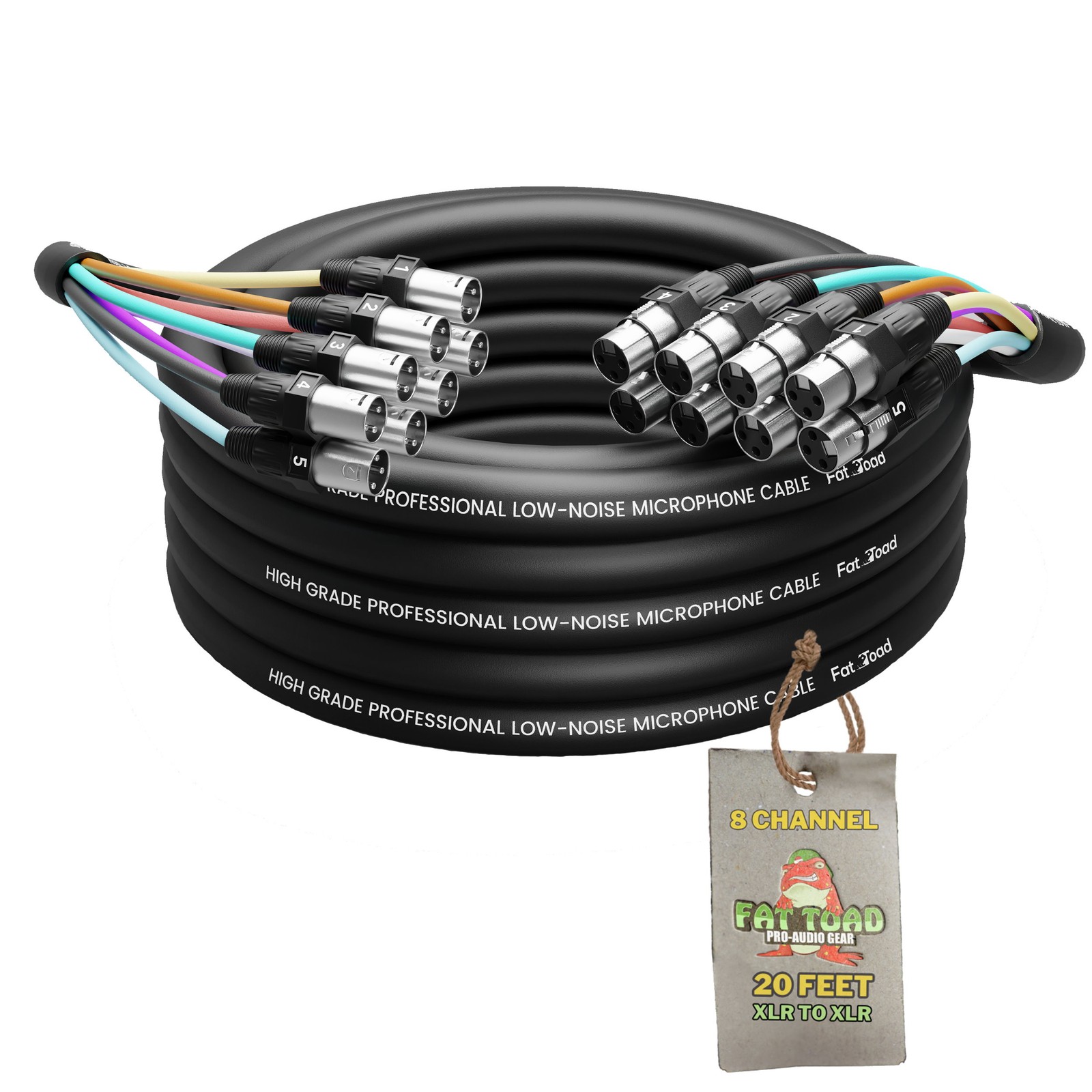 XLR Snake Cable Patch - 8 Channel 20ft Pro Audio Mic Cord Mixer Sound Stage PA$54.95View on eBay
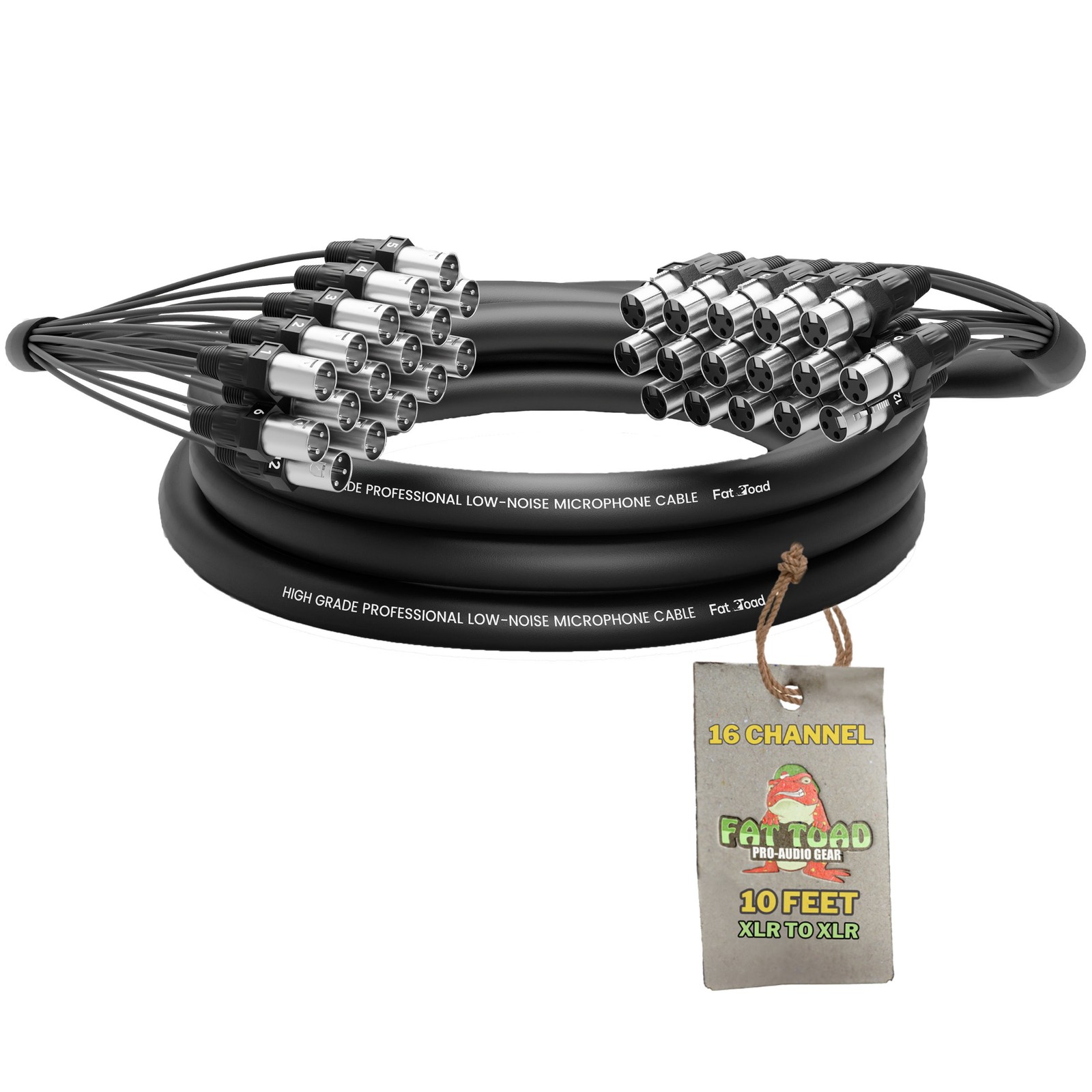 XLR Snake Cable Patch - 16-Channel 10ft Pro Audio Mic Cord Mixer Sound Stage PA$61.95View on eBay
 Gemini Pro Audio Equipment 8 Channels Live Studio Bluetooth Unpowered Mixers DJ$79.95View on eBay
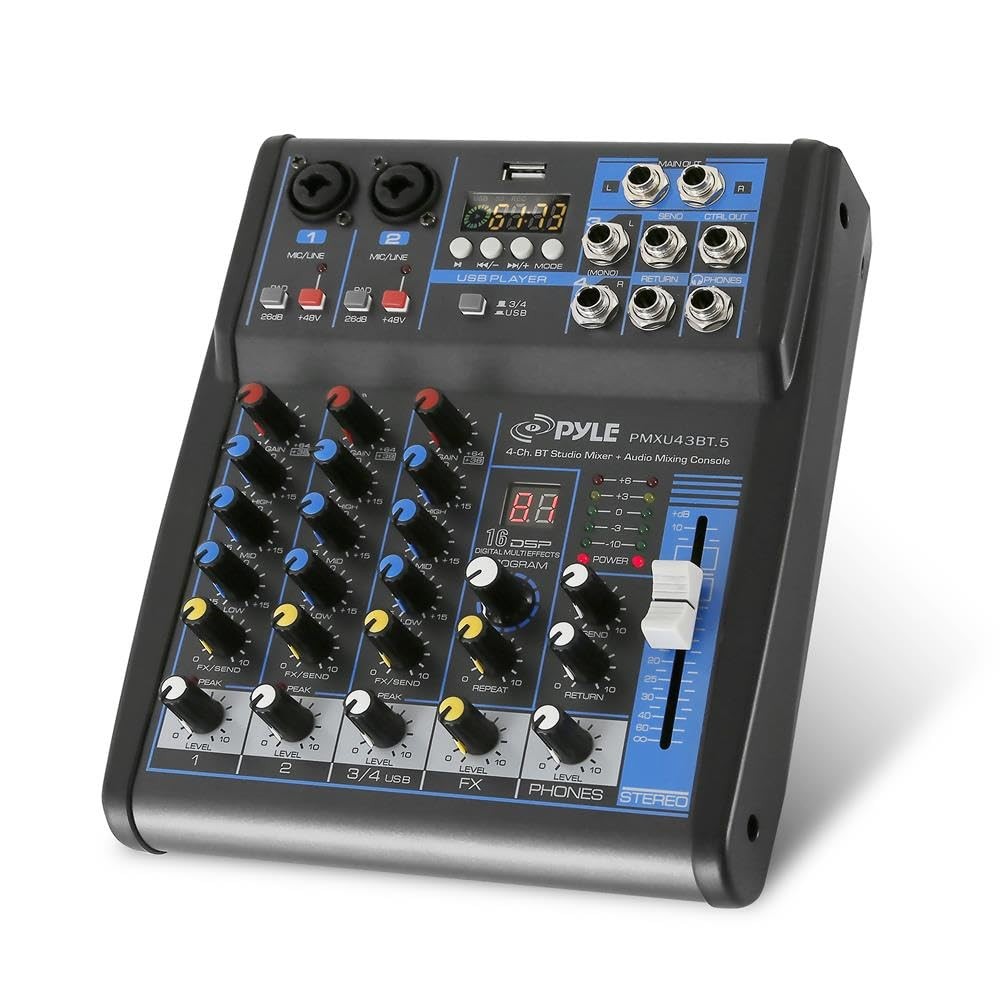 Pyle Professional Audio Mixer Sound Board Console System Interface 4 4$106.52View on eBay
- Professional 16 Channels Bluetooth Line Live Mixing Studio Audio Sound Mixer USB$120.85View on eBay
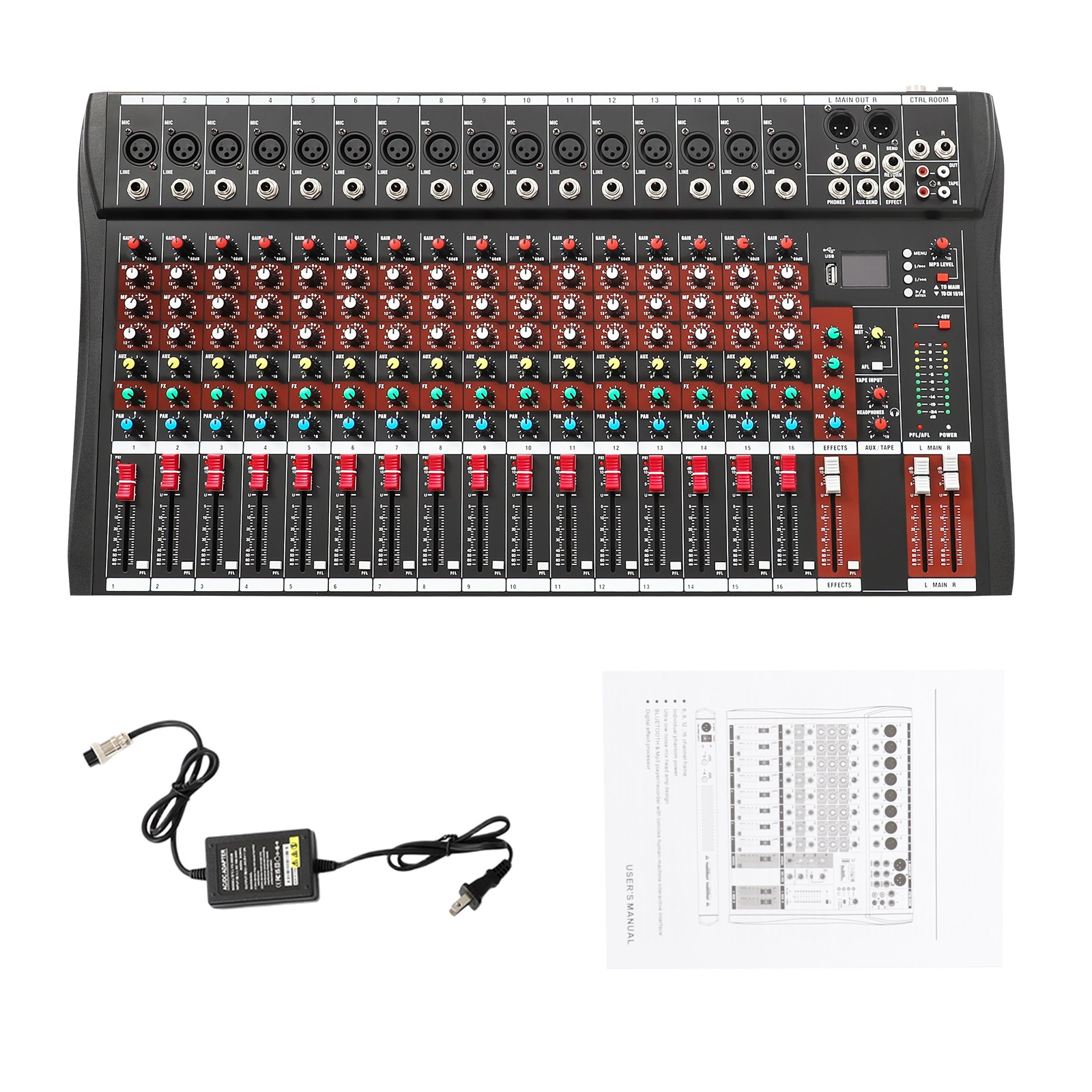 16 Channel Audio Mixer Professional Sound Board Mixer DJ Mixing Console System$120.85View on eBay
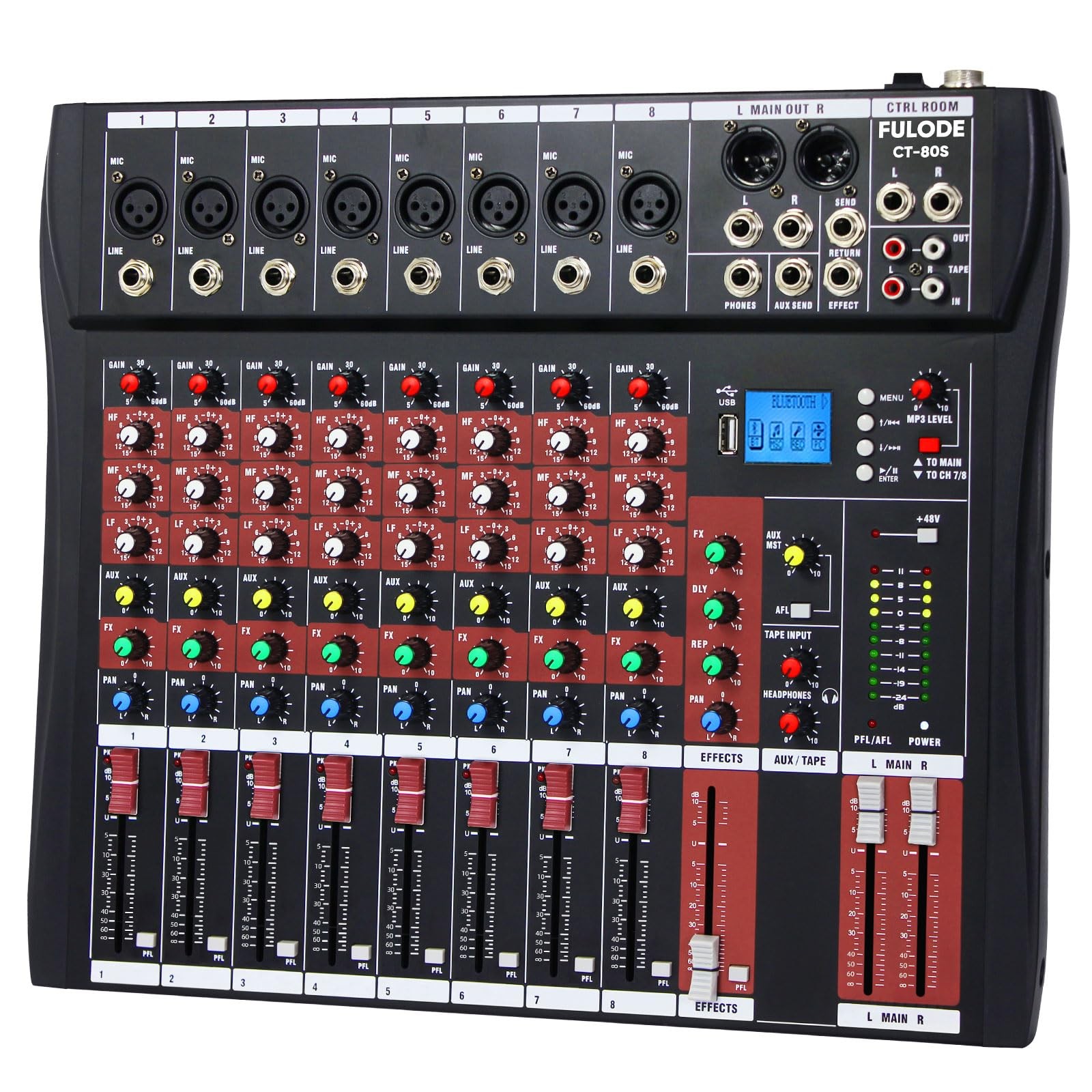 FULUODE Audio Mixer 8 Channel, CT-80S Professional Sound System Board...$122.76View on eBay
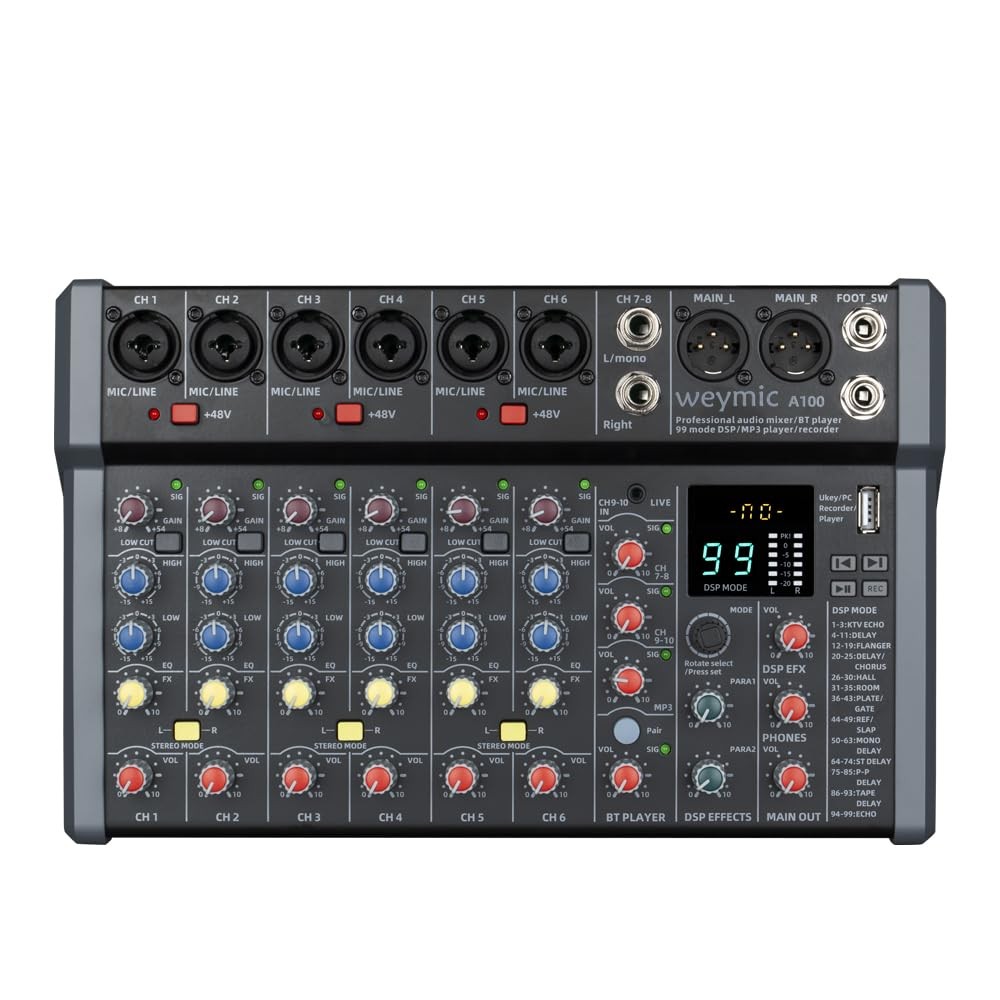 Professional Audio Mixer Console for Recording DJ Karaoke Music Stage Equipment$138.59View on eBay
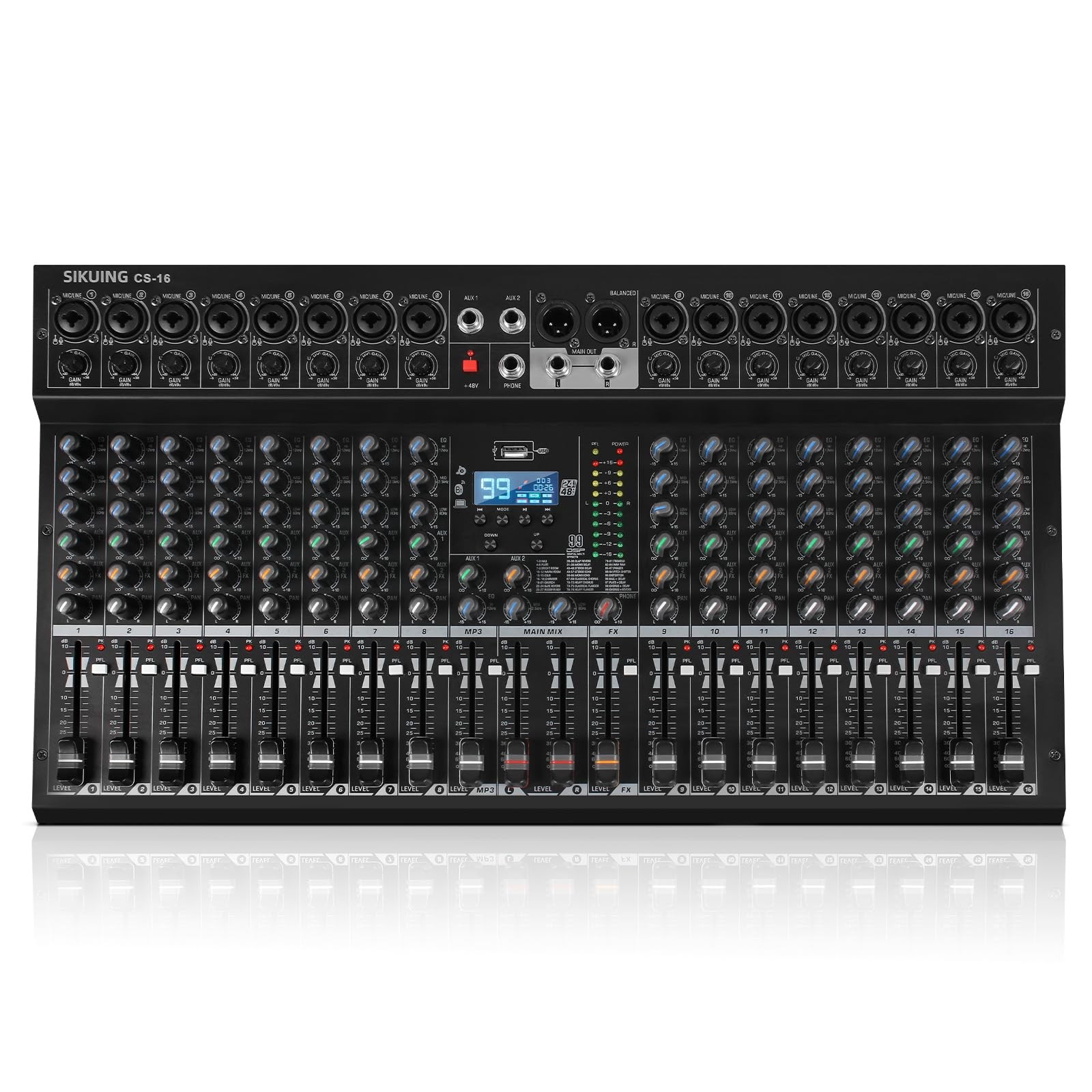 SIKUING 16 Channel Mixer, Professional Audio Mixing Console Studio DJ Board...$168.40View on eBay
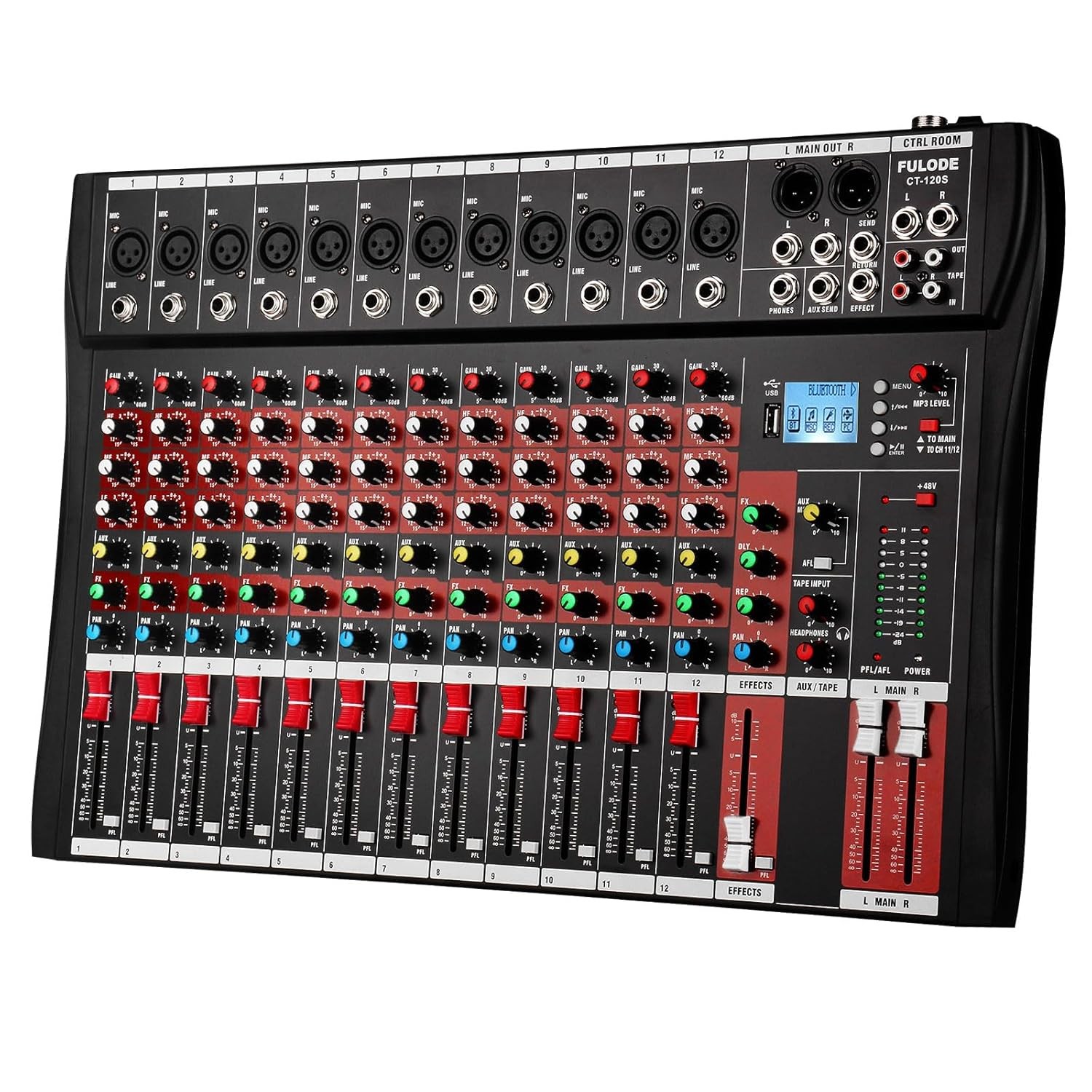 12 Channel Professional Music Mixer Audio Console DJ Mixer Equipment CT-120S$175.86View on eBay
Highlights
- Channel strip class is the main divider: 4–8 channel mixers typically use fixed 3-band EQ and one aux, while 12–16 channel boards add sweepable mids, 60 mm faders, and multiple aux/FX buses.
- Bluetooth module matters more than the word 'Bluetooth': SBC adds ~150–250 ms latency (lip-sync error on video), while aptX Low Latency or Bluetooth 5.x receivers drop to ~40 ms and transmit farther.
- Digital mixers like the Behringer Flow 8 route Bluetooth into a dedicated stereo channel with its own fader and DSP, while analog boards often hard-wire it to a 2-track return with no EQ.
- Build quality scales with the price tier: metal chassis, balanced XLR main outs, and 48V phantom power are standard above the 8-channel class; budget 4-channel units frequently use unbalanced RCA outs and plastic bodies.
Best use cases
- Best fit: solo performer or duo using backing tracks from a phone on stage—pick an 8-channel board with Bluetooth 5.x, 2 mic preamps, and a stereo Bluetooth return with its own fader.
- Best fit: karaoke or small-party host mixing mics, TV audio, and phone music—a 4–6 channel mixer with 2 XLR mic inputs, Bluetooth, and RCA/3.5 mm in covers it without paying for 16 unused channels.
- Wrong fit: recording studio multitrack work—Bluetooth compression and latency ruin takes; use a USB audio interface with wired inputs instead.
- Wrong fit: 16-piece band or multi-zone venue—skip 4-channel mini mixers entirely; you need 16 channel strips, 4+ aux sends, and subgroup routing for monitor mixes.
Buying tips
- Count your live inputs before buying: each mic, DI, and stereo source consumes channels. Two mics + stereo Bluetooth + stereo keys needs at least 6 channels—a 4-channel mixer forces hard compromises.
- Insist on Bluetooth 5.x or aptX Low Latency if you'll stream video audio; SBC-only modules introduce enough delay that lip-sync visibly drifts.
- For analog boards, verify Bluetooth has its own level control and routes to a stereo channel strip; on digital mixers confirm it's assignable to any channel or bus.
- Match outputs to your PA: balanced XLR main outs for long cable runs to powered speakers; RCA-only outs are fine for short runs to a home stereo but hum over 15–20 ft.
Specs
| Channel Count | 4 / 8 / 12 / 16 strips |
|---|---|
| Bluetooth Version | 5.x / aptX LL / SBC-only |
| Mic Preamps | 2–16 XLR, 48V phantom |
| Main Outputs | Balanced XLR vs RCA/unbalanced |
Related searches
What to check before buying
- Check your PA or powered speakers' input types (XLR vs 1/4" TRS vs RCA) and confirm the mixer's main outs match without adapters.
- Verify the mixer includes 48V phantom power if you'll use condenser microphones; budget 4-channel units often omit it.
- Measure your table or rack space: 12–16 channel boards run roughly 15–20 inches wide, while 4–8 channel mini mixers fit under 10 inches.
- Confirm Bluetooth range and antenna placement clear metal racks and walls; streaming from the audience side needs a mixer with an external antenna or 5.x class range.
FAQ
Data sources: eBay / Amazon listings and product attribute feeds Data updated Nov 15, 2026.
Some links on this page are affiliate links. If you buy after clicking one, we may earn a commission at no extra cost to you. This does not change which products appear here or their order. Affiliate disclosure.