Photos from current listings. Actual item, color, and included accessories may vary.
Wireless Microphone Buying Guide
Wireless microphone systems split into three architectures—VHF, UHF analog, and digital 2.4 GHz/5 GHz—each trading off range, interference immunity, and latency. The decisive rule: for live performance, skip single-antenna VHF kits and choose a true-diversity UHF or digital system with metal-body transmitters and at least 2 switchable frequencies per band.
Frequency Band:UHF 470–960 MHz / VHF 174–216 MHzDiversity Type:True diversity vs single antennaTransmitter Body:Metal handheld vs plasticBattery Life:5–12 hr AA or Li-ion USB-C
Typical price range$26.99 – $178.99


At a glance
- Category
- Live Sound & Stage Lighting
- Data updated
- Nov 15, 2026
Current offers
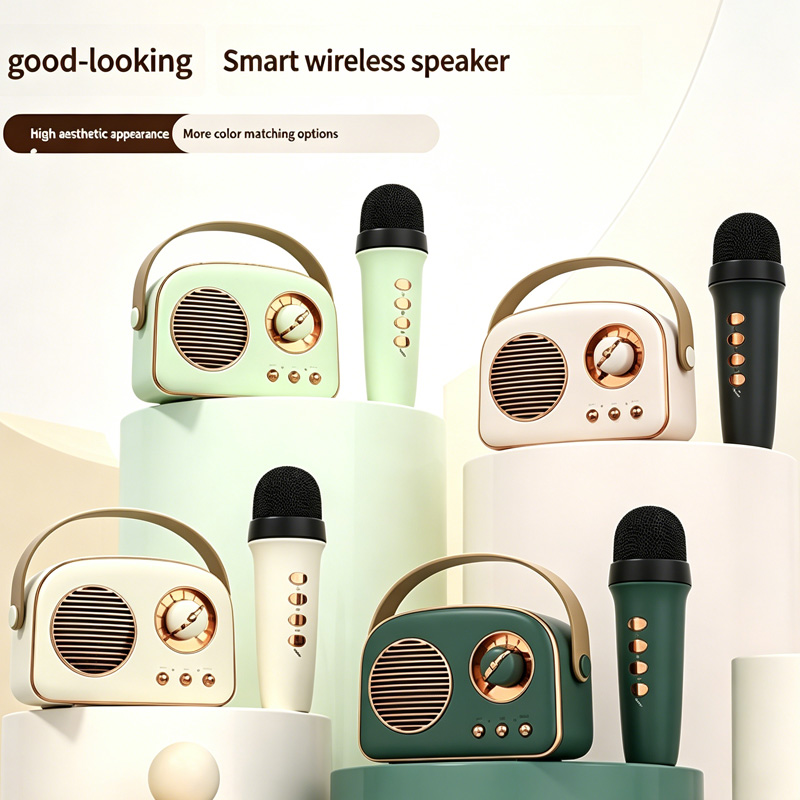 Mini Portable Karaoke Machine With Wireless Microphones$26.99
 View on Mallflare
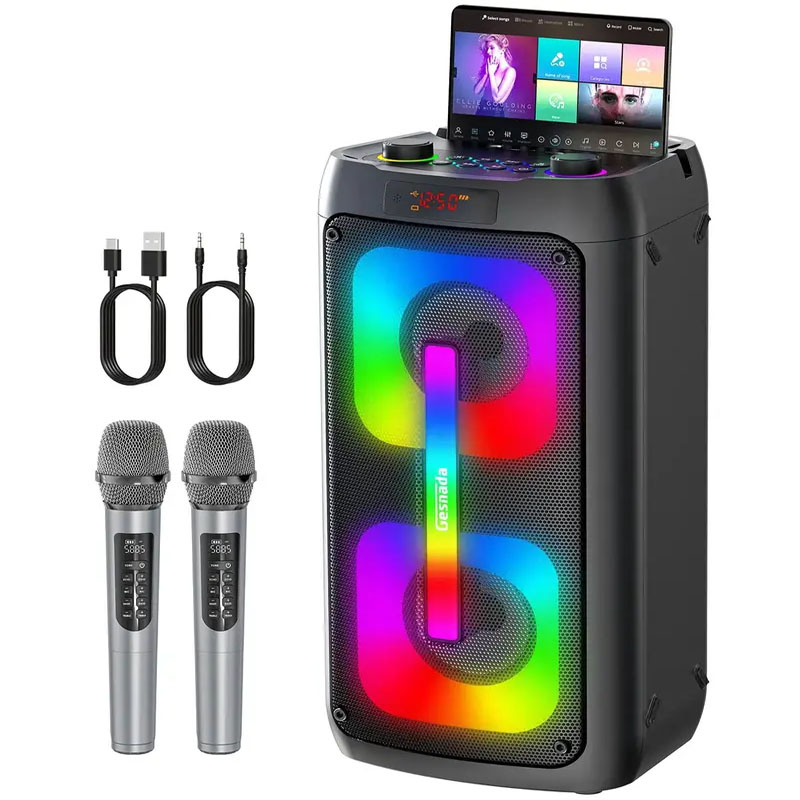 4-Inch Portable Bluetooth Karaoke Machine Speaker - Wireless Stereo PA System With 2 Mics, LED Lights, Control Panel, USB Port, SD Card, AUX Connections, Audio Recording, Built-in Battery, Lightweight$75.99View on Mallflare
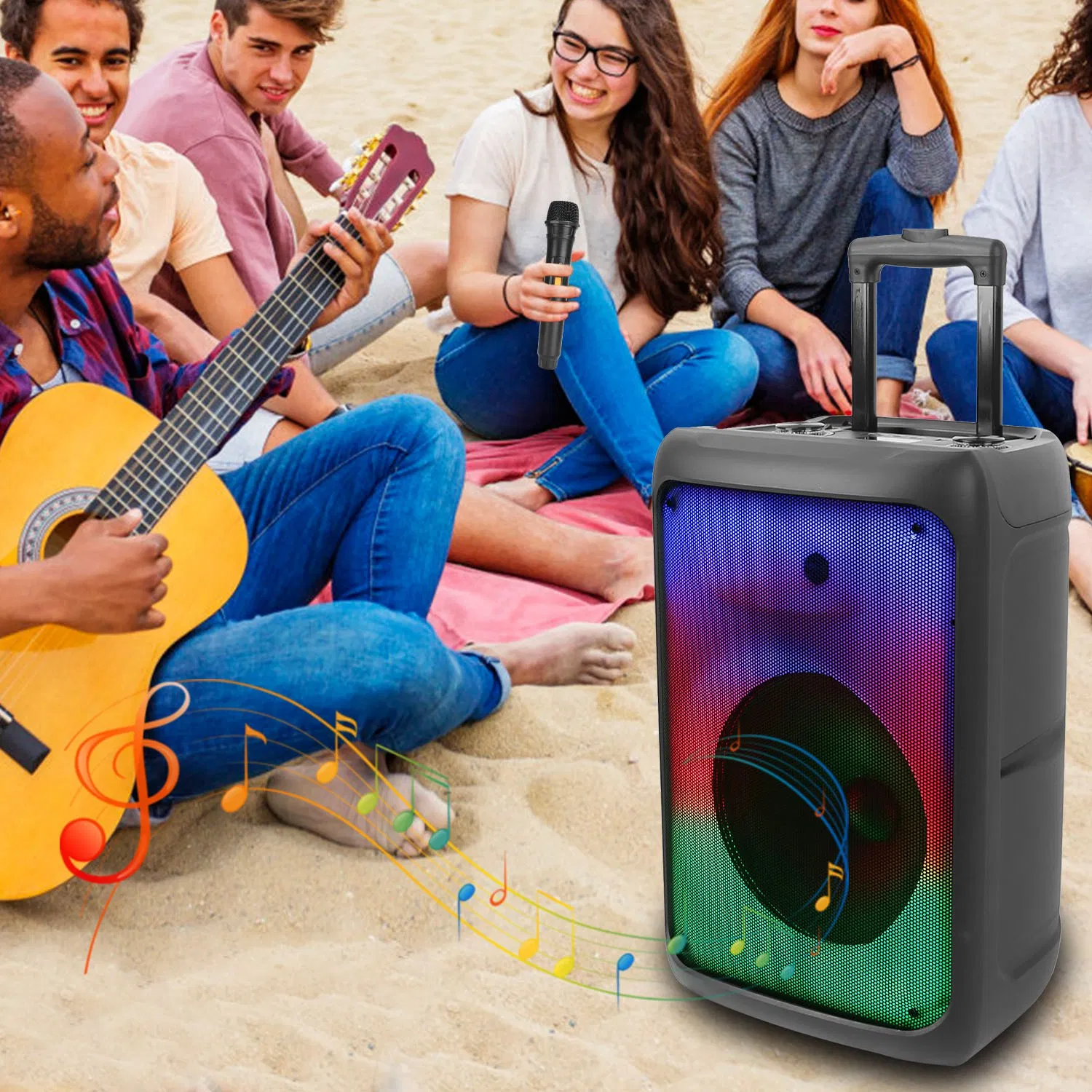 Portable Wireless Party Speaker with 5 Colorful Lighting Modes TWS FM USB MMC Slot Aux In Recording Mic Priority Trolley Handle 2 Wheels Remote Control$178.99View on Mallflare
Highlights
- True diversity receivers use two antennas and auto-switch to the stronger signal, eliminating dropouts that plague single-antenna VHF kits.
- UHF systems (470–960 MHz) offer 30–100+ selectable channels and far better immunity to Wi-Fi/cell interference than fixed-frequency VHF (174–216 MHz).
- Digital 2.4 GHz systems deliver <5 ms latency and license-free global operation but share spectrum with Wi-Fi and have shorter line-of-sight range (30–50 m typical).
- Metal-body handheld transmitters with dynamic cardioid capsules resist handling noise and stage abuse; plastic VHF bodies are fragile and prone to RF shielding issues.
Best use cases
- Live performance on a stage with monitors and lighting: pick a true-diversity UHF system with metal handhelds and 4+ backup channels; skip 2.4 GHz digital if the venue has dense Wi-Fi.
- Karaoke or party host in a home or small hall: choose a dual-channel UHF kit with rechargeable transmitters and 1/4-inch mixed output; VHF kits are acceptable only for under-10-meter indoor use.
- Presenter or fitness instructor on the move: select a lightweight headset/lapel digital 2.4 GHz system with 5-hour battery and USB-C charging; skip bulky UHF bodypacks for portability.
- Multi-mic panel or worship team: use a UHF system with group/channel sync and antenna distribution for 4+ mics; avoid mixing bands from different manufacturers that can intermodulate.
Buying tips
- Frequency band: for licensed-free use in the US, choose 470–608 MHz UHF or 2.4 GHz digital; avoid 600–700 MHz (illegal after 2010) and 700 MHz (banned) bands entirely.
- Range math: VHF works reliably to 15–30 m line-of-sight; UHF to 50–100 m; 2.4 GHz digital to 30–50 m—halve these indoors through walls and crowd absorption.
- Battery tier: AA-powered transmitters last 8–12 hours; built-in Li-ion lasts 5–10 hours but requires USB-C or docking charge—pick AA for all-day events, Li-ion for convenience.
- Channel count: a solo performer needs 1–2 channels; bands or panels need 4+ channels with frequency coordination—ensure the system offers at least 2× the channels you plan to use.
Specs
| Frequency Band | UHF 470–960 MHz / VHF 174–216 MHz |
|---|---|
| Diversity Type | True diversity vs single antenna |
| Transmitter Body | Metal handheld vs plastic |
| Battery Life | 5–12 hr AA or Li-ion USB-C |
Related searches
What to check before buying
- Confirm the receiver output matches your mixer or speaker: 1/4-inch unbalanced for consumer gear, XLR balanced for pro mixers and stage boxes.
- Measure your performance area: if the transmitter-to-receiver distance exceeds 30 m or passes through two walls, choose UHF with diversity antennas over 2.4 GHz.
- Check plug type and voltage for your region: US 120 V 60 Hz with Type A/B plugs; EU 230 V 50 Hz with Type C/F—verify the included power adapter matches.
- Ensure companion parts are included or available: AA batteries or USB-C cable, mic clip, and rack ears for multi-channel receivers.
FAQ
Data sources: eBay / Amazon listings and product attribute feeds Data updated Nov 15, 2026.
Some links on this page are affiliate links. If you buy after clicking one, we may earn a commission at no extra cost to you. This does not change which products appear here or their order. Affiliate disclosure.