Photos from current listings. Actual item, color, and included accessories may vary.
Instrument Cable Buying Guide
Instrument cables carry low-level, high-impedance signals from guitars, basses, and keyboards to amps, pedals, and interfaces, where capacitance and shielding determine tone retention and noise rejection. The primary trade-off is copper gauge and conductor type versus jacket durability and connector strain relief: thin 24–26 AWG spiral-shielded cables preserve highs over long runs but fail at the plug, while 20–22 AWG braided-shield cables survive stage abuse with slightly higher capacitance. The decision rule is simple: choose low-capacitance oxygen-free copper with a braided shield and metal-shell, strain-relieved plugs for runs up to 20 ft, and skip any cable with molded plastic ends or unspecified conductor gauge for gigging.


At a glance
- Category
- Instrument Accessories
- Data updated
- Nov 16, 2026
Current offers
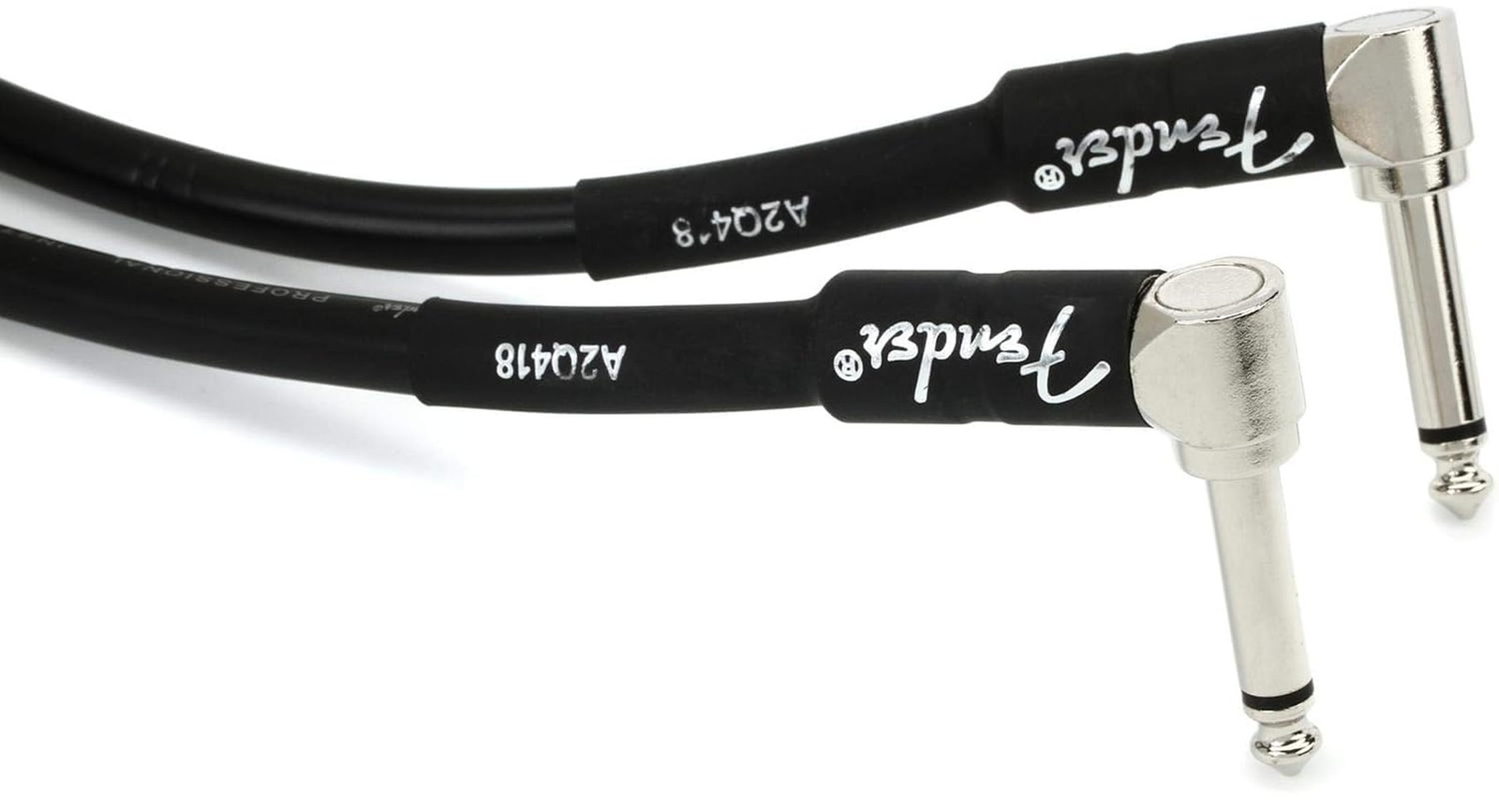 Fender Professional Series Instrument Cable, Guitar Cable, Guitar Accessories...$23.99
 View on eBay
 Professional Series Instrument Cable, Guitar Cable 10 Ft, Guitar Accessories, St$25.96View on eBay
- Professional Series Instrument Cable, Guitar Cable 10 Ft, Guitar Accessories, St$29.76View on eBay
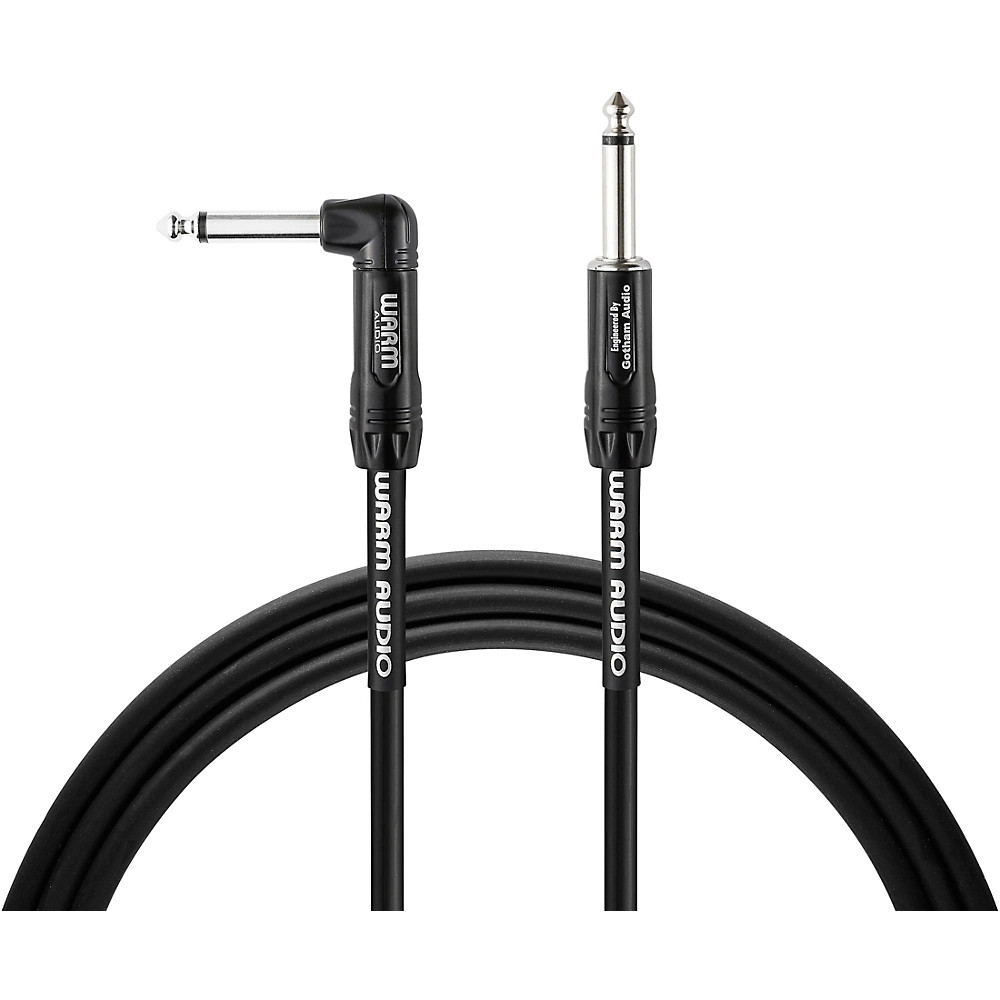 Warm Audio Pro Series - 1 End Rgt-Angle Instrument Cable 10 ft. Black$29.99View on eBay
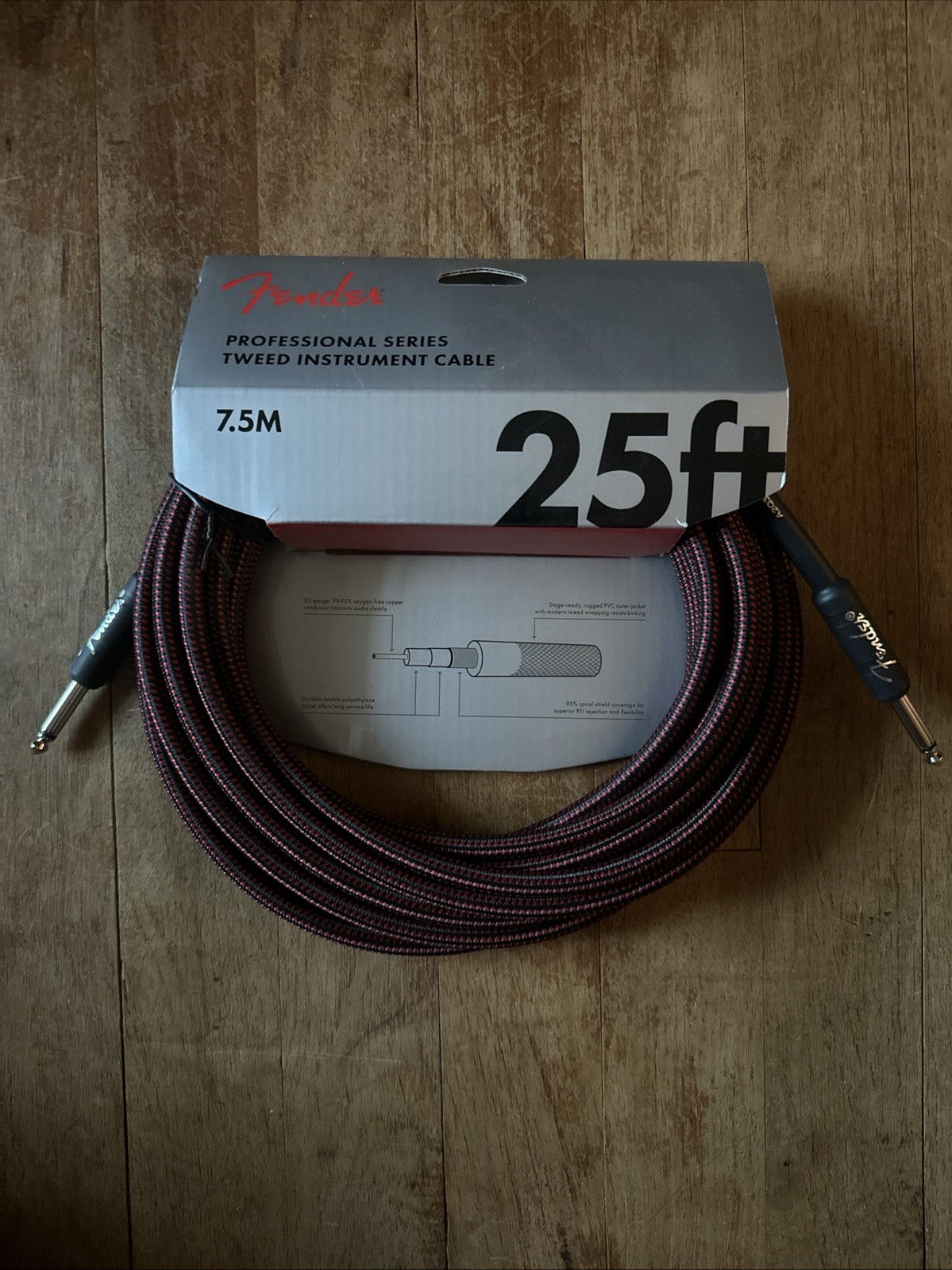 Fender Professional Series Tweed Instrument Cable - 25ft (7.5m) - New Unopened$30.00View on eBay
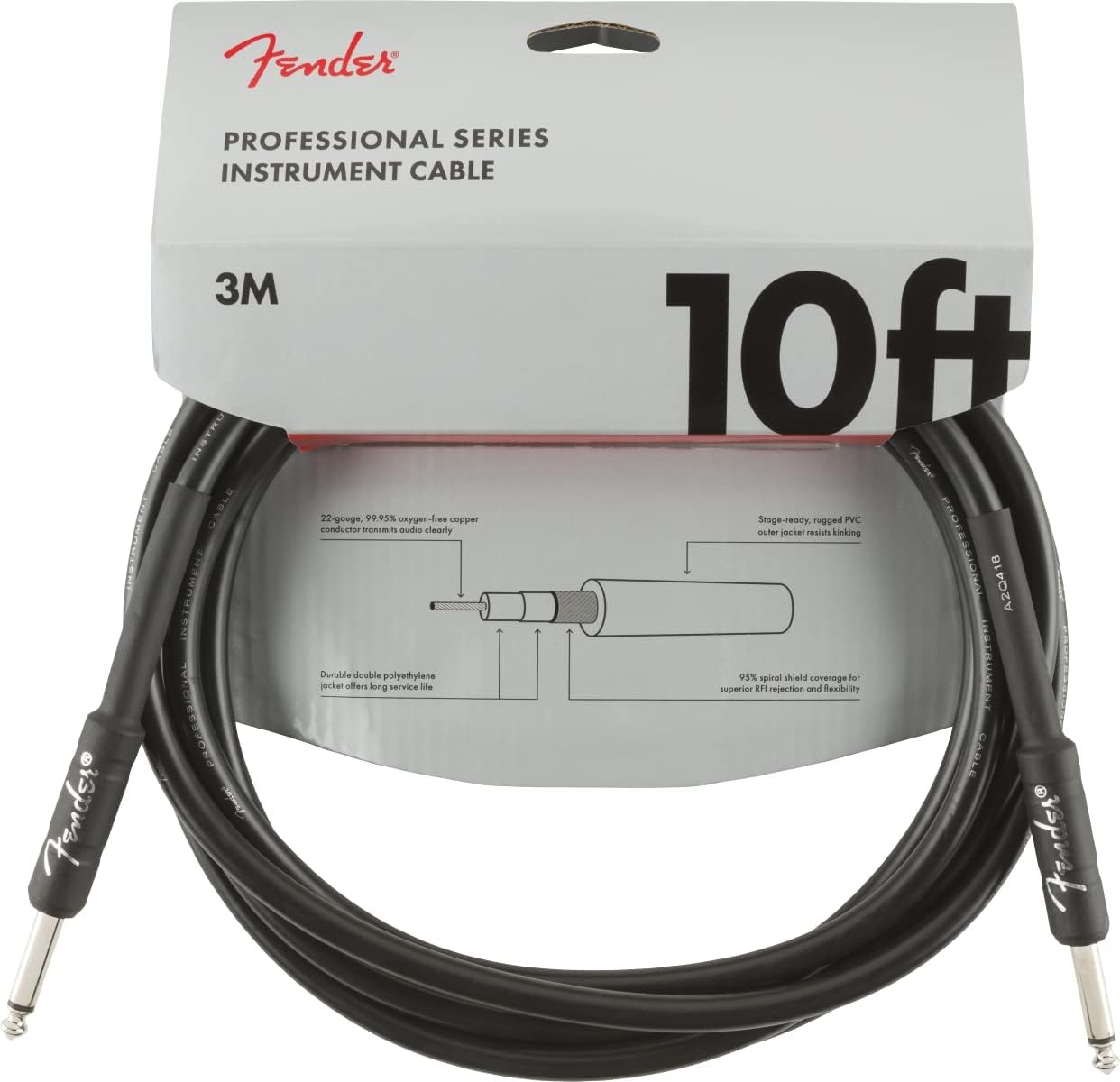 Professional Series Instrument Cable Guitar Cable 10 ft Guitar Accessories Stage$30.25View on eBay
- Professional Series Instrument Cable, Guitar Cable 10 Ft, Guitar Accessories, St$33.64View on eBay
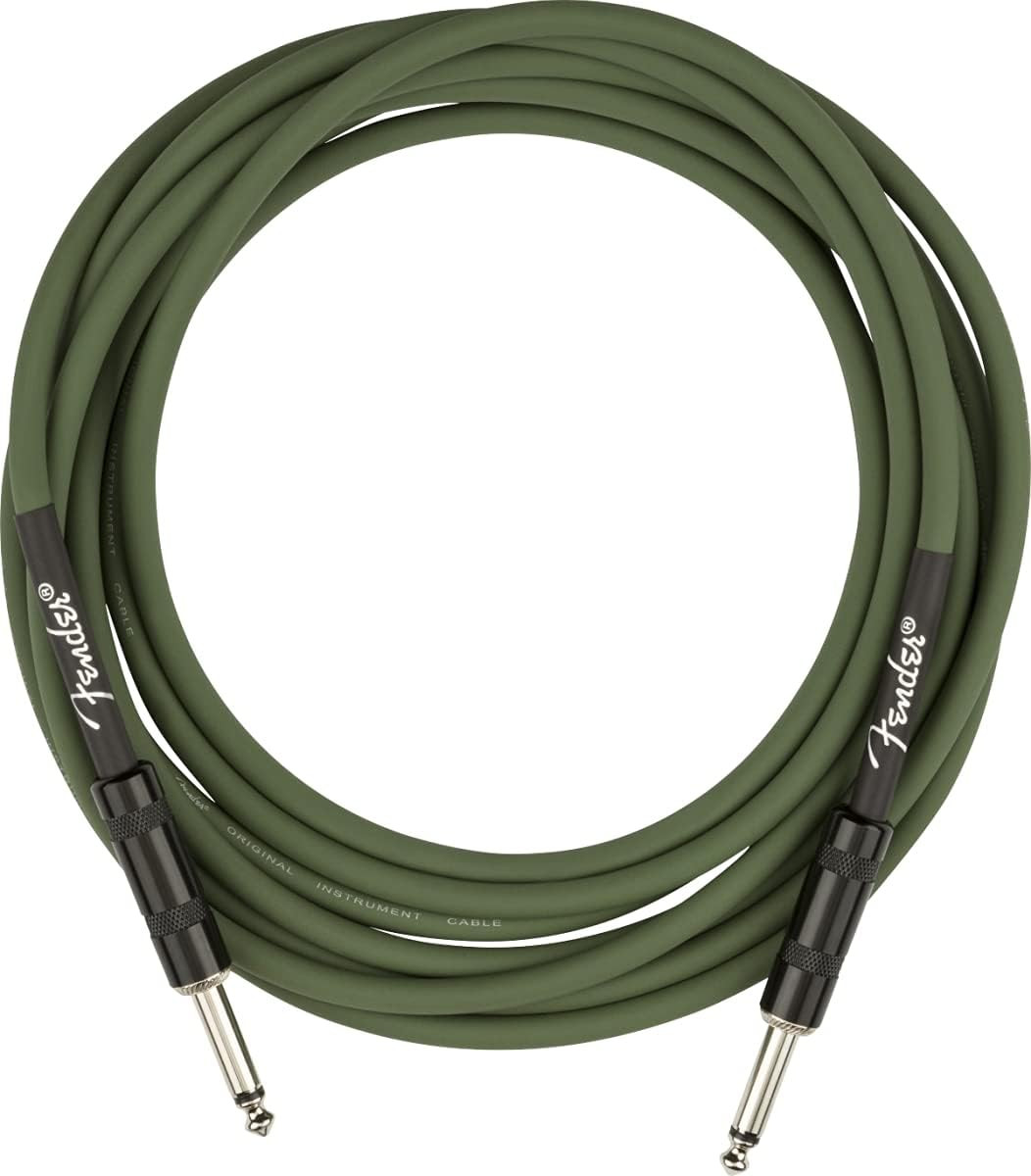 Strummer Pro Straight to Straight Instrument Cable, Guitar Cable, Guitar Accesso$39.77View on eBay
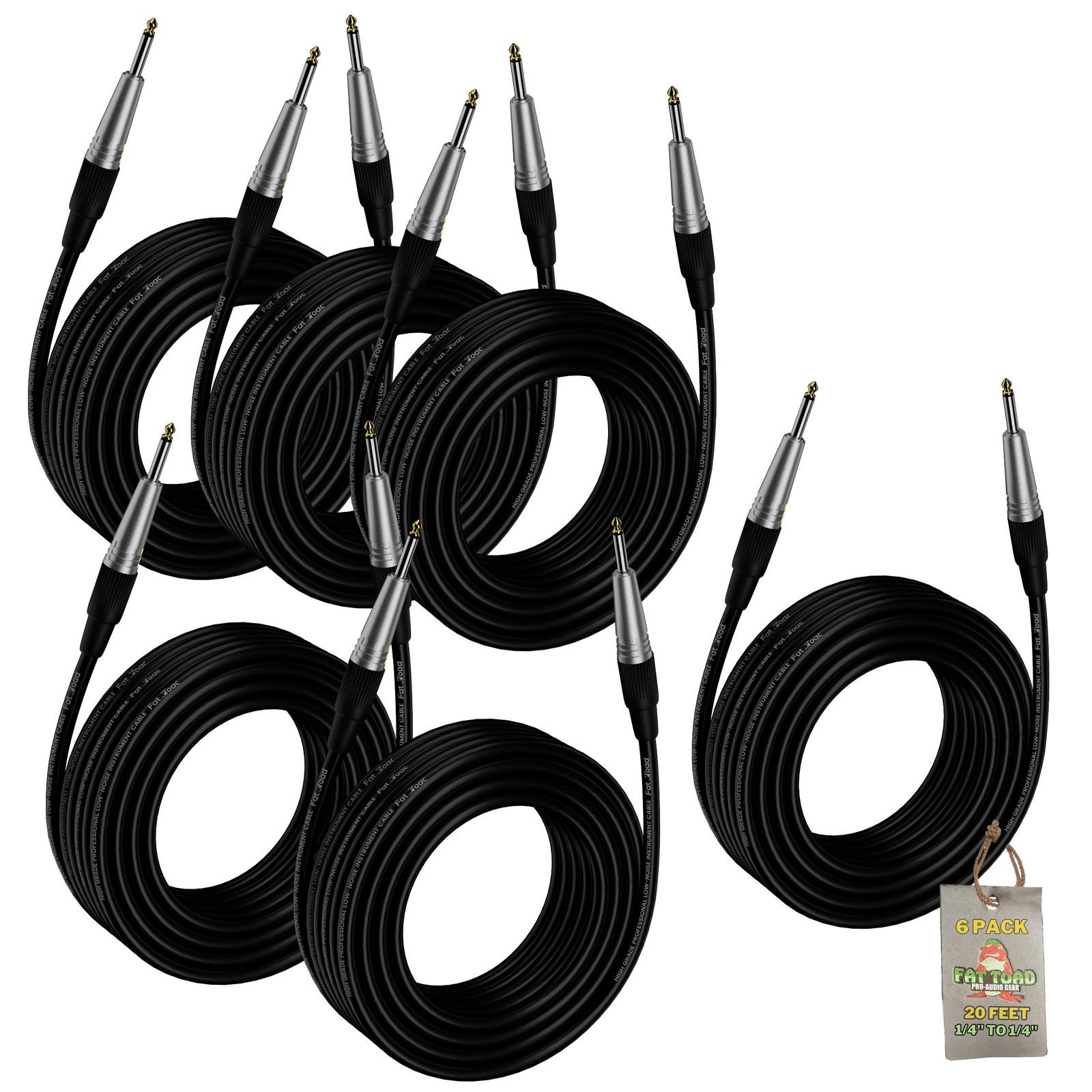 Guitar Cord Instrument Cable - Pro Audio Wire Electric Music Straight Gold Jack$43.95View on eBay
 Fender Professional Series Instrument Cable, Guitar Cable, Guitar Accessories, S$44.99View on eBay
 Fender Professional Series Instrument Cable, Guitar Cable, Guitar Accessories, S$50.99View on eBay
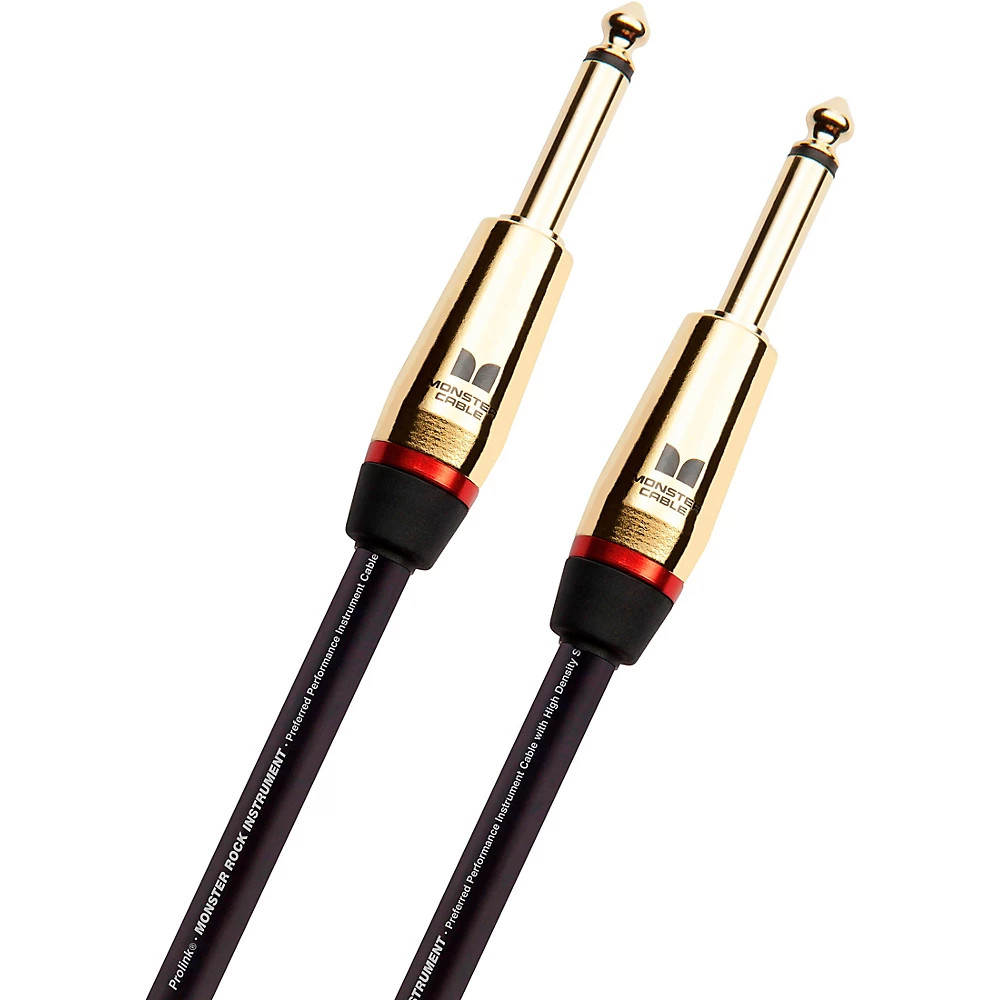 Monster Cable Prolink Rock Pro Audio Instrument Cable 3 ft. Black$54.99View on eBay
 Professional Series Instrument Cable, Guitar Cable, Guitar Accessories, Strai...$62.00View on eBay
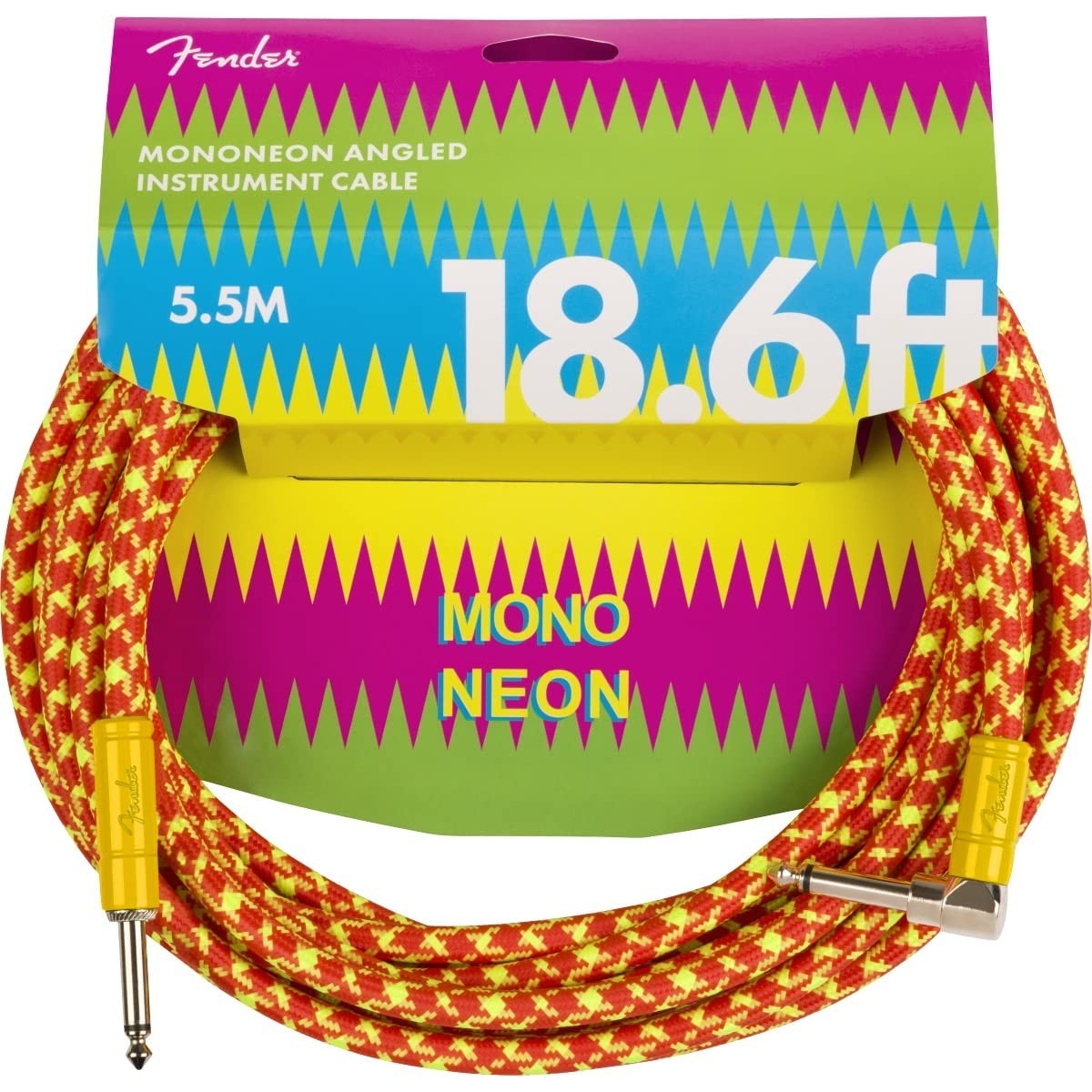 Fender MonoNeon Instrument Cable, Guitar Cable, Guitar Accessories$73.42View on eBay
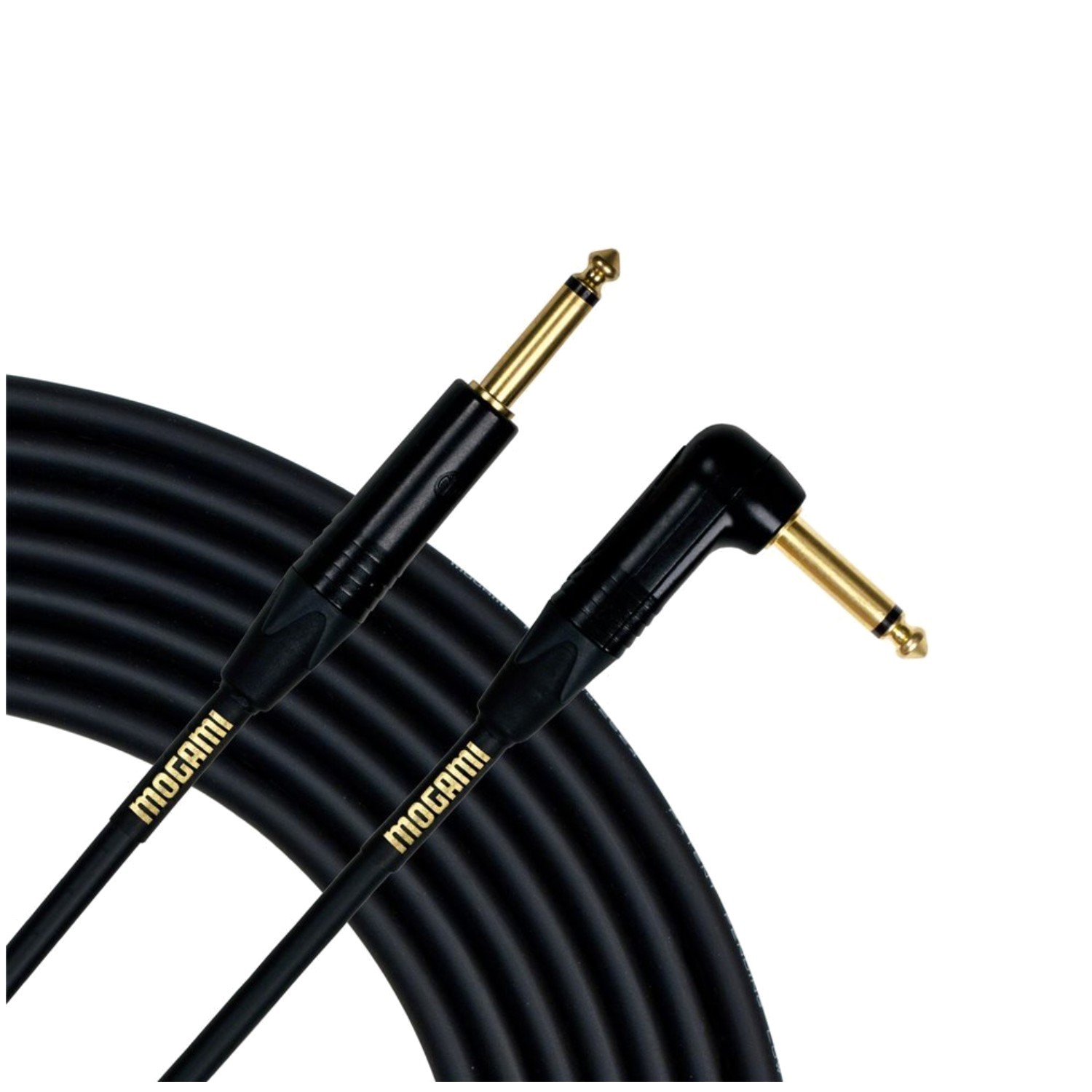 Professional 1/4 Inch Instrument Cable - Pro Audio Quality$164.99View on eBay
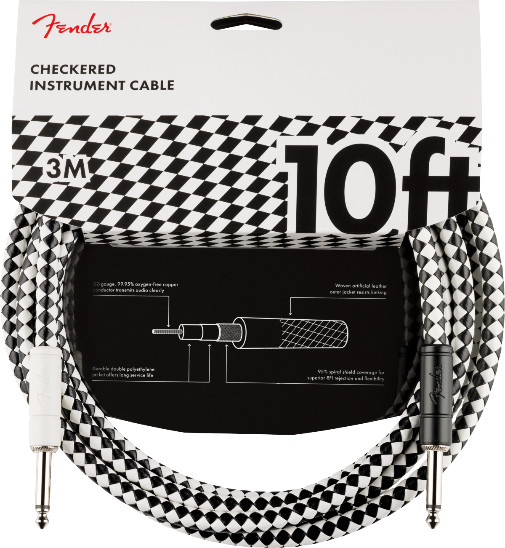 Genuine Fender Pro 10' ft Instrument/Guitar/Bass Cable, Woven Checkered$24.74View on eBay
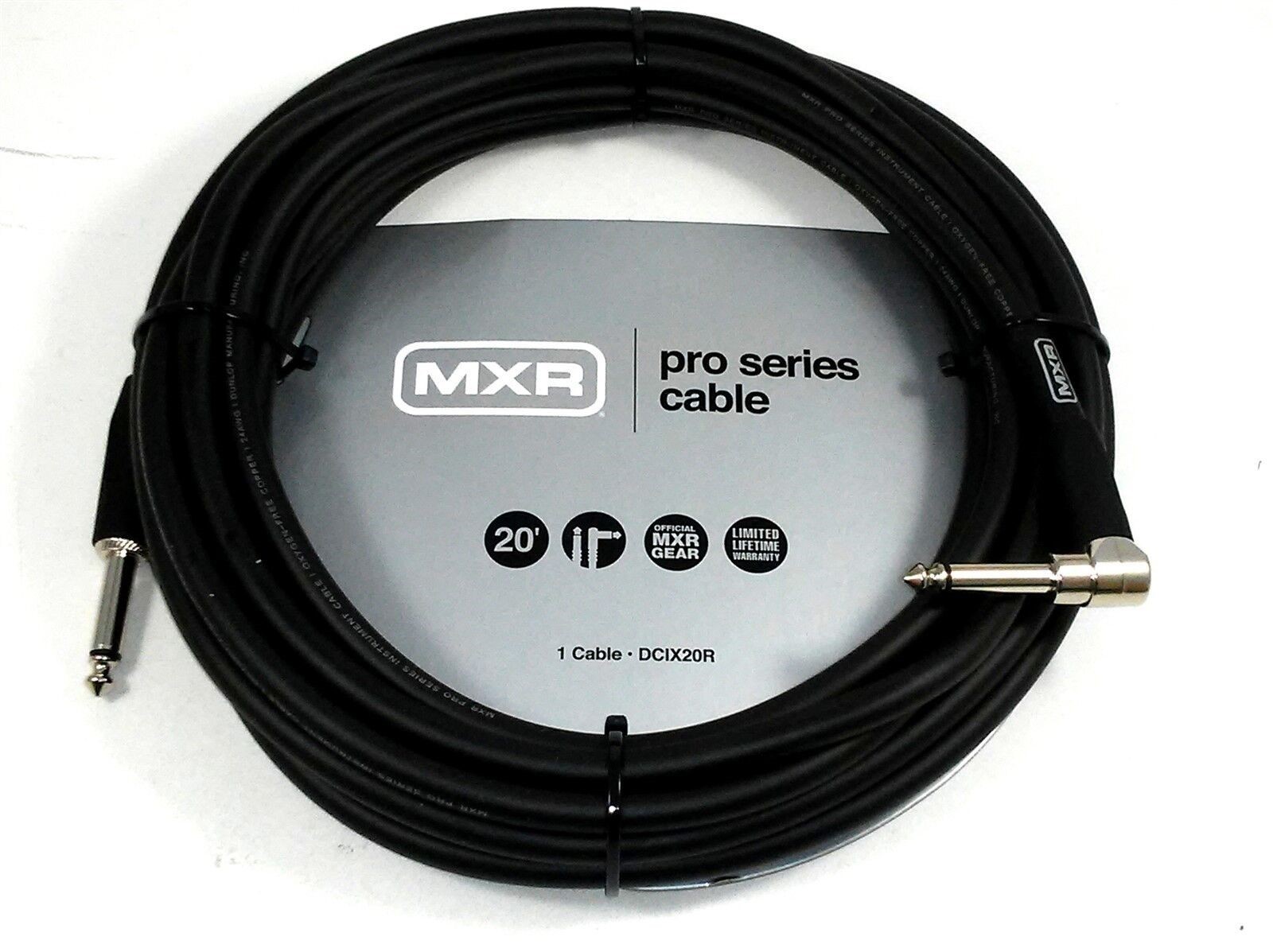 Instrument Guitar Cable MXR Pro Series 20 feet 6m Right Angle Lifetime Warranty$29.99View on eBay
Highlights
- Conductor gauge drives tone: 20–22 AWG OFC preserves signal over 15–25 ft runs; 24–26 AWG suits pedalboard patches under 10 ft.
- Shielding type sets noise rejection: braided copper shield (95%+ coverage) beats spiral/laplink shields for stage RF and hum rejection.
- Connector construction is the #1 failure point: metal barrel plugs with dual set-screw or crimped strain relief outlast molded plastic ends.
- Capacitance matters for long runs: low-capacitance cable (under ~30 pF/ft) retains treble; high-capacitance rolled-off designs suit dark amps.
Best use cases
- Best fit: 10–20 ft straight-to-straight braided-shield cable with metal plugs for guitar-to-amp stage work; skip molded-end budget cables under heavy gigging.
- Best fit: right-angle to straight low-profile cable for pedalboard-to-guitar or tightly spaced pedal jacks; skip straight plugs where footroom is tight.
- Best fit: 25 ft+ low-capacitance OFC cable for keyboard or multi-effects to amp across a stage; skip thin 26 AWG patch cables for runs over 15 ft.
- Wrong fit: unbalanced instrument cable for microphone or speaker-level connections—use balanced XLR or speaker cable instead to avoid hum and amp damage.
Buying tips
- Match length to need: 10 ft for pedalboard-to-amp, 15–20 ft for stage guitar-to-amp, 25 ft only for large stages or keyboard runs.
- Pick braided copper shield over spiral/laplink for noisy stages; spiral is acceptable for short patch cables in low-RF environments.
- Choose oxygen-free copper (OFC) conductors with 20–22 AWG for main runs; 24–26 AWG is fine only for patches under 6 ft.
- Prioritize metal-shell plugs with strain relief (set-screw or crimp) over molded plastic; replace molded-end cables at first crackle.
Specs
| Conductor Gauge | 20–22 AWG main / 24–26 AWG patch |
|---|---|
| Shield Type | Braided copper (95%+) vs spiral |
| Connector Plugs | 1/4 in TS mono / right-angle or straight |
| Length Tiers | 10 / 15 / 20 / 25 ft |
Related searches
What to check before buying
- Measure run length from instrument jack to amp/pedal input, adding 1–2 ft slack; buy 10/15/20/25 ft accordingly.
- Check jack spacing on pedals: right-angle plugs need 1–2 in clearance; straight plugs need vertical room.
- Confirm connector gender/type: 1/4 in TS mono for passive instruments; TRS only for balanced or stereo applications.
- Inspect plug shell material and strain relief: metal barrel with set screws or crimp beats molded plastic for durability.
FAQ
Data sources: eBay / Amazon listings and product attribute feeds Data updated Nov 16, 2026.
Some links on this page are affiliate links. If you buy after clicking one, we may earn a commission at no extra cost to you. This does not change which products appear here or their order. Affiliate disclosure.