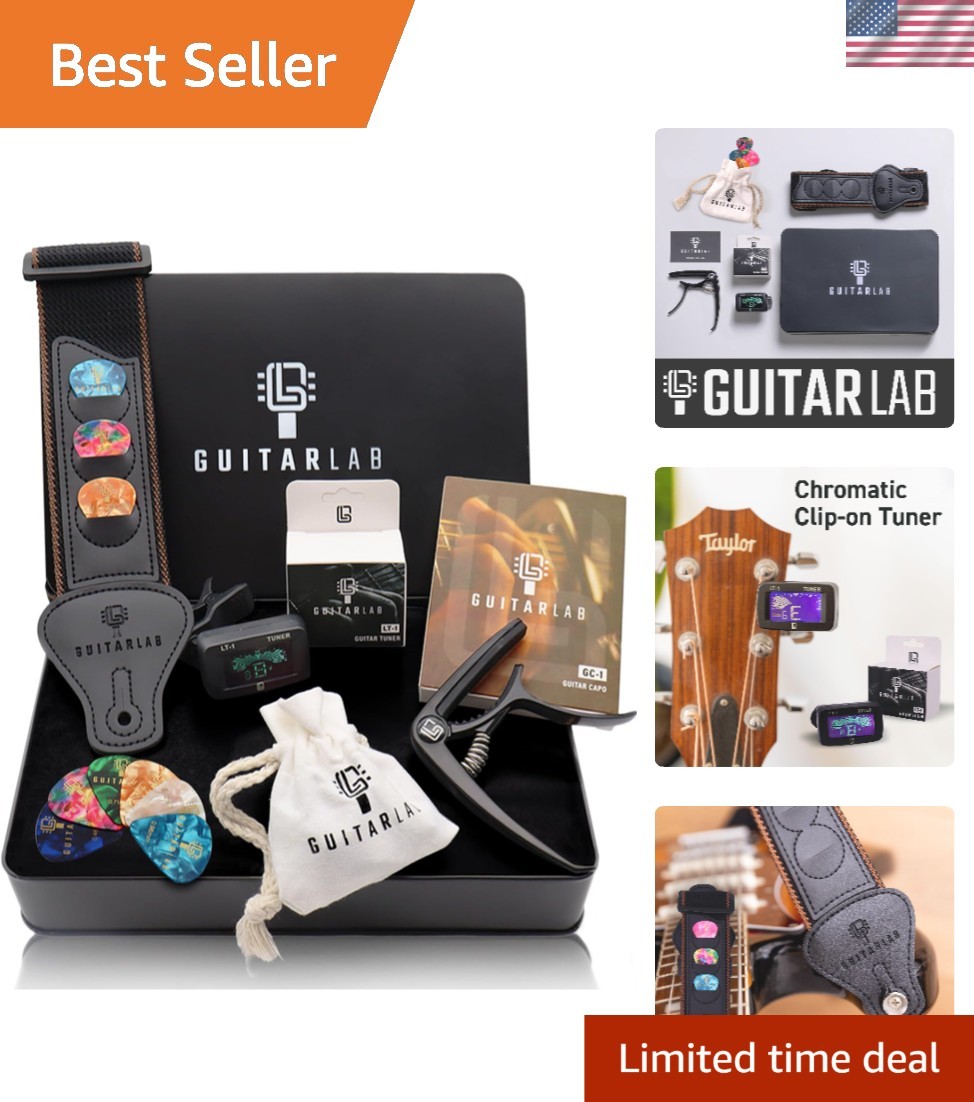

Photos from current listings. Actual item, color, and included accessories may vary.
Electric Guitar Tuner Buying Guide
An electric guitar tuner is a compact pitch-reference device that clips, plugs in, or sits on a pedalboard to bring each string to standard EADGBE or alternate tunings. The core trade-off is sensing method and build: clip-on piezo vibration sensing is portable but struggles in loud rooms, while pedal and inline tuners use a direct audio signal for stage-grade accuracy. Choose a true-bypass pedal or buffered inline tuner for gigging, and a clip-on with a bright display for practice and home setups.


At a glance
- Category
- Instrument Accessories
- Data updated
- Nov 16, 2026
Current offers
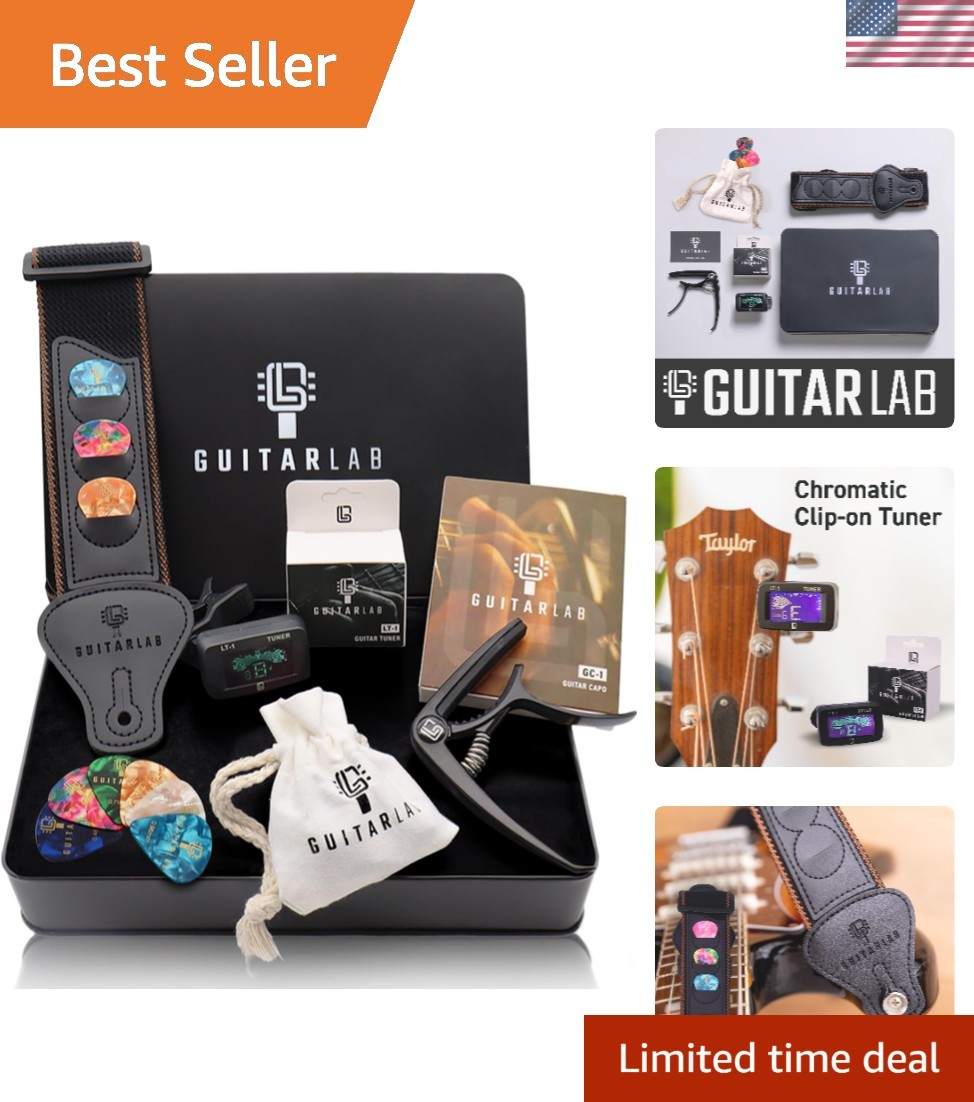
Highlights
- Clip-on tuners use a piezo contact sensor reading headstock vibration; pedal and inline tuners read the actual 1/4-inch audio signal for higher noise immunity.
- Chromatic mode detects all 12 semitones (A4=440 Hz reference, often adjustable 430-450 Hz); guitar mode auto-restricts to EADGBE for faster needle lock.
- Pedal tuners require a 9V DC center-negative supply (standard 2.1mm barrel) and true-bypass or buffered output to avoid tone suck when disengaged.
- Accuracy tiers run roughly +/-1 cent for budget clip-ons down to +/-0.1 cent or better on strobe and pedal units; display type (LCD, LED, strobe) drives readability under stage light.
Best use cases
- Best fit: pedalboard players gigging live — pick a true-bypass chromatic pedal tuner with a large LED display and daisy-chain 9V power; skip clip-ons that drift under stage volume.
- Best fit: home practice and acoustic-electric players — a clip-on chromatic tuner with a bright backlit display and 430-450 Hz calibration covers standard and drop tunings; skip rack or pedal units.
- Wrong fit: recording and setup work requiring +/-0.1 cent precision — use a strobe or inline tuner rather than a budget clip-on piezo sensor.
Buying tips
- Match the sensing type to the room: piezo clip-on for quiet spaces, inline 1/4-inch or pedal for loud stages where vibration sensing is unreliable.
- Confirm chromatic mode and adjustable A4 reference (at least 430-450 Hz) so you can handle drop D, half-step down, and setup intonation work.
- For pedal tuners, verify 9V DC center-negative compatibility and true-bypass wiring; buffered bypass is acceptable but changes the signal path.
- Check display readability: LED or strobe segments beat basic LCD in direct stage light, and auto-off/note-hold features save battery on clip-ons.
Specs
| Sensing Type | Piezo clip-on vs 1/4-inch inline/pedal |
|---|---|
| Tuning Modes | Chromatic (12-note) vs guitar-only |
| Accuracy Tier | +/-1 cent clip-on to +/-0.1 cent strobe |
| Power Source | 9V DC center-negative or coin/AAA battery |
Related searches
What to check before buying
- Headstock clearance: clip-on jaws must open wide enough for 6-in-line and 3+3 headstocks, and the display must angle toward your playing position.
- Signal path: pedal and inline tuners need a free 1/4-inch jack and, for pedals, a 9V DC center-negative outlet or daisy-chain slot on your power supply.
- Environment: stage lighting and loud amps favor LED/strobe displays over basic LCD; vibration-heavy stages favor direct-signal tuners over clip-on piezo.
- Tuning range: confirm the tuner covers your lowest string (low E at ~82 Hz, or drop B ~61 Hz) and your highest, plus any bass or baritone use.
FAQ
Data sources: eBay / Amazon listings and product attribute feeds Data updated Nov 16, 2026.
Some links on this page are affiliate links. If you buy after clicking one, we may earn a commission at no extra cost to you. This does not change which products appear here or their order. Affiliate disclosure.