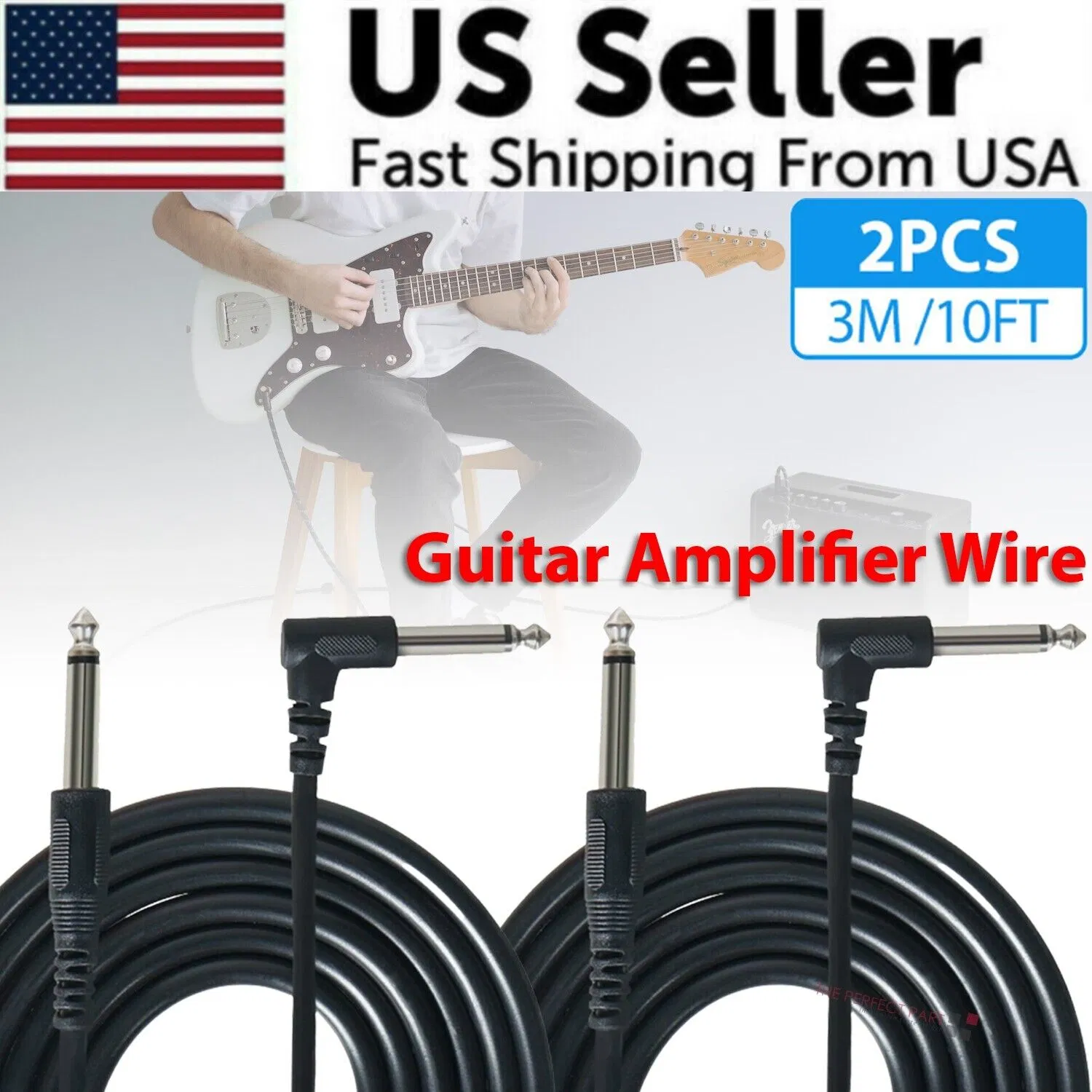

Photos from current listings. Actual item, color, and included accessories may vary.
Electric Guitar Amplifier Buying Guide
Electric guitar amplifiers range from compact practice combos to stage-ready tube heads, and the core trade-off is power section architecture (solid-state vs. tube) balanced against speaker size and wattage. Solid-state amps deliver reliability and low maintenance, while tube amps offer touch-sensitive dynamics at higher cost and weight. Choose a solid-state combo for home practice and plug-and-play durability, or a tube amp with a 12-inch speaker for gigging if you accept maintenance and weight.


At a glance
- Category
- Instrument Accessories
- Data updated
- Nov 16, 2026
Current offers
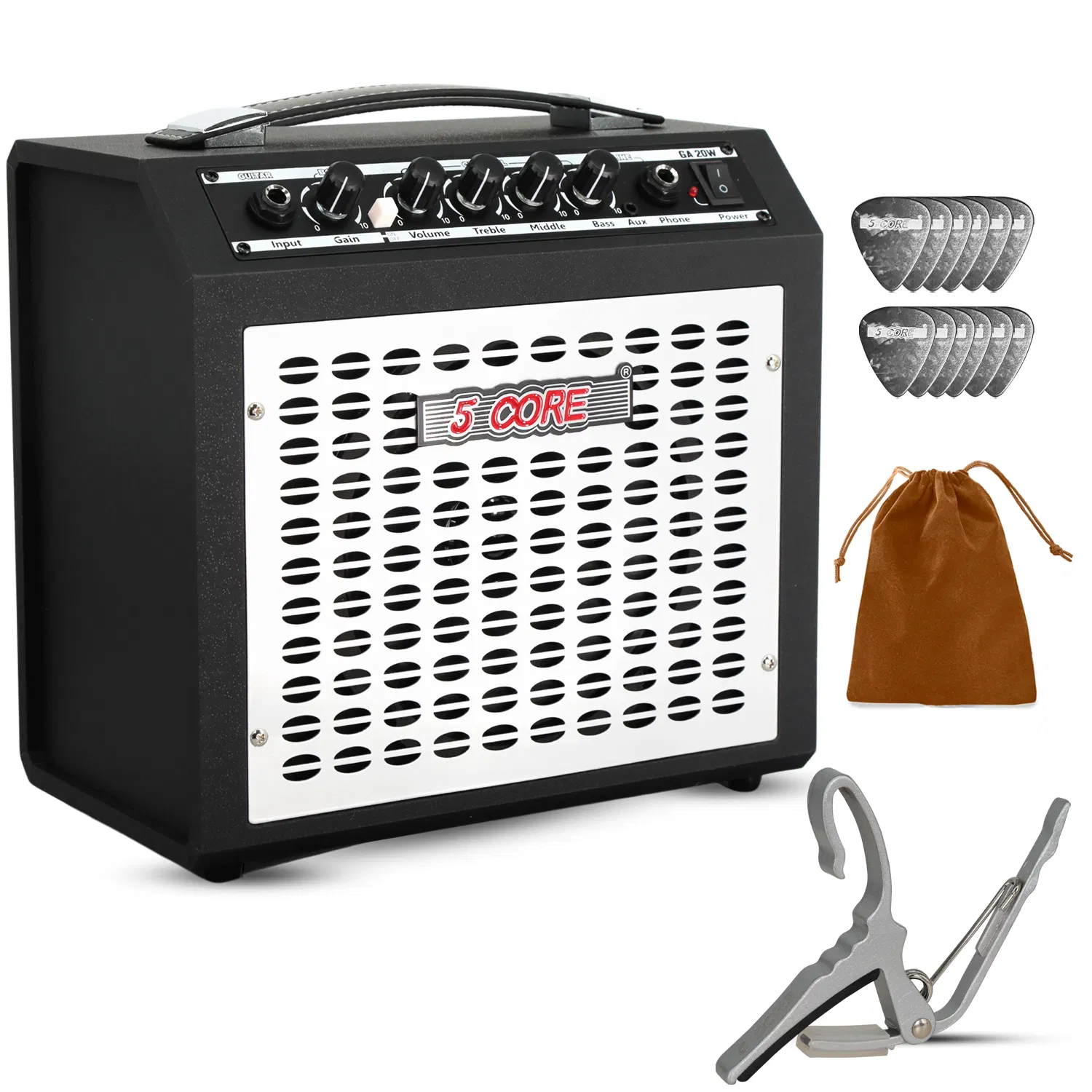
Highlights
- Power section: solid-state (analog or modeling) vs. tube (preamp/power tubes) determines response, weight, and maintenance
- Speaker size: 8-inch for home practice, 10-inch for rehearsal, 12-inch for stage volume and low-end
- Wattage: 5-15W for bedroom/busking, 20-50W for band practice, 50-100W for gigs without PA support
- Cabinet construction: open-back combo vs. closed-back extension cab changes projection and bass response
Best use cases
- Home practice and recording: choose a 5-15W solid-state combo with 8-inch speaker and headphone out; skip 50W+ tube amps that need attenuation.
- Band rehearsal and small gigs: pick a 20-50W combo with 12-inch speaker and line out; skip 5W practice amps that lack clean headroom.
- Stage and touring: select a 50-100W tube head with matched 2x12 or 4x12 cab; skip open-back combos if you need tight bass and directional projection.
- Bedroom silent practice: use a headphone-compatible mini amp or modeling combo; skip full tube stacks that require high volume to sound best.
Buying tips
- Match wattage to venue: 5W for bedroom, 20W for small club, 50W+ for unmic'd stage; tube watts are louder per watt than solid-state.
- Check speaker impedance and cabinet power rating: 8-ohm and 16-ohm are common; ensure cab RMS wattage exceeds amp output by at least 50%.
- For pedal-friendly platforms, prioritize amps with an effects loop and clean headroom rather than high-gain built-in channels.
- Solid-state modeling amps offer more built-in effects and lower maintenance; tube amps need bias checks and tube replacement over time.
Specs
| Power Section | Solid-state / Tube / Modeling |
|---|---|
| Wattage Range | 5W practice to 100W stage |
| Speaker Size | 8-inch / 10-inch / 12-inch |
| Cabinet Type | Open-back combo / Closed-back cab |
Related searches
What to check before buying
- Measure your practice space and transport vehicle: a 1x12 combo is roughly 18-24 inches wide and 35-50 lbs; a 4x12 cab is over 30 inches wide and 80+ lbs.
- Confirm output power and speaker impedance match: amp output should not exceed cabinet RMS rating, and impedance must match (8Ω to 8Ω, 16Ω to 16Ω).
- Check headphone and line-out features if you need silent practice or direct recording; many small combos include aux in and headphone jack.
- Verify voltage and plug standard for your region (120V/60Hz or 230V/50Hz) and whether the amp has a switchable power transformer.
FAQ
Data sources: eBay / Amazon listings and product attribute feeds Data updated Nov 16, 2026.
Some links on this page are affiliate links. If you buy after clicking one, we may earn a commission at no extra cost to you. This does not change which products appear here or their order. Affiliate disclosure.