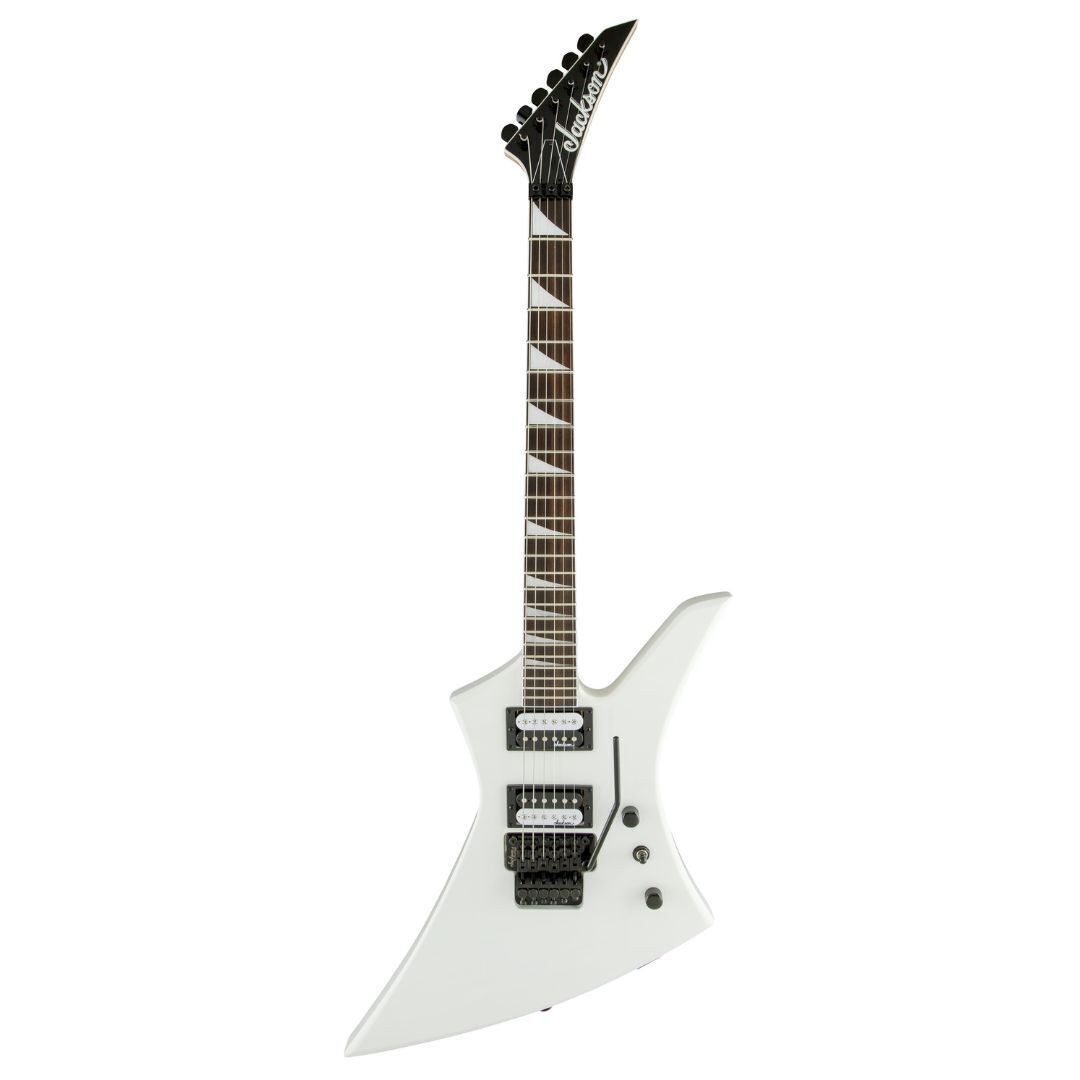

Photos from current listings. Actual item, color, and included accessories may vary.
Jackson JS Buying Guide
The Jackson JS Series is the brand's entry-level line of solid-body electric guitars, built for high-gain metal and shred playing at an accessible tier. The core trade-off is between the affordability of basswood bodies, ceramic humbuckers, and licensed tremolos versus the superior tuning stability, sustain, and component quality of the Pro Series and USA Select lines. Choose JS if you want the Jackson neck profile and aggressive styling on a budget; step up to the X Series or Pro Series if you need Floyd Rose Original tremolos, active pickups, or neck-through construction.


At a glance
- Brand
- Not synced yet
- Model
- Not synced yet
- MPN
- Not synced yet
- Category
- Guitars & Basses
- Status
- Offers available
- Data updated
- Nov 16, 2026
Current offers
Highlights
- JS Series uses poplar or basswood bodies with bolt-on maple necks and rosewood or amaranth fretboards—lighter and cheaper than the alder/mahogany and neck-through builds of higher tiers.
- Stock electronics are Jackson high-output ceramic humbuckers (HB-2/HB-3 or similar), which deliver hot gain but lack the clarity and coil-split versatility of Pro Series Seymour Duncan or active EMG pickups.
- Most JS tremolo models use a licensed Floyd Rose-style double-locking bridge, which stays in tune under dive bombs but requires careful setup and hardened posts to avoid wear.
- The JS32 Kelly, Rhoads, and Dinky shapes are all 25.5-inch scale with 12-16-inch compound radius fretboards and 24 jumbo frets—consistent shred-ready geometry across the line.
Best use cases
- Best fit: teenage or budget-conscious players wanting a Floyd Rose-equipped metal guitar for drop tunings and whammy abuse—pick a JS32 with a licensed tremolo and set it up for one tuning.
- Best fit: players who want the Jackson Dinky or Rhoads body style for stage look and playability but will swap pickups later—JS models have standard humbucker routs and are upgrade-friendly.
- Wrong fit: gigging musicians needing rock-solid tuning stability and premium hardware—skip the JS and go to the Pro Series or a used USA Select with an Original Floyd Rose.
- Wrong fit: players who prefer vintage output or single-coil tones—the JS line is voiced hot for metal, and the stock ceramics are not ideal for blues or clean jazz.
Buying tips
- Check the bridge type: JS models with licensed Floyd Rose trems need a fresh setup and hardened steel posts; if you palm-mute heavily or change tunings often, choose the hardtail JS32T instead.
- Inspect the fretwork and neck pocket on arrival—entry-tier JS guitars can have sharp fret ends or minor finish flaws, so budget for a professional setup if you are not comfortable doing it yourself.
- Prioritize models with a compound-radius fretboard (12-16 inches) for comfortable chording near the nut and fast bending up high; most JS32 and JS22 models have this.
- Upgrade the pickups and tremolo block first if you keep the guitar—a brass or steel tremolo block and a set of name-brand humbuckers transform the JS platform more than any other modification.
Specs
| Body Wood | Basswood / Poplar (JS) vs Alder (Pro) |
|---|---|
| Bridge Type | Licensed Floyd Rose vs Original |
| Pickup Type | Ceramic humbucker vs Duncan/EMG |
| Neck Construction | Bolt-on maple vs Neck-through |
Alternatives to compare
Related searches
What to check before buying
- Measure your available space: the Kelly and Rhoads are offset and V-shaped bodies that need a dedicated stand or case; a Dinky or Soloist shape fits standard gig bags.
- Confirm the tremolo route: if you buy a Floyd-equipped JS, ensure the rear cavity has room for the springs and that you have the correct Allen wrenches for saddle and nut locks.
- Check your amp or interface: JS ceramic humbuckers are hot and can overwhelm budget practice amps—roll back the volume or use a clean channel with pedals for better tone.
- Verify the serial number and model number on the headstock and hangtag—JS32 and JS22 designations indicate different body woods and hardware, so match the spec sheet before buying.
FAQ
Data sources: eBay / Amazon listings and product attribute feeds Data updated Nov 16, 2026.
Some links on this page are affiliate links. If you buy after clicking one, we may earn a commission at no extra cost to you. This does not change which products appear here or their order. Affiliate disclosure.