Photos from current listings. Actual item, color, and included accessories may vary.
ESP Electric Buying Guide
ESP electric guitars and basses split into two clear lines: the professional ESP Custom Shop/Original Series and the import LTD Series, which shares shapes and hardware tiers at lower cost. The primary trade-off is construction and electronics tier—neck-through vs bolt-on, active vs passive pickups, and material grade—which directly governs sustain, tuning stability, and long-term durability. Buy ESP Original or E-II when the instrument is a primary working tool; buy LTD 200/400/1000 tiers based on pickup and bridge upgrades, not cosmetics.


At a glance
- Brand
- Not synced yet
- Model
- Not synced yet
- MPN
- Not synced yet
- Category
- Guitars & Basses
- Status
- Offers available
- Data updated
- Nov 16, 2026
Current offers
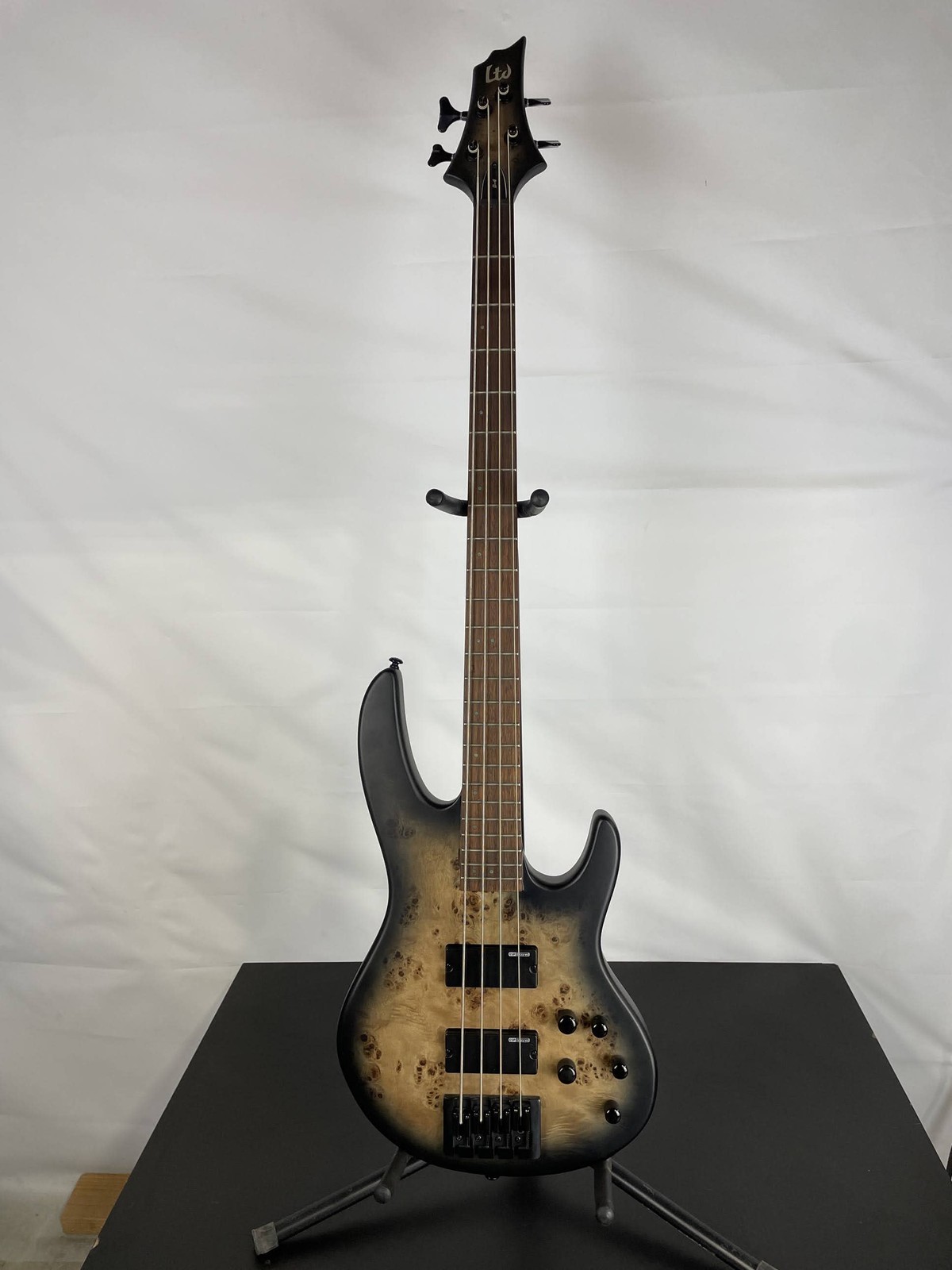 Excellent ESP LTD D-4 4-String Bass Guitar, Roasted Jatoba Fingerboard, Black Na$487.00Last checked Nov 14, 2026
 View on eBay
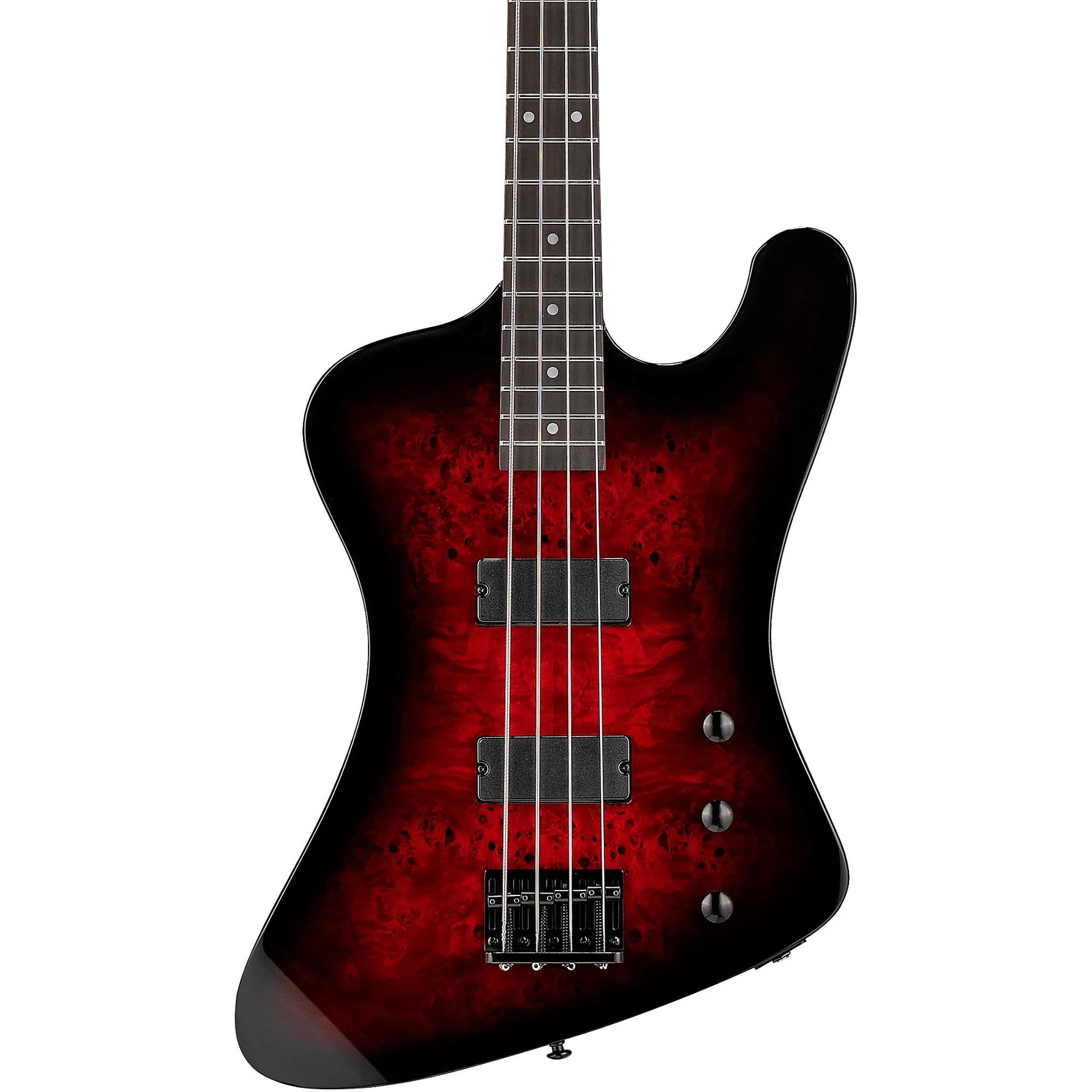 ESP LTD Phoenix-204DX 4-String Bass Guitar, Rosewood Fingerboard, Red Burst$549.00Last checked Nov 14, 2026View on eBay
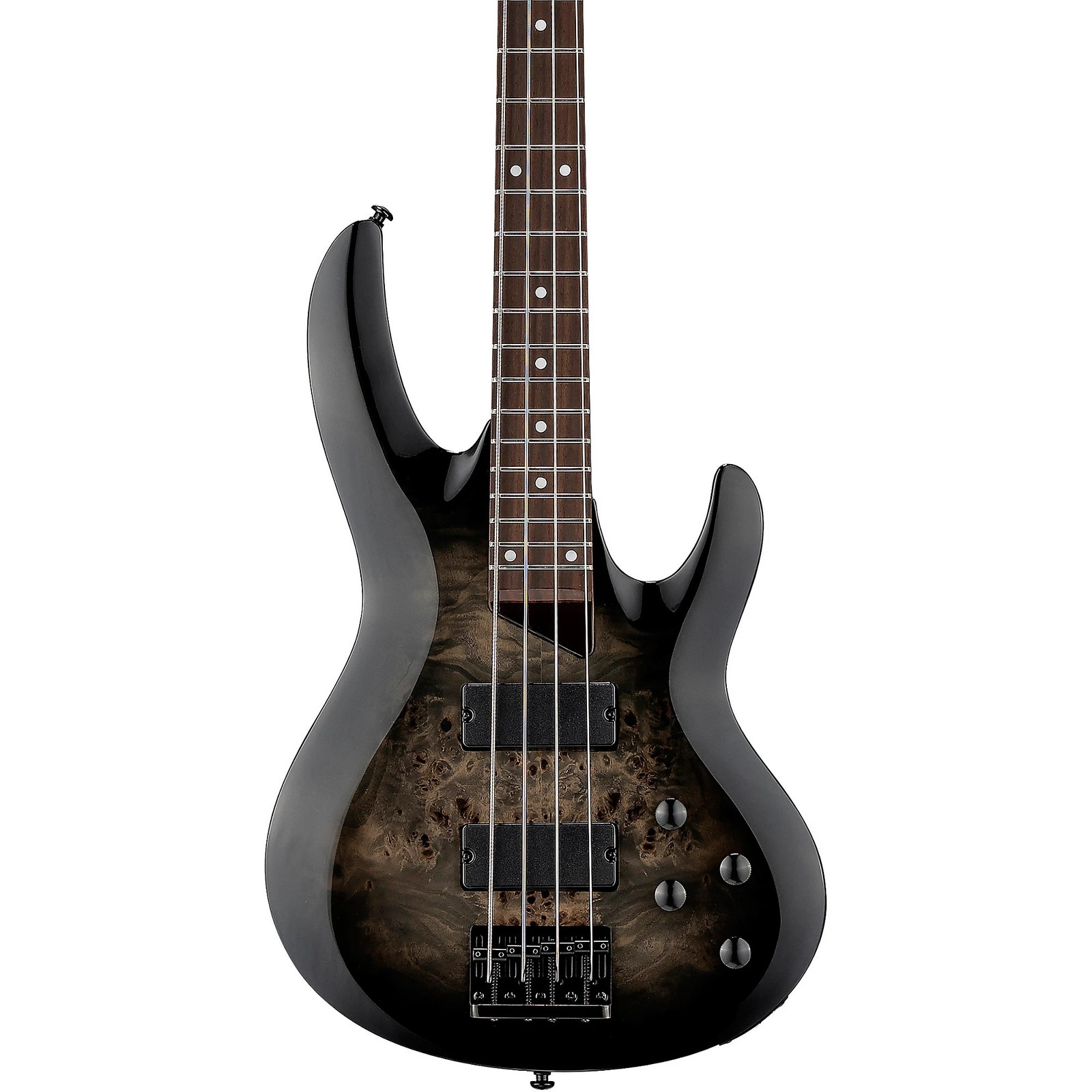 ESP LTD B-204DX 4-String Bass Guitar, Rosewood Fingerboard, Black Burst$549.00Last checked Nov 14, 2026View on eBay
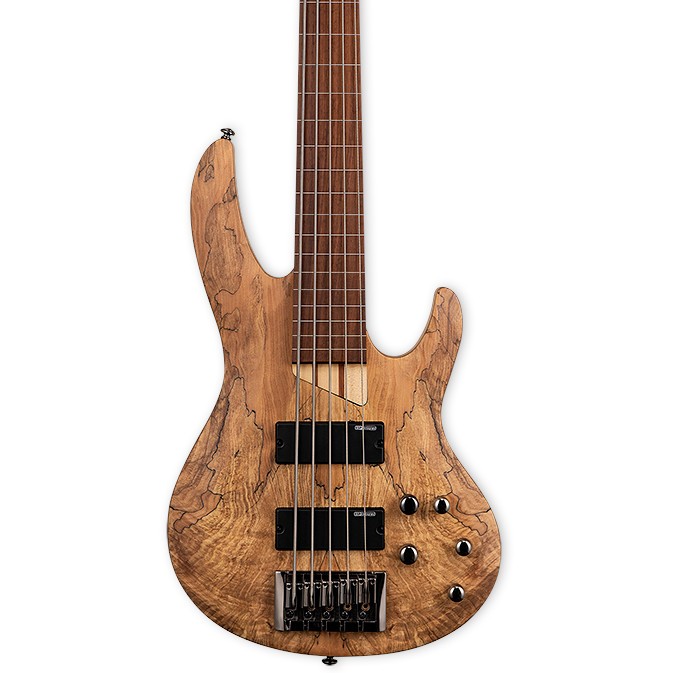 ESP LTD B-205SM Fretless 5-String Bass Guitar, Natural Satin$699.00Last checked Nov 14, 2026View on eBay
Highlights
- ESP Original and E-II series use neck-through construction with set-thru heel carving for maximum sustain and upper-fret access; LTD 1000 series uses set-thru, while LTD 200/400 use bolt-on.
- LTD Deluxe 1000-series instruments ship with name-brand pickups (Seymour Duncan or EMG) and Gotoh or TonePros bridges; 200/400 tiers use ESP-designed passive or active pickups with licensed bridges.
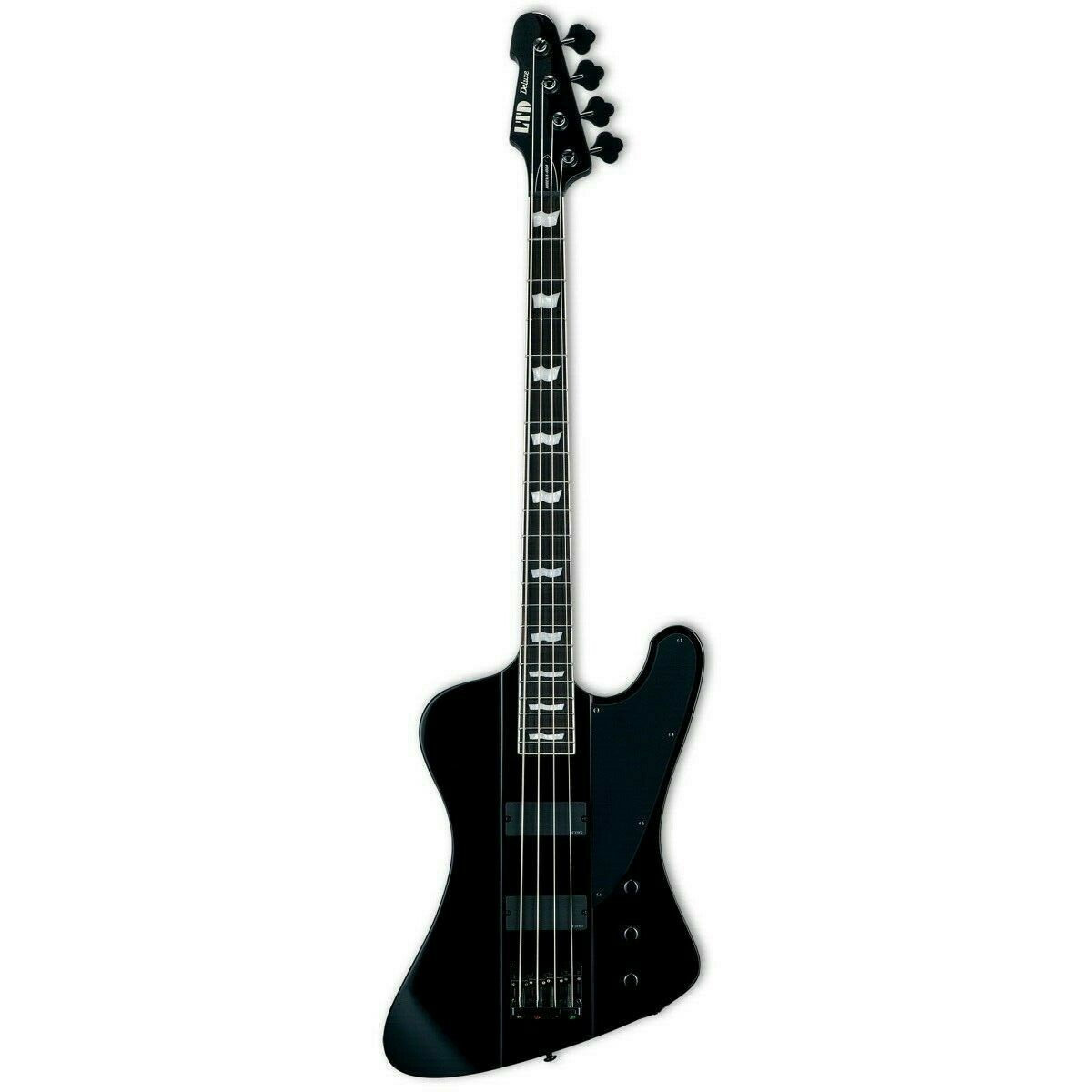
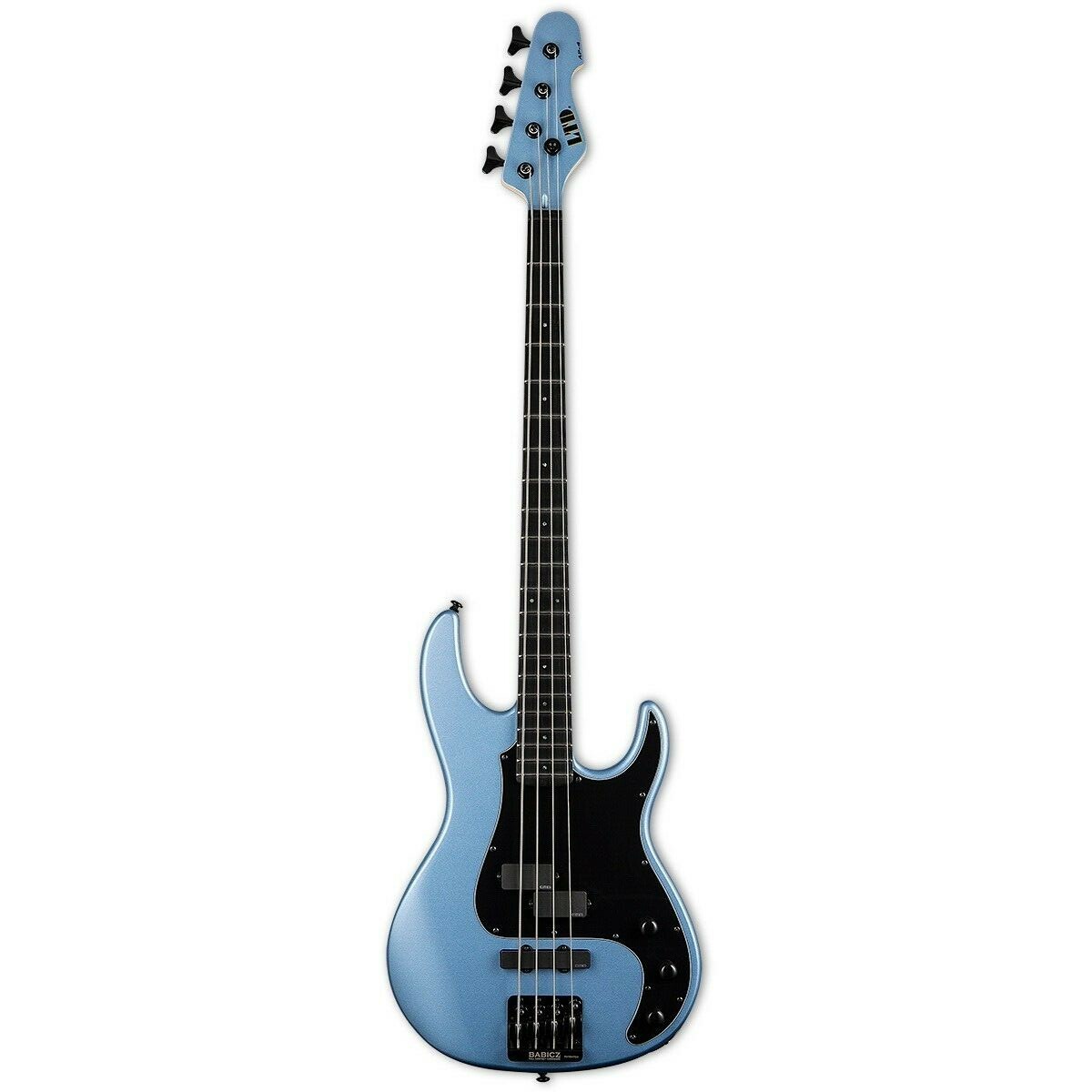
- ESP bass lines—B, D, AP, and Phoenix—differ in body shape and scale: B/D are double-cut with 34-inch scale; Phoenix is a reversed Explorer-style offset; AP is a Precision-style 34-inch scale.
- Fretless LTD models like the B-205SM use a lined fretless fingerboard; fretted equivalents use the same body but add nickel-silver frets, so choose fretless only for players committed to intonation by ear.
Best use cases
- Pick an LTD B-204/B-205 or D-4 if you need a gig-ready 4- or 5-string bass with active EQ and a thin fast neck; skip the fretless B-205SM unless you already play fretless.
- Choose the AP-4 Black Metal if you want a single-pickup, stripped-down passive bass for punk, metal, or rock with minimal controls and a durable satin finish.
- Buy ESP E-II or Original only if the guitar or bass is your primary recording/touring instrument; for practice, home recording, or a second backup, LTD 400 and 1000 tiers deliver the same shapes at lower cost.
- Skip the Phoenix-204DX if you need maximum upper-fret access—its reversed offset body balances differently and suits players who stand with the neck angled upward.
Buying tips
- Match scale length to tuning: 34-inch scale handles standard and drop-D; for drop-C or lower on a 4-string, choose a 35-inch or 5-string model to keep string tension usable.
- Confirm pickup type before buying: active EMG-style pickups need a 9V battery and deliver compressed high-gain tone; passive Seymour Duncan pickups need no battery and clean up better at low volume.
- Check bridge and tuner grade on LTD tiers: 1000-series gets Gotoh or TonePros hardware; 200/400 uses licensed bridges that are serviceable but benefit from a pro setup after purchase.
- For 5-string basses, verify the nut width—LTD 5-strings typically run 45mm, which suits players with larger hands; 4-string models run about 42mm at the nut.
Specs
| Construction | Neck-through / Set-thru / Bolt-on |
|---|---|
| Pickup Type | Active EMG-style vs Passive Duncan |
| Scale Length | 34 in standard; 35 in for low tunings |
| Series Tier | Original / E-II / LTD 1000 / 400 / 200 |
Alternatives to compare
Related searches
What to check before buying
- Measure your case or gig-bag pocket: ESP offset shapes like the Phoenix and AP require a dedicated fitted case, not a generic Strat-style bag.
- Confirm your amp or interface input: active-pickup basses output hotter signal, so a pad switch or active-ready input prevents clipping.
- Check strap-button placement on offset models—reversed bodies may need strap locks to balance standing position.
- Verify tuning hardware: if you plan drop tunings, confirm the bass has a Hipshot-style detuner or budget for one, since standard LTD tuners are fixed.
FAQ
Data sources: eBay / Amazon listings and product attribute feeds Data updated Nov 16, 2026.
Some links on this page are affiliate links. If you buy after clicking one, we may earn a commission at no extra cost to you. This does not change which products appear here or their order. Affiliate disclosure.