

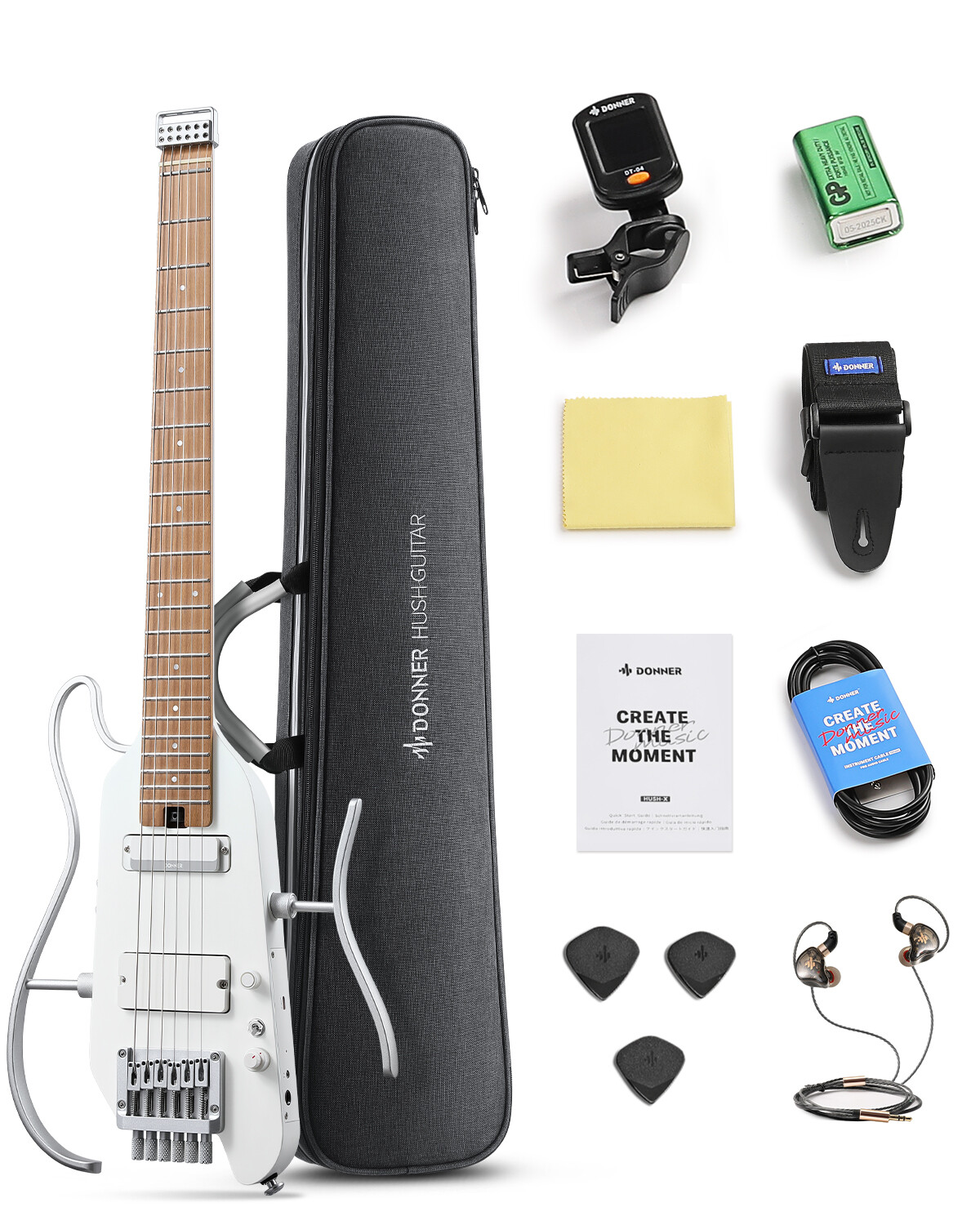
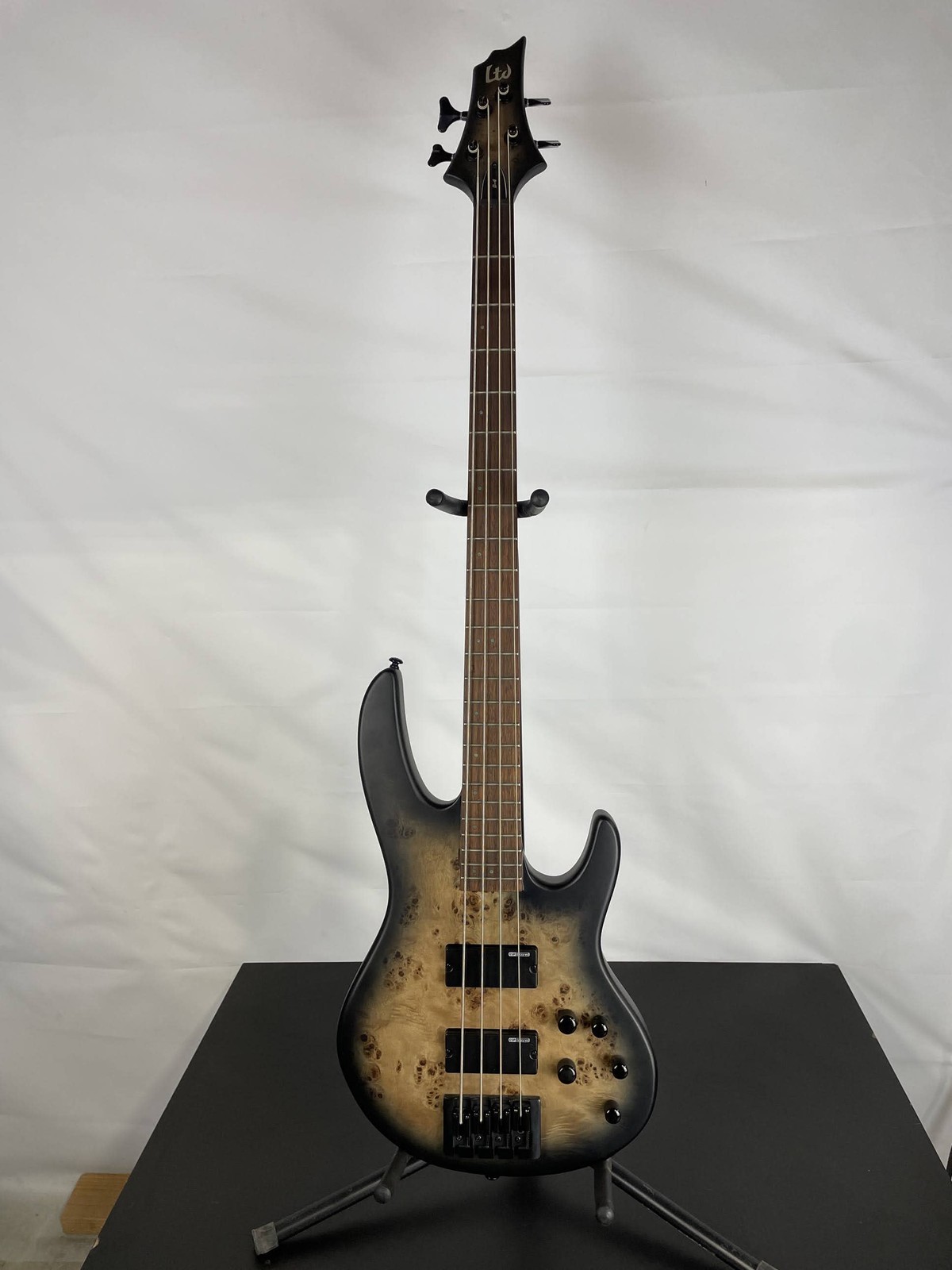
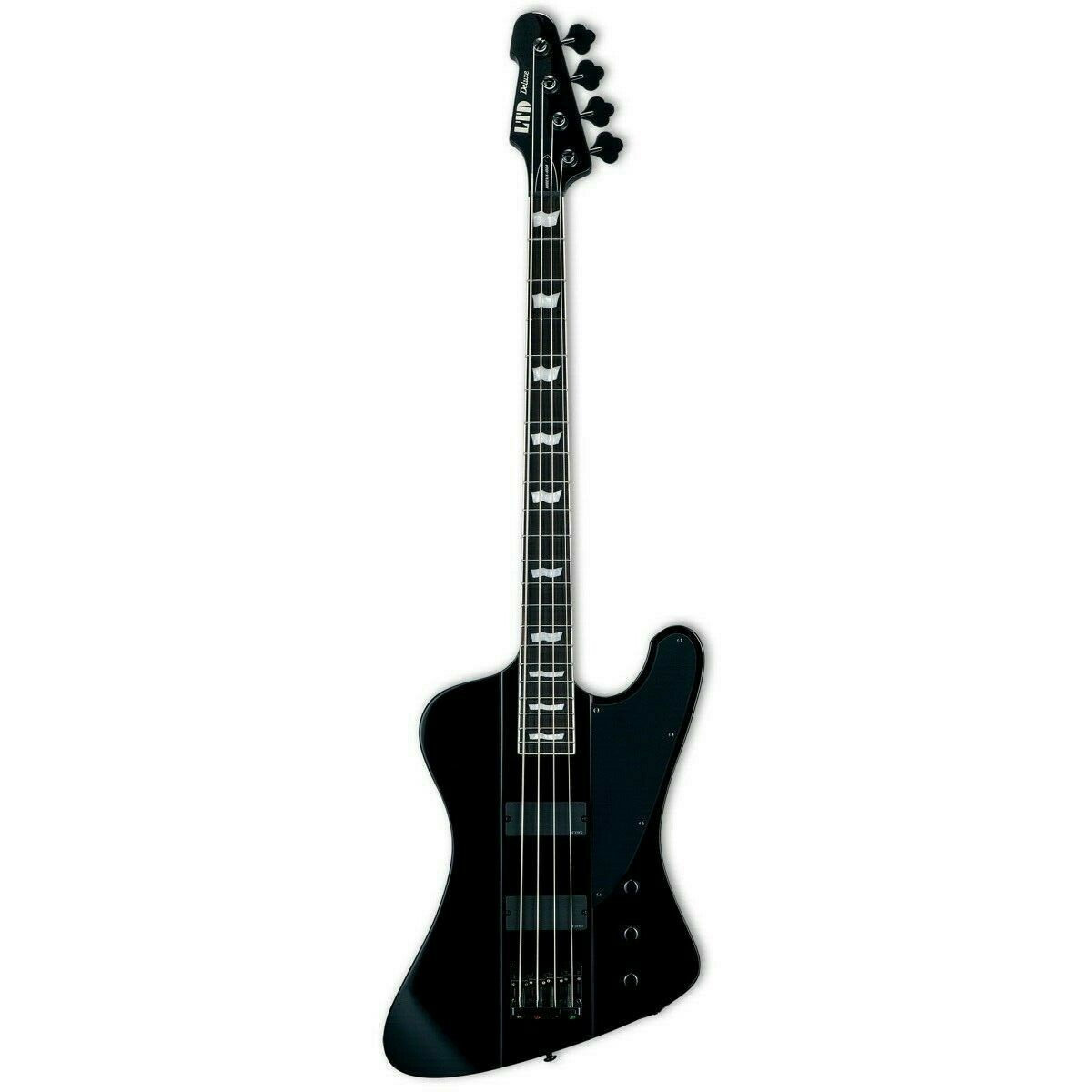
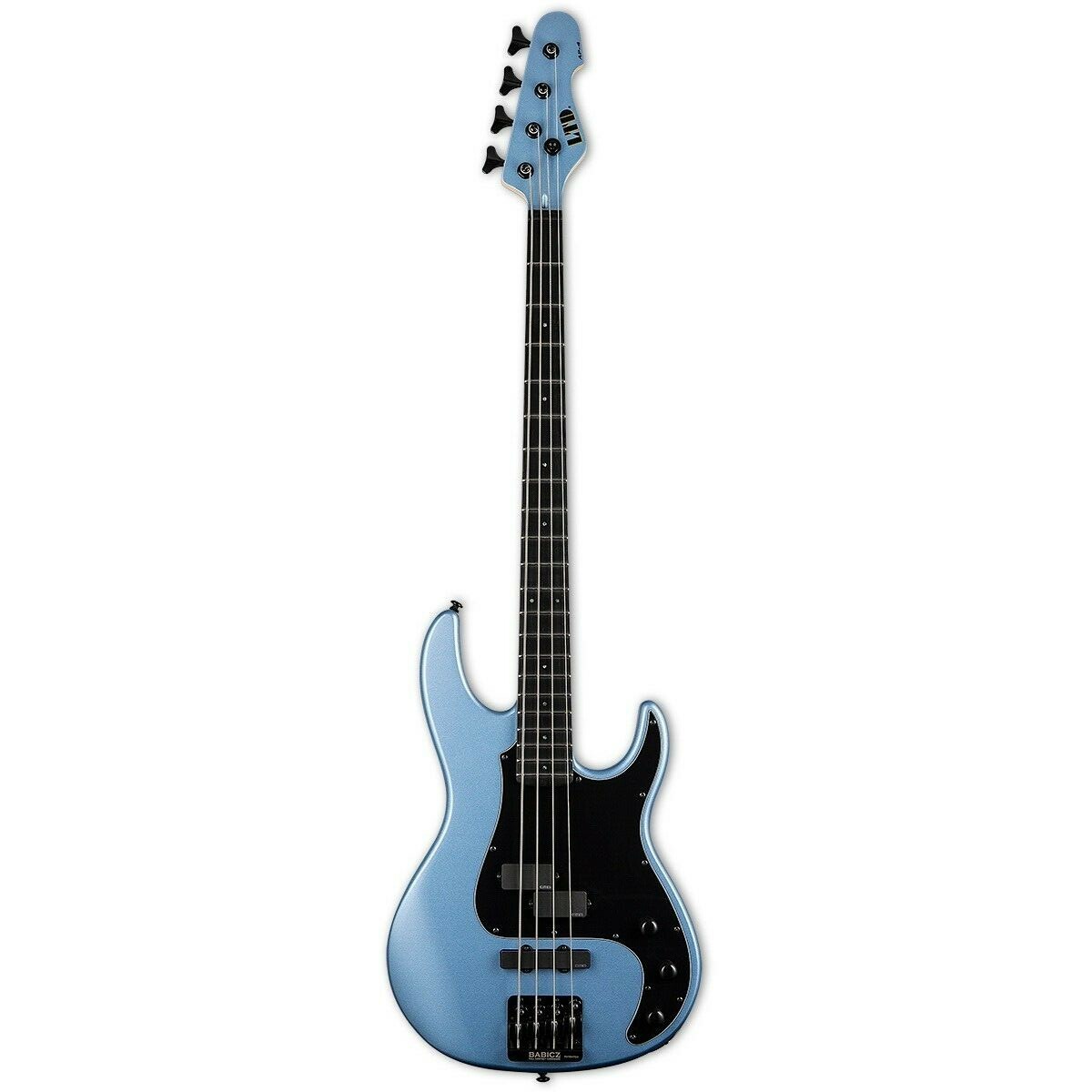
Photos from current listings. Actual item, color, and included accessories may vary.
Aria ProⅡ TSB-500 Buying Guide
The Aria Pro II TSB-500 is a vintage 1980s electric bass from the Japanese-made Tri Sound Bass series, prized for its through-neck construction and DiMarzio-style humbuckers. The key buying trade-off is original-condition collectibility versus playable setup: many examples need fretwork, electronics service, or hardware replacement after four decades. The clear decision rule is to buy only if the neck is straight and truss rod functional, because cosmetic wear is acceptable but structural neck or electronic failure turns a collectible into a money pit.


At a glance
- Brand
- Not synced yet
- Model
- Not synced yet
- MPN
- Not synced yet
- Category
- Guitars & Basses
- Status
- Offers available
- Data updated
- Nov 16, 2026
Current offers
Highlights
- TSB-500 uses a neck-through-body build with maple/walnut laminates, giving sustain and stability that bolt-on budget basses cannot match.
- Original electronics are dual humbucking soapbar pickups with active/passive Tri Sound switching, a rare feature that defines the model's tone.
- Most TSB-500s were built in Japan by Matsumoku in the early-to-mid 1980s, so condition and originality matter more than year-to-year spec changes.
- Hardware is standard vintage-era chrome or black; bridge and tuner parts are not current-production, so replacement sourcing affects long-term ownership cost.
Best use cases
- Best fit: a collector or player who wants a genuine 1980s Japanese neck-through bass with character and is willing to budget for a pro setup.
- Wrong fit: a beginner wanting a reliable first bass, because vintage electronics and worn frets demand maintenance knowledge and service cost.
- Best fit: a gigging bassist who values thick humbucker tone and can handle active preamp battery access and older jack hardware.
- Wrong fit: a player needing modern slap-friendly narrow spacing or lightweight sub-8-pound basses, since the TSB-500 is a heavier, wider-neck vintage instrument.
Buying tips
- Demand a straight-edge neck check and confirm the truss rod turns both directions; a frozen rod on a neck-through bass is a deal-breaker.
- Verify pickup output and Tri Sound switch operation with an amp test, because replacement soapbar humbuckers rarely match the original footprint.
- Measure scale length at 34 inches and confirm bridge saddle travel; a maxed-out bridge indicates neck angle or intonation problems.
- Prioritize examples with original pickups, bridge, and tuners, since vintage-correct replacement parts are scarce and expensive.
Specs
| Construction | Neck-through maple/walnut |
|---|---|
| Pickup Type | Dual soapbar humbucker |
| Electronics | Tri Sound active/passive |
| Scale Length | 34 in (864 mm) |
Alternatives to compare
Related searches
What to check before buying
- Ask for neck relief and action measurements at the 12th fret before buying, since setup cost can exceed the instrument's value if frets are worn.
- Confirm the bass ships with a case or gig bag sized for a 34-inch scale neck-through body, as TSB-500 body outlines differ from Fender-style basses.
- Check that the seller has tested the active preamp with a fresh battery, because dead active circuits are common and costly to repair.
- Verify the output jack type and condition, as vintage barrel jacks loosen and require replacement that can affect originality.
FAQ
Data sources: eBay / Amazon listings and product attribute feeds Data updated Nov 16, 2026.
Some links on this page are affiliate links. If you buy after clicking one, we may earn a commission at no extra cost to you. This does not change which products appear here or their order. Affiliate disclosure.