Photos from current listings. Actual item, color, and included accessories may vary.
Dj Controller Buying Guide
A DJ controller is the all-in-one bridge between your hands and DJ software, combining jog wheels, channel faders, EQ knobs, and a built-in audio interface. The core trade-off is deck count and I/O versus size and cost: 2-channel controllers are compact and affordable, while 4-channel units add standalone mixer capability and more routing. The decision rule is simple: buy a class-compliant USB controller with a built-in 24-bit audio interface and capacitive or high-resolution jog wheels; skip anything that relies on 3.5mm outputs, lacks a dedicated cue/master mix knob, or has resistive jog wheels that drift under fast scratching.

At a glance
- Category
- DJ Equipment
- Data updated
- Nov 16, 2026
Current offers
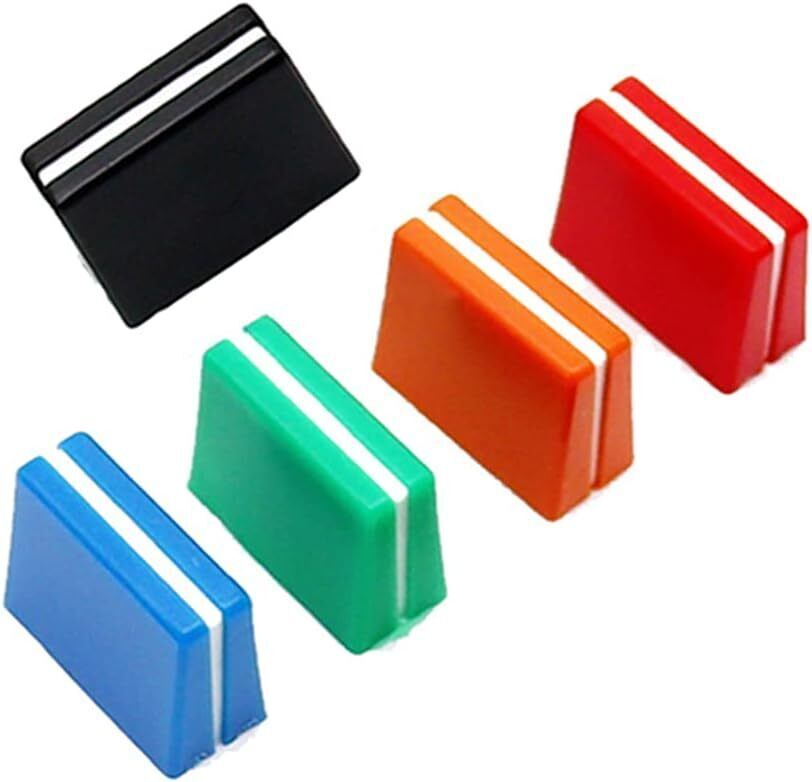 5Pc/Set Knob EQ Fader Cap for Pioneer Numark Rane AKAI DJ Controller Mixer Parts$8.24
 View on eBay
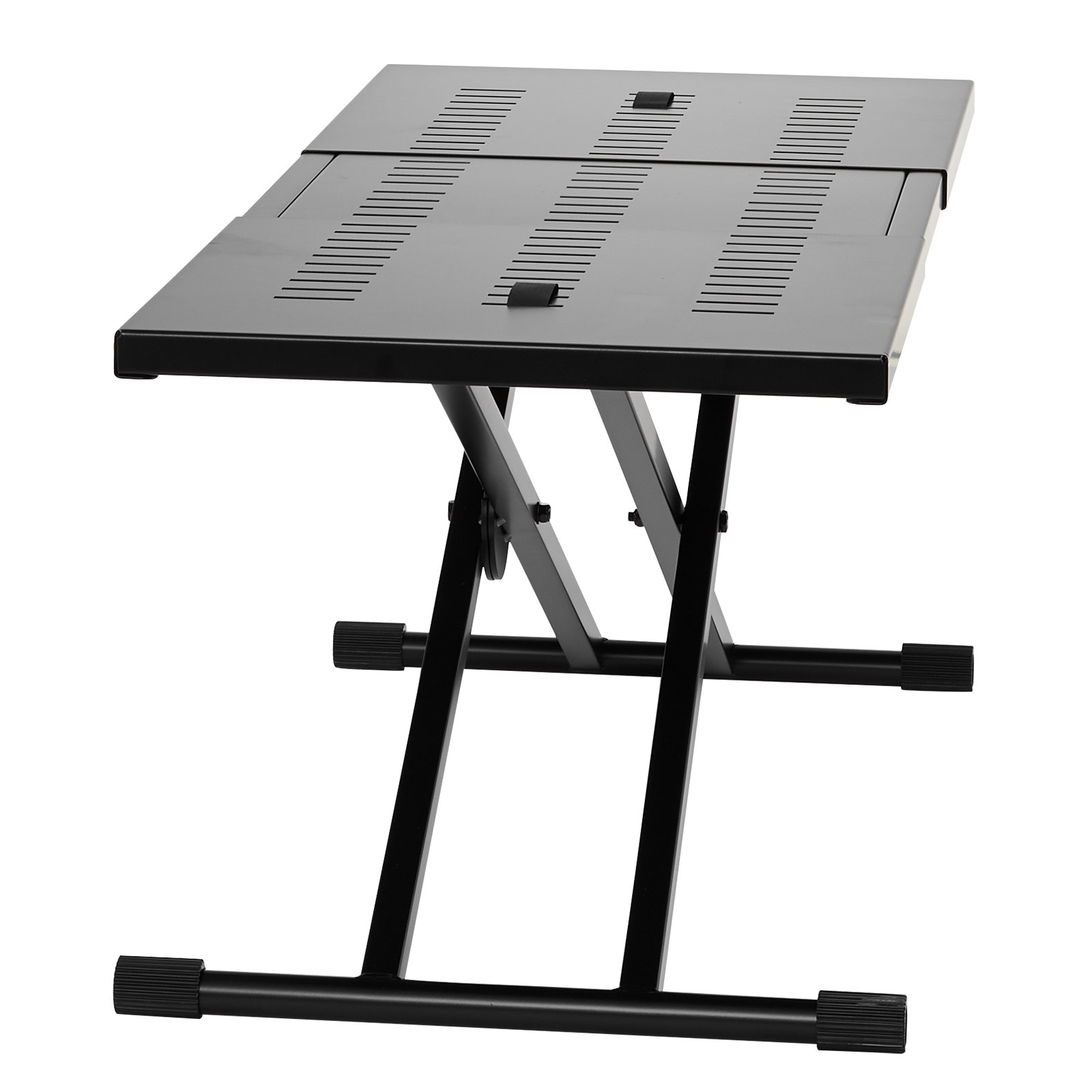 DJ Table Stand, (32"-43") X 18" Portable DJ Laptop And Controller Lightweight DJ Desk DJ Booth Adjustable Height DJ Foldable Double-X Keyboard & Tabletop, Audio Mixer$90.99
 View on Mallflare
 For Pioneer Numark Rane AKAI DJ Controller Mixer Knob EQ Fader Cap Replace Parts$9.81View on eBay
 For Pioneer Numark Rane AKAI DJ Controller Mixer 5/12PCS Knob EQ Fader Cap Parts$9.81View on eBay
 For Pioneer Numark Rane AKAI DJ Controller Mixer 5-12PCS Knob EQ Fader Cap Parts$10.74View on eBay
 5/10pcs Knob EQ Fader Cap for Pioneer Numark Rane AKAI DJ Controller Mixer Parts$12.53View on eBay
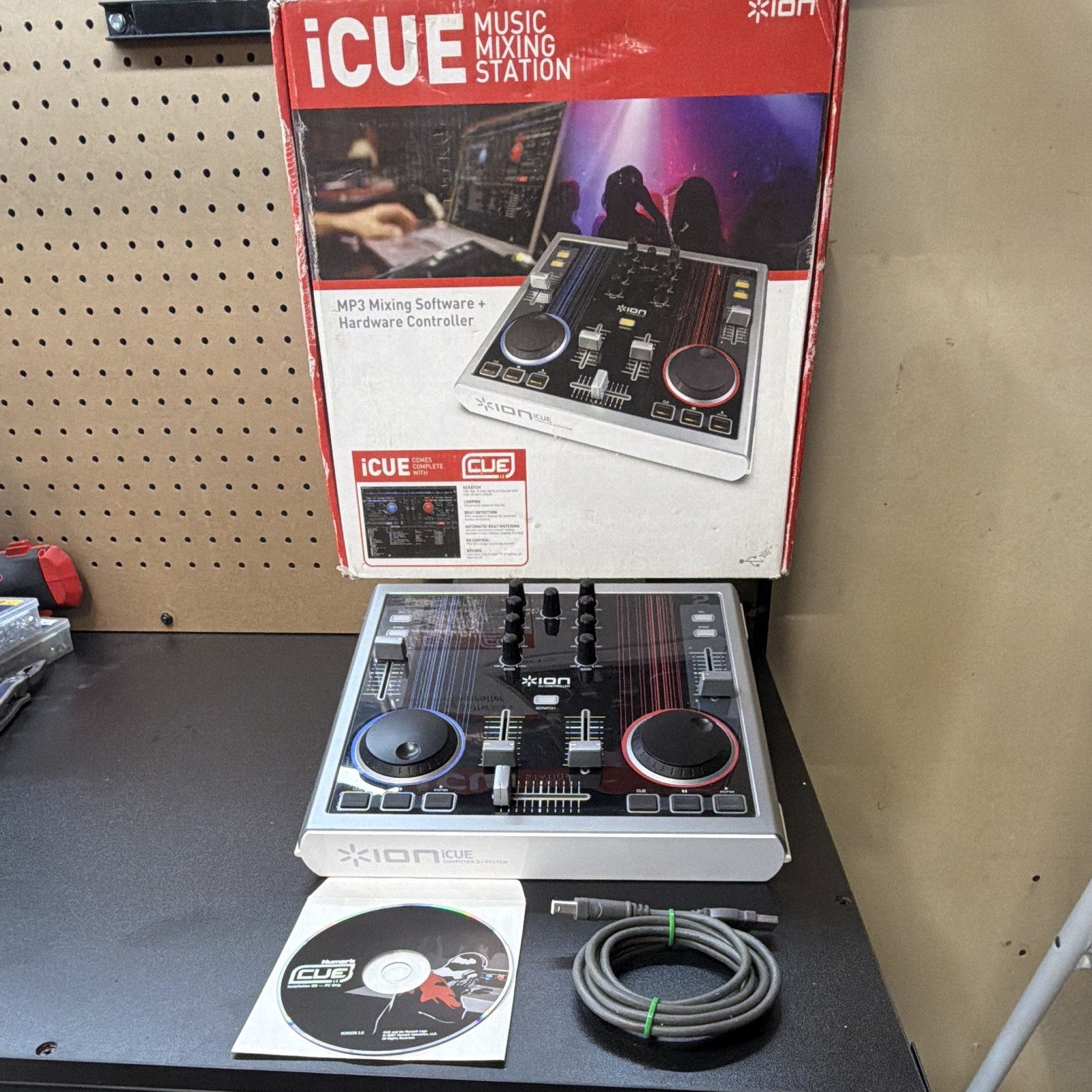 ION iCUE Music Mixing Station 2-Deck DJ Controller Mixer 3-Band EQ USB$19.99View on eBay
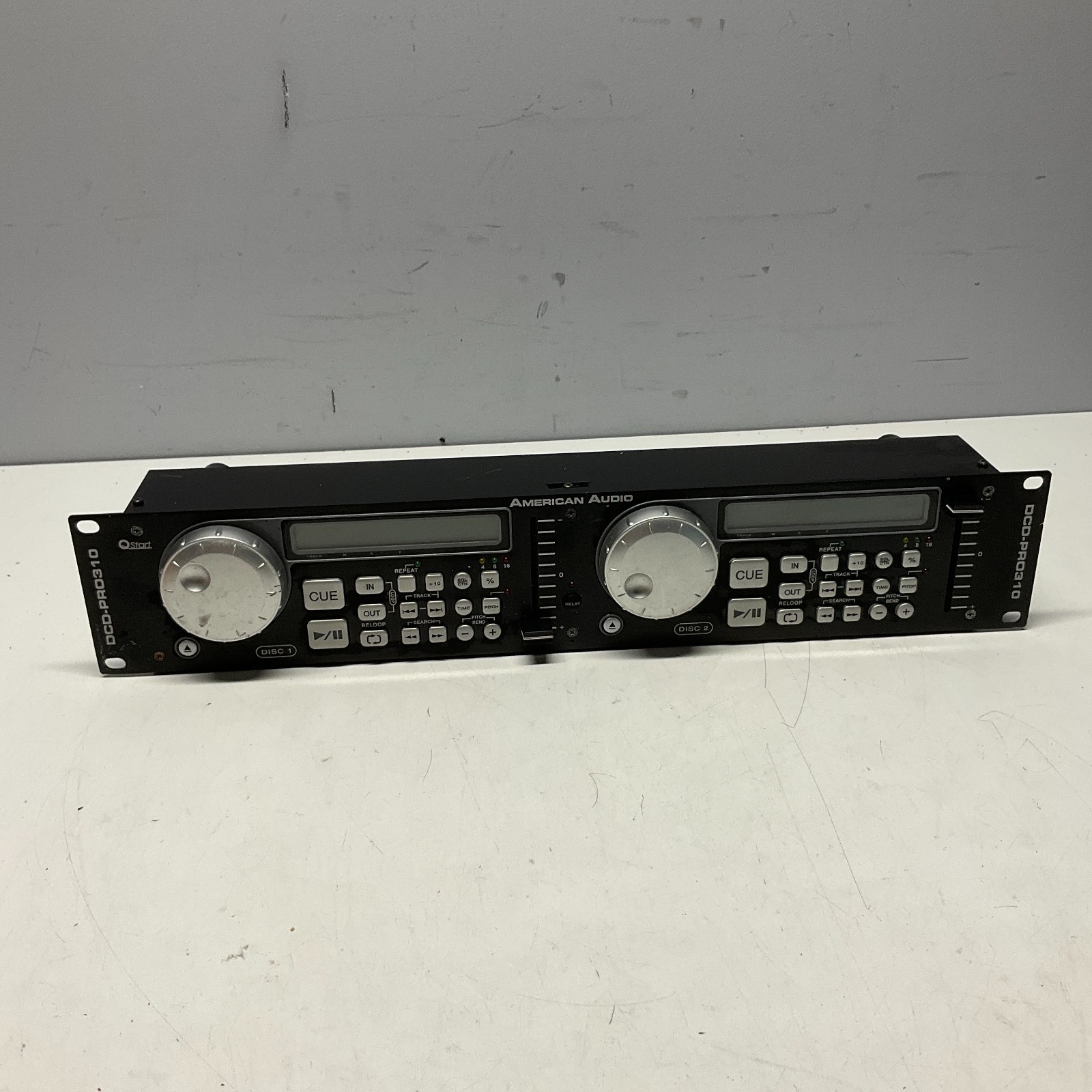 American Audio DCD-PRO310 Professional DJ Controller Tested and Working$35.95View on eBay
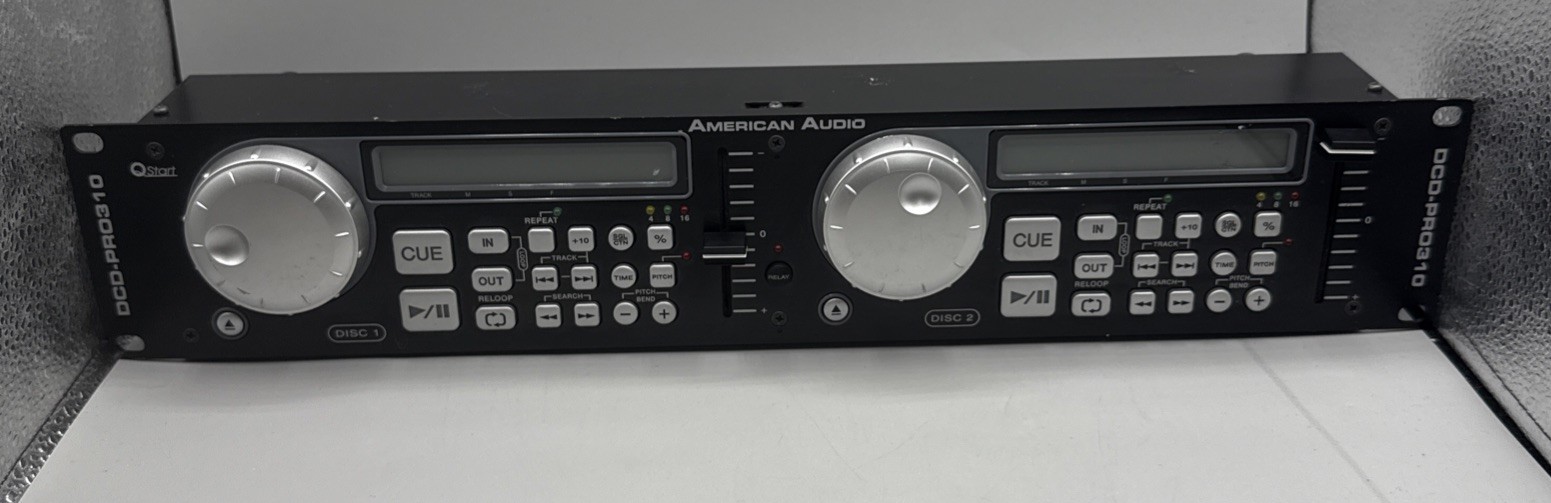 American Audio Model DCD-Pro310 Dual Professional DJ Controller$40.00View on eBay
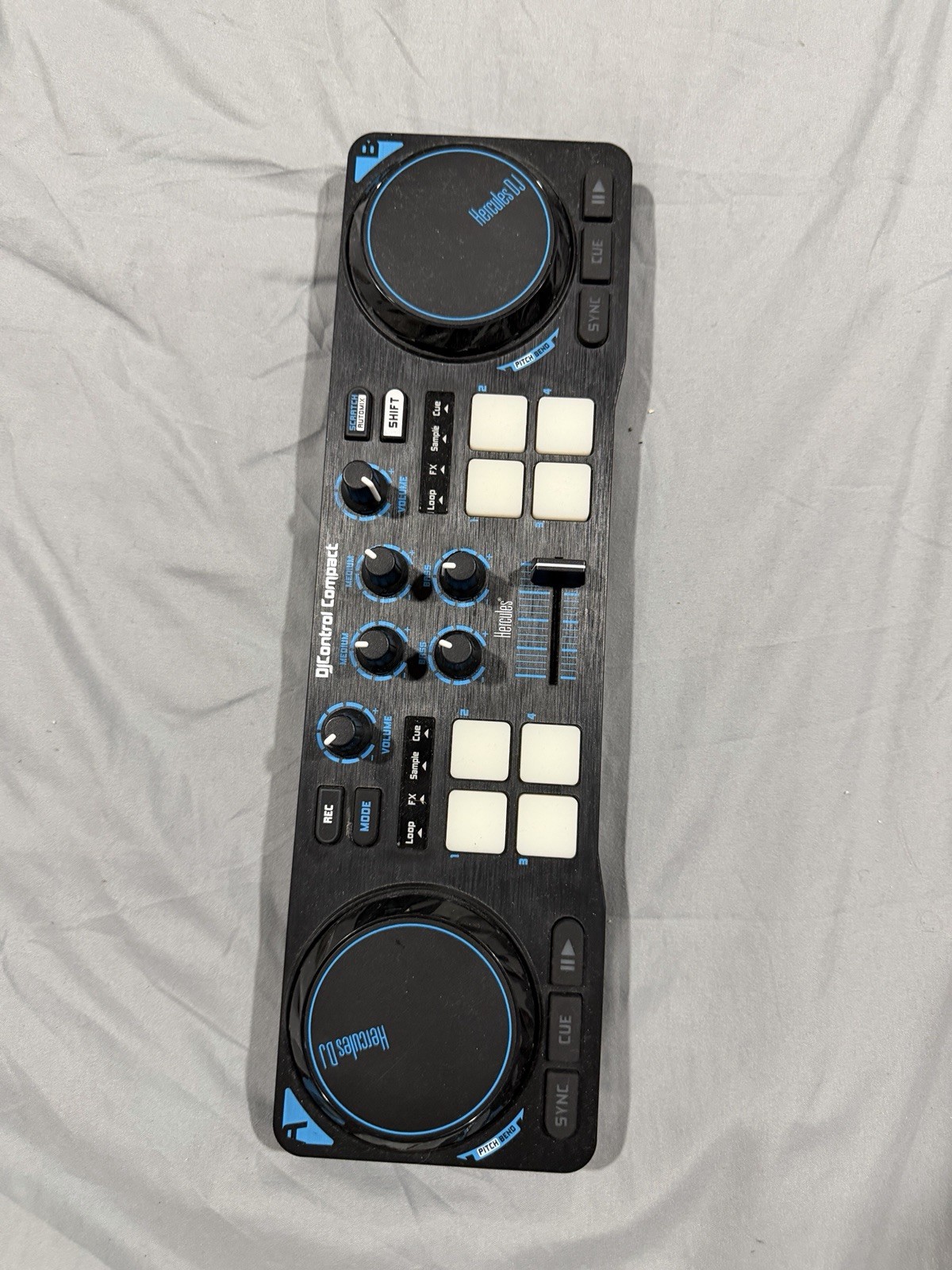 Hercules Mini DJ Controller$40.50View on eBay
 Numark iDJ3 All-In-One DJ Controller Mixer with USB Used Check Description/photo$45.00View on eBay
 Numark Party Mix Double Deck DJ Controller 2-Channel 8 Pads Pitch USB$50.00View on eBay
 Numark DJ2GO2Touch 2 Channel Serato DJ Controller$52.99View on eBay
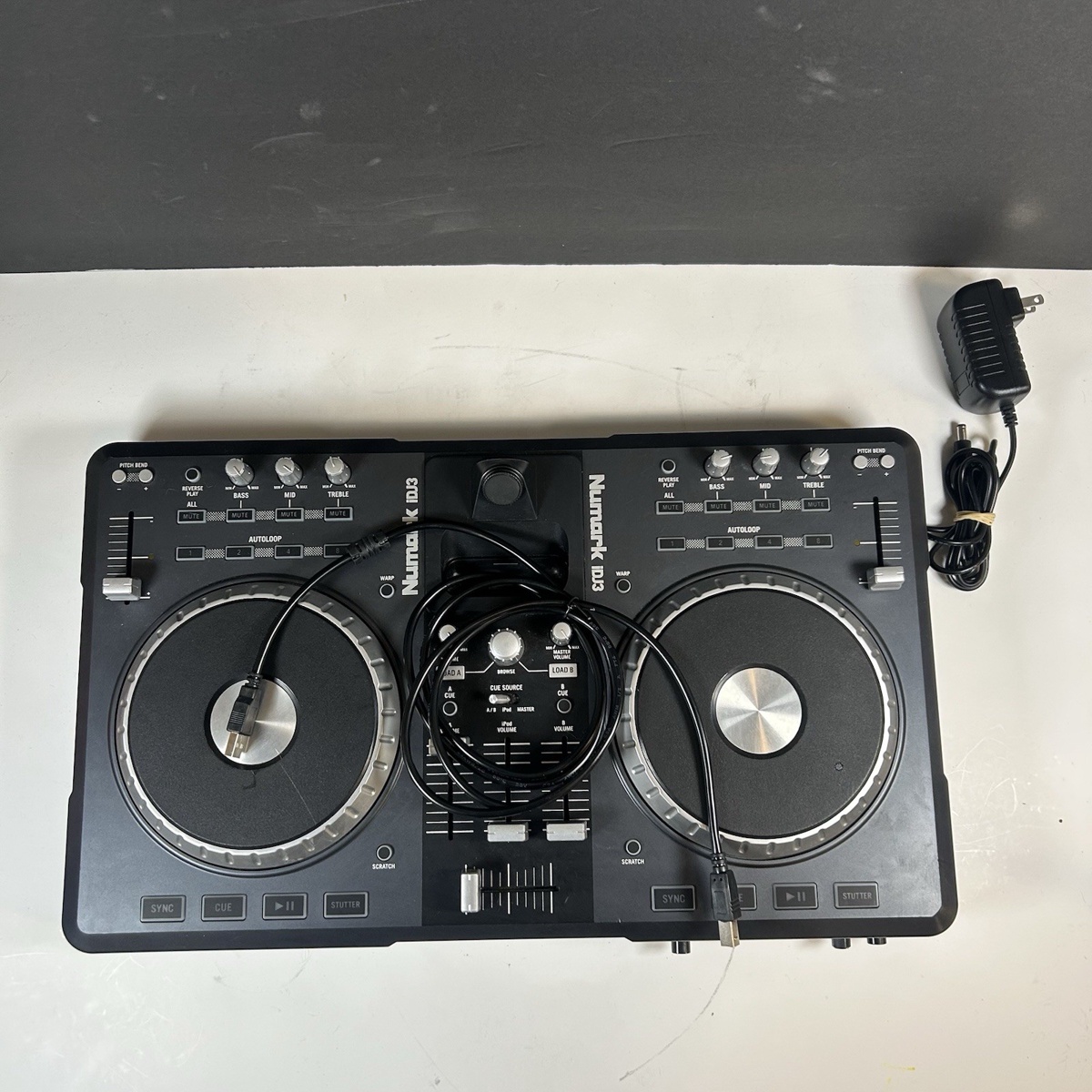 Numark iDJ3 Digital DJ Controller for PC and iPod - Tested W/Power Supplies$55.99View on eBay
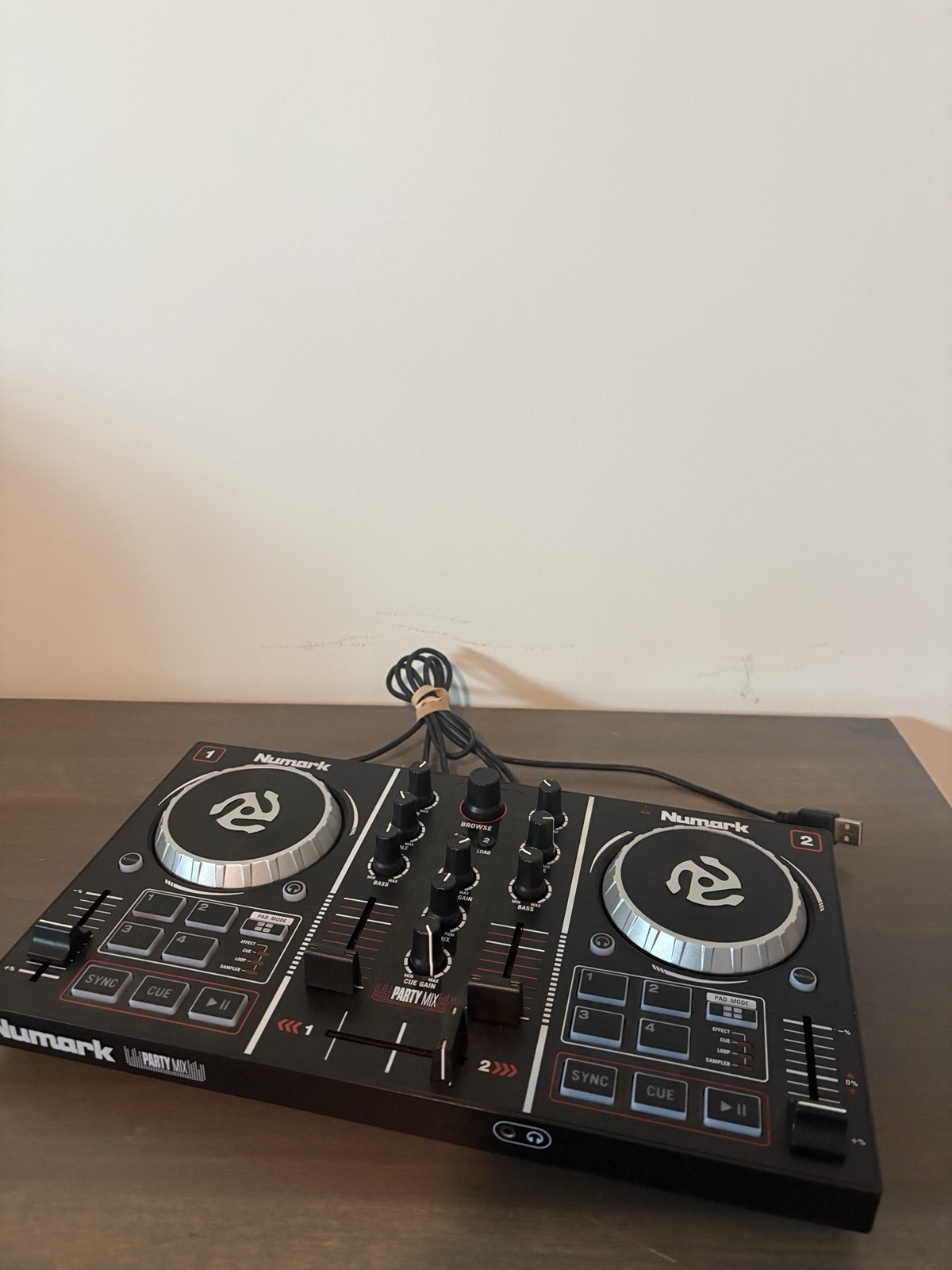 Numark Party Mix DJ Controller USB 2-Channel Mixer Built-In Light Show$59.99View on eBay
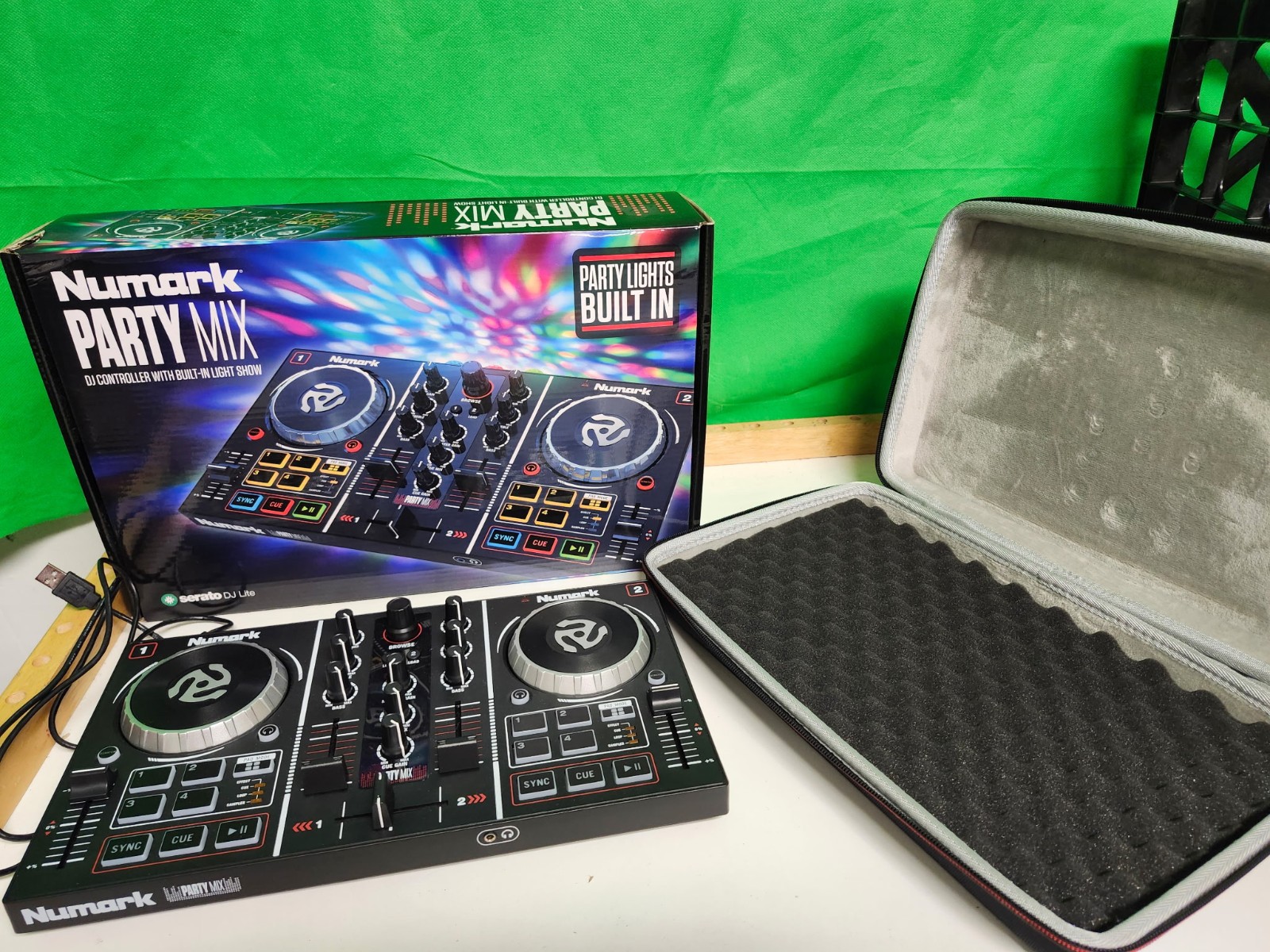 Numark Party Mix DJ Controller with Built-In Light Show$80.00View on eBay
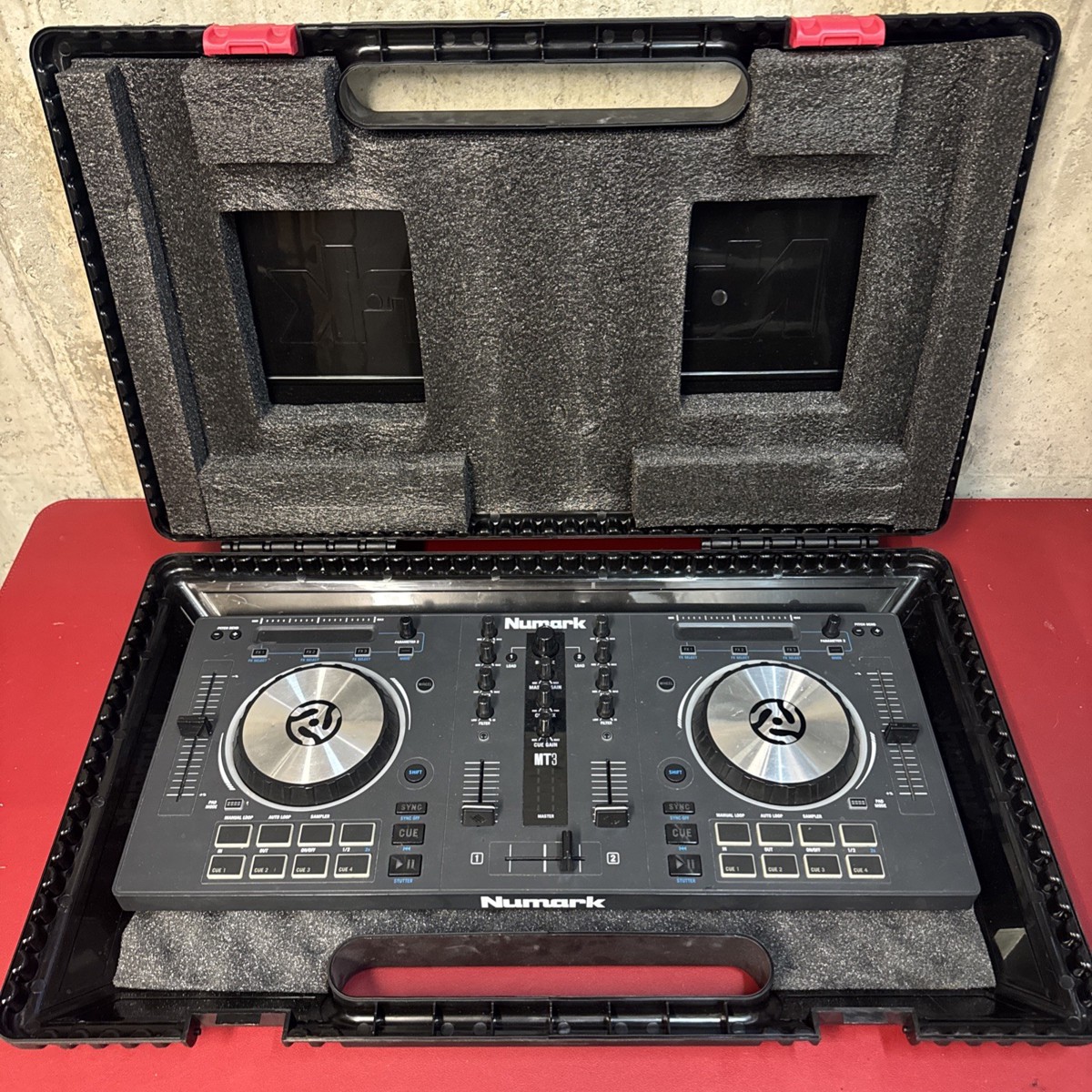 Numark Mixtrack 3 MT3 All-in-One DJ Controller And Case Only$89.99View on eBay
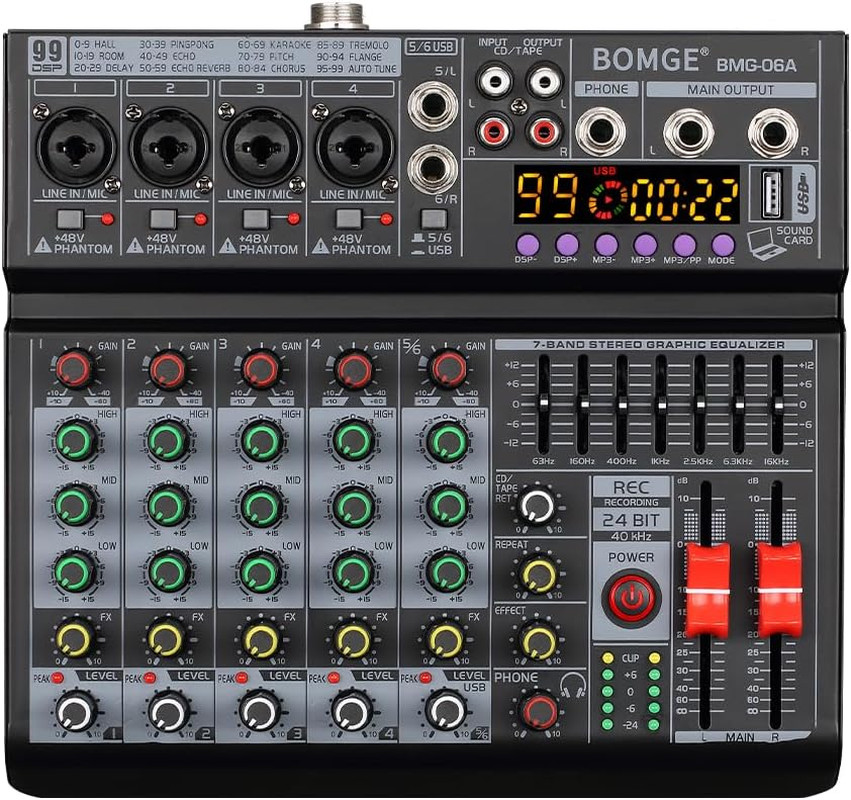 06A Professional 6 Channel DJ Audio Mixer, DJ Controller Sound Mixer with 99 DSP$90.84View on eBay
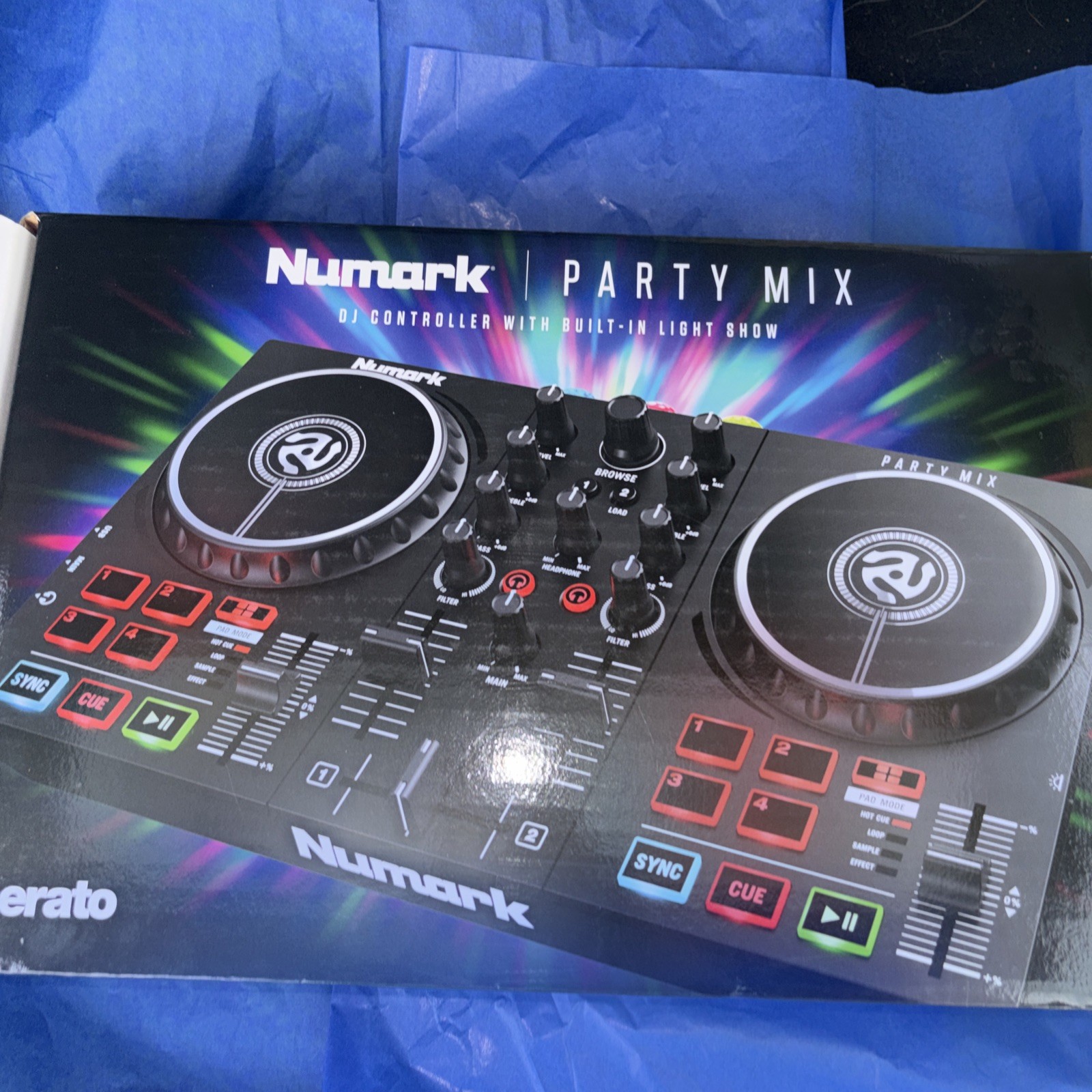 Numark Party Mix II DJ Controller w/ Built-In Lights Serato Lite USB Mixer$94.97View on eBay
 Numark Mixtrack Pro 2 DJ Controller USB MIDI Audio Interface Tested$94.99View on eBay
Highlights
- Deck architecture: 2-channel controllers typically offer 2 decks plus a crossfader; 4-channel units add a full standalone mixer section and switchable line/phono inputs for CDJs or turntables.
- Jog wheel type decides feel: capacitive touch jogs (Pioneer DDJ-400/FLX4 class) sense touch for scratch and nudging; mechanical/optical jogs on budget units are less precise and wear faster.
- Audio interface quality sets output headroom: 24-bit/44.1kHz or 48kHz class-compliant USB audio with balanced TRS or XLR master outs beats unbalanced RCA-only outputs for long cable runs.
- Software lock-in varies: Serato DJ Lite/Pro, rekordbox, Traktor, and VirtualDJ each have different licensing and hardware unlock rules; cross-platform controllers usually include a Lite license, not full Pro.
Best use cases
- Best fit for bedroom practice and small gigs: a 2-channel controller with built-in sound card, 3-band EQ, and 1/8" or 1/4" headphone cue — skip 4-channel units unless you already own CDJs.
- Best fit for mobile/party DJs: a 4-channel controller with XLR master out, dedicated booth output, and mic input with separate gain — skip RCA-only budget decks for any paid event.
- Best fit for scratching/turntablism: capacitive jog wheels with adjustable tension and a Magvel or similar crossfader — skip mechanical jog units and controllers with non-replaceable crossfaders.
- Wrong fit: buying a mini controller for club-standard practice — mini units have short fader throws and no booth output; they suit travel and streaming, not booth muscle memory.
Buying tips
- Match channel count to your source plan: 2 channels for software-only sets, 4 channels if you need to plug in turntables, CDJs, or a second laptop — the mixer section is the real upgrade.
- Check jog wheel diameter: 5–6 inch jogs are club-standard feel; under 4 inches (mini controllers) is for portability only and will not translate to CDJ practice.
- Verify the audio interface: class-compliant USB with 24-bit resolution and balanced master outputs; avoid controllers that only offer 3.5mm or unbalanced RCA master outs for live use.
- Confirm software unlock: rekordbox hardware unlock, Serato DJ Pro upgrade path, or Traktor Pro license — the included Lite tier dictates whether you pay extra for performance features.
Specs
| Deck Channels | 2-channel vs 4-channel mixer |
|---|---|
| Jog Wheel Size | 4–6 in capacitive vs mini mechanical |
| Audio Interface | 24-bit USB class-compliant |
| Software Unlock | Serato Lite / rekordbox / Traktor |
Related searches
What to check before buying
- Measure your desk or booth: 2-channel controllers run roughly 19–24 inches wide; 4-channel units need 26–30 inches plus clearance for laptop stand and cables.
- Check your computer ports and OS: USB-C vs USB-B cables, and confirm the controller is class-compliant with your macOS/Windows version — no driver install means plug-and-play.
- Confirm power: bus-powered controllers draw from USB; 4-channel units often need a dedicated 12V DC adapter — plan outlet placement at your booth.
- Verify headphone and monitor connections: 1/4" TRS vs 3.5mm cue output, and whether master out is XLR, TRS, or RCA — match your speakers and cables before buying.
FAQ
Data sources: eBay / Amazon listings and product attribute feeds Data updated Nov 16, 2026.
Some links on this page are affiliate links. If you buy after clicking one, we may earn a commission at no extra cost to you. This does not change which products appear here or their order. Affiliate disclosure.