Choosing between 88-key keyboards pianos often comes down to the kind of playing experience you want to prioritize. The Yamaha P-145BT is framed around learning, home use, weighted touch response, and playing along with streamed music. The Korg XE20 centers its identity on Natural Touch and a Digital Ensemble Piano PRO designation. Both are new 88-key instruments, while their listed prices are separated by $280.
Quick verdict
Choose the Yamaha P-145BT when Bluetooth audio for playing along with songs, touch-sensitive weighted keys, and a home-focused digital piano are central to the decision. At USD 469.99, it is the lower-listed option and its description speaks directly to beginners and returning players.
Choose the Korg XE20 when the product title's Natural Touch wording and Digital Ensemble Piano PRO identity are your main priorities. Its listed price is USD 749.99, placing it at the higher end of this two-piano comparison.
| Comparison point | Yamaha P-145BT | Korg XE20 |
|---|---|---|
| Listed price | USD 469.99 | USD 749.99 |
| Instrument designation | Digital Home Piano | Digital Ensemble Piano |
| Number of keys | 88 | 88 |
| Named playing details | Touch-sensitive weighted keys; Bluetooth audio | Natural Touch; PRO |
Where each piano wins
Yamaha P-145BT: The Yamaha is the clearer fit for a practice routine built around personal music. Its built-in Bluetooth audio is described for streaming songs through the piano's speakers and playing along in real time. That specific feature, paired with its beginner-oriented positioning and slim design, makes the Yamaha especially focused on accessible at-home playing.
Korg XE20: The Korg is the better fit for someone who is selecting specifically for the named Natural Touch feature and the Digital Ensemble Piano PRO designation. Those terms are central to its title, giving a shopper a straightforward reason to put the XE20 first when that particular Korg configuration is more important than Yamaha's Bluetooth-led practice approach.
Both choices share an 88-key layout, so full key count does not decide this matchup. The more useful distinction is whether Bluetooth-enabled play-along and a Digital Home Piano designation, or Natural Touch and a Digital Ensemble Piano designation, better match the way you want to choose.
Product notes
Yamaha P-145BT P-Series 88-Key Digital Piano with Bluetooth
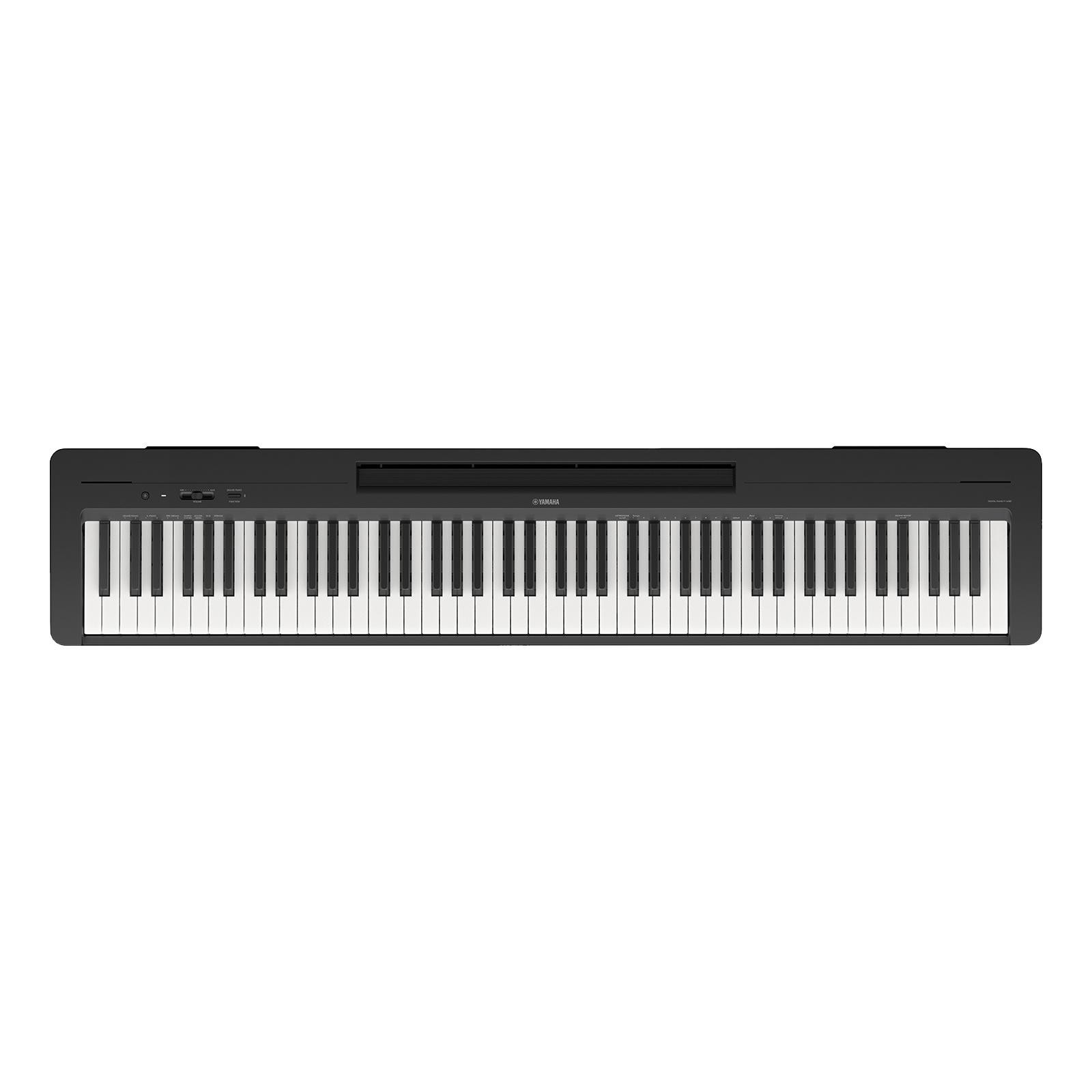
The Yamaha P-145BT makes the strongest case for a player who wants to start playing with fewer barriers between practice and favorite songs. Yamaha describes touch-sensitive, weighted keys, a rich grand piano sound, and Bluetooth audio that can stream music through the built-in speakers for real-time play-along sessions. Its slim, stylish design also suits the listed role as a Digital Home Piano. Choose this Yamaha when beginner-friendly enjoyment, expressive weighted response, and Bluetooth music playback belong at the top of the wish list. Its limitation is that shoppers prioritizing the Korg XE20's explicitly named Natural Touch and Digital Ensemble Piano PRO identity have a more direct alternative in the Korg.
Korg XE20 88 Key Natural Touch Digital Ensemble Piano PRO
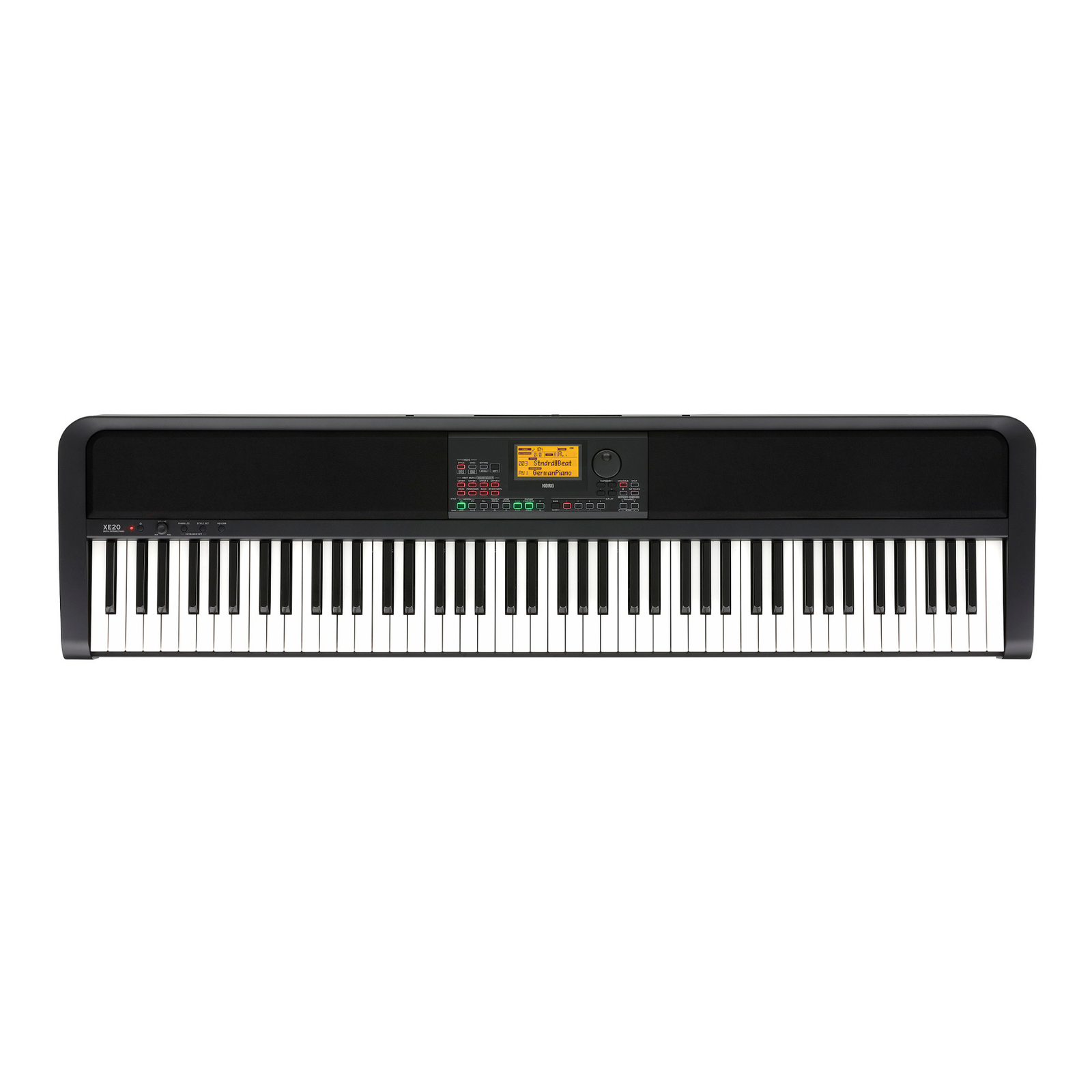
The Korg XE20 is aimed at the shopper who wants the terms Natural Touch and Digital Ensemble Piano PRO to guide the purchase. Those are the clearest product-specific identifiers in the Korg's title, alongside its 88-key configuration and new condition. Pick the XE20 when that named Korg playing approach and ensemble-piano designation are more meaningful to you than the Yamaha's home-piano framing. It also carries a Korg brand designation and lists Japan as its country of origin. The tradeoff is a less direct match for a buyer whose must-have is the Yamaha P-145BT's expressly described Bluetooth audio streaming and play-along use.
Final choice by use case
Pick the Yamaha P-145BT for a beginner or returning player who wants weighted 88-key playing alongside Bluetooth audio and songs played through the piano's speakers. Pick the Korg XE20 when Natural Touch and the Digital Ensemble Piano PRO designation are the deciding cues. The Yamaha is the more targeted choice for Bluetooth-based practice; the Korg is the more targeted choice for its title-specific ensemble and Natural Touch positioning.