Choosing between these two portable keyboards starts with one question: how much keyboard do you want to carry? The Casio CT-X3000 is a larger portable electronic keyboard listed at USD 180.00, while the Yamaha PSS-F30 is a compact mini keyboard listed at USD 149.00. That USD 31 spread is the first clue: you are choosing between a bigger Casio and a smaller, new Yamaha.
For players who want more keys and a broader range, the Casio CT-X3000 is the pragmatic pick. For a grab-and-go keyboard that is new, compact, and easy to power anywhere, the Yamaha PSS-F30 is the better companion.
Key count is the biggest practical difference between these two. A larger key layout lets you play bass notes and chords in the same hand position without switching octaves constantly, while a mini keyboard keeps everything within easy reach.
| Spec | Casio CT-X3000 | Yamaha PSS-F30 |
|---|---|---|
| Listed price | USD 180.00 | USD 149.00 |
| Price bar | ||
| Key count | 61 | 37 |
| Condition | Used | New |
| Sound tools | Electronic keyboard with Casio's sound range | 120 voices, 114 rhythms, built-in songs |
| Best for | Players wanting broader range and intermediate-friendly features | Beginners and young musicians wanting portability |
Where Casio CT-X3000 wins: The extra keys cover a wider range than the Yamaha, which matters if you want to play two-handed pieces. The listing also describes it as ideal for beginners and intermediate players, giving you more room to grow as your skills develop. A 61-key board is a practical home practice tool for chords, melodies, and simple arrangements.
Where Yamaha PSS-F30 wins: The Yamaha is built for quick, portable practice. It runs on USB or battery power, so you can play nearly anywhere, and the mini keys are sized for small hands. The built-in speaker means you can start without extra gear, and the compact shape fits into a crowded desk or a travel bag.
Casio Ct-x3000 61-key Portable Keyboard LN
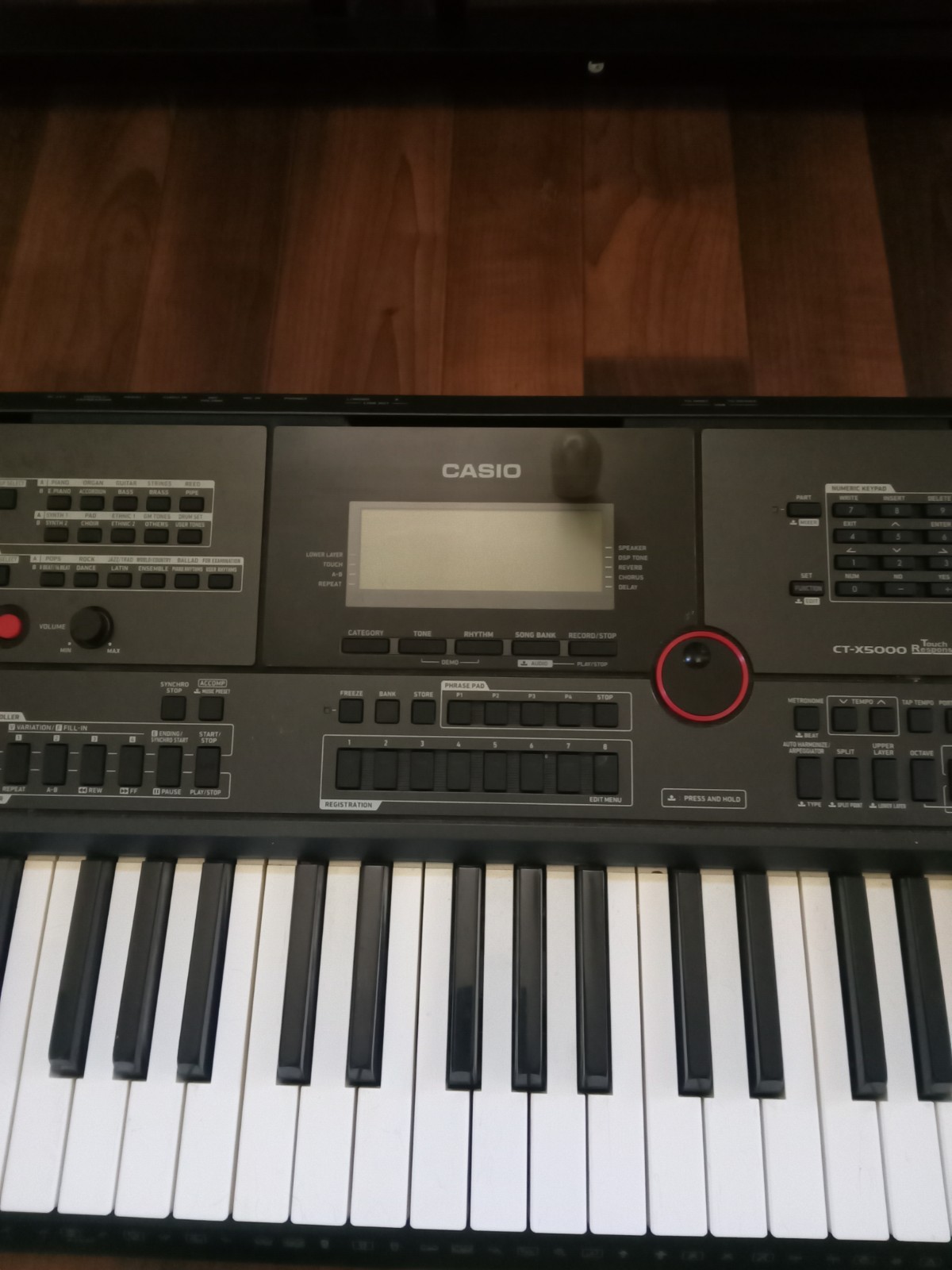
The Casio CT-X3000 offers 61 keys, the larger layout in this comparison, and the listing describes it as suitable for electronic music enthusiasts and players from beginner through intermediate. It is the higher-priced option, and it is listed as used, so condition is the main trade-off. The black cabinet and electronic keyboard design make it a straightforward choice if you need one instrument for practice and light performance. The mini keyboard alternative is easier to travel with, but the Casio gives you more keys for two-handed playing. Choose it when range matters more than portability.
Yamaha PSS-F30 37 Key Portable Mini Keyboard - Black
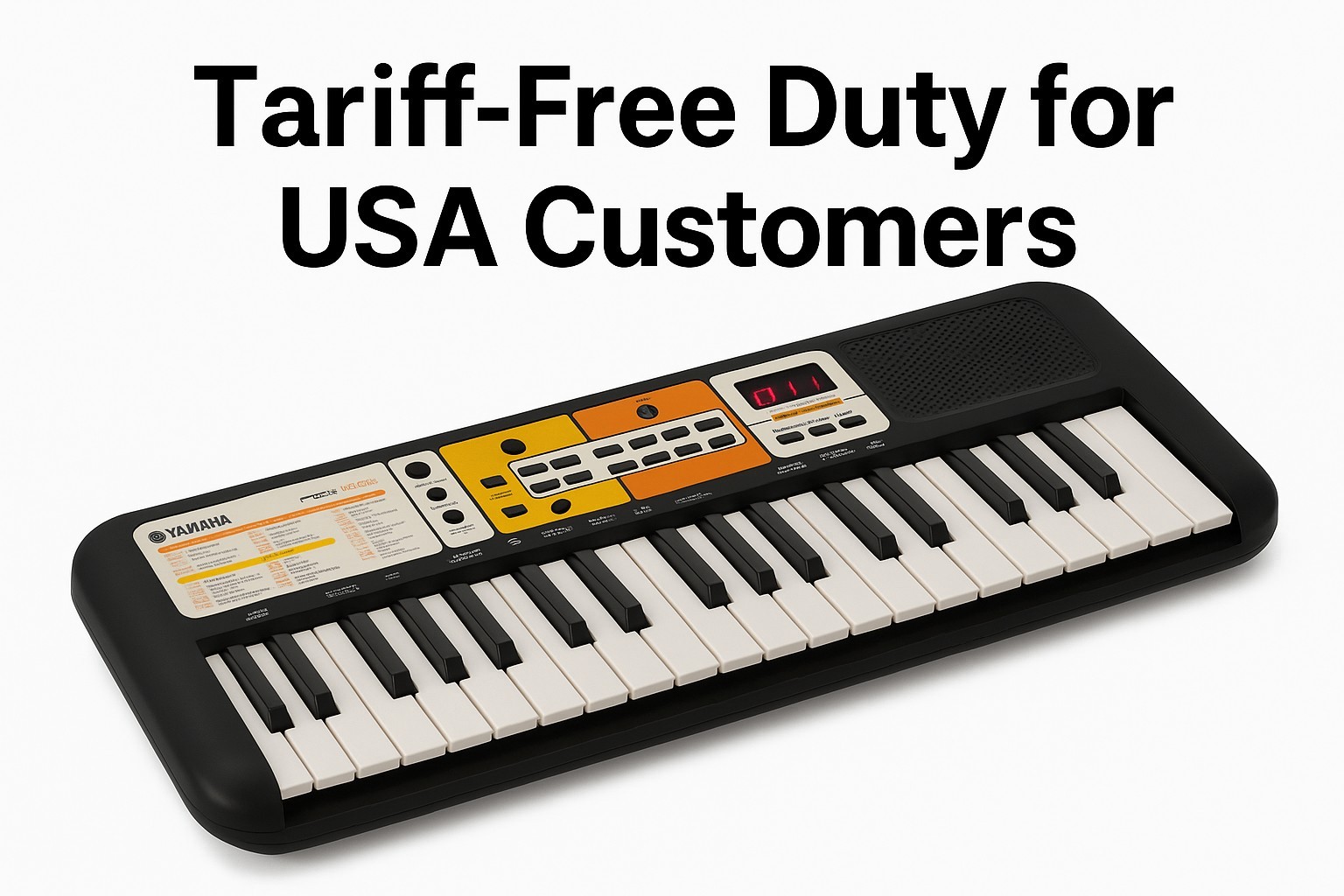
The Yamaha PSS-F30 is the new entry here, built for young musicians and beginners. Its 37 mini keys suit small hands, and the 120 voices, 114 rhythms, and built-in songs give you immediate material to practice. USB or battery power keeps sessions flexible, and the built-in speaker means you can start without extra gear. The 37-key range is the real limit, especially next to a 61-key keyboard, so songs spanning multiple octaves will require the Casio instead. Choose the Yamaha when portability, a new condition, and a lower listed price matter most.
For a home practice keyboard with a full 61-key range, choose the Casio CT-X3000. For a new, compact keyboard you can pack in a bag, choose the Yamaha PSS-F30.