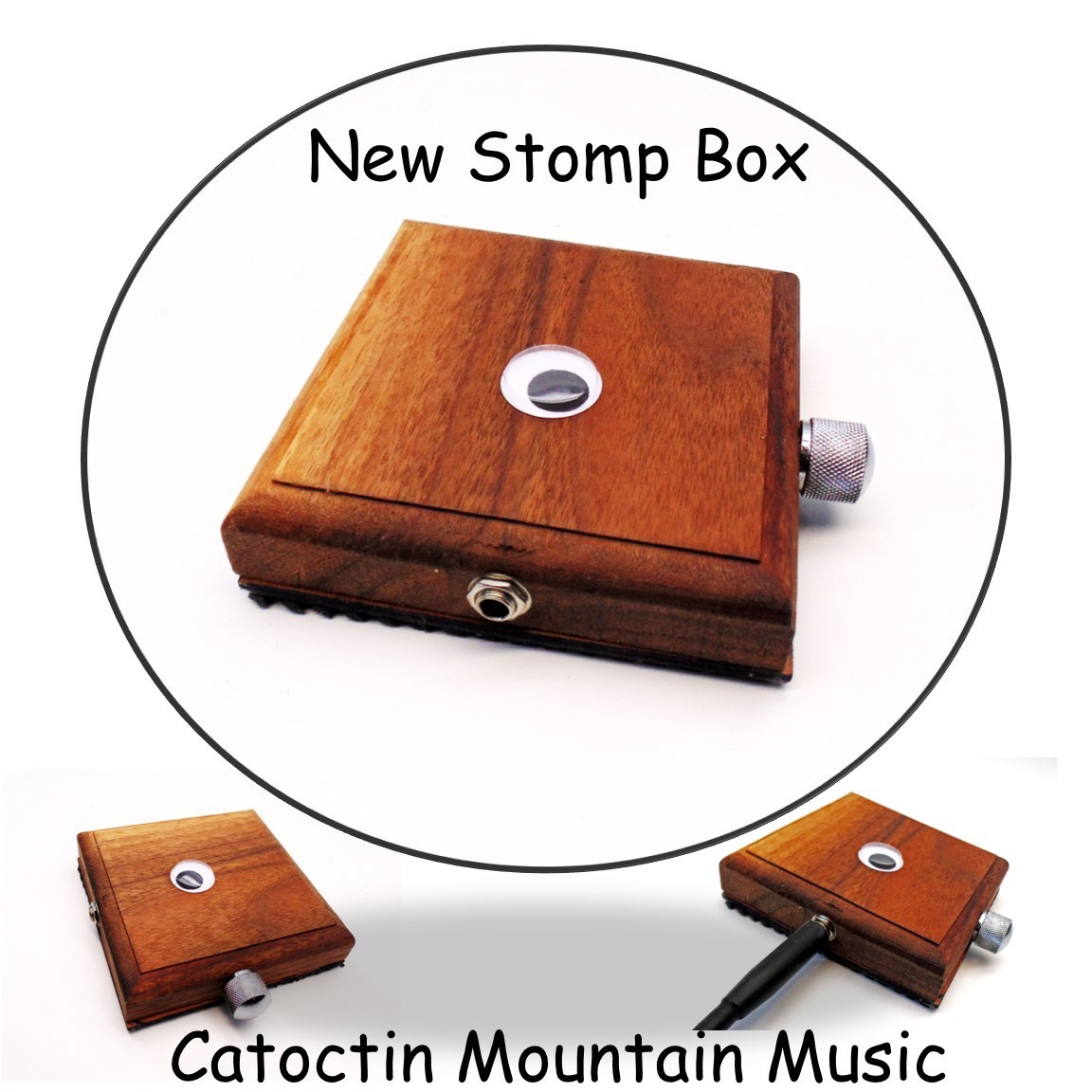

Photos from current listings. Actual item, color, and included accessories may vary.
Stomp Box Buying Guide
A stomp box is a foot-operated percussion instrument that lets a solo musician or acoustic duo add a steady low-end pulse without a full drum kit. The core trade-off is passive vs active electronics and solid-wood vs plywood construction: passive boxes are lighter and cable-free but quieter, while active boxes with internal pickups and volume control deliver consistent stage level. Buy solid hardwood (mahogany or sapele) with a piezo or magnetic pickup for gigging; treat thin plywood and unlined hollow boxes as practice-only compromises.


At a glance
- Category
- Percussion
- Data updated
- Nov 16, 2026
Current offers
Highlights
- Passive piezo stomp boxes need no battery or cable but output a hot, thin signal that often requires a preamp or DI to sit in a mix.
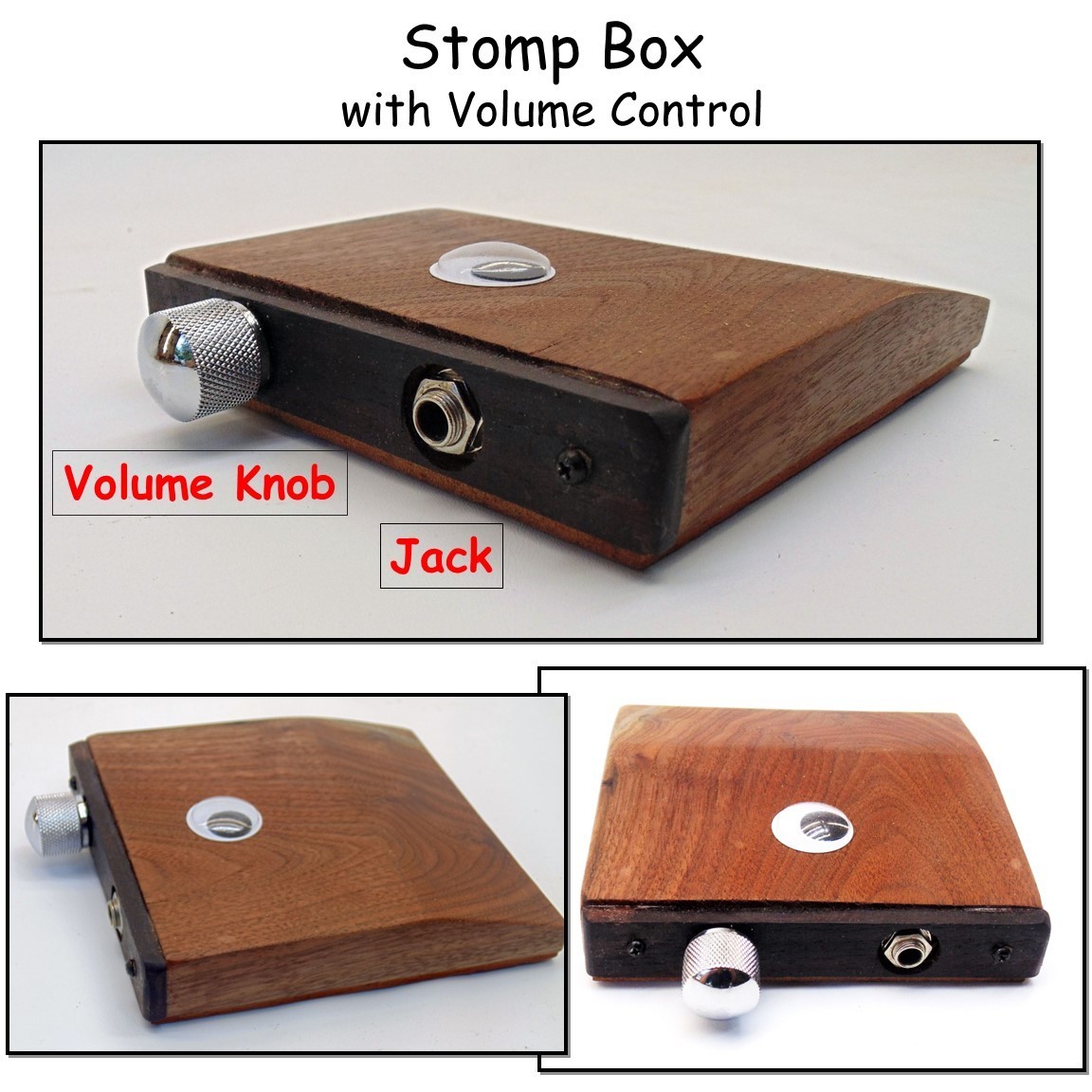
- Active boxes with a built-in preamp and 1/4-inch output jack deliver adjustable volume and a fatter low-mid thump for direct PA or interface connection.
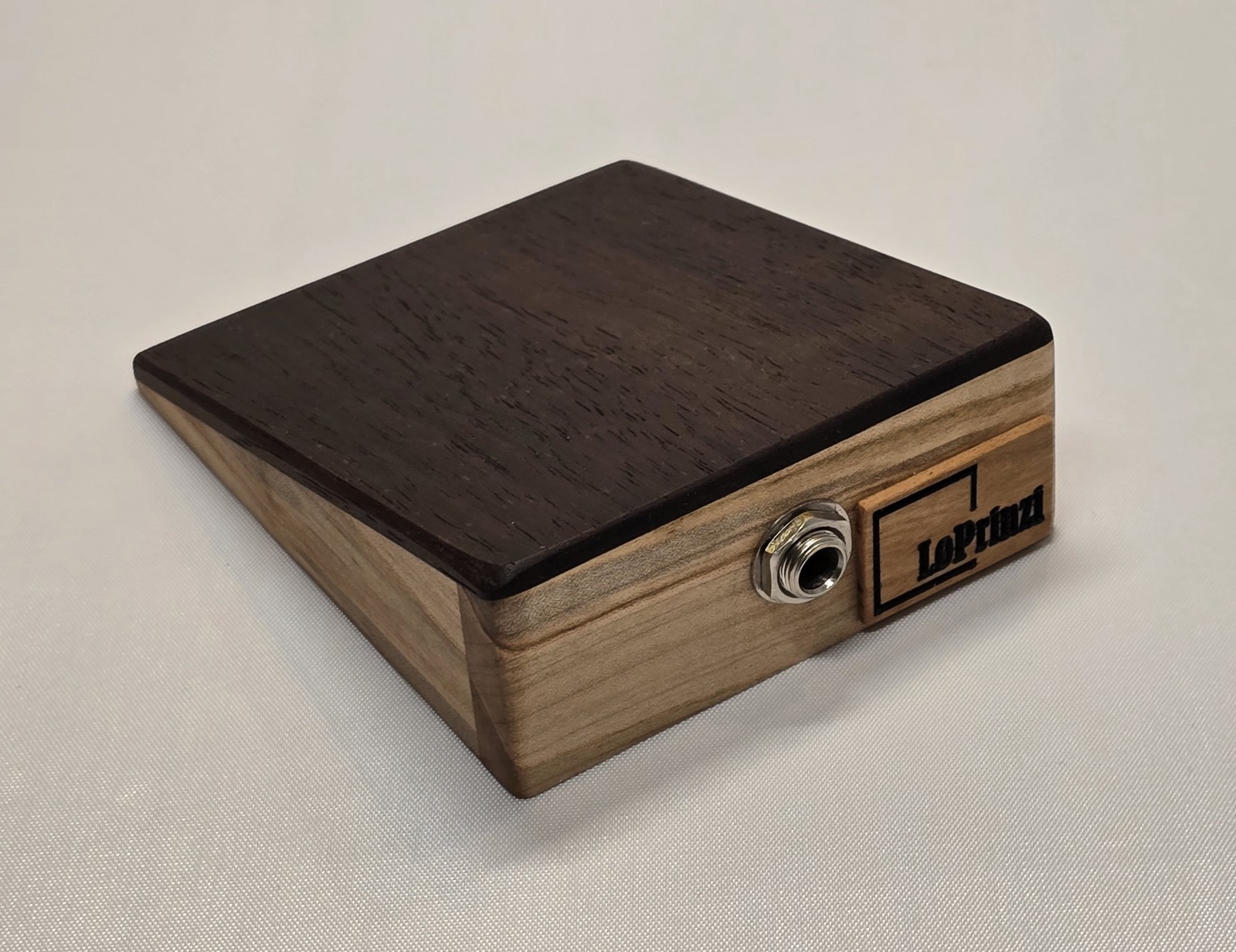
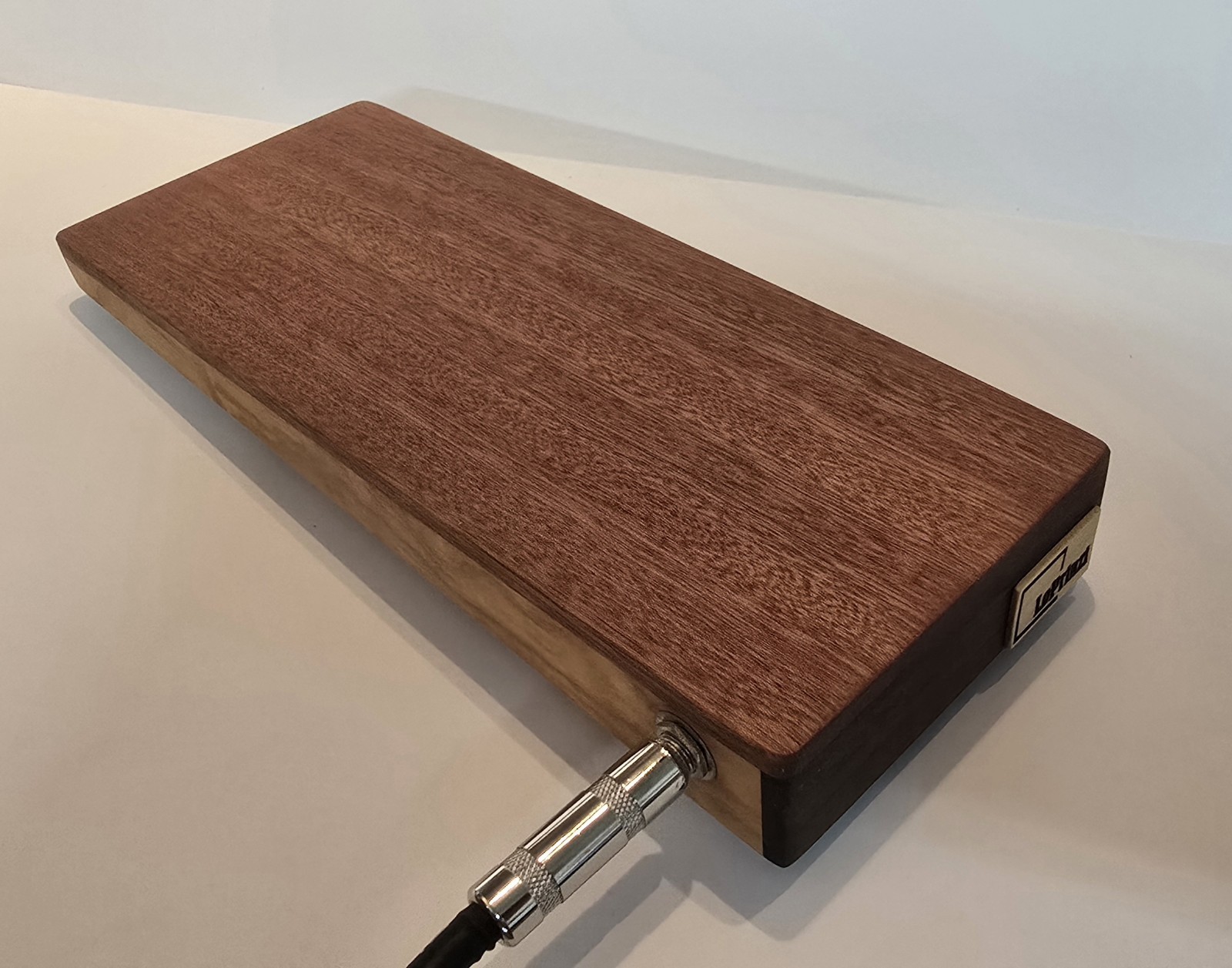
- Solid mahogany and sapele bodies resonate with a warmer, drier tone than plywood; thicker tops (roughly 3/8 inch and up) resist denting under heel impact.
- Footprint width matters: standard single boxes run about 4 to 5 inches wide, while wider 4.5-inch-plus footprints give larger feet a stable, shifted strike zone.
Best use cases
- Solo acoustic singer-songwriter through a PA: pick an active box with volume control and 1/4-inch out so you can set level per room without a preamp.
- Cajon or full-band drummer doubling on foot: choose a passive solid-wood box into a DI or channel strip, keeping the signal chain simple and cable-free on stage.
- Studio recording: use a passive piezo box close-miked or DI'd through a clean preamp for an organic thump; skip onboard volume circuits that add noise.
- Skip heavy dual-pedal or extra-wide boxes if you play seated with a compact pedalboard—standard single-box footprints fit cramped stages and travel bags.
Buying tips
- Match electronics to your rig: passive piezo boxes for players with a preamp or DI, active boxes with volume control for direct-to-PA or interface use.
- Choose solid mahogany or sapele over plywood or MDF; solid tops resonate and hold up to heel strikes without delaminating.
- Size the top for your shoe: a 4.5-inch-wide footprint suits most adult feet, while narrow boxes under 4 inches favor smaller feet or precise toe tapping.
- Check the output jack type—1/4-inch TS is standard for pedals and interfaces; boxes with only a passive piezo disc need high-impedance inputs (1 megohm or more).
Specs
| Electronics | Passive piezo vs active preamp |
|---|---|
| Body Material | Solid mahogany / sapele vs plywood |
| Footprint Width | Approx. 4-5 in single box |
| Output | 1/4-inch TS jack / passive disc |
Related searches
What to check before buying
- Measure your seated foot position and stage space: confirm the box footprint (typically 4 to 5 inches wide) fits without blocking pedal access.
- Confirm your amp, DI, or interface input impedance—passive piezo boxes want 1 megohm or higher to avoid a thin, quacky tone.
- Check that the box sits flat and stable on your floor or stage surface; uneven floors cause rocking that mutes the piezo.
- Verify you have the right cable: a 1/4-inch TS instrument cable for active boxes, or a short patch cable into a preamp/DI for passive boxes.
FAQ
Data sources: eBay / Amazon listings and product attribute feeds Data updated Nov 16, 2026.
Some links on this page are affiliate links. If you buy after clicking one, we may earn a commission at no extra cost to you. This does not change which products appear here or their order. Affiliate disclosure.