Photos from current listings. Actual item, color, and included accessories may vary.
Steel Tongue Drum Buying Guide
A steel tongue drum is an idiophone whose tuned steel tongues produce a fixed diatonic or pentatonic scale when struck with mallets or fingers, and the decisive trade-off is scale range and note count versus body size and tonal sustain. Small 6–7 inch 11-note drums are portable and bright but thin-sounding, while 14 inch 15-note drums deliver fuller resonance and wider melodic range for stationary practice. Buyers should match note count and key to their intended music and confirm the shell is a single pressed or welded steel body, not a thin stamped pan that detunes.


At a glance
- Category
- Percussion
- Data updated
- Nov 16, 2026
Current offers
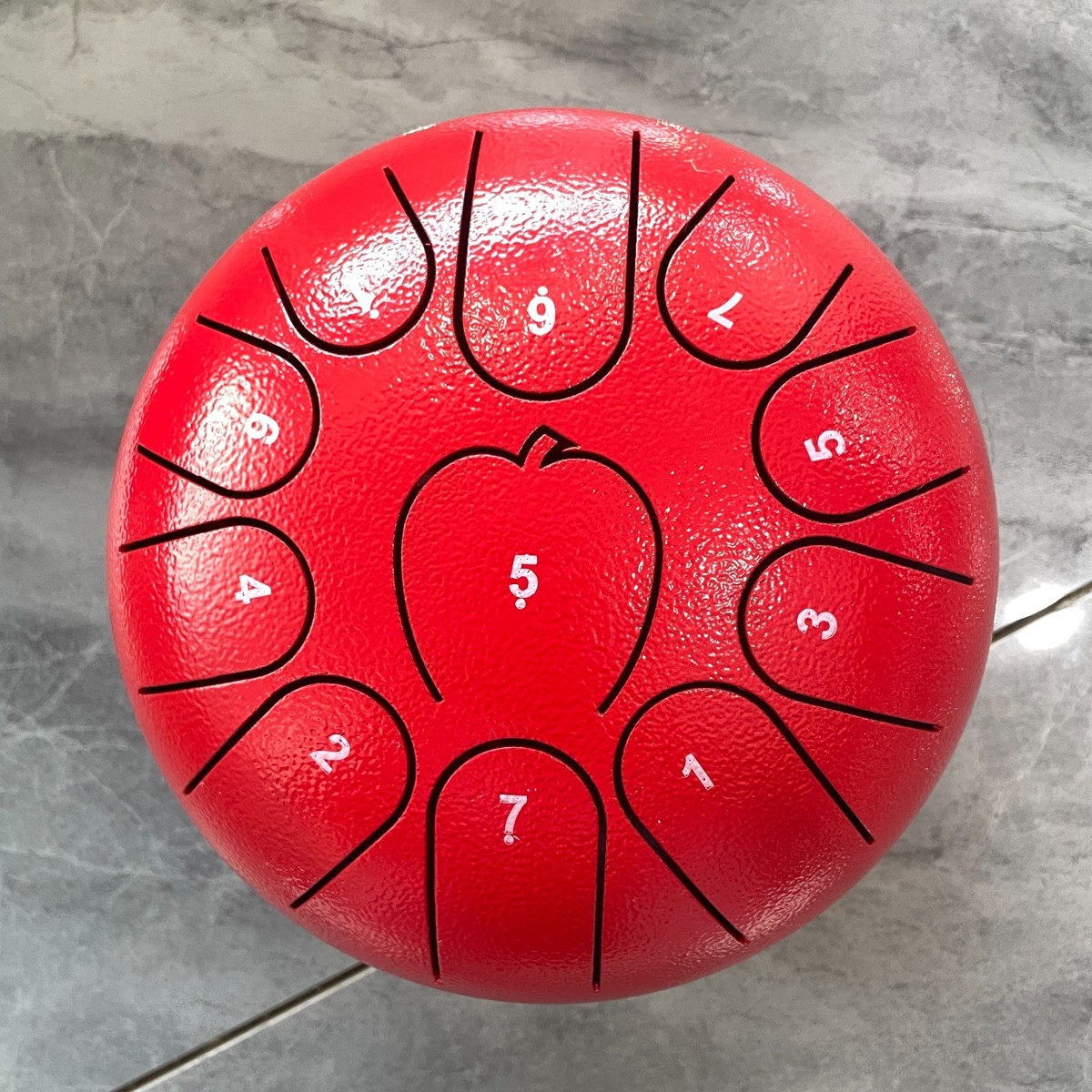 RED Steel Tongue Drum 11 Notes 6 Inch B-Key Panda Drum Percussion Instrument$32.76
 View on eBay
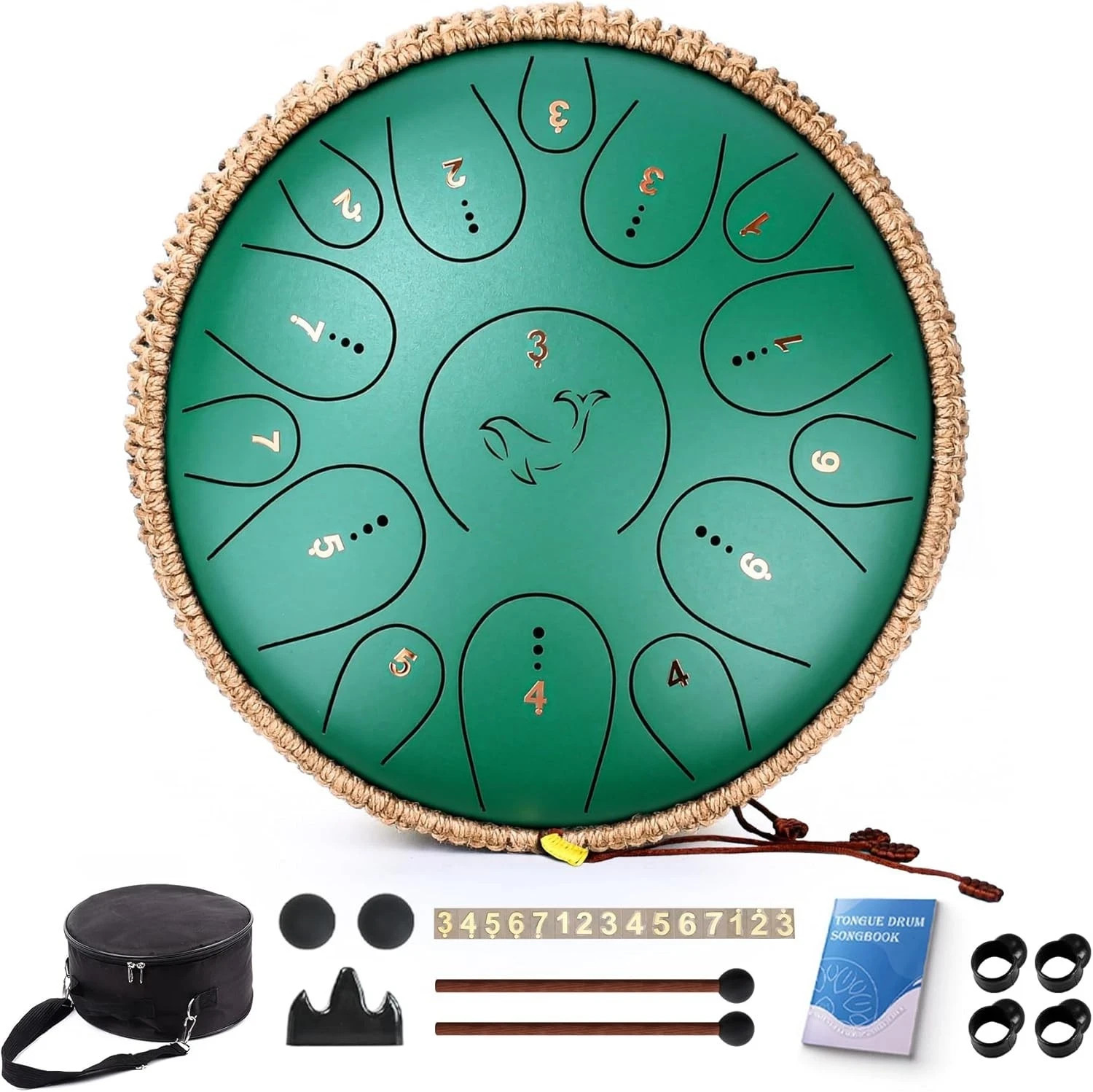 Steel Tongue Drum 15 Notes 14 Inch D-Key Panda Balmy Drum Percussion Instrument$47.99View on eBay
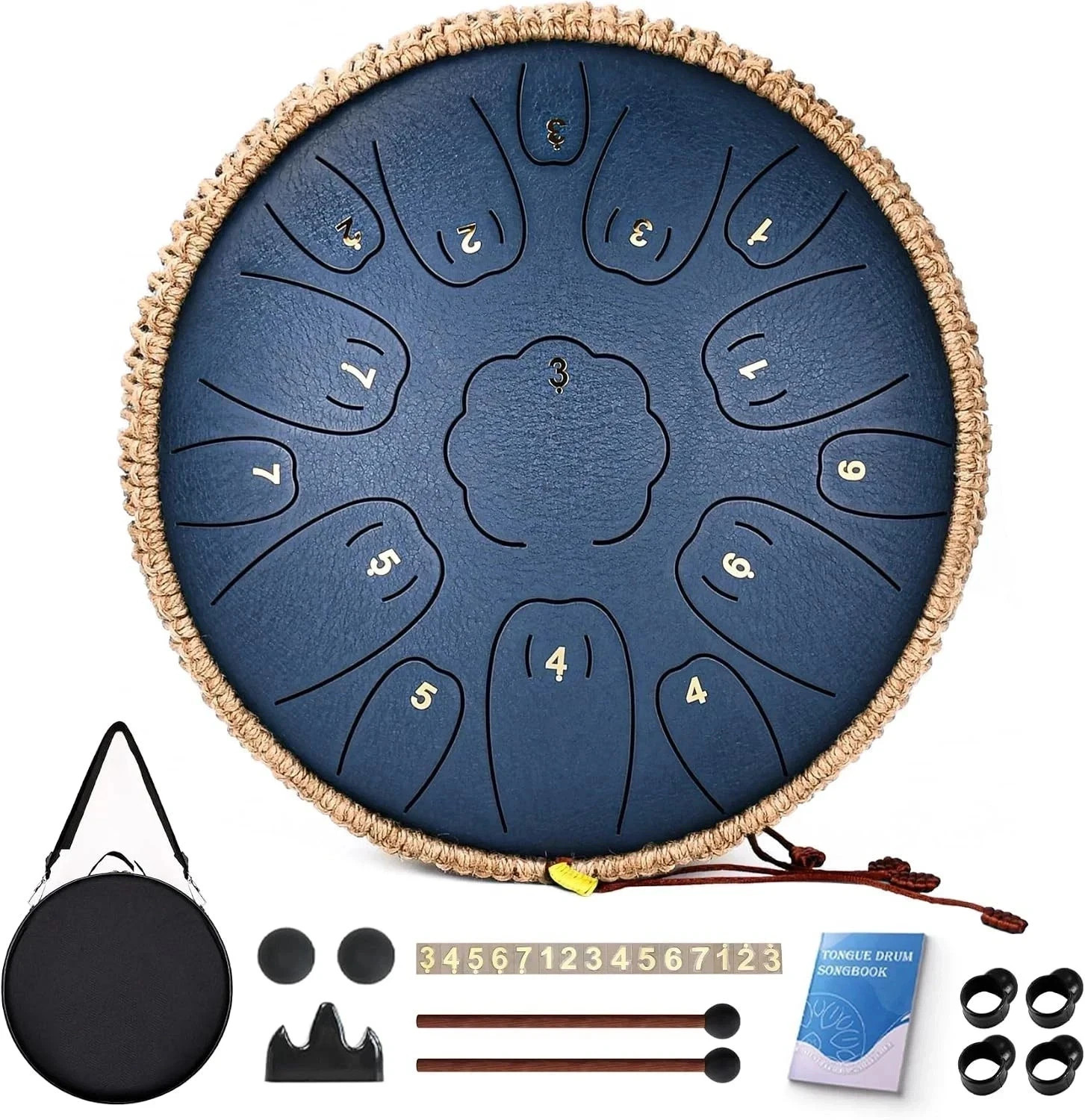 Steel Tongue Drum 15 Notes 14 Inch D-Key Panda Balmy Drum Percussion Instrument$48.99View on eBay
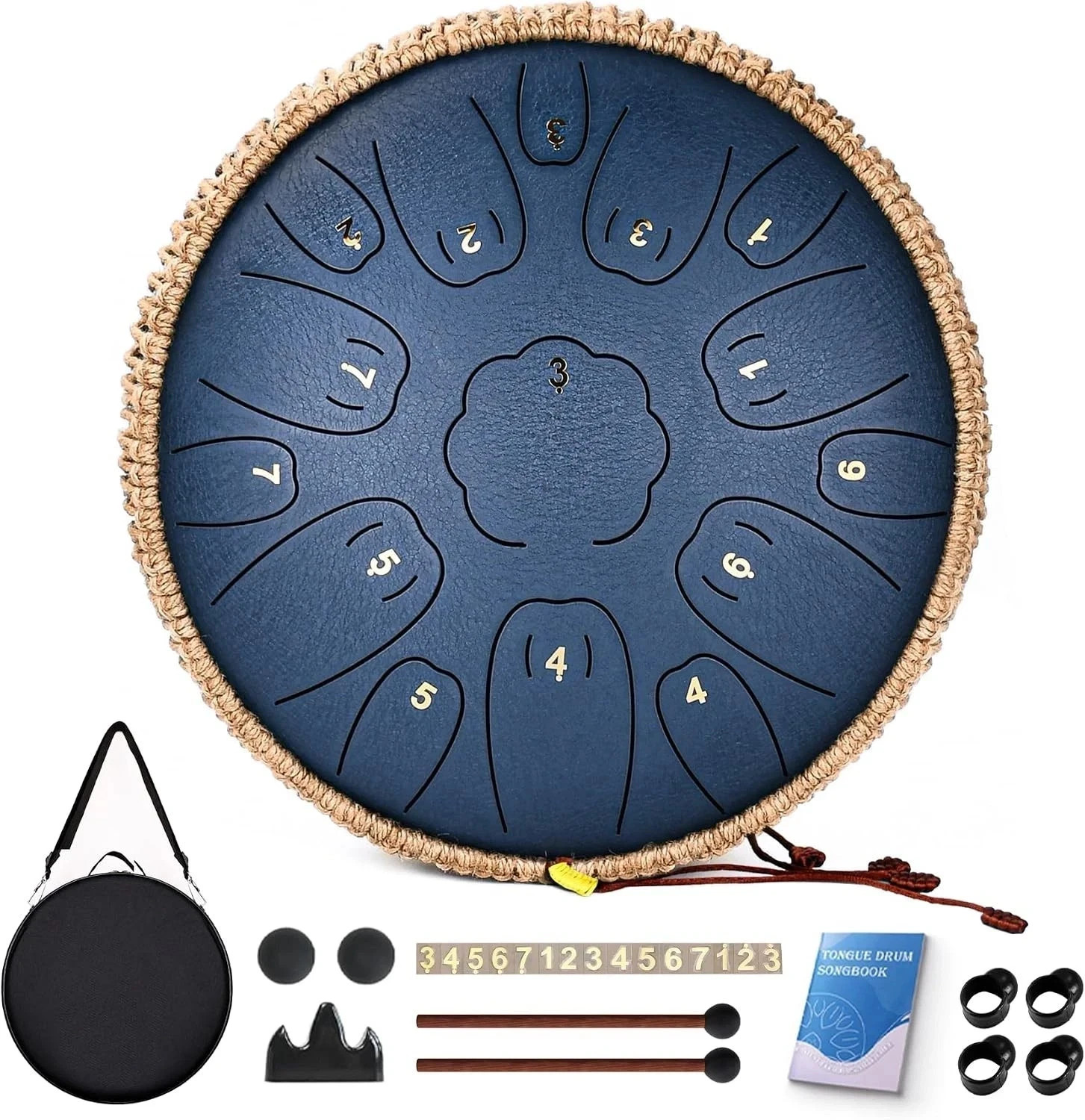 Steel Tongue Drum 15 Notes 14 Inch D-Key Panda Balmy Drum Percussion Instrument$48.99View on eBay
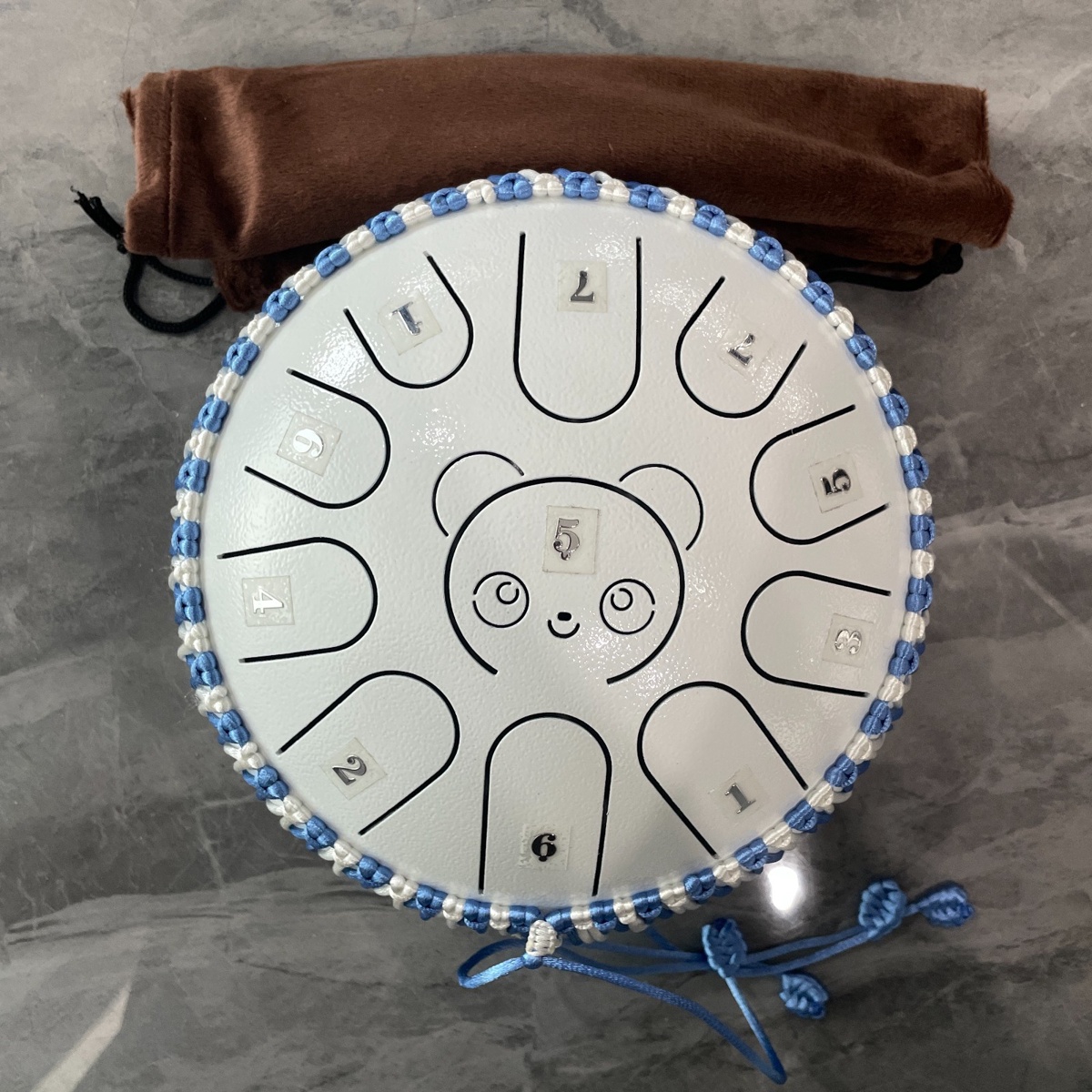 Steel Tongue Drum 11 Notes 7 Inch B-Key Panda Balmy Drum Percussion Instrument$50.00View on eBay
Highlights
- Note count tracks drum diameter: 6–7 inch shells typically carry 11 tongues, 14 inch shells carry 15 tongues, giving a two-octave-plus range versus roughly one and a half octaves.
- Key choice defines repertoire: B-key 11-note drums play a major pentatonic suited to ambient improvisation, while D-key 15-note drums add chromatic passing notes for melody and chord work.
- Tongue tuning is set by laser cutting and hand hammering; a 14 inch drum with tuned tongue undersides sustains 3–5 seconds versus under 2 seconds on thin 6 inch stamped shells.
- Mallet type changes attack: rubber-headed mallets give a soft fundamental tone, while wood or finger strikes emphasize upper partials, so a drum sold with one mallet pair limits tonal options.
Best use cases
- Best fit for travel, kids, and sound healing kits: pick the 6–7 inch 11-note B-key drum, which fits in a backpack and needs only soft mallets — skip 14 inch shells if portability is the priority.
- Best fit for solo melodic practice and small ensemble: pick the 14 inch 15-note D-key drum for a wider scale and longer sustain; skip 11-note drums if you need chromatic movement between keys.
- Best fit for classroom or therapy groups: choose 14 inch 15-note models so multiple players share a fuller scale; skip tiny 6 inch drums for group work because their volume and low-end projection are limited.
- Wrong fit: buyers wanting microtonal or fully chromatic playing should skip steel tongue drums entirely — the fixed tongue layout cannot retune between songs without a new drum.
Buying tips
- Size-to-note rule: 6–7 inch drums for 11 tongues, 14 inch drums for 15 tongues; if a listing claims 15 notes on a 7 inch shell, the tongues are too narrow to tune accurately.
- Check tuning method: hand-tuned drums list a specific key and scale (B major pentatonic, D major) and ship with a tuning chart; untuned stamped pans list only decorative note labels.
- Match mallet and bag inclusion: a complete kit ships with rubber mallets, a padded bag, and finger picks, while bare listings require buying mallets separately to avoid damaging the finish.
- Verify shell thickness: 1.5 mm or thicker nitrided steel resists detuning; thin decorative drums under 1 mm are display pieces, not practice instruments.
Specs
| Note Count | 11-note vs 15-note |
|---|---|
| Shell Size | 6–7 in vs 14 in diameter |
| Tuning Key | B major vs D major pentatonic |
| Shell Material | 1.5–2 mm nitrided steel |
Related searches
What to check before buying
- Measure your playing space and transport needs: a 14 inch drum needs a table or lap stand with 16 inch clearance, while 6–7 inch drums fit standard gig bags.
- Confirm the key and scale match your intended music — B-key pentatonic for ambient and D-key for melodic work — before ordering.
- Check included accessories: soft rubber mallets, a carry bag, and a tuning wrench should be in the box for a playable kit.
- Inspect the shell finish and rim for sharp edges or welding seams, which indicate lower-grade stamped construction that will not hold tuning.
FAQ
Data sources: eBay / Amazon listings and product attribute feeds Data updated Nov 16, 2026.
Some links on this page are affiliate links. If you buy after clicking one, we may earn a commission at no extra cost to you. This does not change which products appear here or their order. Affiliate disclosure.