Photos from current listings. Actual item, color, and included accessories may vary.
Percussion Drum Set Buying Guide
A percussion drum set is a complete package of drums and hardware, ranging from entry-level poplar kits to pro-grade birch or maple shells with double-braced stands. The core trade-off is shell material and hardware gauge: thicker, multi-ply hardwood shells with double-braced stands stay in tune and survive transport, while thin poplar shells and single-braced hardware are for light home use only. Choose a kit with double-braced stands and 6-ply or thicker shells for gigging; accept single-braced hardware and poplar shells only for practice-room use.

At a glance
- Category
- Percussion
- Data updated
- Nov 16, 2026
Current offers
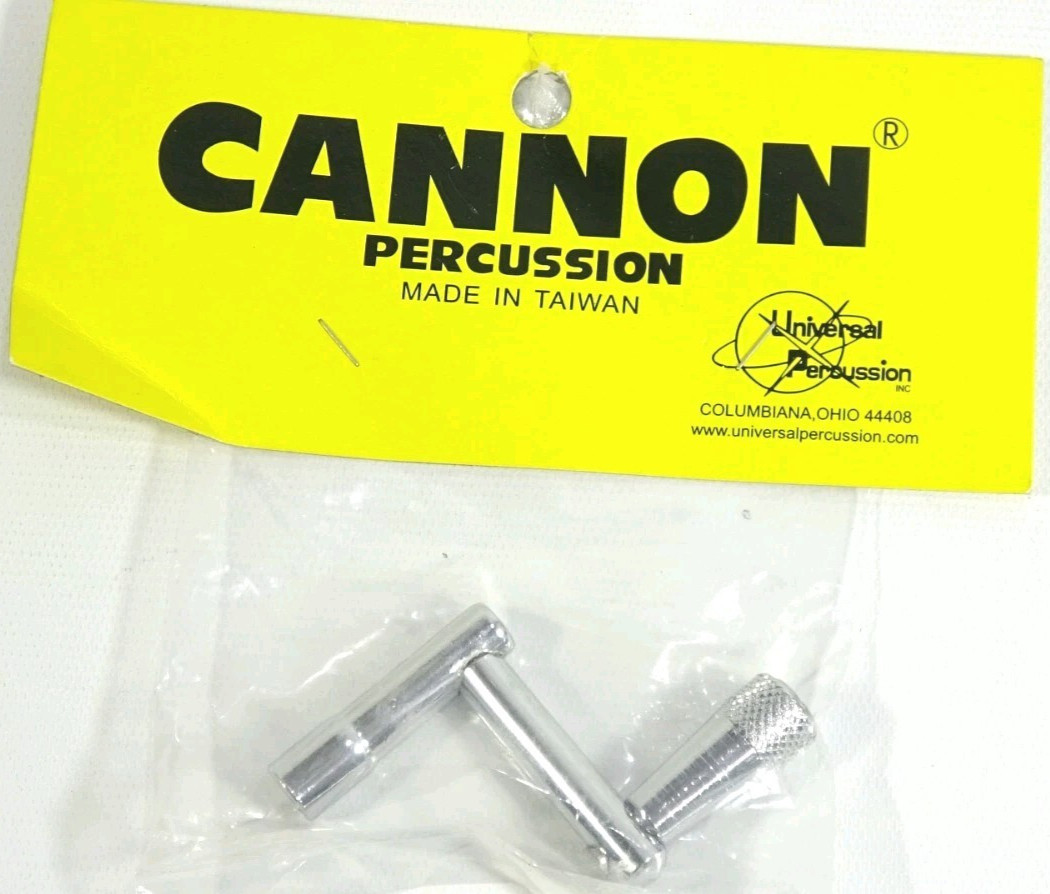 Cannon Percussion Products UPSK Drum Speed Key - Drum Set Tuning$10.36
 View on eBay
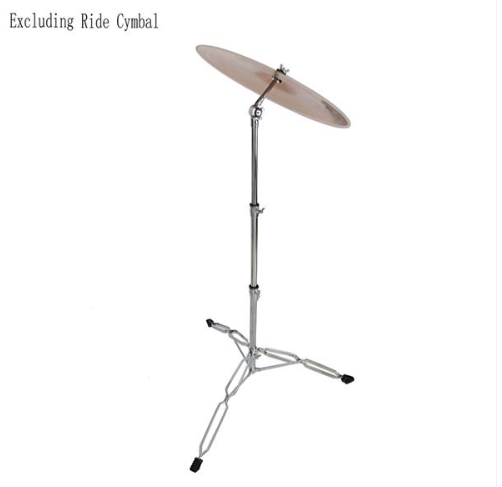 Glarry Straight Cymbal Stand Drum Hardware Percussion Mount Holder Gear Set Silver$50.99
 View on Mallflare
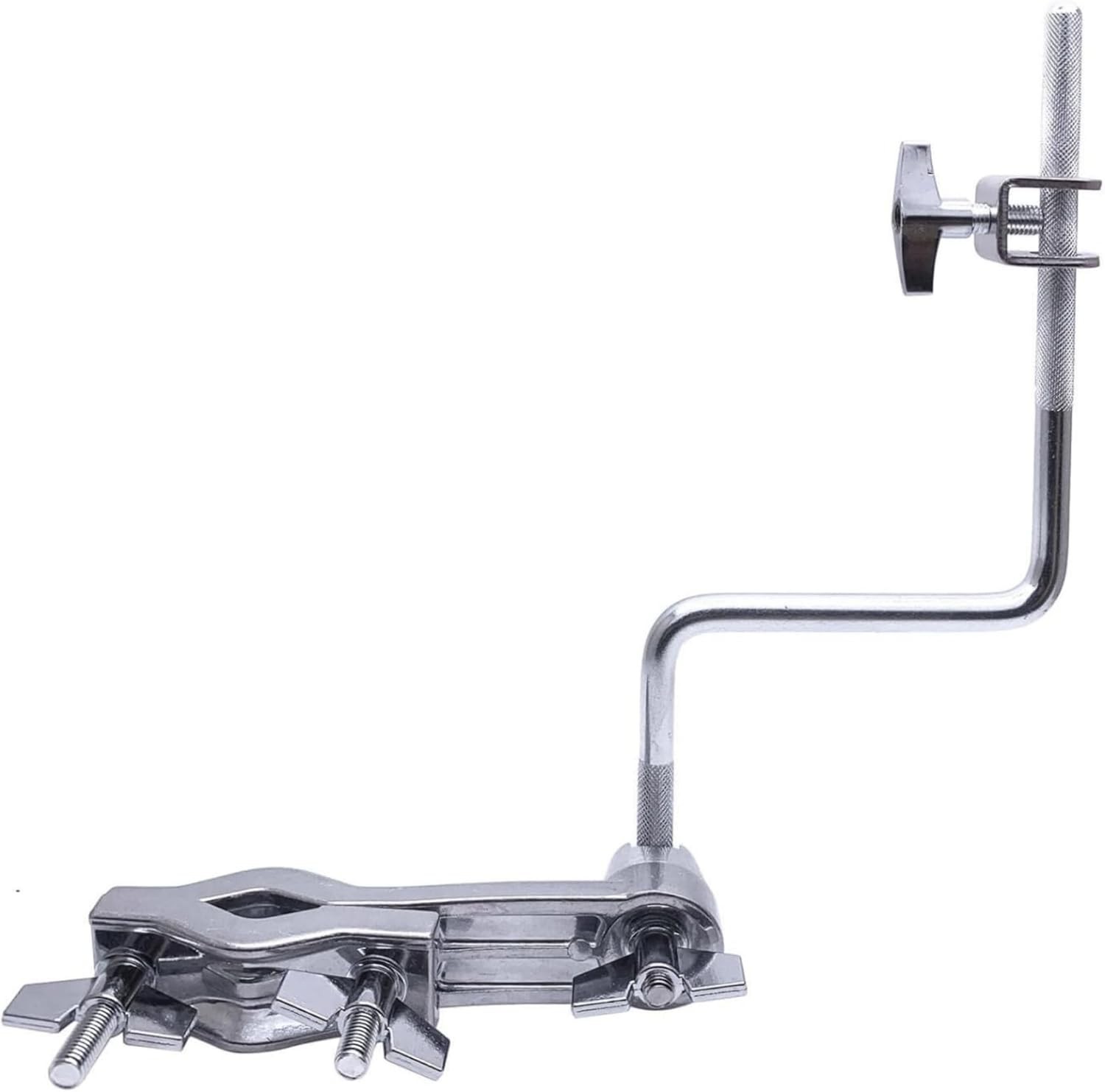 Cowbell Clamp Percussion Mounting Bracket with Z Arm Holder for Drum Set Acce...$35.40View on eBay
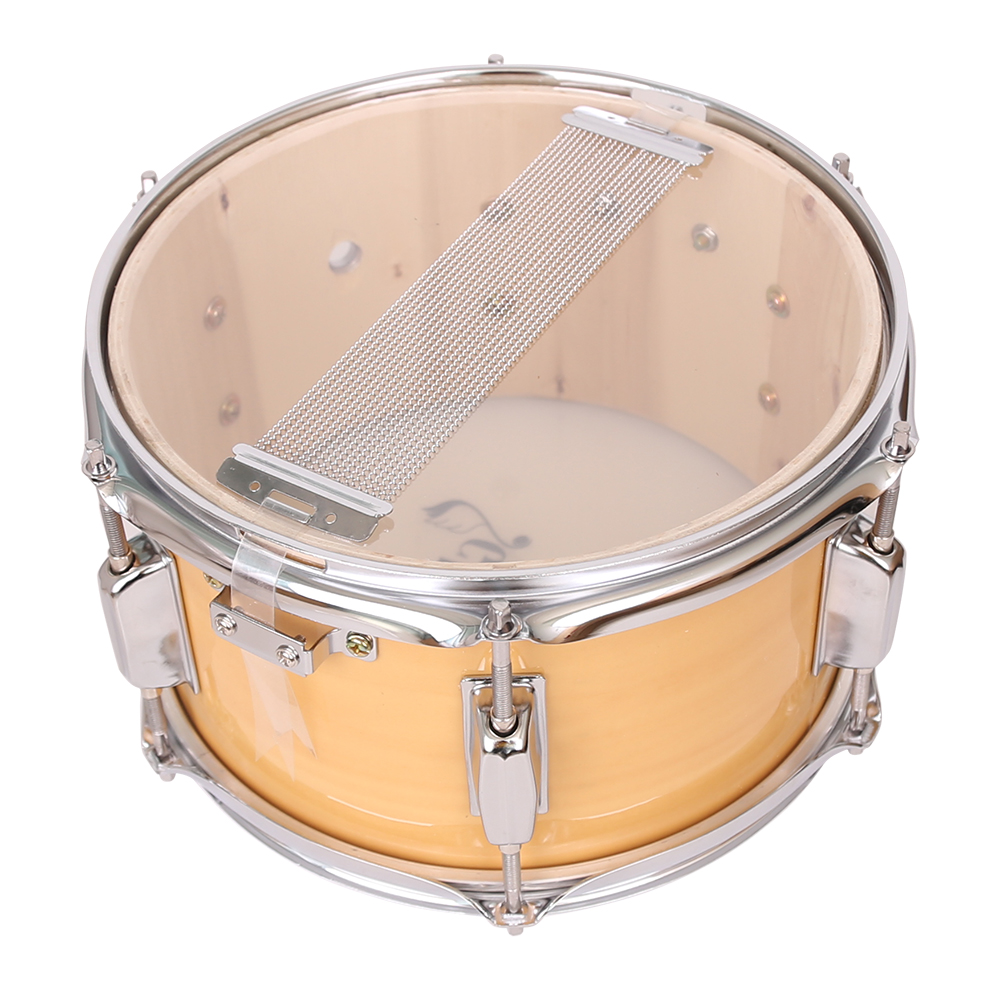 10 x 6" Snare Drum Poplar Wood Percussion Set Color$50.99View on Mallflare
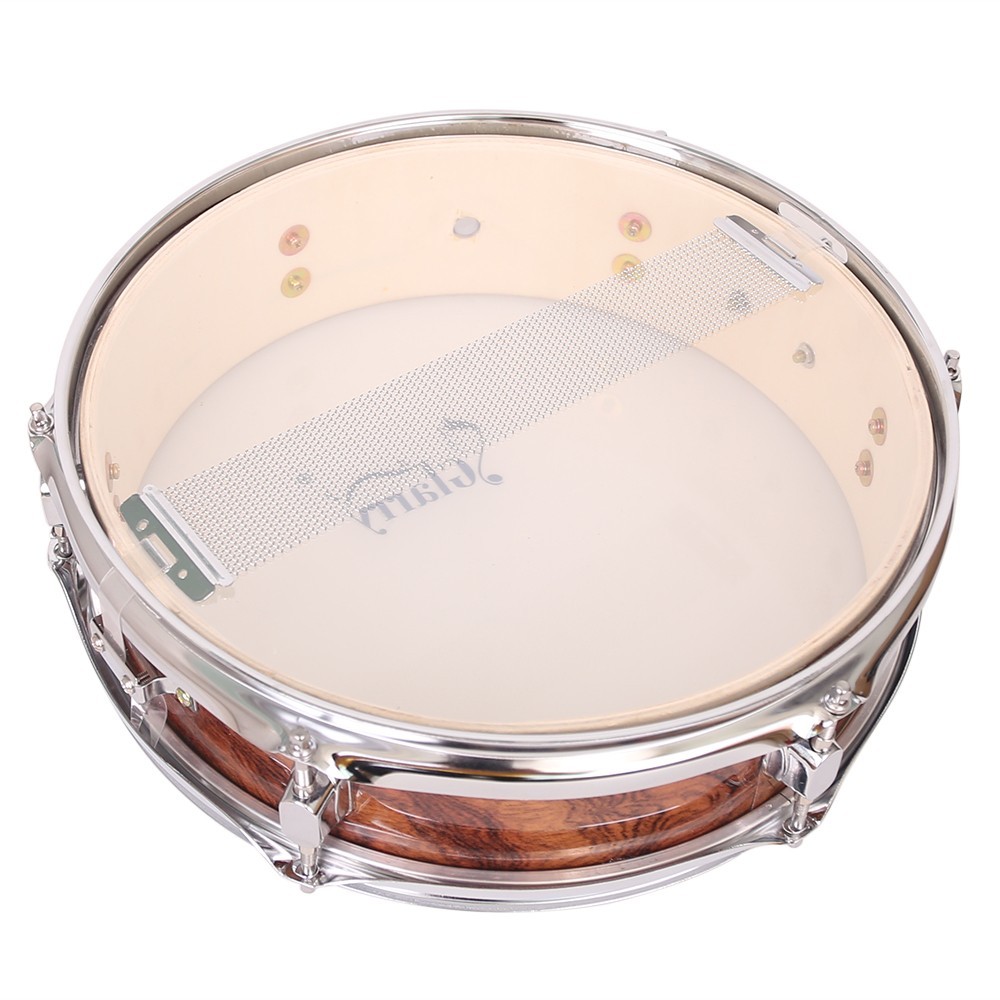 13 x 3.5" Snare Drum Poplar Wood Drum Percussion Set Tiger Stripes$35.99View on eBay
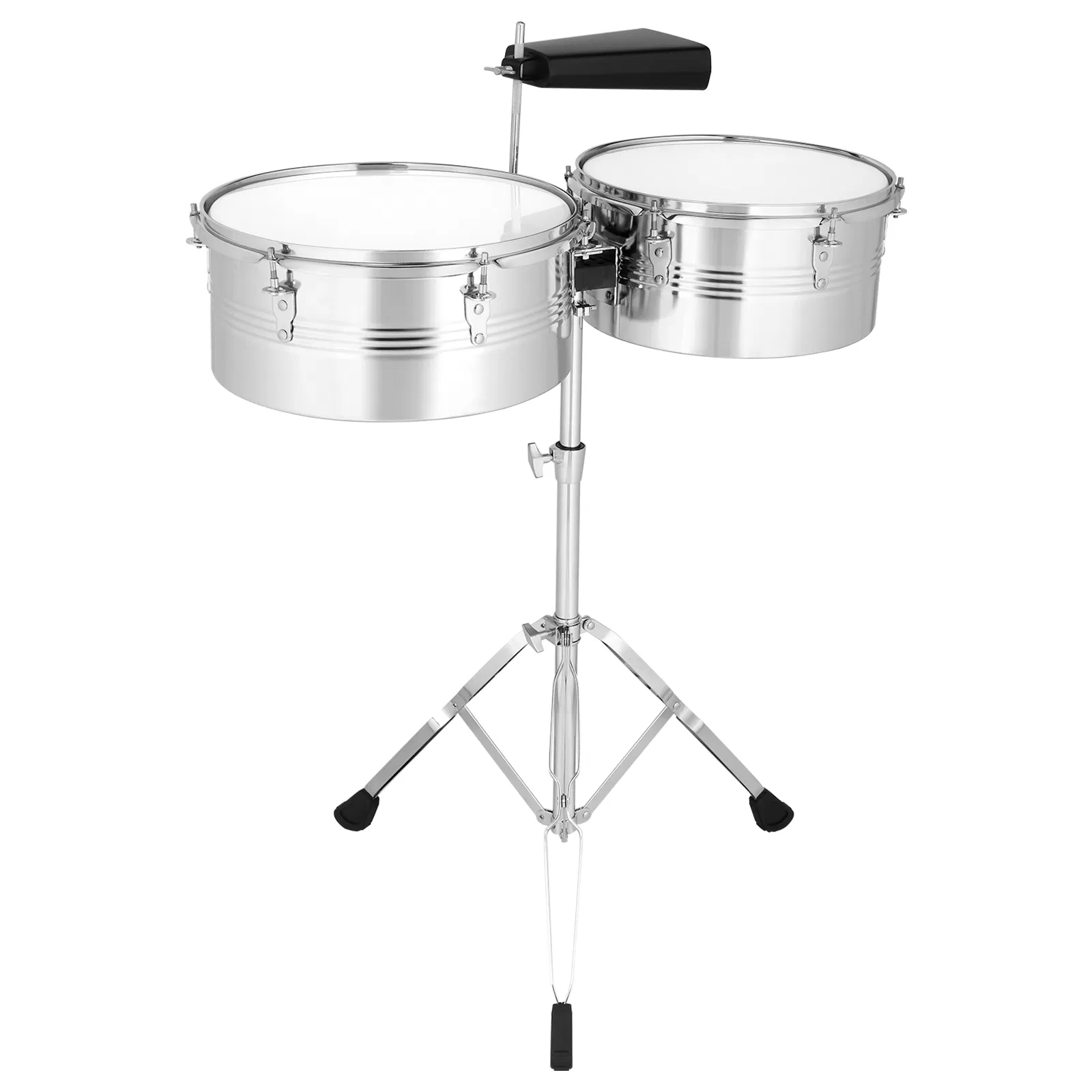 Percussion 13" & 14" Timbales Drum Set with Stand and Cowbell Silver$120.99View on Mallflare
Highlights
- Shell material decides tone and durability: poplar is budget-friendly but soft and less resonant; birch and maple project better and resist dents under heavy playing.
- Hardware gauge separates gig-ready from practice-only: double-braced stands and 1.5 mm chrome-plated steel resist wobble; single-braced stands flex and strip threads over time.
- Drum sizes dictate genre and volume: 22-inch bass with 12/13/16 toms suits rock; 20-inch bass with 10/12/14 toms suits jazz and low-volume stages.
- Bearing edges and ply count control tuning range: 6-ply to 9-ply shells with cut 45-degree edges tune higher and hold pitch better than 3-ply budget shells.
Best use cases
- Home practice and beginner lessons: pick a 5-piece poplar kit with single-braced hardware and 20-inch bass to keep volume and footprint low; skip double-braced pro hardware.
- Small-club gigging and rehearsals: choose a 5-piece birch or maple kit with double-braced stands, 22-inch bass, and a 14-inch snare; skip thin 3-ply shells.
- Studio recording and heavy touring: select a 6-ply maple or birch shell pack with die-cast hoops and double-braced hardware; skip poplar kits and single-braced stands.
- Percussion add-on setups (timbales, cowbells): buy a dedicated timbale set with included stand and cowbell mount rather than adapting a drum-set stand; skip generic clamps that loosen.
Buying tips
- Match bass drum depth to room size: 22x18 inches projects in a garage or small club; 20x16 inches controls volume for apartments and studios.
- Count ply layers: 6-ply to 9-ply shells resist warping and hold tuning; 3-ply poplar shells dent and detune quickly under regular play.
- Check stand bracing: double-braced legs with memory locks are mandatory for gigging; single-braced stands are for static home kits only.
- Verify snare size and material: a 14x5.5-inch steel or wood snare is the versatile standard; 13x3.5-inch piccolos are for accents, not primary backbeat.
Specs
| Shell Material | Poplar / Birch / Maple |
|---|---|
| Hardware Bracing | Single vs double-braced |
| Bass Drum Size | 18 / 20 / 22 / 24 in |
| Kit Configuration | 4-piece / 5-piece / shell pack |
Related searches
What to check before buying
- Measure your floor space: a 5-piece kit with 22-inch bass needs roughly 6x6 feet; a 20-inch bass kit fits in about 5x5 feet.
- Check ceiling height and doorways: assembled kits with cymbal stands reach about 5 feet tall; confirm the room and transport vehicle clear that.
- Confirm voltage and plug standard for any electronic add-ons: acoustic drum sets need no power, but metronomes and practice amps require the local plug type.
- Verify included companion parts: most shell packs exclude cymbals, throne, and kick pedal; budget for those before choosing a kit tier.
FAQ
Data sources: eBay / Amazon listings and product attribute feeds Data updated Nov 16, 2026.
Some links on this page are affiliate links. If you buy after clicking one, we may earn a commission at no extra cost to you. This does not change which products appear here or their order. Affiliate disclosure.