Photos from current listings. Actual item, color, and included accessories may vary.
Drum Kit Buying Guide
A drum kit is a coordinated set of shells (bass, snare, toms), cymbals, and hardware that must be sized, tuned, and matched as a system; the core trade-off is thin poplar or mystery-metal shells on entry kits versus multi-ply birch/maple and double-braced hardware on serious kits. The decision rule: buy a kit whose shell material, bearing edges, and hardware bracing are explicitly specified, and skip any set that hides drum sizes, shell plies, or stand gauge.

At a glance
- Category
- Percussion
- Data updated
- Nov 16, 2026
Current offers
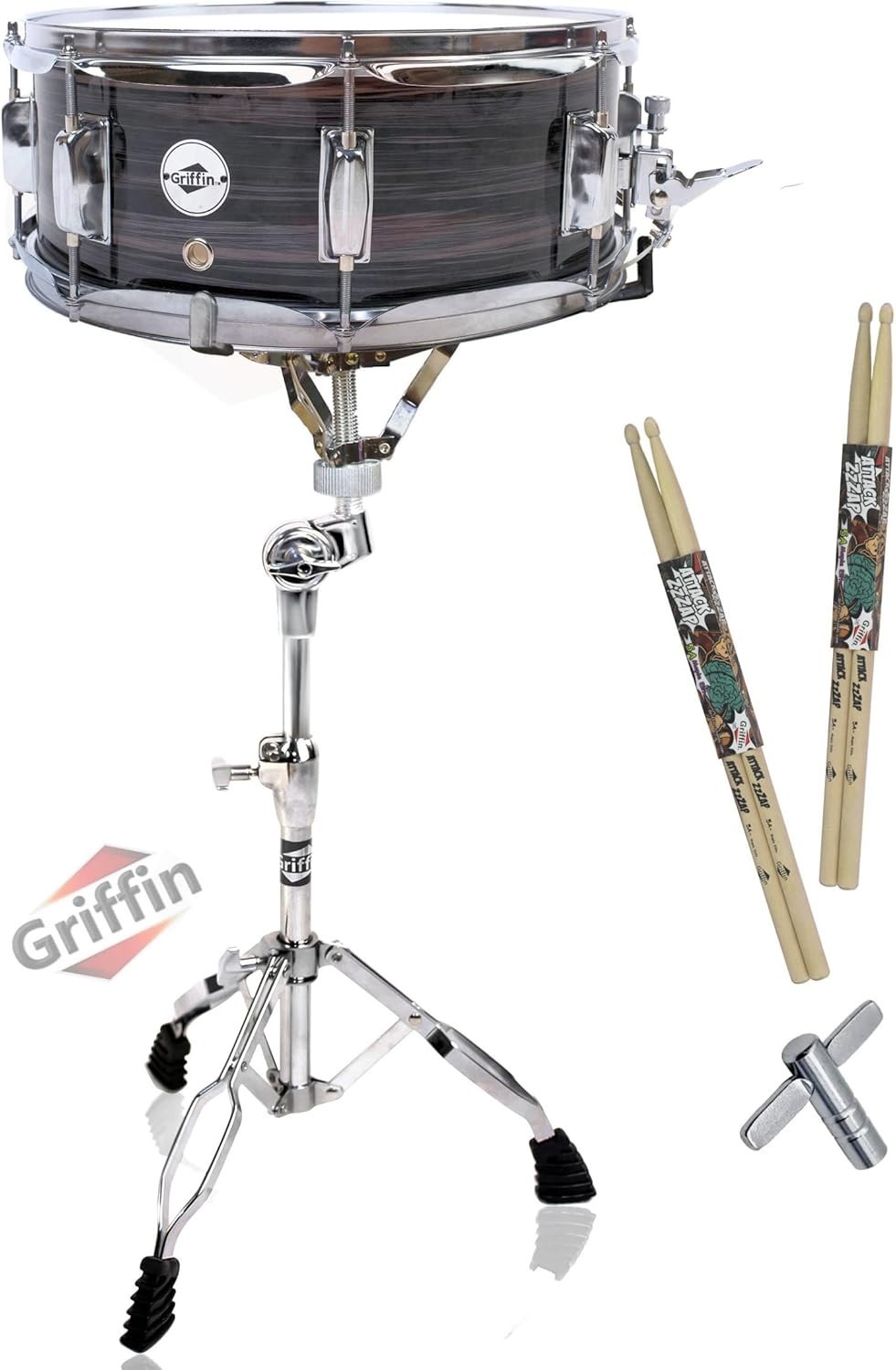 Wood Snare Drum Kit 14" x 5.5" PoplarPro Edition w/ Stand, 2 Pair Maple Stick...$125.99
 View on eBay
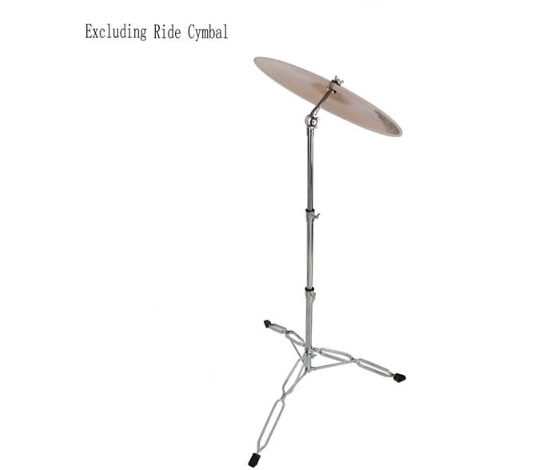 Drum Set Vertical And Diagonal Rhythm Cymbal Stand$49.99
 View on Mallflare
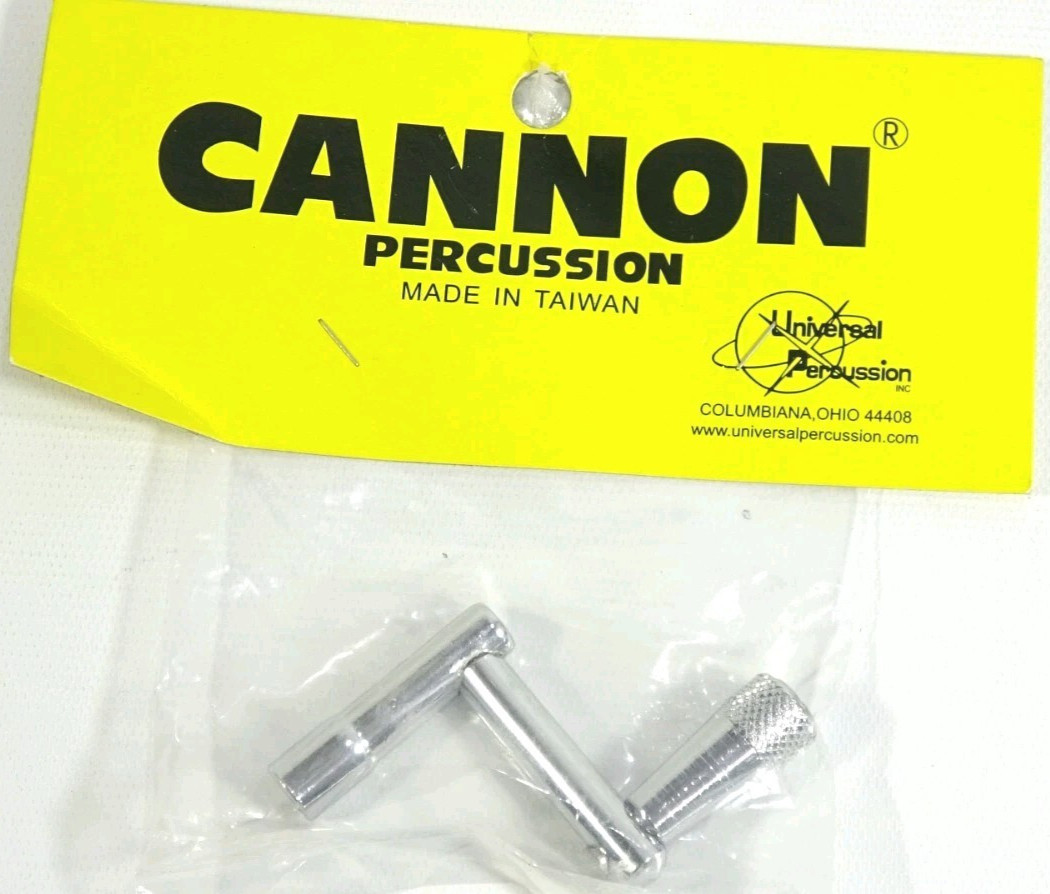 Cannon Percussion Products UPSK Drum Speed Key - Drum Set Tuning$10.36View on eBay
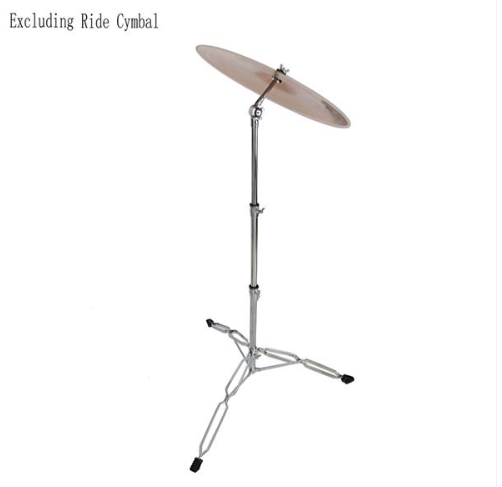 Glarry Straight Cymbal Stand Drum Hardware Percussion Mount Holder Gear Set Silver$50.99View on Mallflare
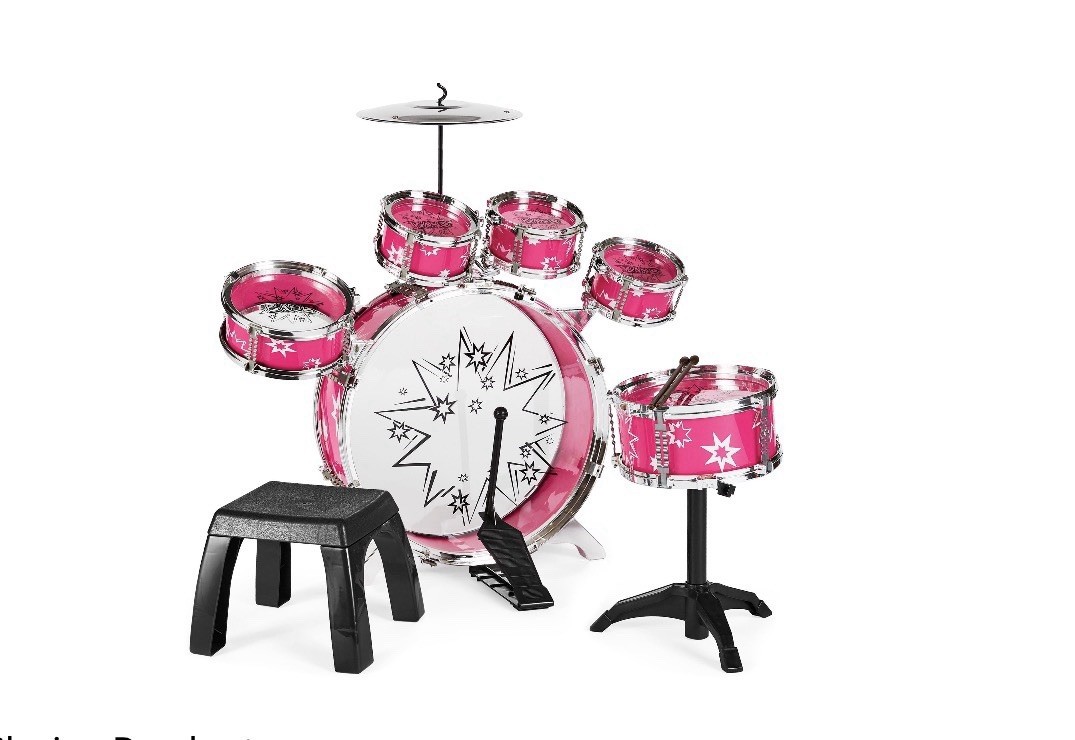 Best Choice Products SKY1884 11-Piece Kids Starter Drum Set.$34.28View on eBay
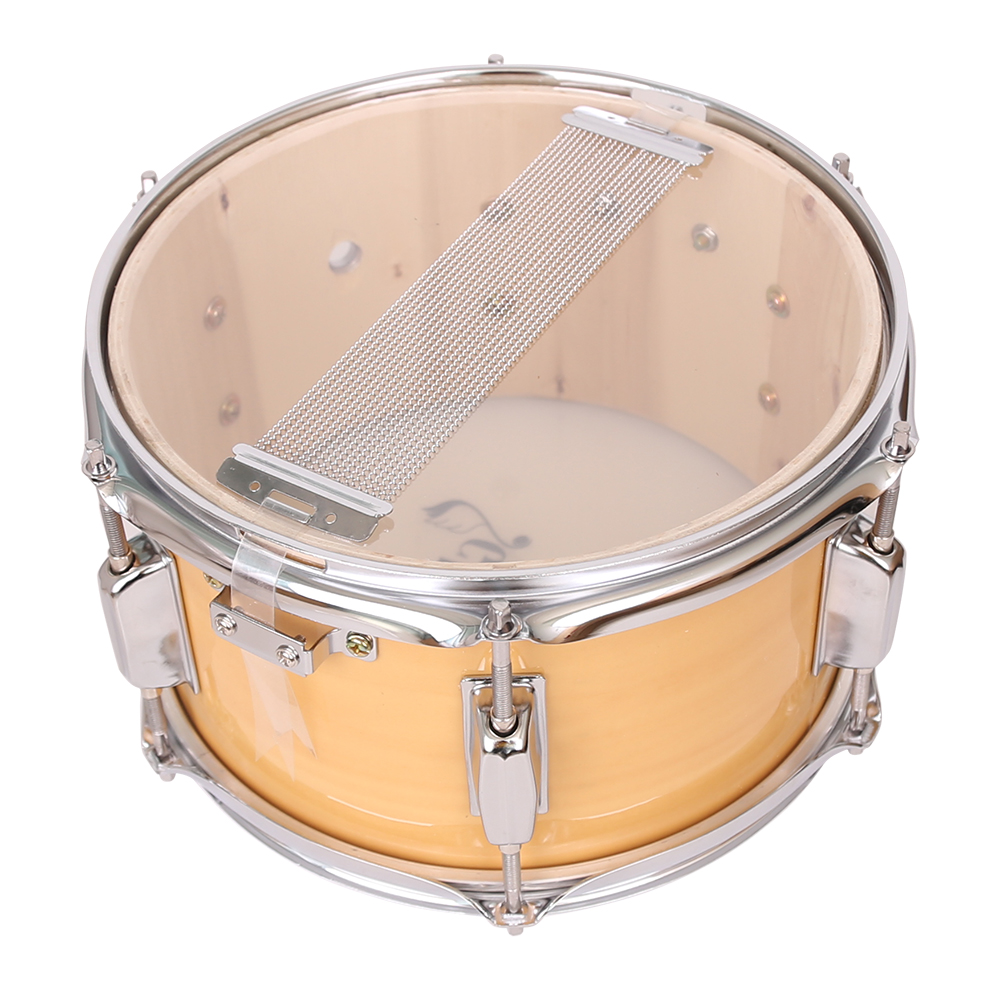 10 x 6" Snare Drum Poplar Wood Percussion Set Color$50.99View on Mallflare
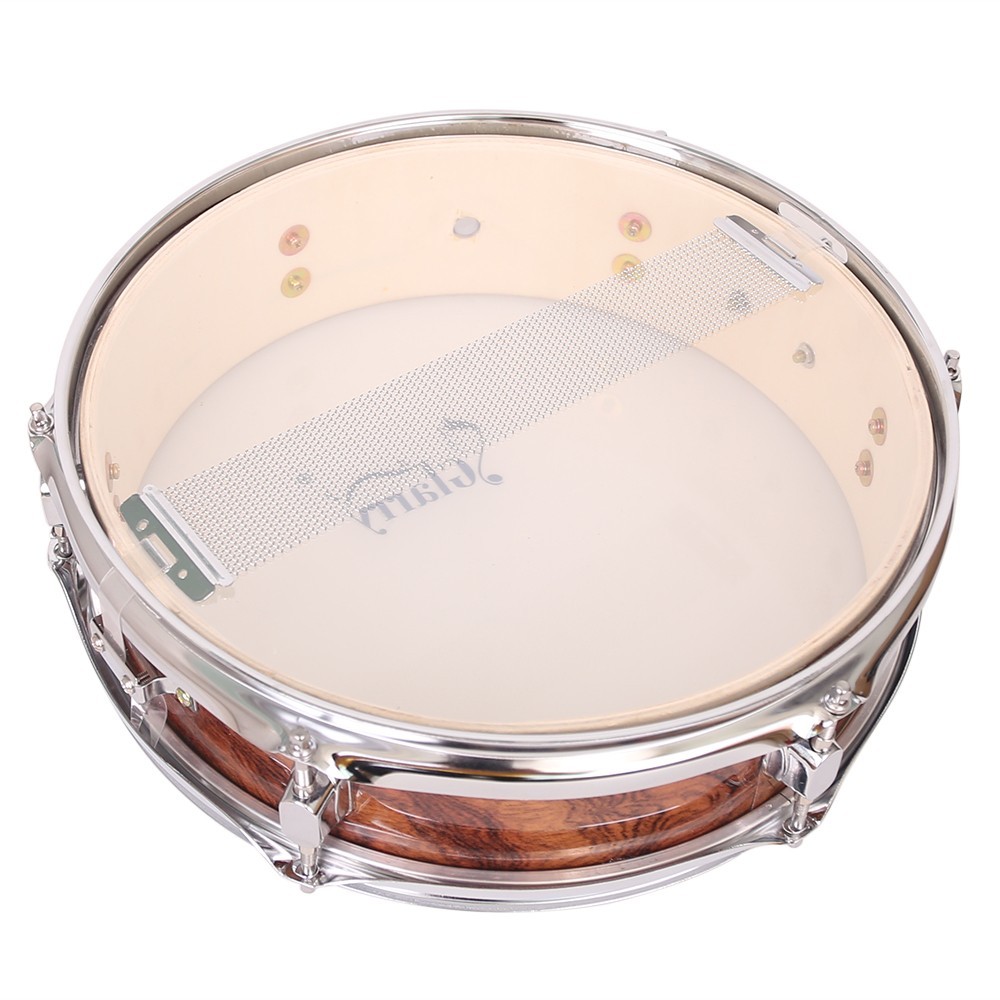 13 x 3.5" Snare Drum Poplar Wood Drum Percussion Set Tiger Stripes$35.99View on eBay
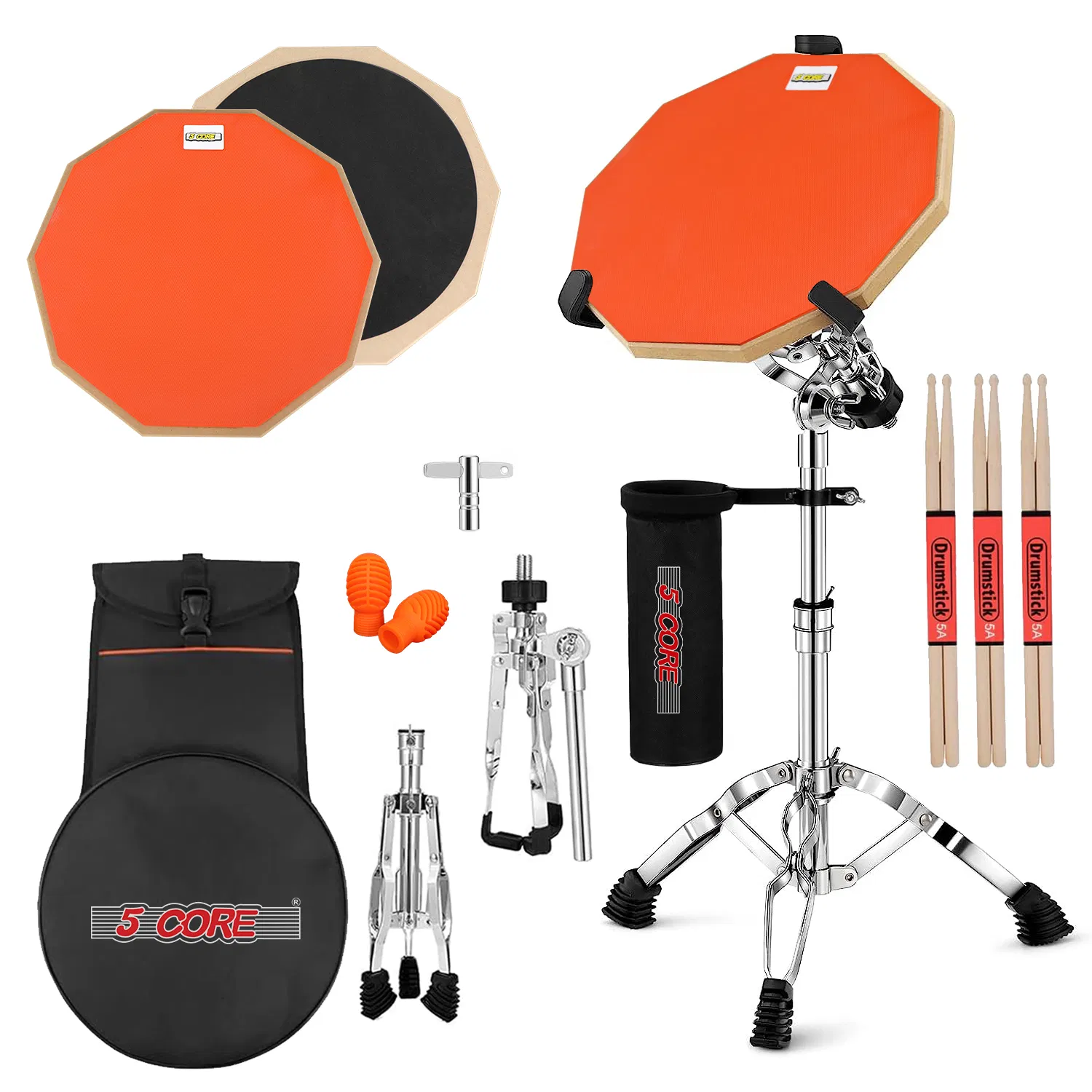 5 Core Drum Practice Pad Set 12" Adjustable Snare Drumming Stand Double Sided Silent Drummer Kit - DPAD COMBO$62.99View on Mallflare
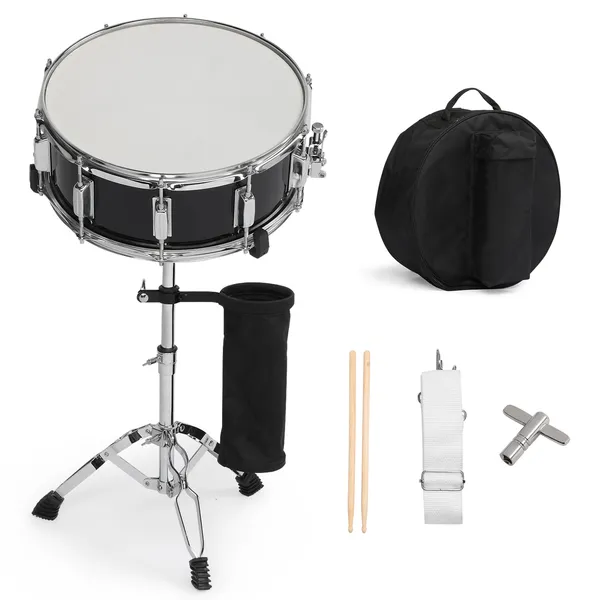 14 X 5.5in Snare Drum Set With Drumstick Holder, Bag, Strap, Mute Pad & Stick For Beginner Student Black$81.99View on Mallflare
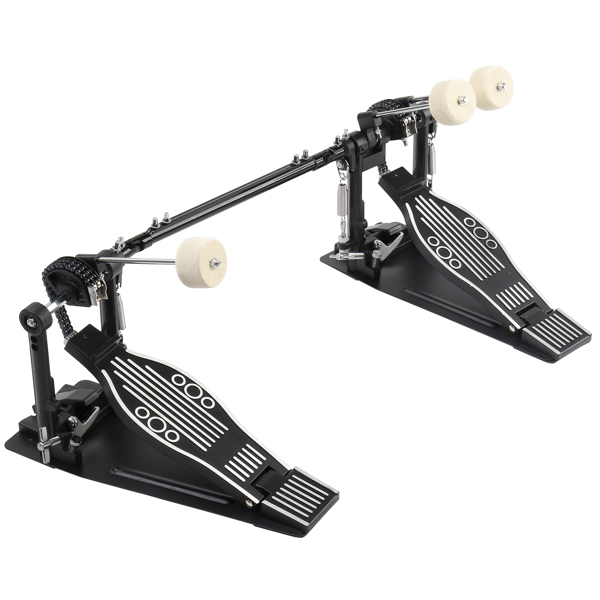 Double Bass Drum Set Pedal, Set$95.99View on Mallflare
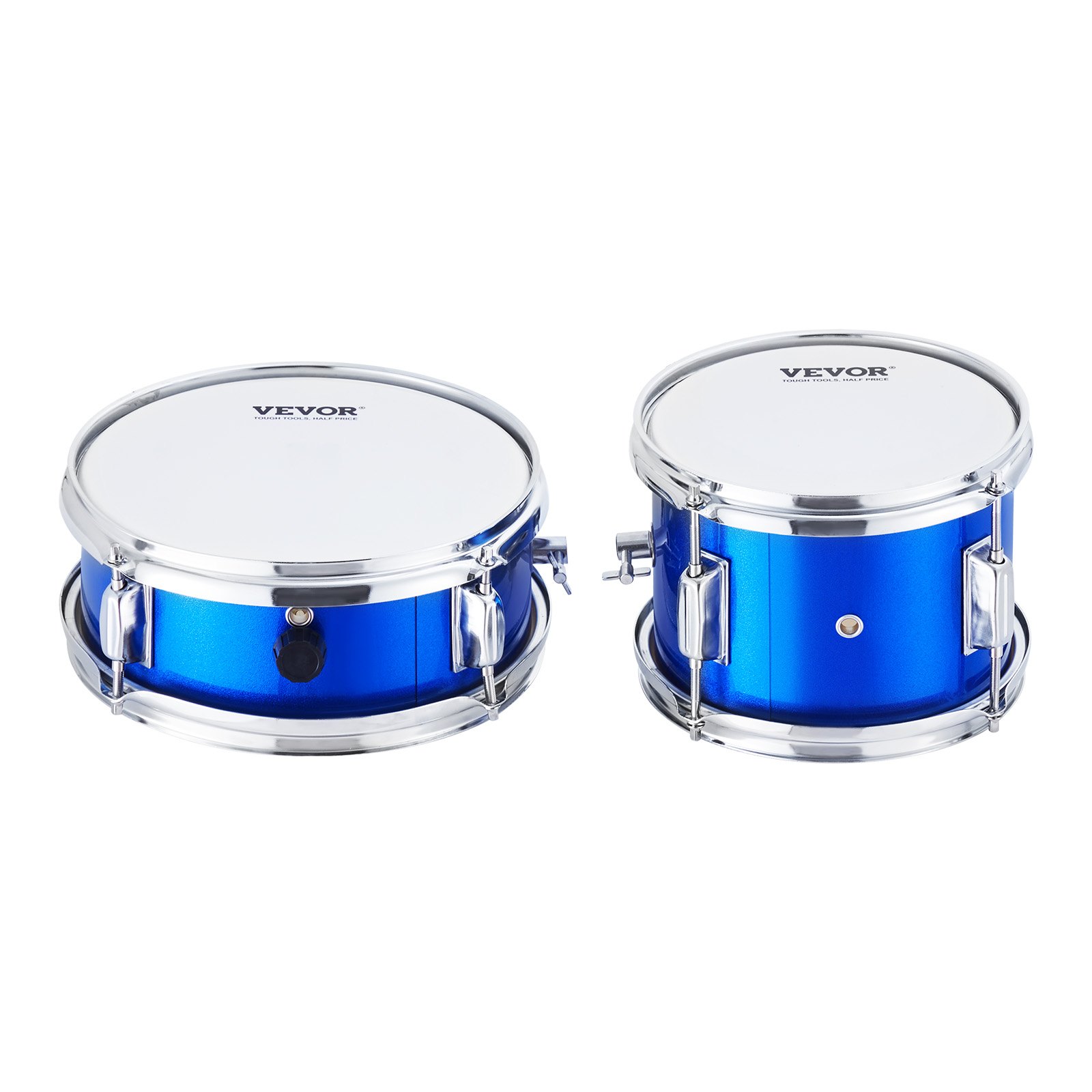 Kids Drum Set, 3-Piece, 14 In Beginner Set With Adjustable Throne Cymbal Pedal Two Pairs Of Drumsticks, 8'' Tom 10'' Snare 14'' Bass Starter Kit For Child Blue$102.99View on Mallflare
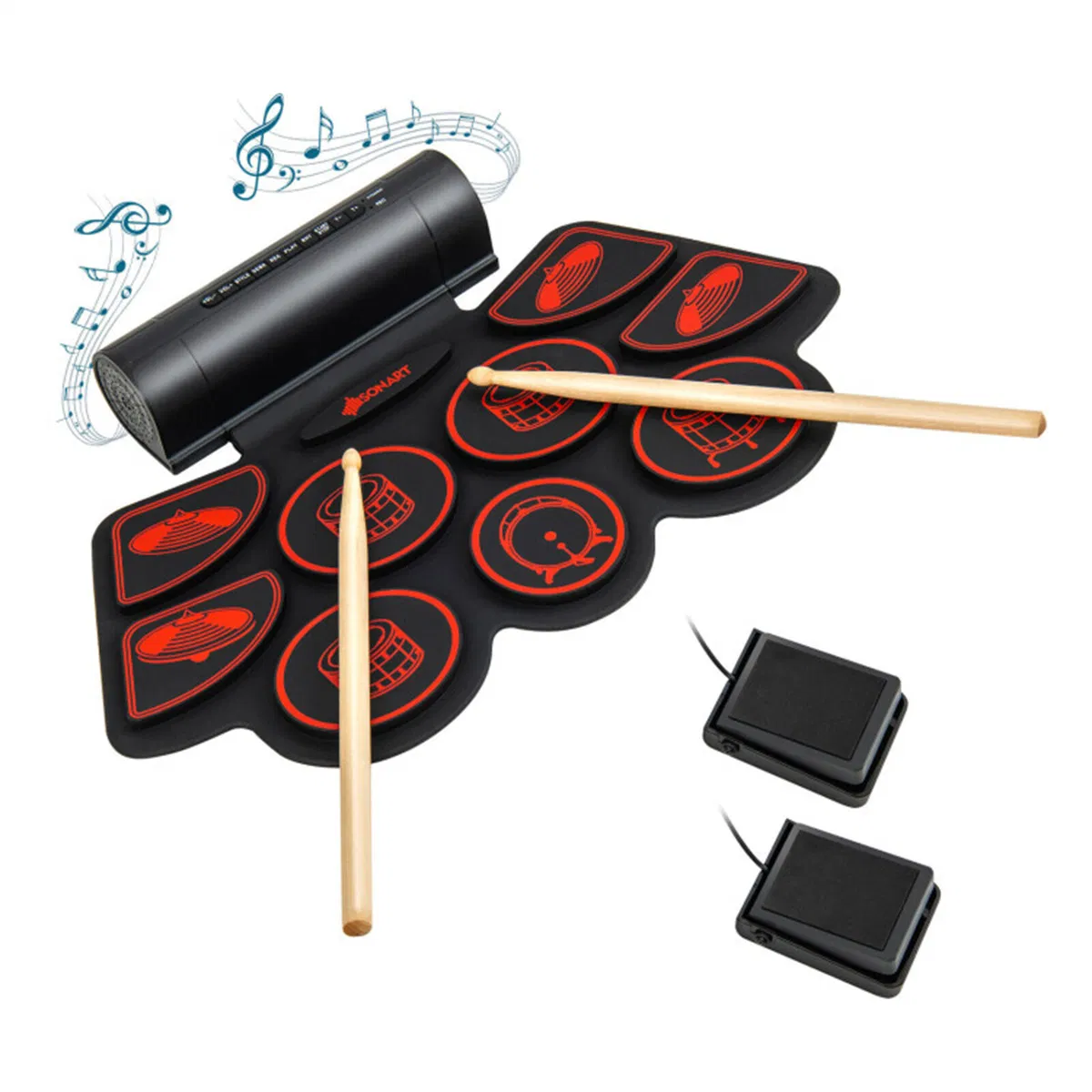 9-Pad Electric Drum Set for Beginners, MIDI USB Connection Dual Stereo Speakers Black+Red$109.99View on Mallflare
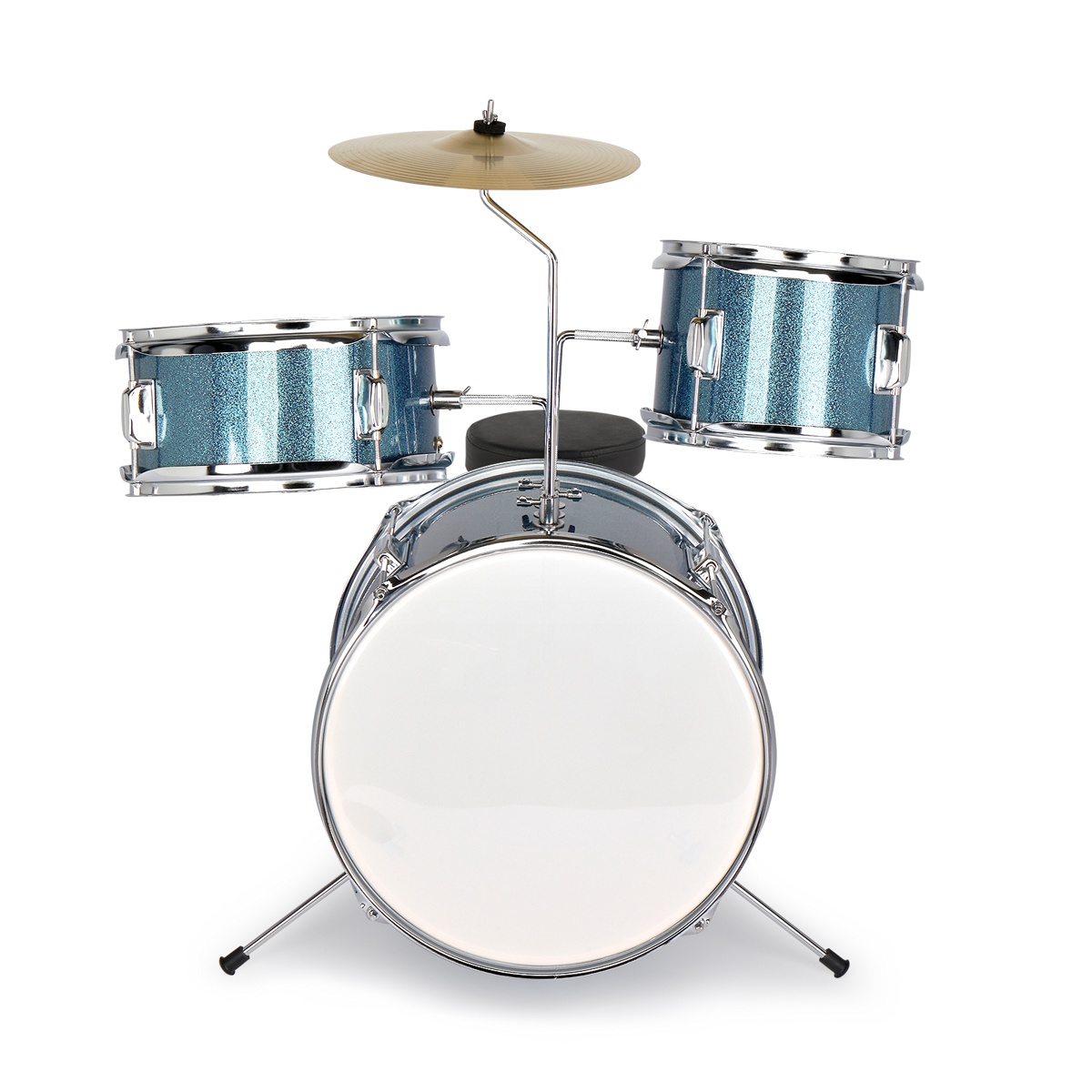 14"x10" 3-Pieces Junior Kids Drum Set Kit Pedal Stick Wrench Stool Sky Blue$116.99View on Mallflare
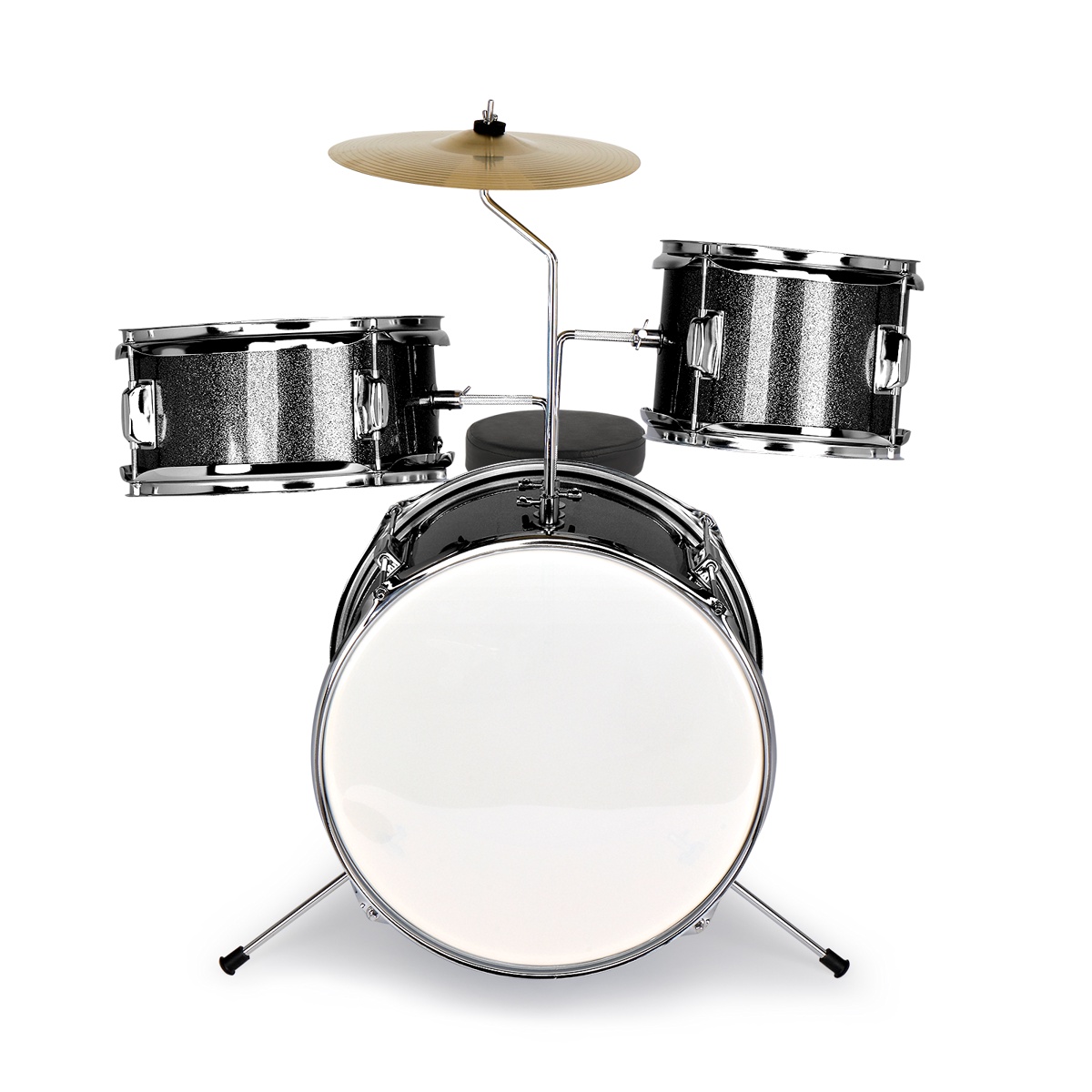 14"x10" 3-Pieces Junior Kids Drum Set Kit Pedal Stick Wrench Stool Black$116.99View on Mallflare
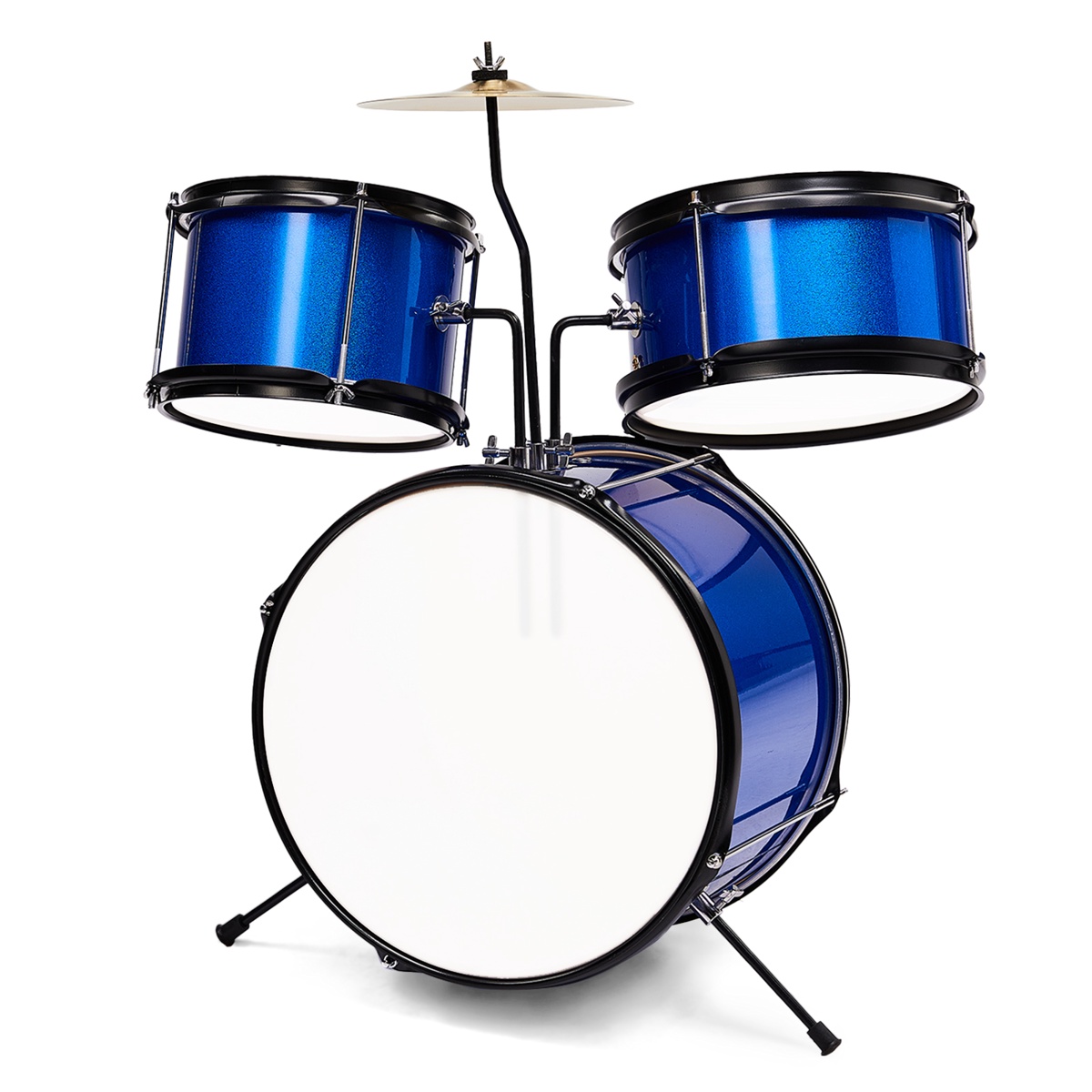 14"x10" 3-Pieces Junior Kids Drum Set Kit Pedal Stick Wrench Stool Dark blue$116.99View on Mallflare
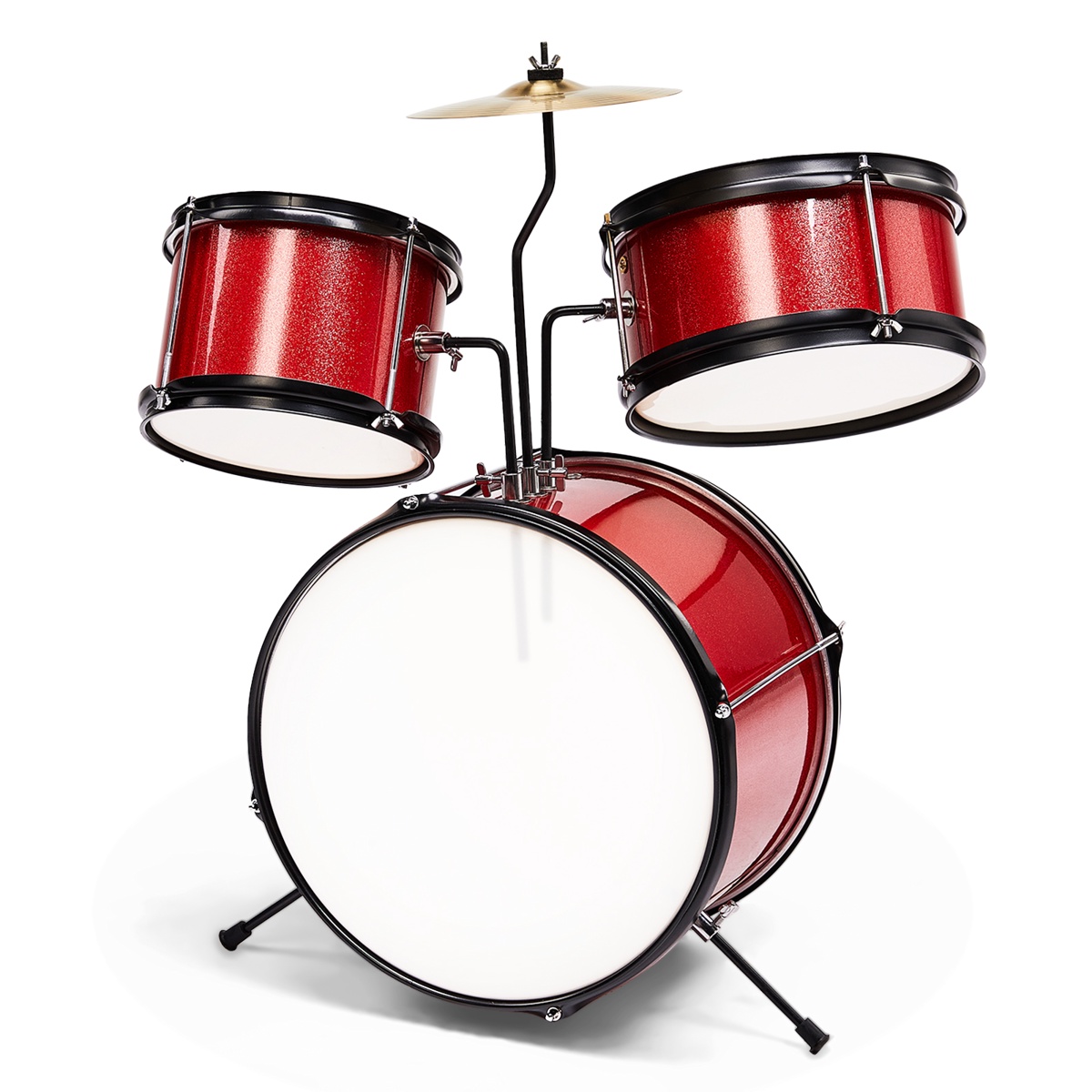 14"x10" 3-Pieces Junior Kids Drum Set Kit Pedal Stick Wrench Stool Red$116.99View on Mallflare
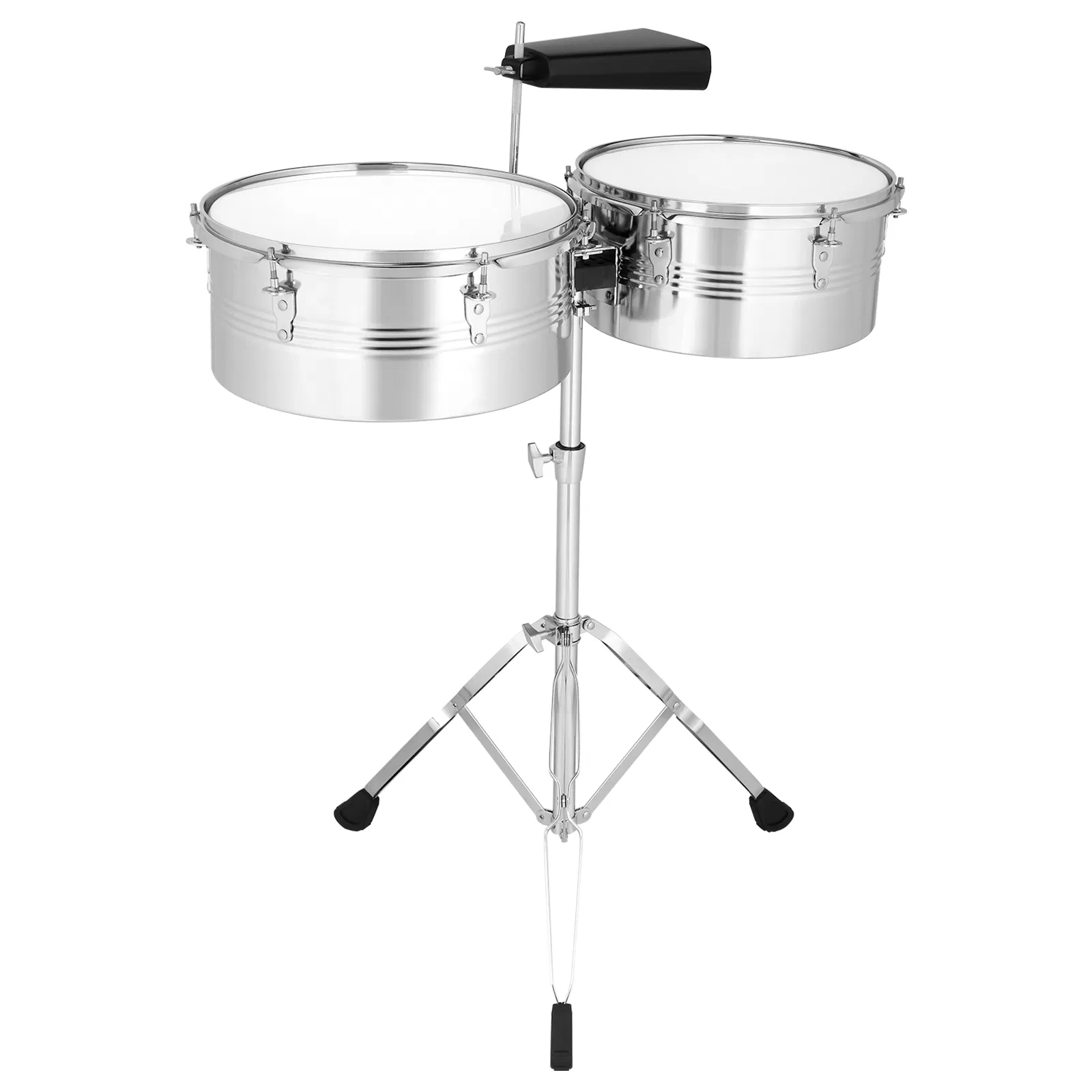 Percussion 13" & 14" Timbales Drum Set with Stand and Cowbell Silver$120.99View on Mallflare
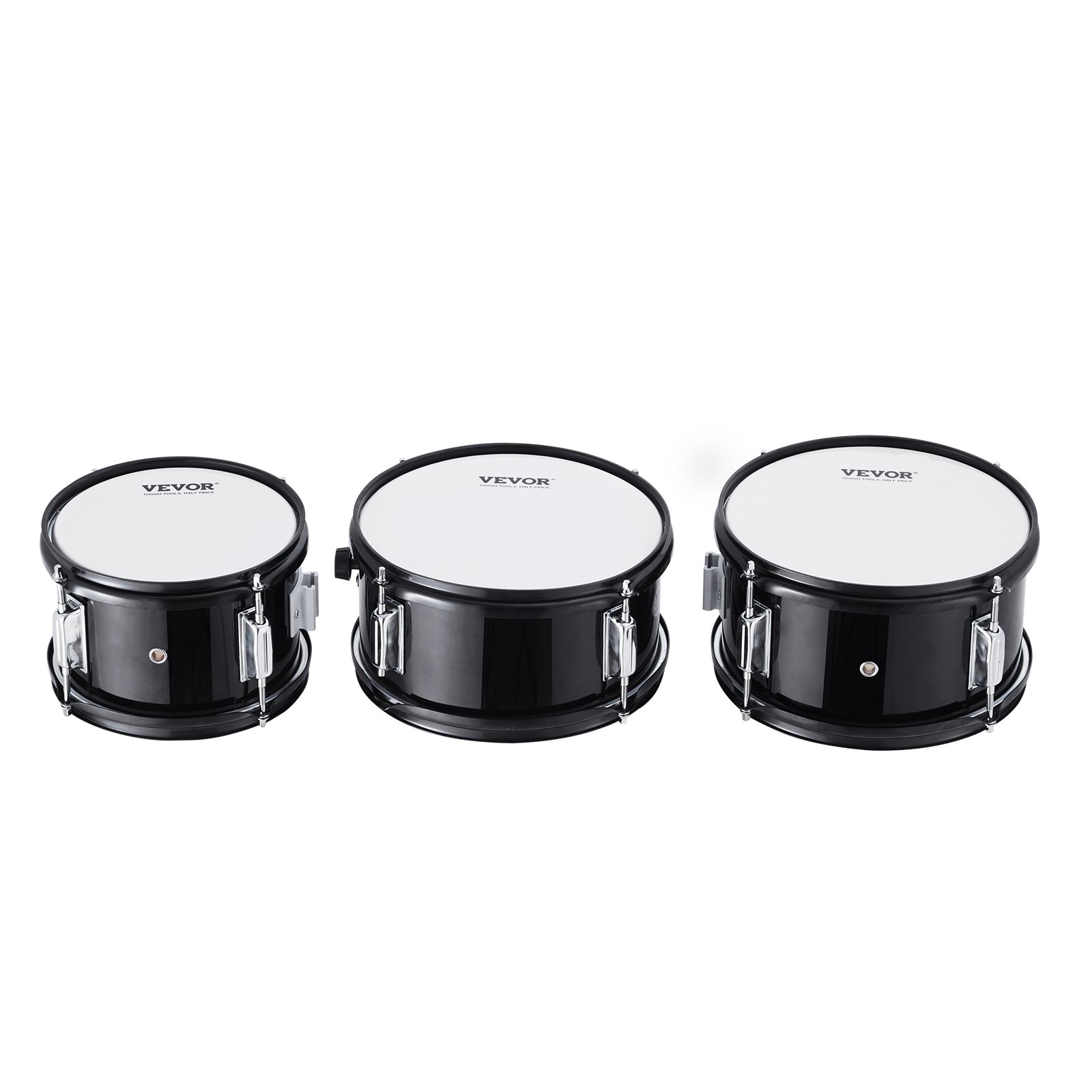 Kids Drum Set, 5-Piece, 16 In Beginner Full Set With Bass Toms Snare Floor Adjustable Throne Cymbal Hi-Hat Pedal And Two Pairs Of Drumsticks, Starter Kit For Child Black$186.99View on Mallflare
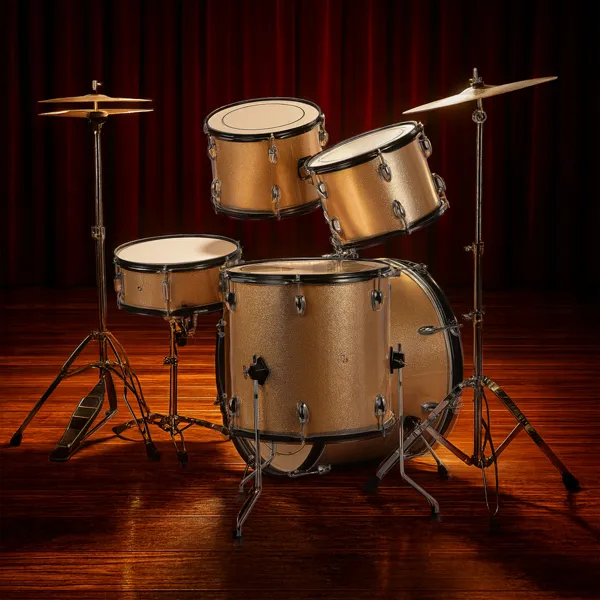 Full Size AdultDrum Set 5-Piece Champagne With Bass Drum, Two Tom Snare Floor Tom, Stool, Pedal, Sticks$298.99View on Mallflare
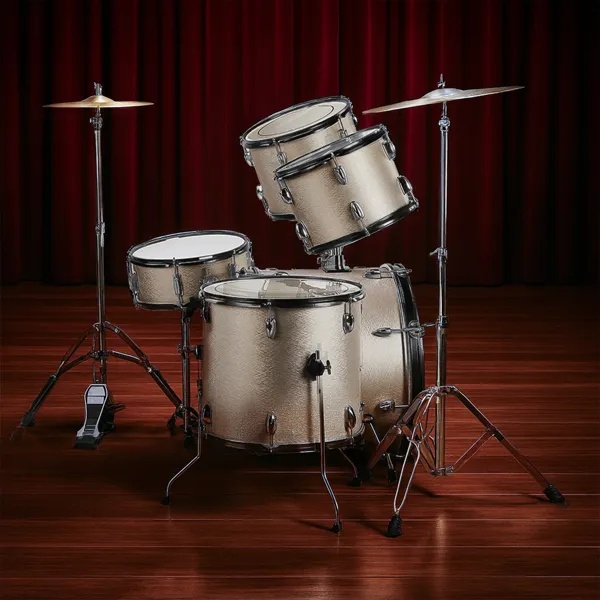 Full Size AdultDrum Set 5-Piece Silver With Bass Drum, Two Tom Snare Floor Tom, Stool, Pedal, Sticks$338.99View on Mallflare
Highlights
- Shell material drives tone and durability: poplar and basswood are entry-level softwoods with limited projection; birch and maple multi-ply shells hold tuning longer and resist warping.
- Hardware gauge separates playable kits from toys: double-braced stands and chain-drive pedals survive regular playing, while single-braced thin tubing bends under heavy hitting.
- Drum sizes must match genre and body size: compact 10"–12" toms and 18"–20" bass suit small rooms and younger players; 12"–13" toms and 22" bass deliver standard rock volume.
- Cymbal alloy determines lifespan and sound: B20 bronze cymbals are musical and durable, while brass or nickel-silver entry cymbals dent and sound harsh.
Best use cases
- Best fit for a child or tight bedroom: an 11-piece kids starter set with 10"–12" drums and single-braced hardware, accepting thinner poplar shells for low volume.
- Best fit for an adult beginner practicing weekly: a 5-piece kit with 12"–13" toms, 22" bass, and double-braced stands; skip kids sets whose short stands force poor posture.
- Best fit for silent apartment practice: a practice pad set with adjustable snare stand plus mute pads, instead of a full acoustic kit that overwhelms shared walls.
- Wrong fit: buying a shell pack without checking that cymbals, throne, and pedal are included; many kits ship as shells only and require companion hardware.
Buying tips
- Measure your space first: a standard 5-piece kit needs roughly 5 ft × 5 ft of floor plus seating clearance; compact kits fit in about 4 ft × 4 ft.
- Match drum depth to genre: 5"–5.5" snare depth gives crisp attack; 6.5"+ depths add body for rock and heavier styles.
- Choose double-braced hardware for any player past beginner stage; single-braced stands are lighter but flex under consistent rimshots.
- Confirm the kit includes a throne, bass pedal, hi-hat stand, and at least one crash/ride cymbal; shell packs alone leave you buying these separately.
Specs
| Shell Material | Poplar / Basswood vs Birch / Maple |
|---|---|
| Hardware Gauge | Single-braced vs Double-braced |
| Kit Configuration | 3-5 shells; kids vs full-size |
| Cymbal Alloy | Brass / Nickel-silver vs B20 Bronze |
Related searches
What to check before buying
- Measure the room and doorway: verify at least 5 ft × 5 ft of floor and a door width that clears the assembled bass drum.
- Check floor type: carpets dampen vibration and suit acoustic kits; on hard floors add a rug and consider mute pads for neighbors.
- Verify voltage and plug standard for any electronic module or amp add-on; acoustic kits need no power.
- Confirm companion parts: throne height range, pedal type, and cymbal stand count must match the kit's drum and cymbal count.
FAQ
Data sources: eBay / Amazon listings and product attribute feeds Data updated Nov 16, 2026.
Some links on this page are affiliate links. If you buy after clicking one, we may earn a commission at no extra cost to you. This does not change which products appear here or their order. Affiliate disclosure.