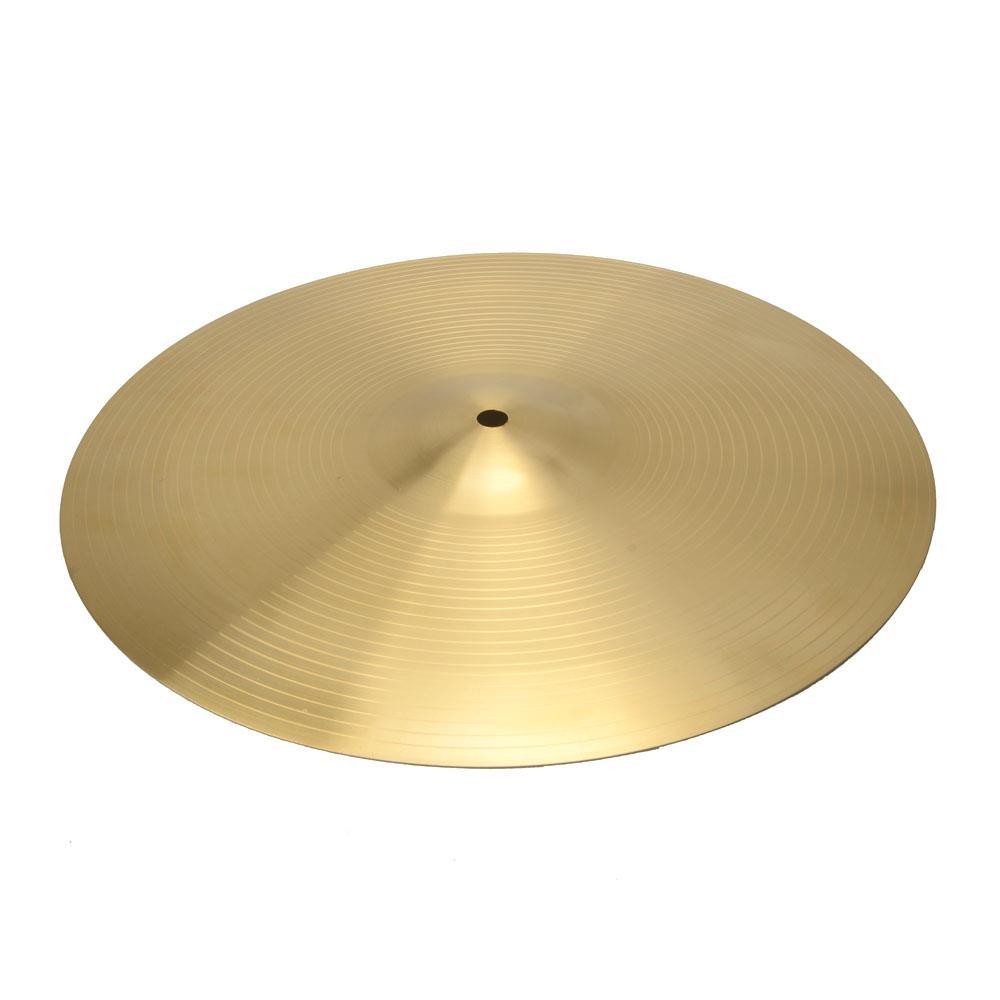

Photos from current listings. Actual item, color, and included accessories may vary.
Crash Cymbal Buying Guide
A crash cymbal is a thin, lathed bronze disc struck for accent and decay, and the core trade-off is alloy grade and hammering versus price: B20 bronze with hand-hammering delivers complex, durable tone, while brass or low-copper sheet alloy is a starter compromise. The decisive rule: buy B20 or B8 bronze in 14-18 inches for playable, repairable cymbals, and treat steel or brass sheet as practice-only unless budget is absolute.


At a glance
- Category
- Percussion
- Data updated
- Nov 16, 2026
Current offers
Highlights
- B20 bronze (80% copper/20% tin) gives the richest, most durable professional tone; B8 (92/8) is brighter and tougher for rock but less complex.
- Brass sheet and steel cymbals are stamped and sound clangy with fast, dead decay—acceptable for practice pads, not performance or recording.
- Hand-hammering and lathing create tonal complexity and controlled spread; machine-stamped cymbals are more consistent but one-dimensional.
- Crash diameter drives pitch and volume: 14-16" for fast bright accents, 17-18" for fuller rock projection, 19-20" for low, washy sustain.
Best use cases
- Pick a 16" B20 medium-thin crash for a first serious kit—it cuts through a band mix and records cleanly; skip brass sheet if you play amplified music.
- Choose a 14" fast crash for jazz, acoustic, or low-volume church work where quick decay and shimmer matter more than volume.
- Use an 18" B8 or B20 rock crash if you play hard rock or metal and need projection that survives heavy sticking; skip thin 14" models that wash out.
- Avoid steel or no-name copper-alloy crashes for gigging or studio use—reserve them for practice kits, kids' sets, or effects experiments.
Buying tips
- Match weight to genre: thin (fast, washy, jazz/pop), medium (versatile all-round), heavy (loud, cutting, rock/metal).
- Buy the alloy before the brand: B20 bronze outperforms brass at any price; B8 is the minimum for stage use.
- Keep total crash weight proportionate to your kit—two crashes plus a ride is the practical limit before stands and space strain.
- Verify the bell and edge profile: a pronounced bell adds projection; a thin, tapered edge resists cracking better than a thick, sharp edge.
Specs
| Alloy Grade | B20 / B8 bronze vs brass sheet |
|---|---|
| Diameter Range | 14-20 in (16 in most versatile) |
| Weight Class | Thin / medium / heavy |
| Mount Standard | 8 mm hole, sleeve required |
Related searches
What to check before buying
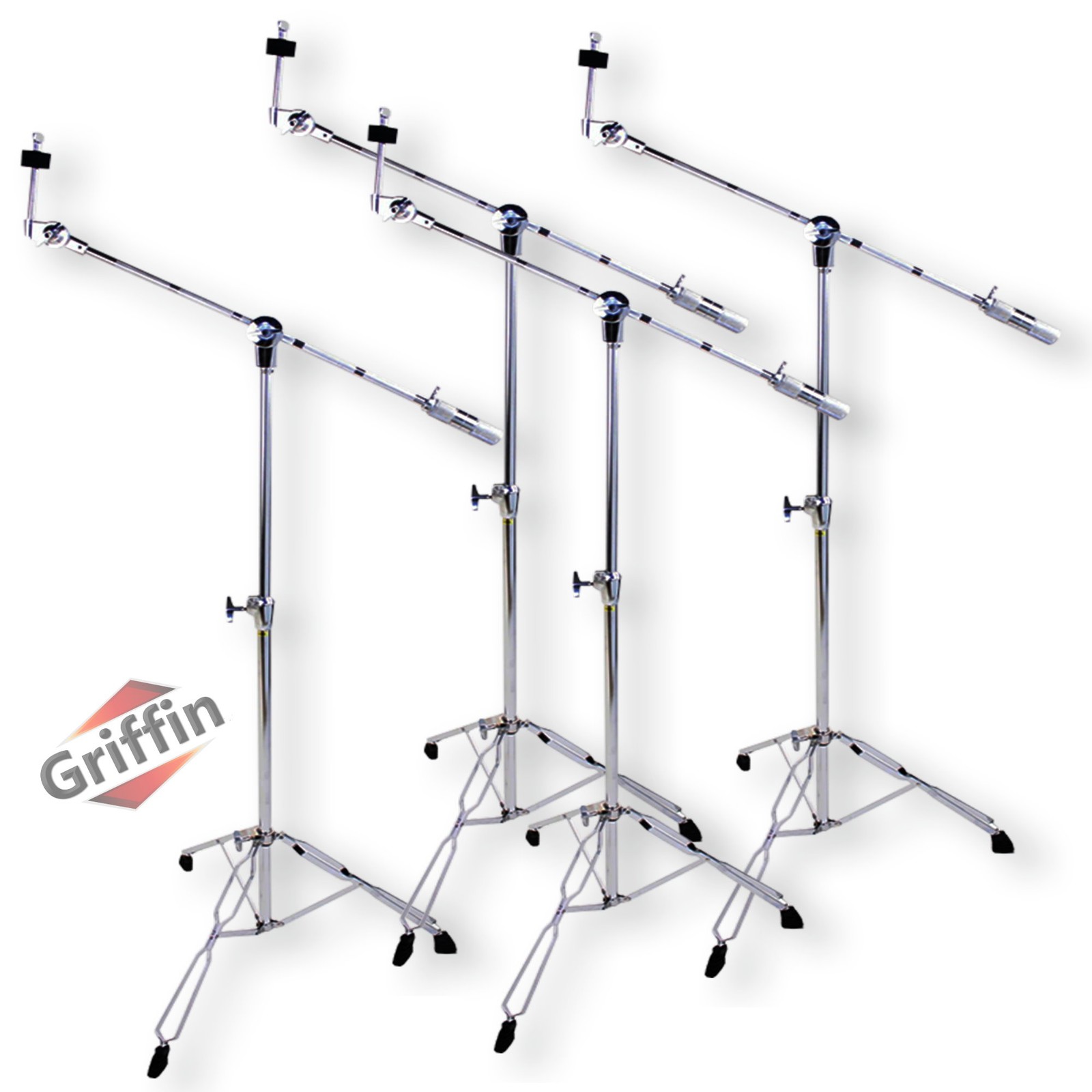
- Measure your stand's boom arm reach and counterweight capacity—heavy 18-20" crashes need a boom stand rated for their weight.
- Confirm cymbal diameter fits your bag or case interior; 18" and larger often require a dedicated cymbal bag.
- Check the mounting hole and sleeve: standard 8mm hole needs a plastic or felt sleeve to prevent keyholing.
- Match finish to maintenance preference: traditional lathed bronze patinas and needs occasional cleaning; brilliant finish shows fingerprints.
FAQ
Data sources: eBay / Amazon listings and product attribute feeds Data updated Nov 16, 2026.
Some links on this page are affiliate links. If you buy after clicking one, we may earn a commission at no extra cost to you. This does not change which products appear here or their order. Affiliate disclosure.