Photos from current listings. Actual item, color, and included accessories may vary.
Cajon Drum Buying Guide
A cajon is a box-shaped percussion instrument played by slapping its front plate, with internal snare wires or guitar strings producing its signature crack. The core trade-off is the internal acoustic system: fixed snare wires give a crisp, controlled slap, while adjustable string systems offer tunable brightness and sensitivity. Buy a cajon with a solid birch or plywood body, a replaceable front plate, and a genuine adjustable internal mechanism; skip hollow, non-adjustable boxes with glued tapa plates.

At a glance
- Category
- Percussion
- Data updated
- Nov 16, 2026
Current offers
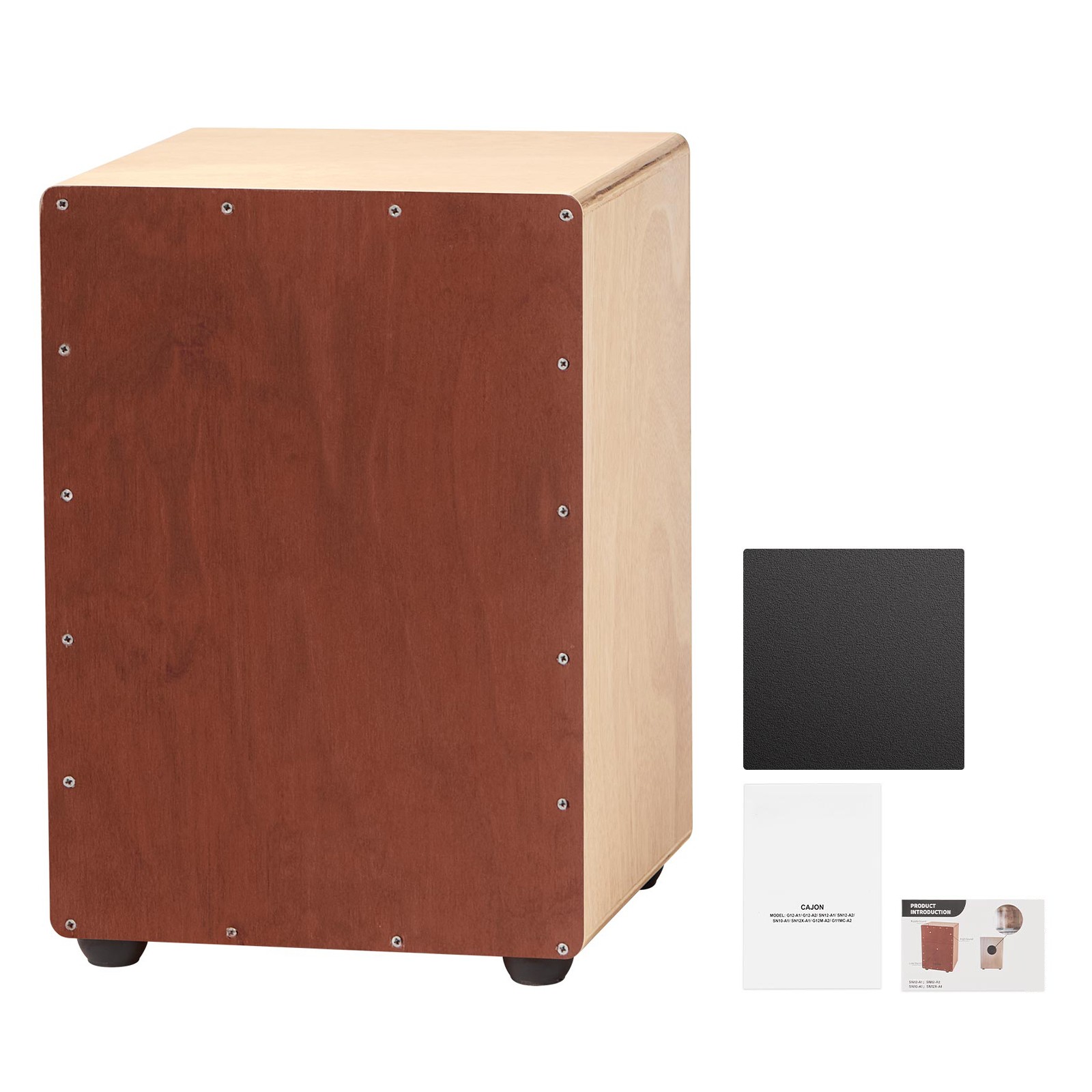 Cajon Box Drum Wooden Birchwood Compact Percussion Instrument with Snare Wires$51.59
 View on eBay
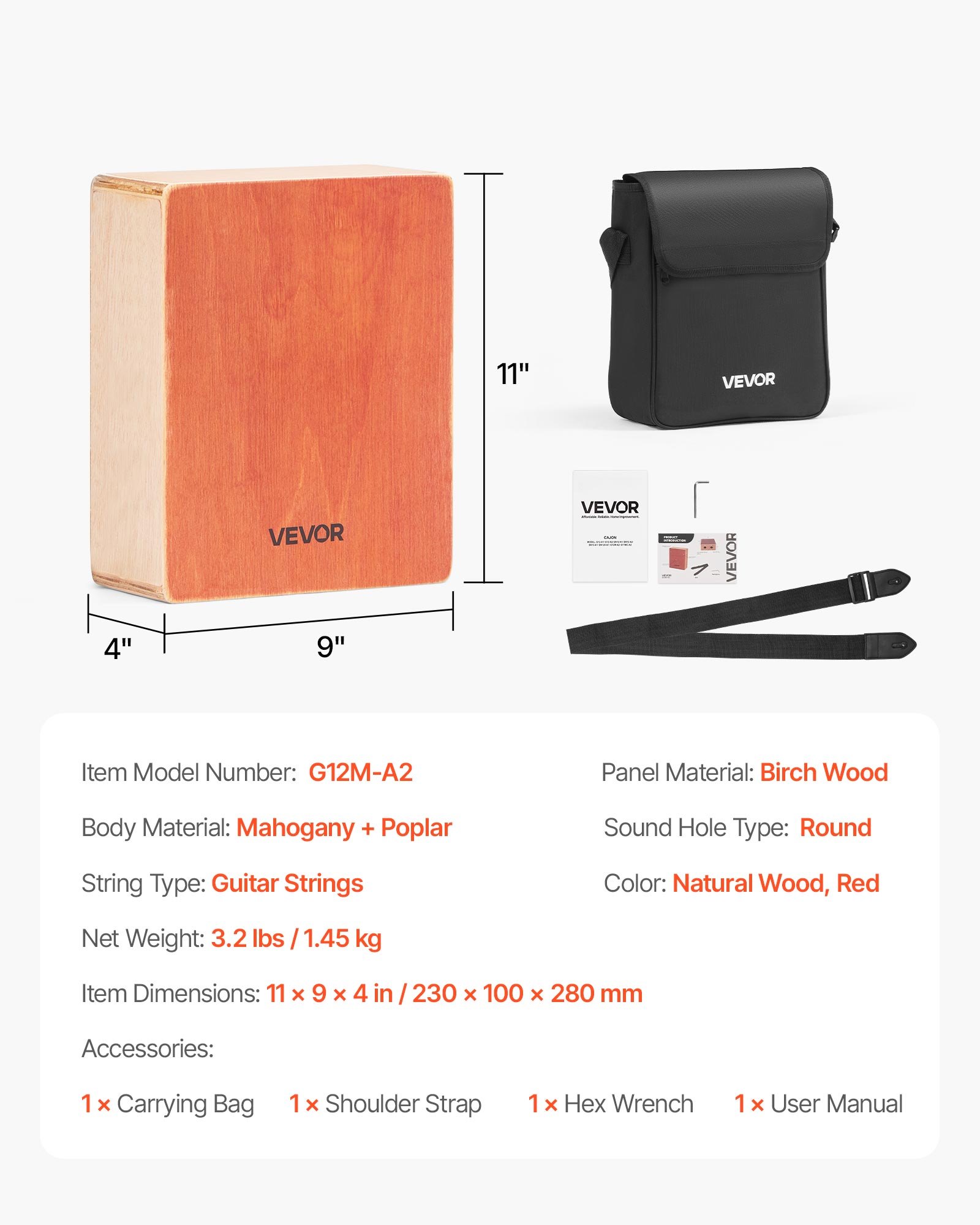 Cajon Box Drum Wood Percussion Instrument With Guitar Strings Travel Bag Strap$43.99
 View on Mallflare
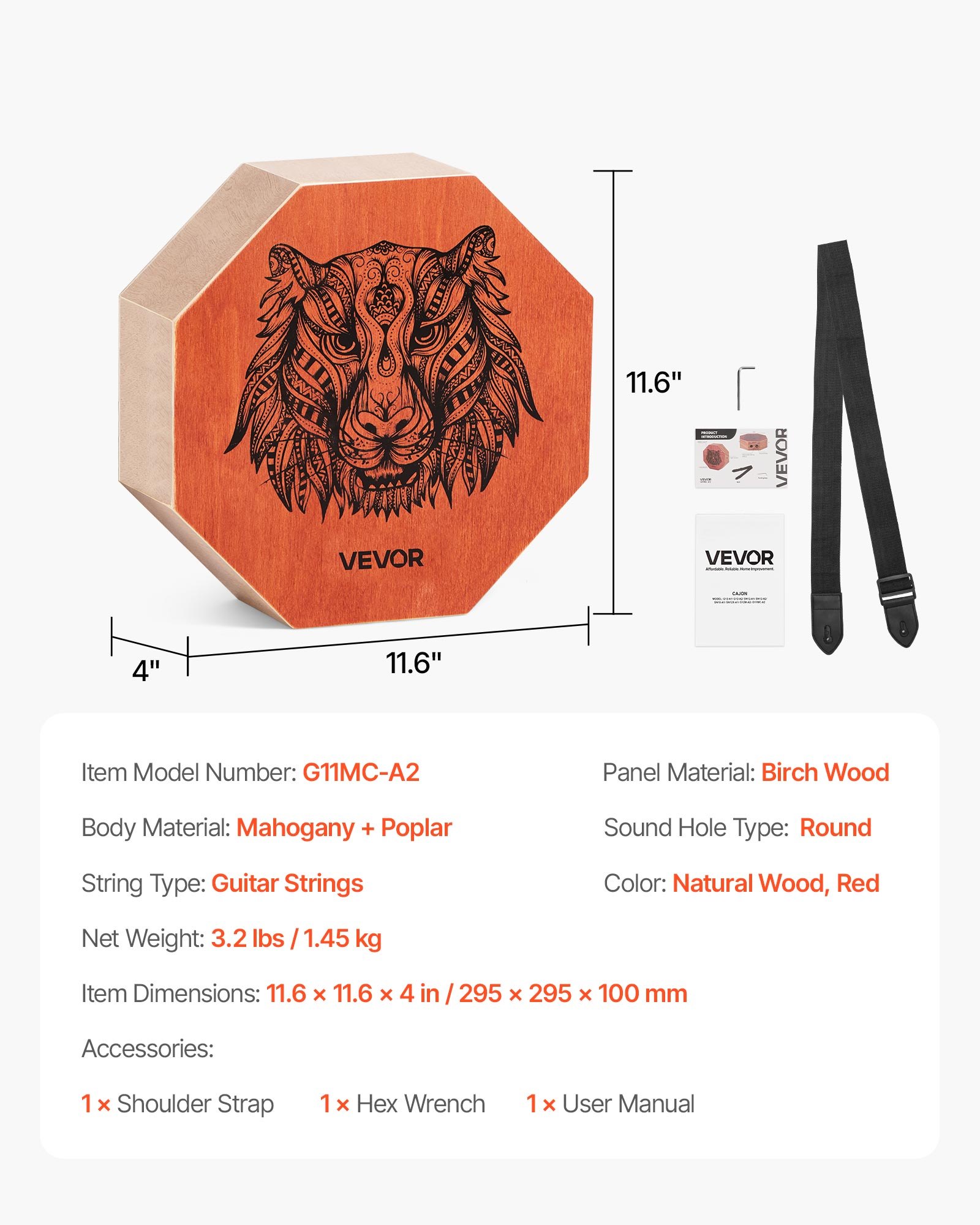 Unique Cajon Box Drum, With Internal Guitar Strings, Portable Wooden Percussion Box, Birch Wood Musical Instrument Adjustable Strap, for Beginners & Professionals, 11.6 X X 4 In$50.99View on Mallflare
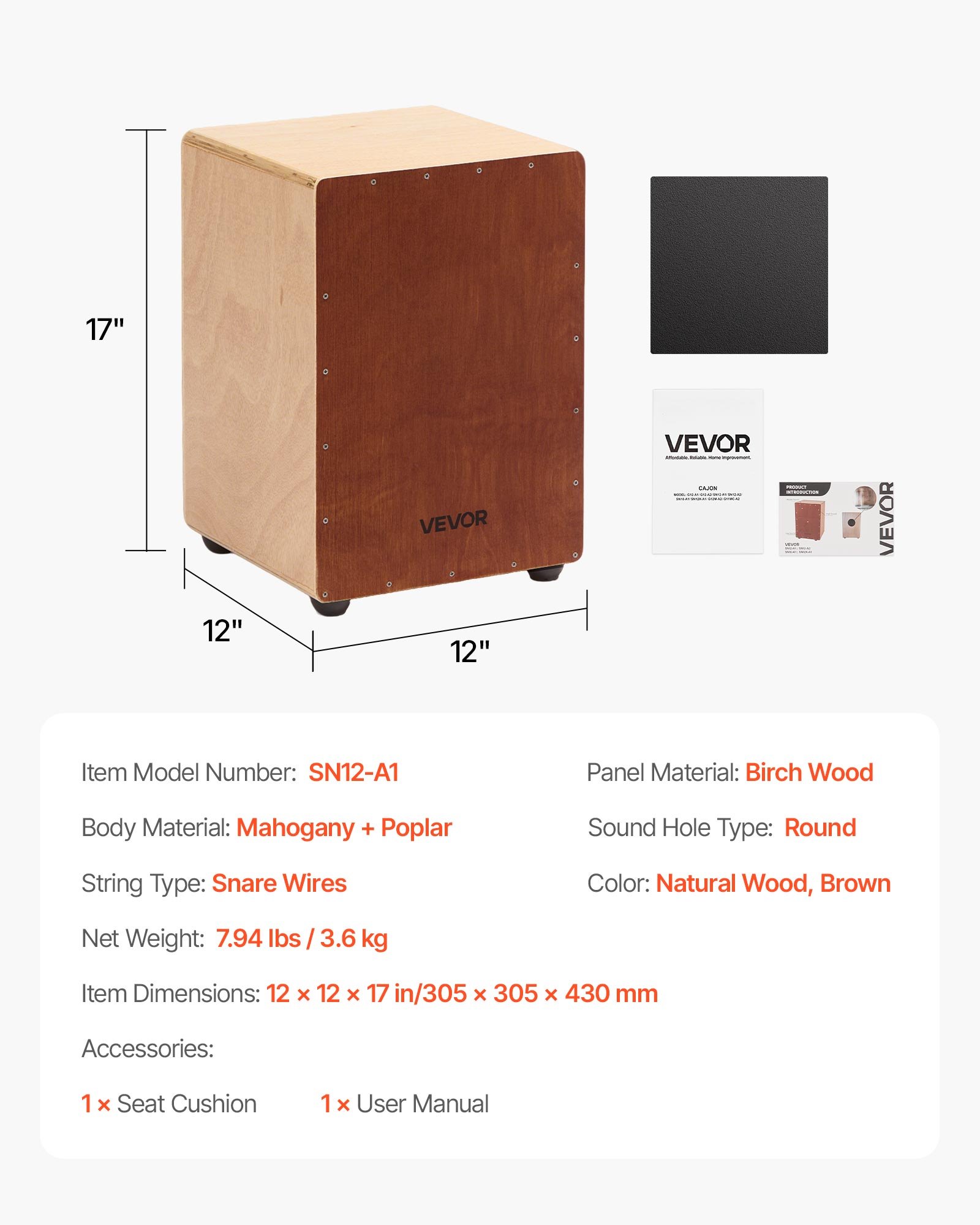 Cajon Box Drum Wooden Birchwood Percussion Instrument Bass With Snare Wires$76.99View on Mallflare
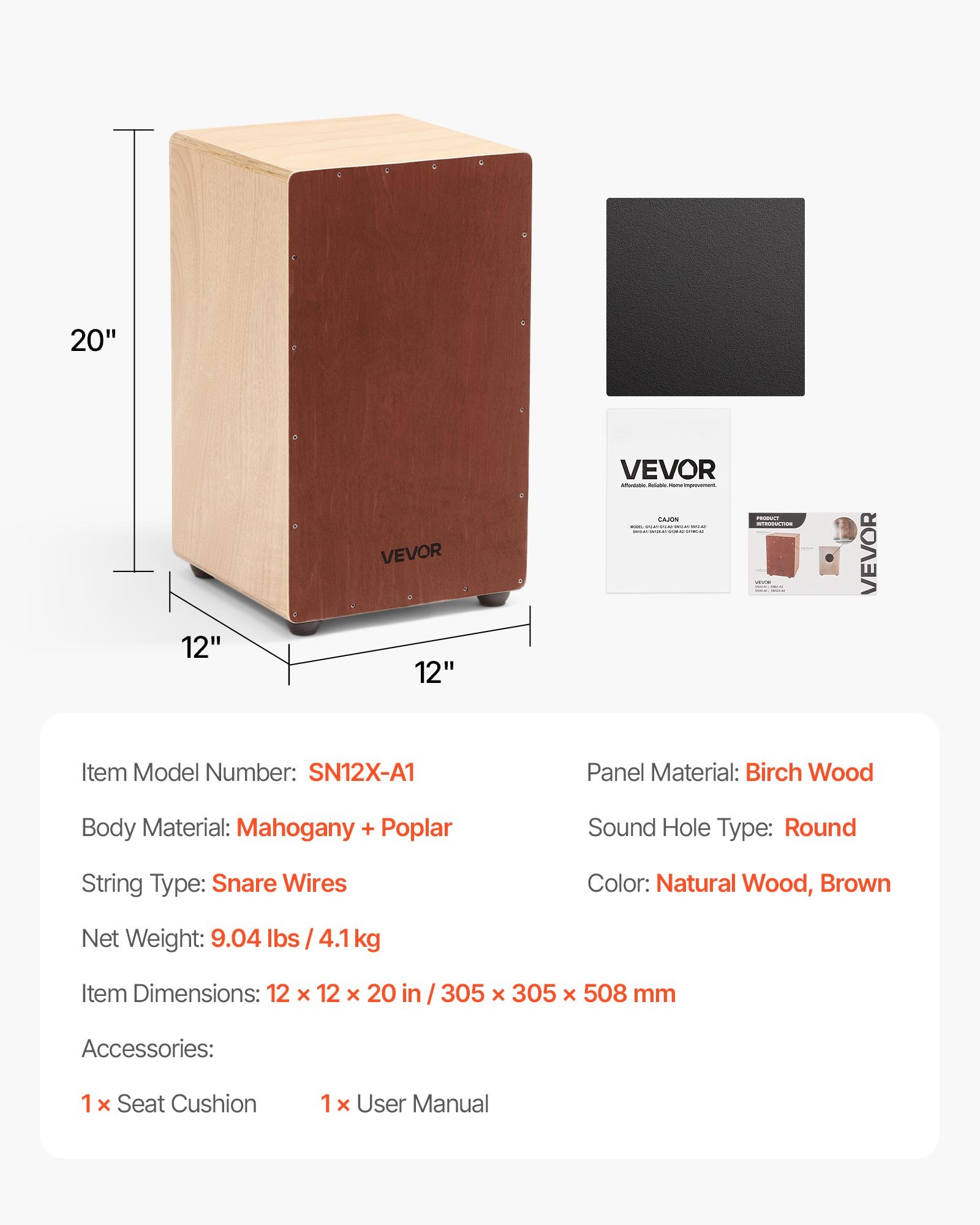 Large Cajon Box Drum Wooden Birchwood Percussion Instrument With Snare Wires$82.99View on Mallflare
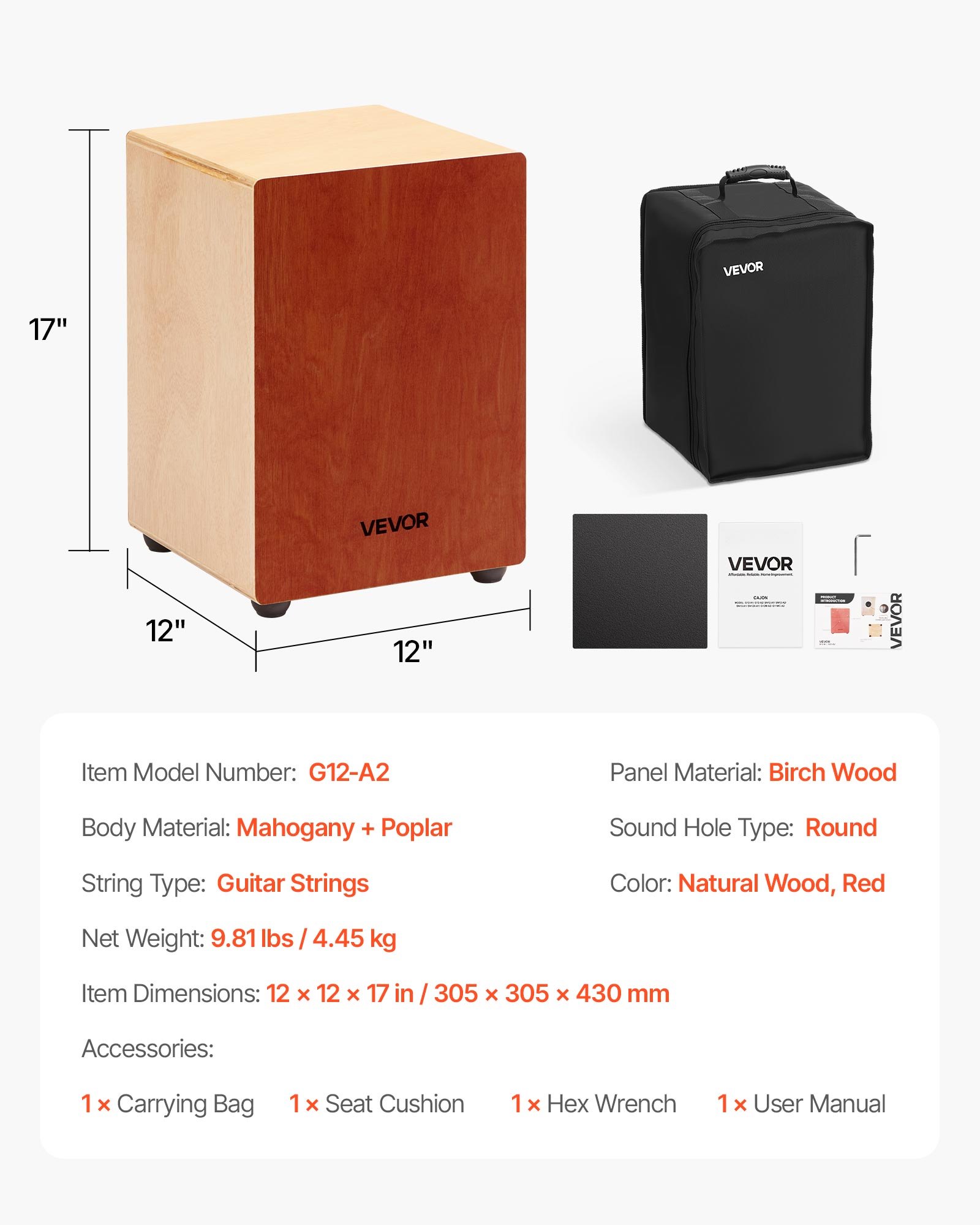 Cajon Box Drum Birch Wood Percussion Instrument Guitar Strings With Travel Bag$85.99View on Mallflare
Highlights
- Snare-wire cajons produce a tight, drum-like crack; guitar-string cajons deliver a brighter, snare-roll texture favored for flamenco and acoustic pop.
- Adjustable internal tension lets you tune snare response and ghost notes; fixed systems are simpler but lock you into one voice.
- Birch plywood bodies (9–12 mm) balance resonance and durability; the front tapa plate thickness (2.5–3.5 mm) governs slap attack and bass depth.
- Standard full-size cajons measure roughly 12 x 12 x 19 in; compact 11.6 x 4 in-deep models suit travel but sacrifice low-end volume.
Best use cases
- Acoustic singer-songwriter sets: pick a full-size birch cajon with adjustable snare wires for a controllable crack that sits under guitar and vocals; skip deep-body string models that ring too bright.
- Flamenco or Latin percussion: choose a guitar-string cajon with tunable internal strings for the sharp, buzzy snare-roll texture; skip fixed snare-wire boxes that sound too dry.
- Travel and street performance: select a compact cajon with an included gig bag and strap; skip full-size 19-in-tall models if you must carry it on foot or pack it in a car trunk.
- Recording and studio work: use a full-depth birch cajon with a replaceable tapa and adjustable wires so you can mic the front and rear ports separately; skip thin, glued-plate budget boxes that buzz sympathetically.
Buying tips
- Match the internal system to your genre: snare wires for rock/pop punch, guitar strings for flamenco snap, and dual internal systems if you need both voices in one box.
- Check the front plate material: 3 mm birch ply gives a balanced slap, while 2.5 mm thinner plates are louder but dent more easily under heavy playing.
- Verify the body joins: butt-jointed and glued birch ply is standard; finger-jointed or screwed corners resist splitting during transport and heavy rim shots.
- Size for your seat height: a 19-in-tall cajon puts the playing surface at a comfortable seated slap height for most adults; compact 12–14 in models suit children or low stools.
Specs
| Internal System | Snare wires vs guitar strings |
|---|---|
| Tuning | Fixed vs adjustable internal tension |
| Body Material | Birch plywood 9-12 mm |
| Size Class | Full-size 19 in vs compact 12-14 in |
Related searches
What to check before buying
- Measure your seated playing height: the top edge of a full-size cajon should sit near mid-thigh when you sit on it, roughly 18–20 in from the floor.
- Confirm the box ships with a carry bag and shoulder strap if you plan to transport it; bare wood corners chip without a padded gig bag.
- Check the internal adjustment access: a side port or bottom hatch lets you tune snare wires or replace strings without removing the front plate.
- Verify the tapa plate is replaceable (screwed, not glued) if you play heavily, since the front plate is the first part to wear out.
FAQ
Data sources: eBay / Amazon listings and product attribute feeds Data updated Nov 16, 2026.
Some links on this page are affiliate links. If you buy after clicking one, we may earn a commission at no extra cost to you. This does not change which products appear here or their order. Affiliate disclosure.