Photos from current listings. Actual item, color, and included accessories may vary.
Beginner Percussion Kit Buying Guide
A beginner percussion kit centers on a pitched mallet instrument—usually a glockenspiel or xylophone—where the core trade-off is metal vs. wood bars and note range vs. portability. Metal bars (glockenspiel) give bright, penetrating tone and indoor durability; wooden bars (xylophone) give warmer tone but are softer and more climate-sensitive. The decisive rule: buy for bar material and note count first, then confirm stand and mallet count—any kit missing a stand or spare mallets is a false economy.


At a glance
- Category
- Percussion
- Data updated
- Nov 16, 2026
Current offers
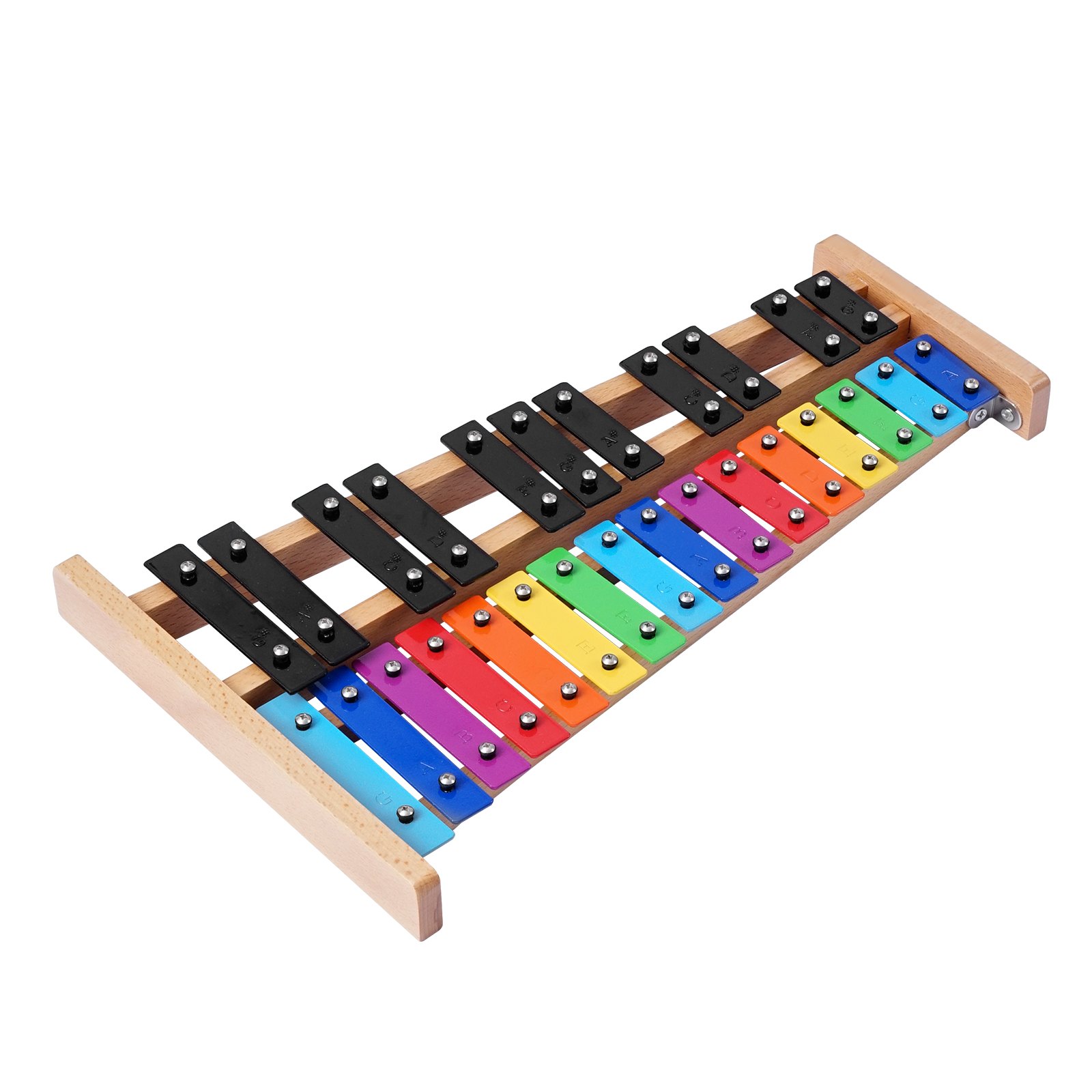 Glockenspiel Xylophone, 27 Notes, Professional Percussion Instrument, With Colorful Metal Keys, Includes 4 Mallets, Carrying Bag, Beginner Musical Kit For Adults And Kids$57.99
 View on Mallflare
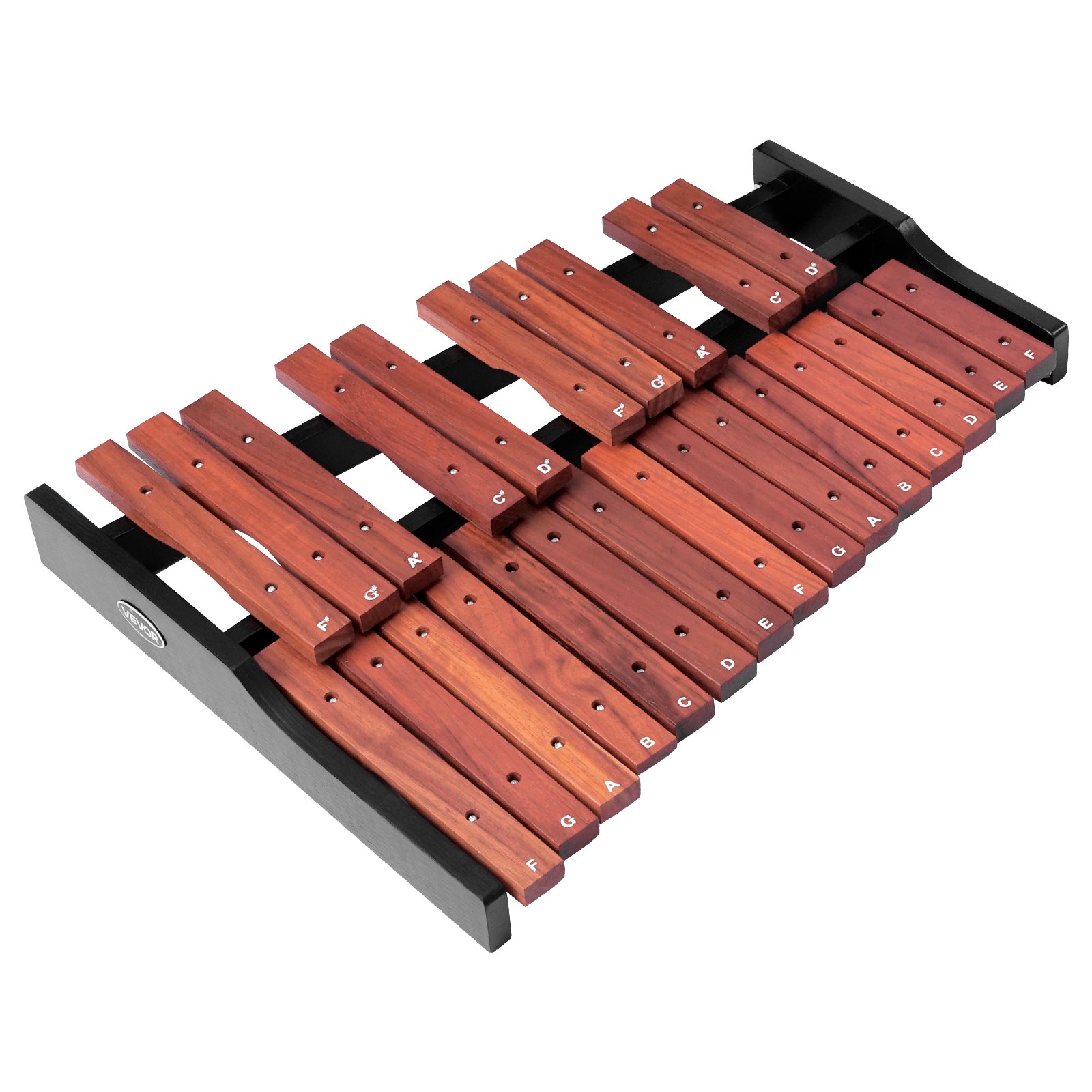 Glockenspiel Xylophone, 25 Notes, Wooden Professional Percussion Instrument, With 4 Mallets, Carrying Bag, Beginner Musical Kit For Adults And Kids Students$86.99View on Mallflare
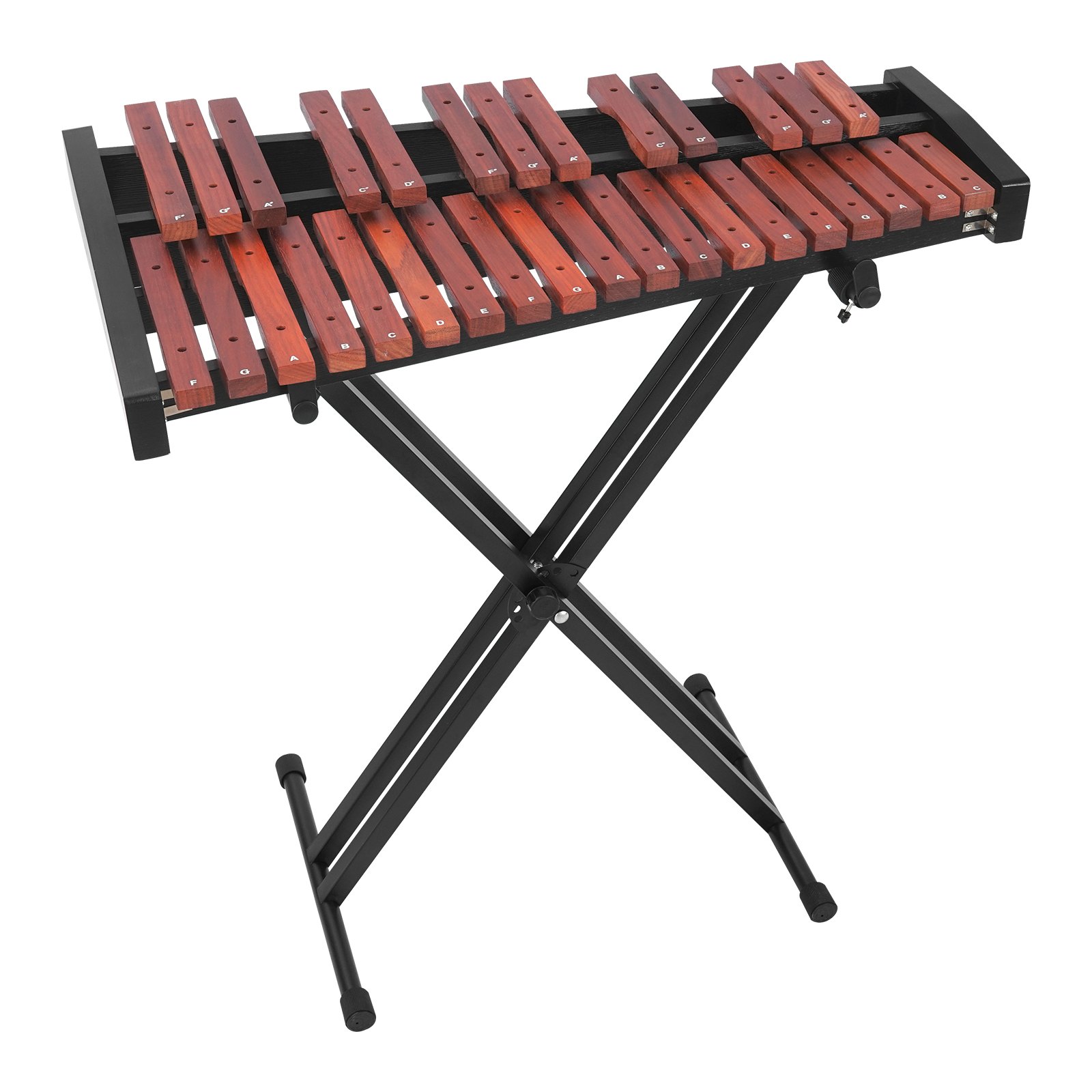 Glockenspiel Xylophone, 32 Notes, Wooden Professional Percussion Instrument, With Height Adjustable Stand, 4 Mallets, Carrying Bag, Beginner Musical Kit For Adults And Kids$203.99View on Mallflare
Highlights
- Glockenspiel bars are steel or aluminum—bright, loud, and corrosion-resistant; xylophone bars are rosewood or synthetic—warmer but softer and humidity-sensitive.
- Note count drives range: 25-note kits cover roughly two octaves (C5–C7), 27-note adds chromatic notes, and 32-note extends to about 2.5 octaves for real melodies.
- Bar mounting matters: individual pin-mounted bars resonate cleanly; glued or foam-strip bars deaden tone and cannot be replaced individually.
- Height-adjustable stands let players set bar height to elbow level; tabletop kits without stands force poor posture and limit dynamic control.
Best use cases
- Best fit: a 25- or 27-note glockenspiel with 4 mallets and carry bag for a child or adult starting lessons—bright tone, compact, and durable for travel to class.
- Best fit: a 32-note wooden xylophone with height-adjustable stand for a home practice setup where warmer tone and full melodic range matter more than portability.
- Wrong fit: a tabletop-only kit with no stand or fewer than 4 mallets—skip it, because posture suffers and dropped/broken mallets end practice sessions.
- Wrong fit: a wooden-bar instrument stored in a damp garage or unheated room—skip wood if humidity swings; choose metal bars for stability.
Buying tips
- Match note count to repertoire: 25 notes suit simple songs; 27 notes add chromatic accidentals; 32 notes are needed for two-octave-plus melodies and ensemble parts.
- Choose metal (glockenspiel) bars for loud, bright projection and low maintenance; choose wooden (xylophone) bars only if you want warmer tone and can control humidity.
- Insist on 4 mallets (two hard, two soft) so players can match attack to bar material; a single pair limits dynamics and forces early replacement.
- Confirm the stand is height-adjustable and included—tabletop-only kits cost more later once you buy a separate stand and practice pad.
Specs
| Bar Material | Metal (glockenspiel) vs wood (xylophone) |
|---|---|
| Note Range | 25 / 27 / 32 notes (≈2–2.5 octaves) |
| Stand Type | Height-adjustable stand vs tabletop |
| Included Accessories | 4 mallets + carry bag |
Related searches
What to check before buying
- Measure available practice space: a 32-note instrument on a stand needs roughly 1 m of width and 60 cm of depth; a 25-note tabletop kit fits on a desk.
- Check ceiling and floor: metal bars project sharply in small hard-surface rooms; add a rug or practice pad if noise is a concern.
- Verify the kit includes a carry bag and 4 mallets—missing either means immediate extra purchases.
- For wooden bars, confirm the room stays between 40–60% relative humidity; otherwise choose metal bars to avoid cracking and tuning drift.
FAQ
Data sources: eBay / Amazon listings and product attribute feeds Data updated Nov 16, 2026.
Some links on this page are affiliate links. If you buy after clicking one, we may earn a commission at no extra cost to you. This does not change which products appear here or their order. Affiliate disclosure.