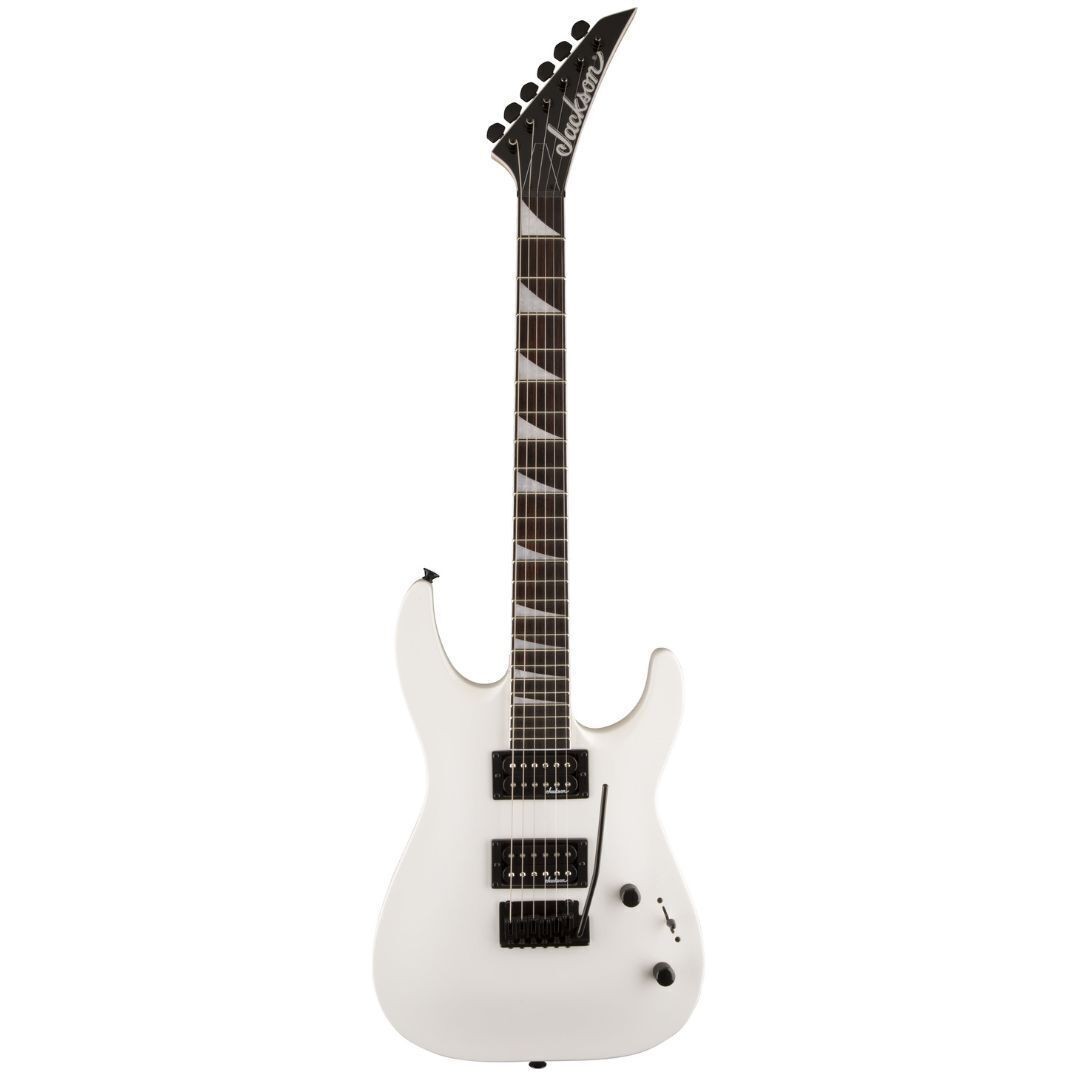

Photos from current listings. Actual item, color, and included accessories may vary.
Jackson Electric Guitar Buying Guide
Jackson electric guitars are built for high-speed, high-gain playing, with the primary trade-off being between entry-level JS Series construction and pro-tier neck-through builds. The JS Series uses bolt-on poplar or basswood bodies with ceramic pickups, while USA Select and Pro Series use neck-through maple necks and active or high-output passive pickups. The decision rule: choose JS Series for budget-first metal practice, step up to Pro/USA for stage-ready tuning stability and sustain.


At a glance
- Category
- Guitars & Basses
- Data updated
- Nov 16, 2026
Current offers
Highlights
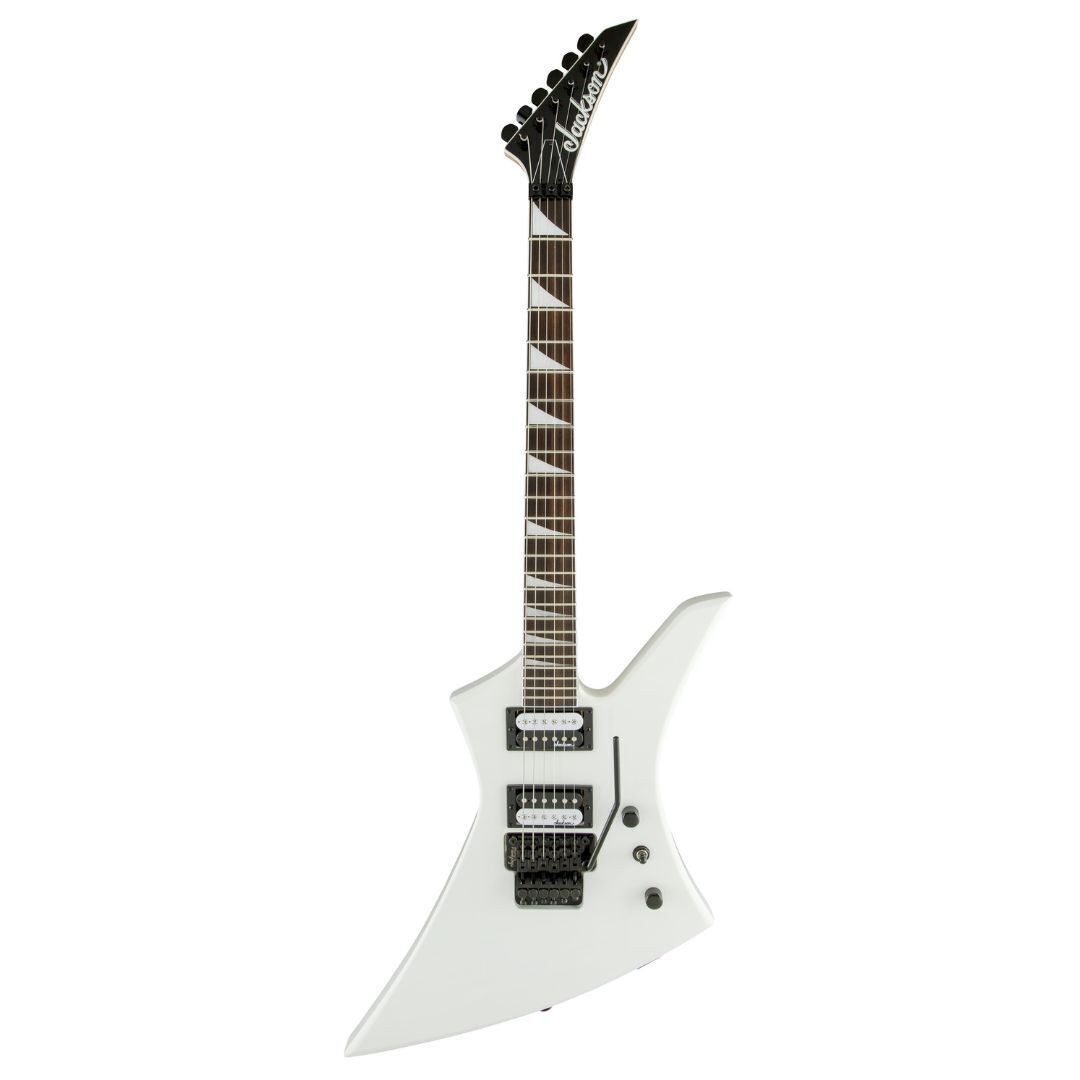
- JS Series models (e.g., JS22 Dinky, JS32 Kelly) feature bolt-on maple necks, poplar or basswood bodies, and Jackson high-output ceramic humbuckers.
- Pro Series and USA Select use neck-through maple construction with graphite reinforcement, yielding longer sustain and better upper-fret access.
- Floyd Rose tremolo systems on JS32 and above require proper setup; hardtail JS22 variants offer simpler tuning stability for beginners.
- All current Jackson electrics use 25.5-inch scale length except baritones and some signature models, affecting string tension and tuning range.
Best use cases
- Best fit: Metal and hard rock players on a budget—pick the JS22 Dinky hardtail for drop tunings and minimal maintenance; skip Floyd Rose if you change tunings often.
- Best fit: Shredders needing upper-fret access and sustain—step up to Pro Series Soloist or Rhoads with neck-through construction; skip bolt-on JS if you play leads above the 17th fret.
- Wrong fit: Players wanting vintage-style clean tones or country twang—Jackson's high-output ceramic pickups and flat fretboard radius (12–16 inches) are voiced for gain; choose a Strat-style guitar instead.
Buying tips
- Check body wood: poplar (JS Series) is light and bright; basswood is warmer; alder or mahogany (Pro/USA) offers more sustain and weight—match to your tonal preference.
- Verify bridge type: hardtail for tuning stability and simplicity; Floyd Rose for dive bombs but requires allen keys and stable humidity—avoid Floyd if you swap tunings frequently.
- Inspect fretboard radius: Jackson uses compound radius (12–16 inches) on most models, flatter than Fender's 9.5 inches—better for chording up high but requires lighter touch.
- Confirm pickup configuration: HH (two humbuckers) is standard for metal; HSS or HSH offer single-coil versatility—JS Series typically HH only, Pro Series offers more options.
Specs
| Body Construction | Bolt-on vs Neck-through |
|---|---|
| Bridge Type | Hardtail vs Floyd Rose Tremolo |
| Pickup Config | HH vs HSS/HSH |
| Fretboard Radius | 12–16 in compound |
Related searches
What to check before buying
- Measure your playing space: full-size Dinky bodies are 12.5 inches wide and 39 inches long—ensure a stand or case fits; Kelly and Rhoads are longer and need wider space.
- Check amp compatibility: Jackson's high-output pickups pair well with high-gain amps; if using a clean pedal platform, roll off volume or choose lower-output Pro Series pickups.
- Confirm tuning stability needs: if you bend heavily or use tremolo, budget for a professional setup and consider a hardtail or blocked Floyd Rose.
- Verify neck profile comfort: Jackson's speed neck is thin (0.735 inches at 1st fret)—players with large hands may prefer thicker Pro Series profiles; try before buying if possible.
FAQ
Data sources: eBay / Amazon listings and product attribute feeds Data updated Nov 16, 2026.
Some links on this page are affiliate links. If you buy after clicking one, we may earn a commission at no extra cost to you. This does not change which products appear here or their order. Affiliate disclosure.