Photos from current listings. Actual item, color, and included accessories may vary.
Acoustic Guitar Buying Guide
Acoustic guitars are hollow-body, steel- or nylon-string instruments where the top wood grade, bracing pattern, and body size dictate volume, tone, and playability more than any cosmetic feature. The core trade-off is solid wood vs. laminated construction: solid spruce or mahogany tops mature in tone and resist humidity swings, while laminate or basswood bodies stay stable but sound flat. The decision rule is simple: buy a solid-top 4/4 dreadnought or grand auditorium with a cutaway and a truss rod for serious play, and only accept a 30–38 inch laminate student model as a temporary starter or travel instrument.

At a glance
- Category
- Guitars & Basses
- Data updated
- Nov 16, 2026
Current offers
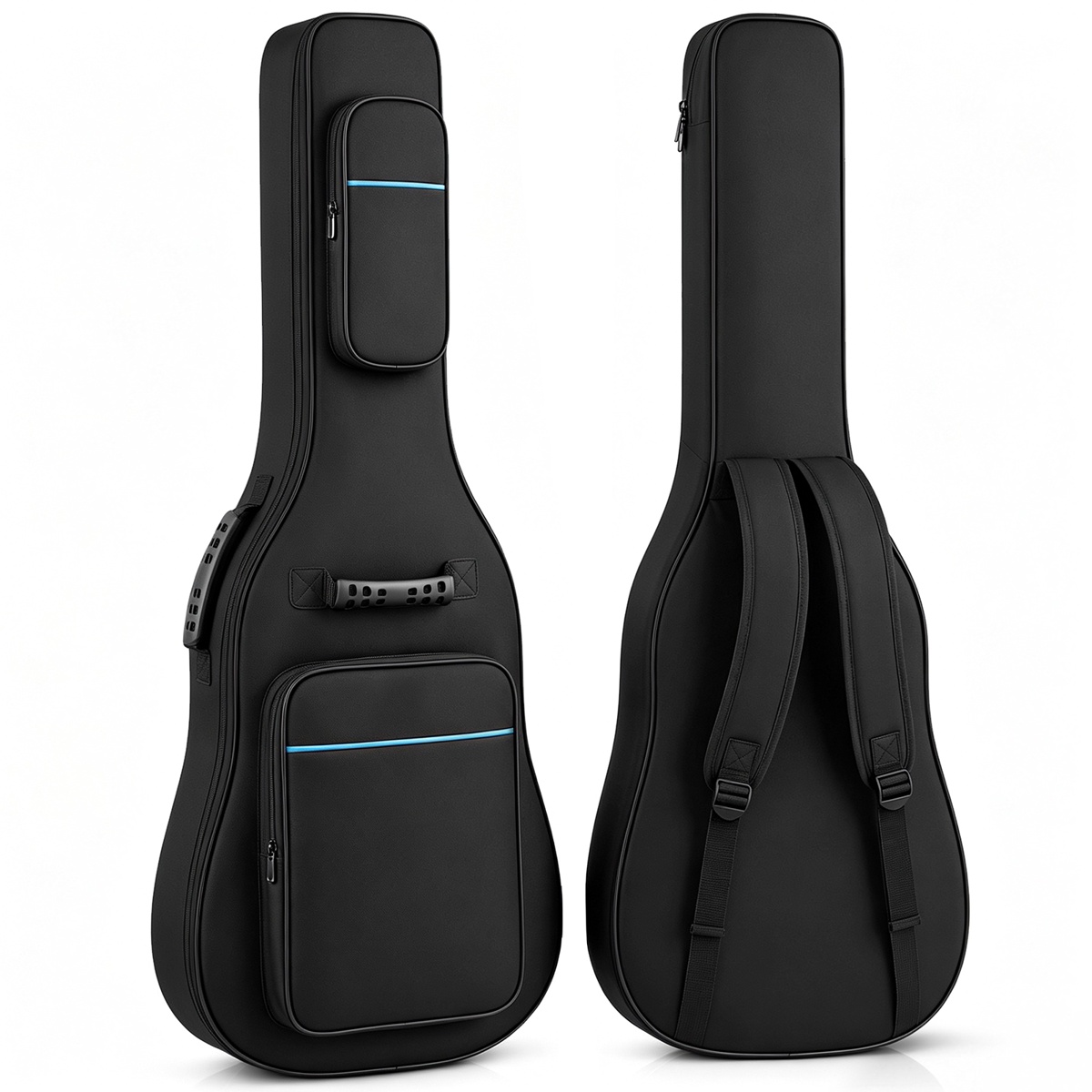 Portable Electric Guitar Bass Bag Adjustable Shoulder Straps Acoustic Guitar US$19.98
 View on eBay
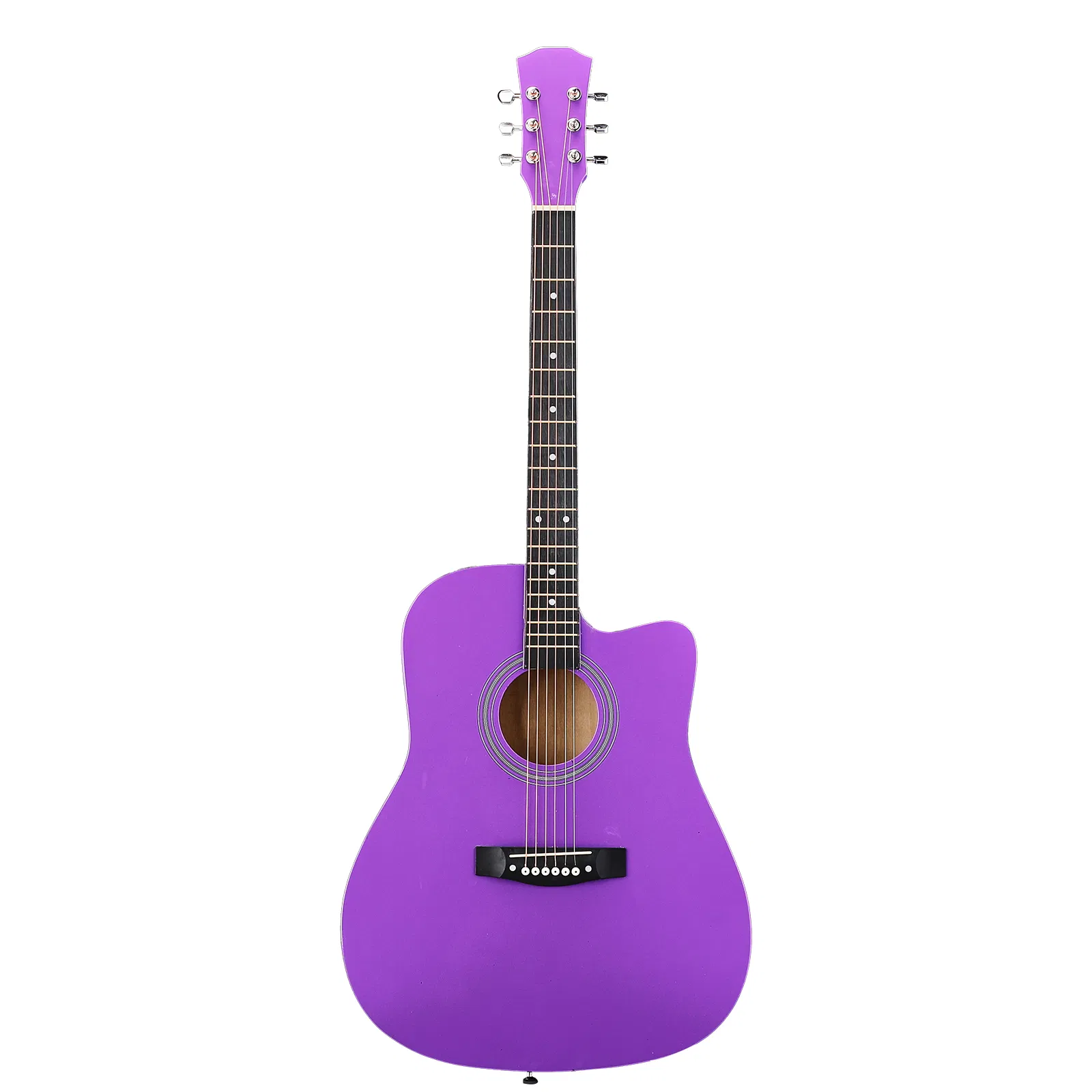 Purple 41-inch Dreadnought barrel-shaped cutaway acoustic guitar with pick, strings, capo, gig bag, tuner, wrench tool, and shoulder strap$64.99
 View on Mallflare
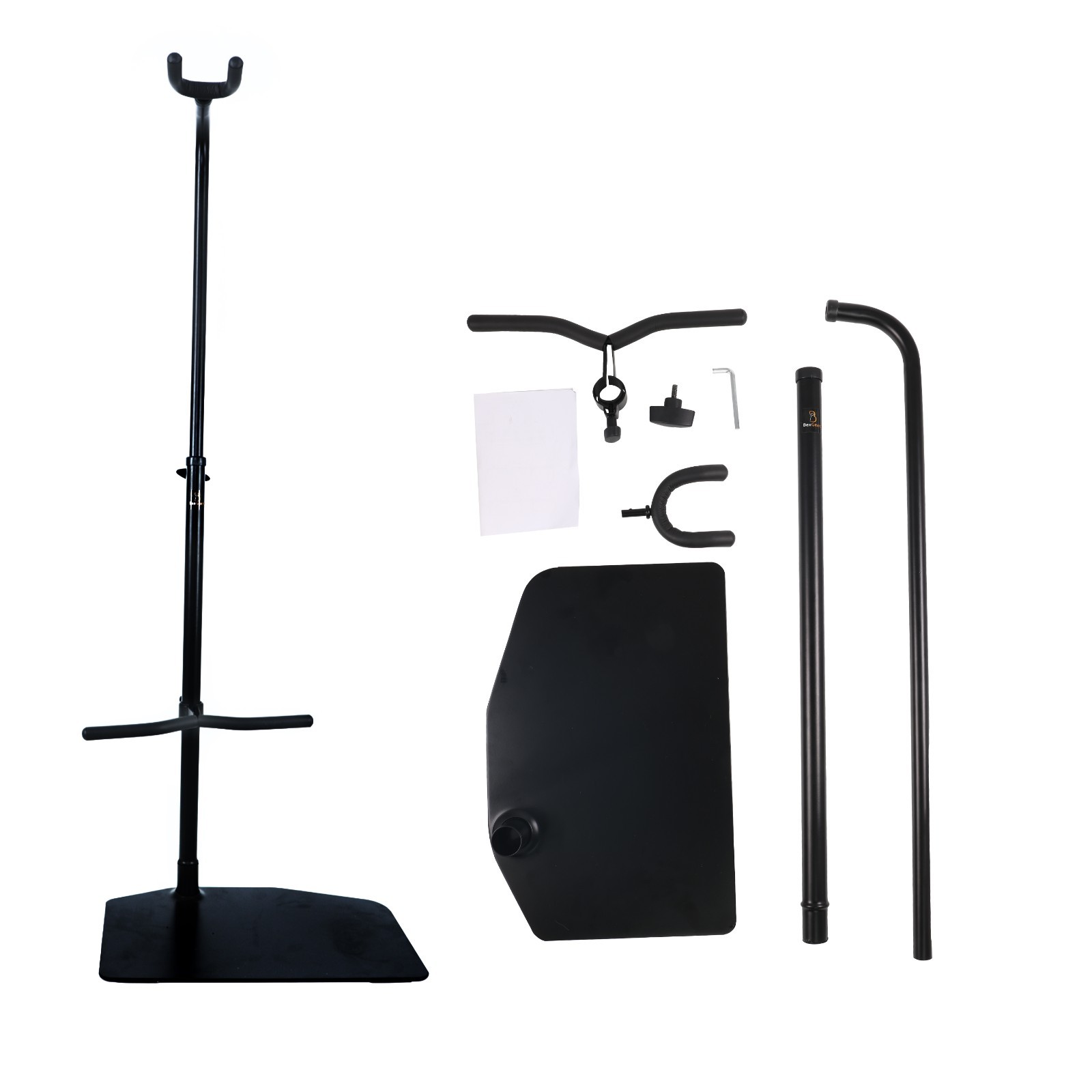 Guitar Stand - for Electric, Acoustic Guitars and Bass, Guitar Accessories$19.99View on eBay
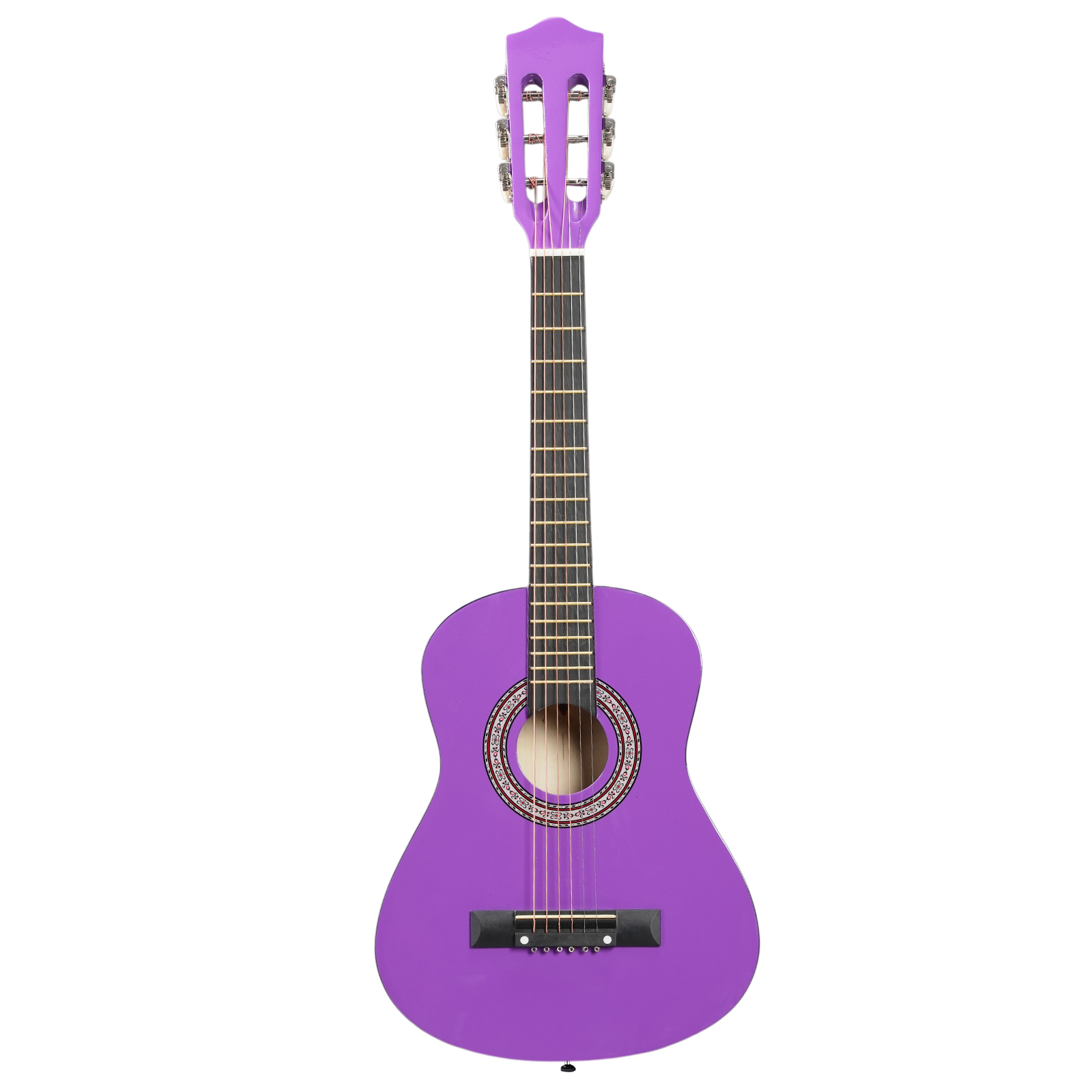 Purple 30-inch Round Acoustic Guitar with Picks, Strings, Capo, Case, Tuner, and Strap$68.99View on Mallflare
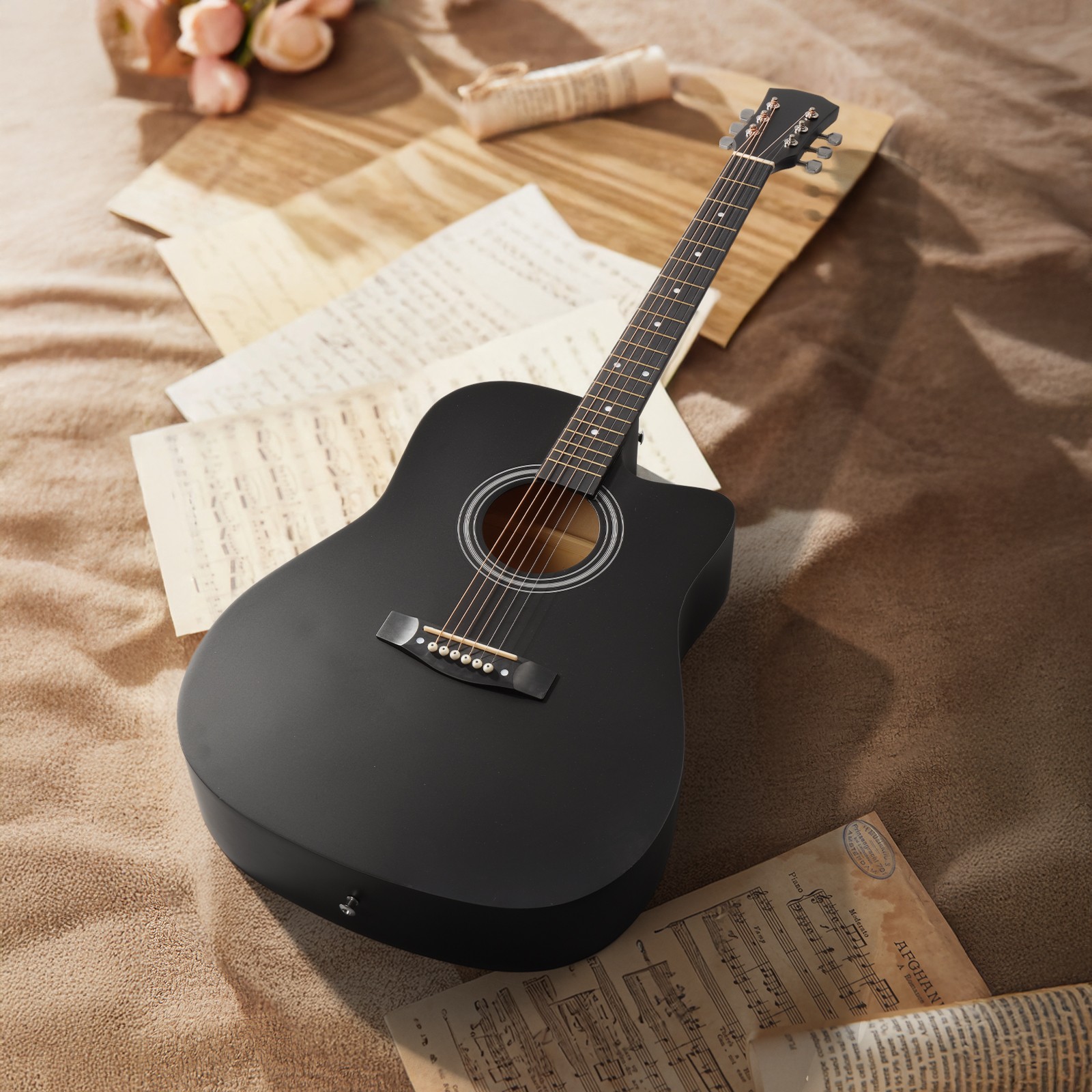 41-Inch Dreadnought Acoustic Guitar Black with Gig Bag, Tuner, Strings, Picks$59.99View on eBay
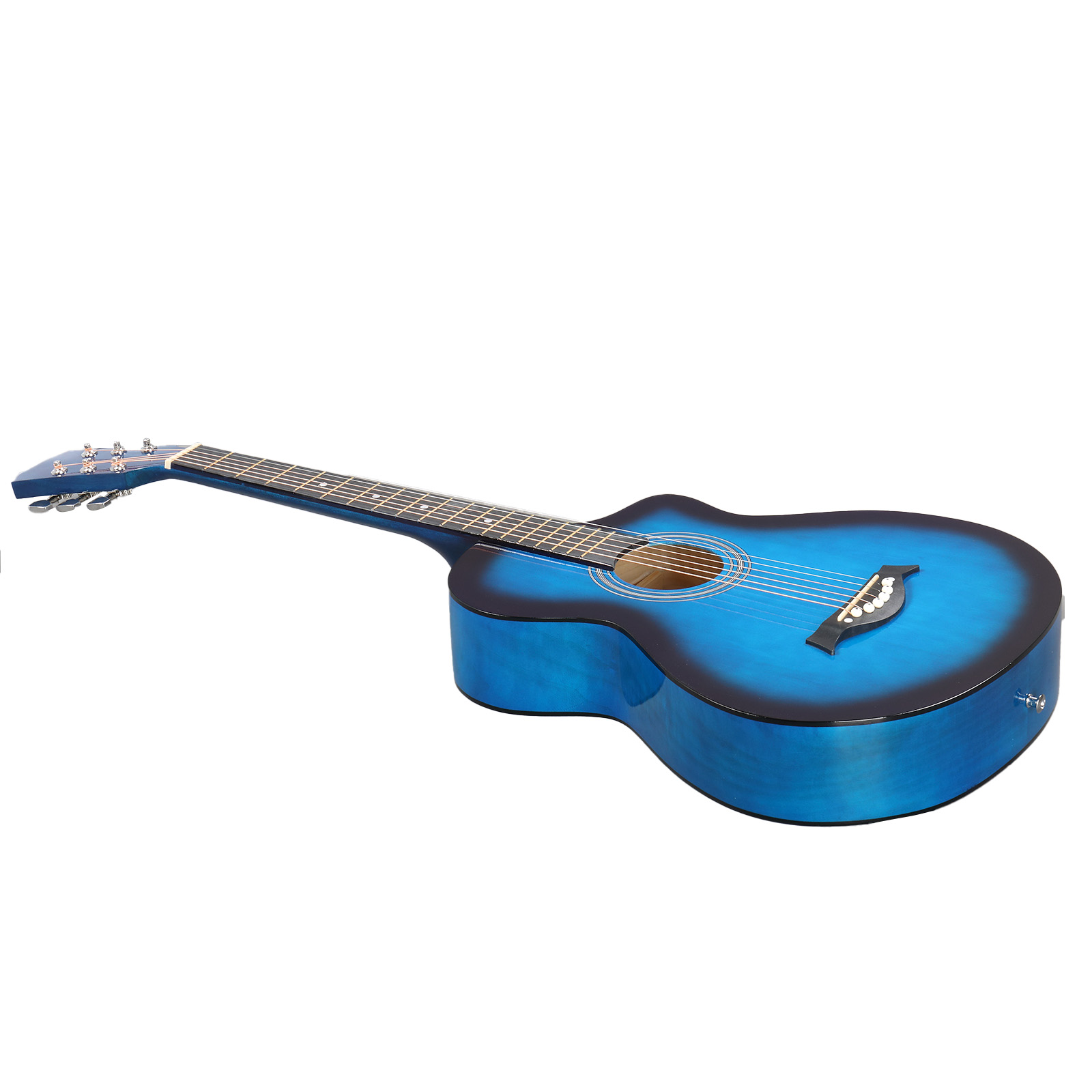 38 Inch Acoustic Guitar for Beginners, JF Body Shape, Basswood Folk in Fade Blue Finish, 6-String Student with Case, Picks and Strap$77.99View on Mallflare
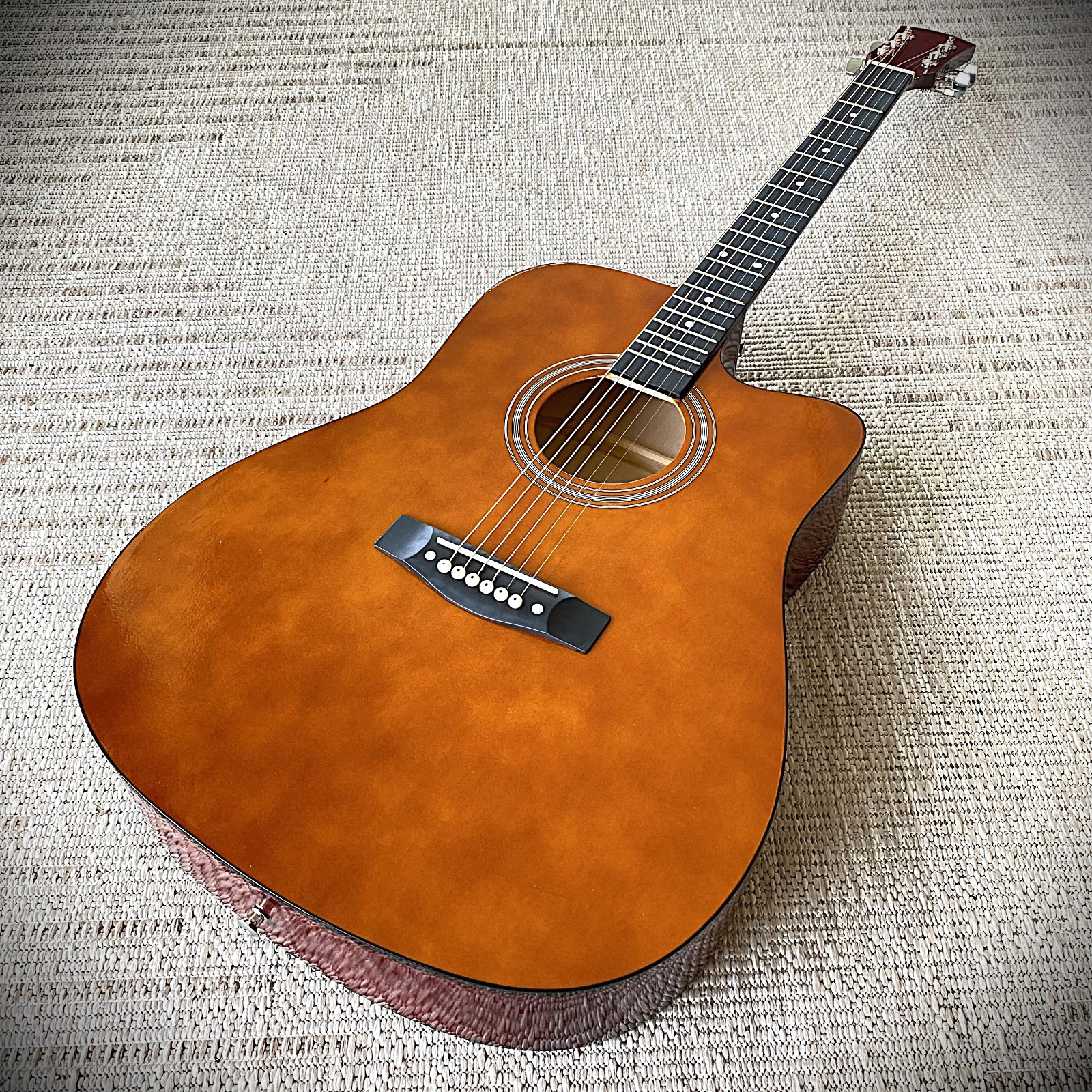 Full-Size 41" Brown Acoustic Guitar Starter Set w/ Cutaway, Capo, Tuner & More$72.99View on eBay
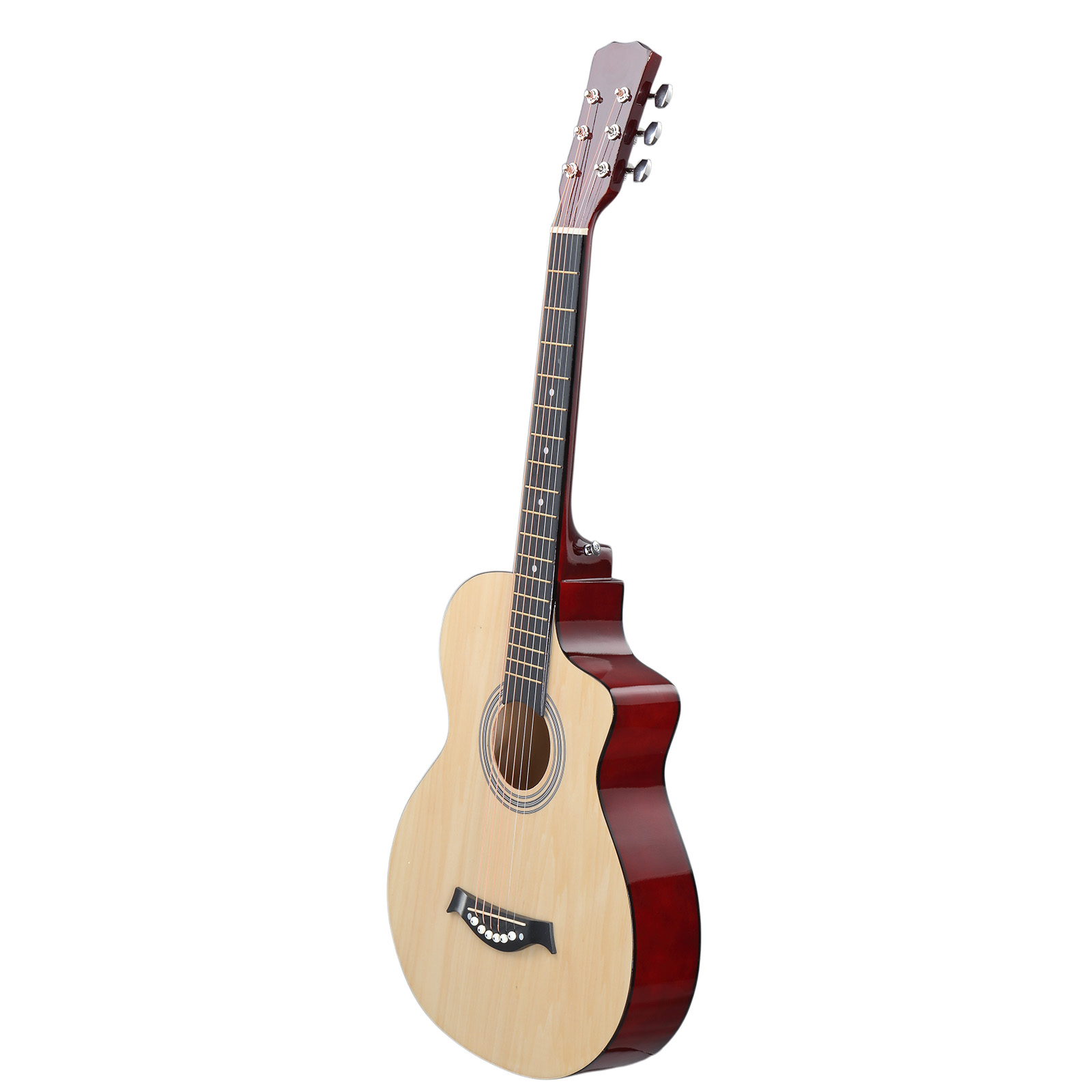 38 Inch Acoustic Guitar for Beginners, JF Body Shape, Basswood Folk in Natural Wood Color, 6-String Student with Case, Picks and Strap$77.99View on Mallflare
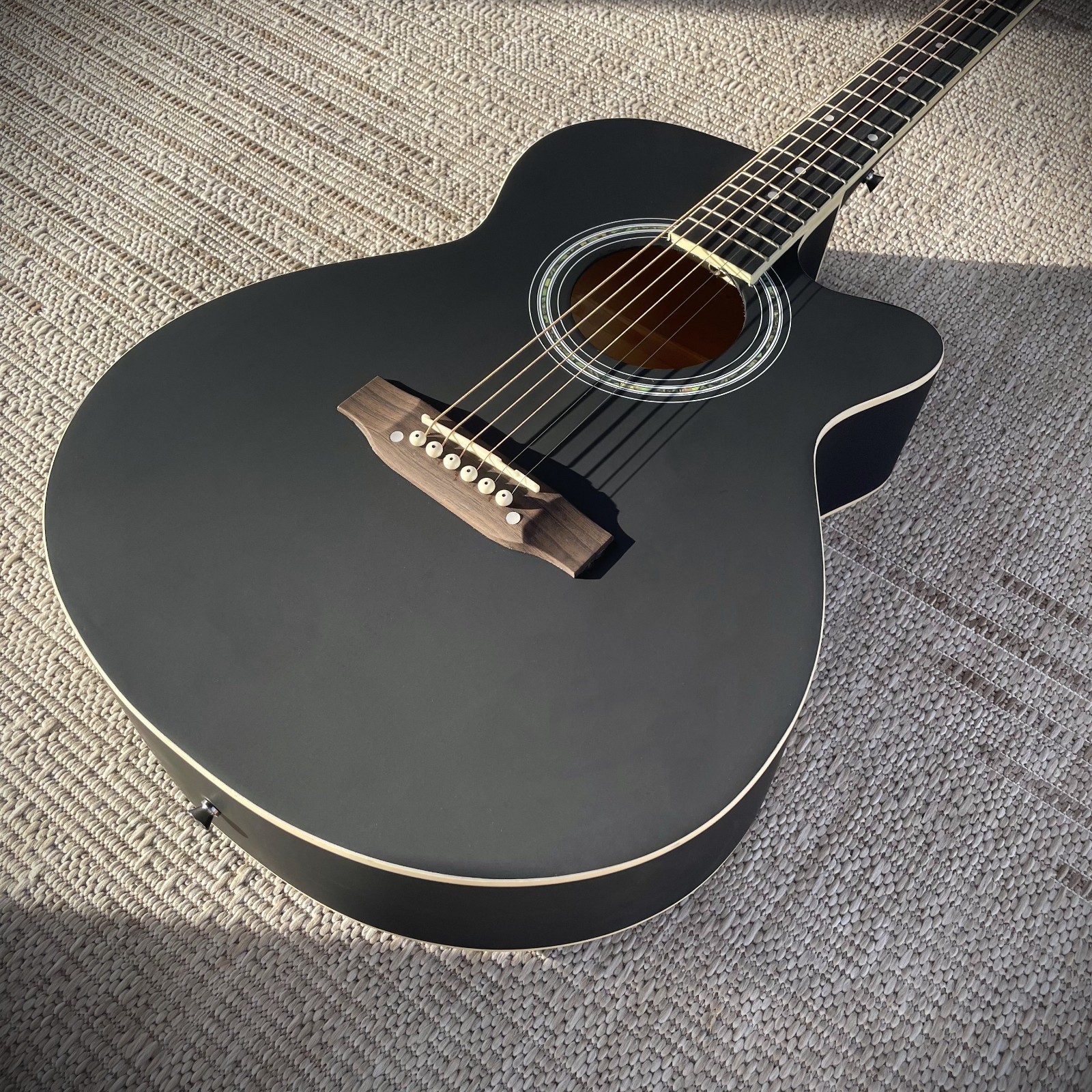 Full-Size Black Acoustic Guitar, Grand Auditorium Body with Cutaway, Spruce Top$76.95View on eBay
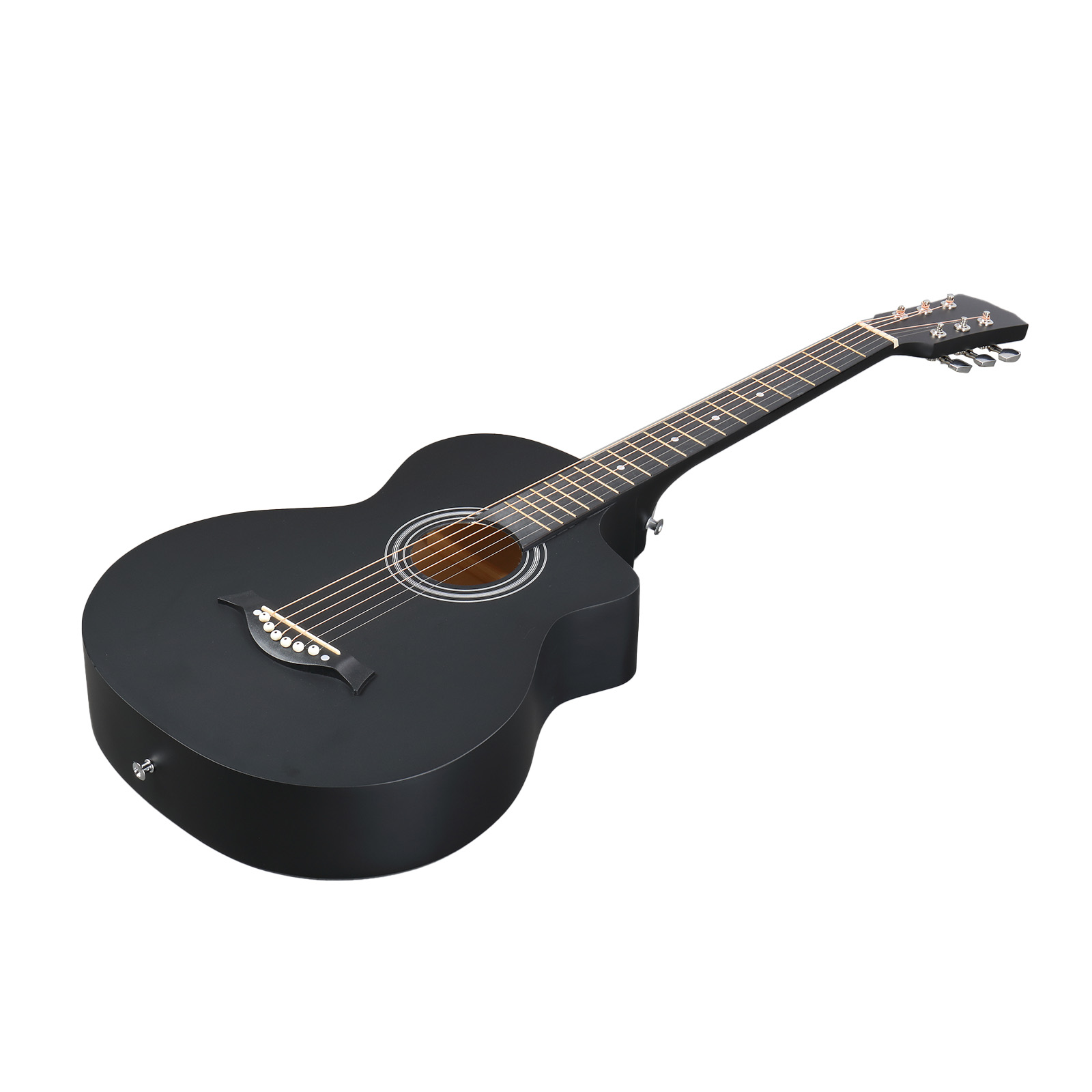 38 Inch Acoustic Guitar for Beginners, JF Body Shape, Basswood Folk in Matte Black, 6-String Student with Case, Picks and Strap$77.99View on Mallflare
 Best Choice Products 38in Acoustic Guitar Starter Kit - Natural Mahogany$110.98View on eBay
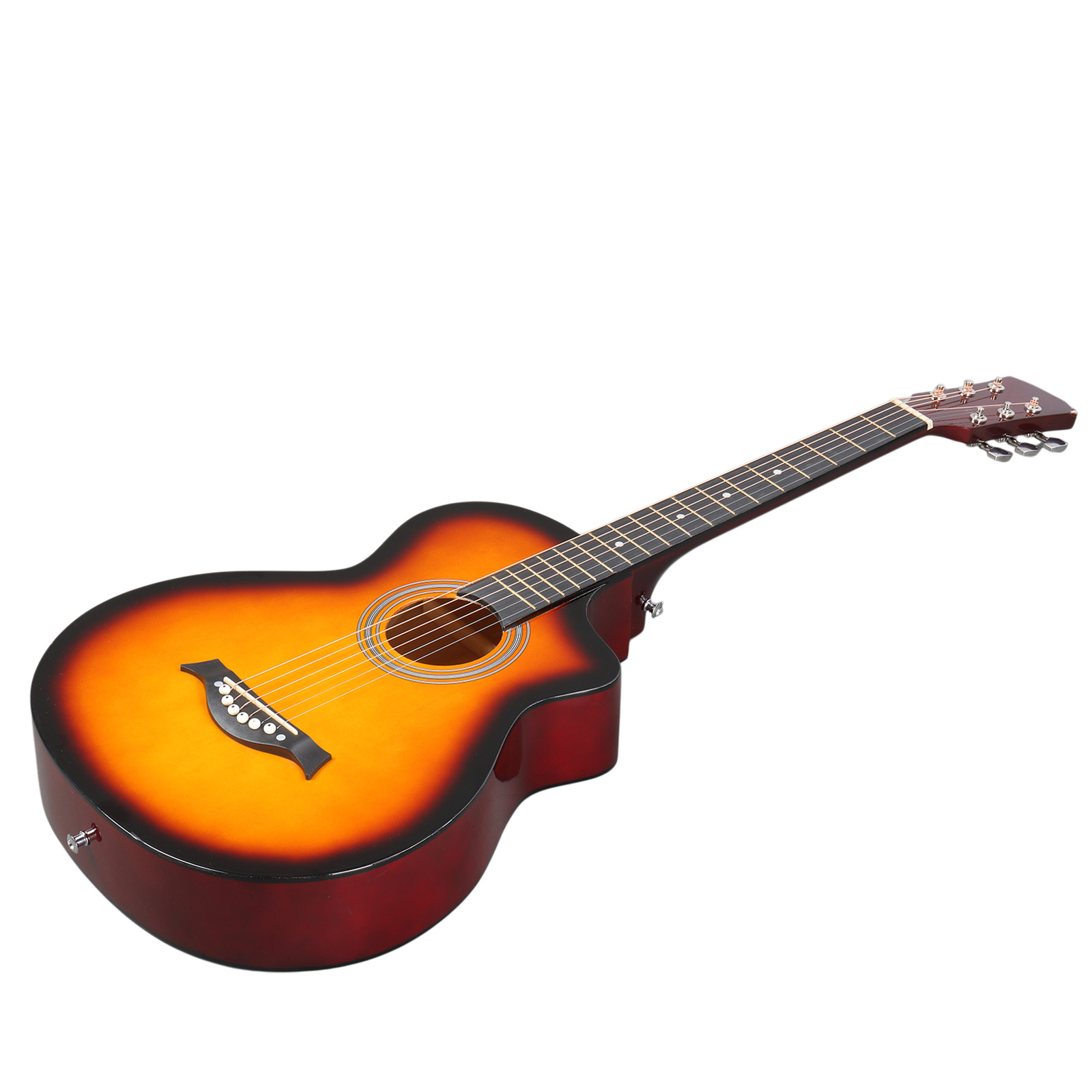 38 Inch Acoustic Guitar for Beginners, JF Body Shape, Basswood Folk in Sunset Color, 6-String Student with Case, Picks and Strap$77.99View on Mallflare
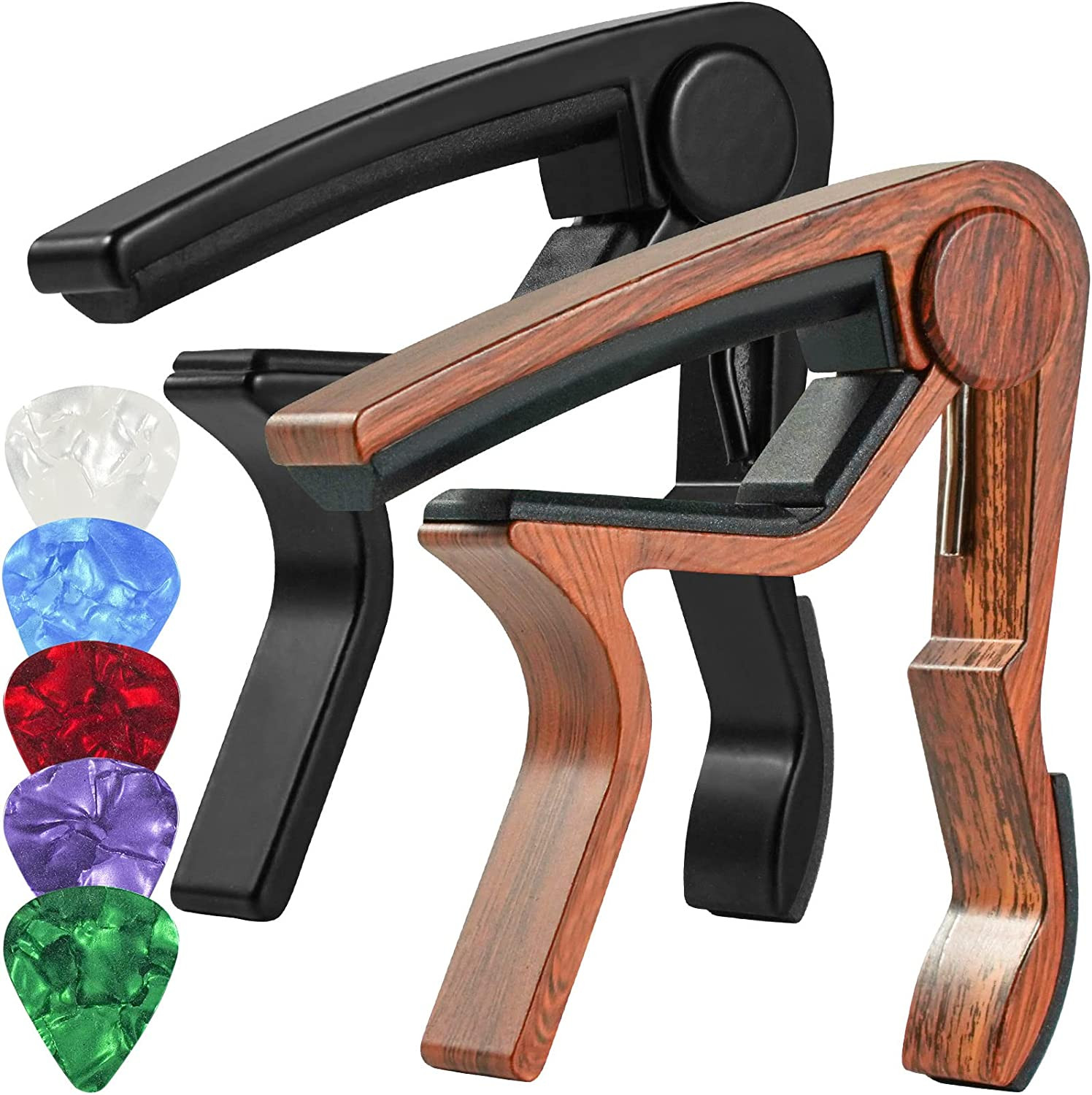 Guitar Capo for Acoustic and Electric Guitar Accessories 2 Pack$9.99View on eBay
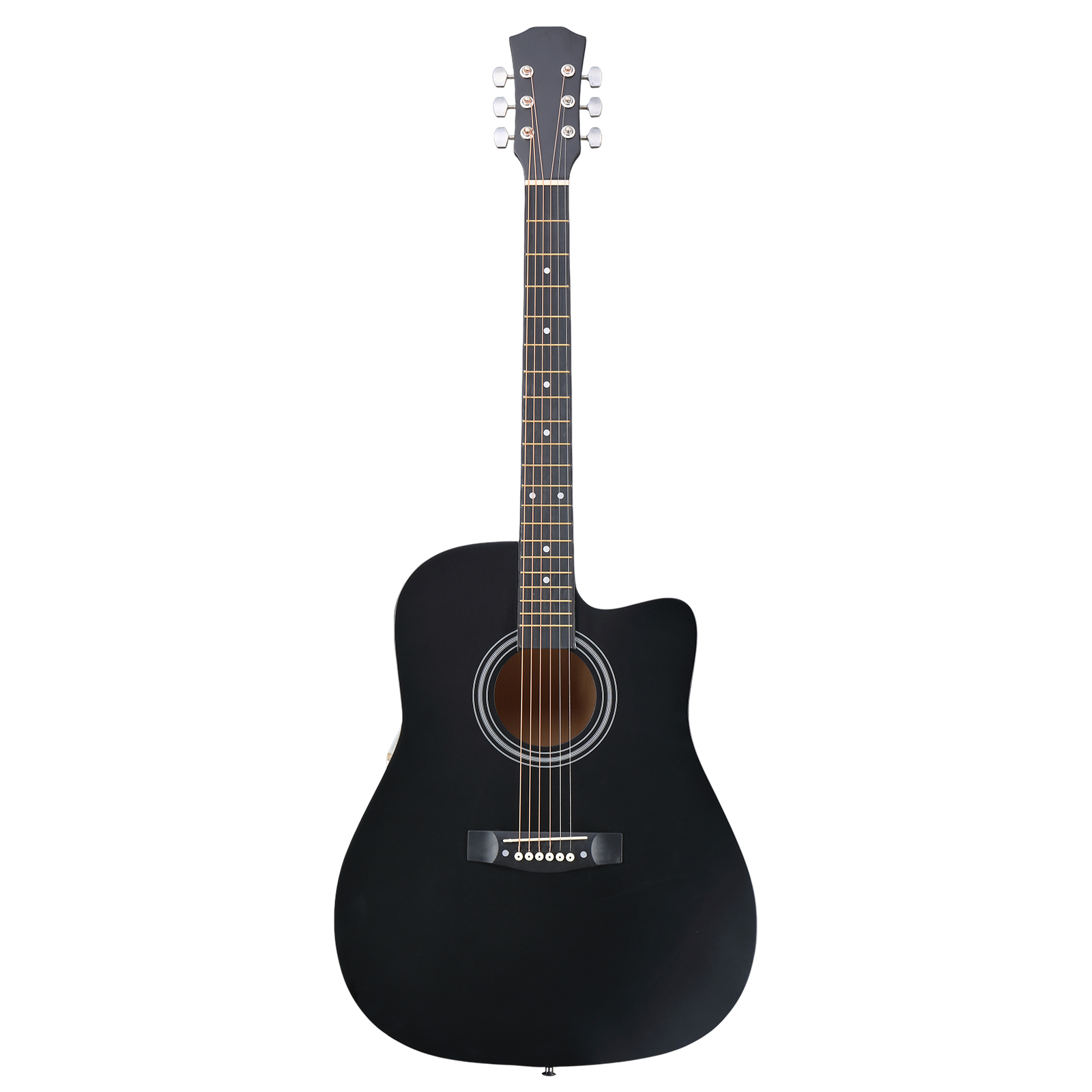 Matte black 41-inch Dreadnought barrel-shaped cutaway acoustic guitar with pick, strings, capo, gig bag, tuner, wrench tool, and shoulder strap$87.99View on Mallflare
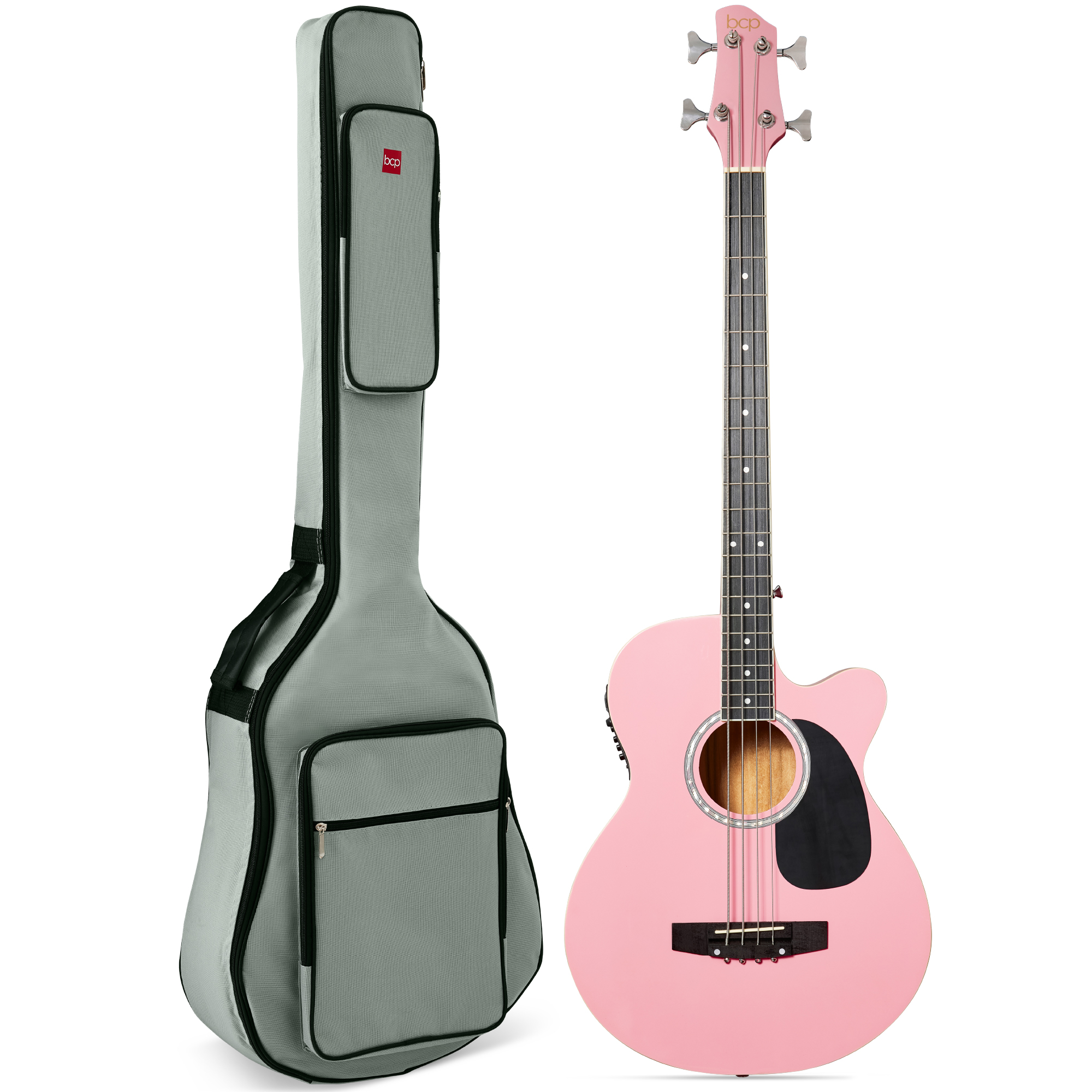 Best Choice Products Acoustic Electric Bass Guitar Equalizer Truss Rod Padded$69.99View on eBay
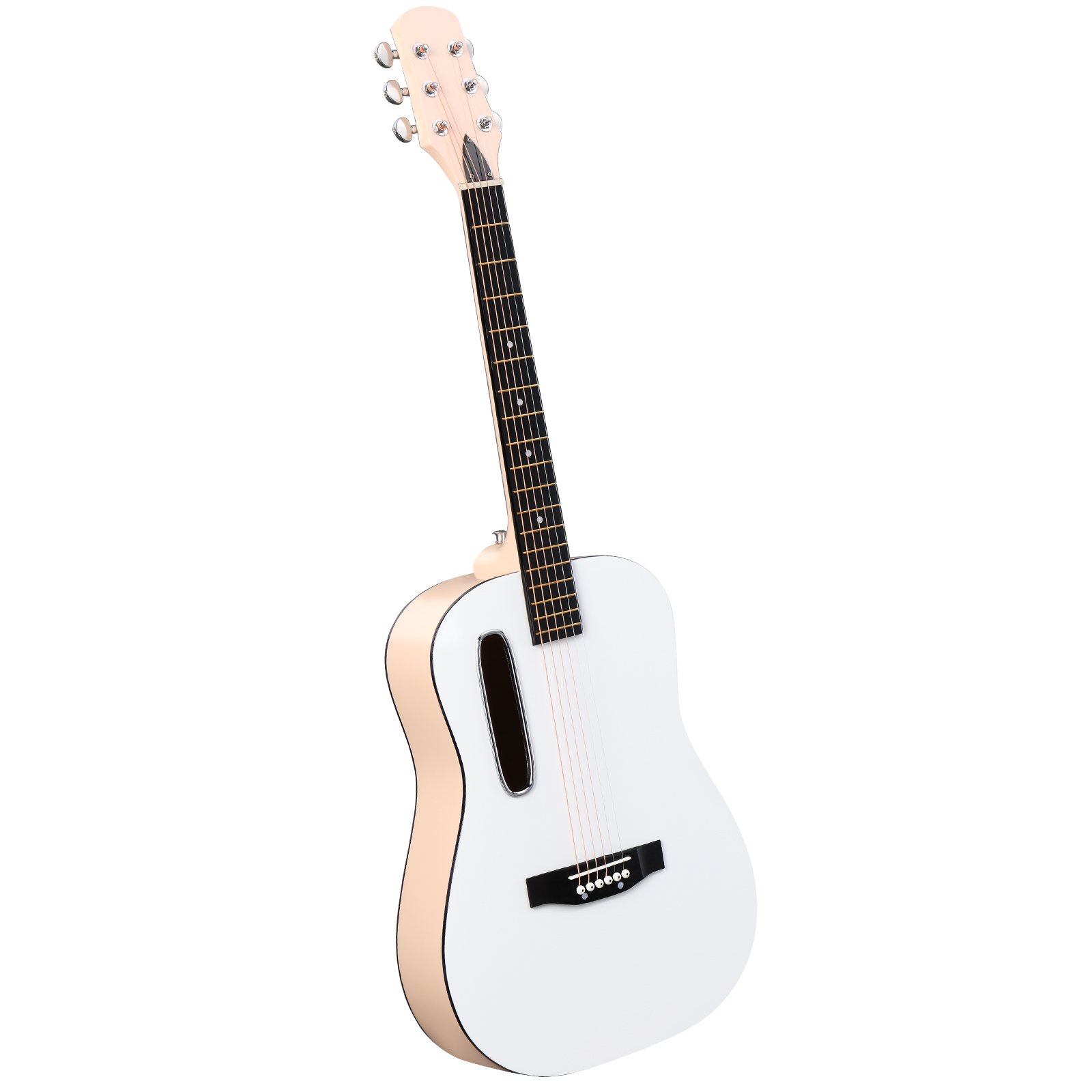 38 Inch Acoustic Guitar for Beginners, H Body Shape, Basswood Folk in Cream White, 6-String Student with Case, Picks and Strap$88.99View on Mallflare
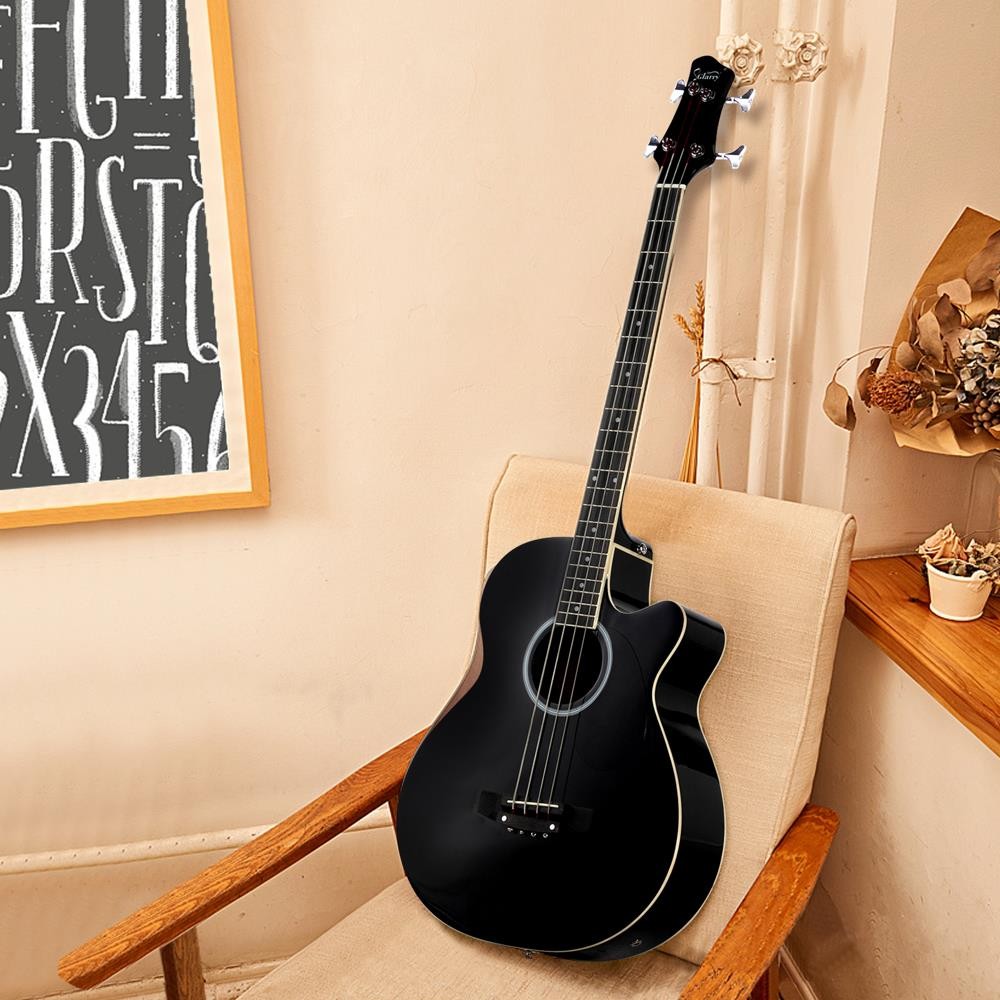 Glarry 4 String Electric Acoustic Bass Guitar Right Handed School Band With Bag$82.98View on eBay
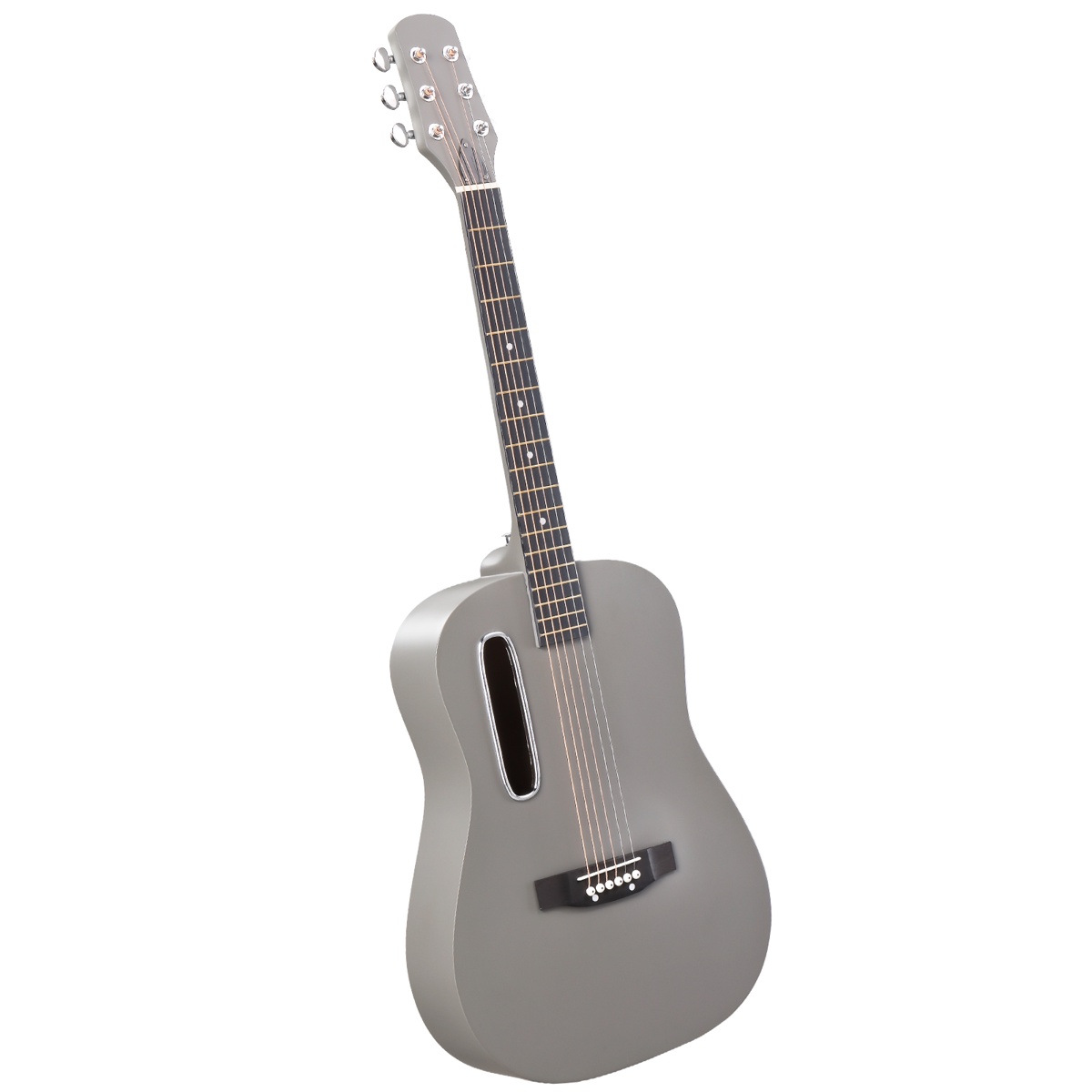 38 Inch Acoustic Guitar for Beginners, H Body Shape, Basswood Folk in Matte Gray, 6-String Student with Case, Picks and Strap$88.99View on Mallflare
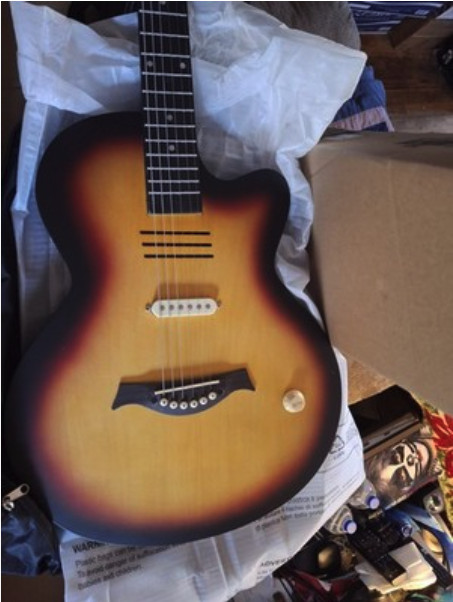 Moukey BCC-100 Acoustic Electric Guitar Bundle + Gig Bag & Accessories S Pickup$88.87View on eBay
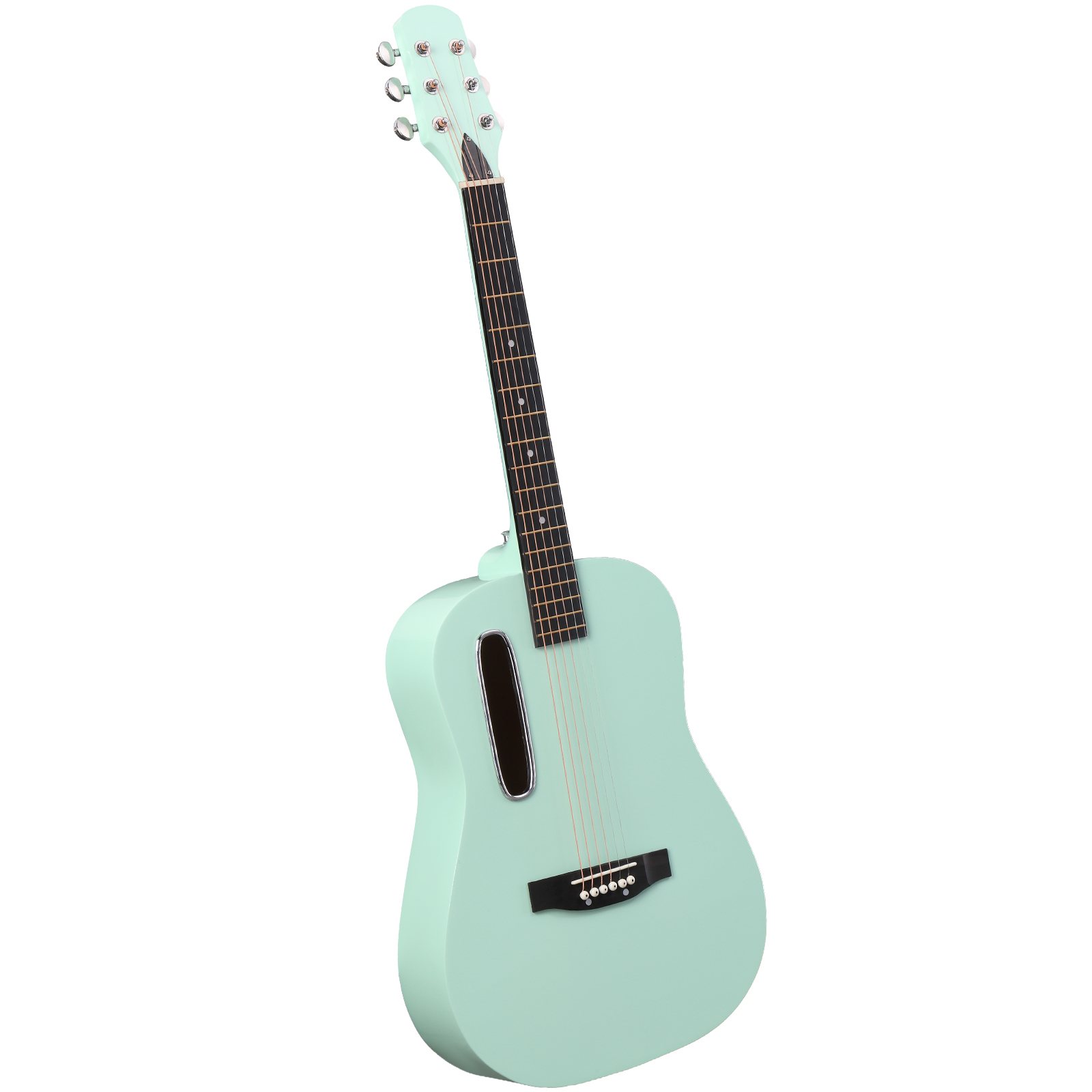 38 Inch Acoustic Guitar for Beginners, H Body Shape, Basswood Folk in Mint Green, 6-String Student with Case, Picks and Strap$88.99View on Mallflare
Highlights
- Body size governs projection and comfort: 41-inch dreadnoughts deliver the loudest bass and full strumming volume, 40-inch grand auditoriums balance tone, and 38-inch folk/OM shapes suit smaller players and fingerstyle.
- Top material is the tonal ceiling: solid spruce or solid mahogany tops open up and resonate; basswood, agathis, and laminated spruce stay stable but produce a compressed, boxy sound.
- Cutaway bodies expose frets 15–20 for lead work and upper-register chords; non-cutaway bodies maximize internal air volume and acoustic resonance.
- A working truss rod and a properly slotted nut/saddle (bone or synthetic) determine action height and intonation; 30-inch round-body and 38-inch student models often lack adjustable truss rods.
Best use cases
- Best fit for adult beginners and casual strummers: a 41-inch dreadnought with a solid spruce top, cutaway, and included gig bag, tuner, capo, and strap—skip 30-inch round-body or 38-inch basswood models that won't project or stay in tune.
- Best fit for singer-songwriters and stage players: an acoustic-electric grand auditorium or dreadnought with a cutaway and onboard preamp/pickup system—skip pure acoustic non-cutaway models that require external miking.
- Best fit for kids, travel, and small spaces: a 30-inch or 38-inch short-scale folk/JF model with light-gauge strings—skip full-size 41-inch dreadnoughts for players under about 4'10" or for backpacking.
- Wrong fit to avoid: buying a full-size laminate dreadnought as a "first serious guitar"—it will not develop tone and its high action fights beginners; step up to a solid top instead.
Buying tips
- Match body size to player height: 41-inch full-size for adults and teens 5'4" and taller; 38-inch for players 4'6"–5'3"; 30-inch short-scale for children under 4'6" and travel.
- Demand a solid top (spruce or mahogany) over basswood or laminated spruce if tone maturity matters; laminate is acceptable only for humid climates, travel, or a first student guitar.
- Choose a cutaway plus onboard pickup/preamp if you will ever plug into an amp or PA; a non-cutaway pure acoustic is cheaper but limits upper-fret access and live use.
- Confirm scale length and nut width: full-size acoustics run 25.5–25.6 inches with 1.69–1.75-inch nuts; short-scale 30–38 inch models use 22–24 inch scales that suit small hands but need lighter strings.
Specs
| Body Size | 41 in dreadnought / 38 in folk / 30 in travel |
|---|---|
| Top Wood | Solid spruce vs laminate/basswood |
| Electronics | Acoustic-electric cutaway vs pure acoustic |
| Scale Length | 25.5–25.6 in full / 22–24 in short |
Related searches
What to check before buying
- Measure the player: stand height and arm reach determine whether a 41-inch dreadnought, 38-inch folk, or 30-inch short-scale body is playable without shoulder strain.
- Plan storage humidity: solid-top guitars need 45–55% relative humidity and a hard case or humidifier; laminate and basswood bodies tolerate dry rooms and temperature swings better.
- Verify the bundle contents: starter sets should include a gig bag or case, clip-on tuner, capo, picks, spare strings, and a strap—missing any of these adds real setup cost.
- Check the truss rod and action out of the box: a guitar with non-adjustable or maxed-out truss rod cannot be set up for low action, which is the most common beginner quit factor.
FAQ
Data sources: eBay / Amazon listings and product attribute feeds Data updated Nov 16, 2026.
Some links on this page are affiliate links. If you buy after clicking one, we may earn a commission at no extra cost to you. This does not change which products appear here or their order. Affiliate disclosure.