Photos from current listings. Actual item, color, and included accessories may vary.
Electric Guitar Starter Kit Buying Guide
An electric guitar starter kit bundles a beginner guitar with the amp, cable, strap, picks, and gig bag needed to play immediately, but the primary trade-off is build quality and setup versus accessory quantity. Durable kits use solid-wood bodies, a proper truss rod, and a correctly voiced practice amp, while compromises hide behind flashy finishes and unserviceable hardware. The decision rule: buy the kit whose guitar can be professionally set up and whose amp has a headphone jack — skip any kit that cannot hold tuning or intonate.


At a glance
- Category
- Guitars & Basses
- Data updated
- Nov 16, 2026
Current offers
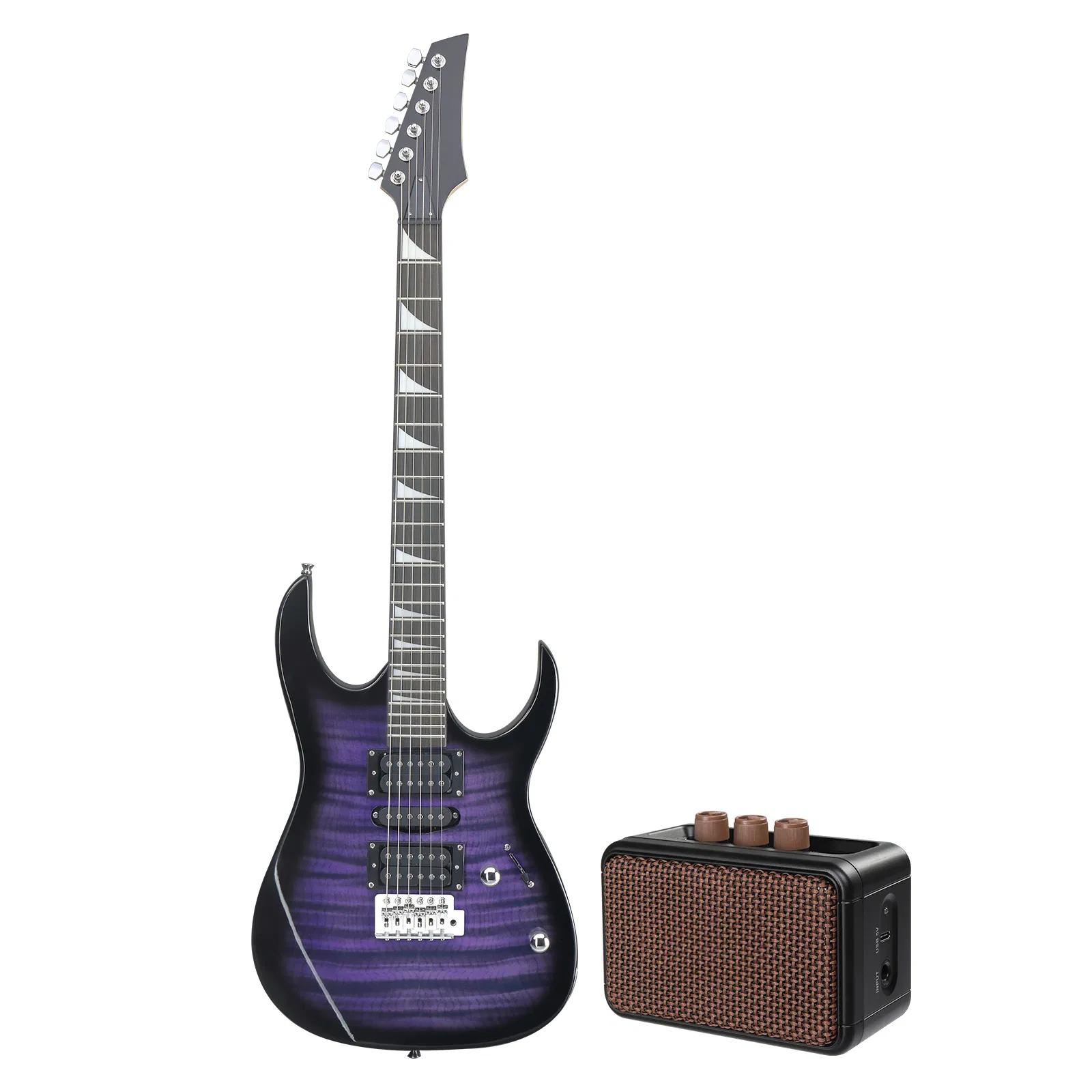 170 Model 39in Electric Guitar HSH Pickups Black complete starter kit suit for Hard Rock Tiger-striped Purple$131.99
 View on Mallflare
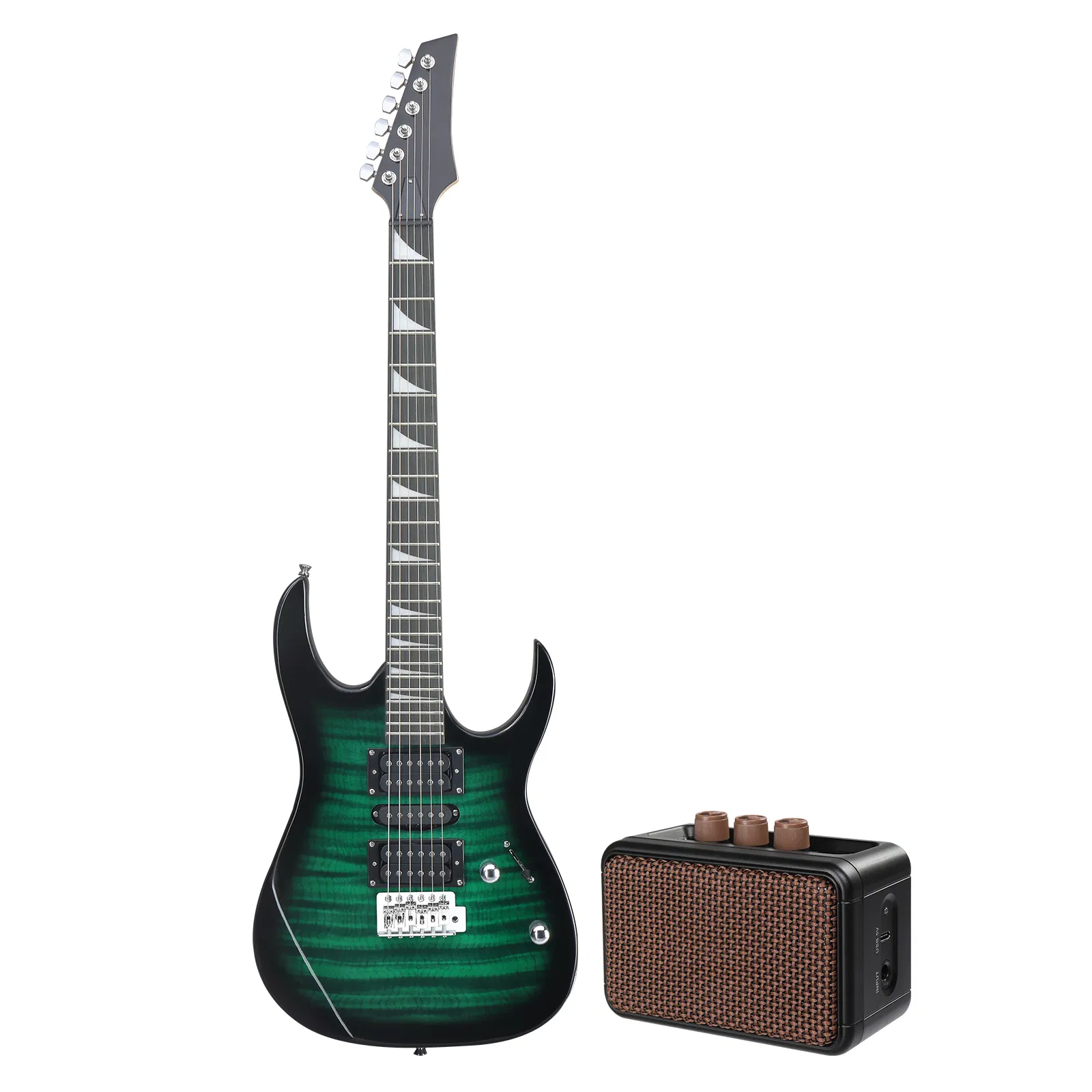 170 Model 39in Electric Guitar HSH Pickups Black complete starter kit suit for Hard Rock Tiger-striped Green$137.99View on Mallflare
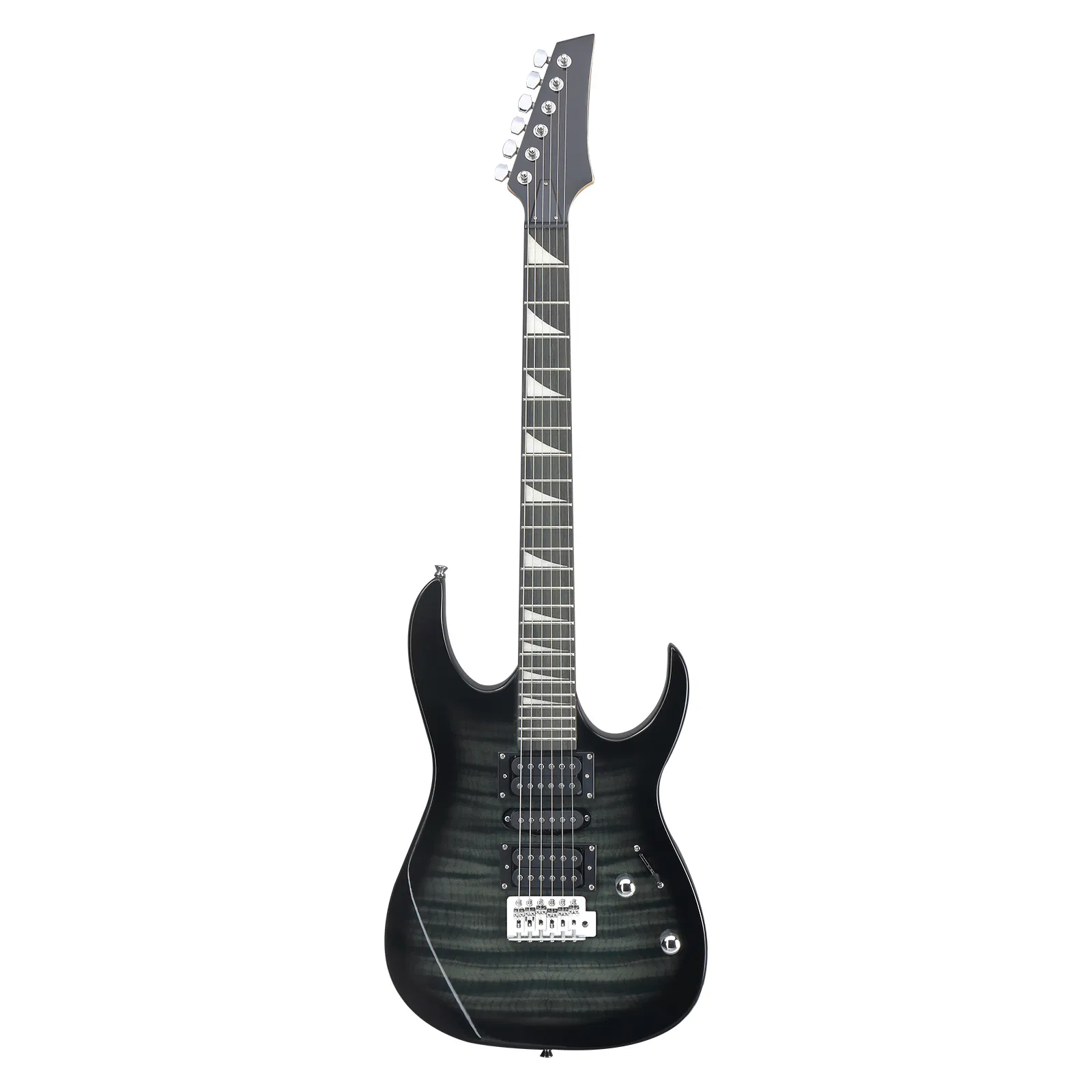 170 Model 39in Electric Guitar HSH Pickups Black complete starter kit suit for Hard Tiger-striped$137.99View on Mallflare
Highlights
- Body construction: solid alder, basswood, or mahogany resonates and holds screws; plywood or agathis bodies mute tone and strip strap buttons.
- Pickup configuration: HSH (humbucker-single-humbucker) covers rock, blues, and clean tones; SSS suits country and surf but hums under gain.
- Scale length: 24.75-inch (Gibson-style) suits smaller hands and bends; 25.5-inch (Fender-style) gives brighter snap and tuning stability.
- Practice amp tier: 10-20W solid-state with 6.5-inch speaker and headphone out is the minimum for usable tone; 5W toy amps with 3-inch speakers distort harshly.
Best use cases
- Best fit: a teenager or adult beginner learning rock and metal at home — pick an HSH solid-body kit with a 10-15W amp and headphone jack.
- Best fit: a small-handed player or child — choose a 24.75-inch scale or 3/4-size guitar (36-39 inch overall) with light gauge strings.
- Wrong fit: gigging or recording — skip starter kits; a kit amp cannot keep up with drums and the guitar pickups lack output for stage volume.
- Wrong fit: players wanting a specific tone — avoid bundled SSS kits if you need humbucker rock tones; buy the guitar and amp separately.
Buying tips
- Confirm a working truss rod and adjustable bridge saddles: without both, action and intonation cannot be corrected as the neck settles.
- Choose a kit amp with at least a 6.5-inch speaker and a headphone jack; 3-inch speakers and no headphone out make silent practice impossible.
- Verify the kit includes a 1/4-inch instrument cable, strap, picks, and gig bag — missing these adds real cost and delays first play.
- Prefer sealed or die-cast tuners over open-gear budget tuners; 18:1 gear ratio holds tuning far better through temperature swings.
Specs
| Body Wood | Solid alder/basswood vs plywood |
|---|---|
| Pickup Config | HSH / SSS / HH |
| Scale Length | 24.75 in vs 25.5 in |
| Amp Power | 10-20W solid-state, 6.5 in speaker |
Related searches
What to check before buying
- Measure your space: a 39-inch guitar plus a 12x12-inch amp footprint needs about 4 feet of wall or floor clearance.
- Check the body wood species before buying: solid basswood or alder accepts a setup; plywood bodies often cannot hold strap buttons.
- Match your amp to your power standard: confirm 120V or 230V plug type and whether the kit includes a regional power supply.
- Plan for a professional setup: budget for new strings and a luthier setup, since factory action on starter kits is rarely playable.
FAQ
Data sources: eBay / Amazon listings and product attribute feeds Data updated Nov 16, 2026.
Some links on this page are affiliate links. If you buy after clicking one, we may earn a commission at no extra cost to you. This does not change which products appear here or their order. Affiliate disclosure.