

Photos from current listings. Actual item, color, and included accessories may vary.
Aria Pro Ii Electric Guitar Buying Guide
Aria Pro II electric guitars and basses are Japanese-designed instruments spanning vintage Matsumoku-era builds to modern budget lines, with the primary trade-off being vintage collectibility and original hardware versus modern playability and stability. The clear decision rule: buy a vintage Pro II only if you can verify neck straightness and electronics originality, otherwise choose a current production model for reliable gigging.


At a glance
- Category
- Guitars & Basses
- Data updated
- Nov 16, 2026
Current offers
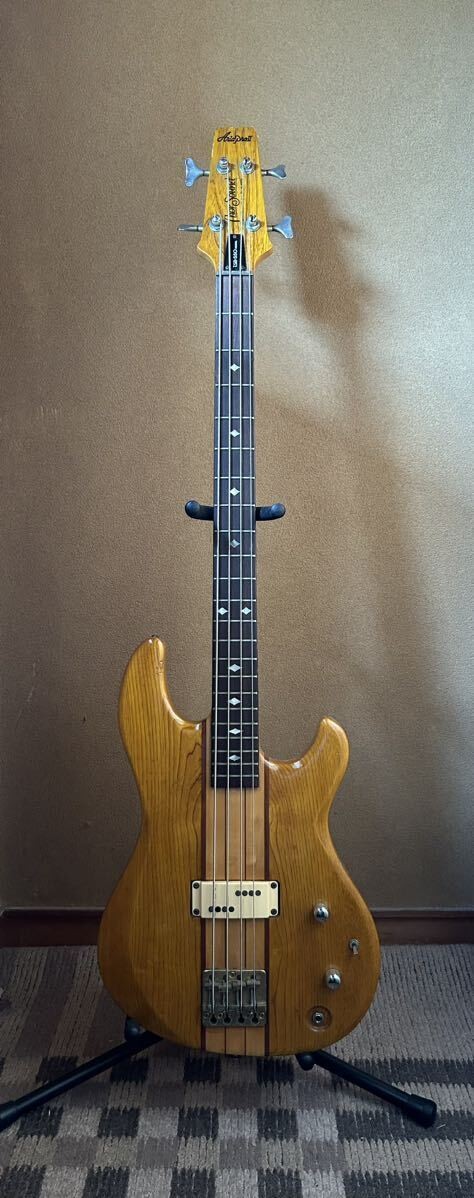
Highlights
- Matsumoku-era (1975–1987) instruments use set-neck or bolt-on construction with alnico pickups; later Korean/Chinese models use ceramic magnets and thinner bodies.
- The RSB series is a neck-through or bolt-on bass with active/passive options; TSB models are set-neck with carved tops and humbuckers.
- Vintage Pro II hardware often uses proprietary bridge/tailpiece designs; replacement parts require exact millimeter spacing measurements.
- Modern Aria Pro II reissues use standard 25.5-inch scale (guitar) or 34-inch scale (bass) with 22 frets and die-cast tuners.
Best use cases
- Best fit: gigging musicians on a budget who want a stable, playable instrument — choose a current production bolt-on model with standard 25.5-inch scale and passive pickups.
- Wrong fit: collectors seeking investment-grade vintage — skip player-grade Pro II models with refinished bodies or replaced electronics; originality commands premium.
- Best fit: bassists needing a versatile neck-through — select an RSB series with active EQ if you play funk/rock; choose passive TSB for vintage thump.
- Wrong fit: beginners wanting modern ergonomics — avoid vintage set-neck models with narrow nuts and high action; pick a modern 22-fret bolt-on instead.
Buying tips
- Measure nut width: vintage Pro II guitars often use 42–43 mm nuts (1.65–1.69 in); modern models use 43–44 mm for easier chording.
- Check scale length: guitar 25.5 in (648 mm) and bass 34 in (864 mm) are standard; short-scale models (24.75 in or 30 in) suit smaller hands.
- Verify pickup type: alnico magnets (vintage) give warmer tone; ceramic (budget) is brighter and hotter — match to your amp and genre.
- Inspect neck joint: set-neck offers sustain but is harder to repair; bolt-on allows shimming and replacement — prefer bolt-on for touring durability.
Specs
| Body Construction | Bolt-on / Set-neck / Neck-through |
|---|---|
| Scale Length | 25.5 in guitar / 34 in bass |
| Pickup Magnet | Alnico (vintage) vs Ceramic (budget) |
| Electronics | Passive standard / Active 9V option |
Related searches
What to check before buying
- Measure your case or gig bag: vintage Pro II basses often exceed 46 inches total length — confirm internal dimensions before buying a case.
- Check climate: solid-body guitars tolerate humidity 40–60%; set-neck instruments need stable humidity to avoid fret sprout and neck twist.
- Confirm plug standard: all Pro II models use 1/4-inch TS output jacks; active basses require a 9V battery and TRS cable for balanced output.
- Test electronics: bring a small amp or tuner to verify all pickup positions, pots, and switches work without scratchiness.
FAQ
Data sources: eBay / Amazon listings and product attribute feeds Data updated Nov 16, 2026.
Some links on this page are affiliate links. If you buy after clicking one, we may earn a commission at no extra cost to you. This does not change which products appear here or their order. Affiliate disclosure.