Photos from current listings. Actual item, color, and included accessories may vary.
Woodwind Instrument Buying Guide
Woodwind instruments produce sound through a vibrating reed or air column, and the primary trade-off is acoustic design and material quality versus low-cost construction that compromises intonation and durability. Durable options use proper bore geometry, sealed pads, and stable keywork, while cheap models often have soft pads, weak springs, and inconsistent tuning. The clear decision rule: choose a recognized student or step-up model from a known maker, and avoid no-name instruments with generic key layouts unless you can verify pad sealing and tuning.

At a glance
- Category
- Brass, Woodwind & Strings
- Data updated
- Nov 16, 2026
Current offers
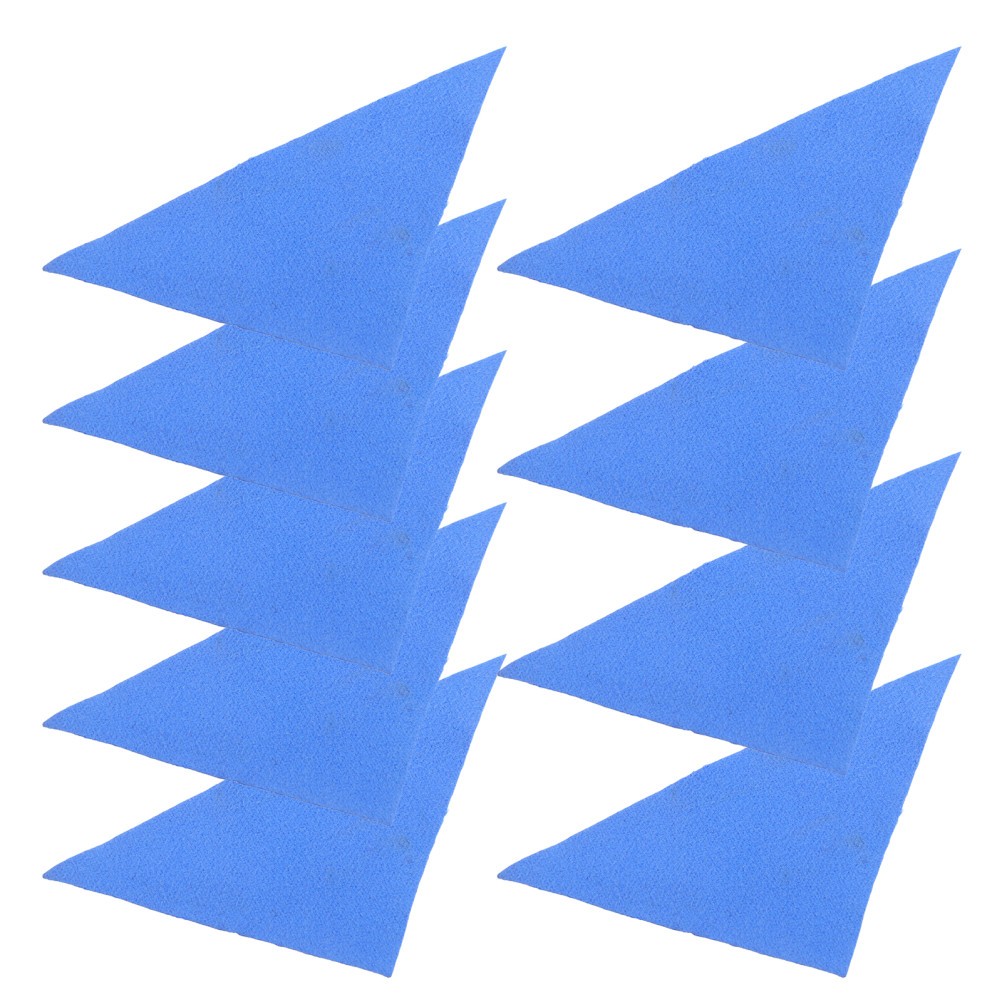 Durable Sky Blue Polishing Cloth for String Brass Woodwind Instruments Cleaning$17.02
 View on eBay
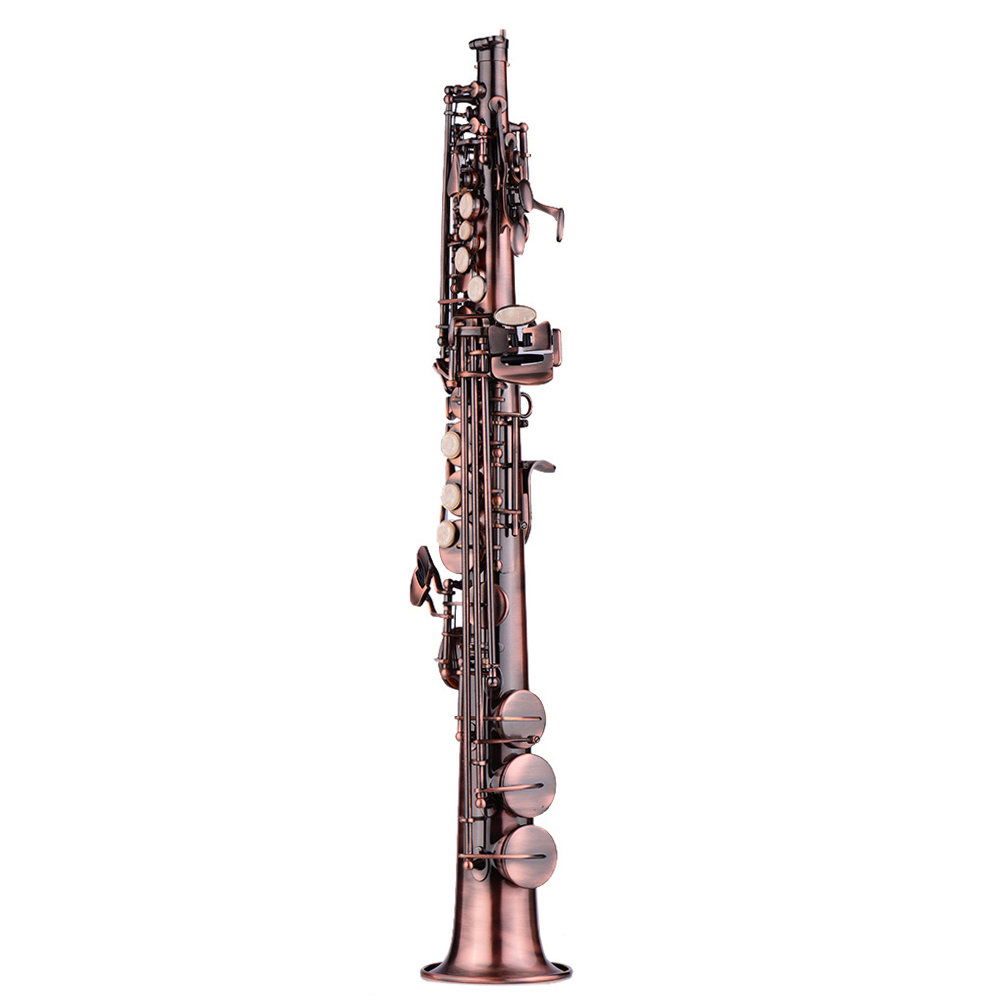 Professional Brass Straight Bb Soprano Saxophone Ni Plated Sax Woodwind Instrument Carve Pattern With Case Gloves Cleaning Cloth Straps Brush (Red)$282.99
 View on Mallflare
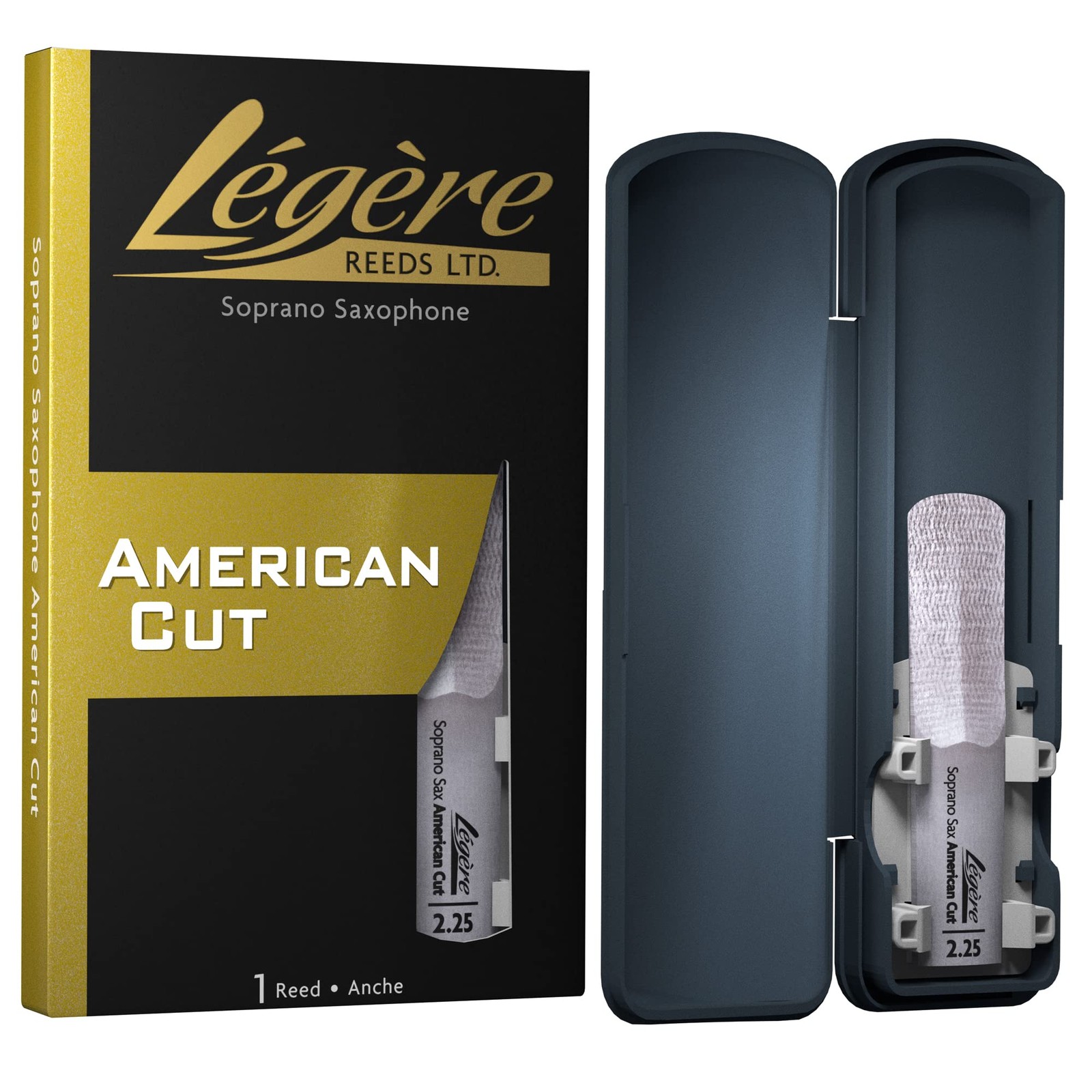 Multicoloured Brass And Woodwind Instruments Ready To Play Durable Quality$49.19View on eBay
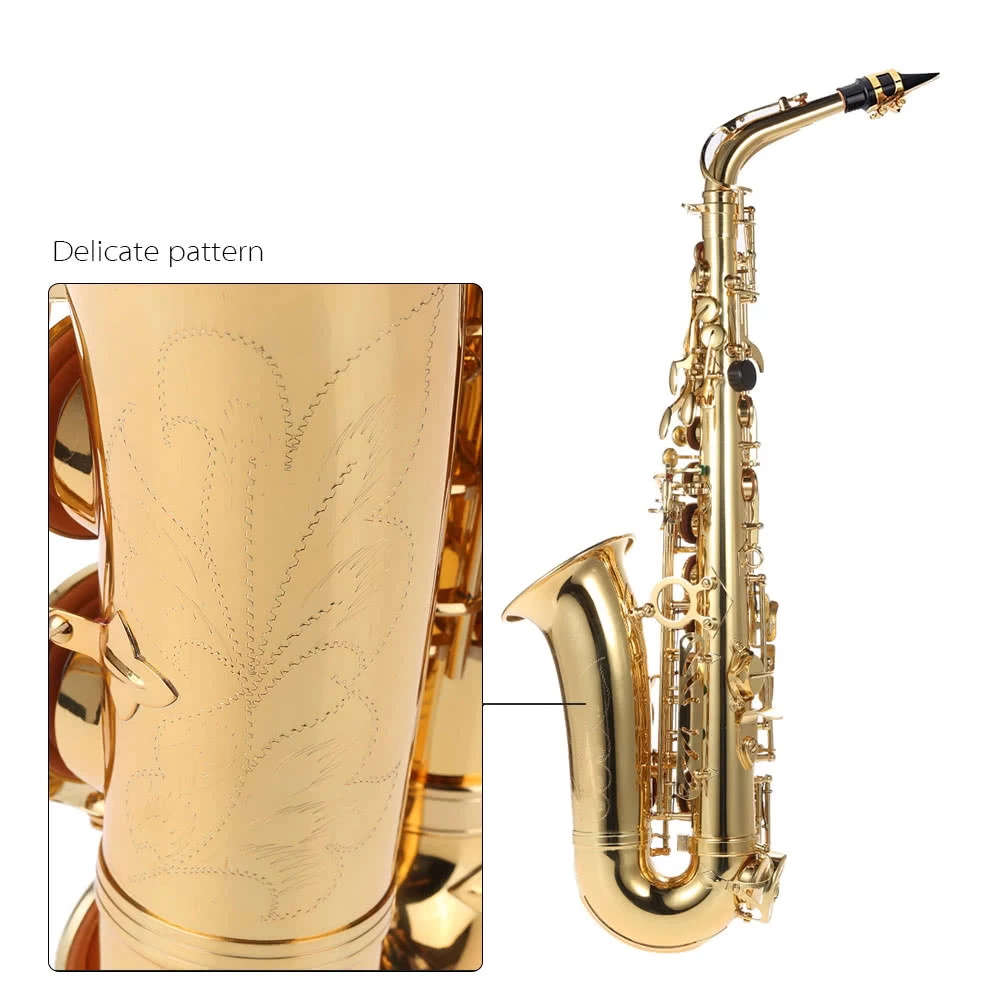 Eb Alto Saxophone Brass Lacquered Gold E Flat Sax 802 Key Type Woodwind Instrument With Cleaning Brush Cloth Gloves$288.99View on Mallflare
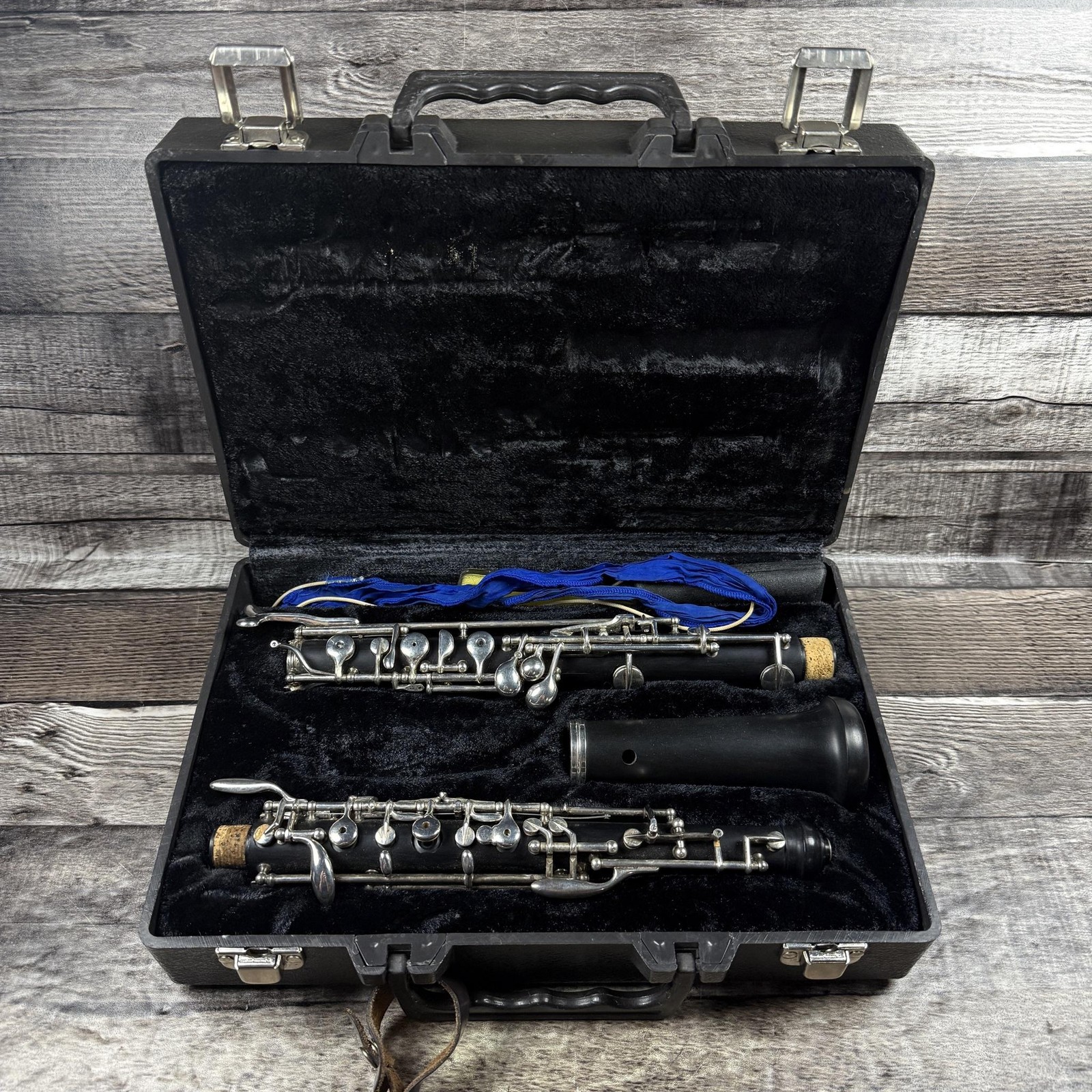 Armstrong Oboe 1990 Woodwind Instrument Black With Case Reeds Accessories$249.99View on eBay
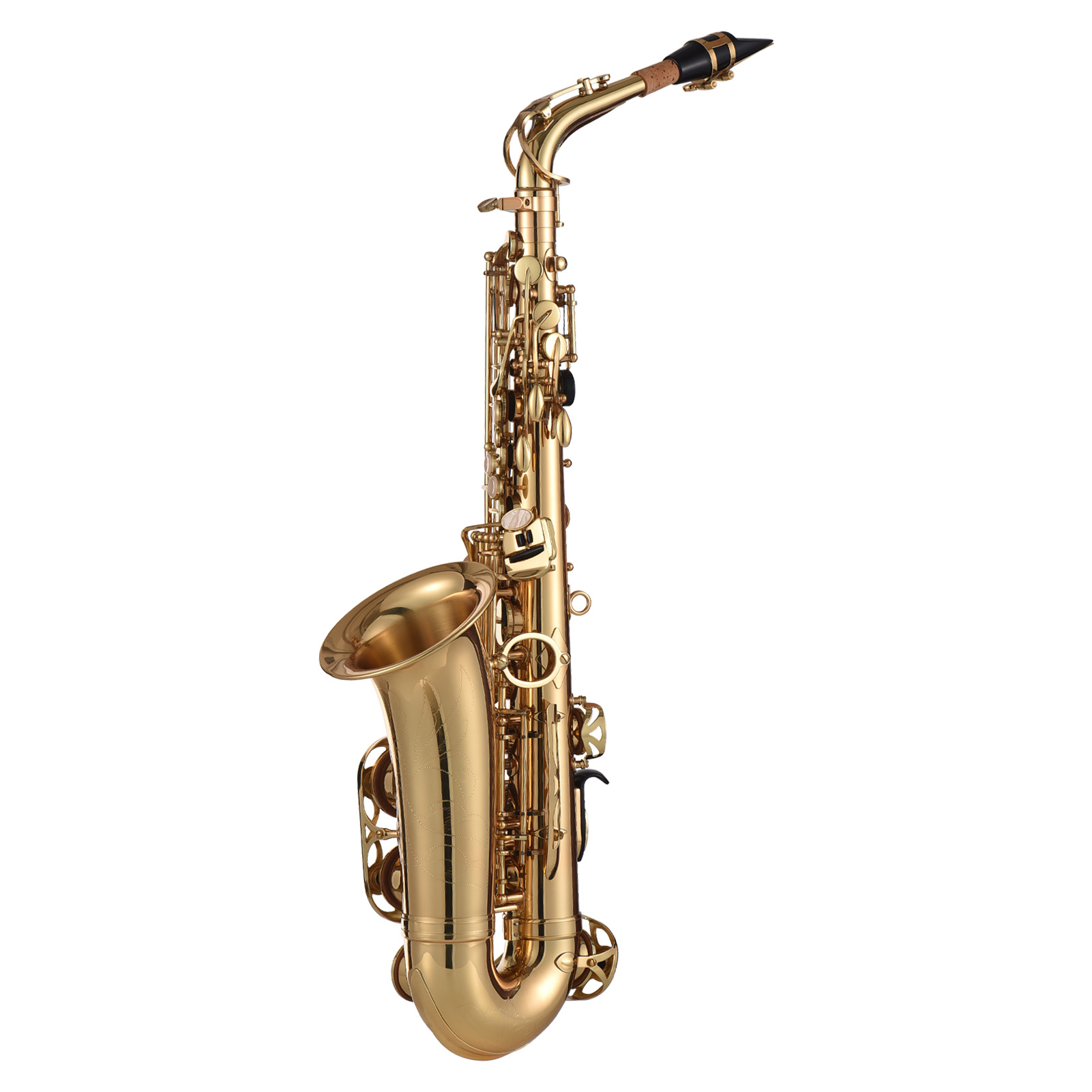 Eb Alto Saxophone Brass Lacquered Gold E Flat Sax 875 Key Type Woodwind Instrument With Cleaning Brush Cloth Gloves Strap Padded Case$313.99View on Mallflare
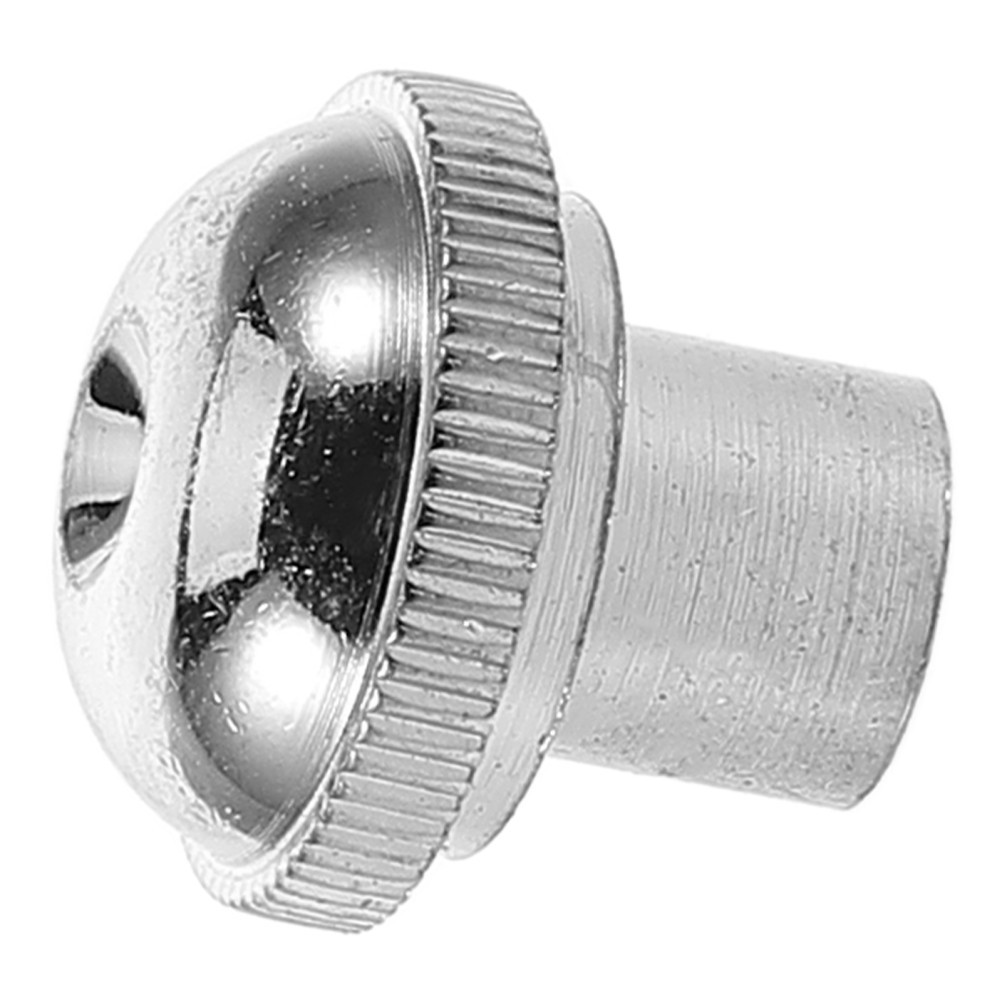 Woodwind Replacement Parts Aluminum Alloy Instrument Colo Accessories$14.79View on eBay
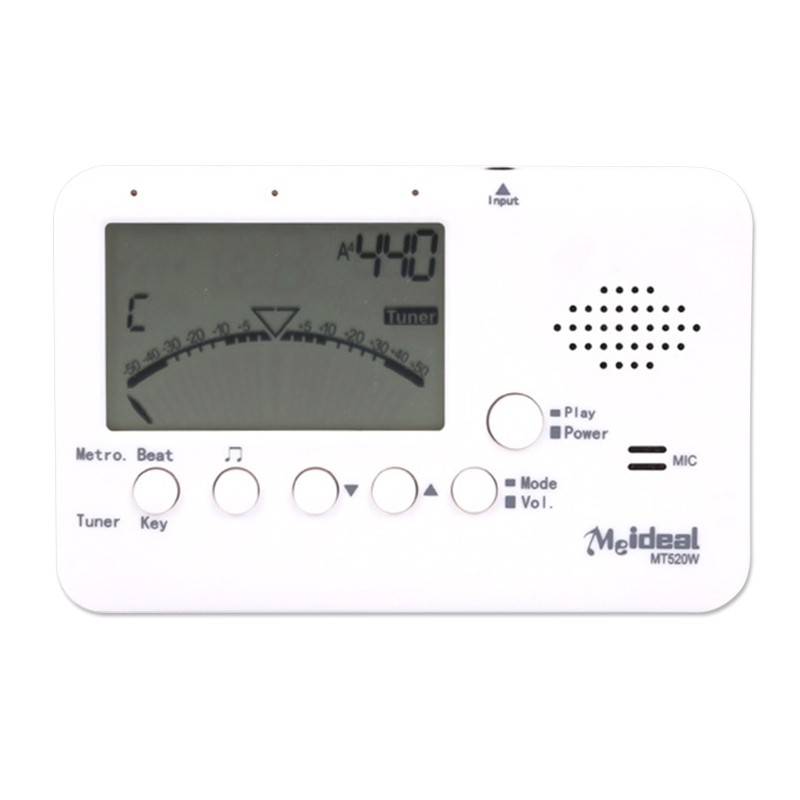 Portable Chromatic Digital Tuner for Stringed Woodwind & Brass Instruments Small$17.56View on eBay
Highlights
- Saxophones use a single-reed mouthpiece and come in Eb alto, Bb tenor, and Bb soprano; key type (e.g., 802 vs 875) indicates left-hand spatula and table key layout differences.
- Clarinets are cylindrical-bore single-reed instruments in Bb or A; student models use ABS resin bodies, while intermediate and pro models use grenadilla wood with undercut tone holes.
- Flutes are metal or wood transverse instruments; student flutes use silver-plated nickel-silver heads, while step-up models use solid silver headjoints for richer tone.
- Double reeds (oboe, bassoon) require a staple and cane reed; oboes use a conservatoire or thumb-plate system, and beginner oboes often have simplified conservatoire keywork.
Best use cases
- Best fit: a school beginner needs a Bb clarinet or Eb alto sax with sealed pads, adjustable thumb rest, and a durable ABS or lacquered brass body; skip open-hole or wood bodies until embouchure is stable.
- Best fit: a jazz or marching player needs a lacquered brass alto or tenor sax with ribbed construction and metal resonators; skip vintage French-key layouts unless a repair tech has overhauled them.
- Best fit: an orchestral or chamber player needs a grenadilla wood clarinet or silver headjoint flute with proper tenon corks and pad skins; skip resin-only instruments for serious recital work.
- Wrong fit: a budget buyer choosing a straight soprano sax or oboe as a first instrument; these have demanding intonation and reed control—start on alto sax or Bb clarinet instead.
Buying tips
- Check pad sealing: press each key lightly and look for uniform tone-hole contact; leaks cause squeaks and poor low-register response on clarinets and saxes.
- Match the key system: saxophones use modern (Selmer-style) or vintage French-key layouts; beginners should pick modern keywork for easier fingering and repair parts.
- Choose body material by climate: grenadilla wood clarinets can crack in dry indoor air, so use a humidified case; ABS resin is stable for marching and travel.
- Verify reed compatibility: clarinets and saxes use different mouthpiece bore sizes; buy reeds rated for the mouthpiece tip opening (e.g., strength 2.5 for beginners).
Specs
| Reed Type | Single (clarinet/sax) vs double (oboe) |
|---|---|
| Body Material | ABS resin, grenadilla wood, brass |
| Key System | Modern 802 vs vintage French layout |
| Pitch Standard | Bb, Eb, C concert pitch |
Related searches
What to check before buying
- Measure your case space: alto sax cases run about 24 inches long, tenor about 31 inches, and clarinet about 26 inches—confirm your bag or locker fits.
- Check floor and climate: wood clarinets and oboes need 40–60% relative humidity; avoid storing near heating vents or in dry attics.
- Confirm voltage-free accessories: tuners and metronomes use USB or coin cells; no plug adapters needed for acoustic woodwinds.
- Required companion parts: buy a mouthpiece cap, ligature, cork grease, pad saver, and at least three reeds of the correct strength before first use.
FAQ
Data sources: eBay / Amazon listings and product attribute feeds Data updated Nov 16, 2026.
Some links on this page are affiliate links. If you buy after clicking one, we may earn a commission at no extra cost to you. This does not change which products appear here or their order. Affiliate disclosure.