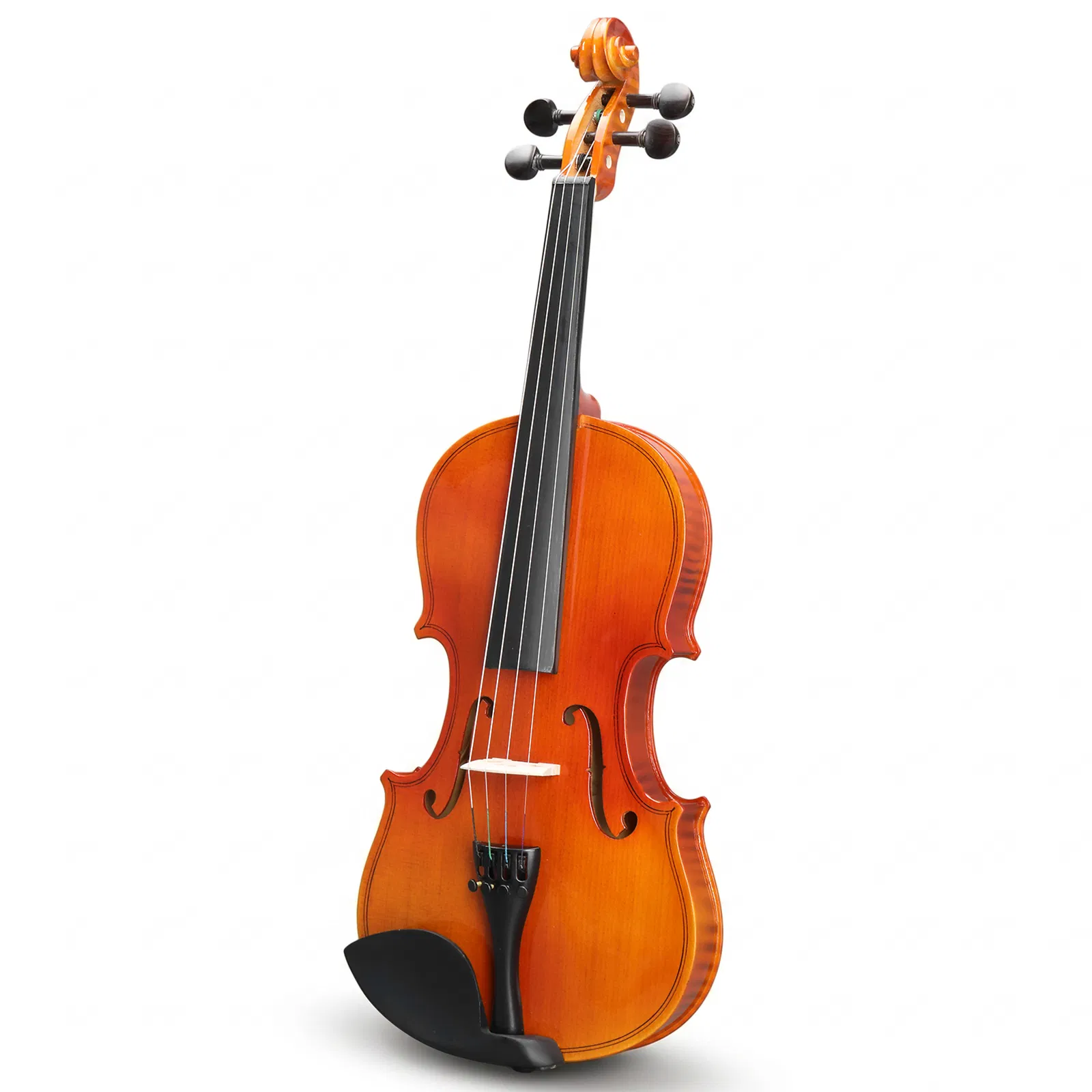

Photos from current listings. Actual item, color, and included accessories may vary.
Acoustic Guitar String Buying Guide
Acoustic guitar strings are consumable steel-and-bronze or phosphor-bronze wire sets that define tone, feel, and tuning stability; the core trade-off is bright attack vs. warm longevity, driven by winding alloy and coating. The decision rule: buy phosphor-bronze or coated strings for durability and balanced warmth, choose 80/20 bronze only for maximum initial brightness, and match gauge to playing style rather than chasing brand names.


At a glance
- Category
- Brass, Woodwind & Strings
- Data updated
- Nov 16, 2026
Current offers
Highlights
- Winding alloy is the primary tone filter: 80/20 bronze (80% copper/20% zinc) gives bright, scooped-mid snap that decays fast; phosphor bronze (92% copper/8% tin plus phosphorus) gives warmer fundamentals and 2-3x longer tonal life.
- Coating technology (e.g., Elixir Nanoweb vs. Polyweb, D'Addario XS/EXP) adds a polymer barrier that extends string life 3-5x but slightly dampens high-end zing; uncoated strings sound brightest for the first week but corrode fastest.
- Gauge sets follow a tension math rule: light (12-53) suits fingerstyle and lowered tunings with less neck relief needed; medium (13-56) delivers more volume and bass but raises total tension ~15-20 lb, requiring a truss-rod check on most guitars.
- Core construction matters: hex-core strings (most standard sets) hold tune and intonation better with vibrato and bending; round-core strings feel softer and more flexible but can sound duller and intonate less precisely on some saddles.
Best use cases
- Best fit for recording and solo fingerstyle: light-gauge (12-53) phosphor-bronze uncoated strings — maximum harmonic detail and touch sensitivity; skip medium gauge and heavy coatings that mute nuance.
- Best fit for gigging acoustic players and humid climates: coated phosphor-bronze in light or custom-light gauge — 3-5x string life and stable tuning across temperature swings; skip uncoated 80/20 if you sweat or play outdoors often.
- Best fit for strumming singer-songwriters and flatpickers: medium-gauge (13-56) phosphor-bronze with hex core — volume and bass projection; skip light gauge if you need acoustic cut-through in a loud mix without a pickup.
- Wrong fit for vintage or lightly braced guitars: medium-gauge sets add 15-20 lb of tension and can bellying the top or strip tuner gears; use light or custom-light instead unless the guitar is explicitly rated for medium tension.
Buying tips
- Match gauge to scale length: short-scale (24.75 in) guitars feel slinkier and may need medium gauge to reach standard-tension feel; long-scale (25.5 in) guitars with light gauge stay bend-friendly — don't copy a gauge from a different scale length.
- Choose phosphor bronze over 80/20 bronze unless you change strings monthly; 80/20's brightness fades within days of play, while phosphor bronze holds a balanced voice for weeks — coated phosphor bronze extends that to months.
- Verify coating type by name: Nanoweb (thin, nearly uncoated feel) vs. Polyweb (thicker, more muffled) vs. XS (thin film, minimal tone loss) — thick coatings reduce finger noise but kill sustain on light-gauge sets.
- Buy the correct number of sets: strings are consumable and degrade with sweat and humidity; a 3-pack of coated phosphor bronze costs less per set than singles and ensures you always have a fresh backup before a gig or session.
Specs
| Winding Alloy | Phosphor bronze vs 80/20 bronze |
|---|---|
| Gauge Range | Light 12-53 / Medium 13-56 |
| Coating | Coated (Nanoweb/XS) vs Uncoated |
| Core Type | Hex core vs Round core |
Related searches
What to check before buying
- Confirm your guitar's scale length (24.75 in vs. 25.5 in) and bracing type: short-scale and lightly braced guitars should stay at light (12-53) or custom-light gauge to avoid top bellying.
- Check your bridge and saddle type: round-core strings may intonate poorly on compensated saddles designed for hex-core; stick with hex-core for drop-in replacement stability.
- Assess your playing environment: high humidity or sweaty hands demand coated phosphor bronze; dry, climate-controlled rooms let uncoated 80/20 last longer without corrosion.
- Verify tuning machine compatibility: heavier gauges (medium 13-56) require tuner posts with enough winding room and a truss-rod adjustment; light gauge is drop-in safe on nearly all factory setups.
FAQ
Data sources: eBay / Amazon listings and product attribute feeds Data updated Nov 16, 2026.
Some links on this page are affiliate links. If you buy after clicking one, we may earn a commission at no extra cost to you. This does not change which products appear here or their order. Affiliate disclosure.