Photos from current listings. Actual item, color, and included accessories may vary.
Violin Buying Guide
A violin is a bowed string instrument where the primary trade-off is carved solid tonewood versus laminated or pressed construction, which directly governs acoustic projection, tonal complexity, and long-term stability. The decision rule is simple: carved solid spruce and maple with ebony fittings identify instruments that improve with age and hold setup; laminated or basswood bodies are beginner-rental compromises that cap tonal ceiling and resale value.


At a glance
- Category
- Brass, Woodwind & Strings
- Data updated
- Nov 16, 2026
Current offers
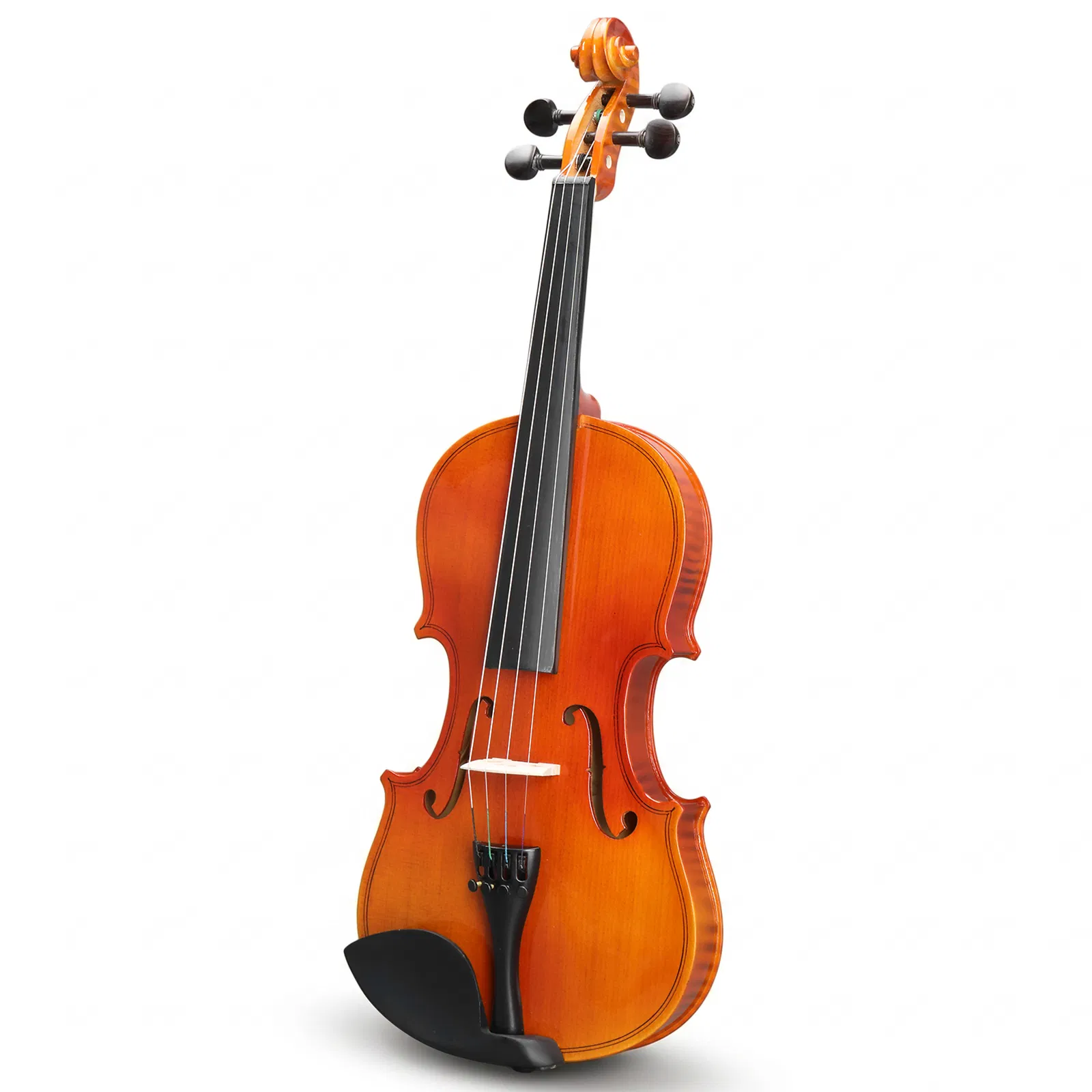 Brand new 4/4 natural tiger-striped acoustic violin set includes pitch stickers, tuner, strings, shoulder rest, rosin, bow, and premium gift box.$64.99
 View on Mallflare
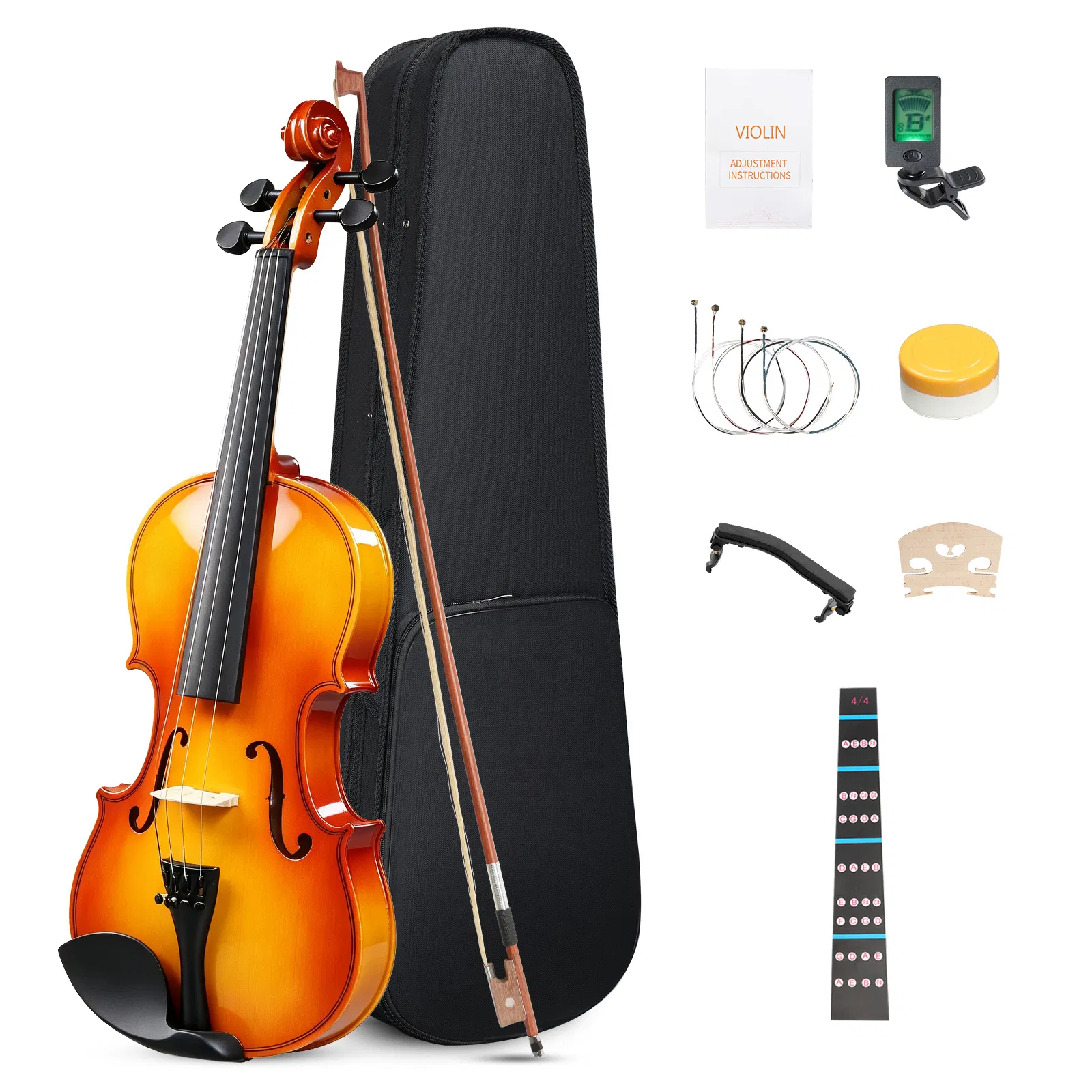 4/4 Full Size Violin for Beginners, Laminated Spruce & Maple Wood, Natural Yellow Varnish Finish, Complete Set with Case, Bow and Rosin$64.99View on Mallflare
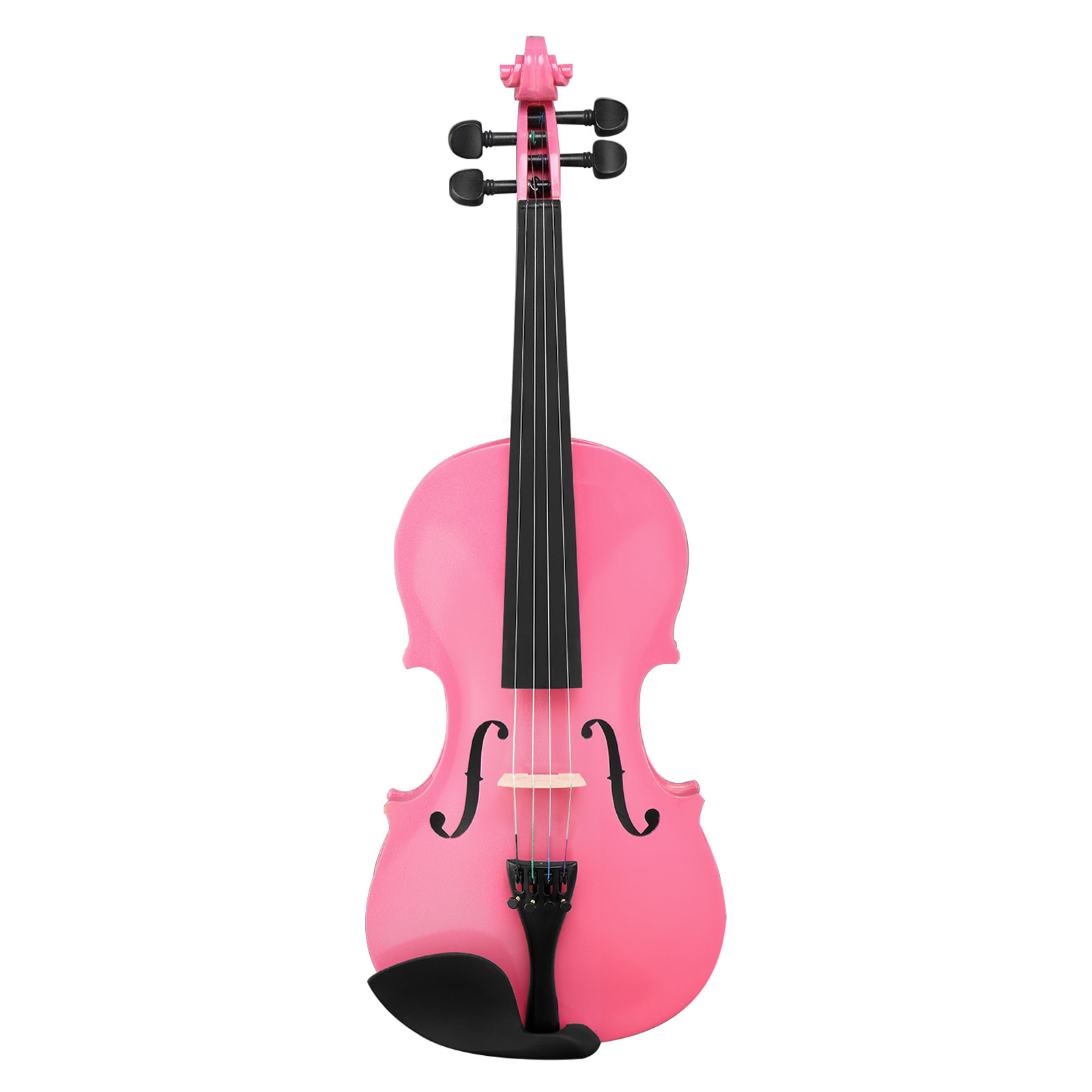 New 1/8 Acoustic Violin Case Bow Rosin Pink$69.99View on Mallflare
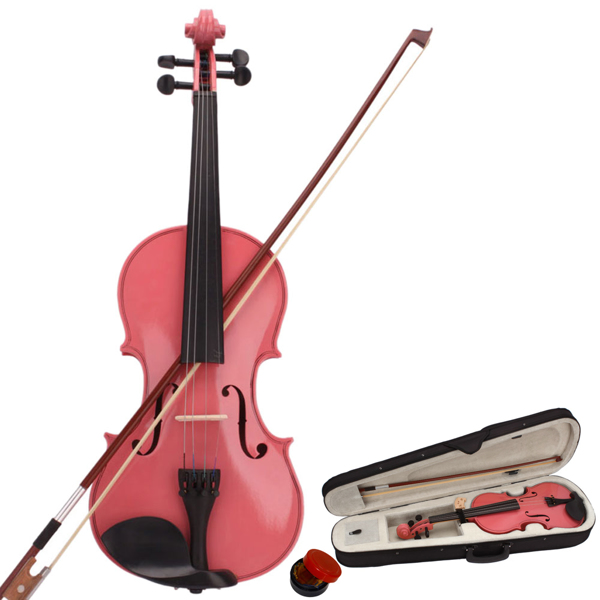 Pink Violin And Box Bow Rosin$71.99View on Mallflare
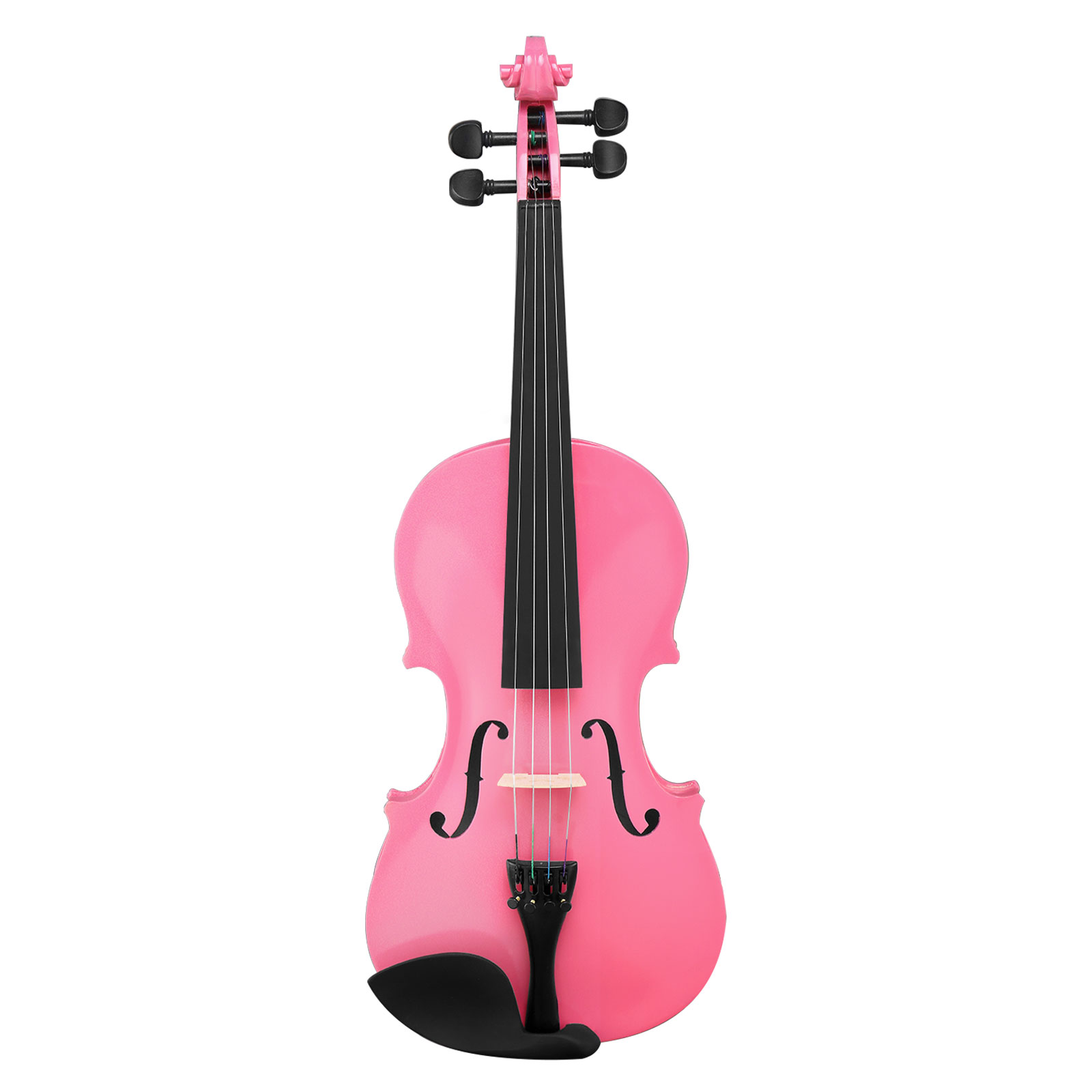 New 1/2 Acoustic Violin Case Bow Rosin Pink$76.99View on Mallflare
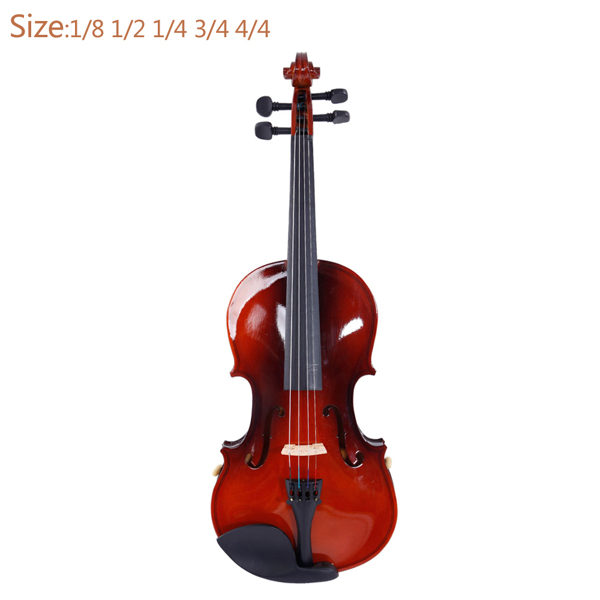 Solid Wood Violin$77.99View on Mallflare
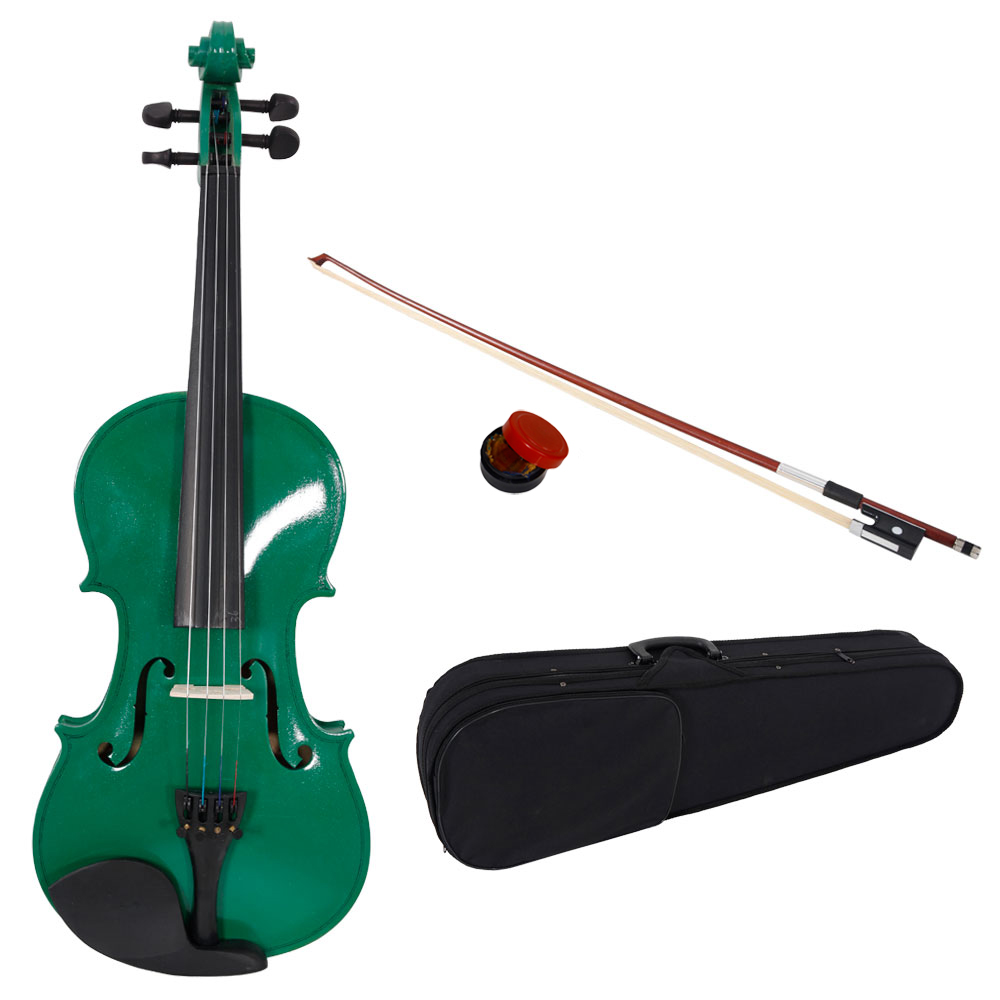 New 4/4 Acoustic Violin Case Bow Rosin Green$77.99View on Mallflare
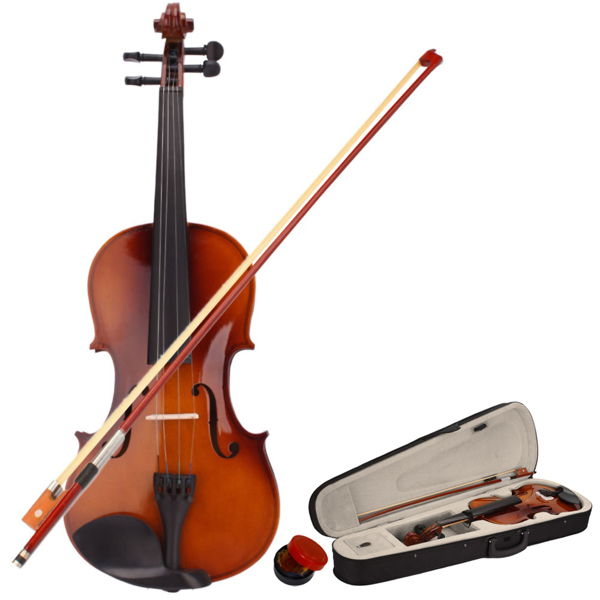 Natural Color Violin$77.99View on Mallflare
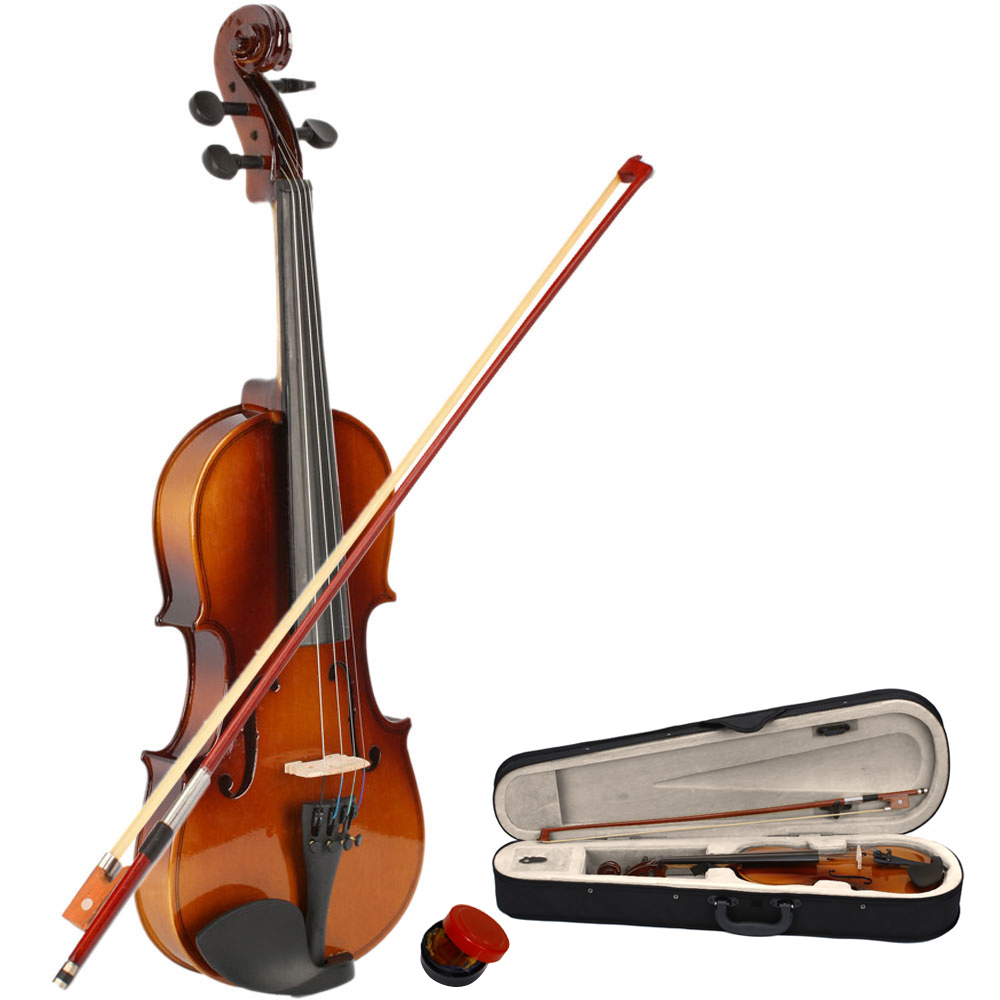 New 1/2 Acoustic Violin Case Bow Rosin Natural$77.99View on Mallflare
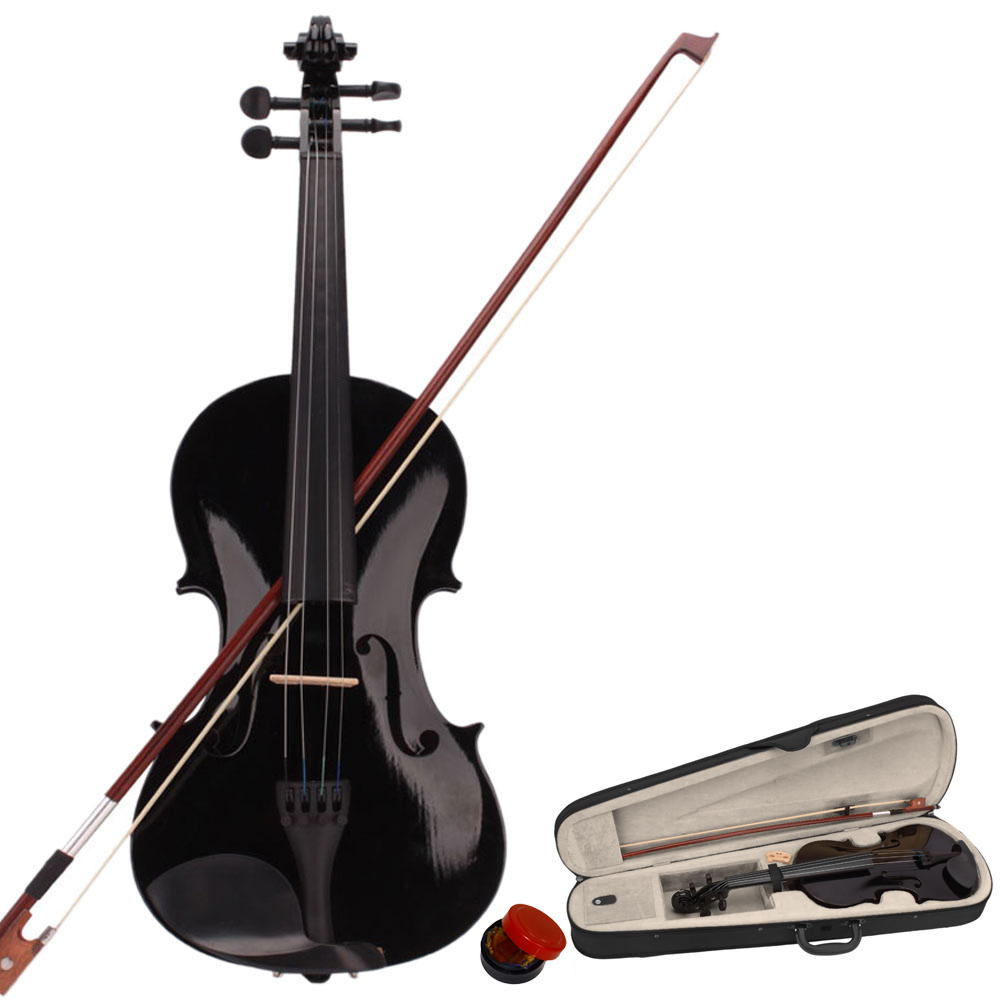 Black Acoustic Violin$78.99View on Mallflare
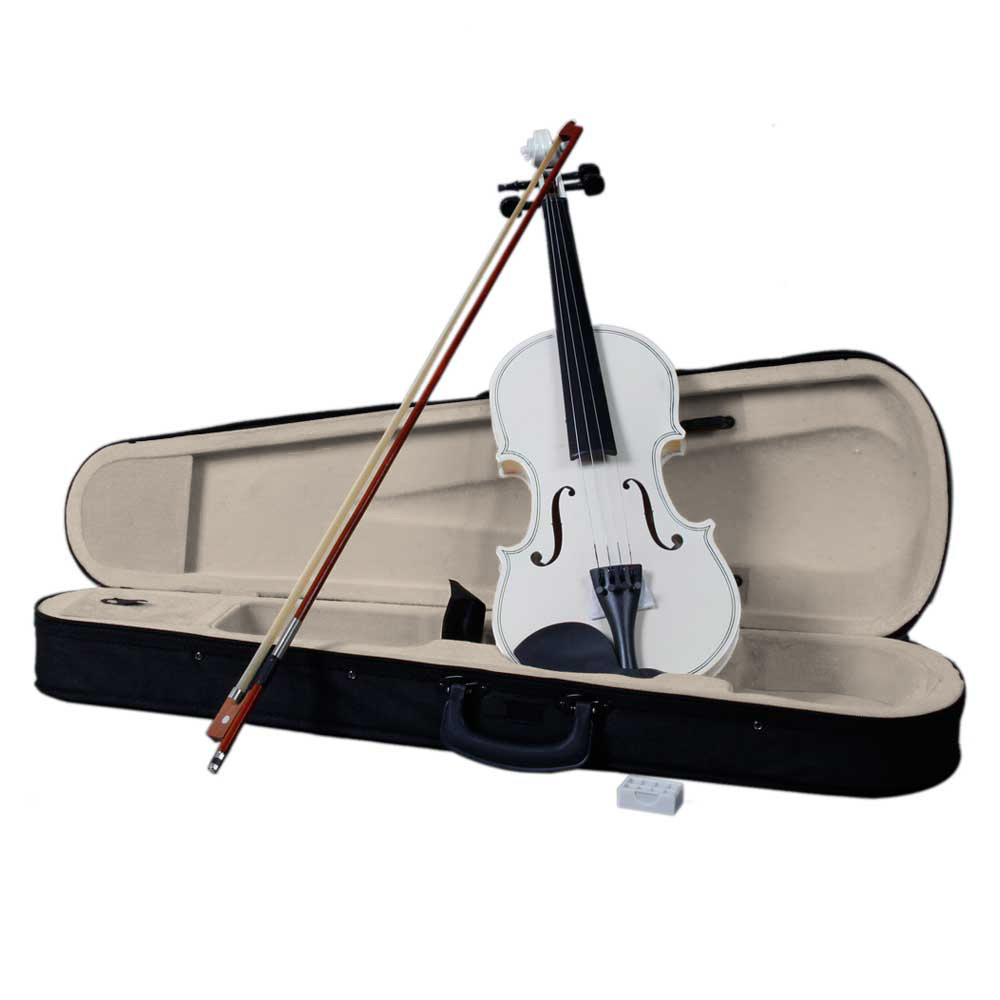 New 4/4 Acoustic Violin Case Bow Rosin White$80.99View on Mallflare
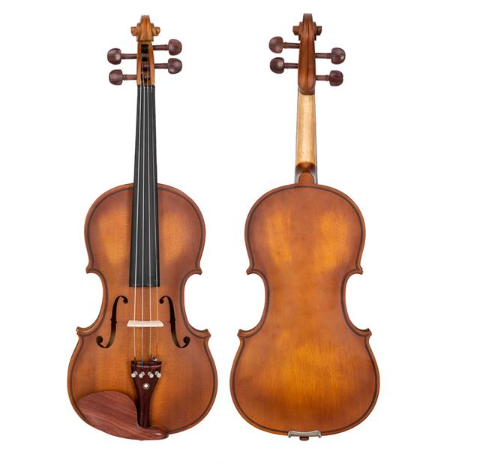 All Solid Wood Rosewood Accessories, Matte Natural Color Violin, Not Available For Sale In AM$83.99View on Mallflare
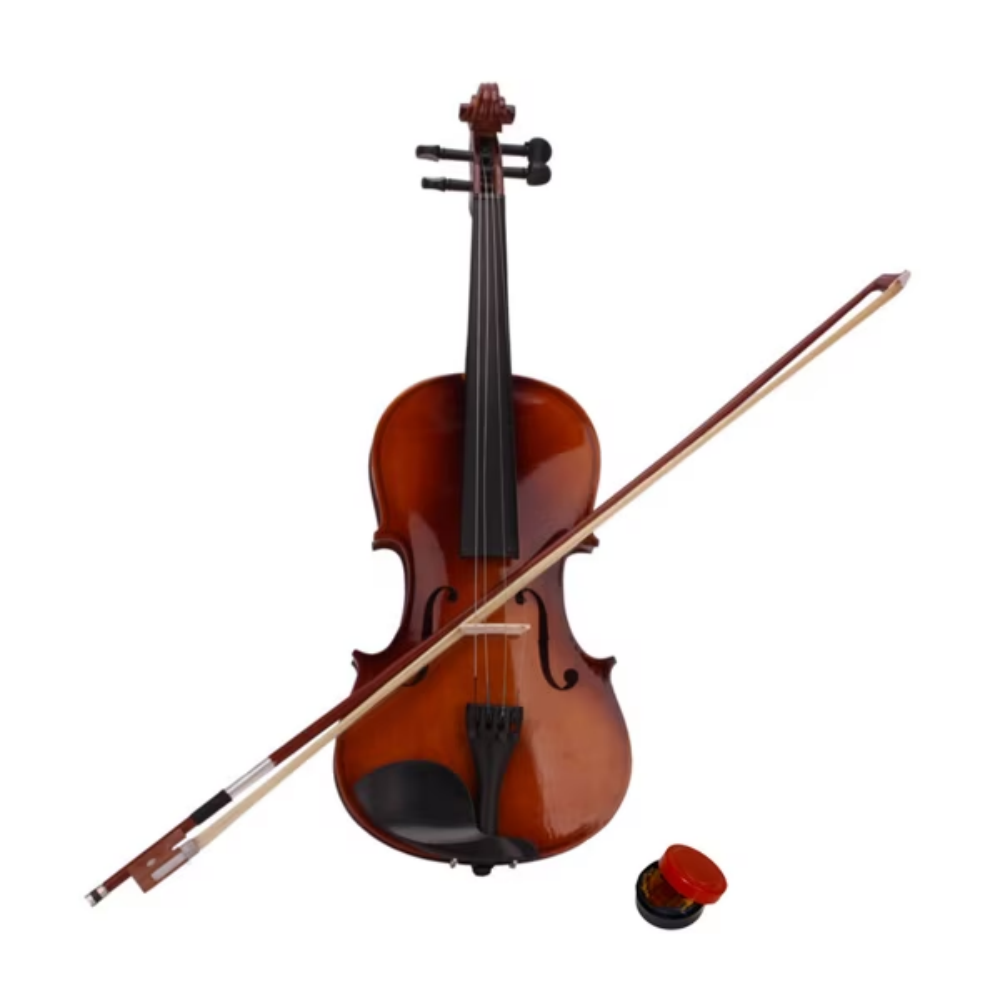 4/4 Full Size Acoustic Violin Set with Case, Bow, Rosin & Accessories$85.99View on Mallflare
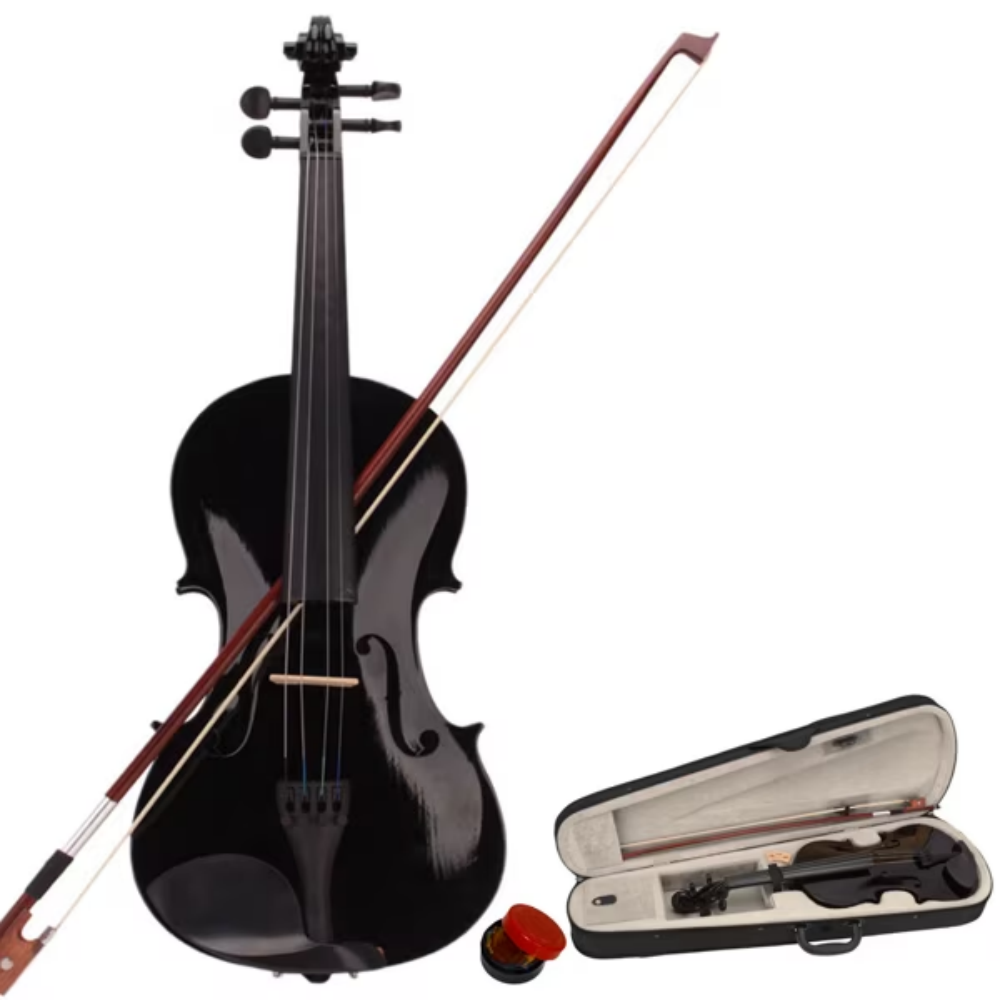 4/4 Full Size Acoustic Violin Set - Black with Hard Case, Bow, Rosin & Accessories for Adults & Beginners$85.99View on Mallflare
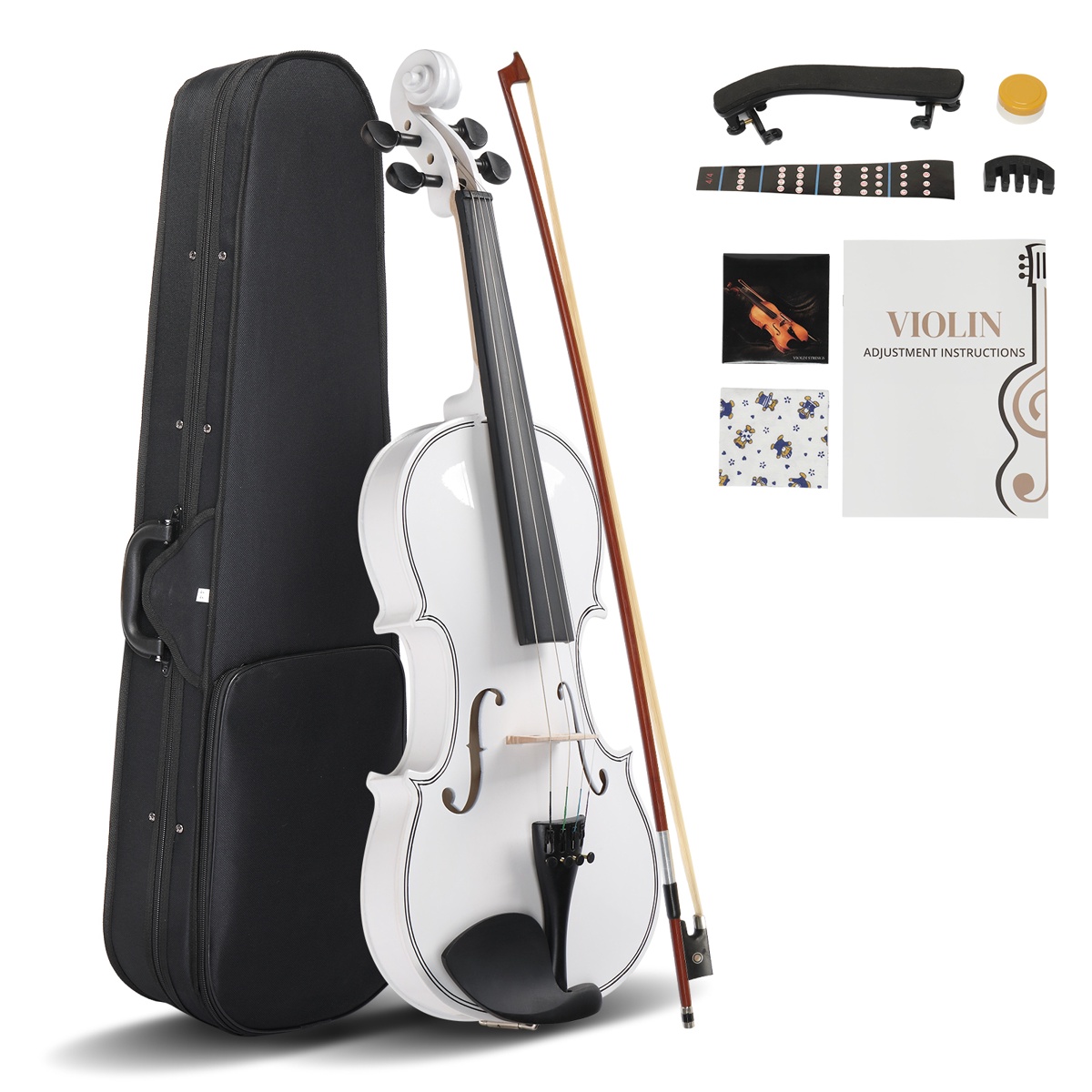 【Do Not Sell on AmazonFull Size 4/4 Violin Set for Adults Beginners Students with Hard Case,Violin Bow,Shoulder$86.99View on Mallflare
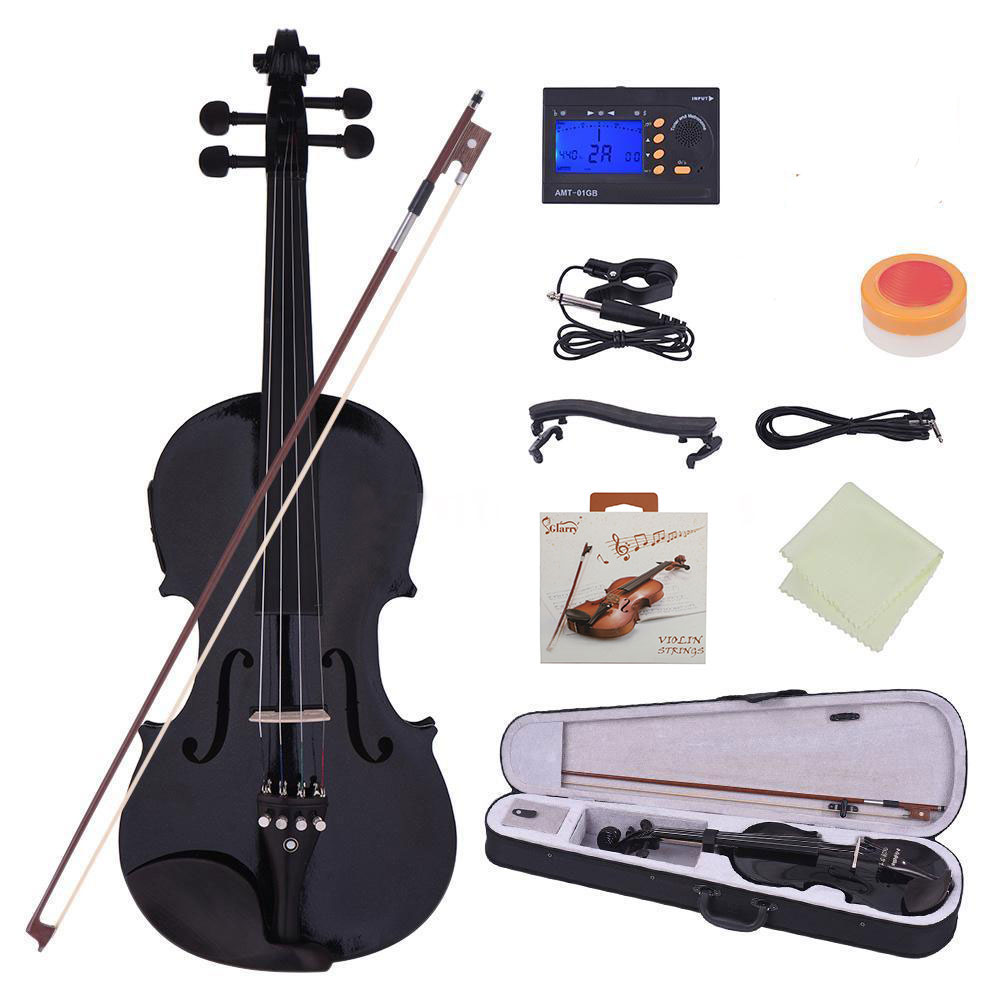 GV102 4/4 Solid Wood EQ Violin Case Bow Strings Shoulder Rest Electronic Tuner Connecting Wire Cloth Black$97.99View on Mallflare
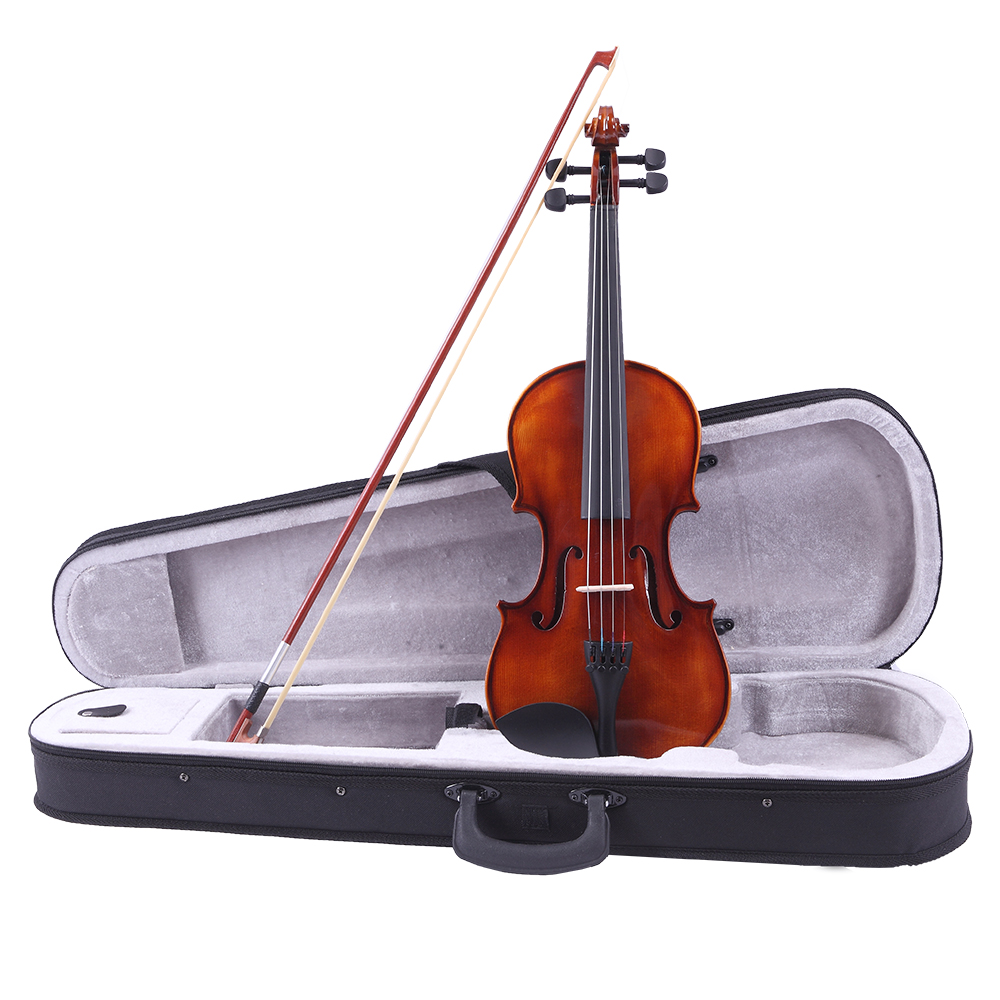 GV201 4/4 Classic Solid Wood Violin Case Bow Strings Rosin Shoulder Rest Electronic Tuner$99.99View on Mallflare
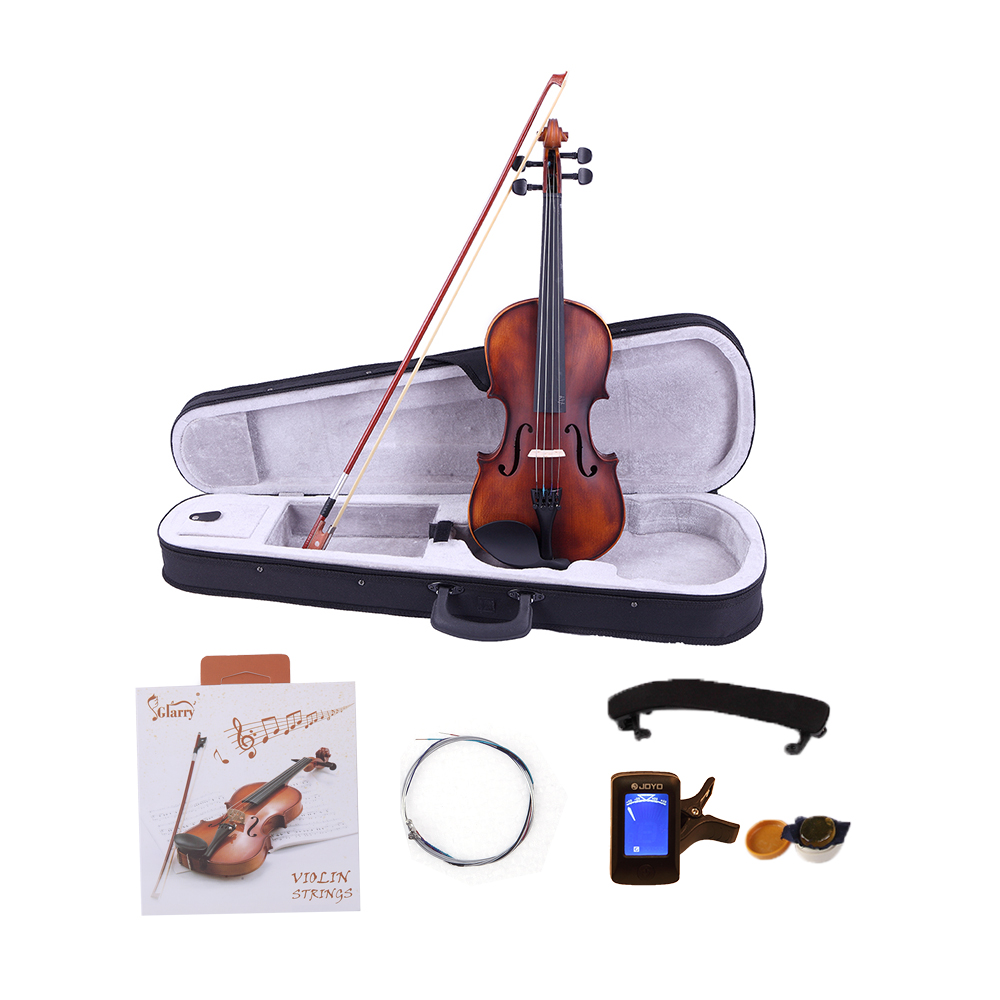 [Do Not Sell on Amazon] GV200 4/4 Classic Solid Wood Violin Case Bow Strings Rosin Shoulder Rest Electronic Tuner$103.99View on Mallflare
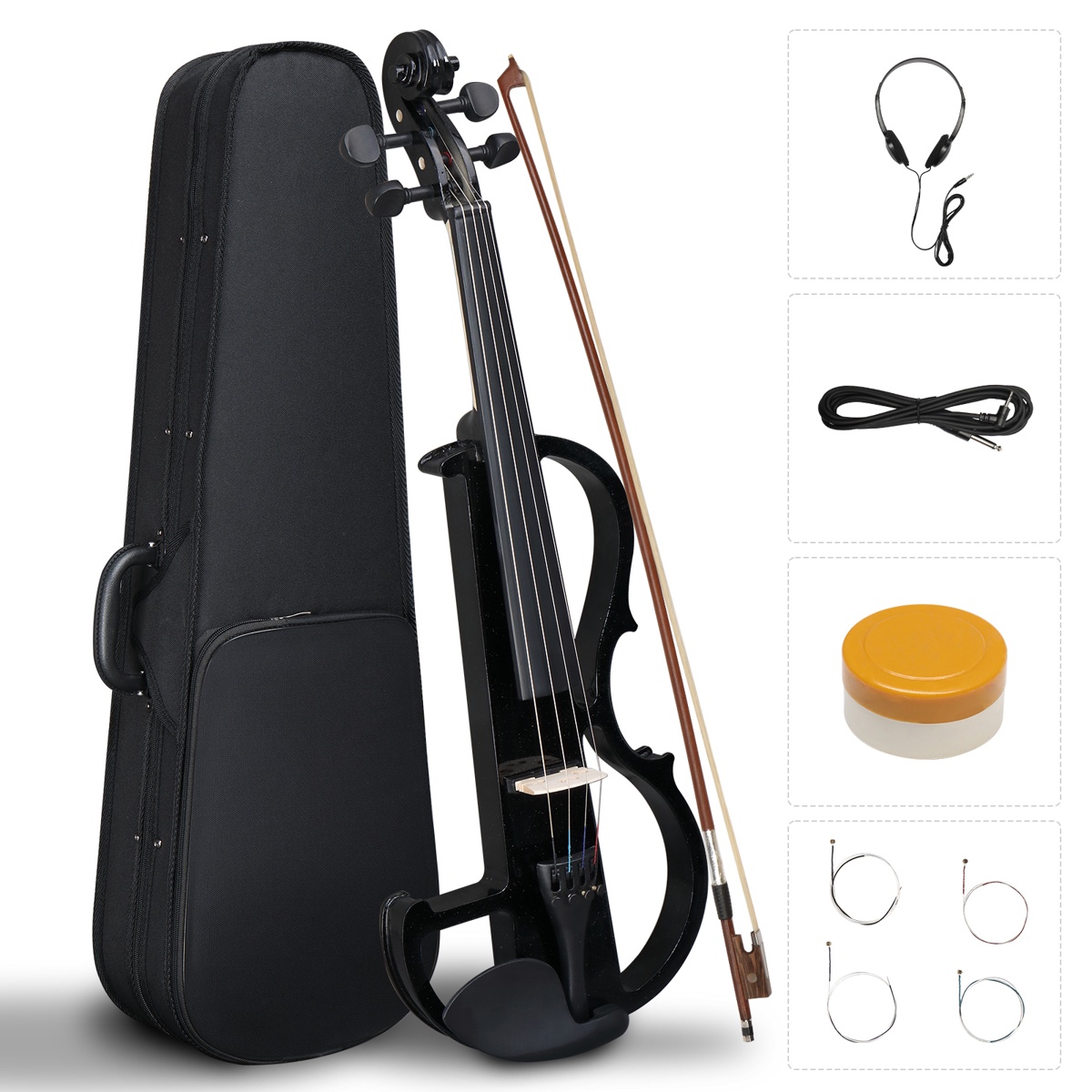 Full Size 4/4 Bunnel Edge Electric Silent Violin with Case Bow Rosin Headphone Connecting Line Black$104.99View on Mallflare
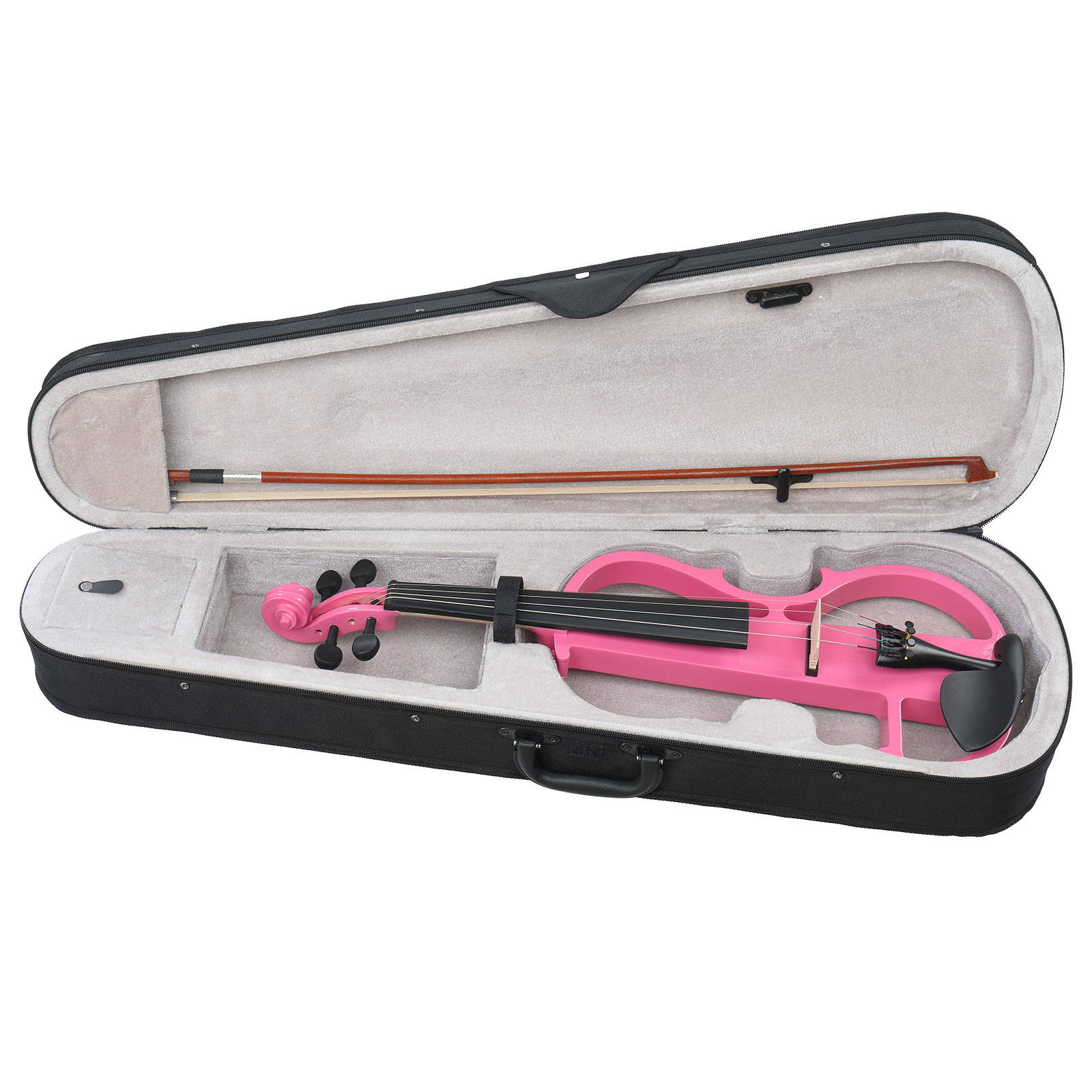 Electroacoustic No.1 Piano Painted Solid Wood Violin$106.99View on Mallflare
Highlights
- Carved solid spruce top and solid maple back/sides resonate and mature over decades; laminated or pressed plywood bodies sound damped and cannot be retuned acoustically.
- Fittings grade decides longevity: ebony fingerboard, pegs, and tailpiece resist wear; stained hardwood or plastic fittings wear oval and cause tuning slip within months.
- Size is matched to player arm length, not age: 4/4 for adults and teens 12+, 3/4 for ages 9-11, 1/2 for 7-8, 1/4 for 5-6, with fractional sizes down to 1/16 for young children.
- Setup quality—bridge fit, soundpost placement, nut and peg action—separates playable out-of-box instruments from wall hangers; factory-direct violins need a luthier setup that often costs as much as the instrument.
Best use cases
- Best fit: adult or teen beginners should choose a 4/4 carved solid spruce/maple outfit with ebony fittings and a properly fitted bridge—skip laminated pressed-wood sets that will not hold tune or tone.
- Best fit: growing children need the fractional size matching their arm length (1/4, 1/2, 3/4), upgraded every 12-18 months; wrong-fit instruments cause posture faults and discourage practice.
- Best fit: advancing players and performers should step up to hand-carved, graduated-top instruments with professional setup and a pernambuco or carbon-fiber bow; skip decorative colored or matte-finish novelty violins.
- Wrong fit: buying a full-size 4/4 for a small child or a laminated violin for a serious student—both waste money and stall progress; rent fractional sizes and invest in solid wood only at the correct size.
Buying tips
- Measure arm length from neck base to palm center: under 20 in = 1/4, 20-22 in = 1/2, 22-23.5 in = 3/4, 23.5 in+ = 4/4; size by reach, not by age.
- Insist on a carved solid spruce top with solid maple back and sides; laminated tops are identified by uniform grain running across the edge and a dull, closed tap tone.
- Check fittings material: ebony (black, dense, fine grain) outlasts stained hardwood (visible brown grain under black stain) and plastic, which oval and slip.
- Budget for a luthier setup on any factory-direct violin: bridge carving, soundpost fit, and peg fitting typically add a meaningful percentage to the instrument cost and are required for playability.
Specs
| Top Wood | Solid carved spruce vs laminated |
|---|---|
| Back & Sides | Solid maple vs pressed plywood |
| Fittings Material | Ebony vs stained hardwood / plastic |
| Size Range | 4/4 to 1/16 by arm length |
Related searches
What to check before buying
- Confirm the fractional size against the player's measured arm length and keep the case interior dimension matched to the violin body length.
- Verify the outfit includes a properly fitted bridge (not a loose blank), a bow with real horsehair, rosin, and a shaped case with hygrometer for humidity control.
- Check climate compatibility: solid wood violins need 40-60% relative humidity; dry climates require a case humidifier and avoid storing near heaters or direct sun.
- Confirm the bow specie and weight (approx. 60 g for 4/4) and that the shoulder rest or chin rest fits the player; fractional instruments need scaled-down accessories.
FAQ
Data sources: eBay / Amazon listings and product attribute feeds Data updated Nov 16, 2026.
Some links on this page are affiliate links. If you buy after clicking one, we may earn a commission at no extra cost to you. This does not change which products appear here or their order. Affiliate disclosure.