Photos from current listings. Actual item, color, and included accessories may vary.
Trumpet Buying Guide
A trumpet is a three-valve brass instrument where the bore, bell taper, and valve construction determine intonation, projection, and longevity. The core trade-off is between budget student horns with soft brass and loose tolerances versus step-up models with nickel-silver valves and precision-cut slides. The decision rule: any horn under 0.020-inch wall thickness with unplated valves is a short-term compromise, while 0.022-inch+ yellow brass with stainless or monel pistons is the durability floor for regular playing.


At a glance
- Category
- Brass, Woodwind & Strings
- Data updated
- Nov 16, 2026
Current offers
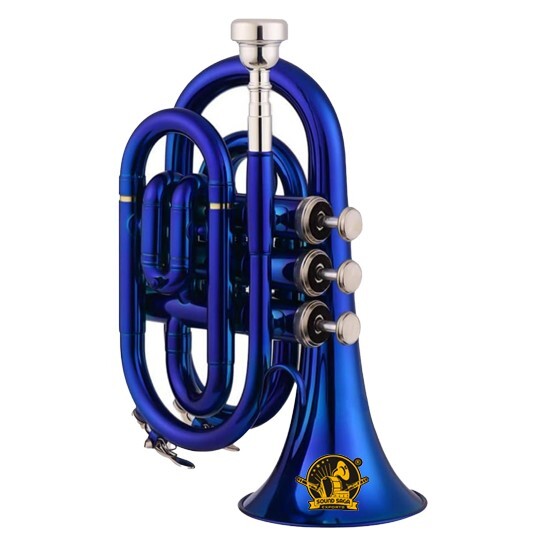 SOUND SAGA® Pocket Trumpet With All Accessories Including Mouthpiece & Case.$149.00
 View on eBay
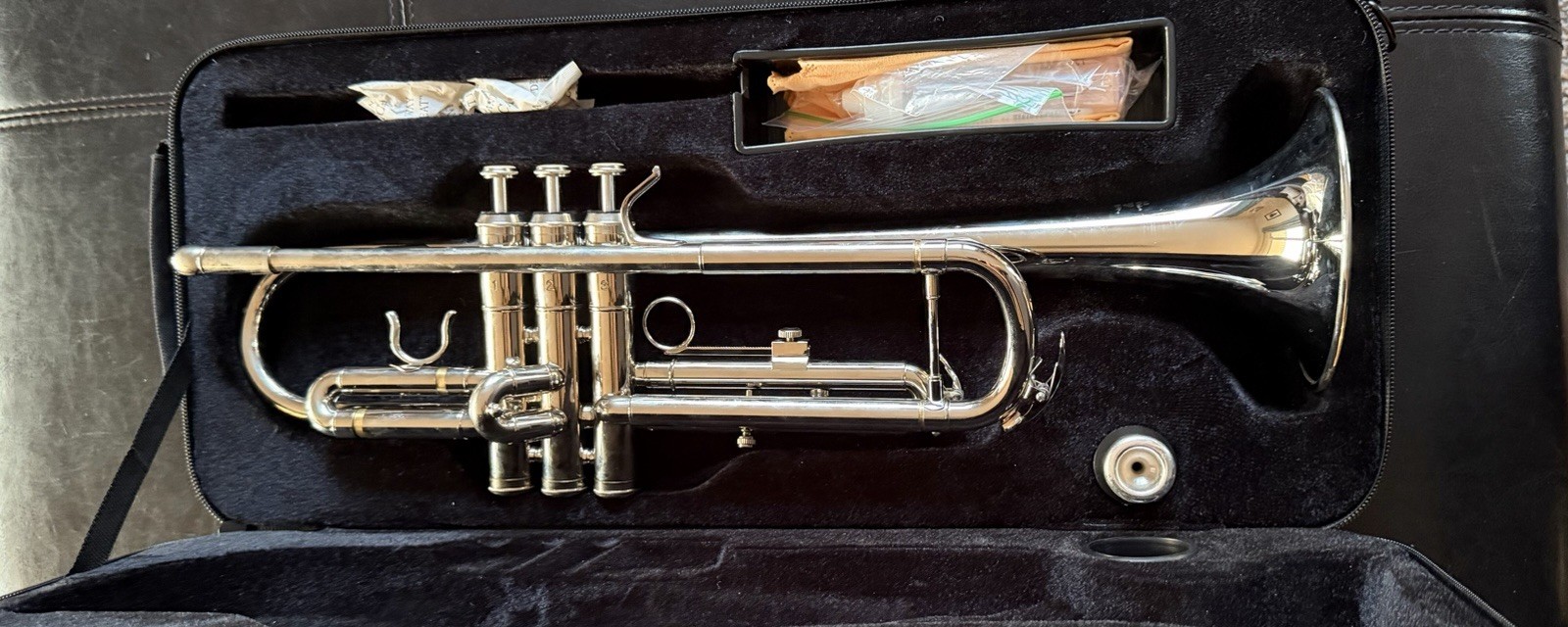 Eastar Silver Bb Trumpet New Open Box w/ Case Mouthpiece Accessories$149.99View on eBay
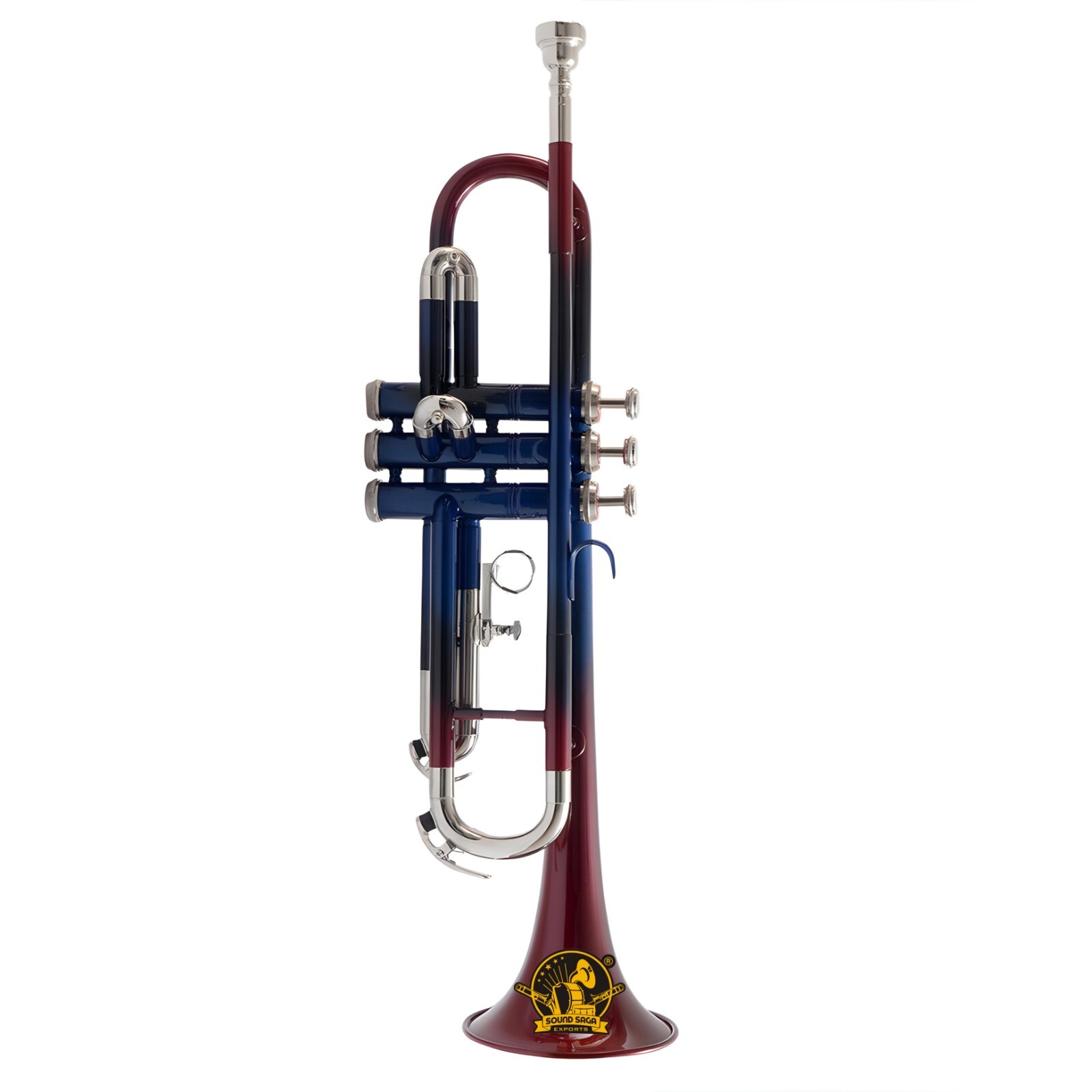 SOUND SAGA® Trumpet BB With All Accessories Including Mouthpiece & Case.$159.00View on eBay
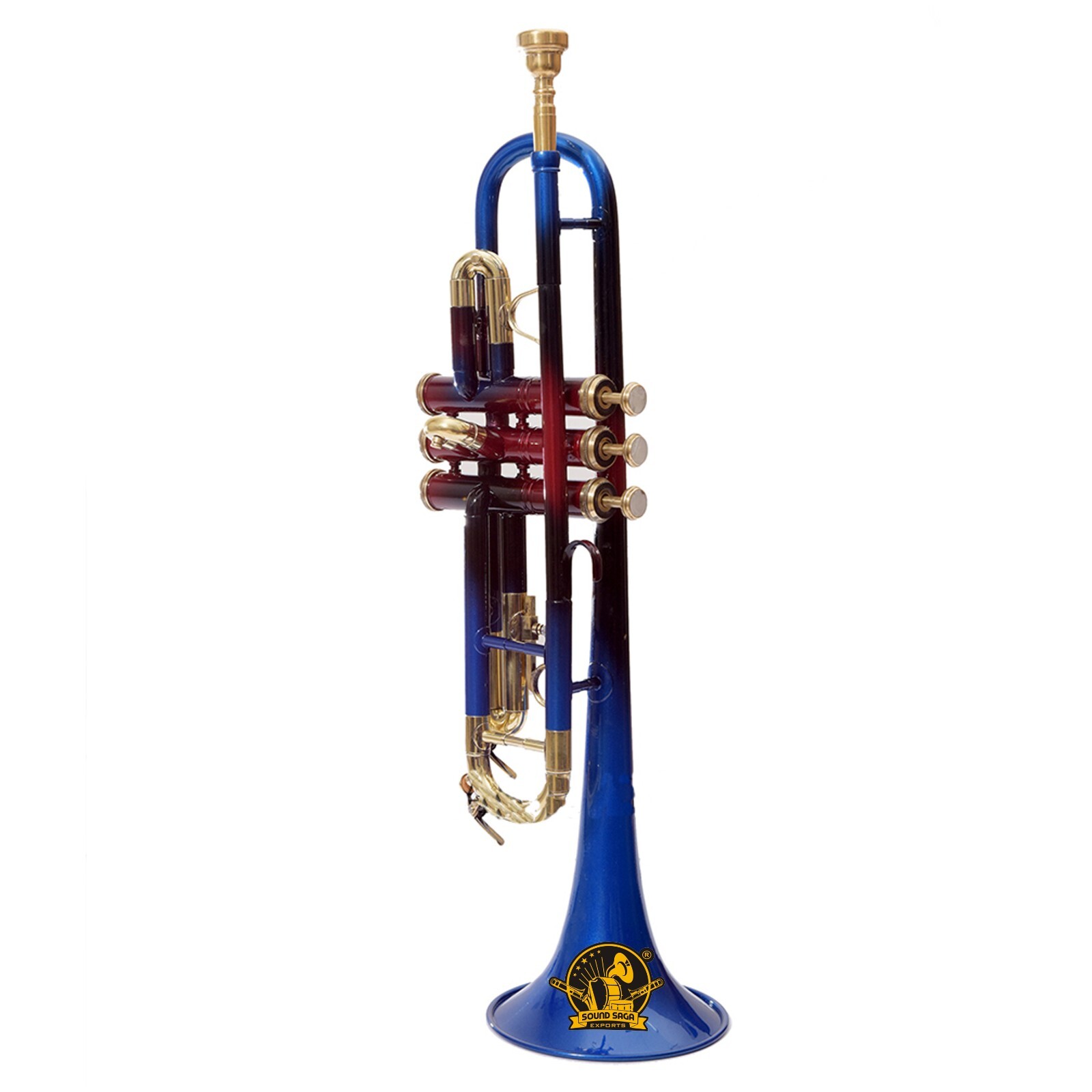 SOUND SAGA® Galaxy Model Trumpet With All Accessories Including Mouthpiece Case.$169.00View on eBay
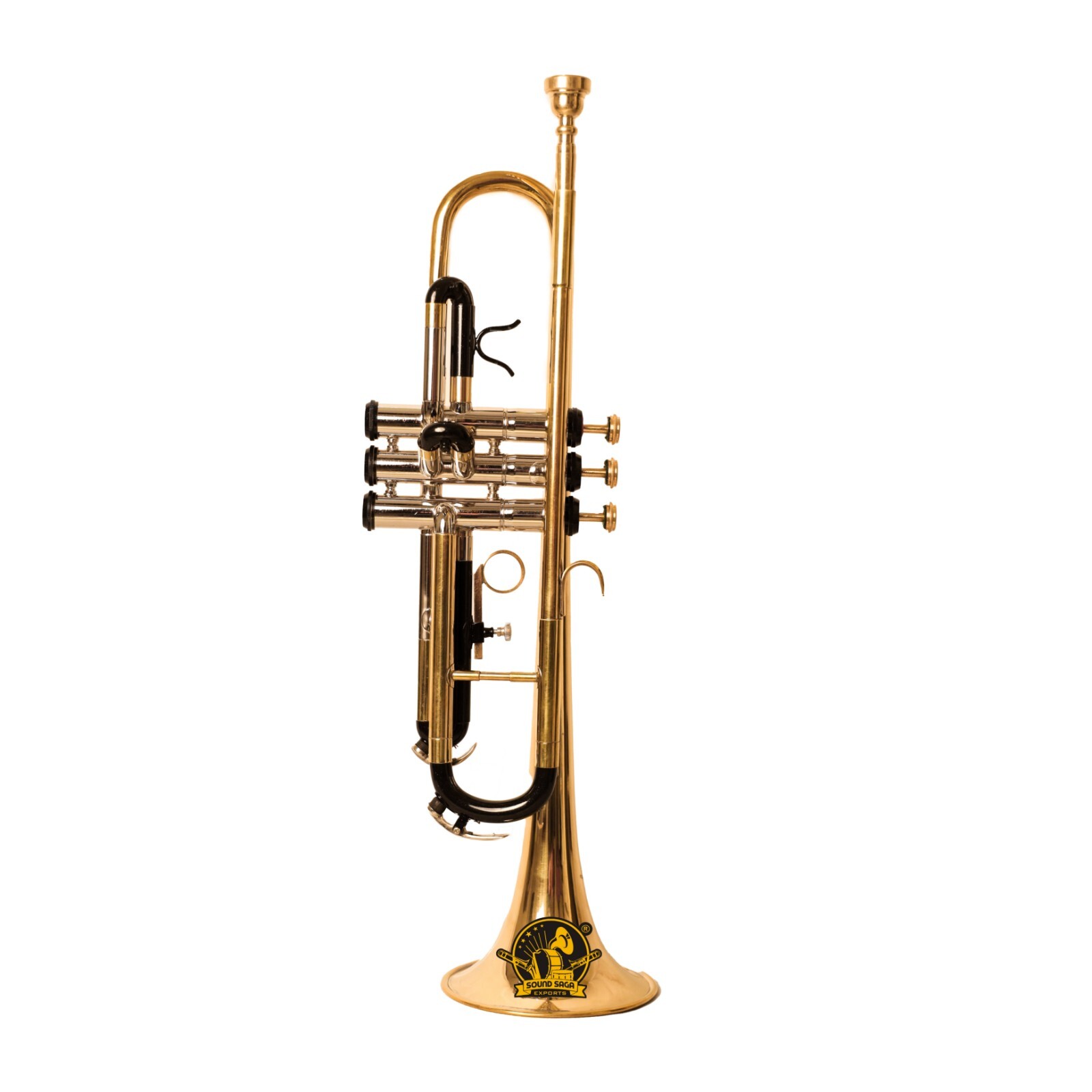 SOUND SAGA® Galaxy Model Trumpet With All Accessories Including Mouthpiece Case.$179.00View on eBay
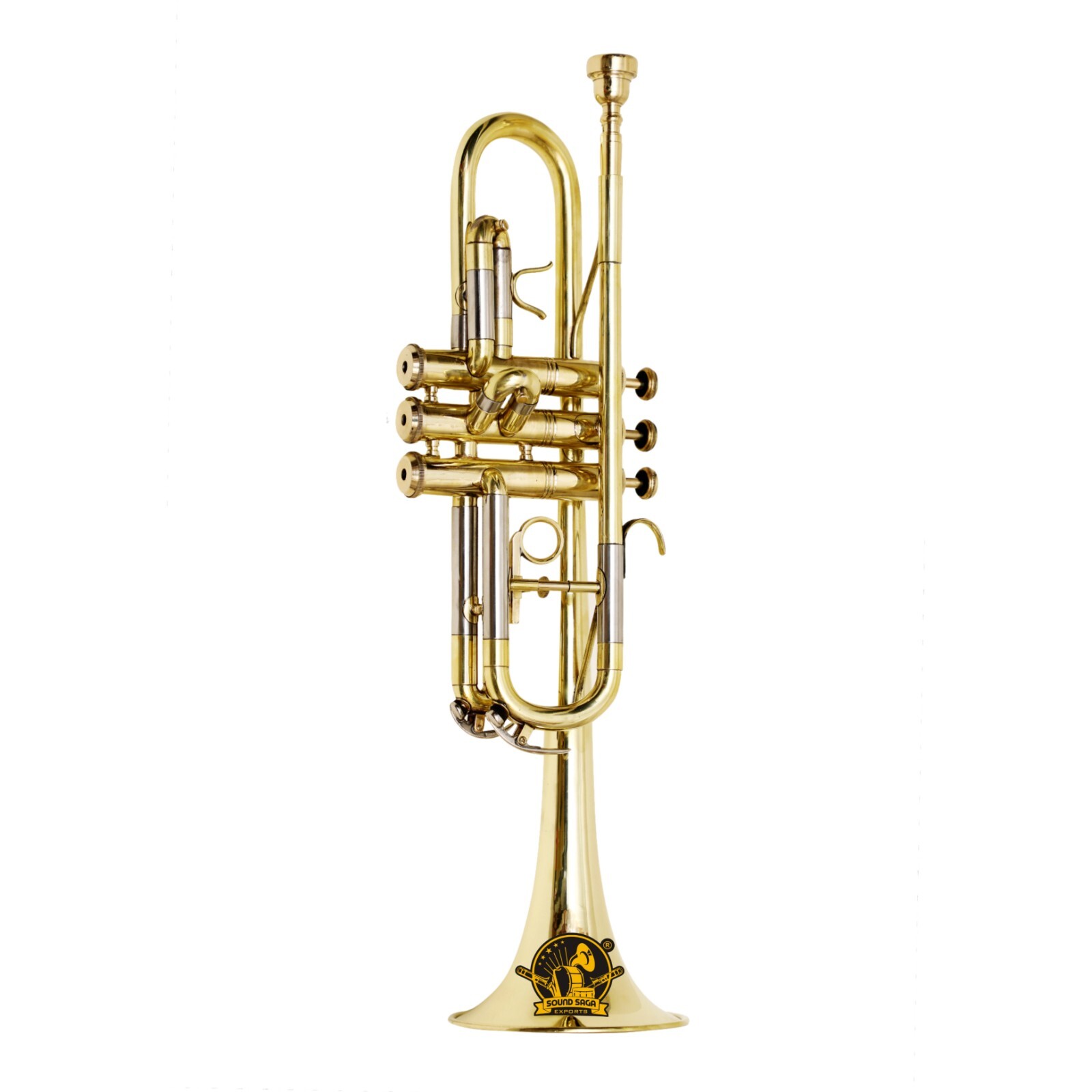 SOUND SAGA® C Pitch Trumpet With All Accessories Including Mouthpiece & Case.$179.00View on eBay
Highlights
- Yellow brass bell (70/30 alloy) at 0.020-0.025 inch wall thickness resists dents and gives brighter projection; red brass (85/15) darkens tone for jazz but dents more easily.
- Stainless steel or monel piston valves last 3-5x longer than nickel-plated brass pistons and hold compression; unplated brass valves wear oval within months of daily practice.
- Bb is the standard pitch for all method books and ensemble work; C trumpets are orchestral/transposing tools that require different fingerings and should not be a first horn.
- Pocket trumpets use a shortened bell and tighter wrap for portability but suffer intonation and stuffy tone above the staff—they are practice or travel tools, not concert instruments.
Best use cases
- Best fit for a beginner: standard Bb trumpet in yellow brass with stainless pistons, 0.459-inch bore, and a 4.8-5.0 inch bell—skip pocket or C models as a first instrument.
- Best fit for a traveling or space-limited player: pocket trumpet with case, but accept sharp intonation and reduced low-register resonance—skip it for concert band or recording work.
- Right fit for orchestral or church transposition: C trumpet with the same valve quality as your Bb, not a budget C—wrong fit as a primary student horn because method books and band parts are in Bb.
Buying tips
- Match bore to role: 0.459 inch (medium-large) is the all-purpose student/band standard; 0.462+ inch large bore suits orchestral players with developed air support, and 0.445 inch small bore favors jazz lead work.
- Set a minimum valve spec: stainless steel or monel pistons with nickel-silver valve casings—nickel-plated brass pistons are the first part to fail on sub-tier horns.
- Budget for a mouthpiece upgrade: most bundled 7C-style mouthpieces are playable, but a Bach 7C or 5C equivalent in the same shank size improves response more than any accessory.
- Confirm bell material before buying: two-piece yellow brass bells are standard; one-piece or red brass bells are step-up features, and any 'gold' or 'silver' finish is plating over brass, not solid metal.
Specs
| Pitch / Key | Bb standard / C orchestral |
|---|---|
| Bore Size | 0.445-0.462 in (0.459 std) |
| Bell Diameter | 4.8-5.0 in (student std) |
| Valve Material | Stainless/monel vs plated brass |
Related searches
What to check before buying
- Measure your case space: a standard trumpet case is roughly 22 x 10 x 8 inches, while a pocket trumpet case is about 14 x 9 x 6 inches—confirm shelf or backpack fit before choosing a pocket model.
- Check valve casing material and finish in the listing photos: nickel-silver casings resist wear; painted or lacquered-over brass casings with visible seams signal a short-lifespan horn.
- Verify the instrument ships with a mouthpiece and case—bare horns require both, and a missing case adds significant replacement cost and shipping risk.
- Confirm the pitch designation (Bb vs C) and that the tuning slide has enough travel for A=440 Hz; C trumpets are not a substitute for Bb in school or band settings.
FAQ
Data sources: eBay / Amazon listings and product attribute feeds Data updated Nov 16, 2026.
Some links on this page are affiliate links. If you buy after clicking one, we may earn a commission at no extra cost to you. This does not change which products appear here or their order. Affiliate disclosure.