Choosing recording studio gear can come down to a simple question: do you need a microphone listing centered on wireless connectivity, or do you want one specifically identified as a condenser for studio recording? The RODE Wireless GO and RODE NT-USB Mini are both used RODE audio equipment listed as suitable for recording, but their stated formats point toward different priorities.
Quick verdict
Choose the RODE Wireless GO Microphone when wireless connectivity is the deciding requirement. It has the lower listed price, and its Wireless GO model and product line make it the more direct fit for a recording setup where that connection type matters.
Choose the RODE NT-USB Mini Microphone when the listed condenser form factor and studio-recording use matter more to your decision. Its listed price is $32.72 higher, but it is the only option here explicitly described as a condenser and as intended for studio recording.
At-a-glance comparison
| Microphone | Listed recording focus | Included item | Listed price |
|---|---|---|---|
| RODE Wireless GO Microphone | Wireless connectivity; suitable for recording | TM-10L | USD 139.05 |
| RODE NT-USB Mini Microphone | Condenser form factor; studio recording | PSA1 | USD 171.77 |
Where each microphone wins
RODE Wireless GO: the wireless-focused choice
The Wireless GO stands apart because wireless connectivity is directly listed. That makes it the clearer choice for shoppers who have already decided that a wireless microphone is the format they want for recording. It is also the lower-priced option in this two-microphone comparison. The included TM-10L is another concrete part of its listed configuration.
This is the more focused pick when the words "Wireless GO" and "wireless" align with your setup. Both options are used RODE microphones suitable for recording, so the deciding distinction is not the broad category-it is the connection emphasis.
RODE NT-USB Mini: the condenser studio-recording choice
The NT-USB Mini is the clear match for a shopper seeking the condenser designation in the listing. Its attributes pair that form factor with "Studio Recording," giving it a more specifically stated studio-oriented role than the Wireless GO listing. The PSA1 is listed with the microphone, which also distinguishes its included-item configuration.
Pick this model when the NT-USB Mini name, condenser form factor, and studio-recording use are the features you want to prioritize. Its higher listed price is the main trade-off against the Wireless GO.
Product notes
RODE Wireless GO Microphone Professional Used Audio Gear Home Studio Equipment
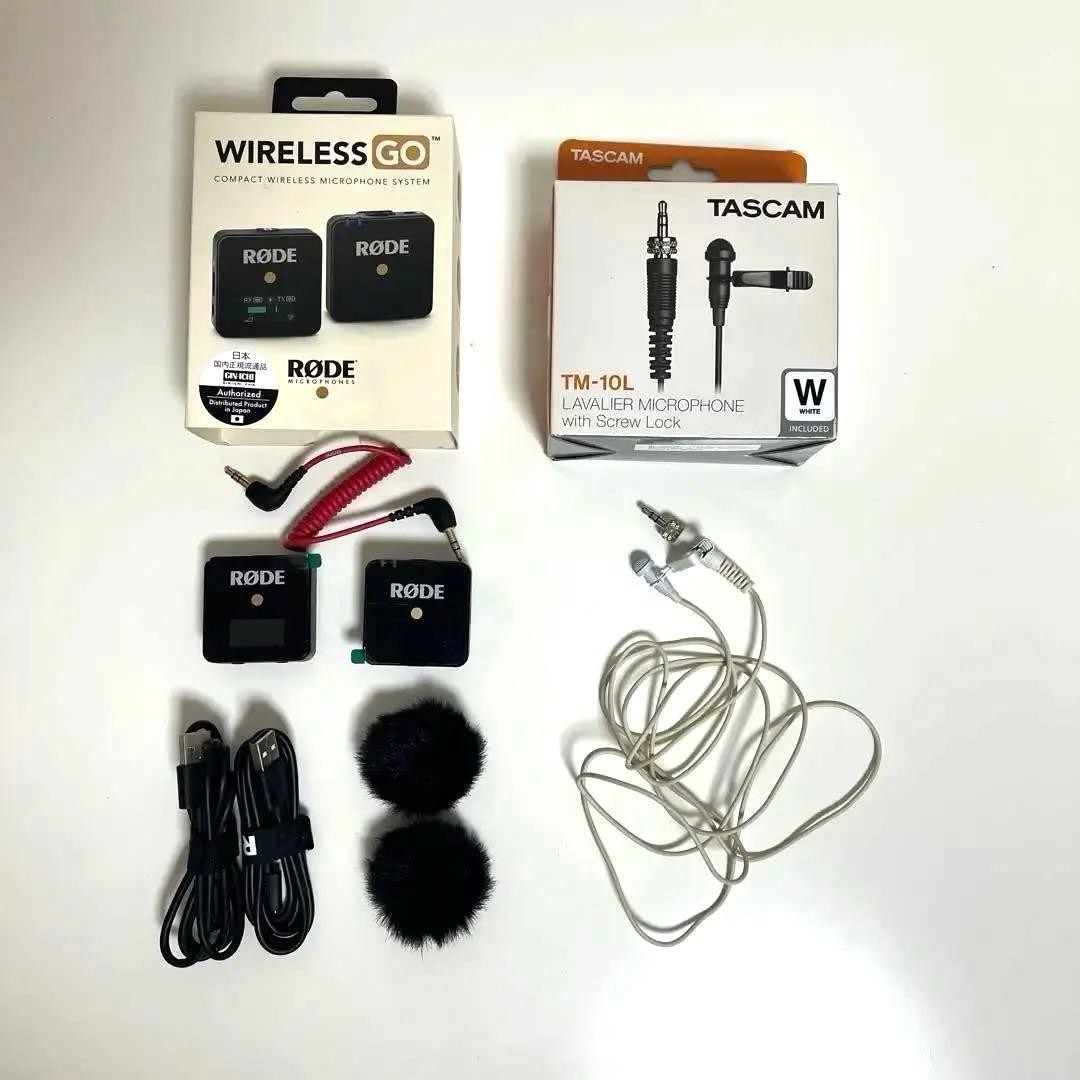
The strongest reason to choose the RODE Wireless GO is straightforward: it is the only microphone in this comparison with Wireless listed as its connectivity. For a shopper narrowing the field specifically around wireless recording gear, that makes the decision direct rather than speculative. It is also identified as the Wireless GO model and product line, and it is listed as suitable for recording. The TM-10L is included in the stated configuration. Its limitation is that the form factor is listed as NA, while the competing NT-USB Mini is explicitly identified as a condenser. Choose the Wireless GO when wireless connectivity carries more weight in your recording-studio decision than a listed condenser form factor.
RODE NT-USB Mini Microphone Professional Used Audio Gear Home Studio Equipment
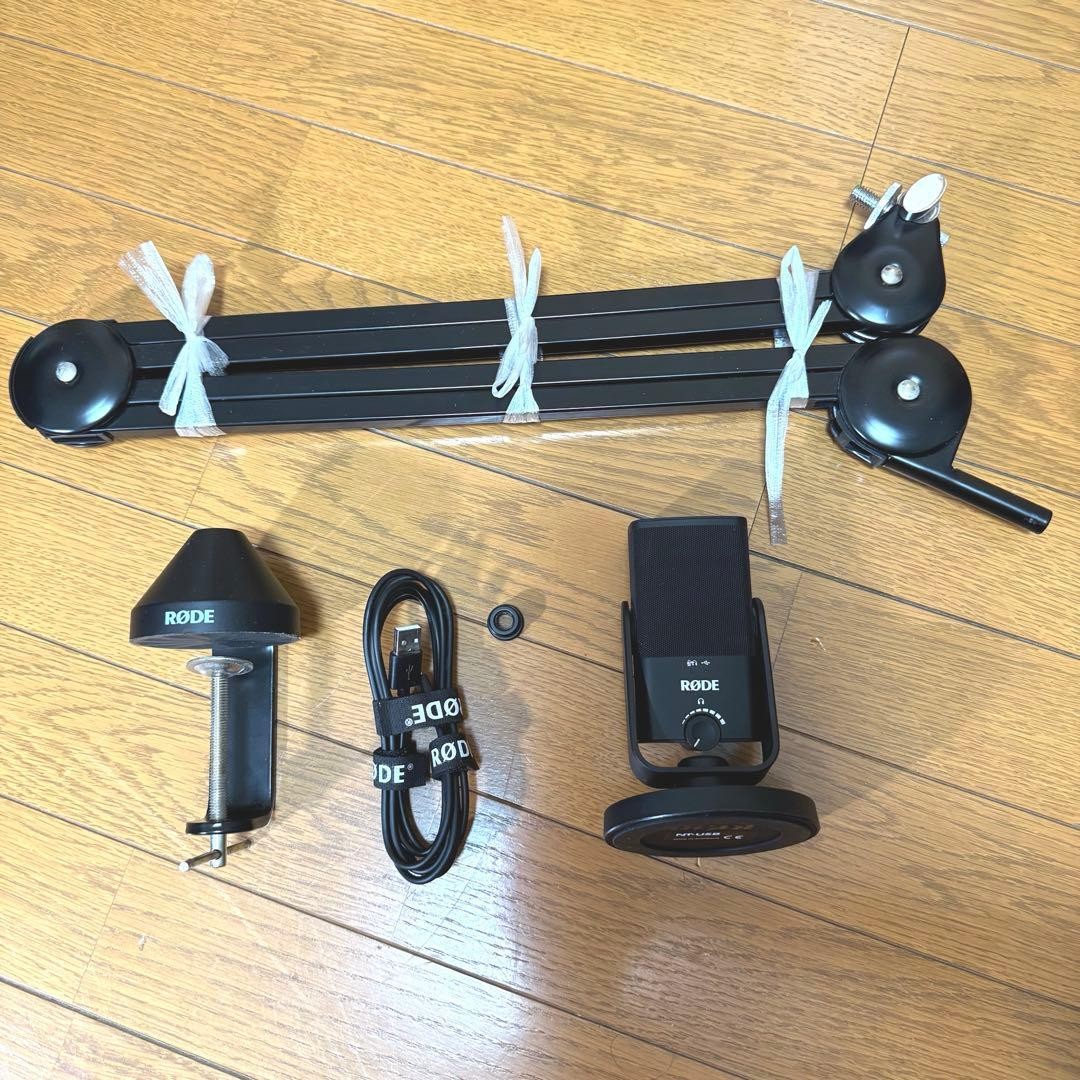
The RODE NT-USB Mini is the better match when you want the microphone listing to explicitly say Condenser and Studio Recording. Those two details make its intended role especially clear for a studio-oriented recording choice. It is also identified consistently as the NT-USB Mini model and product line, with PSA1 listed among the included items. Like the Wireless GO, it is used RODE audio equipment and is suitable for recording. The limitation is its position at the higher listed price in this head-to-head. Select the NT-USB Mini when the condenser designation is central to your plan and you prefer the listing's specific studio-recording focus over wireless connectivity.
Final choice by use case
For a wireless recording priority, choose the RODE Wireless GO Microphone. Its stated wireless connectivity is the clearest differentiator, and it carries the lower listed price.
For a condenser-based studio-recording priority, choose the RODE NT-USB Mini Microphone. Its listed condenser form factor and studio-recording use give it the more specific fit for that direction. The choice is ultimately between the Wireless GO's connection type and the NT-USB Mini's stated microphone format.