Choosing between these two microphones accessories comes down to a basic setup question: do you need to connect a microphone, or do you need the microphone itself? The Pro Co Sound Ameriquad is a dedicated Lo-Z XLR cable, while the 1990's Audio Technica Pro 1 is a vintage dynamic cardioid microphone. Their listed prices are only $10.78 apart, but they solve entirely different parts of a sound setup.
Quick verdict
Pick the Pro Co Sound Ameriquad 20' XLR (M) to XLR (F) Lo-Z Microphone Cable when a 20-foot microphone cable is the immediate need, particularly for settings where high RFI fields may be a noise concern. Pick the 1990's Audio Technica Pro 1 dynamic cardioid microphone Lo Z w accessories AKG when the priority is adding a microphone for vocal or karaoke use.
There is no single overall winner because a cable and a microphone are not interchangeable. Start with the missing component in your setup.
At-a-glance comparison
| Product | Listed price | Category and format | Choice-shaping detail |
|---|---|---|---|
| Pro Co Sound Ameriquad 20' XLR (M) to XLR (F) Lo-Z Microphone Cable | USD 58.08 | Microphone accessory cable | 20-foot Lo-Z cable with XLR male-to-XLR female ends |
| 1990's Audio Technica Pro 1 dynamic cardioid microphone Lo Z w accessories AKG | USD 47.30 | Vintage microphone | Audio Technica Pro 1 with a dynamic cardioid design and Lo Z designation |
Where each product wins
Pro Co Sound Ameriquad 20' XLR (M) to XLR (F) Lo-Z Microphone Cable
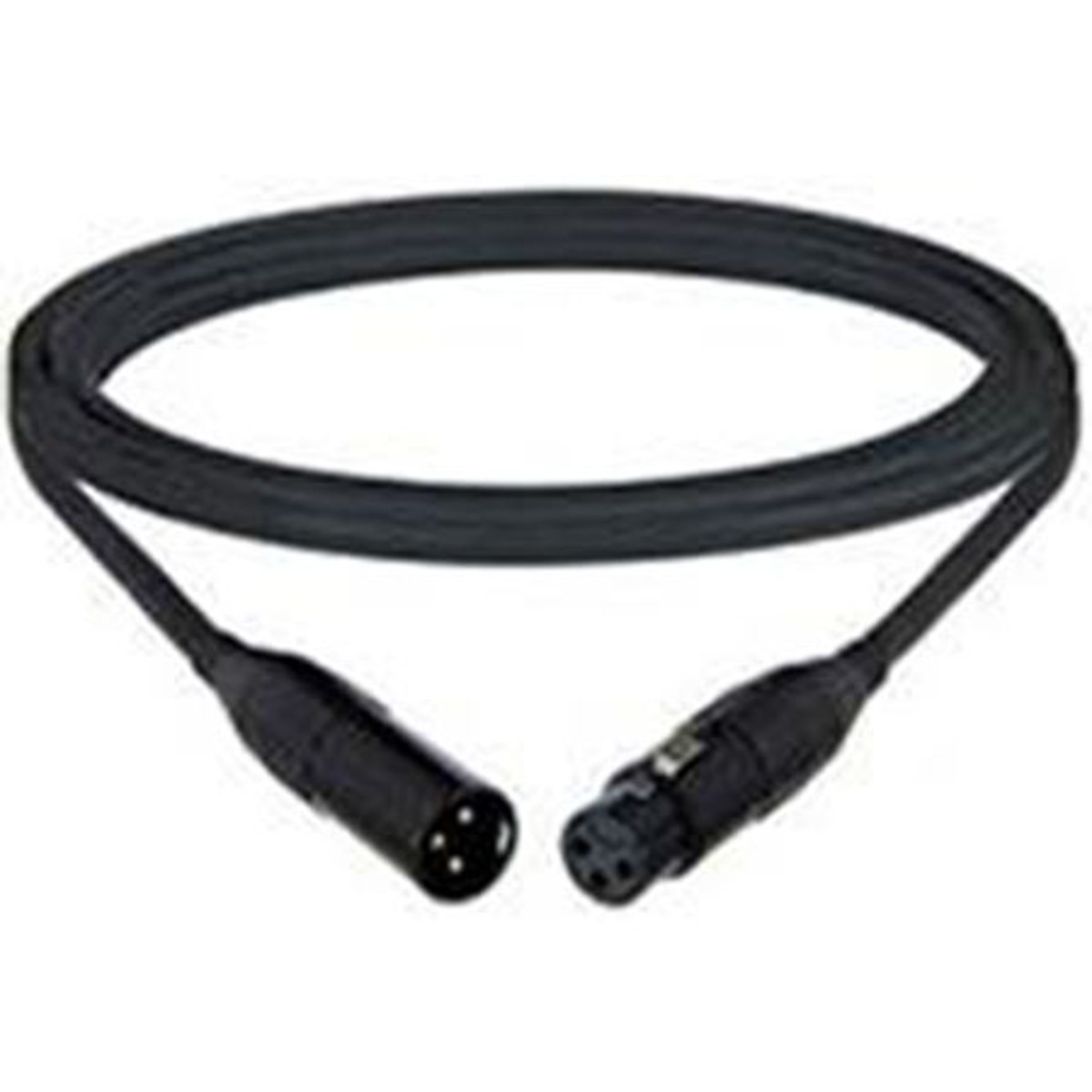
The Pro Co option wins when the task is cable-focused. Its description specifically addresses church systems, touring sound systems, and other environments where high RFI fields may present a noise problem. It also states 20 dB of additional noise reduction compared with 2-wire configurations. That makes the cable the more direct choice for building out a microphone signal path rather than selecting the sound source.
1990's Audio Technica Pro 1 dynamic cardioid microphone Lo Z w accessories AKG
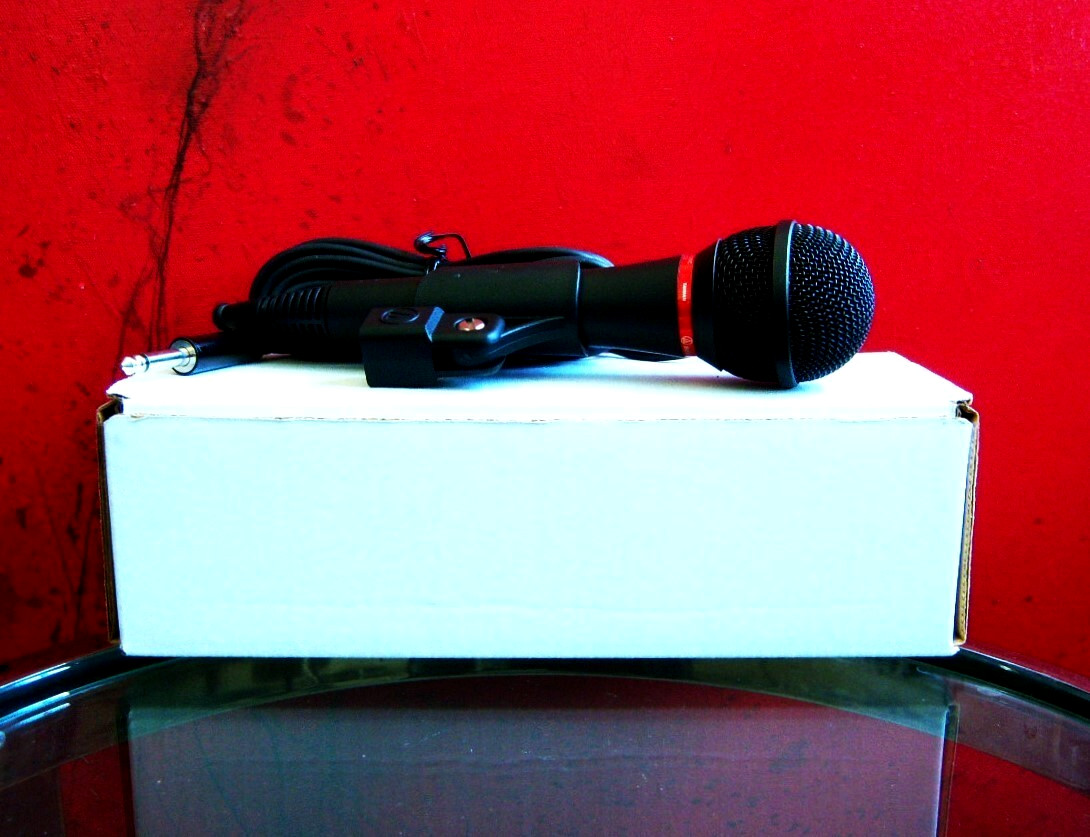
The Audio Technica wins when an actual microphone is needed. Its description identifies karaoke as a fitting use, while its dynamic cardioid format suits a shopper seeking a microphone rather than a connection accessory. The 1990's-era identity also makes it the relevant choice for someone specifically looking for a vintage Audio Technica Pro 1 model.
Product notes
Pro Co Sound Ameriquad 20' XLR (M) to XLR (F) Lo-Z Microphone Cable
Choose the Pro Co Sound Ameriquad when you need the specified 20-foot Lo-Z microphone cable with XLR male and XLR female connectors. Its stated focus on high-RFI environments gives it a clear role in church and touring sound contexts, and the comparison to 2-wire configurations makes noise reduction a central part of its design description. This is the more targeted pick when your existing microphone setup needs a cable component. The limitation is just as clear: it is categorized as Microphone Accessories rather than as a microphone, so it does not address a need for a vocal mic. Its listed price is the higher of the two options.
1990's Audio Technica Pro 1 dynamic cardioid microphone Lo Z w accessories AKG
The Audio Technica Pro 1 makes sense when the goal is to add a microphone, especially for karaoke use mentioned in its description. It is identified as a dynamic cardioid, Lo Z model with an 80-12,000 Hz frequency response, and the description characterizes its construction as all metal with a flat black finish. Those details give it a defined vintage-microphone identity rather than a cable-only role. The tradeoff is that it addresses the microphone side of a setup, not the cable side; it is not a substitute for a 20-foot XLR microphone cable. Its listed price is the lower of the two options.
Final choice by use case
- Choose the Pro Co Ameriquad cable for a dedicated 20-foot Lo-Z XLR microphone connection, especially in the church-system or touring-sound situations named in its description.
- Choose the Audio Technica Pro 1 when you need a vintage dynamic cardioid microphone and karaoke is part of the intended use.
- Choose based on the component you need first: the Pro Co addresses the cable run, while the Audio Technica addresses microphone capture.