Choosing audiophile over-ear headphones can come down to a narrow tradeoff: two similar wired studio models share core audio specifications, but their use cases are framed differently. One emphasizes hands-on studio handling, while the other highlights broad device use and technical support. Because the prices are close, your workflow matters more than a small price difference.
Quick verdict
Choose the $22.89 model if its physical studio-handling details match your routine. Choose the $21.05 model if you prioritize the lower price and the device-oriented emphasis. Both are wired over-ear headphones with 50mm dynamic drivers, detachable cables with integrated microphones, and black configurations. Those shared traits do not separate them; the meaningful choice is how each model frames studio use.
At a glance
| Comparison point | Rotating-cup model | Multi-device model |
|---|---|---|
| Listed price | USD 22.89 | USD 21.05 |
| Price difference | USD 1.84 higher | USD 1.84 lower |
| Audio driver | 50mm dynamic driver | 50mm dynamic driver |
| Cable | Detachable cable with integrated microphone | Detachable cable with integrated microphone |
| Color | Black | Black |
Where each product wins
- Rotating-cup design: The $22.89 model wins when physical studio handling is the deciding criterion. Its described workflow makes it the more natural fit for shoppers focused on hands-on monitoring sessions.
- Multi-device model: The $21.05 model wins on price, with an absolute spread of $1.84 between the two. That makes it the straightforward tie-breaker when physical handling is not the priority.
Product notes
Wired Over Ear Headphones with 50mm Drivers - Rotating-Cup Design
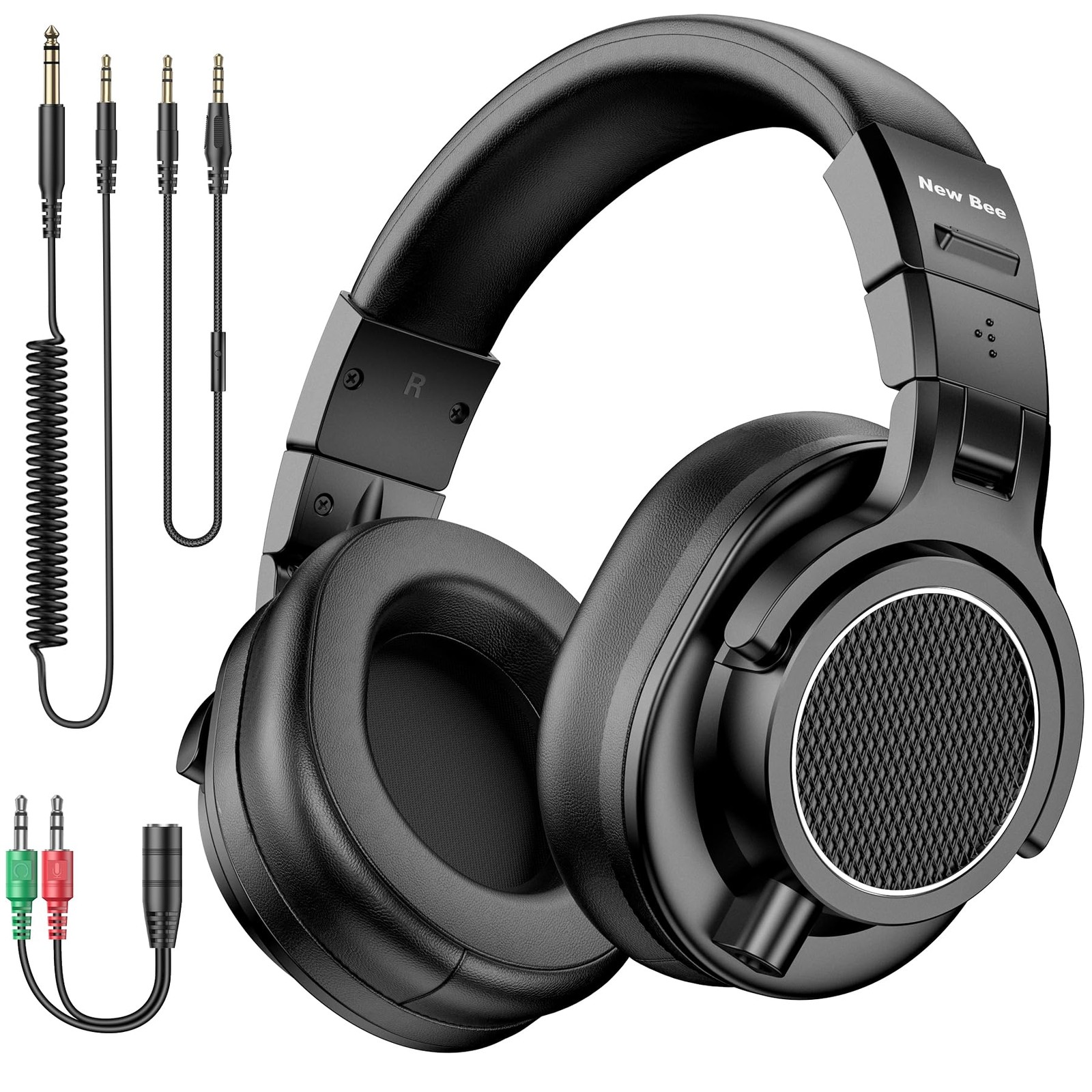
The rotating-cup model is the choice for a hands-on studio routine. Its description gives concrete handling details: 90° rotating ear cups for single-ear monitoring, an adjustable headband, foldable hinges, and a 210 g build. The over-ear design is also described as providing passive noise reduction. Those points align with DJ or sound-engineering use and make the physical design the main reason to select it. The limitation is equally clear: connectivity is wired, so it is not suited to a wireless-listening brief. Choose it when the rotating-cup and foldable-hinge details matter more than the other model's device-oriented support wording.
Wired Over Ear Headphones with 50mm Drivers - Multi-Device Model
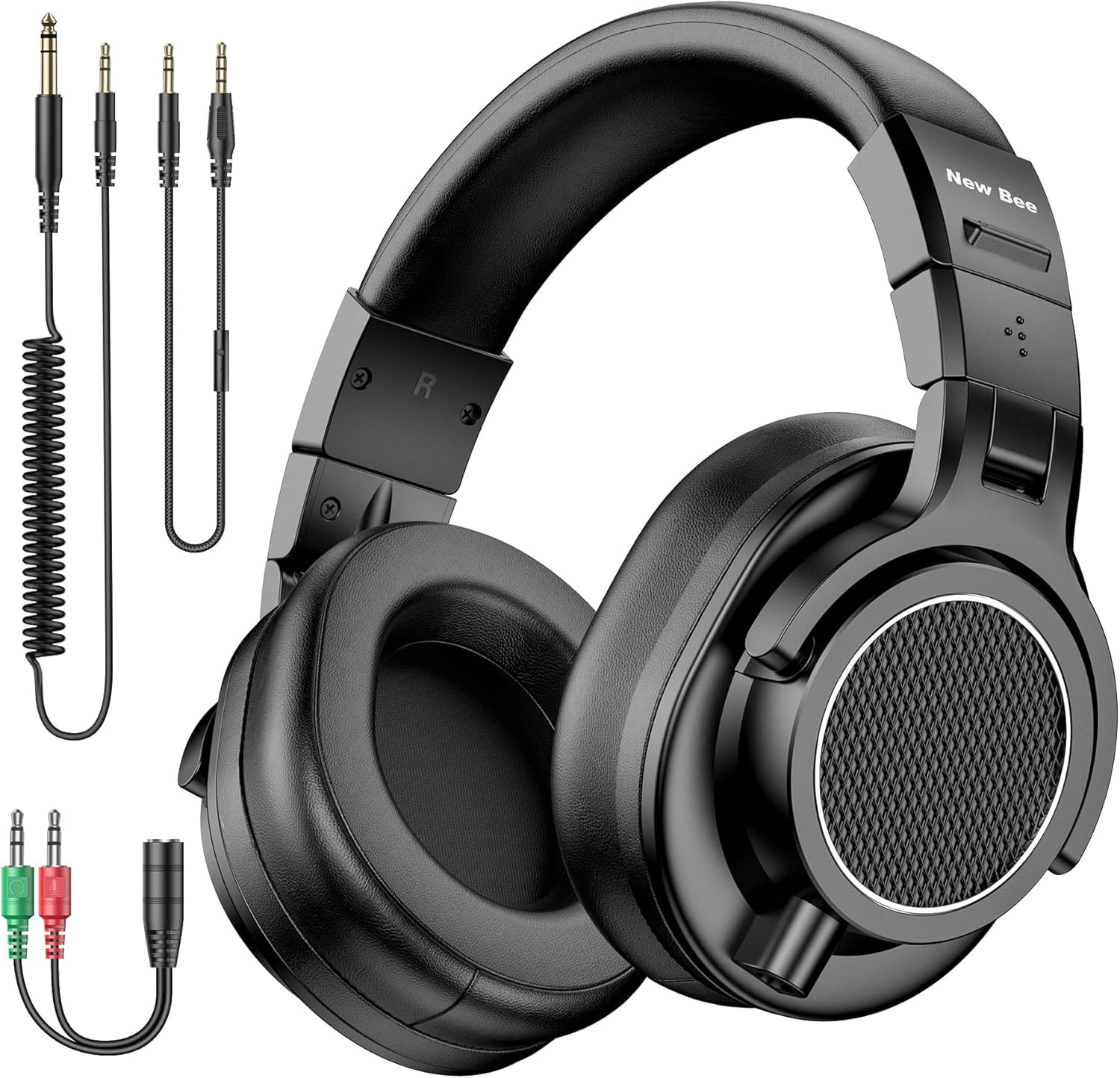
The multi-device model makes its case through breadth rather than a long physical-design description. Its attributes explicitly mention multi-device compatibility and lifelong technical support, and the use description names DJs, gaming, monitoring, and music production. That makes it a practical fit for someone moving the same wired headset among the listed desktop, laptop, tablet, mobile phone, TV, console, and smart-speaker devices. The limitation is that it remains wired, so wireless listening is outside this model's stated setup. Select it when the lower listed price and device-oriented wording are the deciding factors; the shared 50mm dynamic-driver format does not create a difference here.
Final choice by use case
- DJ or single-ear monitoring: Choose the rotating-cup model, because its description specifically includes 90° rotating ear cups and single-ear monitoring.
- Foldable studio storage: Choose the same model if foldable hinges and an adjustable headband are priorities.
- Mixed-device setups: Choose the multi-device model for its explicit multi-device compatibility and lifelong technical support wording.
- Price-led decisions: Choose the lower-priced model when the feature priorities are otherwise even.
The choice is therefore less about the shared driver format and more about the use case. Pick the rotating-cup model for its physical studio workflow; pick the multi-device model when its support language, broad device emphasis, and lower listed price better match your setup.