Choosing between microphone accessories can feel like comparing a repair part with a performance add-on: one piece is meant for the electronics side of a mic, the other for the vocal side. If your goal is cleaner spoken-word takes, the pop filter is the direct companion; if your goal is signal-path repair or a studio project, the circuit board is the component to consider. The spread between the two listed prices is $4.47, so the right pick has more to do with your gear and goal than with cost.
Quick verdict
The Blue Yeti Pop Filter for Condenser Microphones Studio Accessories Yeti is the easier add-on for voice-recording setups. The Condenser Microphone Circuit Board Home Music Studio Accessories is the board-level part for studio repair and troubleshooting. The pop filter is the lower-priced option in this pair; the circuit board is the only one of the two aimed at microphone electronics.
At a glance
| Product | Listed price | Price bar | Best for |
|---|---|---|---|
| Blue Yeti Pop Filter for Condenser Microphones Studio Accessories Yeti | USD 16.86 | Plosive protection for Blue Yeti and Yeti Pro compatible setups | |
| Condenser Microphone Circuit Board Home Music Studio Accessories | USD 21.33 | Analog board for repair, music studios, and home recording setups |
Where each product wins
The Blue Yeti Pop Filter wins for quick, non-electronic sound improvement. It is designed for plosive control during spoken takes, and it suits a practical voice-recording workflow. Podcasters and voiceover artists who want to cut popping bursts will get the most out of this accessory.
The Condenser Microphone Circuit Board wins for repair and studio tinkering. Built as an analog microphone board from metal and plastic, it targets professional mic repair workshops, music studios, and home recording studio accessories setups. If the trouble is on the electronic side of the mic rather than in front of it, this board matches the task.
Product notes
Blue Yeti Pop Filter for Condenser Microphones Studio Accessories Yeti
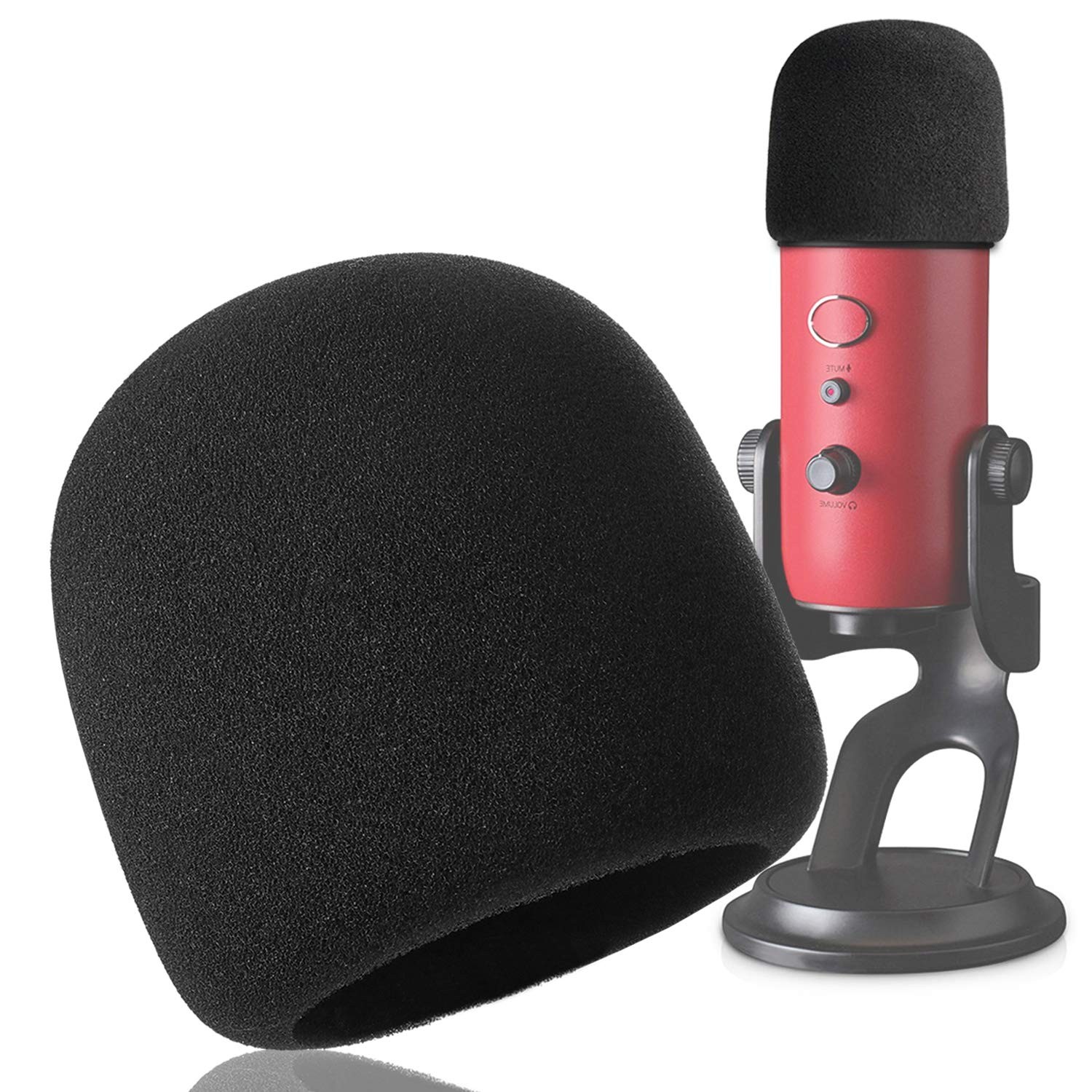
At the lower end of the price spread, this pop filter is a straightforward add-on for a Blue Yeti or Yeti Pro. It is designed to reduce popping sounds during voice recording and also suits other 2.5-inch diameter condenser microphones. That makes it a practical choice for podcasters and voiceover artists who want a cleaner vocal take without opening up the microphone. Its limitation is that it is a filter, not an electronic component. If the microphone has a signal problem, a dead board, or a wiring issue, this accessory will not fix it. It also does not convert a microphone into something it is not; it simply handles the air-pressure pops in front of the capsule.
Condenser Microphone Circuit Board Home Music Studio Accessories
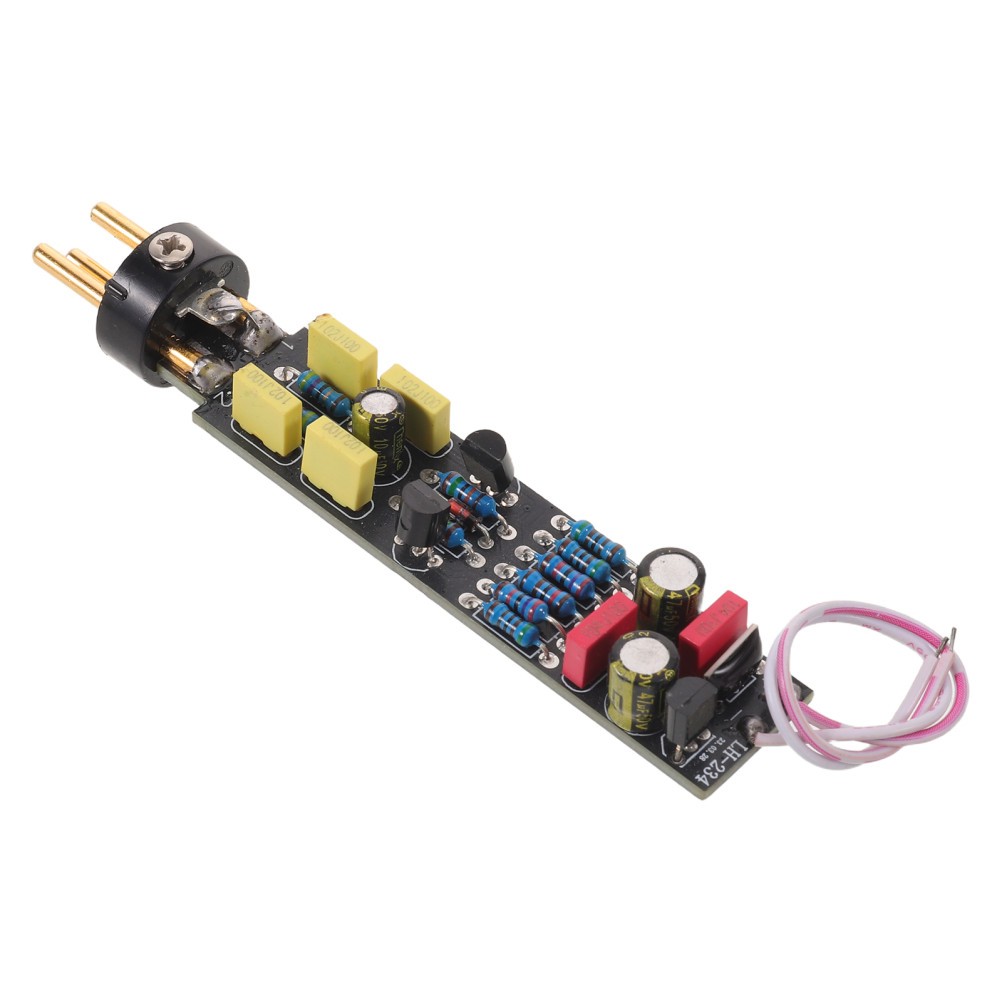
This is the higher-priced item in the comparison, and it is aimed at internal microphone electronics. It is an analog microphone board constructed from metal and plastic, with a compact listed size of roughly 3.54 by 0.59 by 0.59 inches. The intended audience matches professional mic repair workshops, music studios, and home recording studio accessories setups. If you are replacing a faulty board, troubleshooting a signal path, or building a repair bench, this component belongs in your parts drawer. Its limitation is the opposite of the pop filter: it is not a plug-and-play sound accessory for the front of a microphone. It suits a project rather than a quick vocal upgrade.
Final choice by use case
Choose the Blue Yeti Pop Filter if you want a direct voice-quality accessory for a compatible condenser microphone. Choose the Condenser Microphone Circuit Board if you are repairing or upgrading studio microphone electronics and need an analog replacement board for the signal path. Between the two, the lower-priced option is the pop filter, but the better buy is whichever one matches the specific bottleneck in your recording setup.